Why Cats Follow You to the Bathroom: Attachment and Routine

If you have a cat, there is a good chance you rarely use the bathroom alone. The moment you head down the hall, a furry shadow trots after you, slips through the door before it closes, or sits outside and calls until you come out. It can be funny, a little inconvenient, and puzzling if you have heard that cats are aloof and independent. In reality, this habit usually reflects a healthy blend of social attachment, curiosity, territory checking, and the strong preference cats have for predictable routines. Most of the time it is completely normal. Occasionally, though, a sudden change in how clingy a cat is can be a sign that something deserves a closer look. This guide explains why cats do it, when a change warrants a veterinary exam, and how to set kind boundaries.
Important: This article shares general educational information for pet owners and is not a substitute for an in-person veterinary examination, diagnosis, or treatment. For any medical concern or emergency, contact your veterinarian promptly.
Cats Really Do Form Attachments to People
The old idea that cats tolerate people only for food has not held up well. Behavior research has described attachment styles in cats that resemble those seen in human infants, with many cats showing what researchers call secure attachment to their caregivers.
Following you from room to room is one everyday expression of that attachment. The bathroom is simply one more room you visit, and one where you stay put for a while.
Attachment looks different in every cat
Some cats are lap sitters, while others prefer to stay a few feet away and watch. Some follow one family member everywhere and ignore the rest. Personality, early socialization, and past experiences all shape how a cat shows affection. Learning to read your cat's signals helps; our guide to cat body language explains what tail, ear, and eye positions often mean.
The Mystery of the Closed Door
Many cats are far more interested in a room the moment its door shuts. Cats like to know what is happening in their territory, and a closed door blocks both their view and their access. That can prompt pawing under the door, calling, or waiting right outside.
Many cats prefer having a choice about where they go. Letting a cat in often ends the fuss, because once they have inspected the room, the urgency fades.
- Curiosity: bathrooms are full of interesting sounds, smells, and textures that change from day to day.
- Territory checking: cats often patrol their home, and a room they cannot enter becomes a priority.
- Social contact: a closed door separates your cat from you, and some cats simply want to be where you are.
Routine, Mornings, and Feeding Expectations
Cats are creatures of habit. They learn the order of your day and anticipate what comes next. If your morning routine goes from alarm clock to bathroom to kitchen, your cat may follow you into the bathroom because it is the step right before breakfast.
Over time, this pattern can become a ritual. Your cat may wait by the sink or meow to hurry things along. The same can happen in the evening if the bathroom visit is linked to bedtime snacks or play.
Why consistency matters
Predictable routines tend to help cats feel secure. When routines shift suddenly, such as after a move, a new work schedule, or a new family member, some cats become more watchful and follow their people more closely for a while.
Cool Tiles, Running Water, and Your Attention
Bathrooms have features that many cats find genuinely appealing. Tile floors and porcelain sinks stay cool, which can be pleasant on a warm day. A sink bowl is also a snug spot for a curled-up cat.
Running water fascinates many cats. Some cats prefer to drink from a flowing source rather than a still bowl, so a pet water fountain or an extra bowl in a quiet spot may be worth trying.
A note on increased thirst
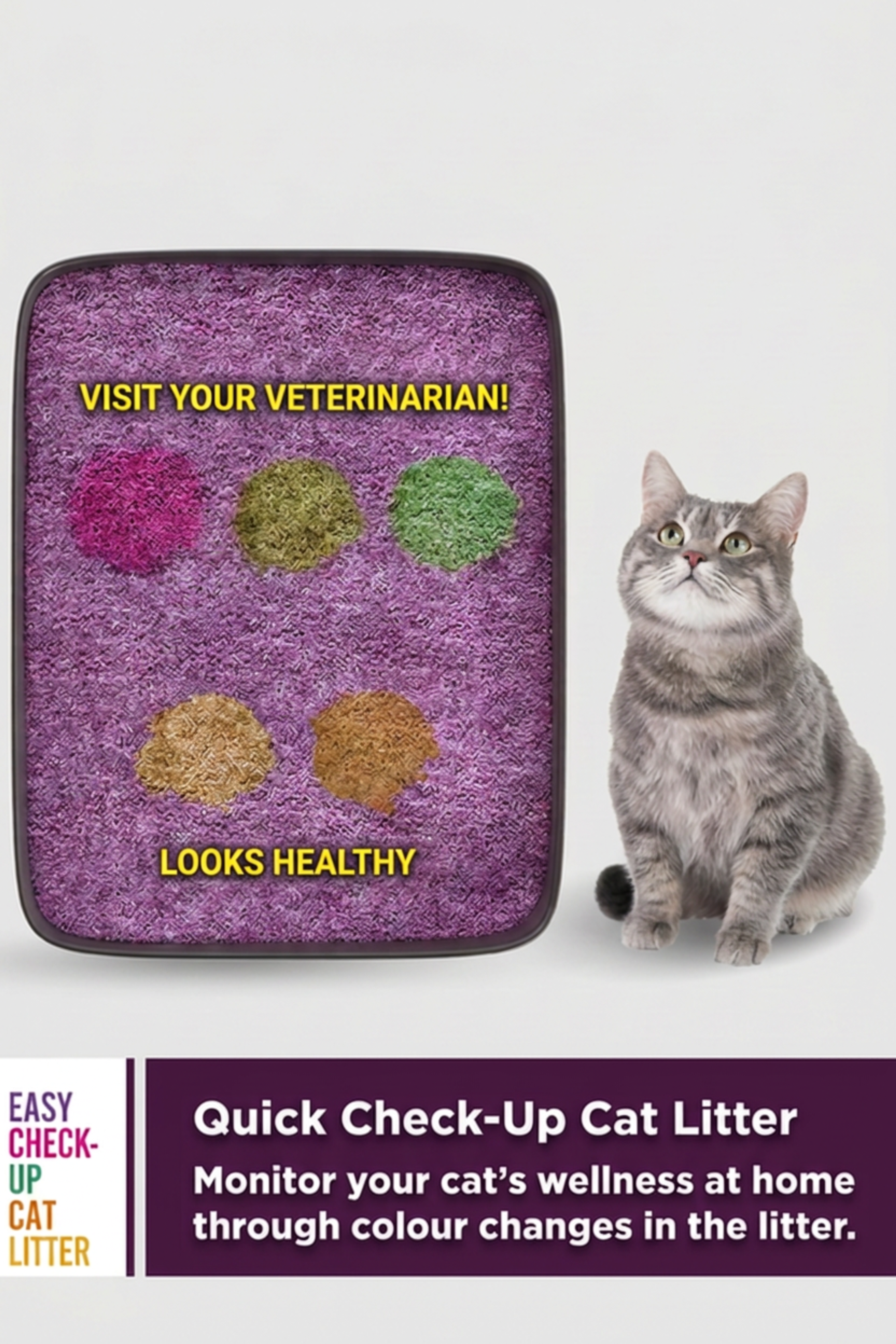
If your cat suddenly seems to drink much more than usual, or you notice larger clumps in the litter box, that change warrants a veterinary exam, because increased thirst and urination can be associated with several medical conditions.
A captive audience
When you sit down in the bathroom, you are not going anywhere for a few minutes, your hands are often free, and you are at a convenient height for head rubs. For an affectionate cat, that is an ideal opportunity.
If you pet or talk to your cat during these moments, you are rewarding the habit, which is fine if you enjoy it.
When Sudden Clinginess May Signal a Problem
A cat who has always followed you around is usually just being themselves. What deserves attention is a change: a previously independent cat who suddenly will not leave your side, or a cat who seems anxious, restless, or distressed when you are out of sight. Cats hide discomfort well, so a shift in social behavior can be an early clue.
Possible reasons your veterinarian may consider
- Stress: a move, visitors, a new pet, or conflict with another cat can make some cats seek reassurance.
- Illness or pain: cats who feel unwell may become clingy, while others hide; either change from normal deserves attention.
- Cognitive changes in senior cats: older cats can show confusion, nighttime calling, or increased need for contact; our guide to cognitive dysfunction in senior pets explains more.
- Hyperthyroidism-related behavior changes: this common condition in older cats can be associated with restlessness, increased vocalizing, a bigger appetite, and weight loss.
- Vision or hearing loss: a cat who cannot see or hear as well may stay closer to familiar people.
None of these can be identified at home. If your cat's clinginess appears suddenly, or comes with other changes in appetite, weight, grooming, litter box habits, sleep, or activity, schedule a veterinary exam.
Separation-Related Signs in Cats
Cats can experience separation-related distress, although it may look different than it does in dogs.
- Excessive vocalizing, especially when you leave or close a door
- Urinating or defecating outside the litter box, sometimes on your bedding or clothing
- Over-grooming, which may lead to thinning fur or bald patches
- Very intense greetings or following when you return
These signs can also be associated with medical problems, so a veterinary exam is the right first step rather than assuming it is purely behavioral. Your veterinarian can look for underlying causes and discuss a behavior plan if needed. If your cat calls out a lot, our article on excessive meowing in cats covers common reasons and helpful next steps.
Setting Boundaries Kindly
It is reasonable to want privacy. Punishment, such as yelling, squirting water, or pushing a cat away roughly, tends to increase fear and stress and can damage the trust between you, so it is best avoided.
- Offer attention first: spend a few minutes playing with or petting your cat before you head into the bathroom.
- Provide an alternative spot: place a cozy bed, blanket, or cat tree near the bathroom door so waiting outside feels comfortable.
- Use a quiet distraction: a food puzzle or a favorite toy given as you walk in can keep your cat busy.
- Stay calm and consistent: ignore pawing or calling at the door rather than responding, then greet your cat warmly when you come out.
- Keep the bathroom cat-safe: if your cat does come in, keep medications, cleaning products, razors, and dental floss out of reach, and keep the toilet lid down.
- Adjust gradually: change a long-standing routine slowly rather than all at once.
Enrichment and Scheduled Play
A cat who has plenty to do is often less fixated on following you everywhere.
- Scheduled play: short interactive play sessions with a wand toy or ball, at roughly the same times each day, give your cat a predictable outlet for energy.
- A window seat: a secure window seat or a cat tree placed beside a window offers outdoor viewing.
- Food puzzles: puzzle feeders turn mealtime into a challenge and can make feeding expectations less focused on you.
- Vertical space: shelves and cat trees let cats climb, survey their territory, and choose where to rest.
- Quiet hideaways: boxes, covered beds, and quiet corners let your cat retreat when they want to.
For more ideas, see our guide to indoor enrichment for cats.
When to Call Your Veterinarian
Following you to the bathroom is not, by itself, a reason for concern. Schedule a veterinary exam if your cat shows:
- A sudden, unexplained increase in clinginess or anxiety
- Increased thirst or urination, or larger clumps in the litter box
- Weight loss, a change in appetite, or vomiting
- Excessive vocalizing, especially at night
- Urinating or defecating outside the litter box
- Gradual confusion or disorientation
- Not responding to sounds they used to notice
Contact your veterinarian or an emergency clinic right away if your cat
- Is straining in the litter box without producing urine, or produces only small drops
- Is breathing with their mouth open, panting, or struggling to breathe
- Collapses, has a seizure, or cannot stand
- Suddenly seems unable to see or starts bumping into things
- Appears to be in severe pain, cries out when touched, or hides and will not come out
Straining in the litter box without producing urine can indicate a urinary blockage, which is a medical emergency, especially in male cats.
Common Myths and Mistakes
Myth: Cats are not attached to their people.
Fact: research has described secure attachment in many cats.
Myth: A cat who follows you everywhere is always anxious.
Fact: most cats who trail their people are simply social, curious, and comfortable. A sudden change in behavior, not the habit itself, is what warrants a closer look.
Mistake: Punishing a cat for following you.
Scolding or startling a cat can increase fear and make clingy or anxious behavior worse.
Mistake: Assuming new clinginess is just a quirk.
When a cat's behavior changes suddenly, especially in a senior cat, a veterinary exam helps rule out medical causes.
Frequently Asked Questions
Is it normal for my cat to follow me to the bathroom?
Yes. It usually reflects attachment, curiosity, routine, and a desire for attention.
Why does my cat cry outside the bathroom door?
Closed doors frustrate many cats because they block access to part of their territory and to you. If the crying is new or intense, or comes with other changes, mention it to your veterinarian.
Why does my cat sit in the sink?
Sinks are cool, snug, and close to running water, which many cats enjoy.
Does my cat follow me because they are hungry?
Sometimes. If the bathroom visit comes right before feeding time, your cat may be anticipating the next step in your routine.
My senior cat suddenly will not leave my side. Should I worry?
A sudden change in an older cat deserves a veterinary exam, because conditions such as hyperthyroidism, cognitive changes, or vision and hearing loss can affect behavior.
Key Takeaways
Cats follow their people to the bathroom for many ordinary reasons: attachment, curiosity about closed doors, territory checking, morning and feeding routines, cool tiles and sinks, interest in running water, and the chance to get undivided attention. For most cats, it is normal. A sudden increase in clinginess, or signs such as excessive vocalizing, eliminating outside the litter box, or over-grooming, warrants a veterinary exam, since stress, illness, pain, cognitive changes, hyperthyroidism, or vision and hearing loss can all play a role. Set boundaries kindly without punishment, offer scheduled play, a window seat or cat tree, and other enrichment, and contact your veterinarian or an emergency clinic right away if your cat is straining in the litter box without producing urine or is breathing with their mouth open.