Litter Stuck to Long-Haired Cats: Hygiene Care at Home
Long-haired cats are beautiful, but that flowing coat has a practical downside: litter can cling to the toe tufts, and the fluffy fur behind the hind legs, often called the britches, can catch litter and bits of stool. Most cats work hard to keep themselves clean, so a messy rear or litter-crusted paws deserves a closer look. This guide explains why it happens, how to clean your cat gently at home, how combing and litter choice can help, where cosmetic grooming products fit in, and which signs mean it is time to call your veterinarian.
Important: This article shares general educational information for pet owners and is not a substitute for an in-person veterinary examination, diagnosis, or treatment. For any medical concern or emergency, contact your veterinarian promptly.
Why Litter and Debris Cling to Long Coats
A short-coated cat usually leaves the box with little more than a stray granule. A long, dense coat acts more like a brush, picking up whatever it touches.
- Toe tufts: long hair between the pads traps litter, especially fine or dusty types, which then gets tracked through the house.
- Britches and tail fur: the fluffy hair around the hind end sits right where stool exits, so even normal stool can occasionally catch.
- Damp fur: moisture from urine or soft stool makes litter stick and dry into crusty clumps.
- Tangles and mats: knotted hair holds debris tightly and is hard for your cat to clean.
An occasional granule on a paw is normal. A rear end that is regularly soiled suggests something is getting in the way of normal self-grooming.
Common Reasons a Cat Cannot Stay Clean
Cats are usually meticulous groomers, so when hygiene slips there is often a reason. Some are coat issues; others deserve a veterinary exam.
- Coat length and matting: some cats simply have more fur than they can manage, and mats that pull on the skin make grooming the area uncomfortable.
- Extra weight: cleaning the rear requires curling and twisting, which can be physically hard for a heavier cat.
- Joint stiffness and age: older cats with sore joints often groom less in hard-to-reach areas.
- Soft or loose stool: softer stool is far more likely to stick to fur, and diet changes, stress and digestive conditions can all play a part.
A cat that looks unkempt, greasy or matted may be uncomfortable, and our article on why some cats groom less explores possible causes. Ongoing soft stool is a reason to see your veterinarian rather than simply cleaning up after it.
Gentle Cleanup Step by Step
Many cats dislike having their hind end handled, so keep sessions short and calm, and reward cooperation with praise or a favorite food reward.
- Gather supplies first: wipes or a soft damp cloth, a wide-toothed comb, a towel and rewards.
- Support your cat comfortably: let your cat stand on a towel on your lap. Avoid scruffing or pinning.
- Loosen dry debris: lift away loose granules with your fingers or the comb before adding moisture.
- Wipe from front to back: hold the hair near the skin so you never tug, and wipe in the direction of hair growth.
- Dry thoroughly: damp fur attracts more litter, so pat the area dry.
- Check the skin: look for redness, sores, swelling or a strong odor.
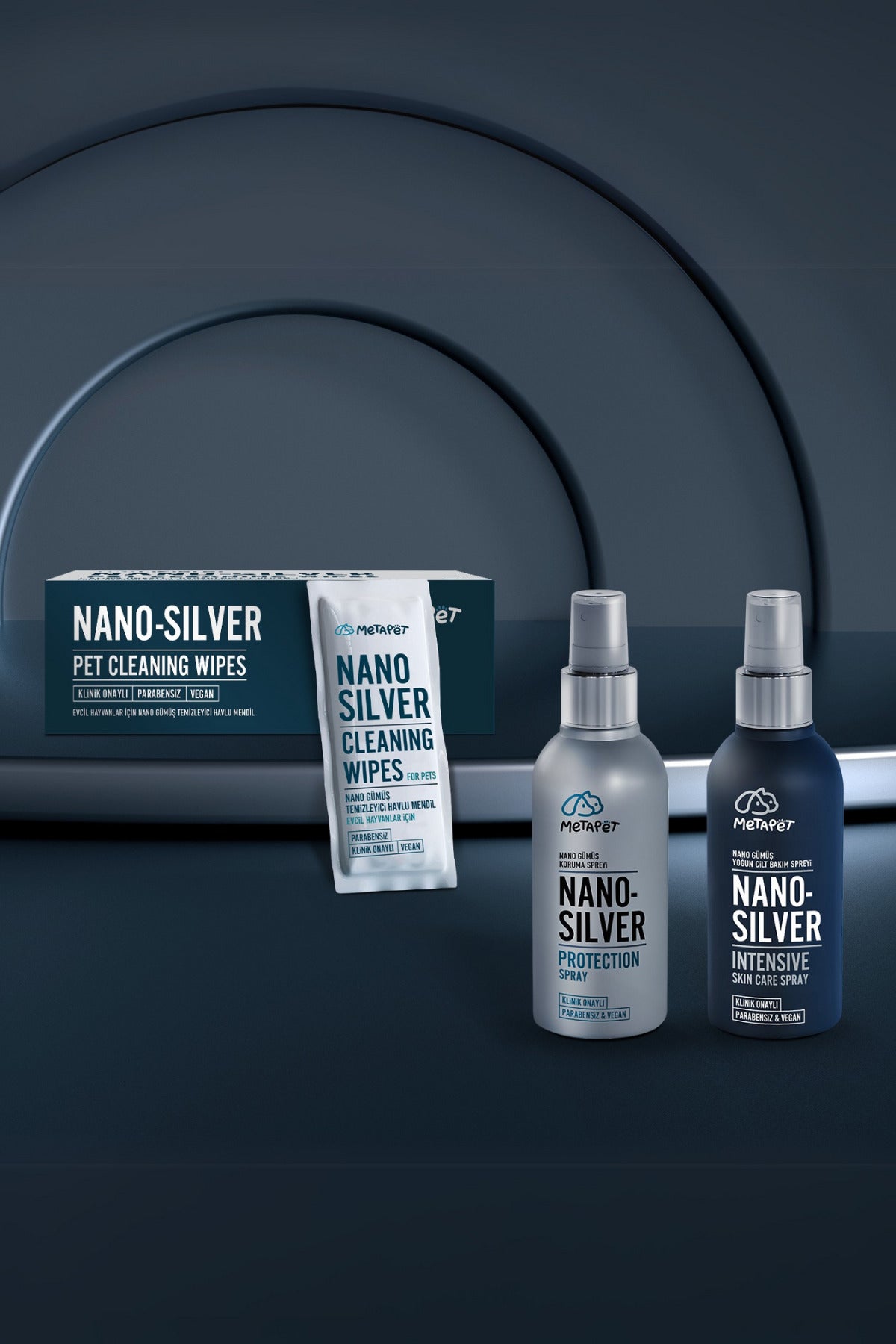
For quick cleanups between baths, the MetaPet Nano-Series Hygiene and Care Towel Wipes are designed for gentle cleaning of the coat and skin and are handy for paws, the body and sensitive areas. Each box holds large wipes for cats and dogs. Gently wipe, massaging lightly, and use a fresh wipe as needed. They are for external cleansing only, are not a medicine, and complement, not substitute for, veterinary care. Discontinue use if irritation occurs.
Combing and Detangling the Trouble Spots
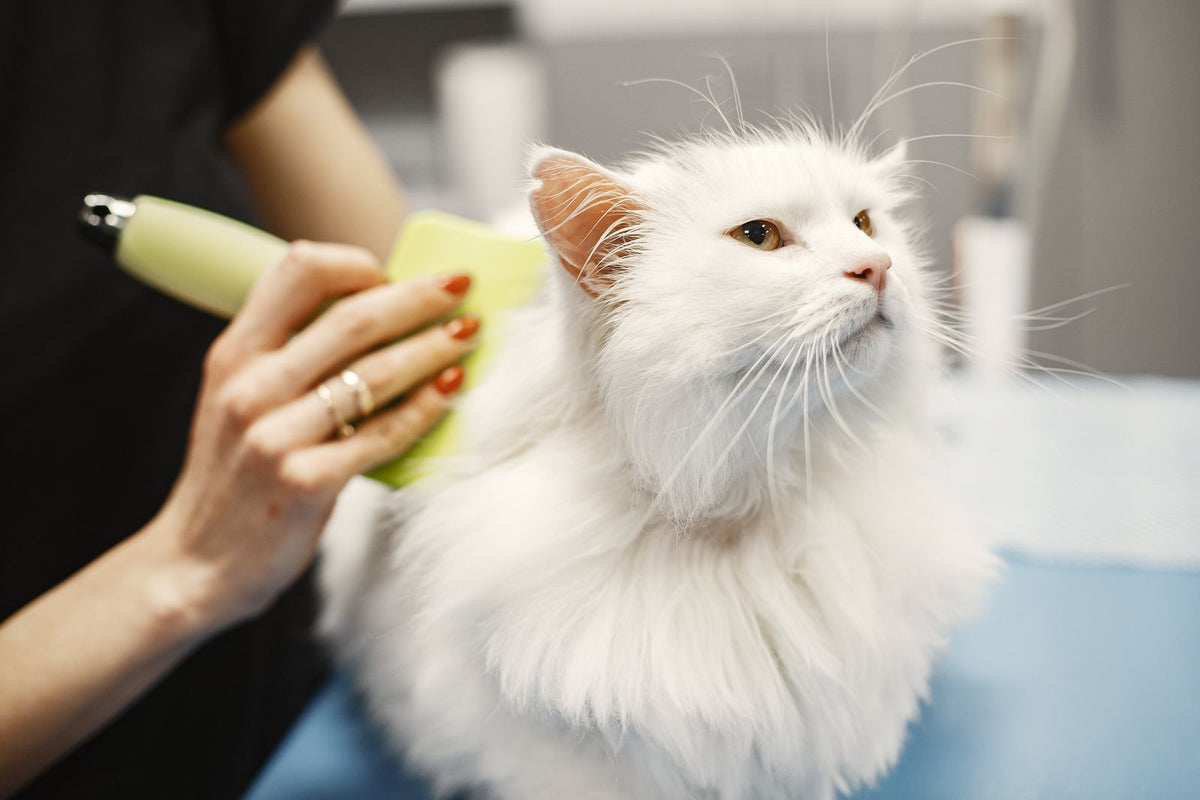
Regular combing keeps the hair around the paws and hind end loose enough that litter falls out rather than getting trapped. Use a wide-toothed metal comb first, then a finer comb, and focus on the britches, under the tail, the belly and between the toes. Work in small sections, holding the hair at the base so the comb pulls against your fingers, not your cat's skin. A few calm minutes most days beats one long struggle.
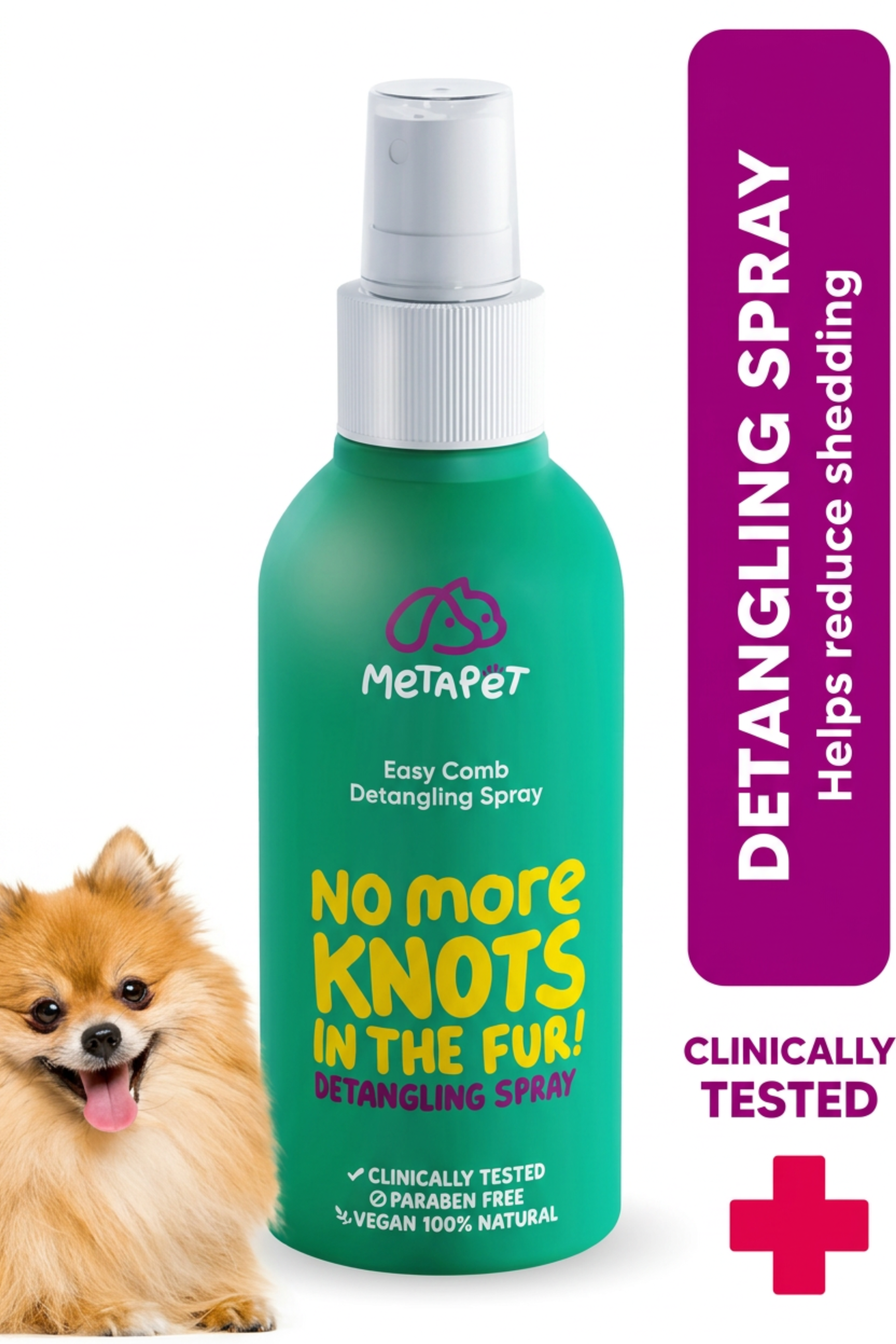
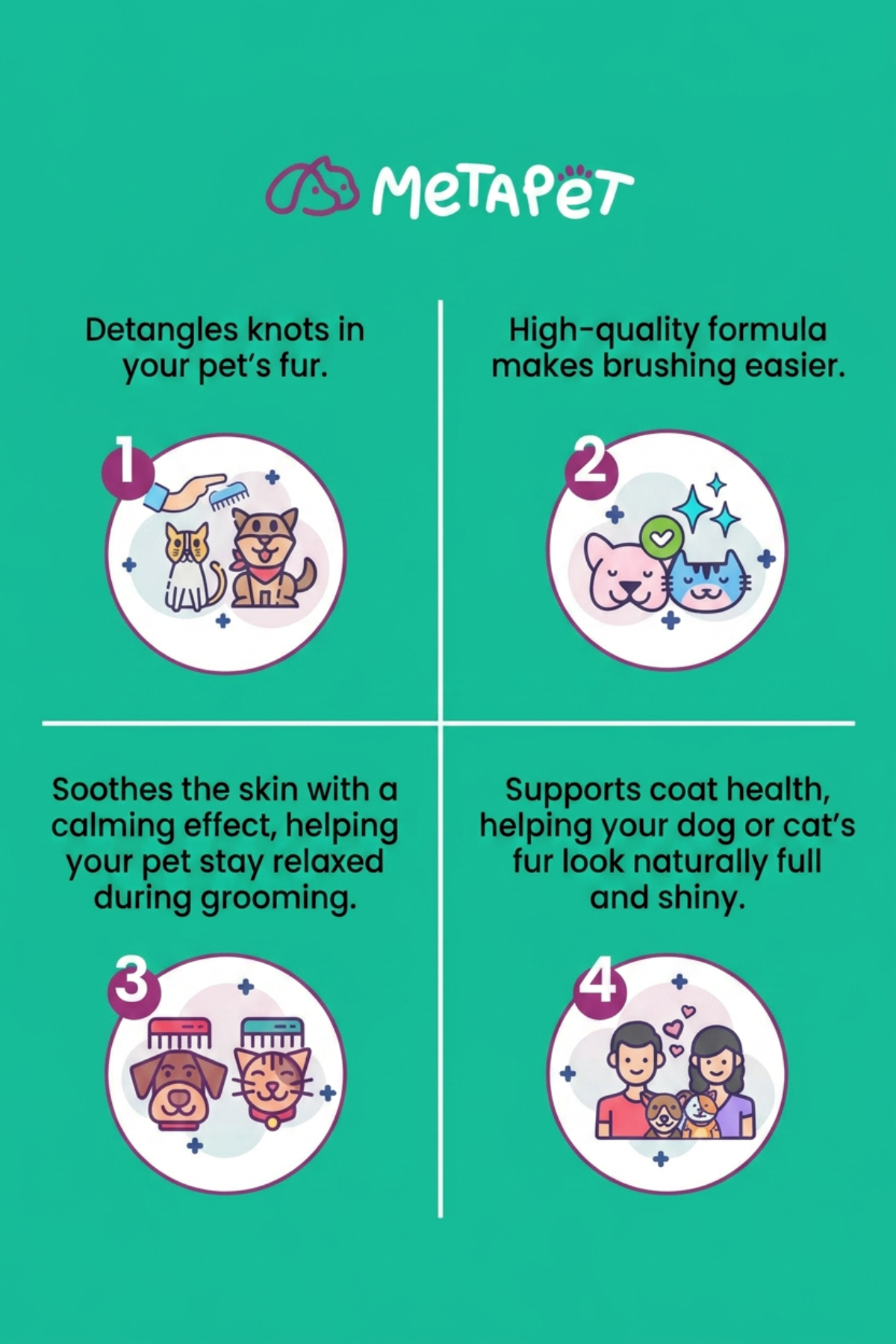
For small tangles, the MetaPet No More Knots in the Fur Detangling and Easy-Combing Spray helps loosen tangles for smoother, easier brushing. It is paraben-free and pH-balanced for your pet's skin. Shake the bottle, spray onto damp or dry fur, then comb through. It is a cosmetic grooming product, not a medicine, and complements, not substitutes for, veterinary care. Discontinue use if irritation occurs.
Our guide to brushing long-haired cats covers a fuller routine. Tight mats against the skin are a different matter, covered below.
Freshening the Coat Without a Full Bath
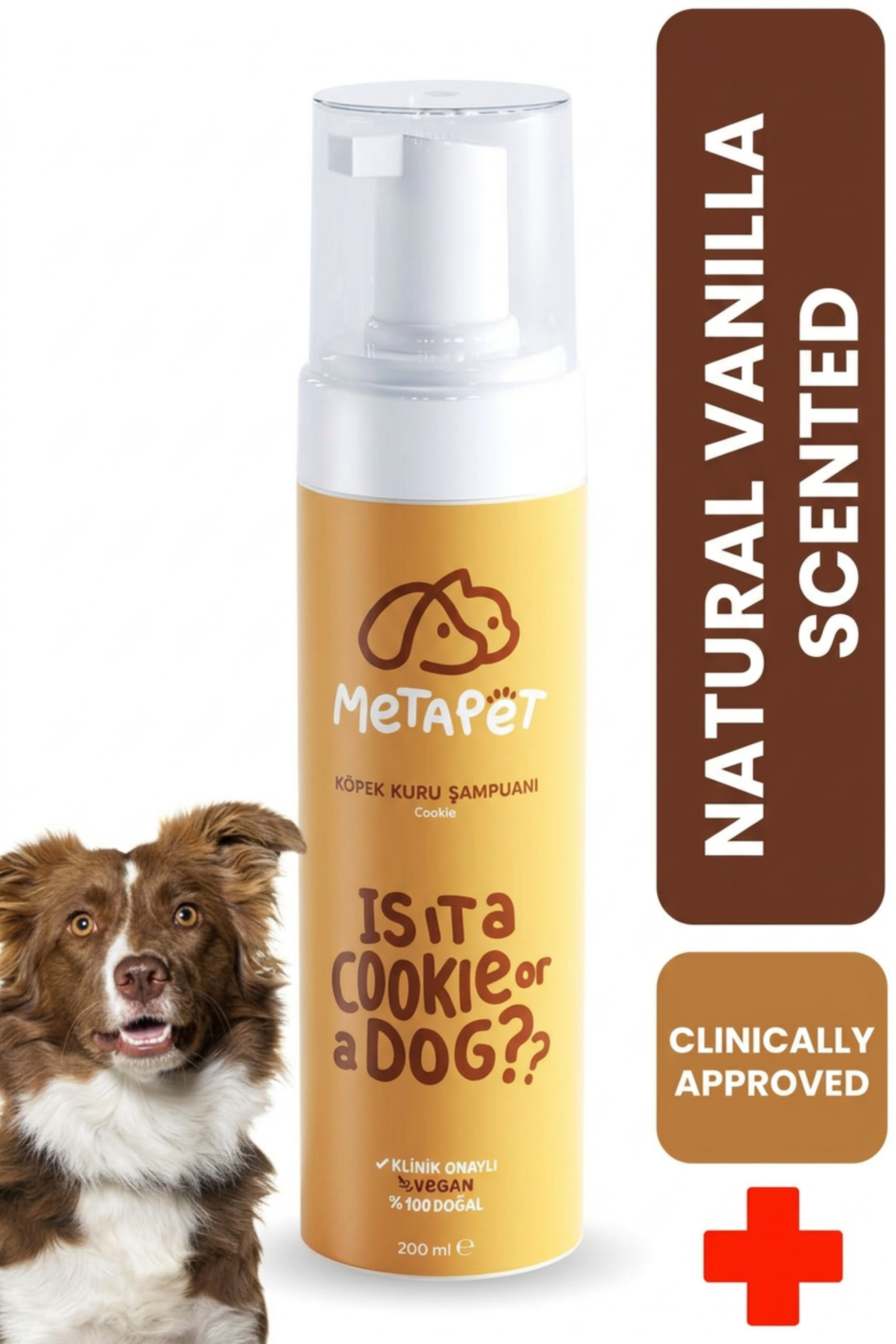
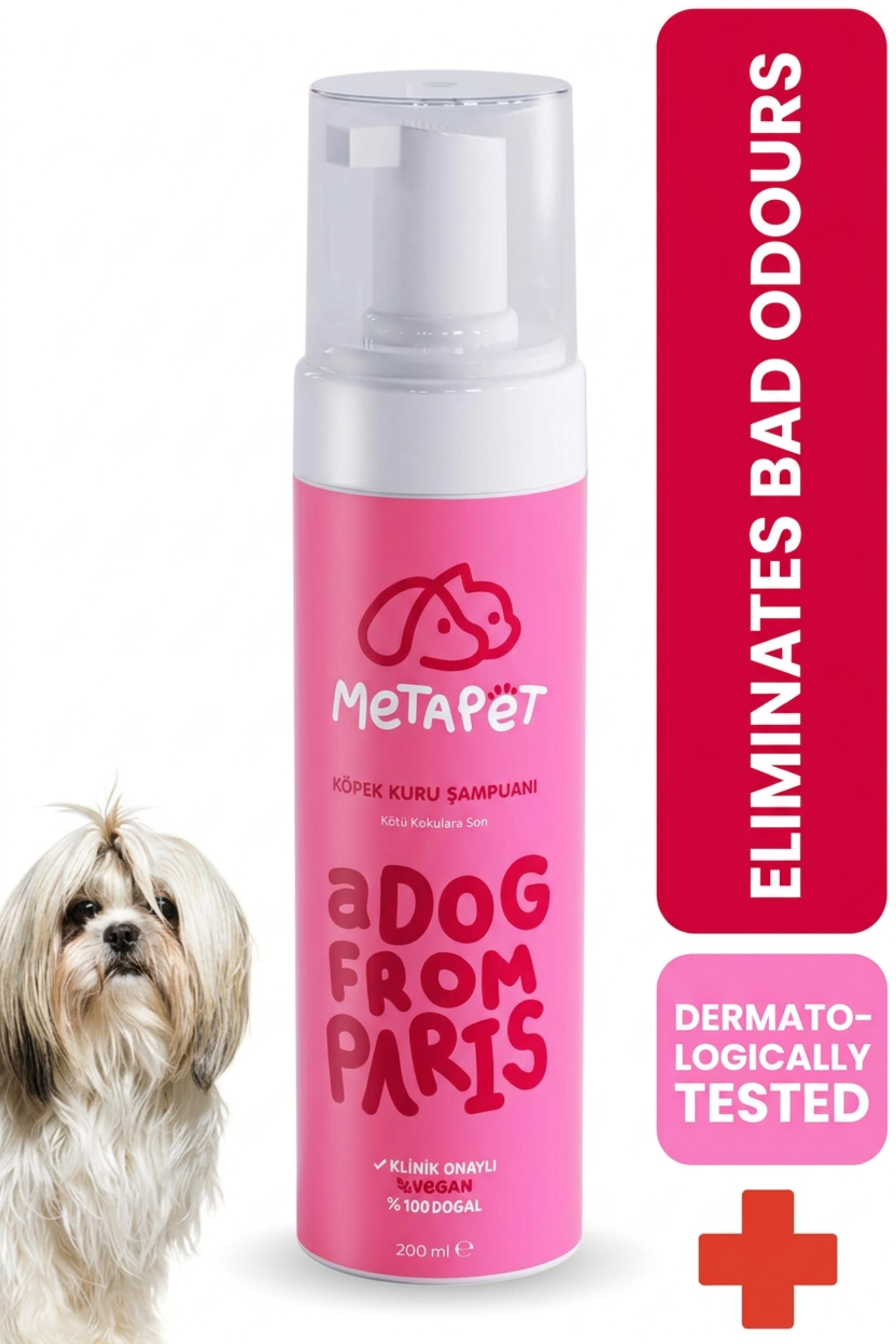
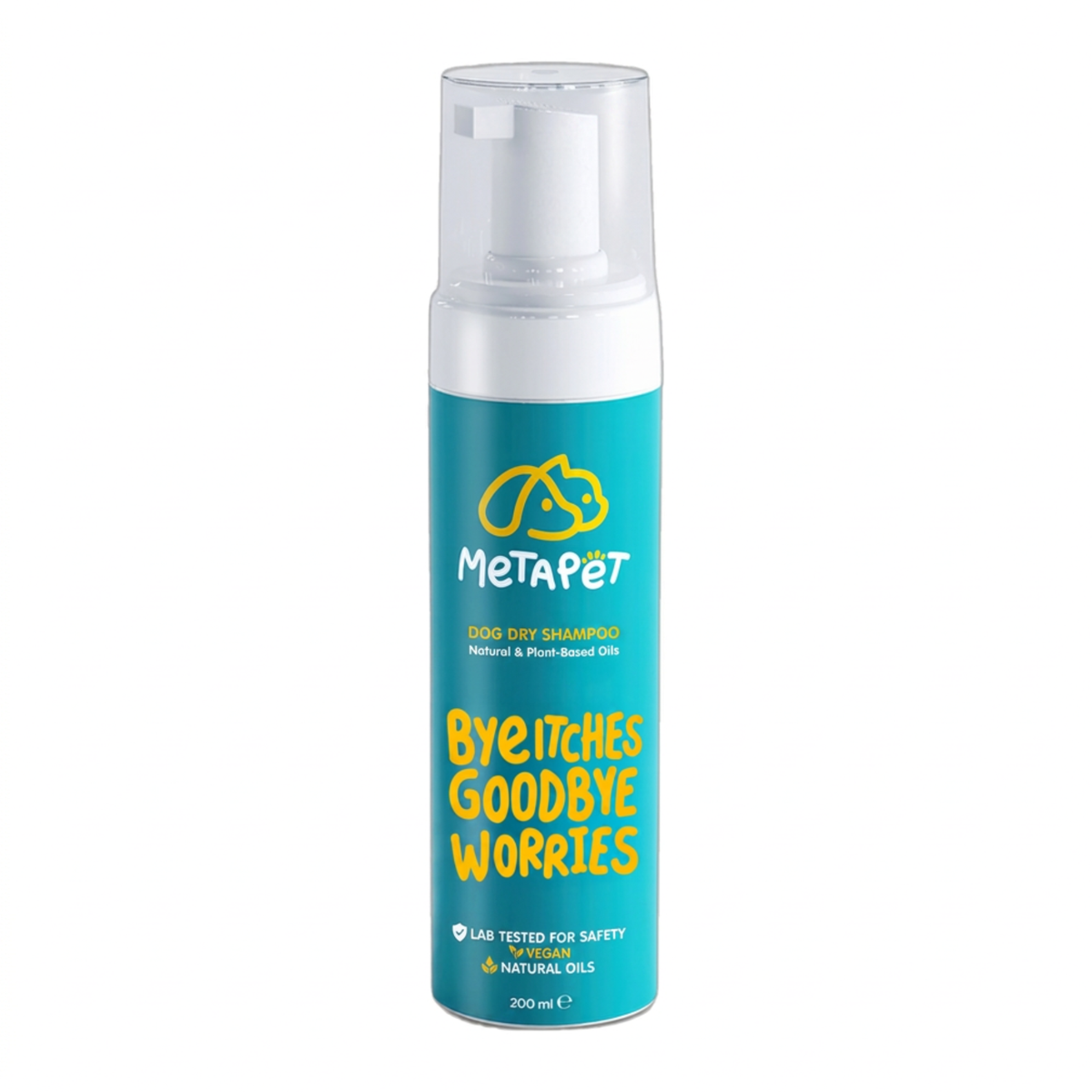
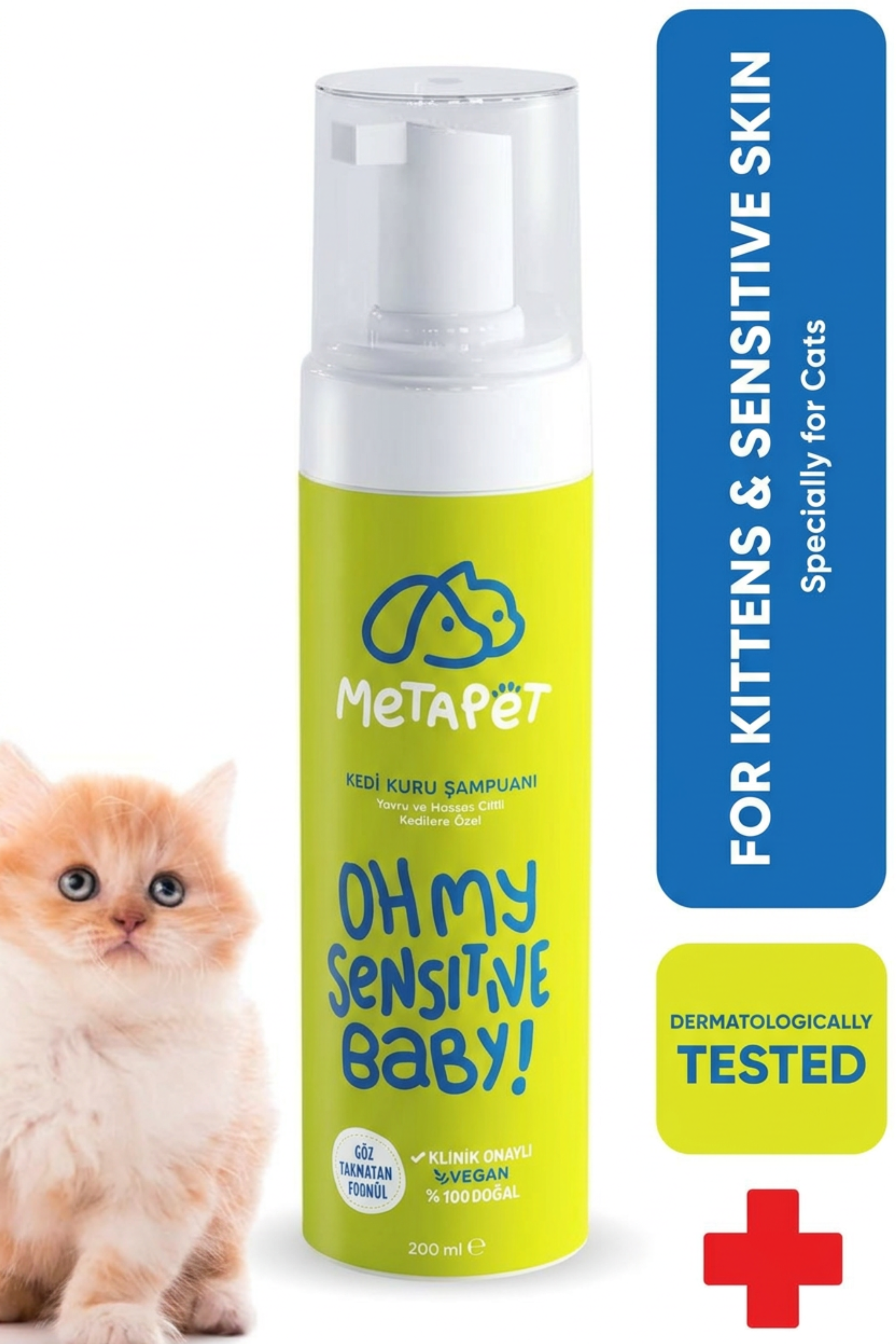
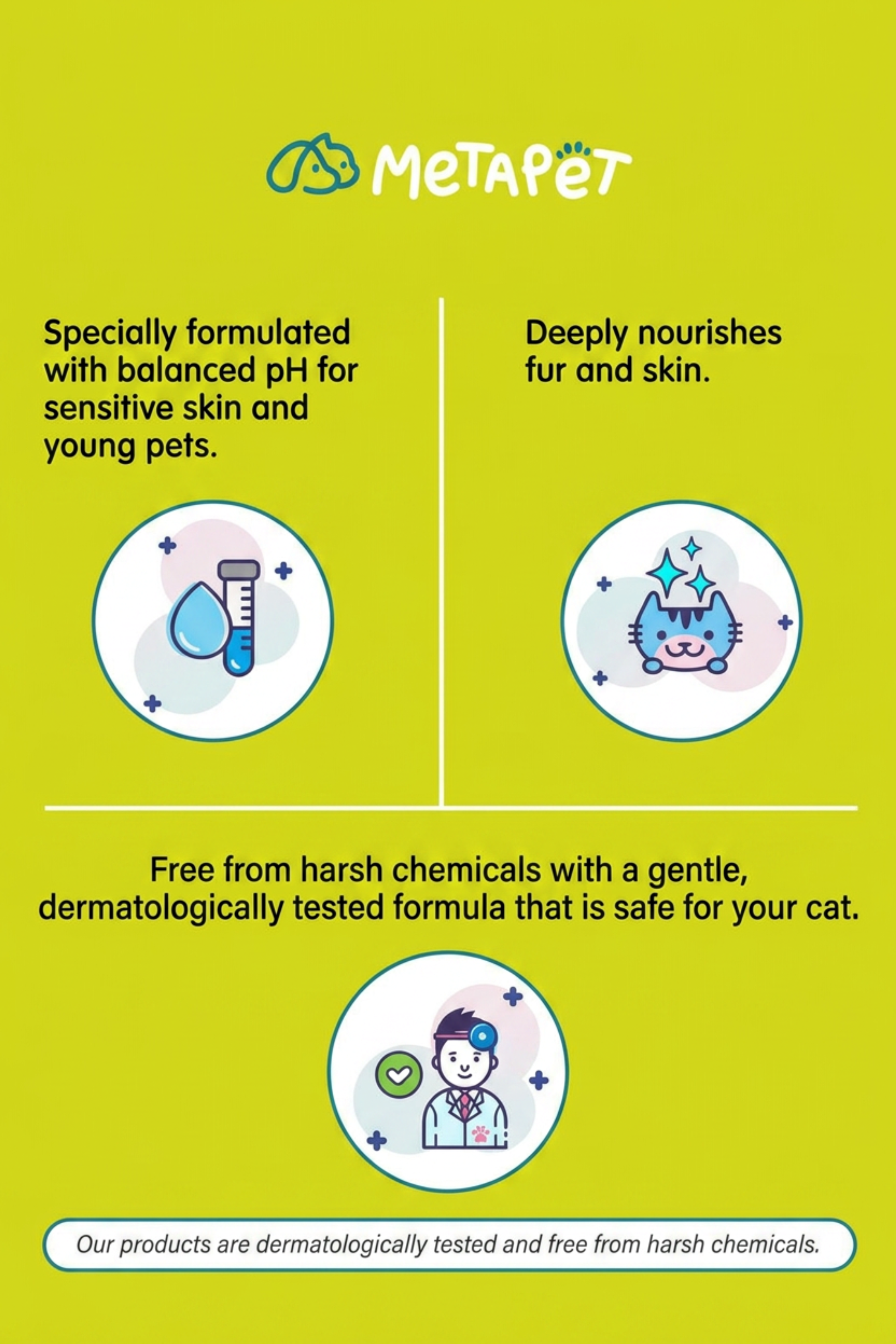
Many cats find water baths stressful, and a full bath is rarely needed just to tidy the hind end. The MetaPet Oh My Sensitive Baby! Waterless Dry Foam Shampoo for Cats is a no-rinse foam that freshens and cleans the coat between baths. It is formulated for kittens and cats with more delicate skin, is pH-balanced for a cat's skin, and helps lift away dust and a greasy feel, leaving the coat soft and fresh. It is a naturally derived, vegan formula made without parabens or added dyes.
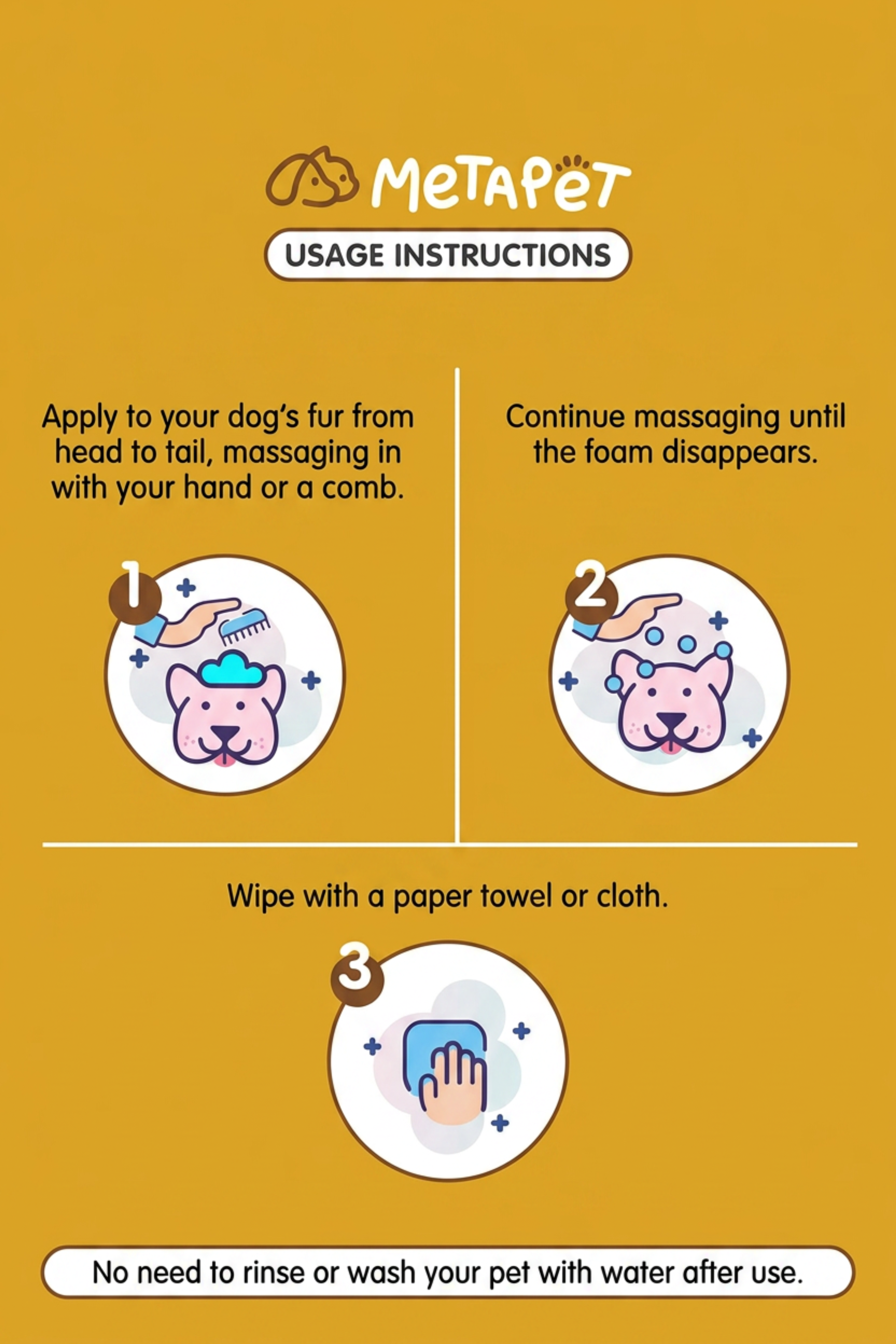
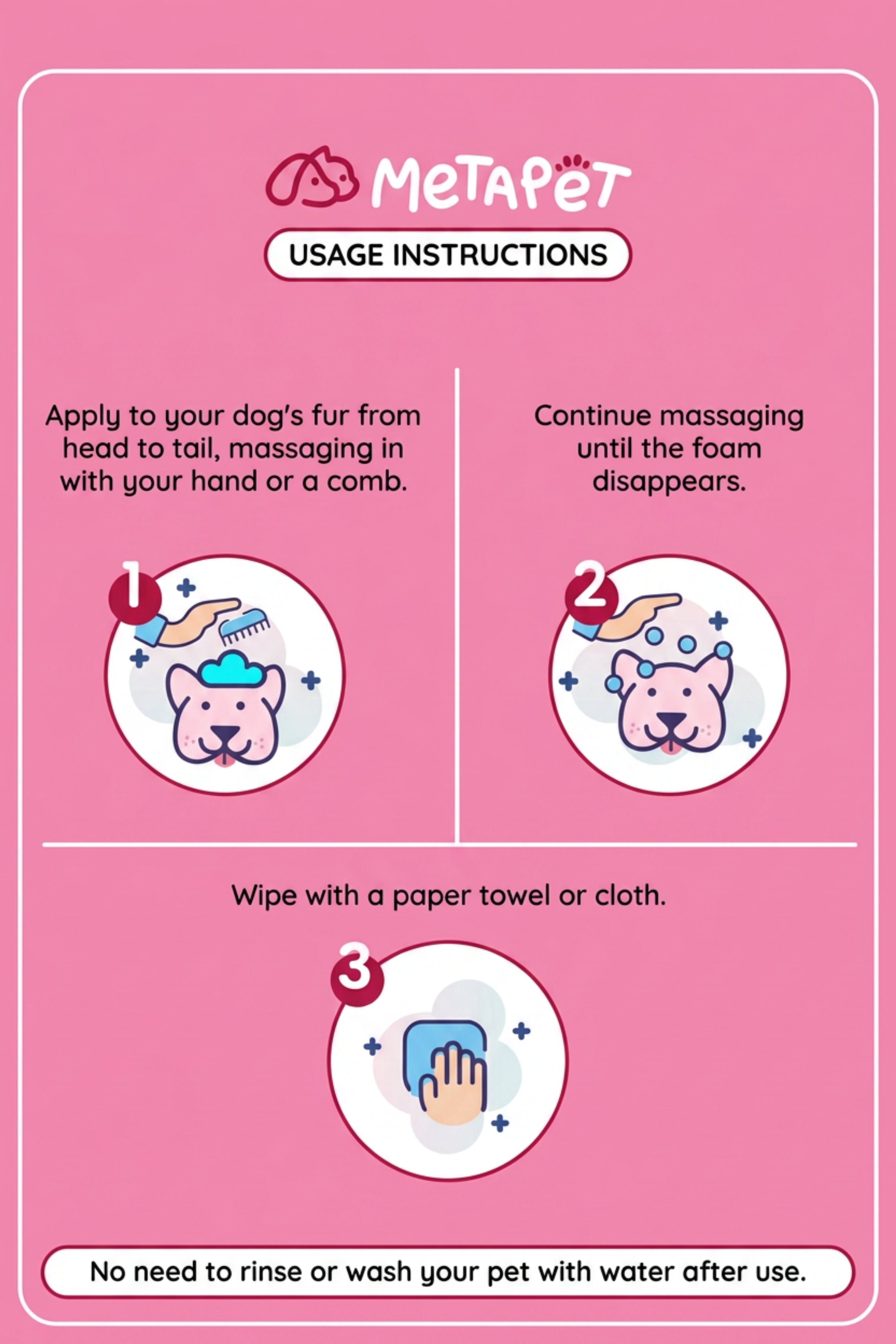
Shake well, massage the foam through the coat from head to tail while avoiding the eyes, and wipe off with a clean towel. It is a cosmetic product for external use only and complements, not substitutes for, veterinary care. It does not address soiling caused by digestive or urinary problems.
Sanitary Trims: Leave the Clippers to a Professional
For many long-haired cats, a sanitary trim makes the biggest difference. A groomer or veterinary team shortens the hair under the tail, around the rear and on the inner thighs, and may tidy the fur between the paw pads.
- Why a professional: cat skin is thin and stretches easily, so it is easy to accidentally nick or cut the skin when trimming at home.
- Mats close to the skin: these need careful clipping with the right equipment.
- Nervous cats: some cats do better at a veterinary clinic, where your veterinarian can advise on safe handling or sedation.
Our article on sanitary trims and hygiene clips explains what to expect at the appointment.
Litter Choice and Box Setup
The litter itself affects how much clings to your cat. If you switch, mix the new litter gradually into the old.
- Larger granules: bigger particles tend to fall away from long fur more easily than fine ones.
- Low-tracking, low-dust formulas: these are designed to cling less to paws and leave less grit in the coat.
- A roomy box: space to turn and dig keeps the rear from brushing the sides.
- Easy entry: a low-sided entry helps older or stiff cats position themselves properly.
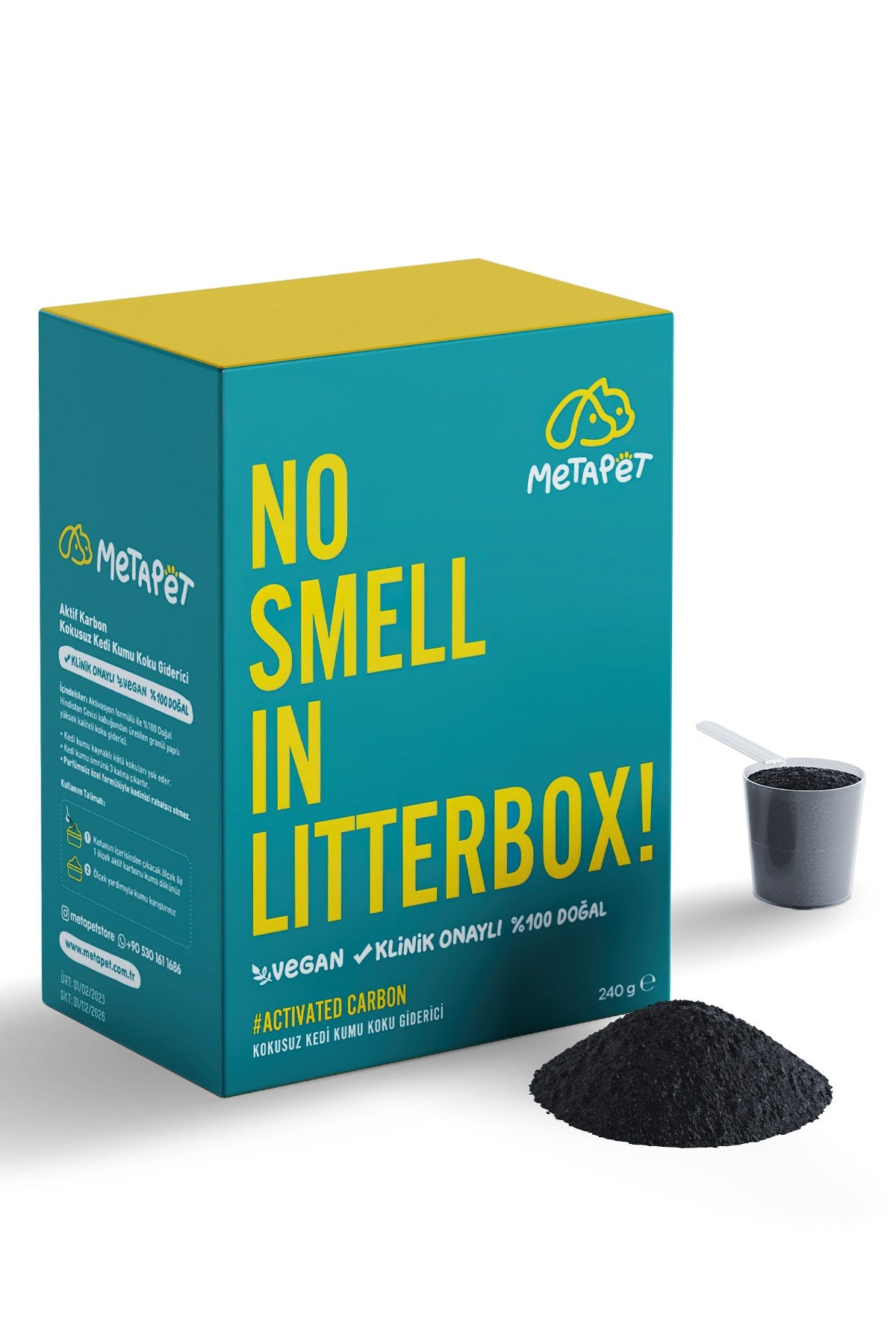
A clean box encourages normal use and means less soiled litter on the way out, so scoop often and change the litter fully on a regular schedule. After a full change, the MetaPet No Smell in Litterbox Activated Carbon Litter Deodorizer can be sprinkled over the fresh litter and mixed in. Made from coconut-shell activated carbon with no additives or added fragrance, it helps absorb and trap litter-box odors and works with all litter types. Use it with cat litter only and keep it out of reach of children. It complements, not substitutes for, veterinary care, so talk to your veterinarian if your cat's litter habits change.
See our practical guide to choosing cat litter for more on materials and textures.
A Simple Hygiene Checklist
- Daily: glance at the paws and under the tail, and scoop the box.
- Most days: comb the britches, belly and paws for a few calm minutes.
- Weekly: check for mats and look at the skin under the tail.
- Regularly: change the litter completely and wash the box with mild, unscented soap.
- Every cleanup: note stool consistency and box visits, and share changes with your veterinarian.
Common Mistakes to Avoid
- Cutting mats with scissors: a frequent cause of accidental skin cuts. Leave tight mats to a professional.
- Assuming it is just the coat: repeated soiling can point to soft stool, weight or joint discomfort that needs a veterinary exam.
- Using human wet wipes or household cleaners: these may contain ingredients unsuitable for cat skin, and cats lick their fur.
- Bathing too often: spot cleaning and waterless options are often enough.
- Restraining a frightened cat: forcing a struggling cat raises the risk of scratches and bites.
When to Call Your Veterinarian
Schedule a veterinary exam if you notice:
- Diarrhea, or soft stool that persists
- Scooting or dragging the rear, or frequent licking under the tail
- A cat that no longer grooms or looks unkempt, greasy or matted
- Red, raw or oozing skin, sores, or a bad smell under mats or around the rear
- Weight changes or stiffness that make grooming or using the box difficult
Contact your veterinarian or an emergency clinic right away if your cat is straining in the litter box, especially if little or no urine is produced. In male cats this can mean a blocked urinary tract, which is a true emergency. Because straining to urinate and straining to pass stool can look alike, consider any straining in the box a reason to call right away. Seek care right away, too, for crying in the box, vomiting with lethargy, or collapse. Give any medication only as prescribed by your veterinarian.
Frequently Asked Questions
Is it normal for litter to stick to a long-haired cat?
An occasional granule on the paws is common. Regular soiling of the hind end is worth discussing with your veterinarian.
Can I trim the fur around my cat's rear myself?
It is safest to leave sanitary trims to a professional groomer or your veterinary team, because cat skin is thin and easy to cut by accident.
My male cat keeps going in and out of the box but nothing comes out. What should I do?
Contact your veterinarian or an emergency clinic right away. Straining without producing urine in a male cat is an emergency.
Can grooming products replace a veterinary visit?
No. Wipes, foam shampoos and detangling sprays make cleanups easier, but they complement, not substitute for, veterinary care.
Key Takeaways
Long coats can trap litter and stool around the paws, britches and tail. Mats, extra weight, joint stiffness and soft stool can all make it harder for a cat to stay clean. Clean gently from front to back, dry the fur well, comb regularly, and leave mats and sanitary trims to a professional. Larger-granule, low-tracking litter and a clean, roomy box can help, and grooming products complement, not substitute for, veterinary care. Schedule an exam for diarrhea, persistent soft stool, scooting, a cat that no longer grooms or skin sores, and contact your veterinarian or an emergency clinic right away if your cat is straining in the box, especially a male cat producing little or no urine.