Cognitive Dysfunction in Senior Dogs and Cats: A Care Guide

As dogs and cats live longer, fuller lives thanks to better nutrition and veterinary care, more pet owners are encountering the changes that can come with advanced age, including changes in the brain. Cognitive dysfunction, sometimes informally called dog or cat dementia, describes an age-related decline in memory, awareness, and behavior. Watching a beloved companion become confused or restless can be heartbreaking, but understanding what is happening and how to help can make a real difference for both of you.
This guide explains what cognitive dysfunction is, how to recognize its signs, how veterinarians approach it, and the many gentle, practical ways you can support an aging pet's comfort and quality of life. With patience, routine, and veterinary partnership, many senior pets continue to enjoy meaningful, contented days.
Important: This article offers general educational information and is not a substitute for an in-person veterinary examination. Many signs of cognitive change can also be caused by other medical conditions, so please have your senior pet evaluated by your veterinarian. For sudden or severe changes, contact your veterinarian promptly.
What Is Cognitive Dysfunction?
Cognitive dysfunction is a recognized, age-related condition in which the brain gradually changes, affecting how a pet thinks, remembers, learns, and interacts with the world. It is somewhat comparable to certain age-related cognitive changes in people, and it tends to develop slowly over time rather than appearing overnight.
Because the changes are gradual, they are easy to dismiss as simply getting old. Yet recognizing cognitive dysfunction as a genuine condition matters, because there are real steps you and your veterinarian can take to support your pet's comfort and slow the impact of these changes on daily life. The earlier you notice and respond, the more you can do to help.
Why It Happens with Age
As pets grow older, their bodies and brains undergo natural wear and change. Over time, the aging brain can accumulate changes that gradually affect how nerve cells communicate, which in turn influences memory, awareness, and behavior. This is a normal part of aging for some pets, much as cognitive change is for some older people.
Not every senior pet develops cognitive dysfunction, and the degree of change varies widely between individuals. Genetics, overall health, and lifestyle may all play a role. While aging itself cannot be stopped, supporting your pet's general wellbeing throughout life, and especially in the senior years, can help them stay as sharp, comfortable, and engaged as possible.
Recognizing the Signs
Veterinarians often summarize the signs of cognitive dysfunction with the framework DISHAA, which highlights the main areas of change to watch for:
- Disorientation: Getting lost in familiar places, staring at walls, or seeming confused.
- Interaction changes: Becoming more clingy, more withdrawn, or less interested in people and other pets.
- Sleep-wake changes: Restlessness or pacing at night and sleeping more during the day.
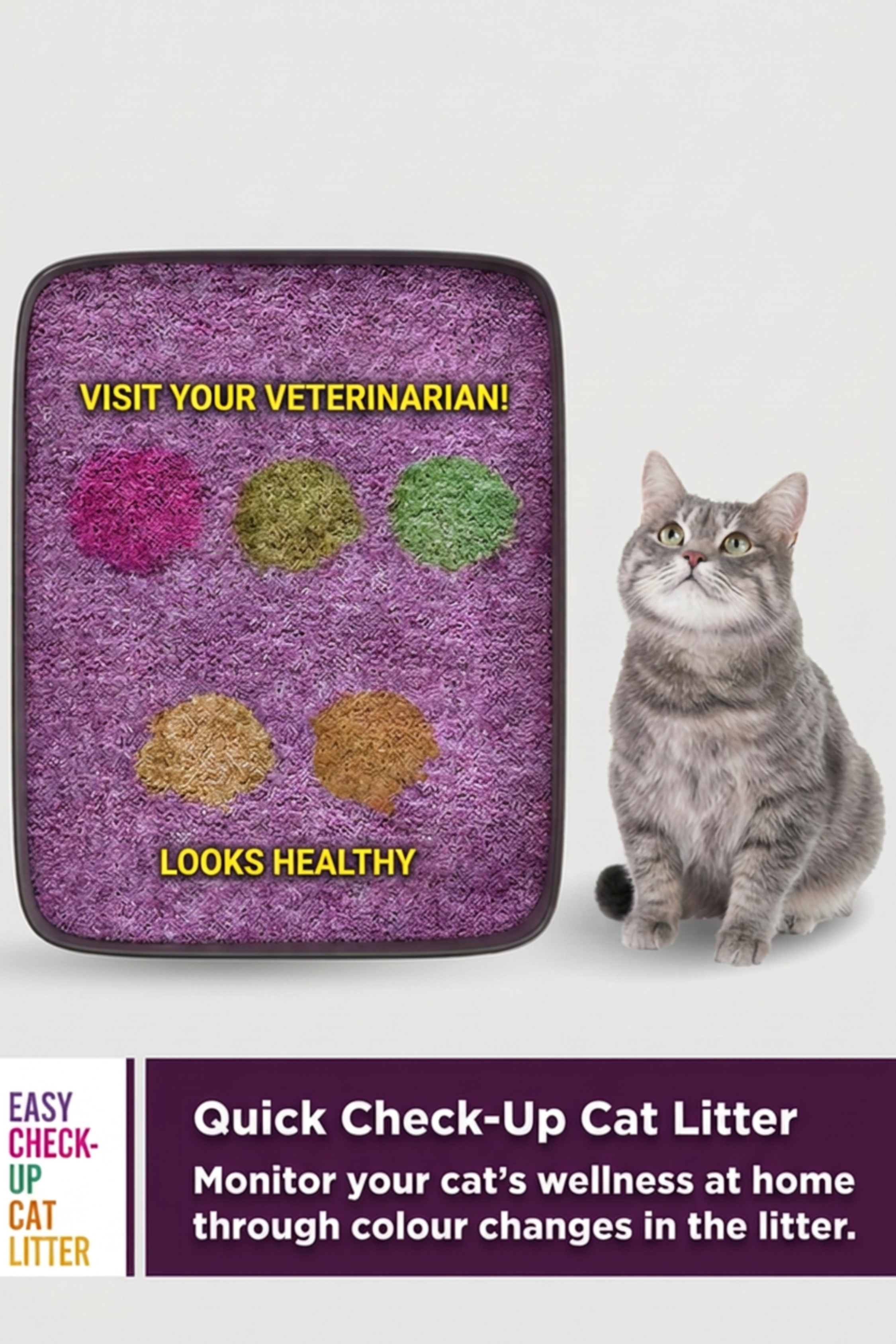
- House-soiling: Forgetting house training or litter habits.
- Activity changes: Reduced interest in play, exploration, or familiar activities, or repetitive behaviors.
- Anxiety: Increased restlessness, vocalizing, or signs of unease.
These signs often appear gradually and may come and go. Keeping a simple journal of what you notice, and when, can be very helpful information for your veterinarian.
How Veterinarians Evaluate Cognitive Change
There is no single quick test for cognitive dysfunction. Instead, veterinarians reach the conclusion partly by recognizing the typical pattern of changes and partly by ruling out other conditions that can look similar. Your detailed observations are a cornerstone of this process, so come prepared to describe what you have seen.
Your veterinarian will perform a thorough physical examination and may recommend additional checks to evaluate your pet's overall health. This careful approach ensures that treatable conditions are not overlooked and that any plan is built on an accurate understanding of your individual pet. The aim is to support quality of life as effectively as possible.
Ruling Out Other Conditions
This step deserves special emphasis, because many signs that look like cognitive dysfunction can actually stem from other, sometimes treatable, conditions. Pain from arthritis can cause restlessness and irritability. Sensory changes such as reduced vision or hearing can lead to apparent confusion or startling. Various internal health conditions can affect appetite, energy, thirst, and toileting habits.
Because of this overlap, it is essential not to assume that every change in an older pet is simply dementia. A proper veterinary evaluation can uncover conditions that may be managed to improve your pet's comfort dramatically. Addressing these underlying issues is one of the most valuable things you can do for an aging companion.
Supporting Your Aging Pet at Home
Much of the day-to-day help for a pet with cognitive change happens at home, and small adjustments can have a big impact. A predictable routine is one of the most comforting things you can provide. Keep feeding times, walks, and bedtime consistent, since predictability reduces anxiety and helps a confused pet feel secure.
Gentle, regular engagement also helps. Short, positive interactions, easy games, and low-stress mental stimulation can keep your pet involved with the world. Avoid rearranging furniture or making sudden changes to the environment, which can be disorienting. Above all, approach your pet with patience and warmth, remembering that confusion and accidents are not their fault.
Diet, Enrichment, and Routine
A balanced, age-appropriate diet supports your senior pet's overall health, and your veterinarian can recommend feeding choices suited to your pet's needs. Gentle enrichment, tailored to your pet's abilities, helps keep the mind engaged: think easy food puzzles, short sniff-walks for dogs, or simple interactive play for cats. The goal is stimulation without stress or frustration.
Maintaining mobility through gentle, appropriate exercise also supports wellbeing and helps your pet stay engaged with daily life. Adequate hydration, comfortable rest areas, and a calm household round out a supportive routine. Every pet is different, so work with your veterinarian to find the right balance of activity and rest for your individual companion.
Gentle Supportive Options to Discuss with Your Vet
Some owners like to add supportive products to a senior pet's daily routine as a complement to, never a replacement for, proper veterinary care. Any supplement should be discussed with your veterinarian first, especially for a pet with other health conditions, and viewed as one small part of a broader care plan rather than a fix for cognitive change.
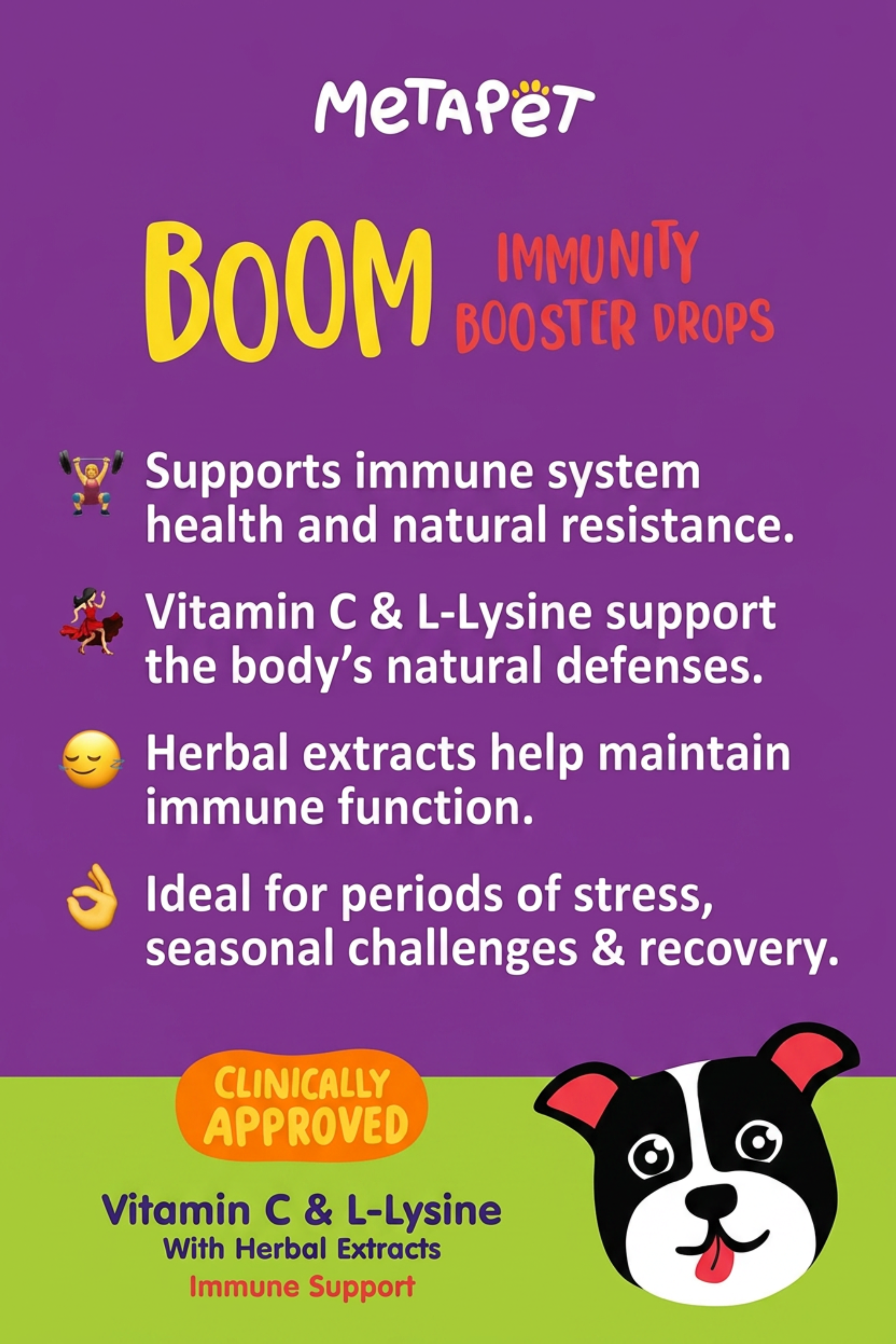
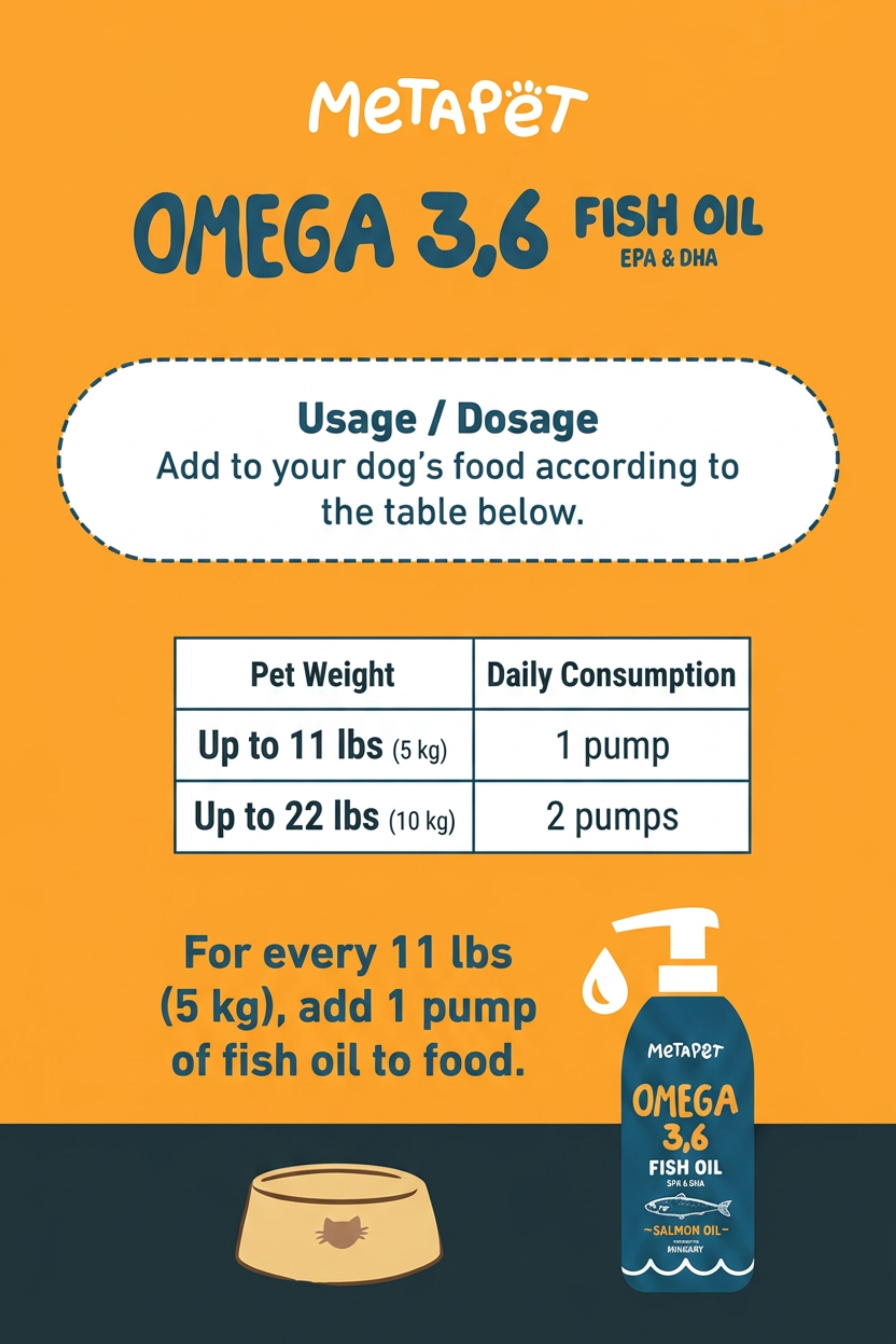
For example, MetaPet's Longevity Drops for Dogs and Longevity Drops for Cats are formulated to support everyday vitality in aging pets and can be offered as a daily addition alongside your veterinarian's guidance. Some owners also include a daily omega-3 source such as MetaPet's Omega Salmon Oil for Dogs or Omega Salmon Oil for Cats, which the brand describes as a tasty addition that supports skin and coat condition. These are optional comfort-and-wellness extras that work best as part of a complete senior-care routine built with your veterinary team, and they do not replace veterinary diagnosis or treatment.
Creating a Safe, Calm Environment
Pets with cognitive change benefit from a home that is easy to navigate and free of hazards. Keep pathways clear, use night lights to help a disoriented pet find its way, and consider easy-access bedding and litter boxes for pets with reduced mobility. Block off stairs or risky areas if your pet seems prone to wandering or getting stuck.
A calm atmosphere matters too. Reduce loud noises and chaotic activity where you can, and give your pet a quiet, cozy retreat. For pets that become anxious or restless at night, your veterinarian can suggest strategies to help everyone rest more comfortably. Thoughtful environmental tweaks often deliver some of the most noticeable improvements in daily life.
Myth Versus Fact
Myth: Confusion in an old pet is just aging and nothing can be done. Fact: Several supportive strategies can improve comfort and quality of life, so it is worth discussing with your vet.
Myth: If my pet is having accidents, it must be dementia. Fact: Many other conditions can cause this, which is why a veterinary check is essential.
Myth: A supplement alone can reverse cognitive decline. Fact: Supplements may be part of a supportive routine but are not a cure and do not replace veterinary care.
Frequently Asked Questions
At what age might cognitive dysfunction appear?
It is generally a condition of older pets, with risk increasing with age, but the exact timing varies widely. Your veterinarian can help interpret changes in the context of your pet's age and health.
Can I slow these changes down?
While aging cannot be reversed, a consistent routine, gentle enrichment, good general health care, and veterinary guidance can all support your pet's comfort and engagement.
Is my pet suffering?
Many pets with cognitive change still enjoy good quality of life with the right support. Your veterinarian can help you assess comfort and wellbeing over time.
When to See Your Veterinarian
Schedule a veterinary visit if you notice disorientation, changes in sleep or interaction, new accidents in the house, increased anxiety, or any of the signs described above. Because these changes overlap with many treatable conditions, an evaluation is always worthwhile, and earlier is better. Contact your veterinarian promptly if changes come on suddenly or your pet seems distressed.
Caring for a pet through cognitive change asks for patience and compassion, but it is also an opportunity to deepen the bond you share. With a steady routine, a safe and calm home, appropriate veterinary care, and plenty of gentle love, you can help your senior dog or cat navigate their golden years with dignity and comfort.