Why Cats Knock Things Off Tables: Play, Attention, and Boredom
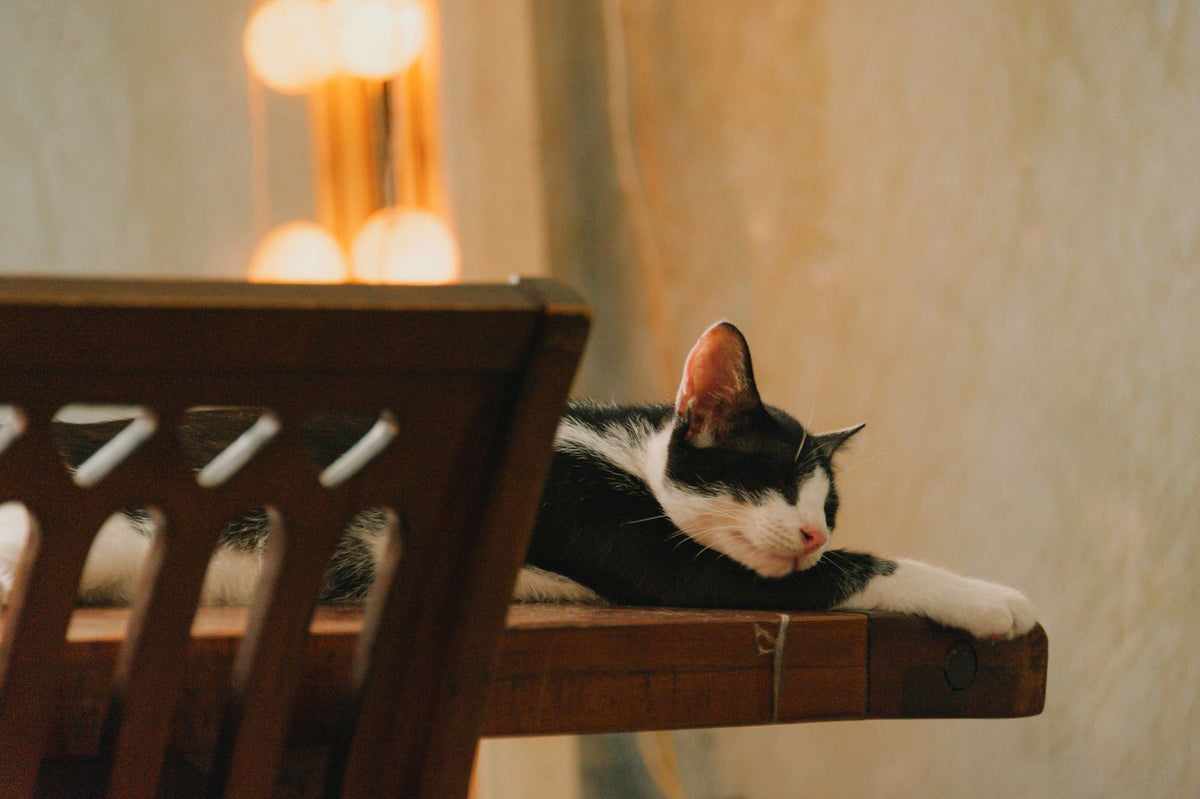
If you share your home with a cat, you have probably watched it happen: your cat strolls along the table, pauses beside a pen, a mug, or your phone, looks right at you, and slowly nudges it over the edge. It can look deliberate, but knocking things off surfaces is a normal feline behavior with several overlapping causes, including curiosity, chase instinct, a wish for your attention, hunger, and plain boredom. This guide explains why cats do it, how to give your cat better outlets, how to cat-proof your breakables, and which sudden behavior changes warrant a veterinary exam.
Important: This article shares general educational information for pet owners and is not a substitute for an in-person veterinary examination, diagnosis, or treatment. For any medical concern or emergency, contact your veterinarian promptly.
Is Knocking Things Over Normal Cat Behavior?
Yes. Most cats paw at small objects at least occasionally, and many do it often. Cats are curious, agile, and highly tuned to movement, so a small item resting on a ledge is an invitation to investigate. For many cats, pushing it off is simply the most interesting thing that can happen next.
That does not mean you have to live with broken glasses. Understanding why your particular cat does it helps you choose the right response. A cat who swats things at dawn while you sleep may be hungry or seeking company, while a cat who clears the shelf every afternoon while you work may be under-stimulated. Watching when, where, and what your cat targets gives you useful clues.
Exploring the World With Their Paws
Cats use their front paws much the way people use their hands. The paw pads are sensitive to texture, pressure, and temperature, and the whiskers on the face and the backs of the front legs add more information about objects close by. When your cat taps a cup, it is gathering information: Is this solid? Does it move? Is it light or heavy?
Testing cause and effect
A gentle tap that makes an object slide, wobble, or fall teaches your cat something new about the world. Because the results are often exciting, the behavior tends to repeat.
Chase Instinct: Why Moving Objects Are So Exciting
Even well-fed indoor cats keep a strong chase instinct. In nature, a cat's day would involve stalking, swatting, and pouncing on small moving targets many times over. That drive does not switch off just because dinner arrives in a bowl.
Small items that roll, slide, or drop trigger the same sequence. A cat may crouch, tap the object to see if it moves, then follow it to the floor and swat it around.
Cats who rarely complete this sequence through play often look for other outlets, and your countertop is a convenient one. Giving your cat regular chances to stalk, chase, and catch appropriate toys is one of the most effective ways to redirect this energy.
Attention-Seeking: When Your Reaction Is the Reward
Cats learn quickly. If knocking a mug off the desk makes you jump up, talk, or chase them, your cat has discovered a reliable way to get your attention. Even a scolding is attention, and for a cat who wants interaction, any response can feel worthwhile.
Attention-related knocking often has a recognizable pattern. It tends to happen when you are busy with something else, such as working on a laptop, talking on the phone, or reading. Your cat may make eye contact first or pause with a paw on the object.
This usually means your cat wants more engagement than it is getting, not that it is badly behaved.
Boredom and Hunger Cues
Boredom in indoor cats
Indoor life keeps cats safe from traffic and many outdoor hazards, but it can also be predictable. A cat with little to do may invent its own entertainment, and swatting items off surfaces is an easy option. Other signs of boredom can include restless pacing, excessive vocalizing, or rough play with people or other pets. Overgrooming can also occur, but because it often has a medical cause, it warrants a veterinary exam. Our guide to indoor enrichment for cats covers more ways to keep daily life interesting.
Hunger and mealtime routines
Some cats knock things over at predictable times, such as early morning or just before dinner. If the behavior lines up with meals and your cat heads to the food bowl afterward, it may be a learned way of saying it is time to eat. Feeding on a consistent schedule, and avoiding feeding your cat right after it knocks something down, helps break that link.
How to Redirect the Behavior With Enrichment and Play
The goal is not to suppress a natural behavior but to give it better outlets. Most cats do best with a mix of physical play, mental challenges, and a stimulating environment.
- Schedule interactive play: aim for short sessions with a wand toy at regular times each day, such as before you leave and before bedtime, so your cat can stalk, chase, and catch.
- End play with a catch: let your cat capture the toy at the end of each session, then offer a meal or a small snack so the sequence feels complete.
- Use puzzle feeders: food puzzles and slow-feeding toys turn mealtime into a task that engages the paws and the brain.
- Rotate toys: put some toys away and bring them back later so they feel new again.
- Offer approved swatting targets: lightweight balls or toys on a shelf or cat tree give your cat something it is allowed to push off.
- Add vertical space and views: cat trees, wall shelves, and a secure window seat give your cat places to climb and watch the outdoors.
Vertical space matters more than many owners realize. Our article on cat trees and vertical space explains why height is so valuable to cats. When choosing toys, avoid strings, ribbons, and small parts that could be swallowed, and put wand toys away after supervised play.
Cat-Proofing Your Breakables
While you work on enrichment, it is sensible to make the habit less rewarding and less risky. Broken glass and spilled liquids can injure paws, and some household items can be dangerous if swallowed or chewed.
- Clear the launch pads: keep tabletops, counters, and shelves your cat favors free of fragile or valuable items.
- Store hazards out of reach: medications, hair ties, rubber bands, string, and small batteries belong in closed cabinets or drawers. Keep toxic plants out of the home entirely. All parts of lilies (true lilies and daylilies), including the pollen and the water in the vase, are dangerous to cats, so if your cat has any contact with a lily, contact your veterinarian or an emergency clinic right away.
- Use stable containers: choose heavy-bottomed mugs, lidded cups, and weighted vases in areas your cat frequents.
- Secure decor: museum putty or non-slip pads can help keep ornaments in place.
- Make some surfaces less appealing: a temporary change in texture, such as a placemat with a different feel, can discourage jumping onto a specific spot.
Pair these changes with an attractive alternative nearby, such as a cat tree or window seat, so your cat still has a place to be close to you.
Reward Calm Behavior, Never Punish
Cats respond far better to positive reinforcement than to correction. When your cat sits calmly beside you on the desk, rests on a nearby cat tree, or plays with an approved toy, reward that moment with gentle praise, petting if your cat enjoys it, or a small piece of food.
Why punishment backfires
Yelling, clapping, swatting, or using a spray bottle of water can frighten your cat and damage its trust in you. Some cats become more anxious, which can lead to hiding, litter box problems, or defensive aggression. Others learn to knock things over only when you are not around. Physical punishment is never appropriate.
Calmly ignoring the knocking
If you suspect attention is the payoff, try not to react when something falls. Quietly pick it up later, then offer attention when your cat is doing something you like. Reading your cat's signals helps here; our guide to cat body language can help you spot when your cat wants to play, rest, or be left alone.
When to Call Your Veterinarian
Knocking things over on its own is rarely a medical concern. A sudden or significant change in behavior, however, can sometimes reflect an underlying health issue. Schedule a veterinary exam if your cat shows changes such as:
- A sudden increase in restlessness, knocking things over, or getting into things when this is new for your cat
- A noticeably bigger appetite, begging, or food-seeking, especially with weight loss
- Yowling or vocalizing at night, particularly in an older cat
- Increased thirst or urination
- Confusion, getting lost in familiar rooms, or changes in sleep patterns
- New irritability, hiding, or reluctance to be handled
In older cats, an increased appetite with weight loss, restlessness, and vocalizing can be signs that warrant testing for an overactive thyroid. Learn more in our guide to hyperthyroidism in cats. Night yowling and confusion in seniors can also have other causes, so your veterinarian will help sort out what is going on.
Contact your veterinarian or an emergency clinic right away if your cat
- Has trouble breathing or is breathing with an open mouth
- Collapses, has a seizure, or cannot stand
- Strains in the litter box without producing urine
- Has swallowed string, a hair tie, a battery, medication, or part of a broken object
- Has had any contact with a lily, including chewing or licking the plant, getting pollen on its fur, or drinking vase water, or has eaten another toxic plant
- Vomits repeatedly or cannot keep food or water down
- Has a cut paw from broken glass that keeps bleeding
Common Mistakes and Myths
Myth: Cats knock things over out of spite.
Fact: cats repeat behaviors that are rewarding. Curiosity, play, hunger, and attention are far more likely explanations than revenge.
Mistake: Using a spray bottle to correct the behavior.
Fact: spraying water can frighten your cat and harm your relationship. Redirecting with play and rewarding calm behavior works better.
Mistake: Reacting loudly every time something falls.
Fact: a big reaction can turn knocking into an attention game. Calmly ignore it and offer attention at other times.
Myth: Indoor cats do not need play if they have toys lying around.
Fact: most cats need interactive play with a person to fully engage their chase instinct. Toys that just sit there quickly lose their appeal.
Frequently Asked Questions
Will my cat grow out of it?
Some cats knock things over less as they mature, but many keep doing it if the behavior still pays off. Consistent play and enrichment usually make a bigger difference than age alone.
Is it a problem if my senior cat suddenly started doing this?
A new behavior in an older cat is worth mentioning to your veterinarian, especially if it comes with night yowling, a bigger appetite, weight loss, or confusion.
How much play does my cat need?
It varies with age, energy level, and health. Several short sessions spread through the day suit many cats. Your veterinarian can advise on appropriate activity for your cat.
Should I give my cat food when it knocks things over at mealtime?
Try not to. Feeding right after the behavior can reinforce it. Keep meals on a regular schedule, and consider an automatic feeder or puzzle feeder for early-morning meals.
Key Takeaways
Knocking things off tables is a normal cat behavior driven by curiosity, chase instinct, attention-seeking, hunger, and boredom. The best response is to understand the payoff and give your cat better outlets: scheduled interactive play, puzzle feeders, rotating toys, and vertical space. Cat-proof breakables and keep hazards like string, hair ties, batteries, and medications out of reach. Reward calm behavior and never punish or spray your cat with water. Schedule a veterinary exam for sudden behavior changes, a bigger appetite with weight loss, or night yowling in an older cat. Contact your veterinarian or an emergency clinic right away for breathing trouble, collapse, seizures, straining without producing urine, any contact with a lily, or if your cat swallows something dangerous.