Indoor Enrichment for Cats: Preventing Boredom and Stress

For an indoor cat, the home is the entire world. There are no birds to stalk through tall grass, no fences to patrol, and no leaves to chase on a breezy afternoon. Indoor living protects cats from traffic, predators, infectious disease, and many injuries, and it is one of the best choices an owner can make for a cat's longevity. But a safe environment is not automatically a stimulating one. Without thoughtful enrichment, the same square footage that keeps a cat safe can also leave it bored, frustrated, and stressed. This guide explains why enrichment matters, how to build it into everyday life, and how to recognize when boredom or stress has tipped into something that deserves a veterinarian's attention.
Important: This article offers general educational information and is not a substitute for an in-person examination by your veterinarian. Cats are skilled at hiding discomfort, and many behavior changes have underlying medical causes. If your cat shows sudden changes in litter box habits, appetite, breathing, or activity, or seems to be in distress, contact your veterinarian promptly. For emergencies, seek veterinary care right away.
Why Enrichment Matters for Indoor Cats
Domestic cats retain the instincts of efficient solitary hunters. In a natural setting, a cat may spend a large portion of its waking hours seeking, stalking, pouncing on, and consuming many small prey items spread across the day. Climbing, scratching, scent-marking, and surveying territory from high vantage points are all normal, deeply motivated behaviors. When a home offers no outlet for these drives, that unspent energy and unmet need do not simply disappear.
Enrichment is the practice of intentionally shaping a cat's environment and daily routine so these natural behaviors can be expressed in healthy ways. Veterinary behavior guidance often frames this through the concept of providing for a cat's environmental needs: safe spaces, multiple and separated key resources, opportunities for play and predatory behavior, positive and predictable human interaction, and respect for the cat's sense of smell. A well-enriched cat is generally more relaxed, more confident, and less likely to develop the frustration-related behaviors that strain the human-animal bond.
- Physical health: Active play and climbing support healthy weight and muscle tone, which matters greatly for a population prone to inactivity-related weight gain.
- Emotional wellbeing: Predictable outlets for hunting and exploring help reduce chronic stress and the sense of having no control over the environment.
- Behavior: Cats with appropriate outlets are less inclined to redirect energy into destructive scratching, over-grooming, or conflict with housemates.
Think Vertical: Climbing and High Resting Spots
Cats experience their territory in three dimensions, not two. Height offers safety, a vantage point for watching the household, and a way for multiple cats to share space without crowding one another. A home with limited vertical options can feel surprisingly small to a cat, even when the floor area is generous.
You do not need elaborate equipment to add vertical space. The goal is to create a network of safe, reachable perches and pathways at varying heights.
- Cat trees and towers: Sturdy, tall structures give cats a place to climb, perch, and survey. Stability matters more than height; a wobbly tree will be avoided.
- Wall shelves and walkways: Mounted steps and shelves create elevated routes around a room and make excellent use of unused vertical space.
- Window perches: A secure perch at a window combines height with the rich visual stimulation of the outdoor world.
- Furniture access: Allowing access to the top of a bookshelf or wardrobe, reached by safe intermediate steps, can satisfy the urge to climb.
Scratching and Climbing Outlets
Scratching is not misbehavior; it is a normal, necessary behavior. Cats scratch to condition their claws, stretch muscles along the back and shoulders, and leave both visible marks and scent signals that communicate ownership of territory. A cat denied appropriate scratching surfaces will use whatever is available, which is often the sofa or a door frame.
Offering the right surfaces in the right places usually resolves most of the conflict between cats and furniture.
- Variety of textures: Many cats prefer sisal rope or cardboard, but individual taste varies, so offering more than one material helps.
- Vertical and horizontal options: Some cats stretch upward on tall posts; others prefer to scratch flat surfaces on the ground. Provide both.
- Strategic placement: Place posts near sleeping areas, since cats often scratch after waking, and near furniture they have already targeted.
- Sturdiness: A post that tips or rocks will be abandoned. It should be tall enough for a full stretch and firmly anchored.
Play and Hunting Games
Interactive play is one of the most powerful enrichment tools available, because it lets a cat complete the full predatory sequence: stare, stalk, chase, pounce, and capture. Wand or fishing-pole style toys that mimic the erratic movement of prey are especially effective, because they let you act as the prey and keep the cat engaged.
Aim for short, regular sessions rather than one long burst. Two or more daily sessions of several minutes each suit many cats. Let the toy behave like real prey: it should dart away, hide behind furniture, pause, and then move again, rather than waving constantly in the cat's face.
Make play satisfying
- End on a capture: Allow the cat to catch the toy at the end so the hunt feels completed rather than endlessly frustrating.
- Follow with a meal or treat: A small feeding after play mirrors the natural hunt-eat-groom-sleep cycle and often settles a cat afterward.
- Rotate toys: Putting toys away and reintroducing them keeps novelty high; a cat that ignores a toy may rediscover it weeks later.
- Avoid hands as toys: Encouraging a cat to bite or pounce on fingers can lead to play that becomes uncomfortable or rough over time.
Food Puzzles and Foraging
In the wild, food is earned through effort. Bowl feeding, while convenient, removes that effort entirely and can contribute to boredom and overeating. Food puzzles and foraging toys reintroduce the work of finding food and engage a cat's mind as well as its body.
Food puzzles range from simple to complex, and it is best to start easy so the cat experiences quick success and does not give up in frustration.
- Start simple: Begin with a puzzle that releases food readily, then gradually increase difficulty as your cat gains confidence.
- Use dry or wet options: Both rolling-ball dispensers for kibble and tray-style puzzles for wet food are available; pick what suits your cat's diet.
- Scatter feeding: Simply spreading a portion of the daily ration across several spots encourages natural searching behavior.
- Mind the calories: Food used in puzzles should be counted as part of the daily ration, not added on top, to support a healthy weight.
If your cat is overweight, has dental disease, or is on a prescription diet, ask your veterinarian which puzzle feeders and foods are appropriate before making changes. The right approach depends on your individual cat's health.
Windows, Views, and Scent Enrichment
A cat's senses are tuned to detect movement and odor, and both can be engaged indoors. A window with a view of birds, squirrels, or passing activity provides hours of passive entertainment. Setting up a bird feeder outside a favored window can turn an ordinary pane into a living television.
Scent is an underappreciated dimension of feline enrichment. Cats rely heavily on smell to understand their world, and novel, safe scents can be genuinely stimulating.
- Window viewing: A comfortable perch by a window, ideally in a sunny spot, supports both watching and warm resting.
- Cat-safe plants and herbs: Catnip and silver vine produce a strong response in many cats; cat grass offers a safe surface to nibble.
- New scents: A cardboard box from outside or a new object carries unfamiliar smells worth investigating.
- Caution with houseplants: Many common houseplants are toxic to cats, so confirm any plant is cat-safe before bringing it into the home.
Routine, Predictability, and Resting Spaces
Cats are creatures of habit, and predictability is itself a form of enrichment. Regular times for play, feeding, and quiet interaction help a cat feel secure and in control of its day. Sudden, unpredictable changes, by contrast, are a common source of feline stress.
Equally important is the freedom to retreat. Every cat needs safe, quiet places where it can rest undisturbed, away from foot traffic, other pets, and noise. A covered bed, a quiet shelf, or an unused room can serve as a refuge.
- Consistent rhythm: Anchoring play and meals to roughly the same times each day gives structure a cat can rely on.
- Safe retreats: Provide hiding spots at multiple heights so a cat can choose solitude when it wants it.
- Respect the no: Letting a resting cat rest, rather than insisting on interaction, builds trust over time.
Recognizing Signs of Boredom and Stress
Boredom and chronic stress often look different from the obvious distress people expect. Cats tend to express these states through subtle shifts in behavior and routine. Learning to read them early gives you a chance to adjust the environment before problems deepen.
- Over-grooming: Excessive licking that thins the coat or creates bald patches can be a response to stress, though it also has medical causes.
- Changes in appetite: Eating noticeably more or less than usual can reflect emotional state, but always warrants medical consideration too.
- Increased sleep or withdrawal: A cat that hides more, plays less, or seems flat may be under-stimulated or unwell.
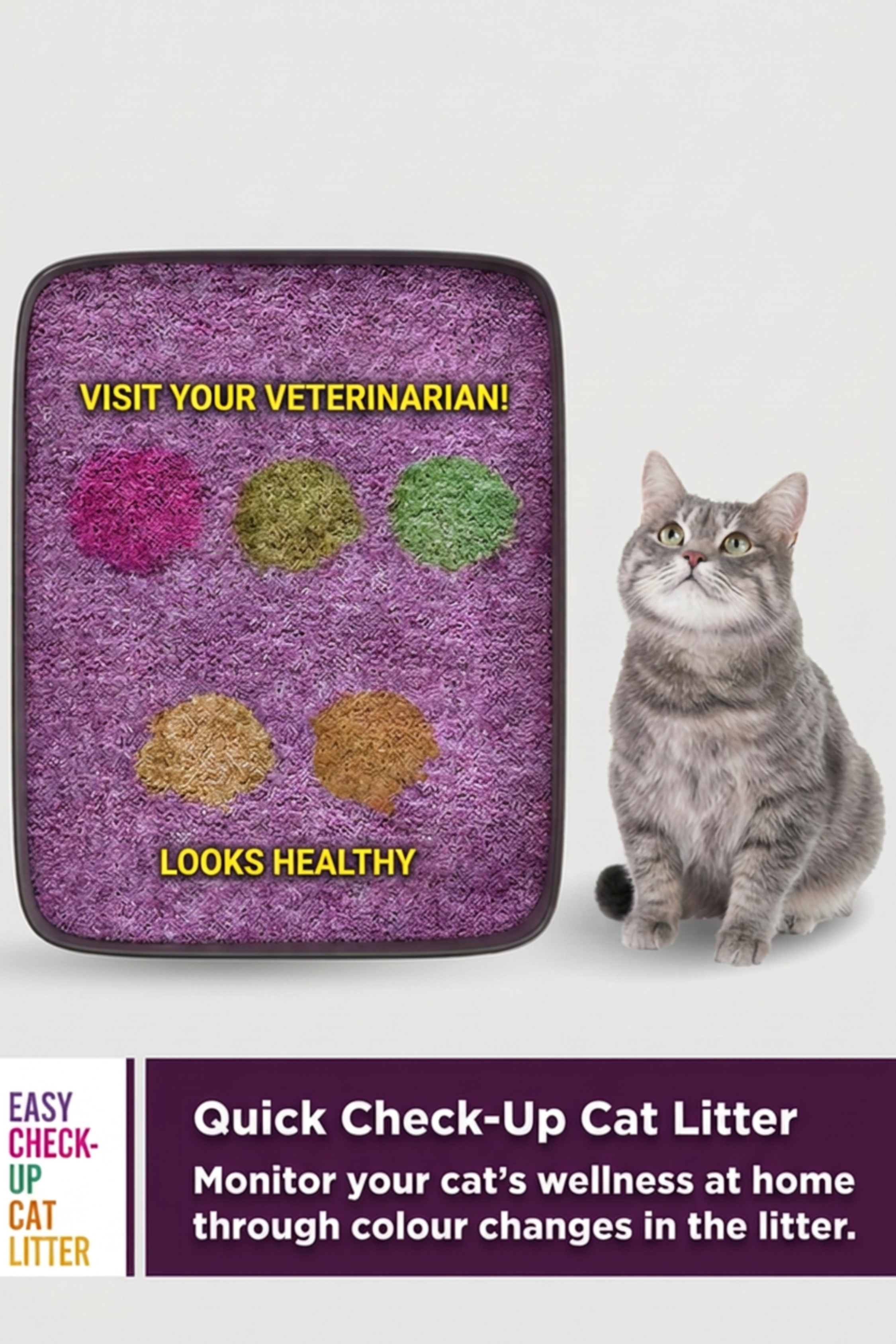
- Litter box changes: Going outside the box is a frequent sign of stress, and also a common sign of urinary or other medical problems.
- Restlessness or attention-seeking: Excessive vocalizing, pacing, or pestering can signal pent-up energy with no outlet.
Enrichment in Multi-Cat Homes
Homes with more than one cat carry extra considerations, because cats are not naturally group-living in the way dogs are, and competition over resources is a major source of tension. The guiding principle is to provide plenty of separated key resources so no cat has to compete or guard.
- Multiply resources: A common guideline is one litter box per cat plus one extra, with feeding and water stations placed in separate locations.
- Spread resources out: Distributing food, water, beds, and boxes around the home prevents any single cat from controlling access.
- Add vertical territory: Extra perches and shelves let cats keep distance from one another and reduce friction.
- Watch the dynamics: Staring, blocking doorways, or one cat monopolizing a resource are signs the layout may need adjusting.
Myth vs. Fact
- Myth: Cats are independent and entertain themselves. Cats do sleep a great deal, but their waking hours still need outlets for hunting, climbing, and exploring. Most benefit from regular human-led play.
- Myth: An indoor cat cannot get enough exercise. A thoughtfully arranged home with vertical space, play sessions, and foraging can keep an indoor cat genuinely active.
- Myth: Scratching the furniture means a cat is being spiteful. Scratching is normal communication and claw care; the solution is better outlets, not punishment.
- Myth: More toys automatically means a happier cat. Engagement matters more than quantity; a single wand toy used interactively often beats a basket of ignored toys.
Frequently Asked Questions
How much play does my cat need each day?
Many cats do well with two or more short interactive play sessions daily, each lasting several minutes. Watch your individual cat: kittens and young adults usually want more, while some seniors prefer gentler, briefer sessions. Consistency tends to matter more than total minutes.
My cat ignores the toys I buy. What should I do?
Try rotating toys so they stay novel, and focus on interactive wand toys you move like prey rather than toys left on the floor. Experiment with different textures, sizes, and movement styles, since preferences are highly individual.
Can enrichment fix a litter box or scratching problem on its own?
Enrichment often helps, because many such problems stem from stress or unmet needs. However, litter box changes in particular can signal medical issues, so a veterinary check is wise before assuming the cause is purely behavioral.
Is an older cat too old for enrichment?
No. Senior cats still benefit from mental and physical stimulation, simply adapted to their abilities, such as lower perches with easy steps, gentler play, and easy-access food puzzles. If an older cat suddenly becomes less active, a veterinary exam can rule out pain or illness.
When Behavior Changes Warrant a Vet Visit
Enrichment is a powerful tool for prevention and general wellbeing, but it is not a treatment for illness. Because cats hide discomfort so well, behavior that looks like boredom or stress can sometimes be the first visible sign of a medical problem. It is important to know when to move from adjusting the environment to seeking professional care.
Contact your veterinarian if you notice any of the following, especially when they appear suddenly or persist:
- Sudden litter box avoidance or straining, which can indicate a urinary problem that may become an emergency, particularly in male cats unable to urinate.
- Significant changes in appetite, thirst, or weight, which warrant evaluation for a range of medical conditions.
- Persistent over-grooming, hair loss, or skin changes, which may have medical as well as behavioral causes.
- New aggression, hiding, or marked withdrawal, which can reflect pain or underlying disease.
- Lethargy, hiding, or any sign of distress, which should prompt timely veterinary attention.
A thoughtfully enriched home gives an indoor cat the chance to behave like a cat: to hunt, climb, scratch, explore, and rest in safety. Small, consistent changes to space, play, and routine often make a meaningful difference to a cat's comfort and confidence. When in doubt about your cat's behavior or health, your veterinarian is your best partner in keeping your companion both safe and genuinely content.