Why Cats Stop Grooming: Unkempt, Greasy, or Matted Coats

Cats are famous for keeping themselves tidy, so a coat that suddenly looks dull, greasy, flaky, or knotted is easy to notice and hard to ignore. A decline in self-grooming is rarely about vanity. More often it is a sign that something is making grooming difficult, uncomfortable, or simply not a priority for your cat. This guide explains why grooming matters to cats, the most common reasons it declines, the coat changes to watch for, why a veterinary exam should come first, and how to help gently at home with brushing, combing, and grooming products that complement your veterinarian's care.
Important: This article shares general educational information for pet owners and is not a substitute for an in-person veterinary examination, diagnosis, or treatment. For any medical concern or emergency, contact your veterinarian promptly.
Grooming: A Normal and Important Cat Behavior
Self-grooming is one of the most characteristic things cats do. Using a rough tongue covered in tiny backward-facing barbs, a cat works through its fur, pulling out loose hair, spreading natural skin oils along each hair shaft, and removing dust and debris. Cats also use their front paws like washcloths to clean the face and ears, and they nibble at stubborn spots with their front teeth.
Grooming also spreads the oils that keep the coat soft and is often a calming, self-soothing activity.
A previously sleek cat that starts to look scruffy is giving you useful information worth following up on.
Why a Cat's Coat Becomes Unkempt
Several common factors can make grooming hard or less appealing, and some cats have more than one.
Excess weight
An overweight cat may simply be unable to reach parts of its body. The lower back, the base of the tail, and the area under the tail are the hardest spots to reach, so these areas often become greasy, flaky, or matted first.
Arthritis and stiffness
Twisting to reach the back and curling around to clean the tail depend on comfortable joints. Senior cats with arthritis or general stiffness may quietly give up on the difficult areas while still grooming the easy ones, such as the front legs and chest.
Dental and mouth pain
A cat grooms with its mouth, so anything that makes the mouth sore can make grooming less appealing. Gum inflammation, painful teeth, and conditions such as tooth resorption can make licking and nibbling uncomfortable.
Illness and low energy
A cat that feels unwell often has little energy beyond eating and sleeping. Many internal health problems can show up first as an unkempt coat.
Stress and changes at home
Moving, a new household member, or conflict with another cat can disrupt routines. Some stressed cats groom less, while others groom too much in certain spots.
Signs Your Cat Is Struggling to Groom
Run your hands along your cat's body regularly and look closely at the hardest-to-reach areas.
- Greasy back or lower back: fur along the spine and near the tail base feels oily or looks darker and separated.
- Dandruff or flakes: white flakes in the fur, especially along the back and rump.
- Mats and tangles: knots or felted clumps, often behind the ears, under the legs, on the belly, or near the tail.
- Spiky, clumped fur: hair that sticks together in points rather than lying smooth.
- Odor: a stale or unpleasant smell from the coat or the rear end.
- Soiled hindquarters: litter, stool, or debris caught in the fur around the tail.
- Dull texture: a coat that has lost its usual softness and shine.
Pay attention to where the changes appear. A coat that is neat on the front and messy on the back suggests your cat can still groom but cannot reach certain areas, which is useful information to share with your veterinarian.
Why a Veterinary Exam Comes First
It is tempting to see a scruffy coat as only a grooming problem. Brushing helps, but a decline in self-grooming is a change in behavior, and behavior changes in cats deserve a veterinary exam.
Your veterinarian will usually ask about appetite, thirst, weight, litter box habits, and recent changes at home, then check the mouth, joints, body condition, skin, and coat. Blood work, urine testing, or a dental evaluation may be recommended to look for an underlying cause.
Your veterinarian can then recommend a care plan, such as dental care, joint comfort support, or a weight plan. Home grooming helps your cat stay comfortable and clean alongside it.
Gentle Grooming Help at Home
After the exam, you can help with the grooming your cat cannot manage. Aim for comfort and trust, not a perfect coat in one session.
- Keep sessions short: a few minutes is plenty, especially for stiff or older cats. End before your cat becomes restless.
- Start with easy areas: begin with the cheeks or shoulders, then move gradually toward the back.
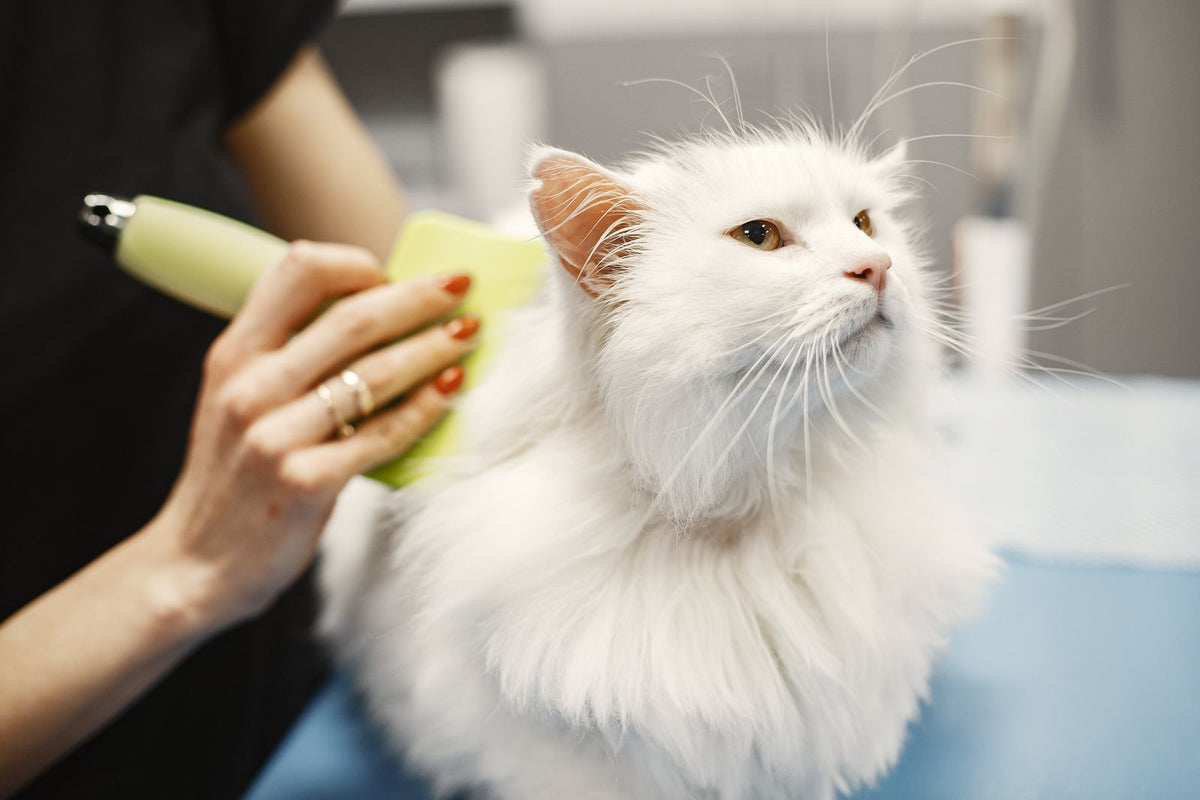
- Use a soft brush first: a soft-bristle brush or grooming mitt lifts loose hair and debris without pulling.
- Follow with a wide-toothed comb: work in small sections, holding the fur near the skin so you do not tug on it.
- Reward generously: offer praise, gentle petting, or a vet-approved snack so grooming feels pleasant.
For senior cats, our guide to grooming a senior dog or cat offers more tips on handling older bodies gently.
Handling mats safely
Small, loose tangles can often be teased apart with your fingers and a comb, working from the tips toward the skin. Never cut mats out with scissors. Cat skin is thin and easily pulled up into a mat, so it is very easy to cut the skin by accident. Large or tight mats, or mats close to the skin, should be handled by a professional groomer experienced with cats or by your veterinary clinic.
Featured MetaPet Grooming Products
These MetaPet products are cosmetic grooming aids. They complement, and are not a substitute for, veterinary care, and they do not address the underlying reason your cat has stopped grooming.
Waterless foam for a quick refresh
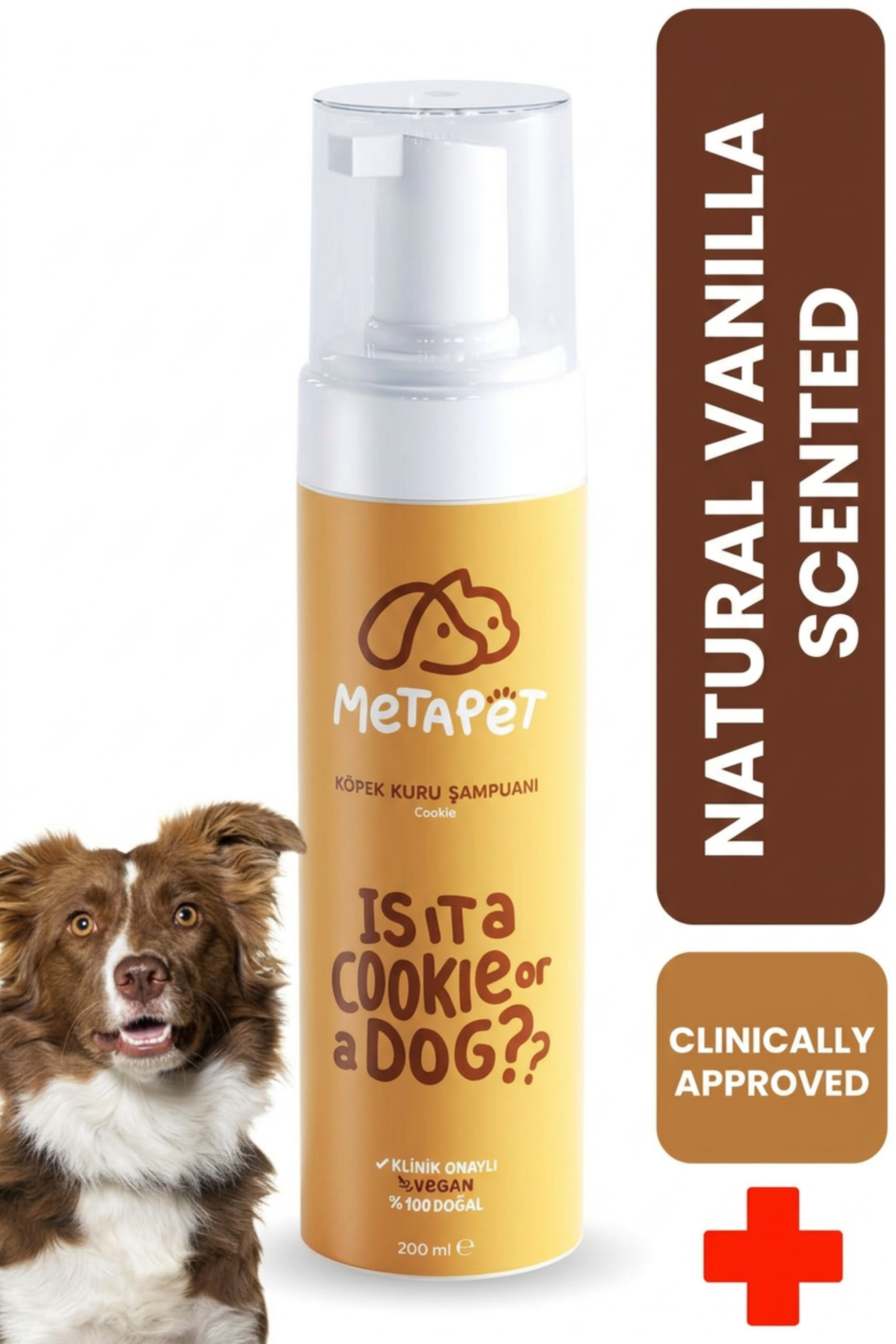
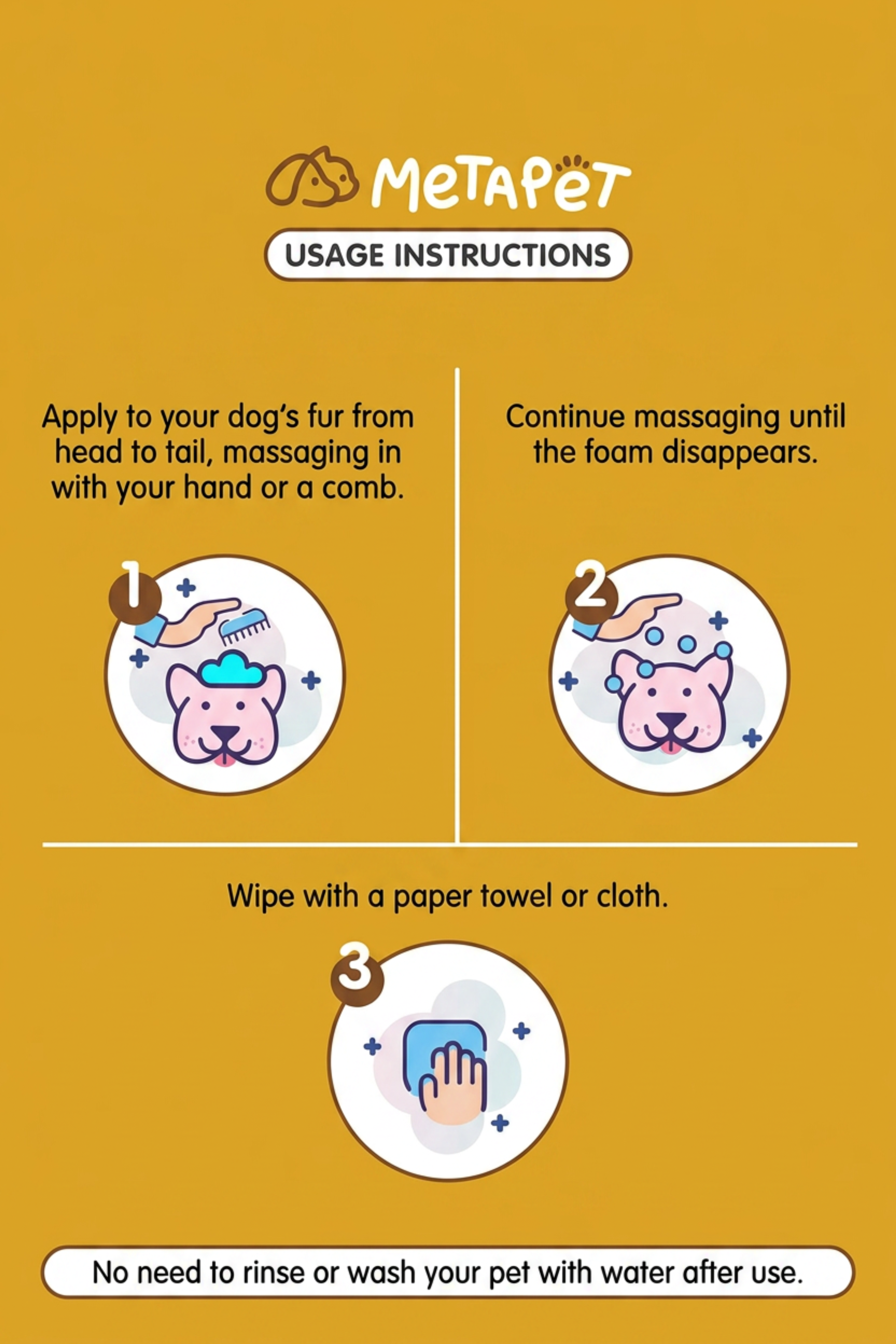
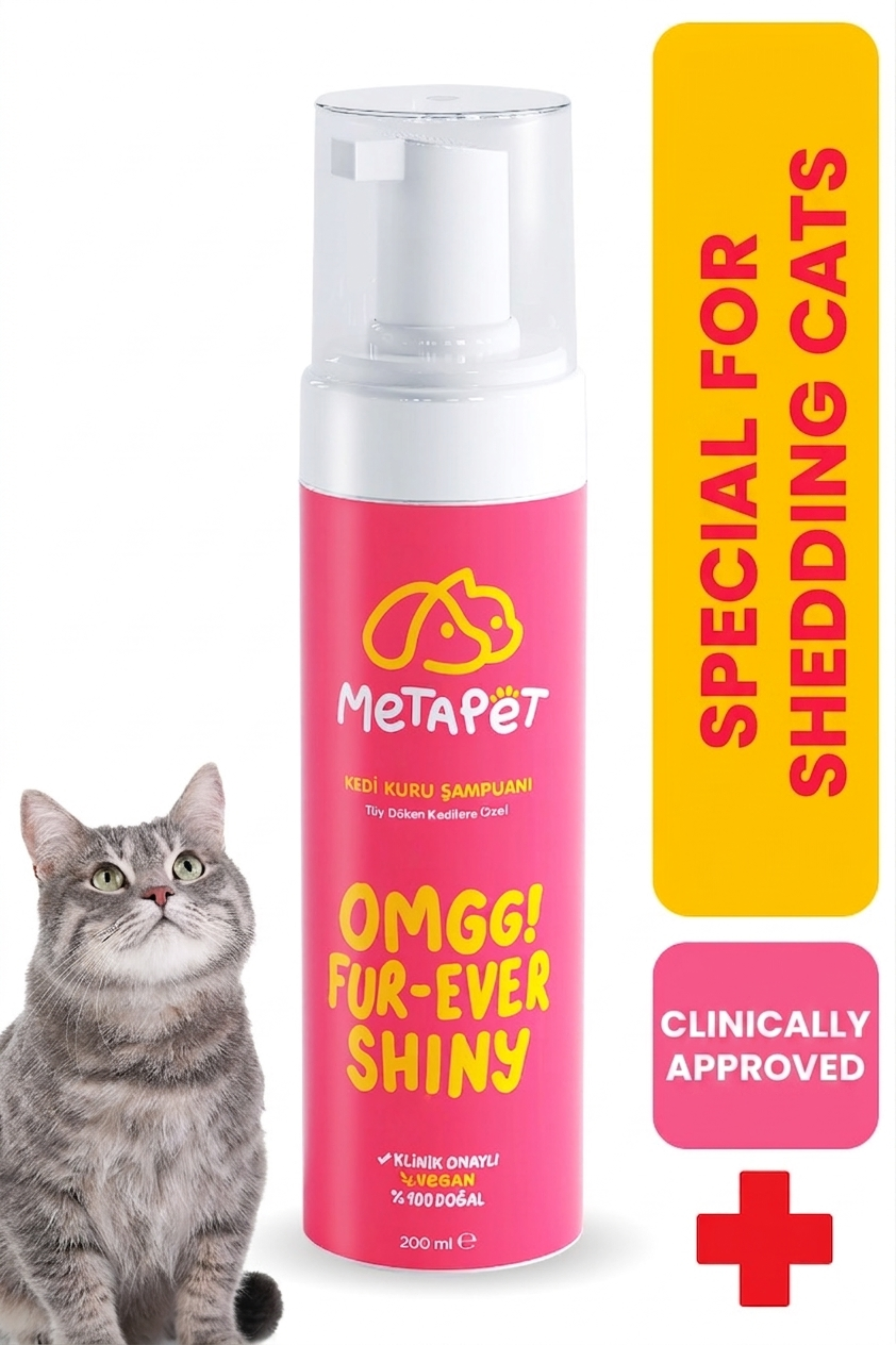
MetaPet OMGG! Fur-ever Shiny Dry Foam Shampoo for Cats is a no-rinse dry foam enriched with Vitamin E and argan oil, designed to leave the coat soft, shiny, and easy to comb. It is a naturally derived, vegan formula made without parabens or added dyes. Shake well, massage the foam through the coat from head to tail while avoiding the eyes, then wipe off with a clean towel.
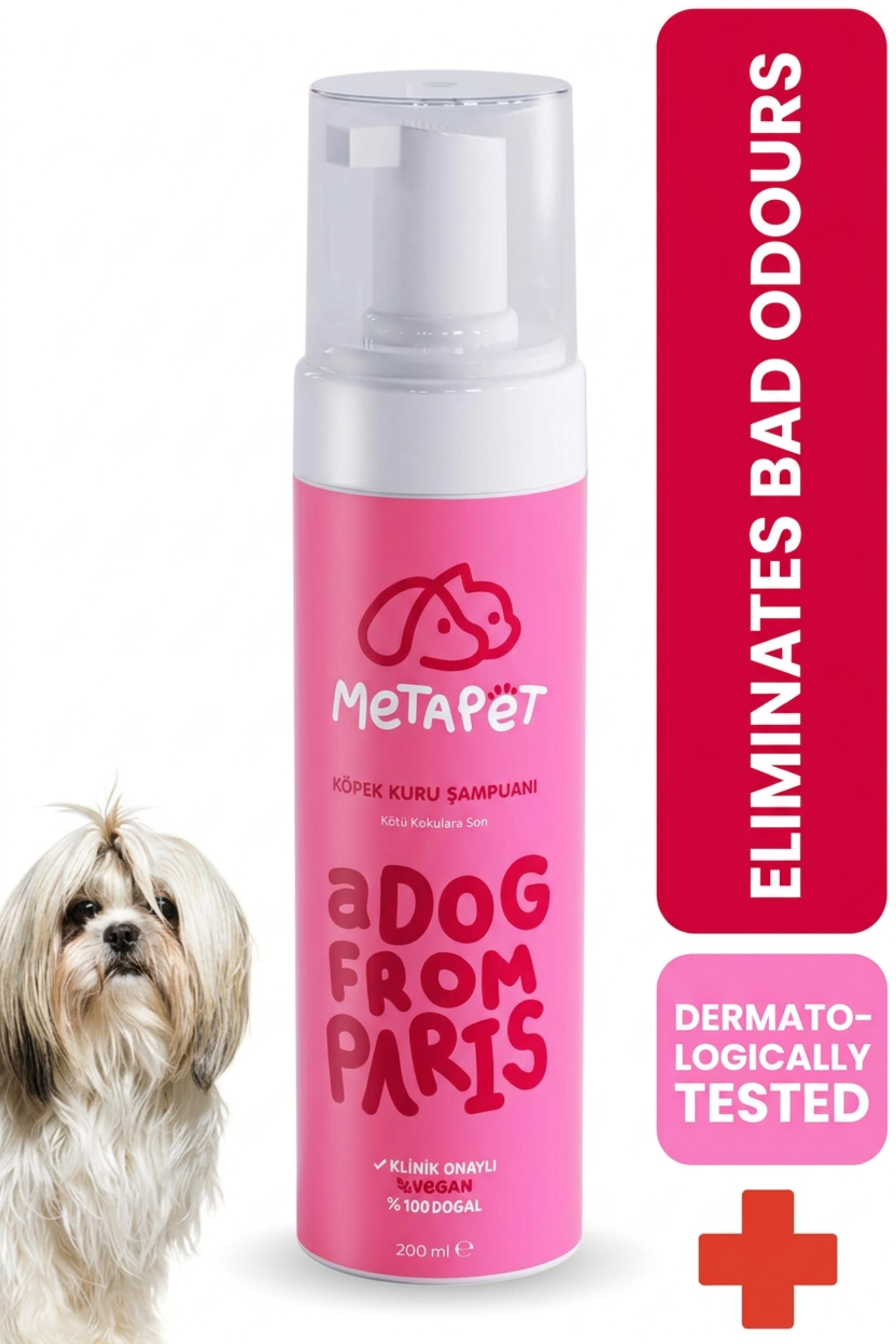
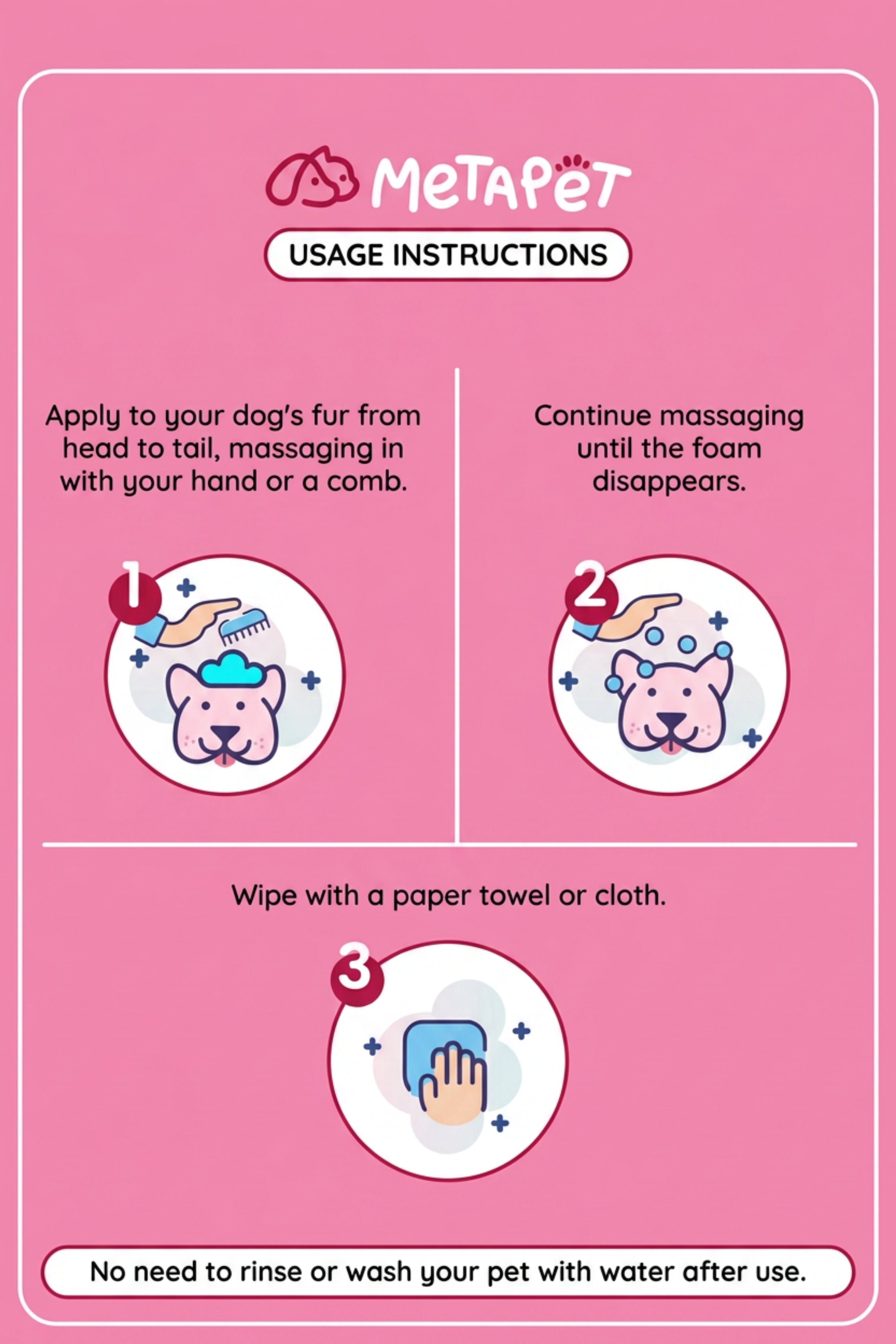
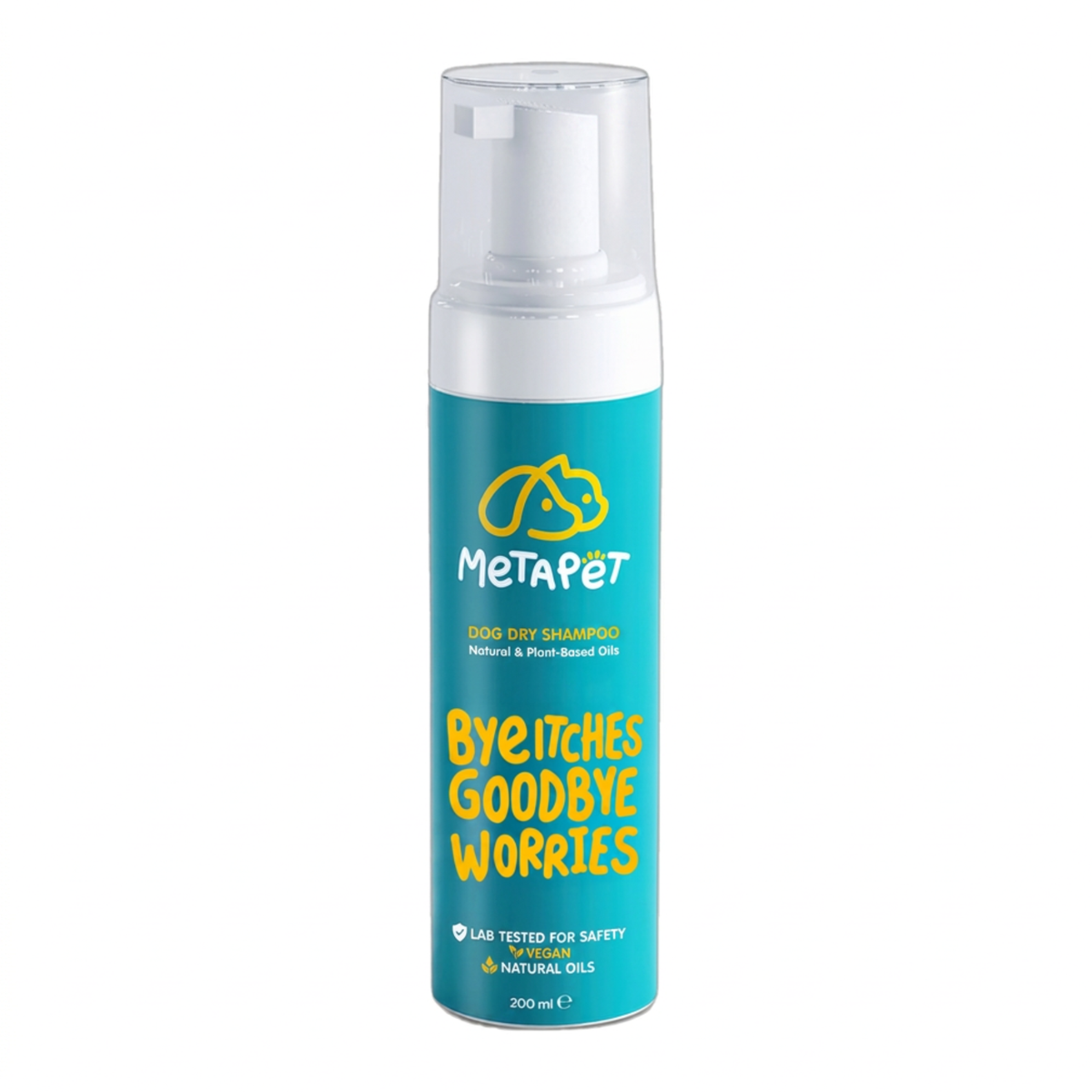
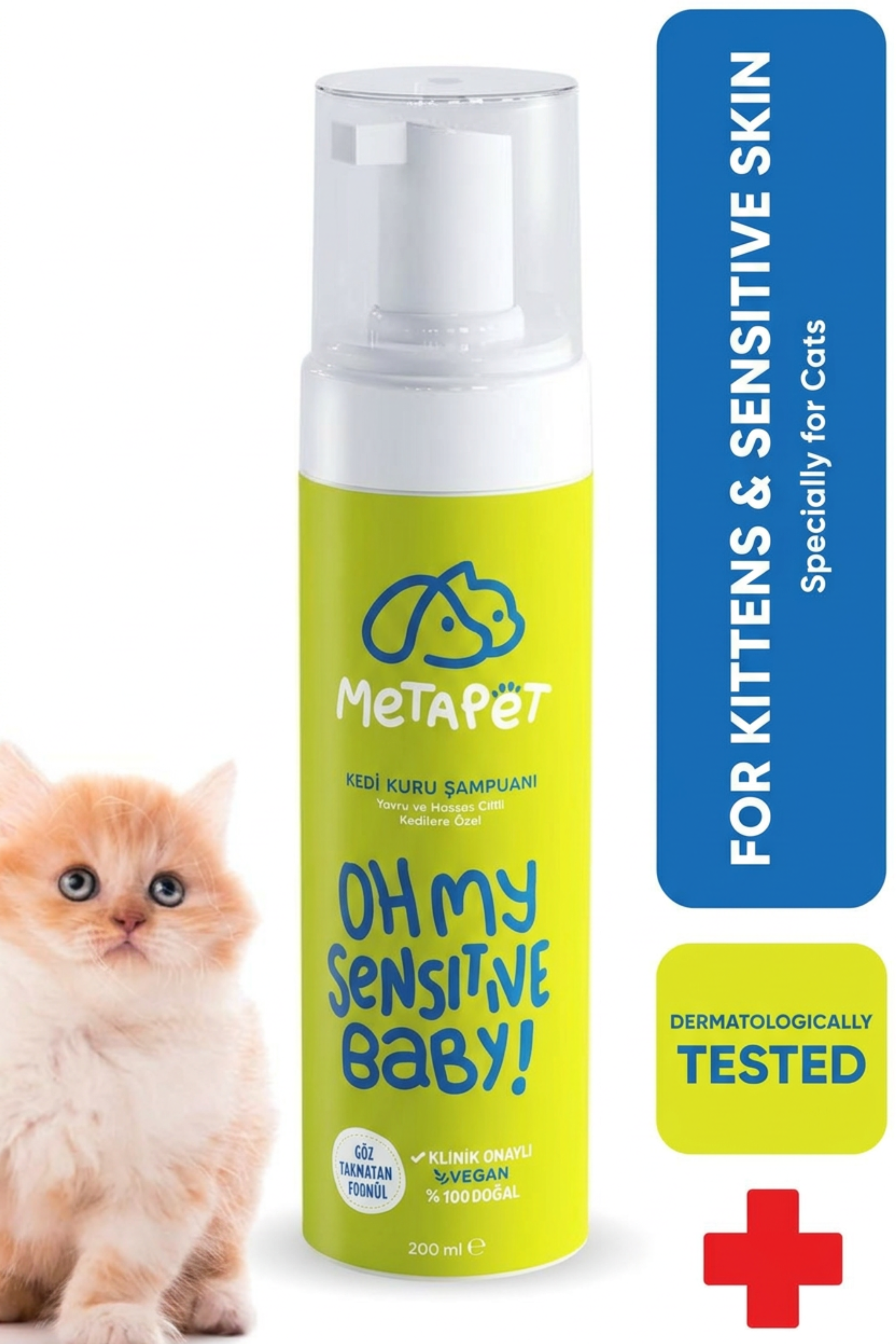
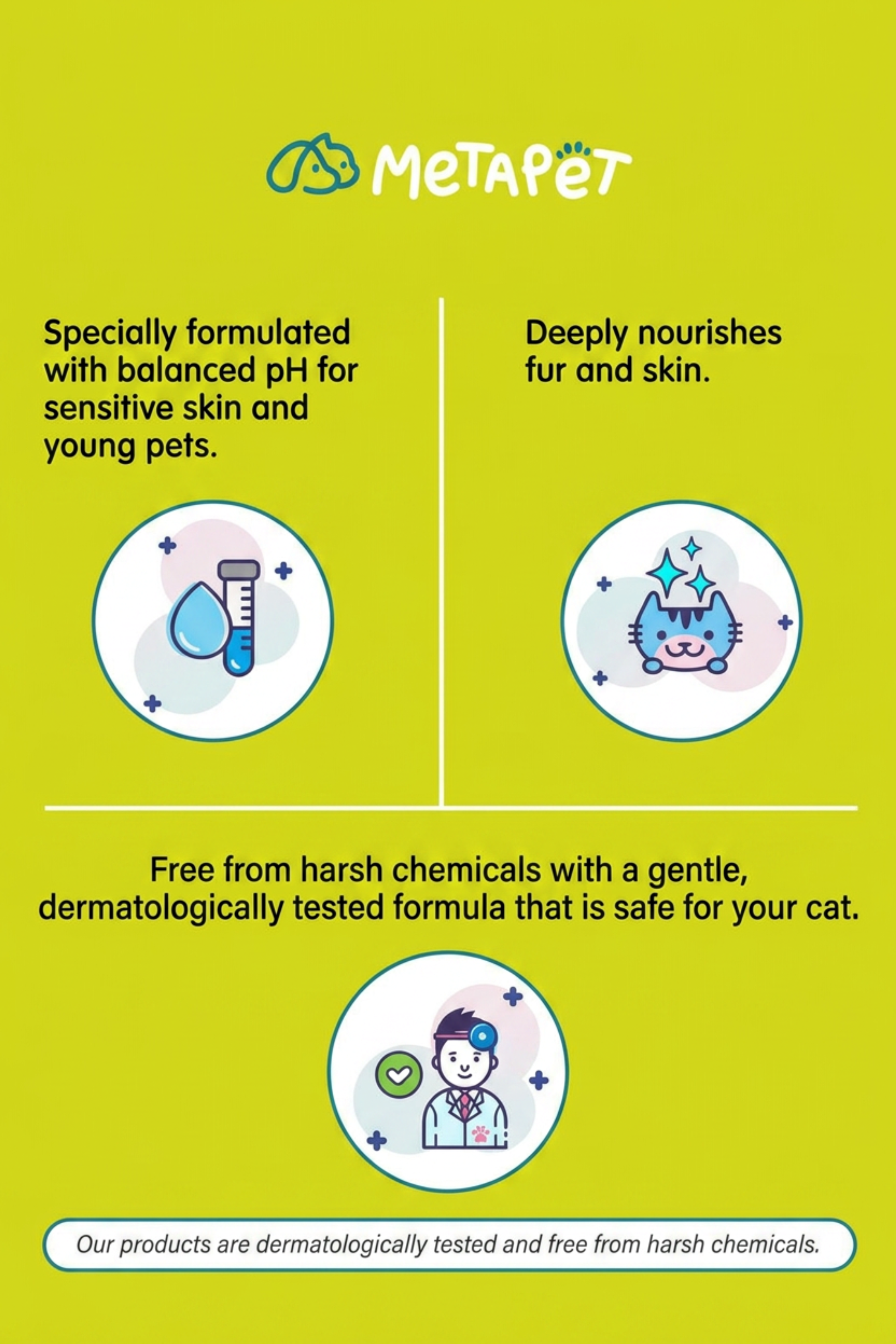
For kittens and cats with more delicate skin, MetaPet Oh My Sensitive Baby! Dry Foam Shampoo for Cats is a pH-balanced, no-rinse foam that is gentle for everyday use. It helps lift away dust and a greasy feel, leaving the coat soft and fresh.
Detangling spray for easier combing
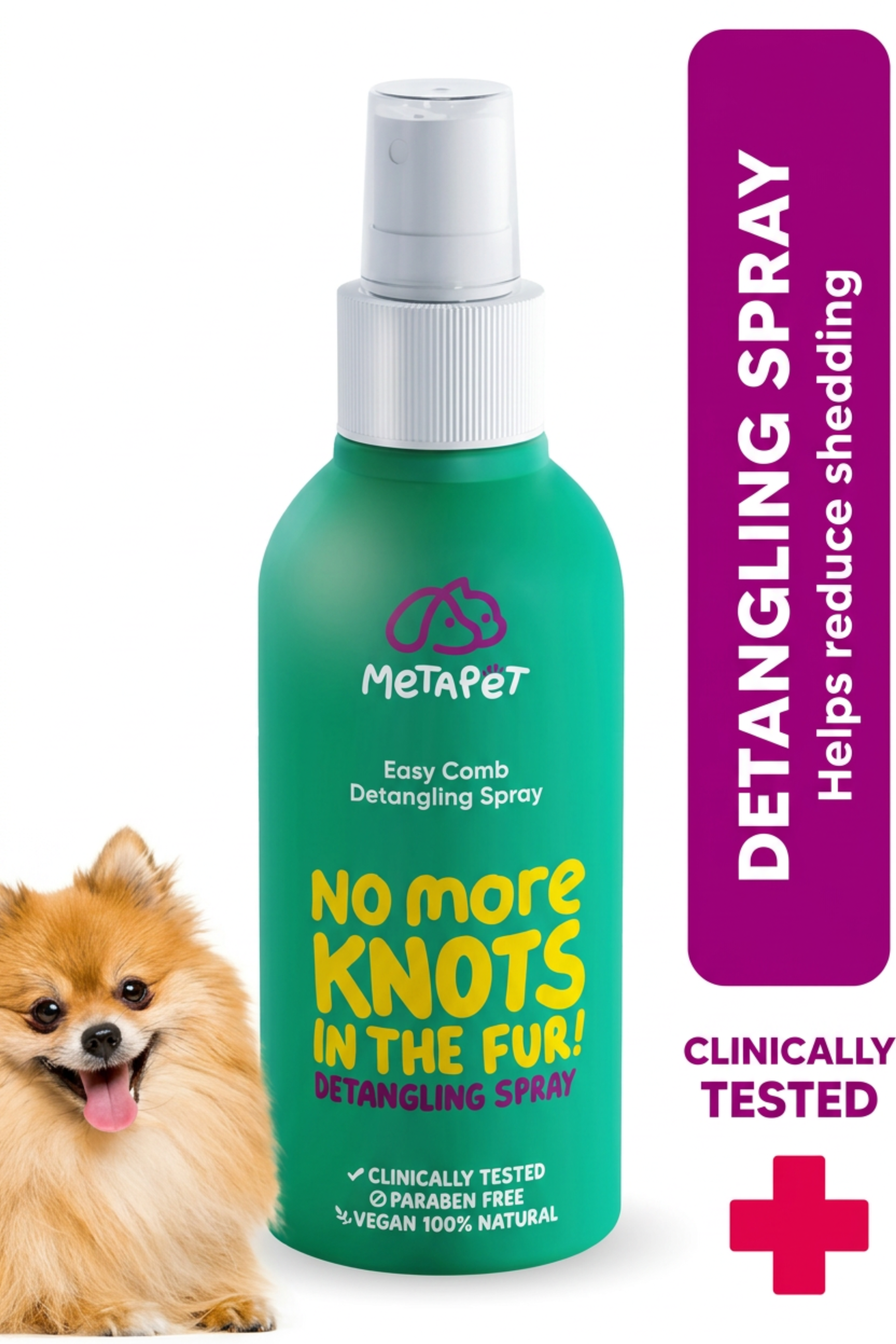
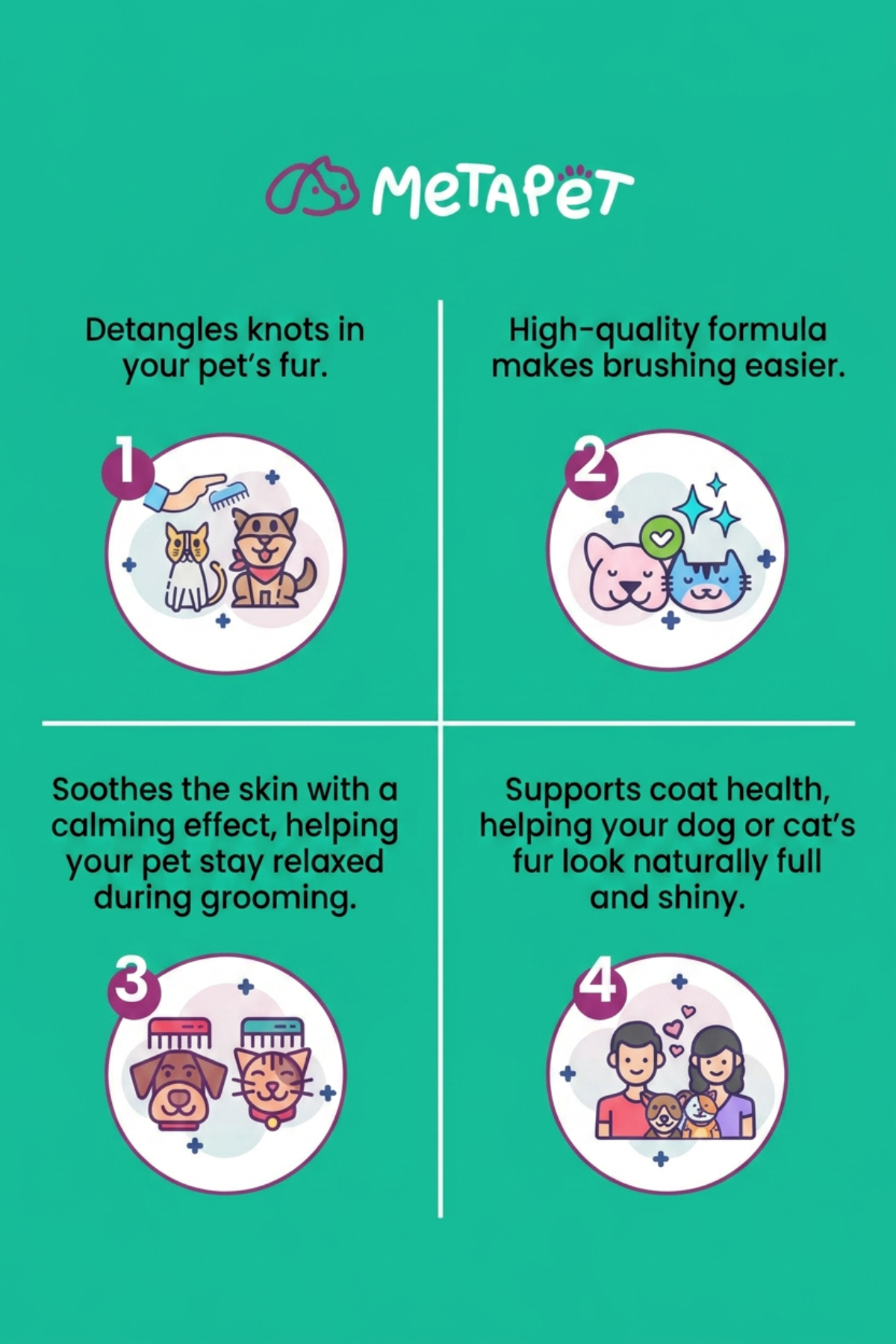
MetaPet No More Knots in the Fur Detangling Spray is a paraben-free, pH-balanced spray for cats and dogs that helps loosen tangles and makes brushing smoother and more comfortable. Spray onto damp or dry fur, then comb through. Severe mats still belong with a groomer or your veterinary clinic.
All three products are for external grooming use only. Discontinue use if irritation occurs, and check with your veterinarian before using grooming products on skin that looks red, broken, or sore.
Adjusting Your Cat's Environment
Small changes can make daily life easier for a stiff, overweight, or stressed cat.
- Easy access: add ramps or steps to favorite sleeping spots and window perches so your cat does not have to jump.
- Low-entry litter box: a box with a low side is easier for a stiff cat to step into, which helps keep the hindquarters clean.
- Warm, soft bedding: padded beds in draft-free spots can help stiff joints feel more comfortable.
- Calm routines: regular feeding times, quiet hiding spots, and separate resources in multi-cat homes help keep cats relaxed.
- Gentle play: short play sessions with wand toys keep your cat moving within comfortable limits.
Weight Management Through Your Veterinarian
If excess weight keeps your cat from reaching its back, gradual weight loss can make a real difference. Our guide to pet obesity and weight management explains more. Cats should never be put on a crash diet. Rapid weight loss in cats can lead to serious liver problems, so any weight plan should be designed and monitored by your veterinarian.
Your veterinarian can assess body condition, set a target, recommend a diet and portion size, and schedule weigh-ins. Measuring food, limiting snacks, puzzle feeders, and play are common parts of a plan.
When to Call Your Veterinarian
Schedule a veterinary exam whenever you notice a clear decline in your cat's grooming or a lasting change in coat condition. Contact your veterinarian promptly if the grooming change comes with any of the following:
- Poor appetite, drooling, or pawing at the mouth
- Weight loss or weight gain you cannot explain
- Increased thirst or changes in urination
- Vomiting, diarrhea, or a soiled rear end
- Hiding, lethargy, or reluctance to jump or climb
- Red, broken, or sore skin, or mats that are tight against the skin
- Hair loss, bald patches, or constant licking in one area
Contact your veterinarian or an emergency clinic right away if your cat refuses food, has trouble breathing, strains in the litter box without producing urine, collapses, or seems to be in significant pain.
Common Mistakes to Avoid
Mistake: Assuming it is just old age.
A noticeable decline usually has a reason, such as joint stiffness or dental discomfort, that your veterinarian can help address.
Mistake: Cutting out mats with scissors.
Cutting mats with scissors can easily injure a cat's skin. Leave tight mats to a groomer or your veterinary clinic.
Mistake: Long, forceful grooming sessions.
Pulling through knots or restraining a cat too long makes grooming unpleasant.
Mistake: Relying on grooming products alone.
A shampoo or spray can help the coat look better, but it does not address the reason behind the change.
Frequently Asked Questions
Why is my cat's back greasy but the rest of the coat looks fine?
The lower back is hard to reach, so a greasy patch there may relate to weight, stiffness, or another issue your veterinarian can evaluate.
How often should I brush a cat that has stopped grooming?
Short daily sessions often work better than long weekly ones.
Can I bathe my cat instead?
Many cats find water baths stressful. A no-rinse dry foam shampoo can be a gentler way to freshen the coat between professional grooms, but ask your veterinarian first if the skin looks irritated.
Will my cat start grooming again?
Often, yes. Once the underlying cause is addressed by your veterinarian, many cats gradually return to more normal grooming, though some may always need a little extra help.
Key Takeaways
A decline in grooming often means something is making it hard or uncomfortable, such as excess weight, stiffness, dental pain, illness, or stress. Watch for a greasy lower back, dandruff, mats, spiky fur, and odor, and book a veterinary exam first. Keep home grooming short and gentle, never cut mats with scissors, and lean on a groomer or your clinic for severe mats. MetaPet grooming products can complement, but never replace, your veterinarian's care.