Burrs and Plant Debris in Dog Coats: Safe Removal Tips

A walk through a field, a hike along an overgrown trail, or a romp at the edge of a park can send your dog home wearing a souvenir collection of burrs, sticky seed heads, leaf bits, and twigs. Most of this debris is a grooming nuisance rather than a medical problem, but it can tangle a coat surprisingly fast, pull on the skin, and hide spots that deserve a closer look. This guide covers gentle removal, helpful grooming conveniences, grass awns, and the signs that mean it is time to call your veterinarian.
Important: This article shares general educational information for pet owners and is not a substitute for an in-person veterinary examination, diagnosis, or treatment. For any medical concern or emergency, contact your veterinarian promptly.
Why Burrs and Plant Debris Cling to Dog Coats
Many plants spread their seeds by hitching a ride. Burdock burrs, sandburs, and similar seed heads are covered in tiny hooks or spines designed to grab onto anything that brushes past. A dog's coat is an ideal target: the hairs slide between the hooks, and every step your dog takes works the burr deeper into the fur.
Dried leaves, pine needles, twigs, and thistle fluff are common too. Late summer and fall are often the worst seasons, when many plants are dry and full of ripe seeds.
Left in place, a single burr becomes the anchor for a tangle. Loose hair wraps around it, and the knot tightens into a mat that pulls on the skin.
Coats and Body Areas Most at Risk
Any dog can pick up a burr, but long, curly, and double coats collect the most, while smooth coats often shed debris on their own.
Coat types that collect debris
- Long, feathered coats: Golden Retrievers, setters, spaniels, and Collies have feathering that sweeps up seeds.
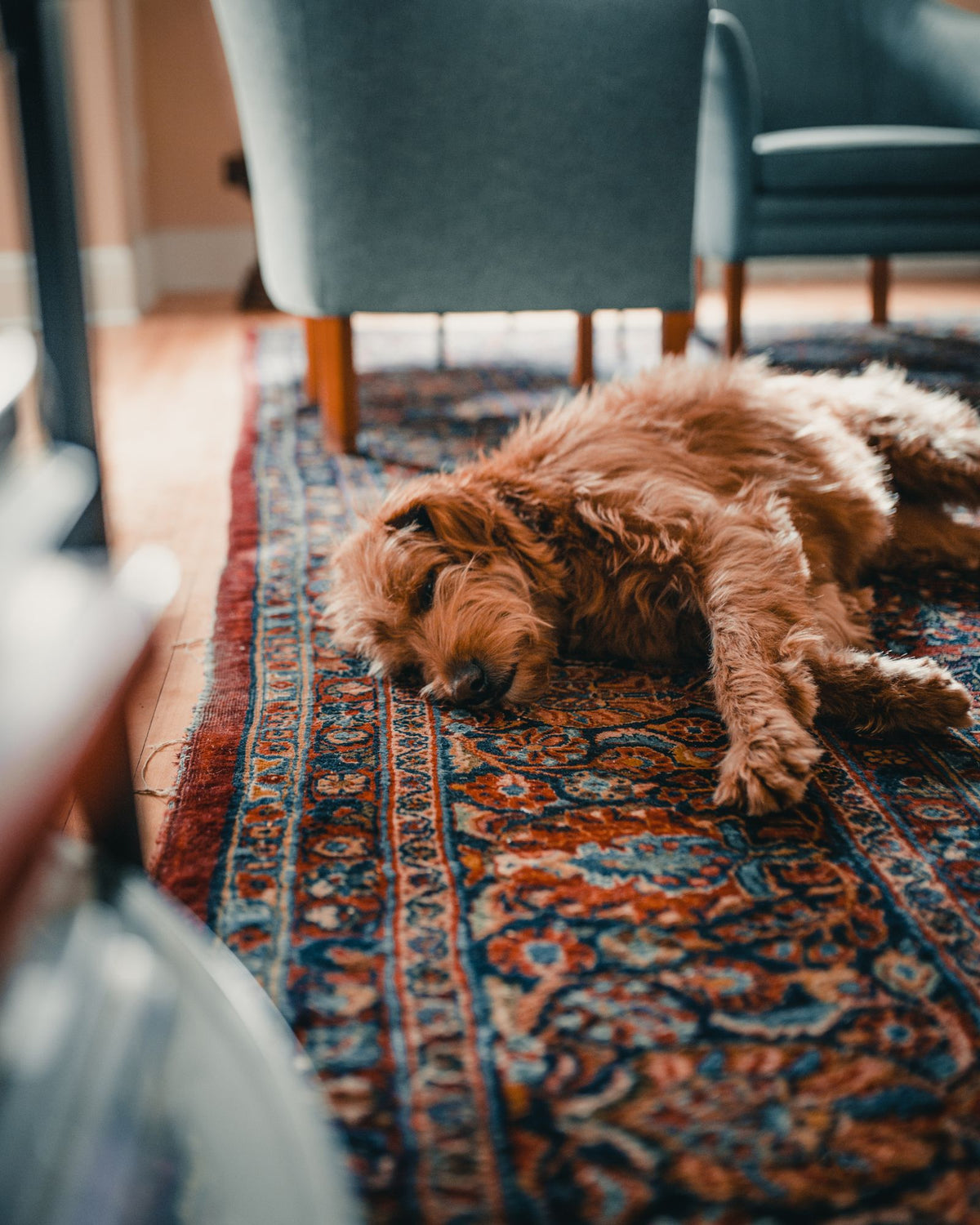
- Curly and wavy coats: Poodles and doodle mixes have dense, springy hair that tangles quickly around debris.
- Thick double coats: the undercoat of Huskies and Shepherds can hold seeds close to the skin.
- Wiry coats: terrier coats can snag burrs and small twigs, especially on the beard and legs.
Where debris tends to hide
Check the ears and ear feathering, the armpits, the chest, the belly, the groin, the tail, the backs of the legs, and especially the paws and the spaces between the toes. These are areas where hair is longest or where movement rubs debris deeper into the coat.
Myths vs. Facts About Burr Removal
Myth: The quickest approach is to pull the burr straight out.
Fact: Pulling drags the hooked burr through the coat and tugs on the skin, which is painful and can teach your dog to dread grooming. Working the hair away from the burr a little at a time is gentler and usually just as quick.
Myth: Cutting out a burr with scissors is always safe.
Fact: Burrs and mats sit very close to the skin, and it is easy to nick skin that is pulled up into the tangle. If a burr cannot be worked loose, a groomer or your veterinary team can remove it safely, often with clippers.
Myth: Any household oil or conditioner works as a detangler.
Fact: Products not made for pets can leave residue, attract more dirt, or bother the skin. A grooming spray formulated for dogs and cats is a better choice.
Myth: If you can't see any debris, the coat is clear.
Fact: Small seeds often hide deep in the undercoat or between the toes, so check with your fingers.
What You Need Before You Start
Having a small kit ready by the door makes post-walk cleanup quick and calm.
- A wide-toothed comb: the main tool for teasing hair away from a burr.
- A fine-toothed comb: for small seeds and fluff.
- A slicker brush: used with light pressure afterward.
- A detangling spray: to help hair slide apart more easily.
- Rewards and a towel: for cooperation and cleanup.
A detangling spray to make combing easier
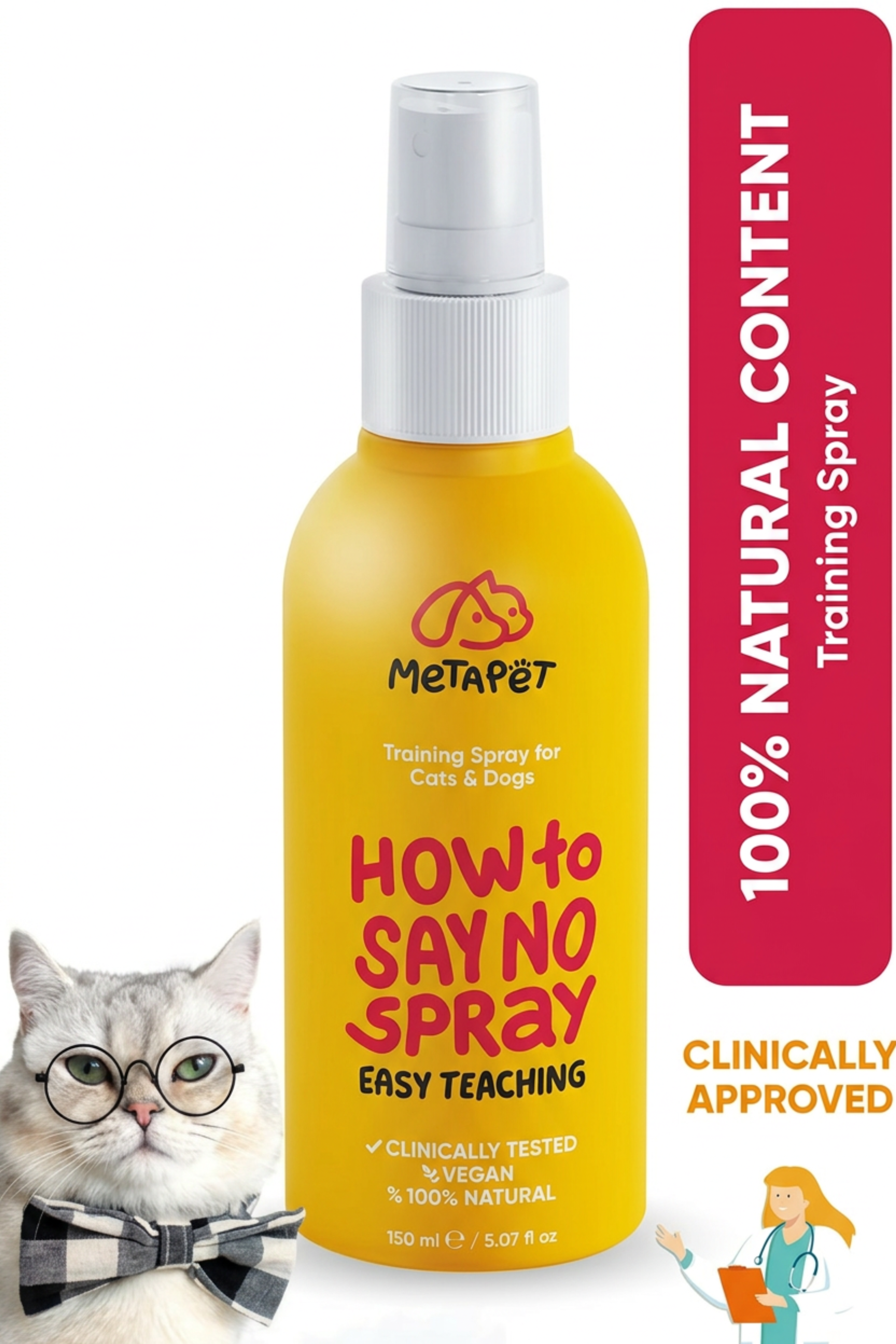
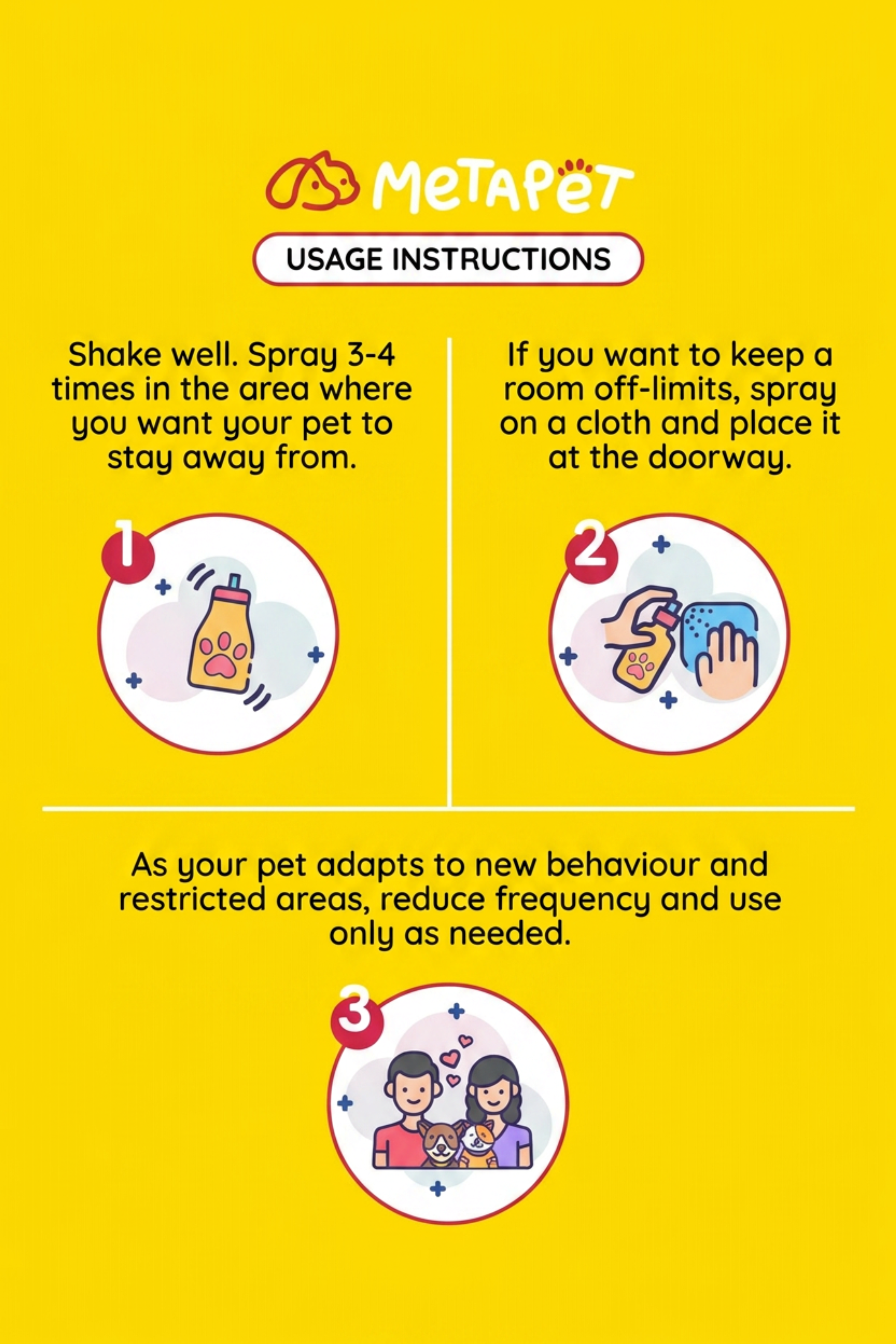
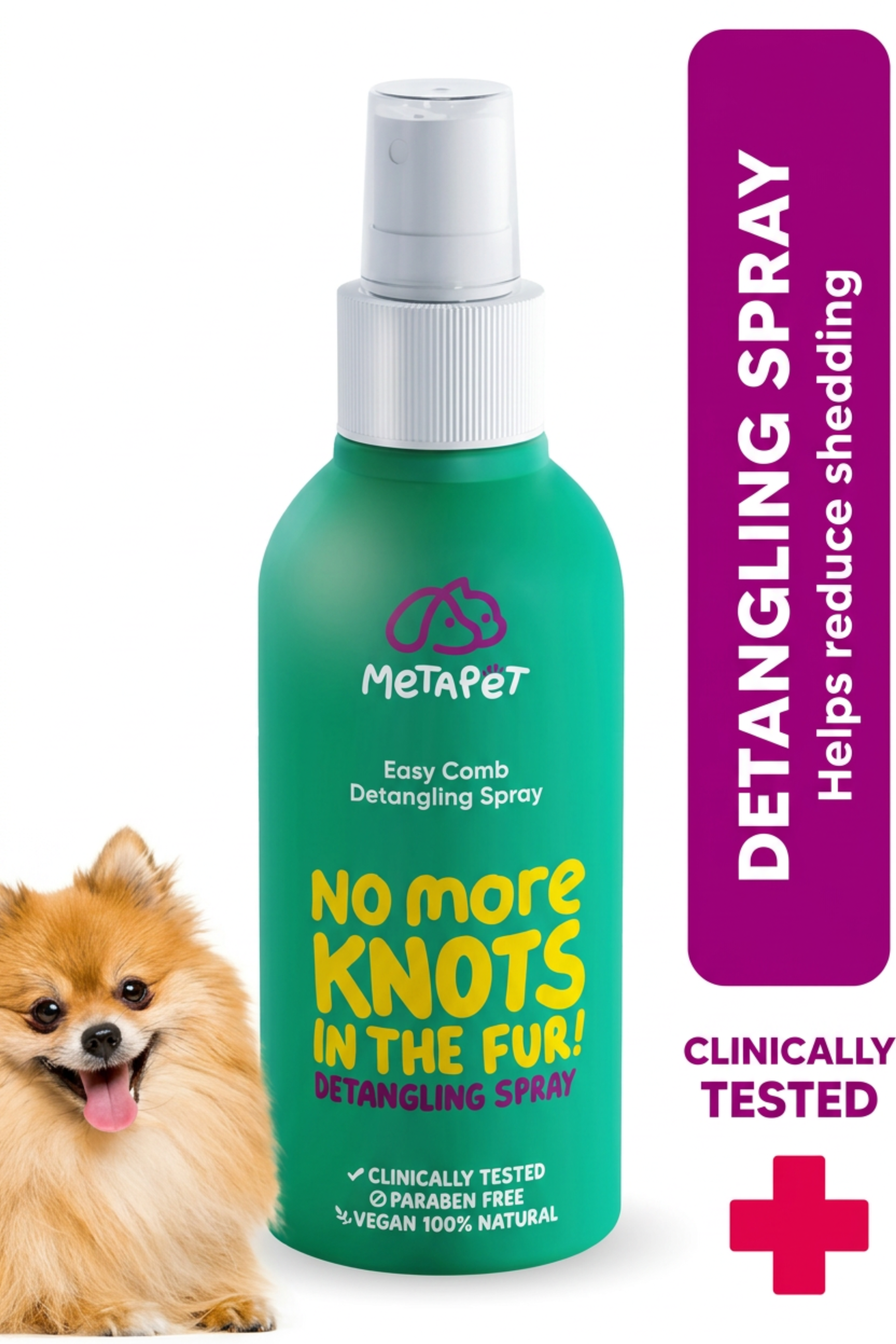
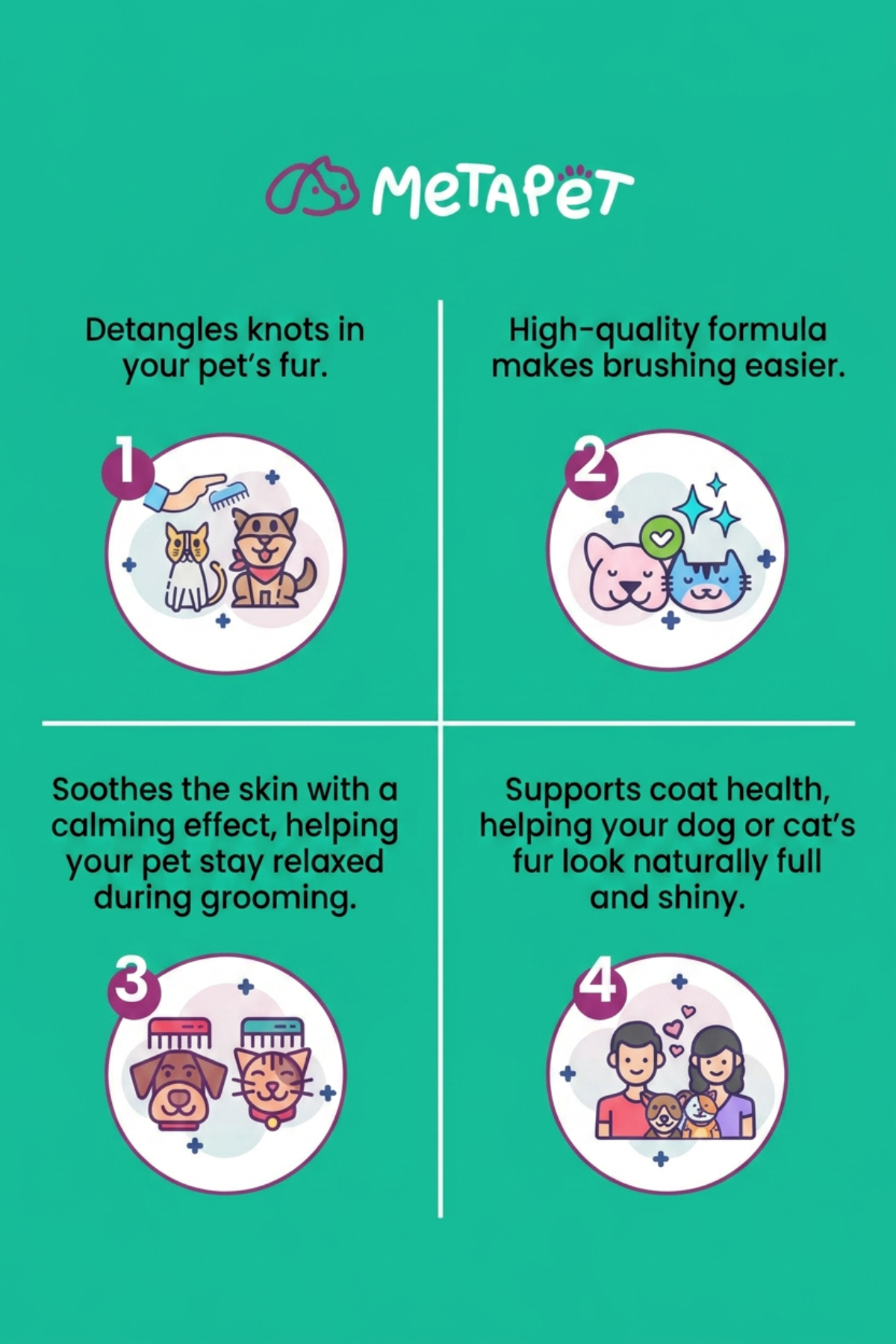
The MetaPet No More Knots in the Fur Detangling and Easy-Combing Spray is designed to help loosen knots and make brushing easier and more comfortable. It also supports a naturally full, shiny-looking coat. It is paraben-free, pH-balanced, and suitable for both dogs and cats. Shake the bottle, spray onto damp or dry fur, and comb through; you can use as much as you like on wet or dry coats. It is a cosmetic grooming product for external use only, not a medicine, and it complements, never substitutes for, veterinary care. Discontinue use if irritation occurs.
For more on keeping long coats tangle-free day to day, see our guide to mat care and detangling for furry pets.
Step-by-Step: Removing Burrs Safely
Go slowly, keep sessions short, and pause if your dog becomes stressed.
- Settle your dog: choose a quiet, well-lit spot with a non-slip surface.
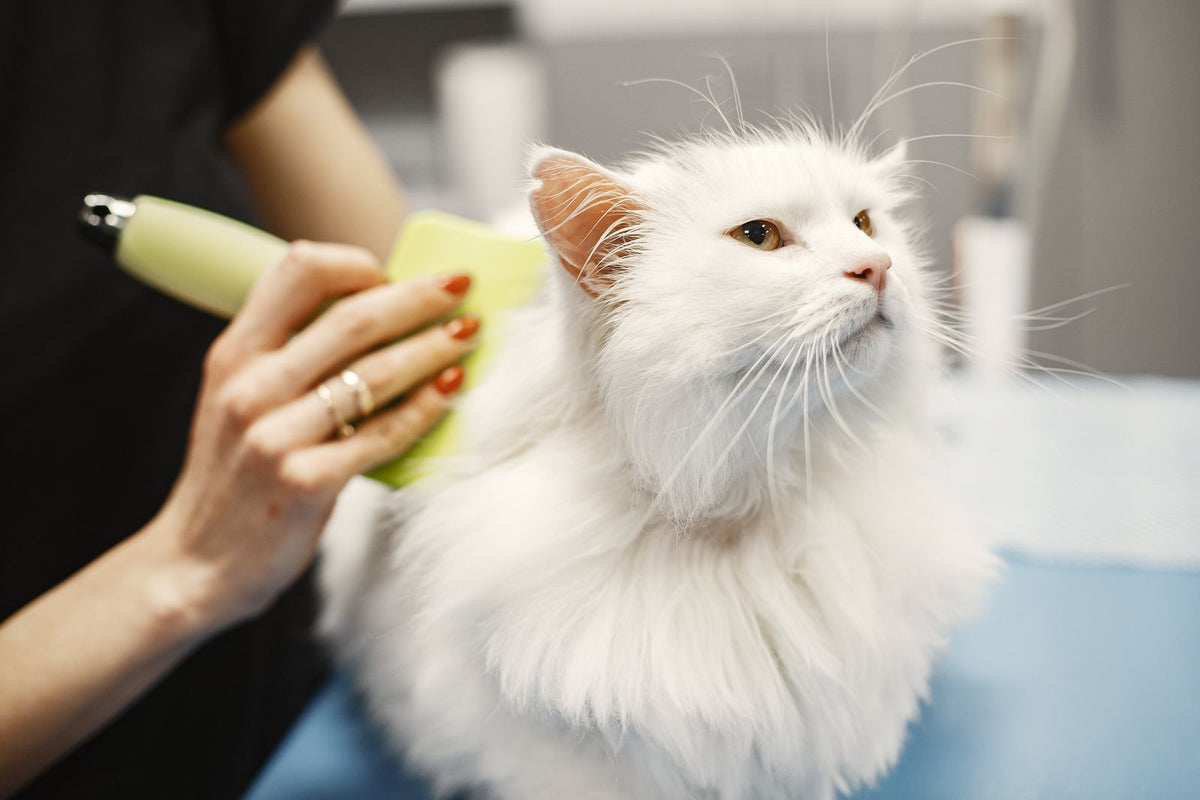
- Hold the hair at the base: grip the hair between the burr and the skin with your fingers. This takes the tension off the skin so any tugging is felt by the hair, not your dog.
- Apply detangling spray: mist the burr and the surrounding hair to help the strands slide.
- Tease, don't pull: use your fingers or the end tooth of a wide comb to pick a few hairs at a time away from the burr, working from the outer edge inward.
- Lift it out: once most of the hair is free, the burr usually slides off with little effort.
- Comb the area: use the wide comb, then the fine comb, to catch fragments.
- Reward and pause: praise your dog and offer a reward after each burr or every few minutes.
If a burr is tightly wound into a mat against the skin, if your dog is in pain, or if you would need scissors near the skin, set the comb down and book a visit with a professional groomer or your veterinary team.
Grass Awns: A Different Problem
Not all plant debris is just a tangle. Grass awns are the barbed seed heads of certain wild grasses. Their shape lets them move in only one direction, so instead of sitting in the coat like a burr, they can work their way forward into the skin, ears, nose, eyes, or between the toes.
Grass awns are a veterinary concern rather than a grooming chore. You can gently brush or pick off awns that are clearly loose on the surface of the coat, but do not dig, squeeze, or try to pull out one that seems lodged in the skin, ear, nose, or eye. Your veterinarian can examine and remove embedded awns safely.
Learn how to recognize these seeds and where they tend to grow in our article on grass seed dangers for dogs and cats.
Cleaning Paws and Freshening the Coat After the Trail
Once the burrs are out, a little cleanup helps, especially for paws that collect mud and grit.
Paw cleaning foam with a brush cap
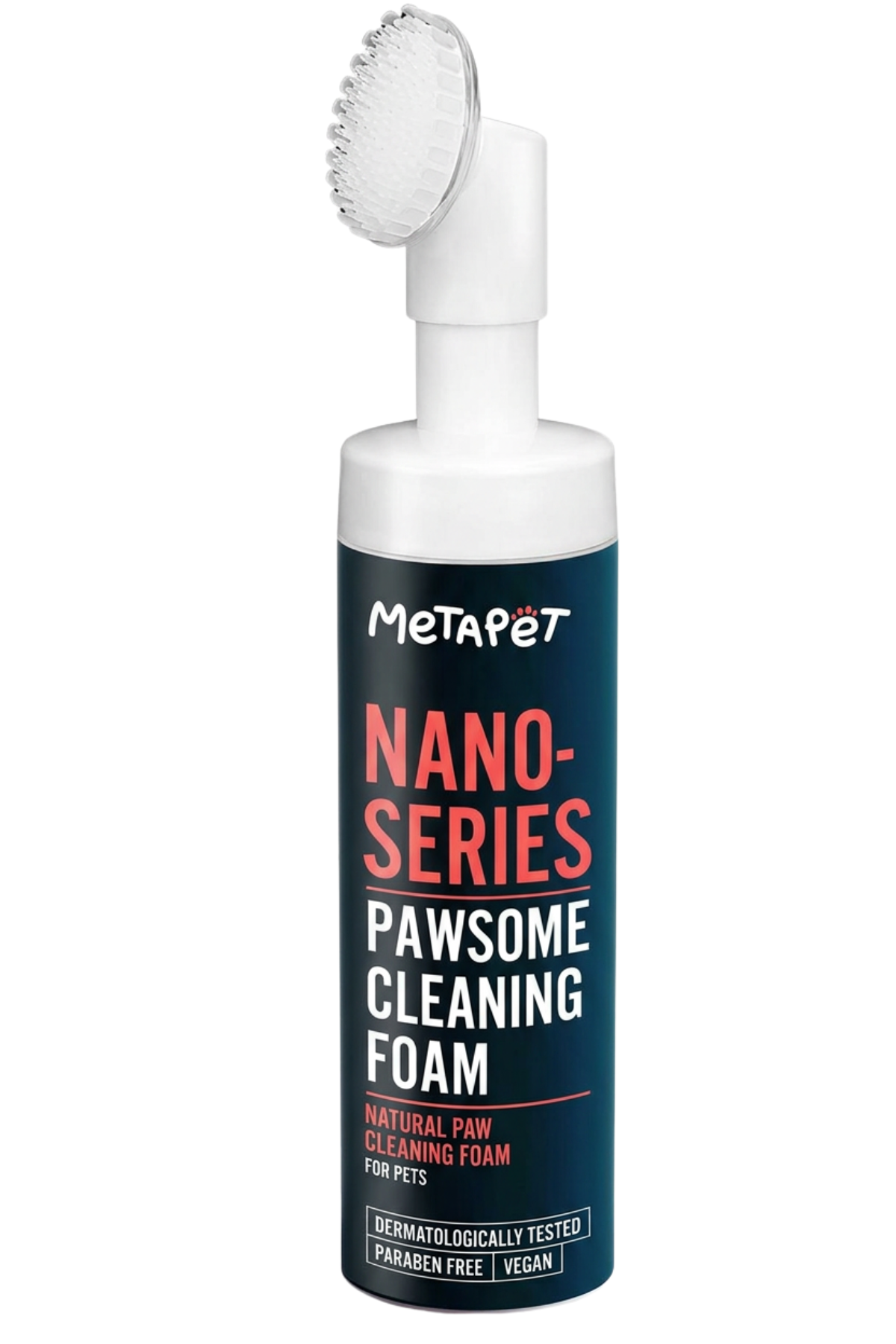
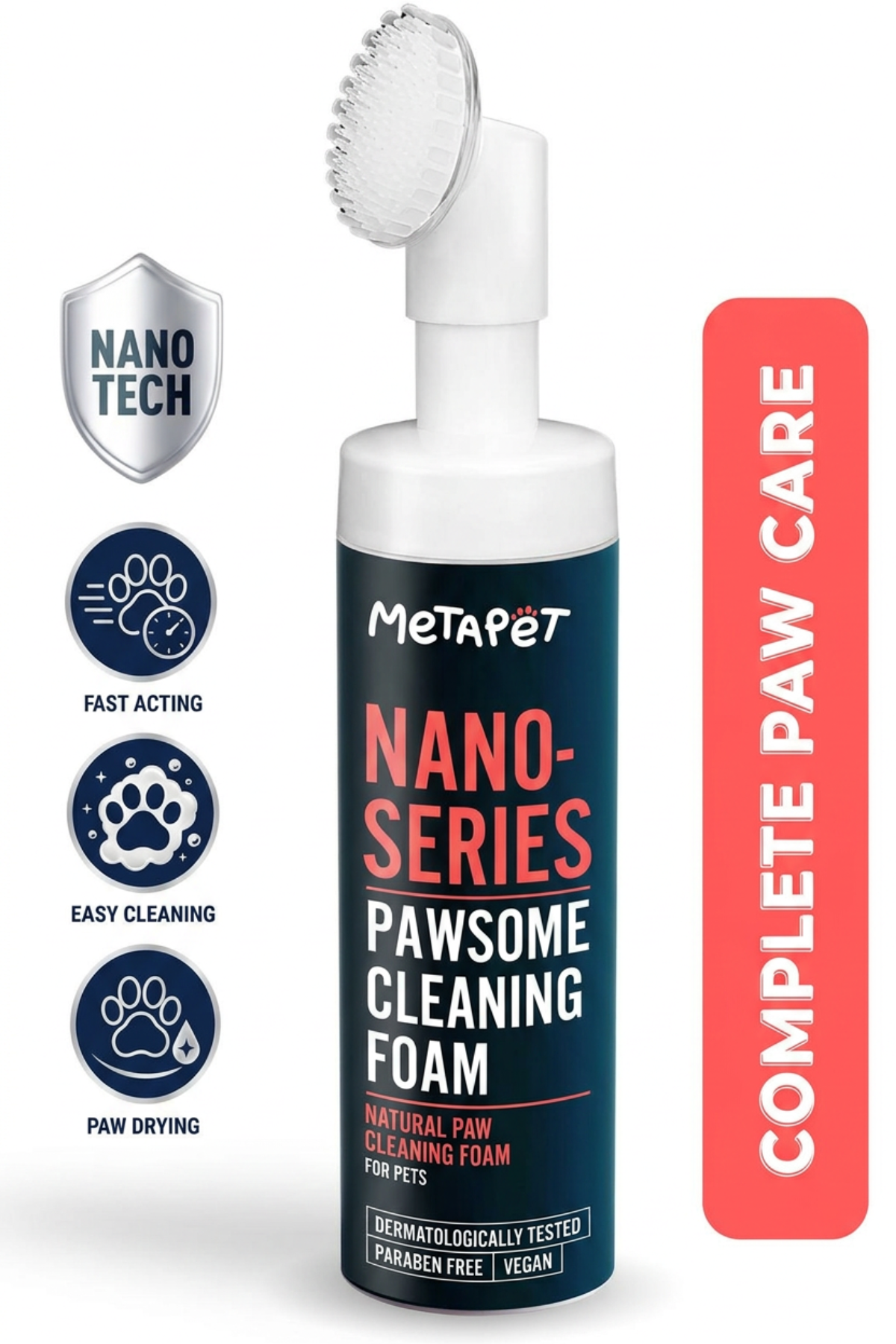
The MetaPet Nano-Series Pawsome Paw Cleaning Foam with Brush has a built-in brush cap for fast, mess-free paw cleaning. Its gentle, naturally derived formula lifts dirt without harsh chemicals and is designed for sensitive paw skin, and it is made for cats and dogs. Press the foam gently onto the paws, use the brush cap to spread it across the paw, and wipe clean with a paper towel or cloth.
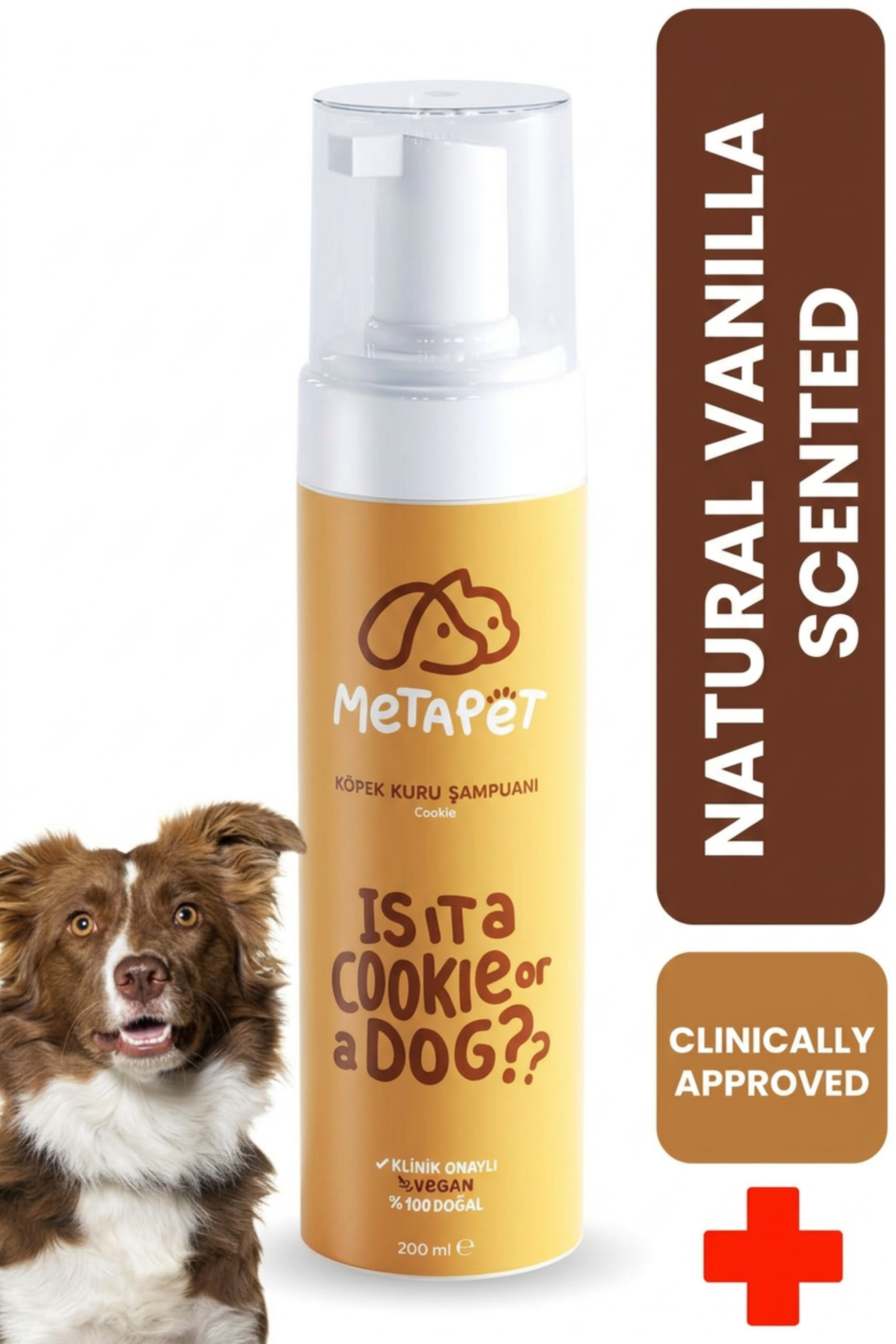
Waterless dry foam for the coat
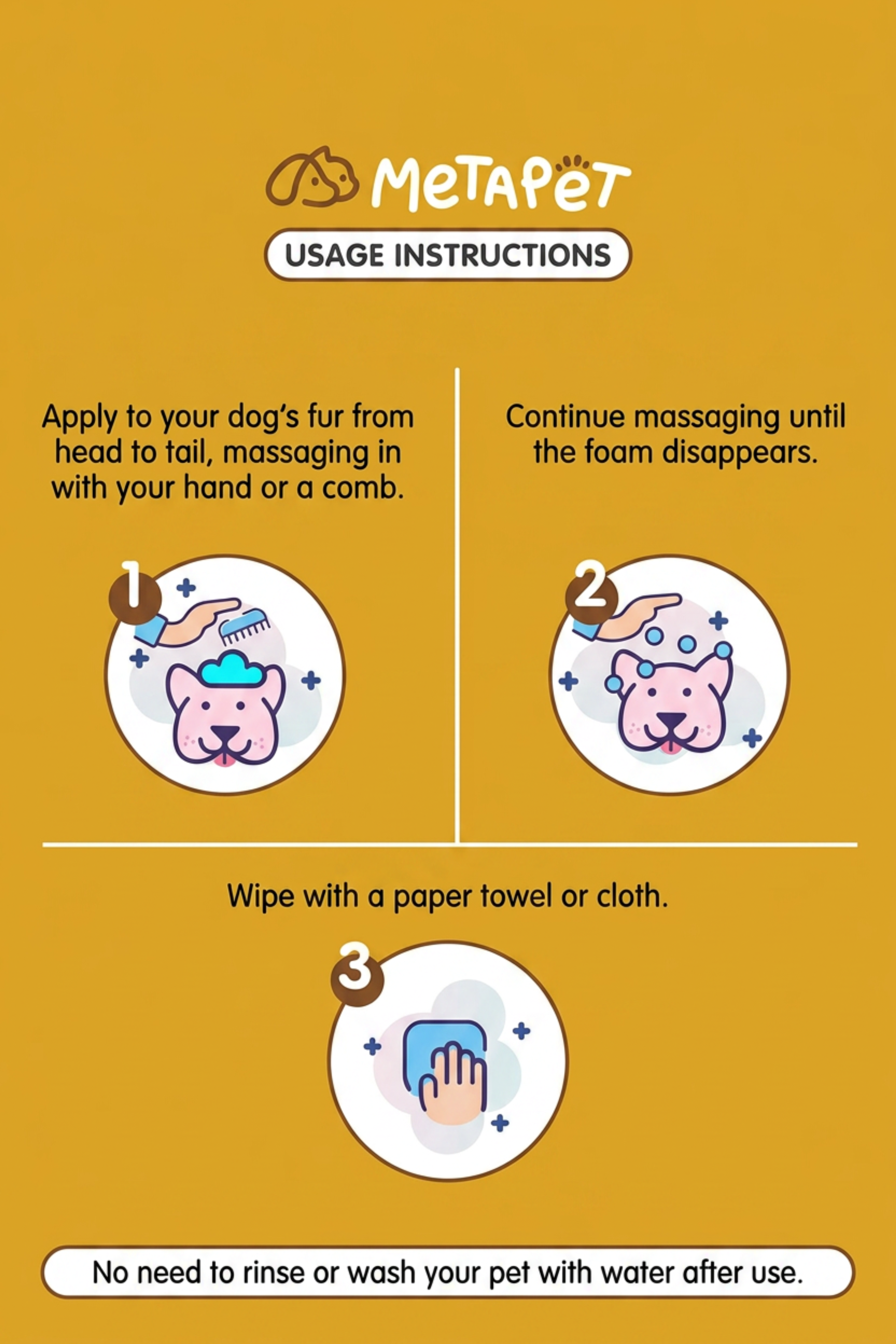
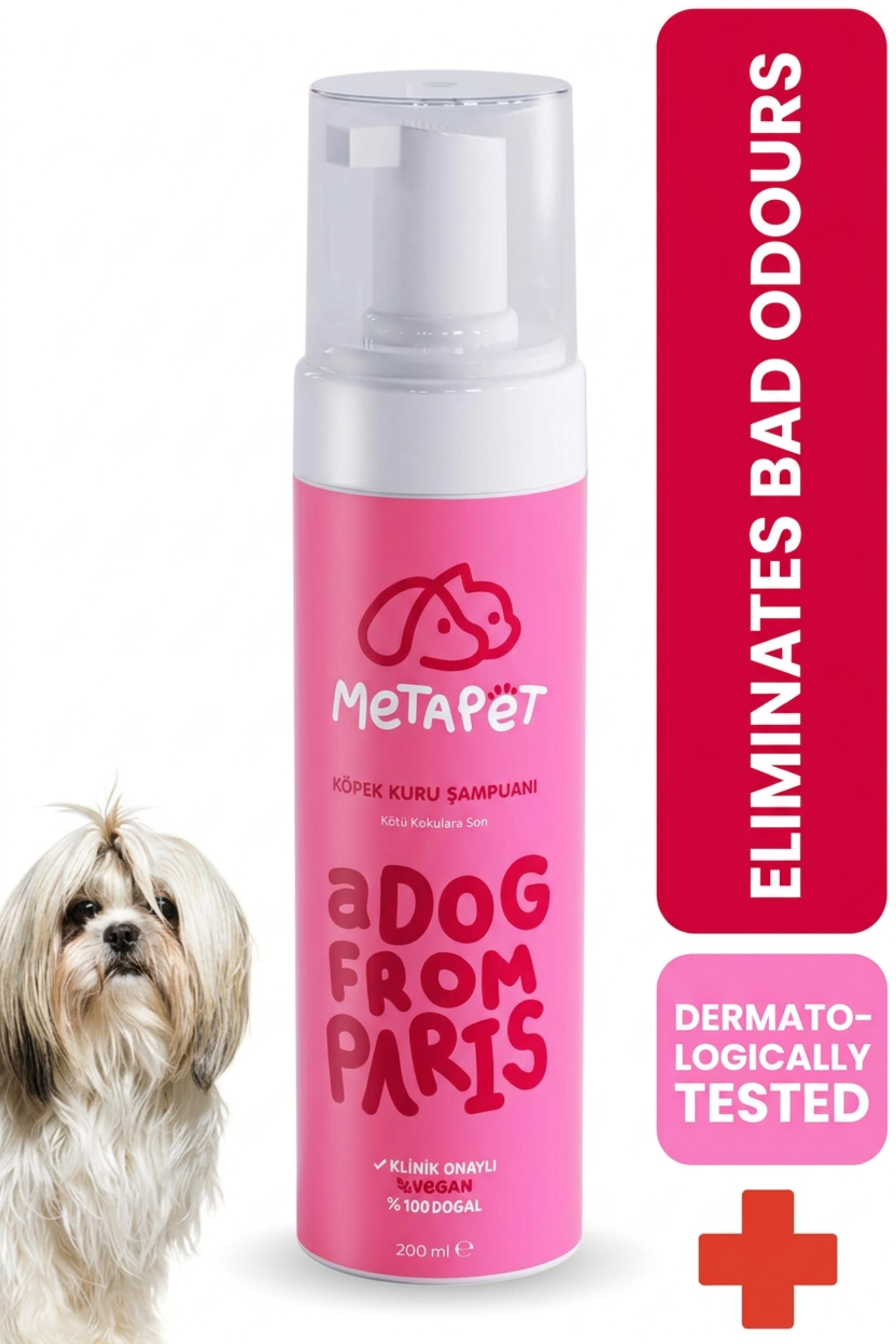
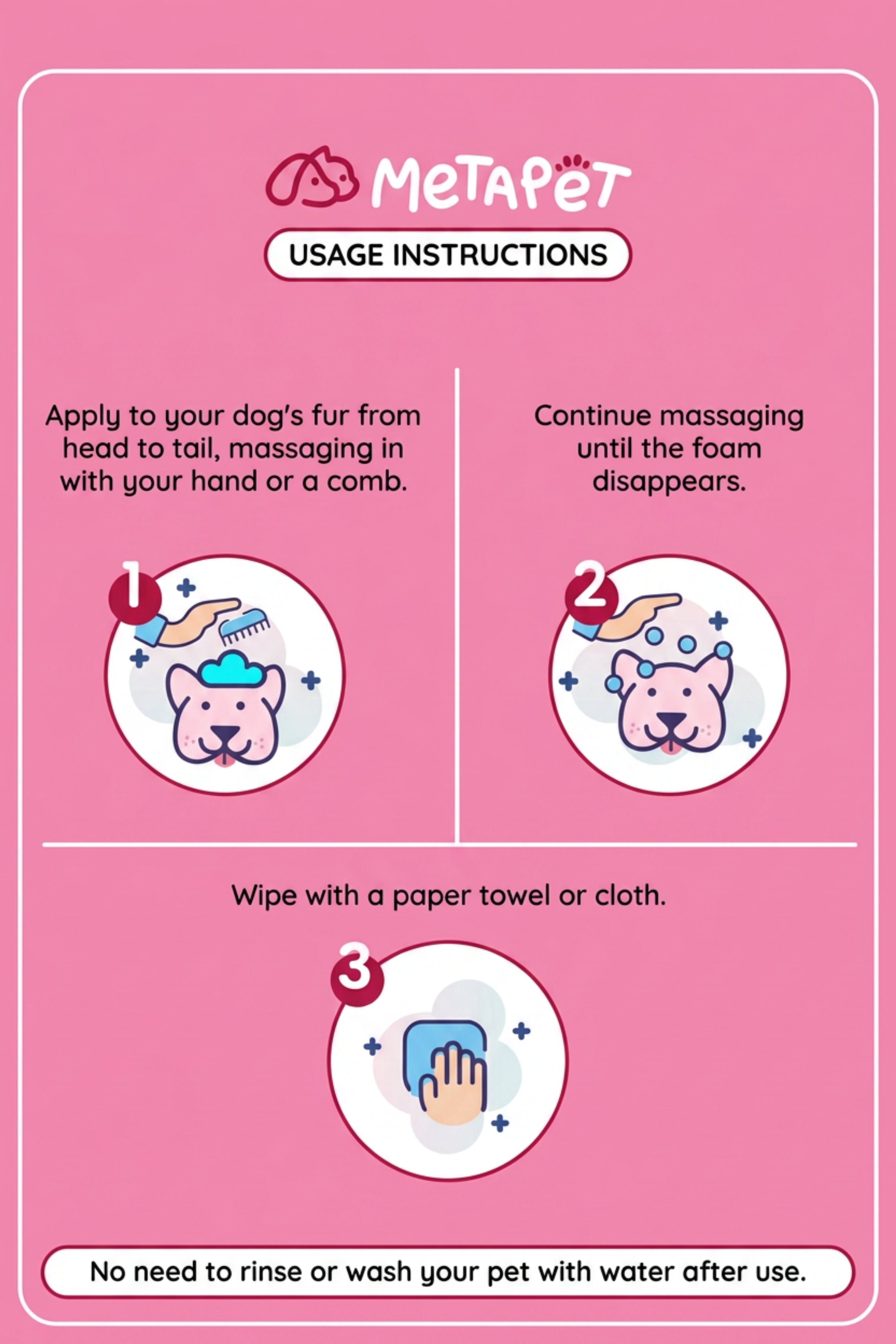
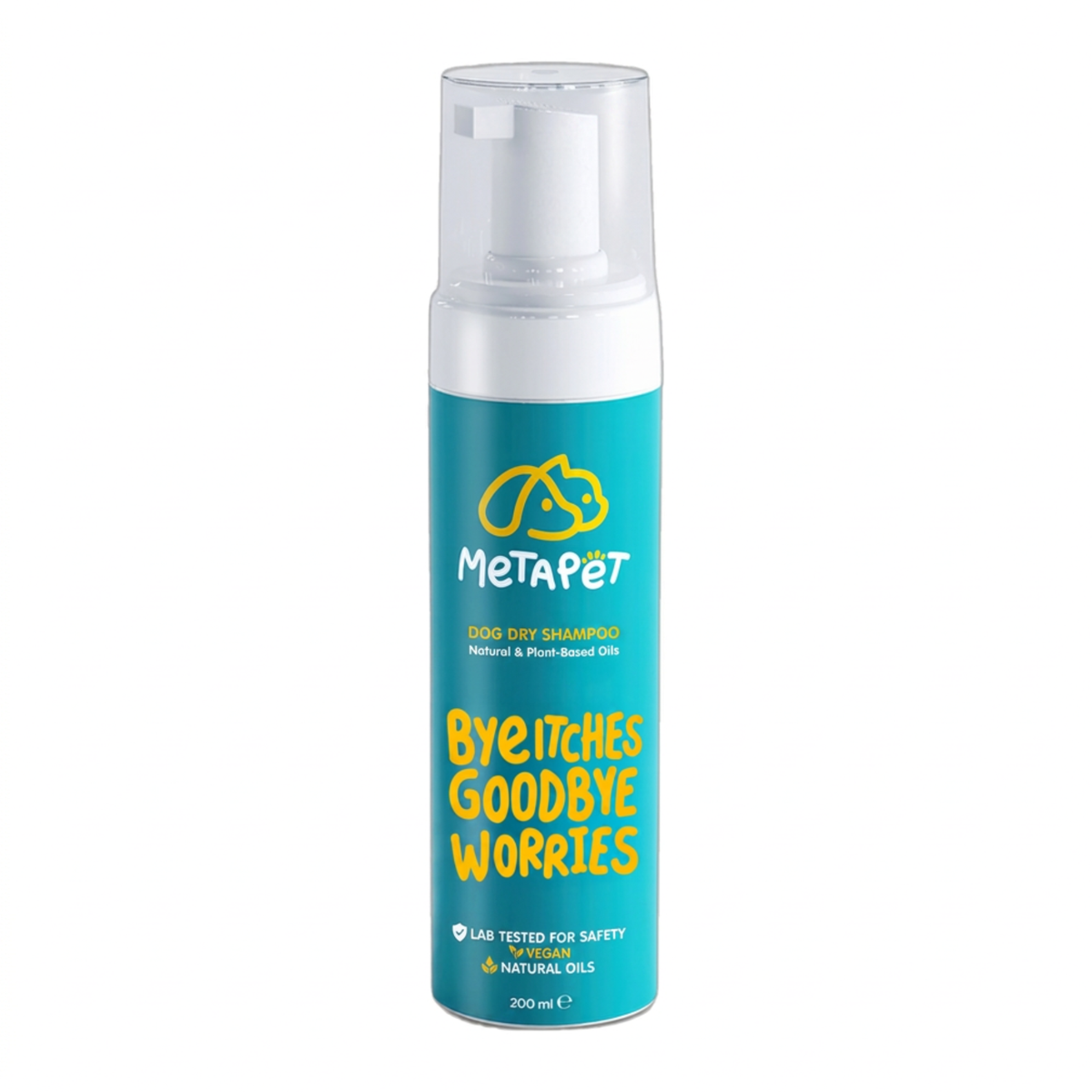
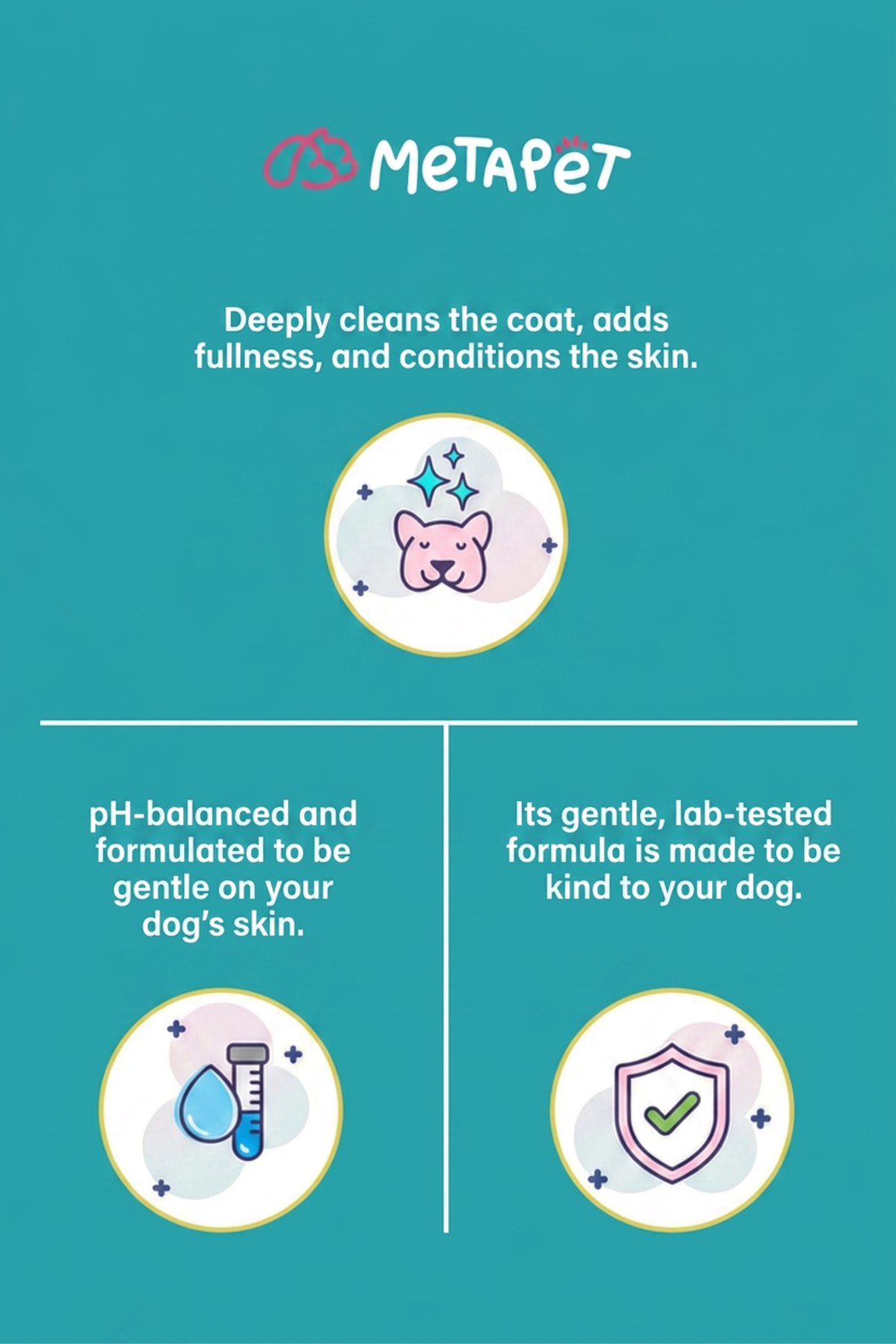
The MetaPet A Dog From Paris Waterless Dry Foam Shampoo is a no-rinse dry foam that keeps your dog clean and smelling fresh between baths. It conditions the coat for a soft, full, well-groomed look and leaves a long-lasting signature scent. The formula is naturally derived and vegan, with no parabens or sulfates. Shake well, massage into the coat from head to tail while avoiding the eyes, and wipe off with a towel or cloth.
Both are cosmetic grooming products for external use only. They complement, and never substitute for, veterinary care, parasite control, or any care plan your veterinarian recommends. Discontinue use if irritation occurs. For more ideas, see our guide to cleaning muddy paws after walks.
The Post-Walk Coat and Skin Check
A quick nose-to-tail check after outdoor time catches debris early and helps you notice changes worth a veterinary exam.
- Ears: look at the ear flaps and the opening of the ear for seeds, debris, redness, or sudden head shaking.
- Eyes and face: watch for squinting, tearing, or redness.
- Nose: note any sudden, repeated sneezing or pawing at the face.
- Armpits, chest, and groin: feel for burrs, seeds, and small tangles close to the skin.
- Paws and toes: spread the toes, check between the pads, and look for swelling, limping, or constant licking.
- Skin: part the coat in a few places and look for scratches, redness, bumps, or external parasites.
If you hike often, our hiking and outdoor adventure safety guide has more tips for planning trail days with your dog.
When to Call Your Veterinarian
Contact your veterinarian if you notice:
- A seed or awn that appears to be lodged in the skin, ear, nose, or between the toes
- Sudden, persistent head shaking, tilting the head, or pawing at an ear after outdoor time
- Squinting, swelling, discharge, or redness in one or both eyes (call the same day)
- Sudden, repeated sneezing or a nosebleed
- Limping, swelling, or a small draining spot between the toes or on a paw
- A lump, wound, or sore spot under where a burr or mat was
- Skin that looks raw or was cut during grooming
- A tangle or mat so tight against the skin that you cannot safely work it loose
Consider eye injuries, a seed you suspect has entered the eye, heavy bleeding, or signs of severe pain as urgent, and contact your veterinarian or an emergency clinic right away. Only an exam can determine the cause.
Frequently Asked Questions
Can I use scissors to cut out a stubborn burr?
It is safest not to cut near the skin. If you must trim, slide a comb between the burr and the skin first so the comb shields the skin, and cut only the hair above it. If that is not possible, let a groomer or your veterinary team handle it.
How can I keep my dog from picking up so many burrs?
Stick to cleared trails in seed season, keep feathering tidy, and brush after each walk so a stray burr does not grow into a mat.
My dog won't hold still for burr removal. What should I do?
Work in very short sessions with plenty of rewards. If your dog becomes frightened or snaps, end the session and ask your veterinarian or a professional groomer for help rather than forcing it.
How do I know if something is an awn and not a burr?
Burrs are usually round or clumpy and covered in hooks. Grass awns are slender, pointed, and arrow-shaped. If you are unsure, or if your dog shows any signs of discomfort, have your veterinarian take a look.
Key Takeaways
- Burrs cling most to long, curly, and double coats, especially on the ears, legs, belly, and paws.
- Hold the hair at the base and tease strands away instead of pulling or cutting near the skin.
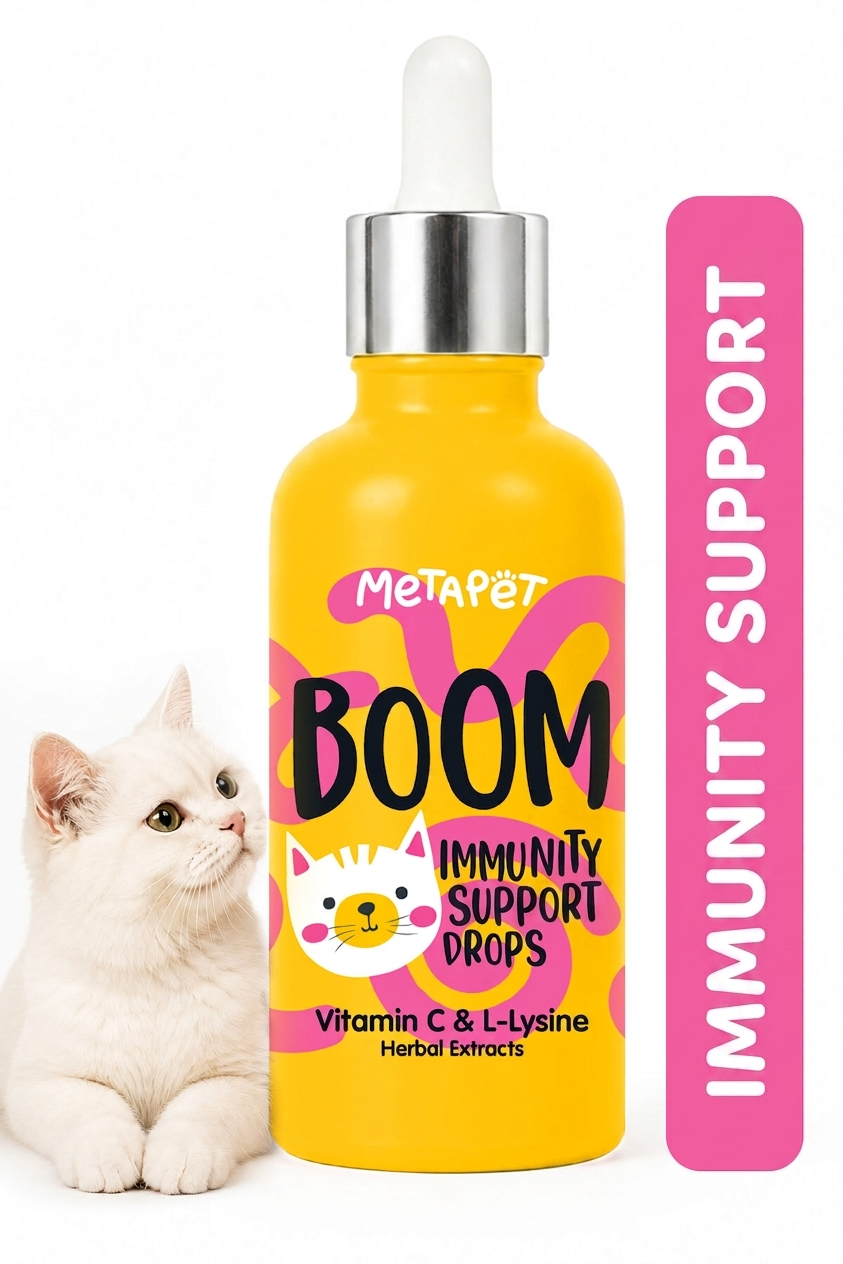
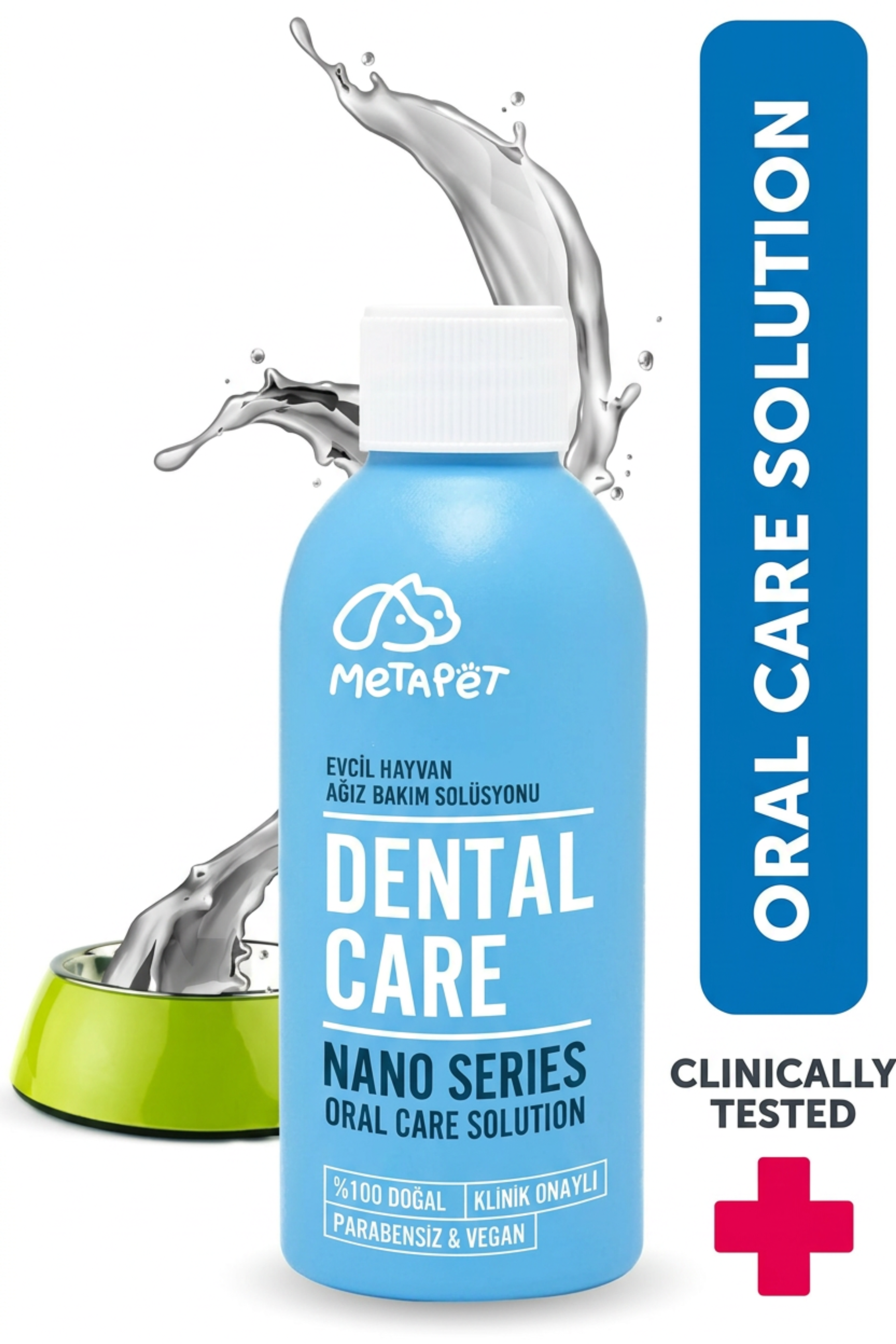
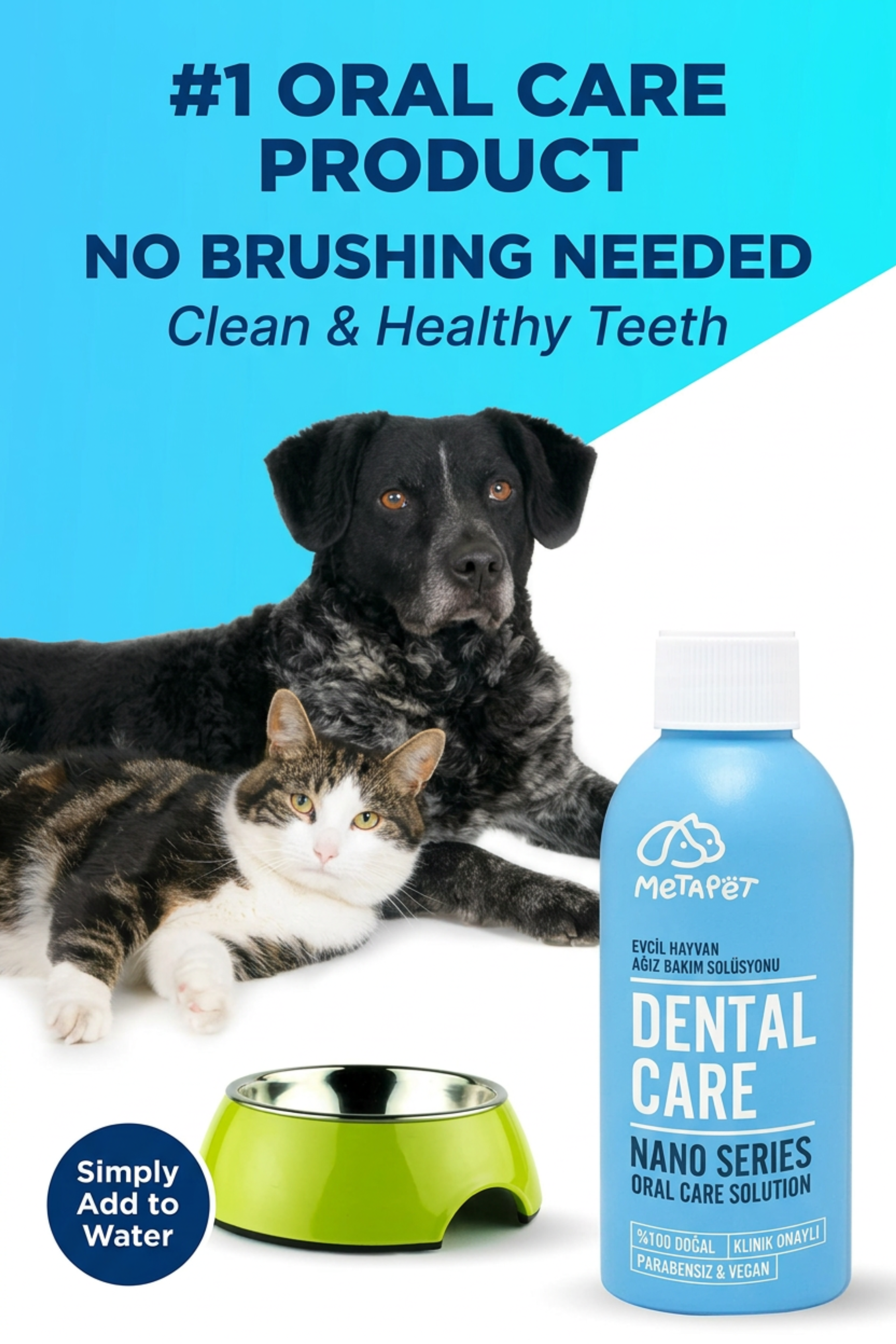
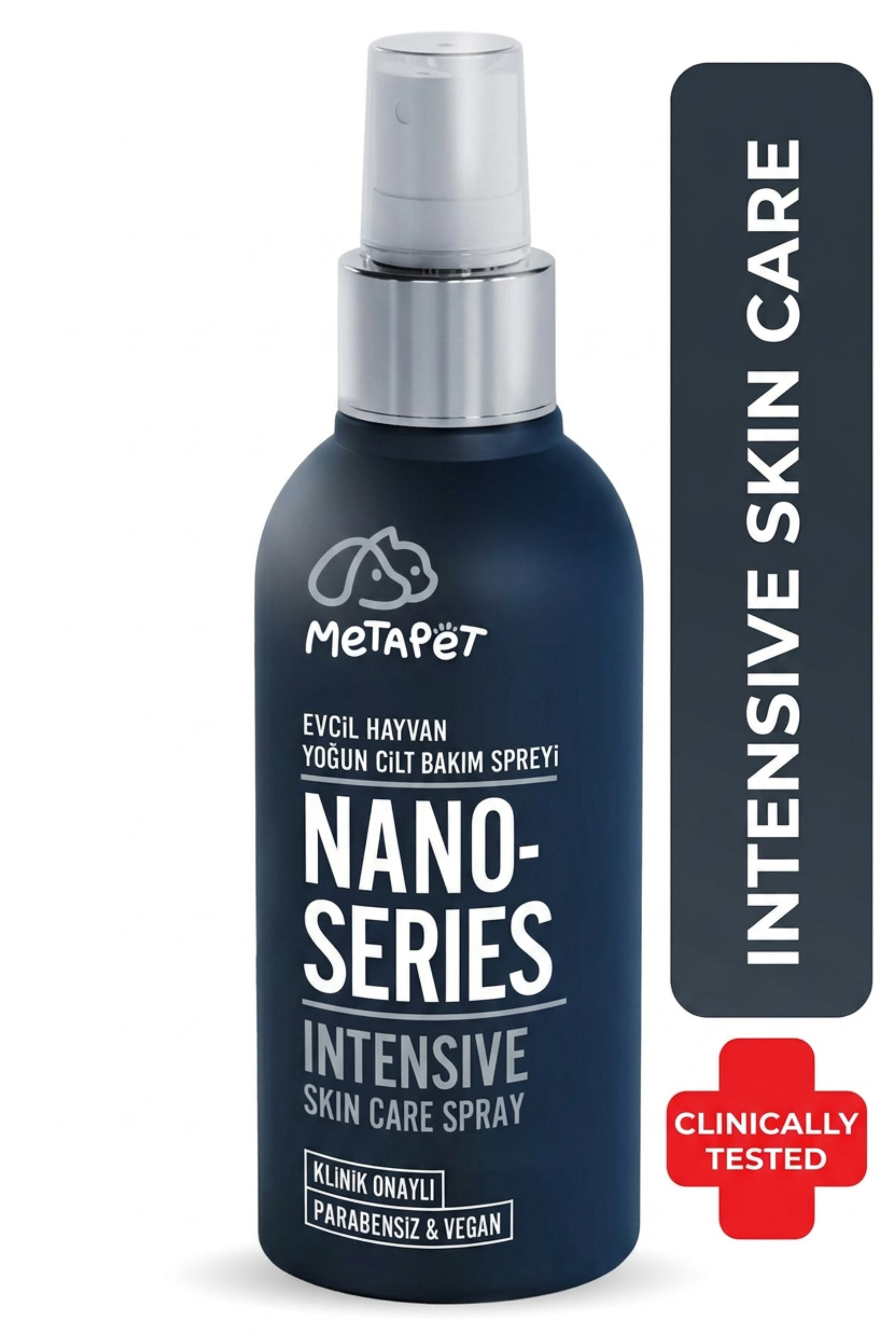
- A detangling spray made for pets can help hair slide apart and make combing more comfortable.
- Grass awns are different from burrs and can move into the body; leave embedded awns to your veterinarian.
- Grooming products such as paw cleaning foam and dry foam shampoo are cosmetic conveniences that complement, and never substitute for, veterinary care.
- Contact your veterinarian for any lodged seed, eye or ear signs, limping, wounds, or mats too tight to remove safely.