Foxtails and Grass Seed Dangers for Dogs and Cats

Every summer and fall, veterinary clinics fill with a very particular kind of patient: the dog who suddenly started sneezing violently on a walk, the dog with a swollen toe he will not stop licking, the cat with a draining sore under her leg. Behind a remarkable number of these visits is a humble plant part, the grass awn, best known in the form of foxtails, the bristled seed heads of certain wild grasses.
What makes these seeds dangerous is their engineering. Barbed like tiny harpoons, they are designed to burrow forward and never back out. That means a seed that catches in fur or slips into an ear, nostril, eye, or between toes does not simply fall away; it migrates deeper, carrying bacteria with it. This guide explains where foxtails hide, the signs they cause in dogs and cats, what veterinarians do about them, and the routines that dramatically cut the risk.
Important: This article shares general educational information for pet owners and is not a substitute for an in-person veterinary examination, diagnosis, or treatment. For any medical concern or emergency, contact your veterinarian promptly.
Why Grass Awns Are So Harmful
A foxtail's bristles all angle backward, so any movement, muscle twitches, licking, scratching, walking, pushes the seed forward like a ratchet. Once through the skin or into a body opening, awns can travel astonishing distances, tracking infection along the way. Veterinarians have retrieved them from between toes, deep in ear canals, behind eyes, inside noses, under the skin of the flank, and occasionally from the chest.
Because plant material does not show up well on radiographs, a migrating awn can be genuinely difficult to locate, which is why prevention and early removal are so much better than a deep hunt later. The seeds are most hazardous once grasses dry out, typically from late spring through fall, though dried seed heads persist year-round in some areas.
High-Risk Zones on Your Pet's Body
- Paws: the number one site; seeds lodge between toes and pads, then pierce the delicate webbing.
- Ears: seeds flicked up by walking through grass drop into the ear canal, where they are invisible from outside.
- Nose: sniffing dogs inhale seeds directly; violent sneezing follows.
- Eyes: seeds trapped under an eyelid or third eyelid scratch the cornea with every blink.
- Armpits and groin: thin skin plus constant leg motion helps trapped seeds work through.
- Coat mats: long or matted fur traps seeds against the skin, giving them time to burrow.
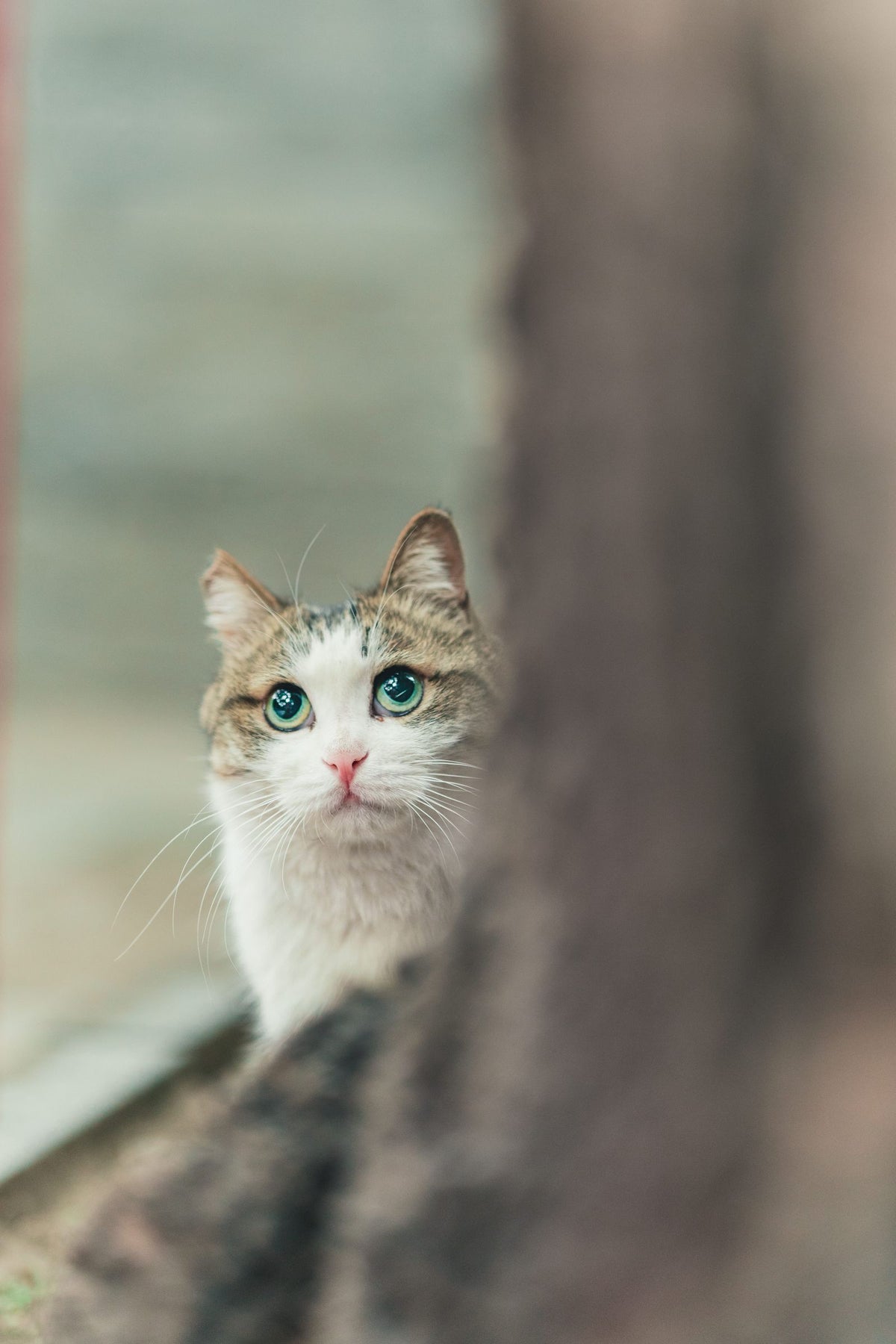
Cats, especially outdoor explorers, collect awns in the same places and are particularly good at hiding the resulting sores until an abscess appears.
Warning Signs After Outdoor Time
- Sudden violent sneezing: fits of sneezing right after a walk, sometimes with pawing at the nose or a bloody drip, classically suggest a seed in a nostril.
- Head shaking and ear pawing: abrupt, persistent shaking or a tilted head after outdoor time points to the ear canal.
- Focused licking: a dog or cat obsessively licking one paw or one spot on the body is telling you exactly where to look.
- Squinting and tearing: one suddenly painful, watery, held-shut eye is an urgent sign.
- Limping: often with a red, swollen toe web, sometimes with a tiny visible entry hole.
- A draining bump: a small swelling that oozes, seems to heal, and reopens is the signature of a migrating awn abscess.
The pattern to remember: sudden, one-sided, and focused. One nostril, one ear, one eye, one toe. Symmetrical problems are more often allergies or infections; a single dramatic site right after outdoor exposure says foreign body until proven otherwise.
What to Do, and Not Do, at Home
If you can see a seed sitting loosely in fur, between toes, or at the very entrance of an ear or nostril, you can gently remove it with fingers or blunt tweezers. Check the seed is intact; awns break easily, and a retained tip continues migrating.
Do not dig into the ear canal, probe a wound, or try to flush a nostril or eye with improvised tools. Deep probing pushes seeds further, damages tissue, and turns a quick veterinary retrieval into a complicated one. If a seed is embedded, if the entry site is swollen, or if your pet shows any of the warning signs above, make a veterinary appointment promptly, the same day for eyes, noses, and ears, since those seeds move fast and cause real discomfort.
How Veterinarians Find and Remove Awns
Removal is usually quick once the seed is located. Veterinarians use an otoscope for ears, topical anesthetic and fine instruments for eyes, and sedation as needed for noses and paws, since retrieval must be still and painless. For swollen toe webs, clinics often explore the small tract under sedation and retrieve the awn with forceps.
When a seed has migrated deeper, locating it can require ultrasound or advanced imaging, and occasionally surgical exploration of a draining tract. Antibiotics may be prescribed for the infection the seed dragged inward, but medication alone cannot fix the problem while the plant material stays inside; the seed itself must come out. This is why early attention, when the seed is still shallow, saves pets discomfort and owners considerable expense.
Prevention: Managing the Environment
- Know the look: learn to spot bristled seed heads on dried grasses; once you recognize foxtails, you will see them everywhere they grow.
- Choose routes in season: during dry months, favor mown paths, sidewalks, and beaches over waist-high dried grass.
- Maintain your yard: mow before grasses set seed, and remove dried seed heads, since they remain hazardous long after cutting.
- Leash in hotspots: keep dogs from diving snout-first into dense dry vegetation, the classic nasal foxtail moment.
- Consider protective gear: in high-risk regions, field vests and head nets designed for hunting dogs reduce exposure for enthusiastic brush-runners.
The After-Walk Check: A Two-Minute Habit
The single most effective prevention is a systematic nose-to-tail check after every outing in grassy areas, ideally before your pet comes fully indoors and starts grooming seeds deeper.
- Run your hands over the face; look in and around the eyes, and at the nostrils.
- Flip each ear and look at the canal entrance; feel around the ear base.
- Comb through the neck ruff, armpits, chest, belly, and groin with your fingers.
- Spread every toe and check the webbing and pads, top and bottom.
- Lift the tail and check underneath, then finish with a full-body brush-through for long coats.
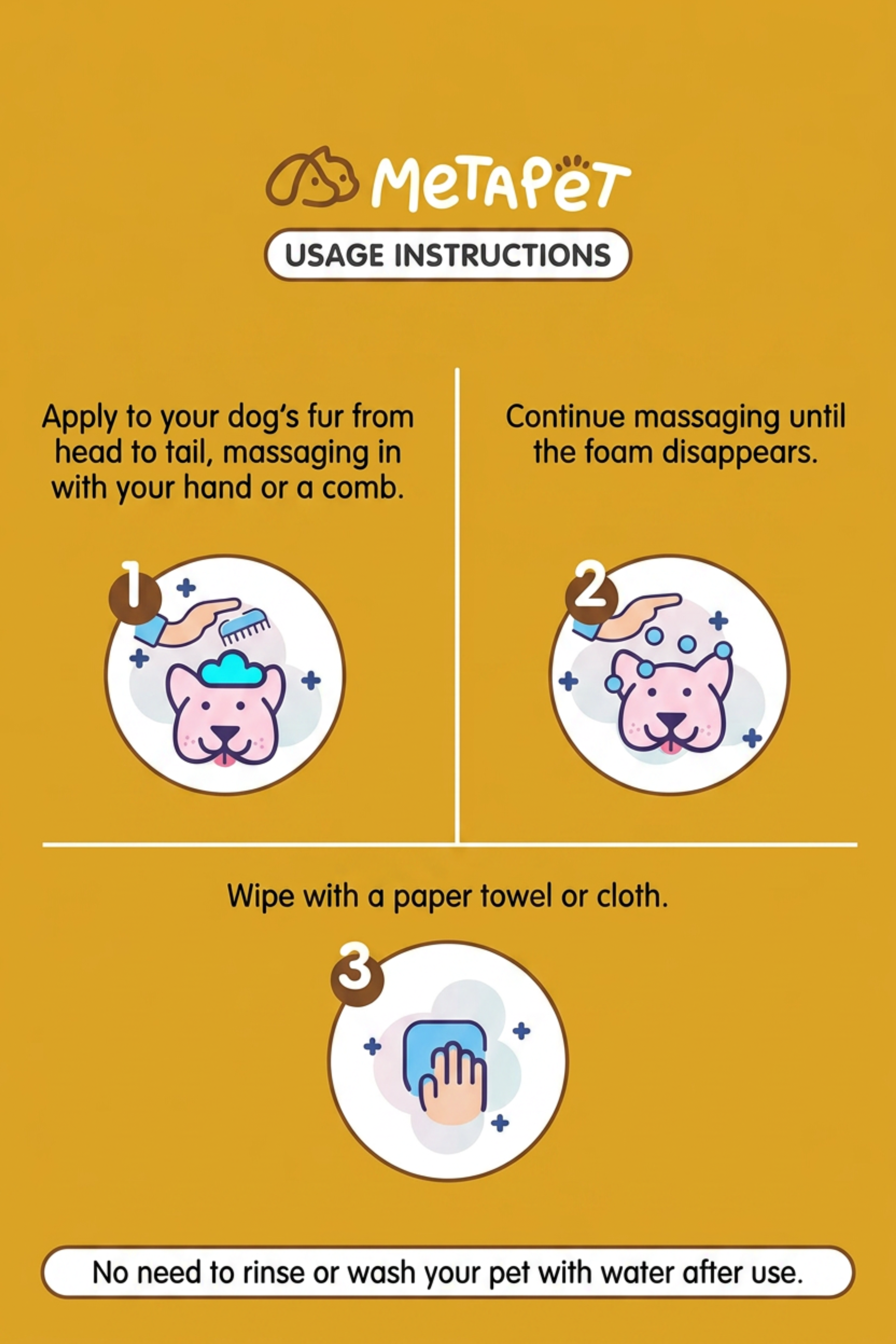
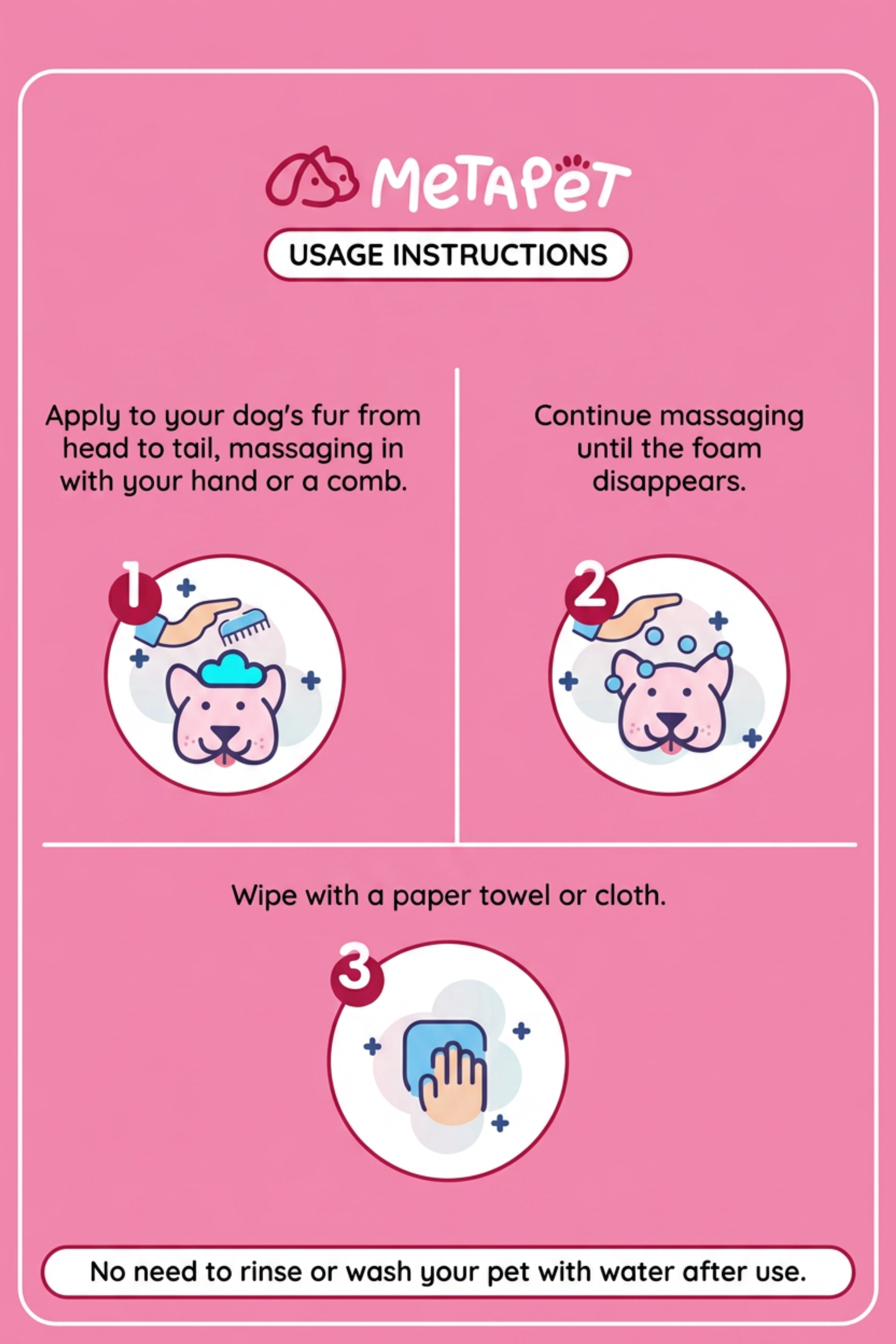
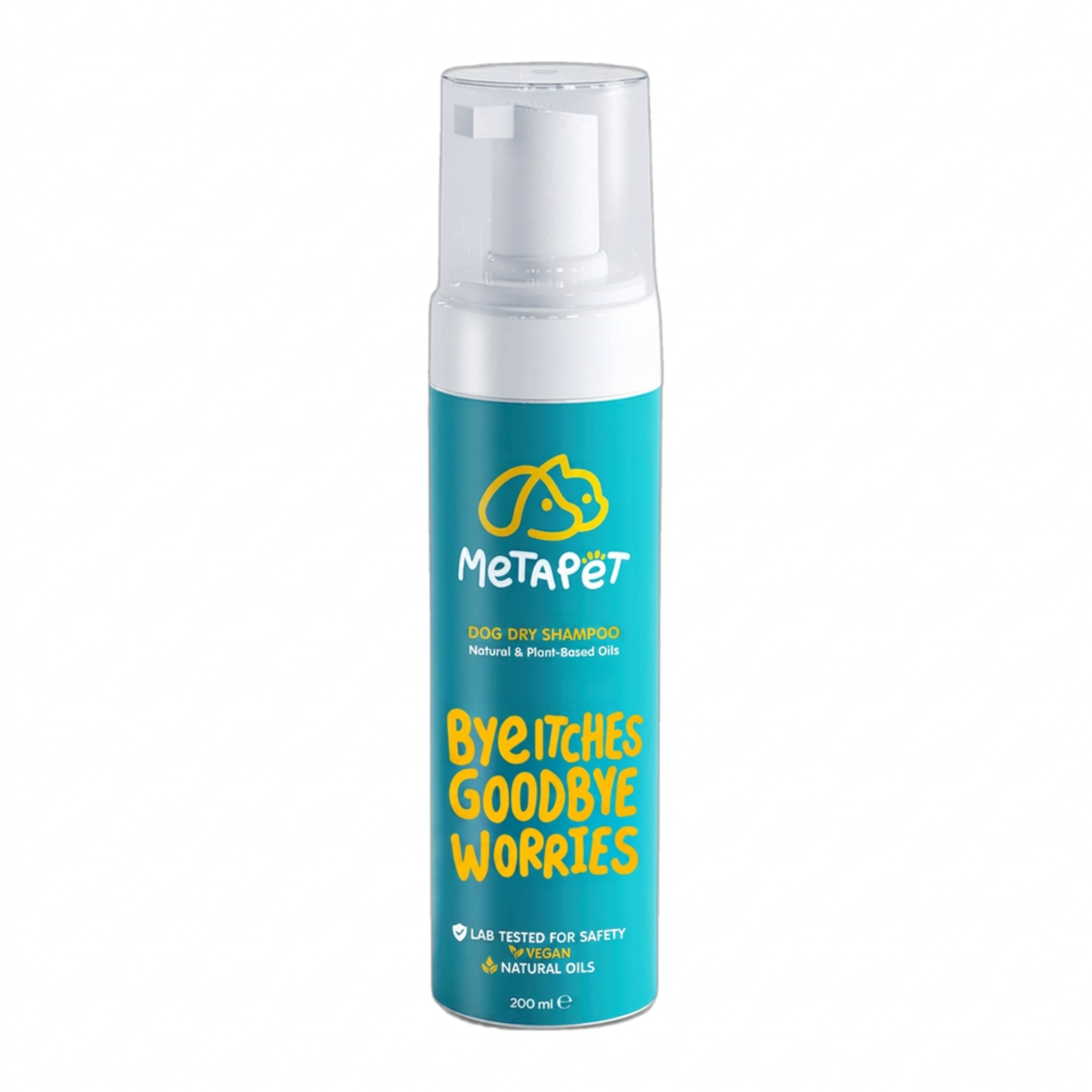
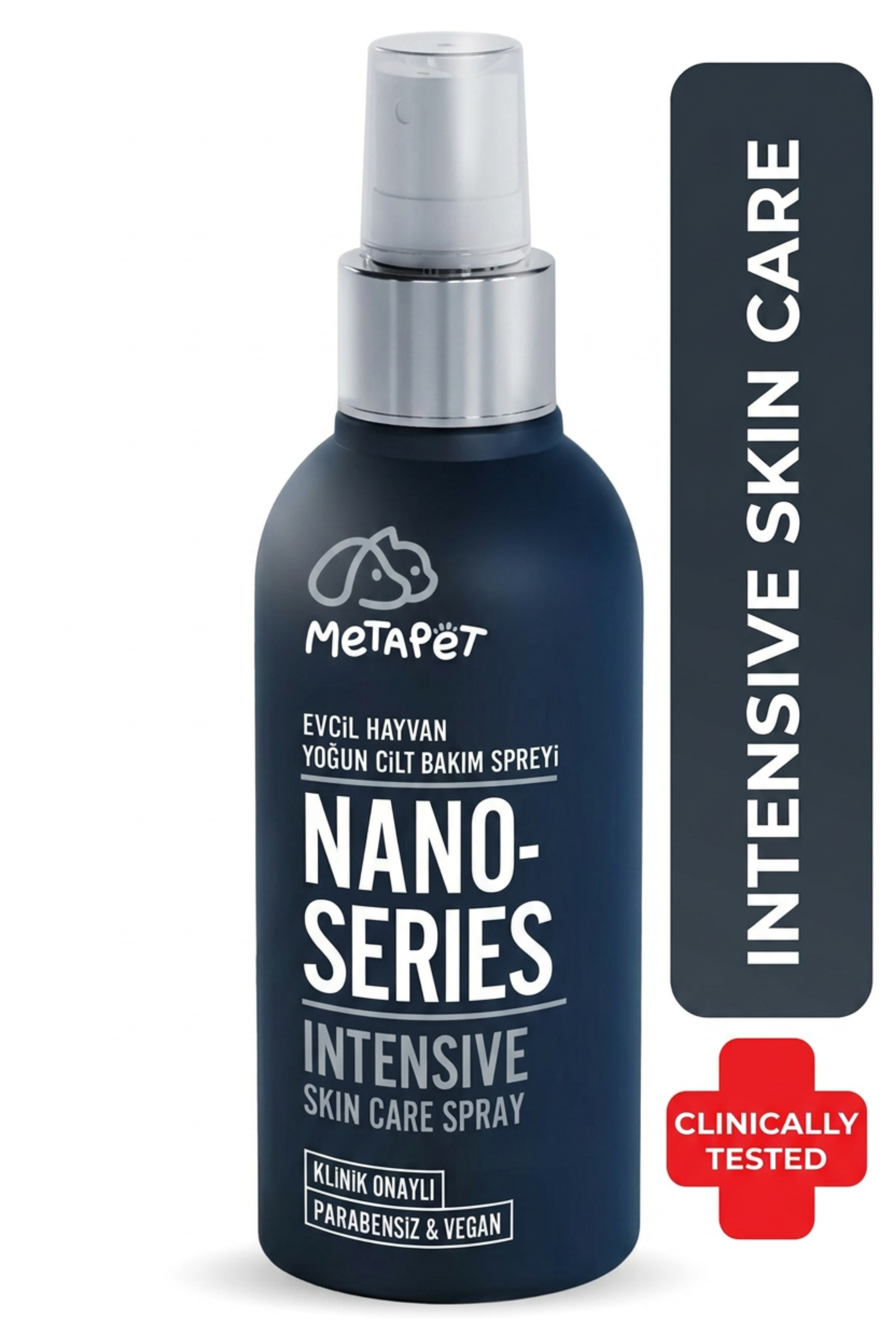
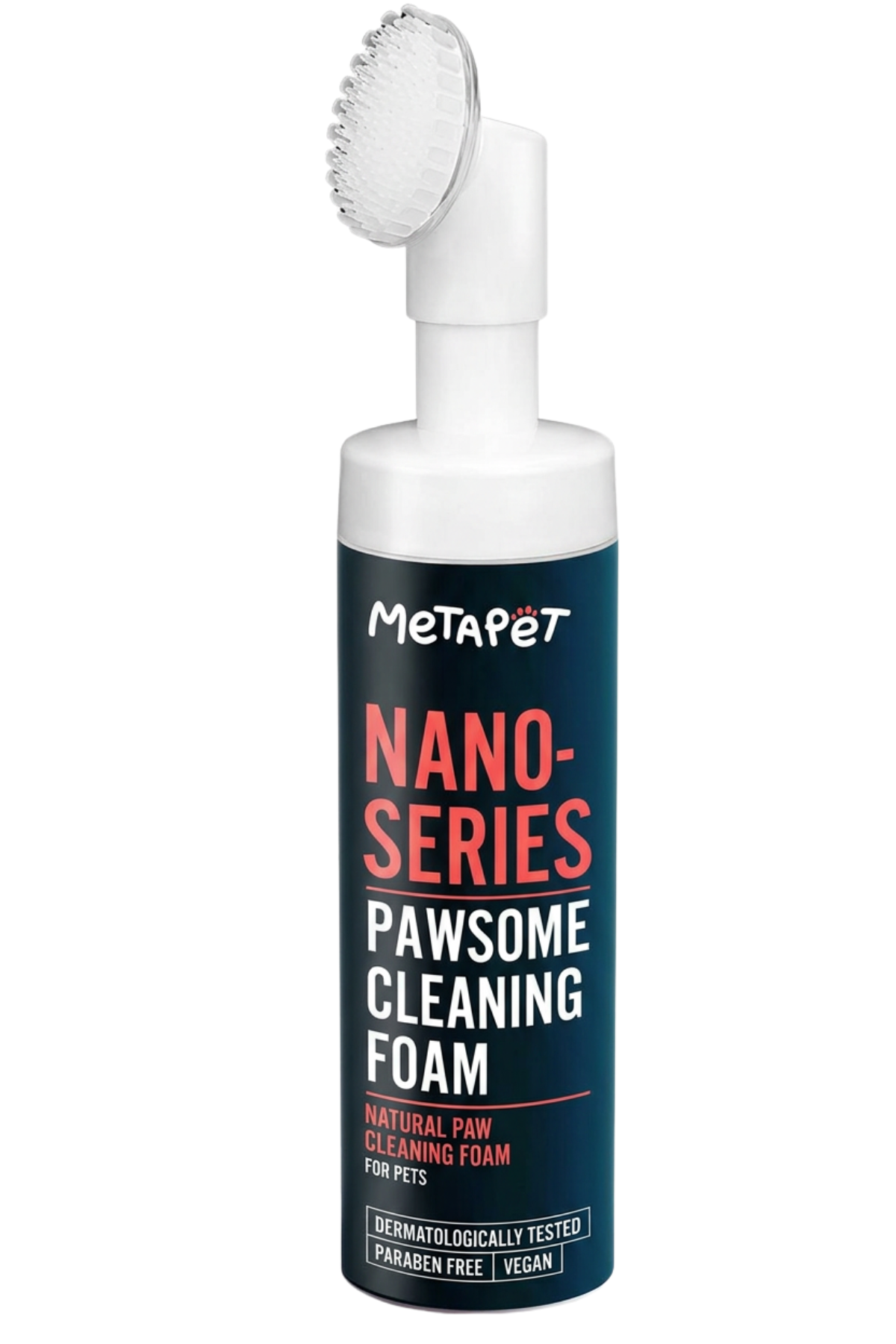
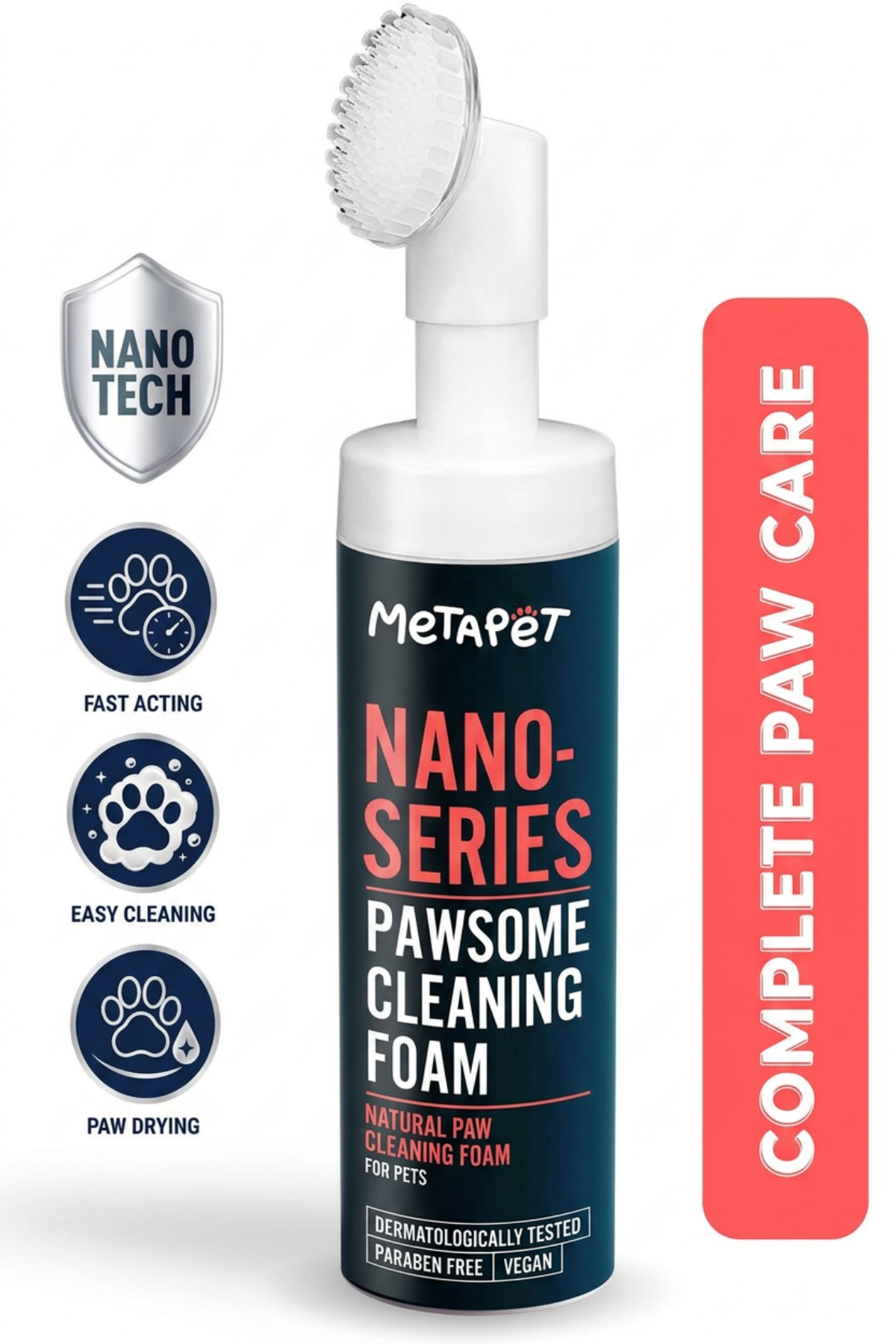
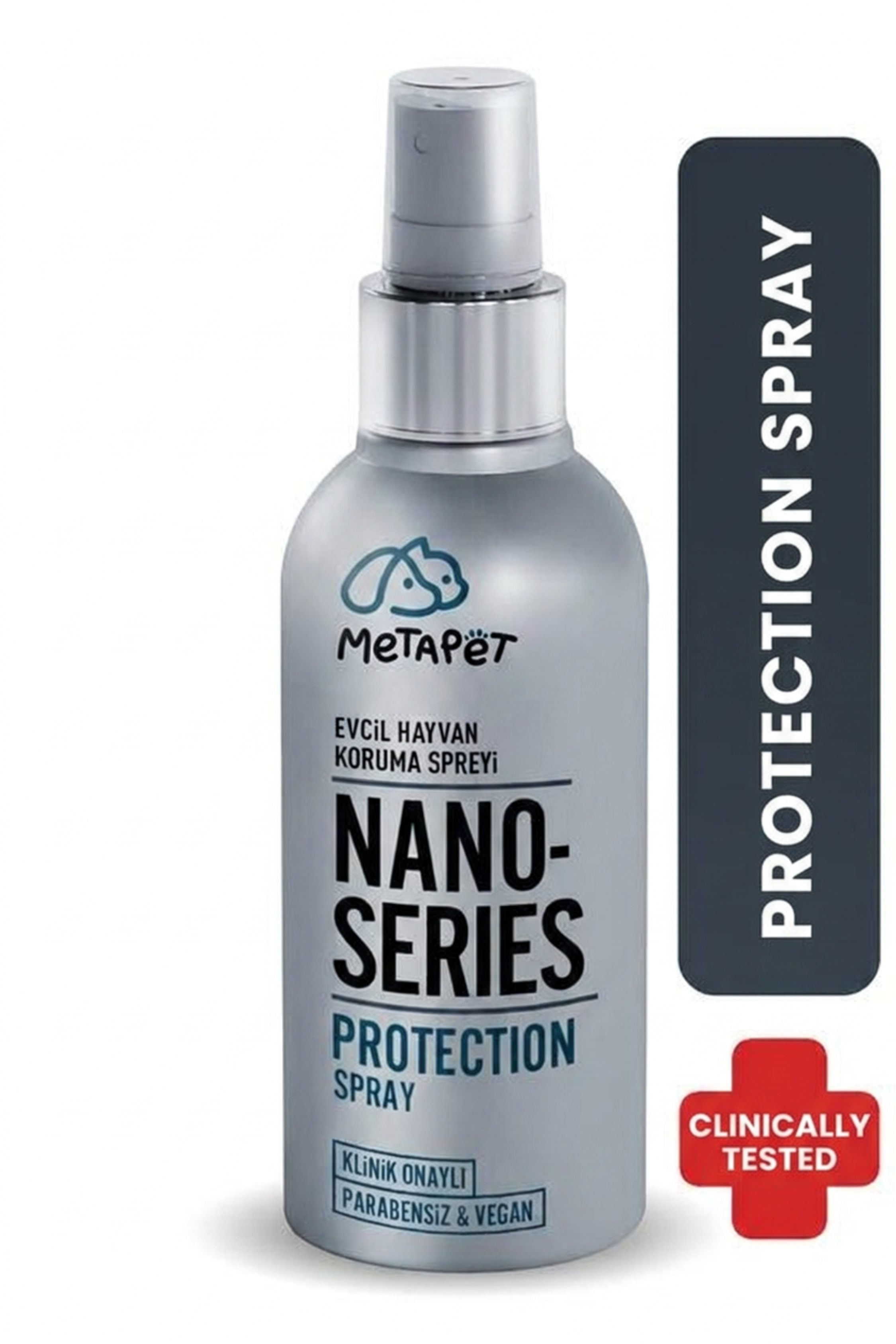
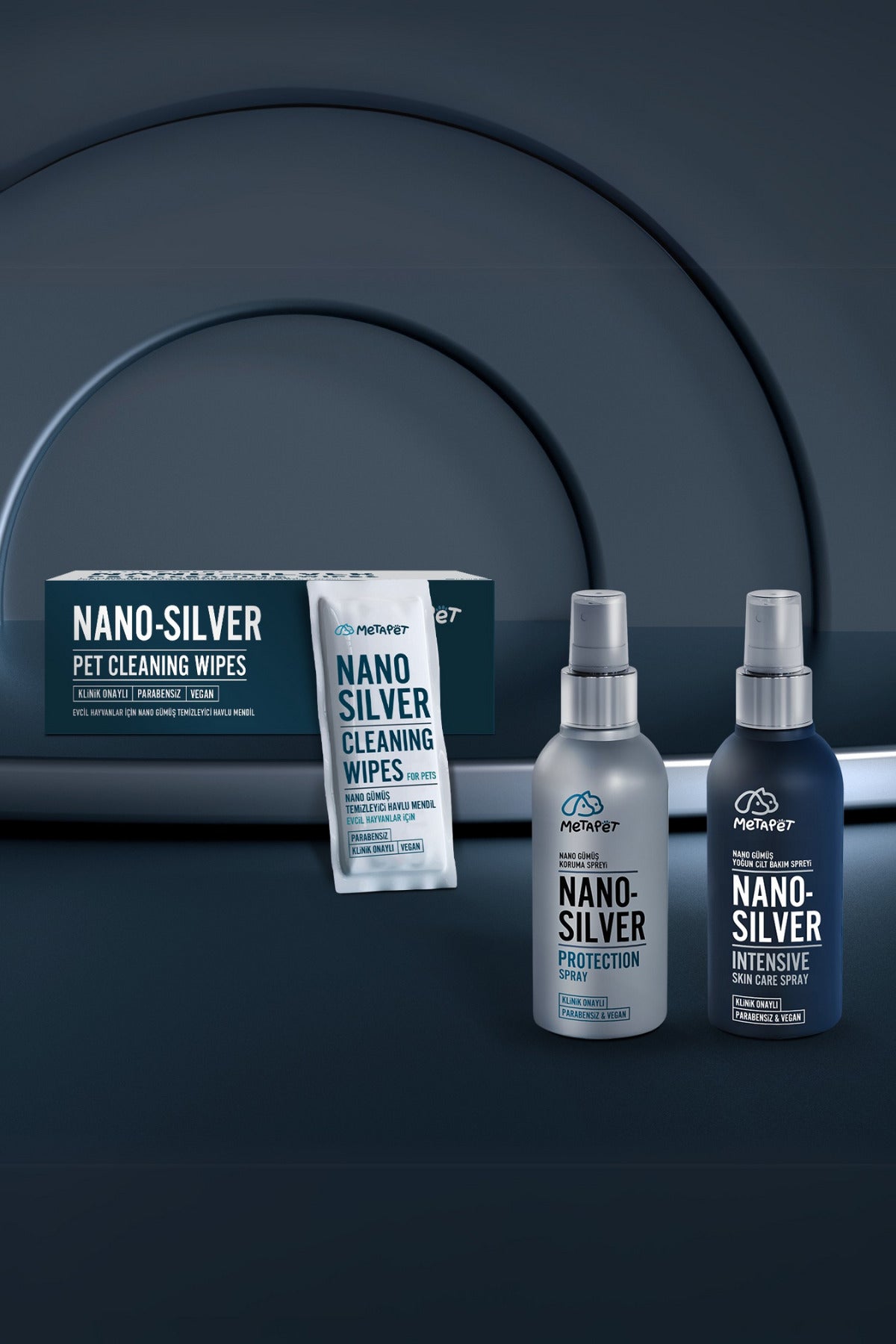
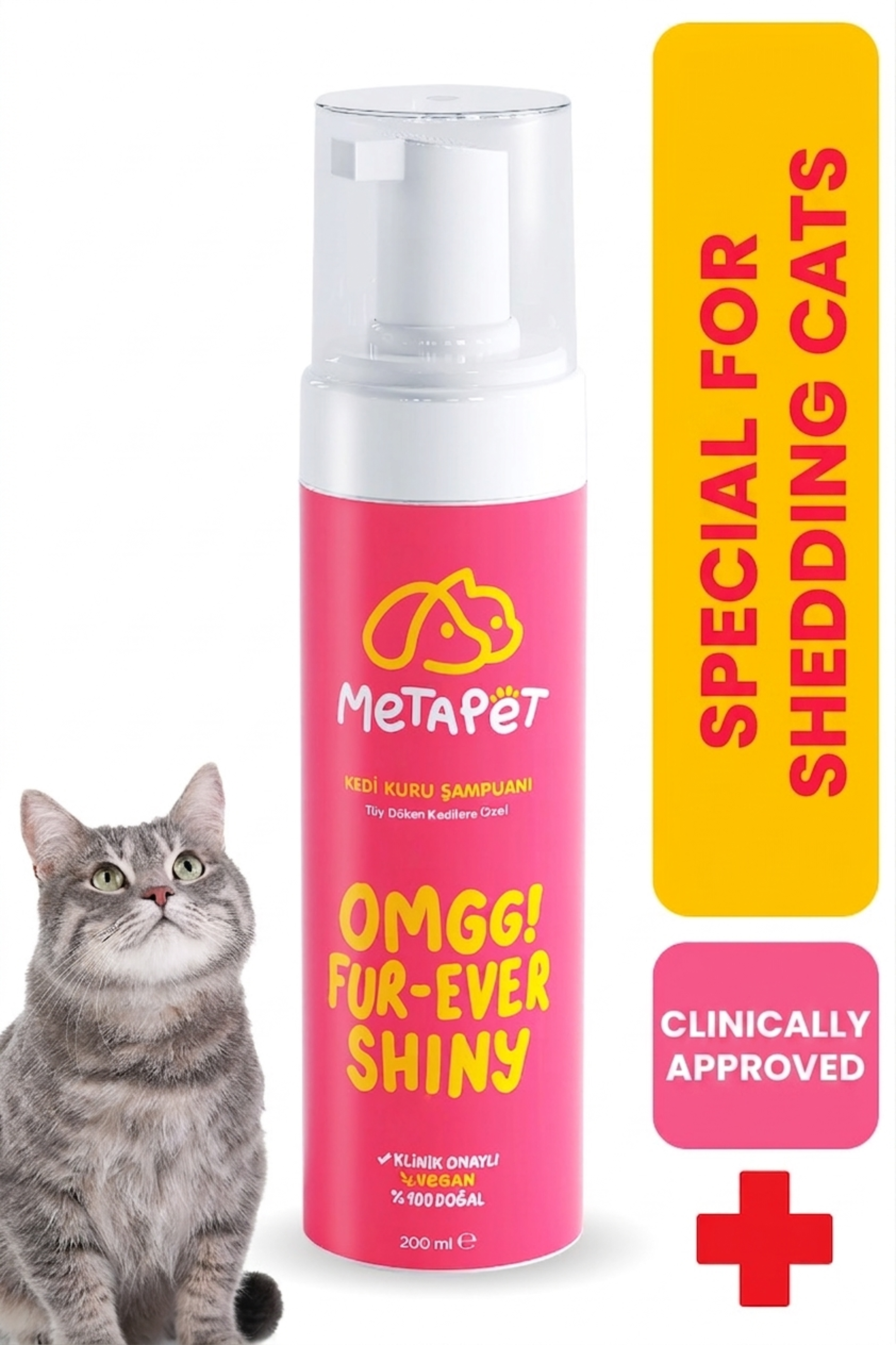
Keeping paw fur and feathering trimmed in seed season, and dealing with mats promptly, removes the fabric that seeds cling to. After grassy outings, gently wiping the coat and cleaning paws also helps you find hitchhikers before they settle; many owners keep paw-cleaning supplies by the door, for example a rinse-free paw cleaning foam with a soft brush head, such as MetaPet's Pawsome Paw Cleaning Foam, designed to help lift dust and debris from paws and pads after walks, alongside pet hygiene wipes like MetaPet's Nano Series Hygiene Care Towel Wipes for a quick once-over of the coat. These grooming aids are simply part of a good check-and-clean routine, and they complement, never replace, veterinary care for any embedded seed or wound.
Special Notes for Cats
Outdoor cats collect grass awns just as dogs do, but their fastidious grooming both hides and worsens the problem: a cat may swallow seeds while grooming or lick an entry wound so persistently that owners only notice once an abscess swells. Any focal swelling, draining sore, sudden squint, or violent sneezing fit in a cat that goes outside deserves a veterinary look, and recurring abscesses in the same area raise particular suspicion of retained plant material.
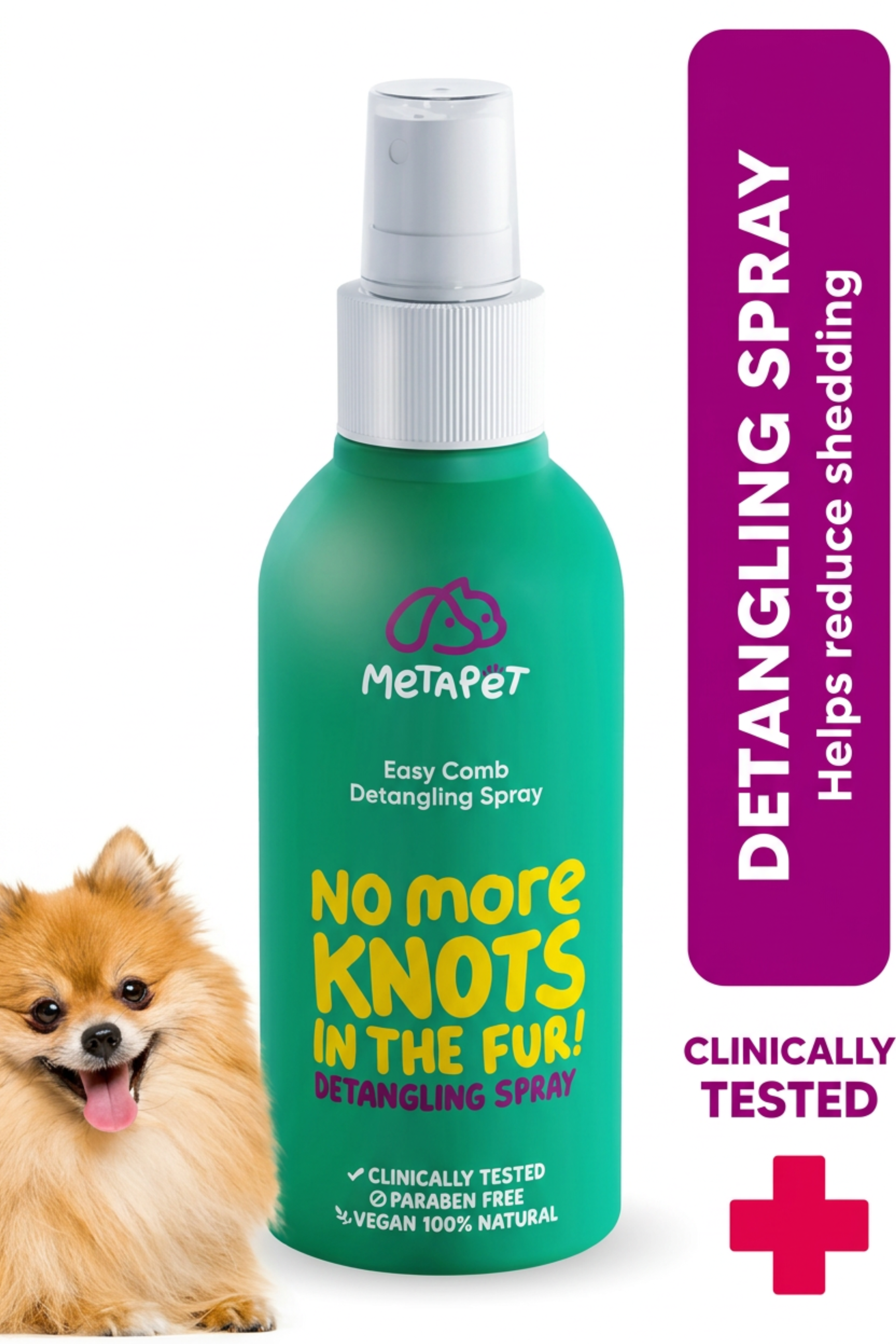
For long-haired cats, regular brushing during seed season doubles as an inspection, and a detangling aid, for instance a leave-in detangling spray like MetaPet's No More Knots designed to help ease combing through knots, can make thorough checks easier on both of you. Keeping indoor cats indoors during peak foxtail season is, of course, the most complete protection.
Myths and Facts About Foxtails
- Myth: a seed will eventually work its way out. Fact: barbed awns only travel forward; they do not back out on their own.
- Myth: only rural dogs are at risk. Fact: foxtails thrive in city parks, sidewalk cracks, and vacant lots.
- Myth: short-haired pets are safe. Fact: short coats reduce trapping but do nothing to protect ears, noses, eyes, and toe webs.
- Myth: if the sneezing stops, the seed is gone. Fact: sneezing often subsides as the seed lodges deeper; quieting down is not the all-clear.
When to See the Veterinarian
Seek same-day veterinary care for a suddenly painful or closed eye, violent repeated sneezing, persistent head shaking after outdoor time, or a rapidly swelling paw or face. Book a prompt appointment for focused licking at one spot, limping, any draining or recurring sore, or a suspected seed you cannot fully remove. Bring along any seed fragments you retrieved; confirming whether an awn came out whole genuinely helps your veterinarian plan.
Grass awn problems are almost always fixable, and fastest when caught early. A watchful eye in seed season, a two-minute check after walks, and quick action on the classic signs will keep most dogs and cats out of trouble all summer long.
Frequently Asked Questions
Can my dog swallow a foxtail, and is that dangerous?
Dogs and cats do swallow awns, often while grooming. Many pass through the digestive tract without trouble, but seeds can lodge in the mouth, throat, or tonsil area, causing gagging, repeated swallowing, cough, or bad breath. A pet who suddenly gags, retches, or paws at the mouth after time in dry grass deserves a veterinary look at the mouth and throat.
My dog had a foxtail removed but is still bothered. Why?
Two reasons are common: inflammation lingers for a few days after removal, and awns sometimes travel in pairs, with a second seed hiding deeper or in another site. Follow the aftercare plan, and return promptly if licking, swelling, discharge, or head shaking persists or returns, since a recheck is far cheaper than a deep migration.
Do foxtails affect indoor cats?
Indoor-only cats are largely protected, but seeds hitchhike indoors on dog coats, shoes, and gear, and a curious cat can then chew or step on them. During seed season, shake out dog gear outside, check your own socks and laces, and store field equipment where cats do not lounge.