Cleaning Muddy Paws After Walks: A Dog & Cat Guide

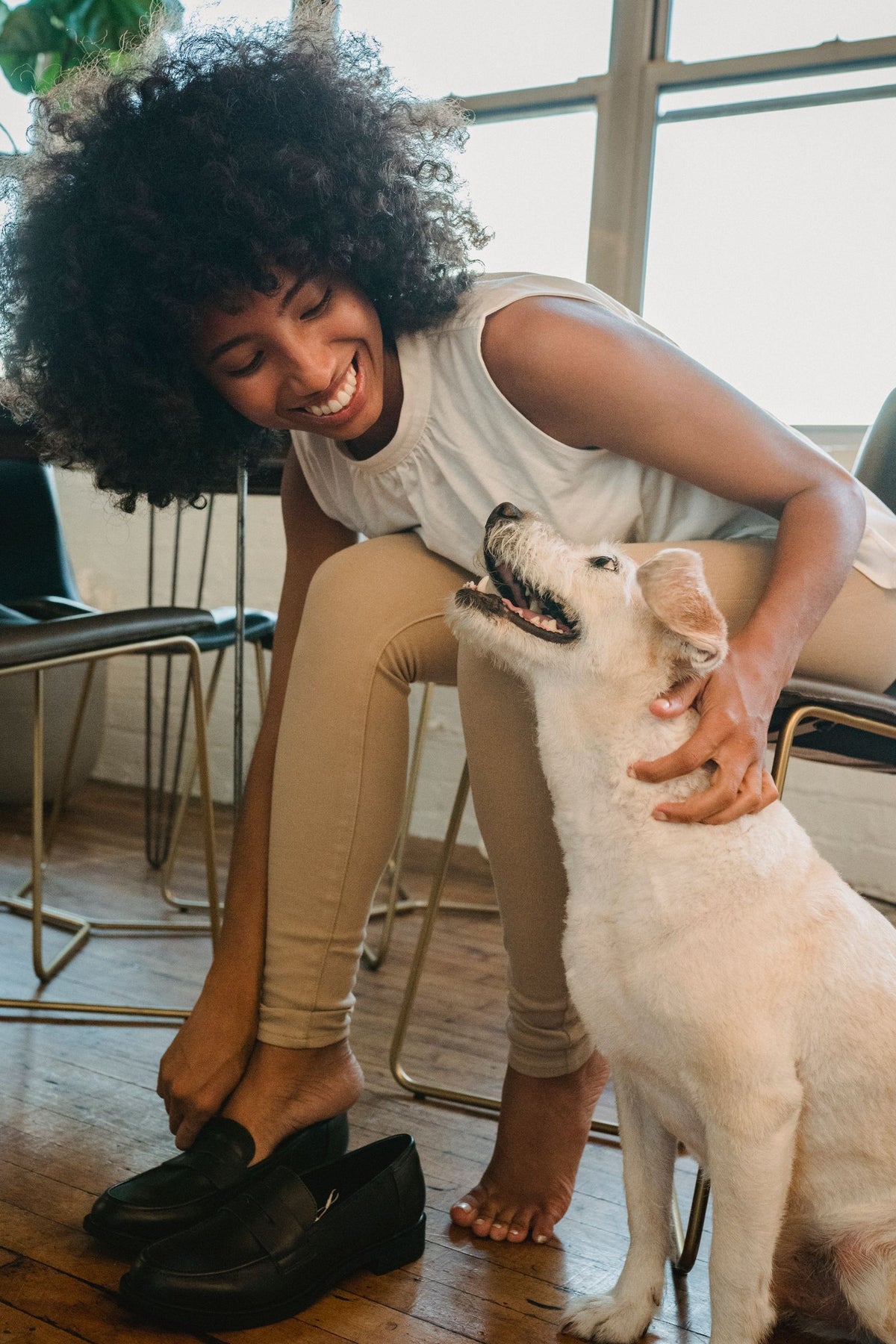
For many dog owners, the walk is the easy part — it is the muddy paw prints across the kitchen floor afterward that cause the real headache. Beyond the mess, though, keeping your pet's paws clean is a genuine part of good everyday care. Paws pick up not only mud but also road grit, allergens, and residues, and giving them a quick clean after outings supports both a tidy home and your pet's comfort.
A calm, consistent paw-cleaning routine takes only a minute or two once your pet is used to it, and it doubles as a chance to check for problems you might otherwise miss. Cats, too, can pick up litter, dust, and debris on their paws, so paw care is not just a canine concern.
This guide walks through why paw hygiene matters, a simple step-by-step cleaning routine, how to help paw-shy pets accept handling, seasonal considerations, and the signs that a paw problem needs veterinary attention. Where a MetaPet product fits naturally, it is mentioned as an optional convenience rather than a necessity.
Important: This article shares general educational information for pet owners and is not a substitute for an in-person veterinary examination, diagnosis, or treatment. For any medical concern or emergency, contact your veterinarian promptly.
Why Paw Hygiene Matters
Paws are in constant contact with the ground, which makes them a collection point for whatever your pet walks through. Beyond obvious mud, paws can pick up dust, pollen and other allergens, road salt and grit, and general residue from sidewalks and floors. Because many pets lick their paws, whatever accumulates there can end up being ingested, and trapped moisture and debris between the toes can lead to irritation over time.
A regular clean also keeps you closely acquainted with how your pet's paws look and feel, so you notice small changes early — a cracked pad, a splinter, a bit of stuck debris, or redness between the toes. Paw licking is a common sign of paw discomfort, and a clean, well-monitored paw is easier to keep healthy. In short, a minute of paw care after walks is as much about wellbeing as it is about clean floors.
What You Need for a Quick Routine
You do not need much to build an effective paw-cleaning station by the door. The goal is to have everything within reach so cleaning is fast and low-stress for both of you.
- A towel or two. Absorbent towels handle the bulk of mud and moisture and are the workhorse of paw cleaning.
- Lukewarm water. A shallow bowl or basin of lukewarm water helps loosen caked mud from between the pads.
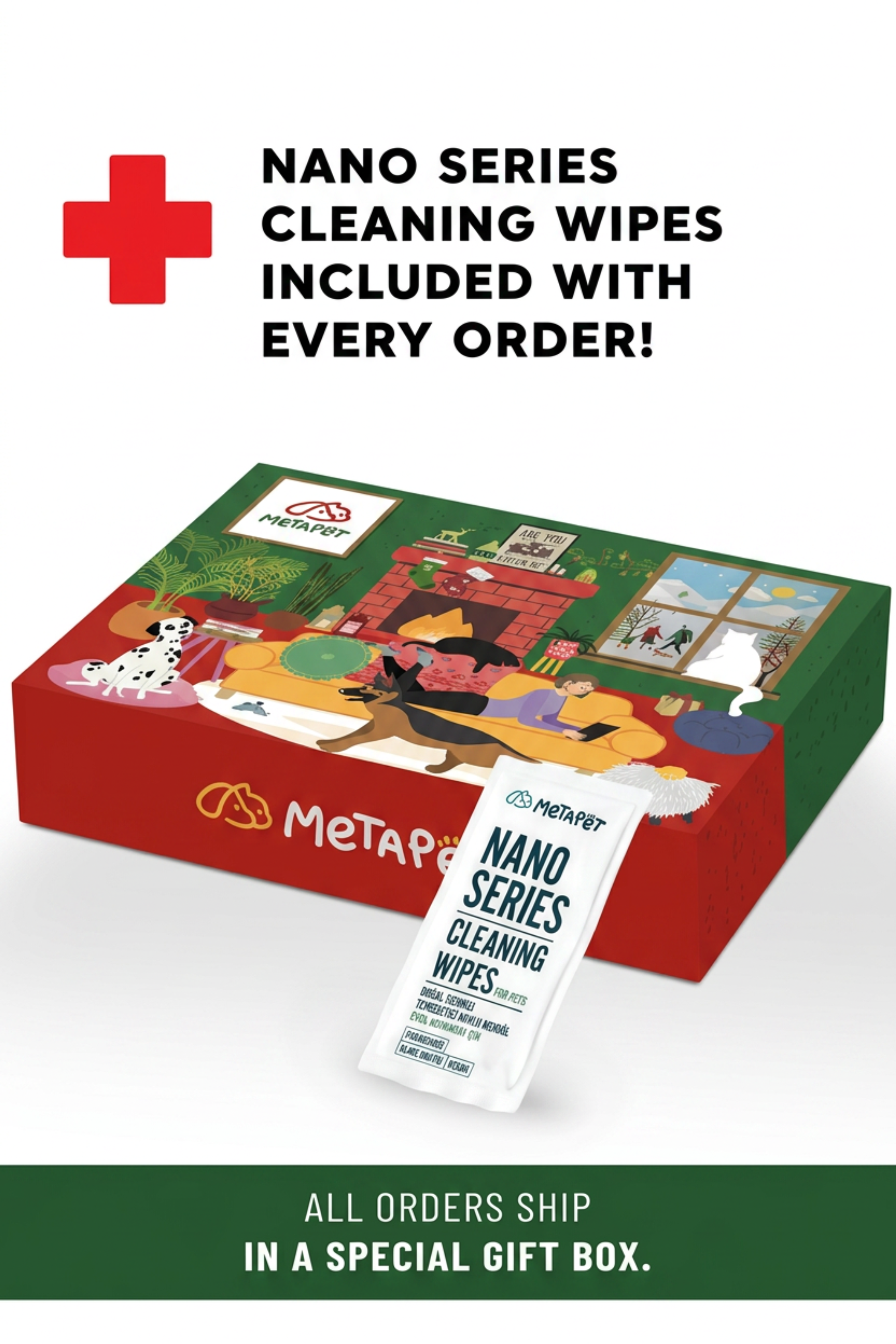
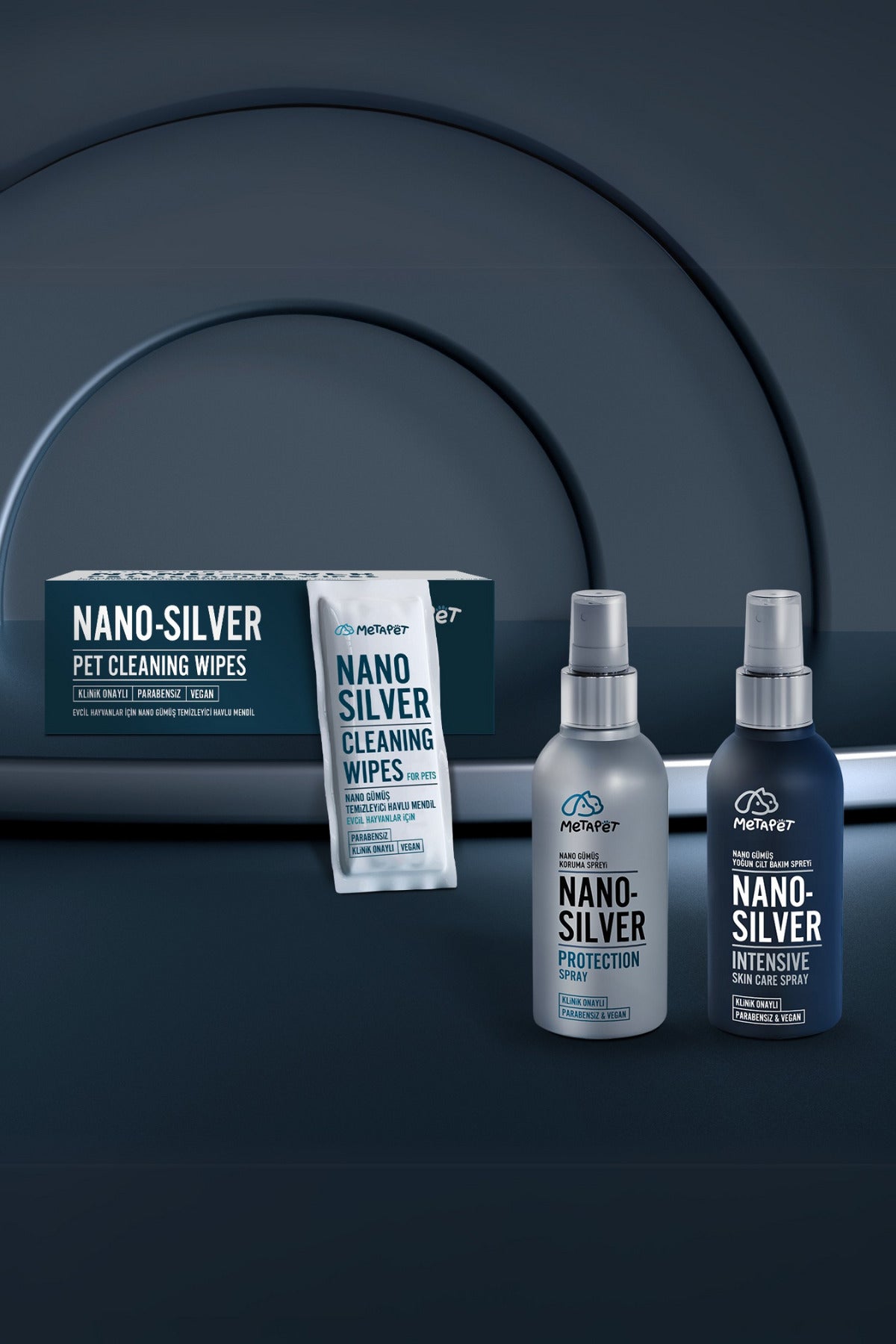
- Pet-safe wipes. Gentle wipes made for pets, such as MetaPet Nano-Series Hygiene & Care Towel Wipes, are handy for quick cleaning of paws and between the toes without a full wash.
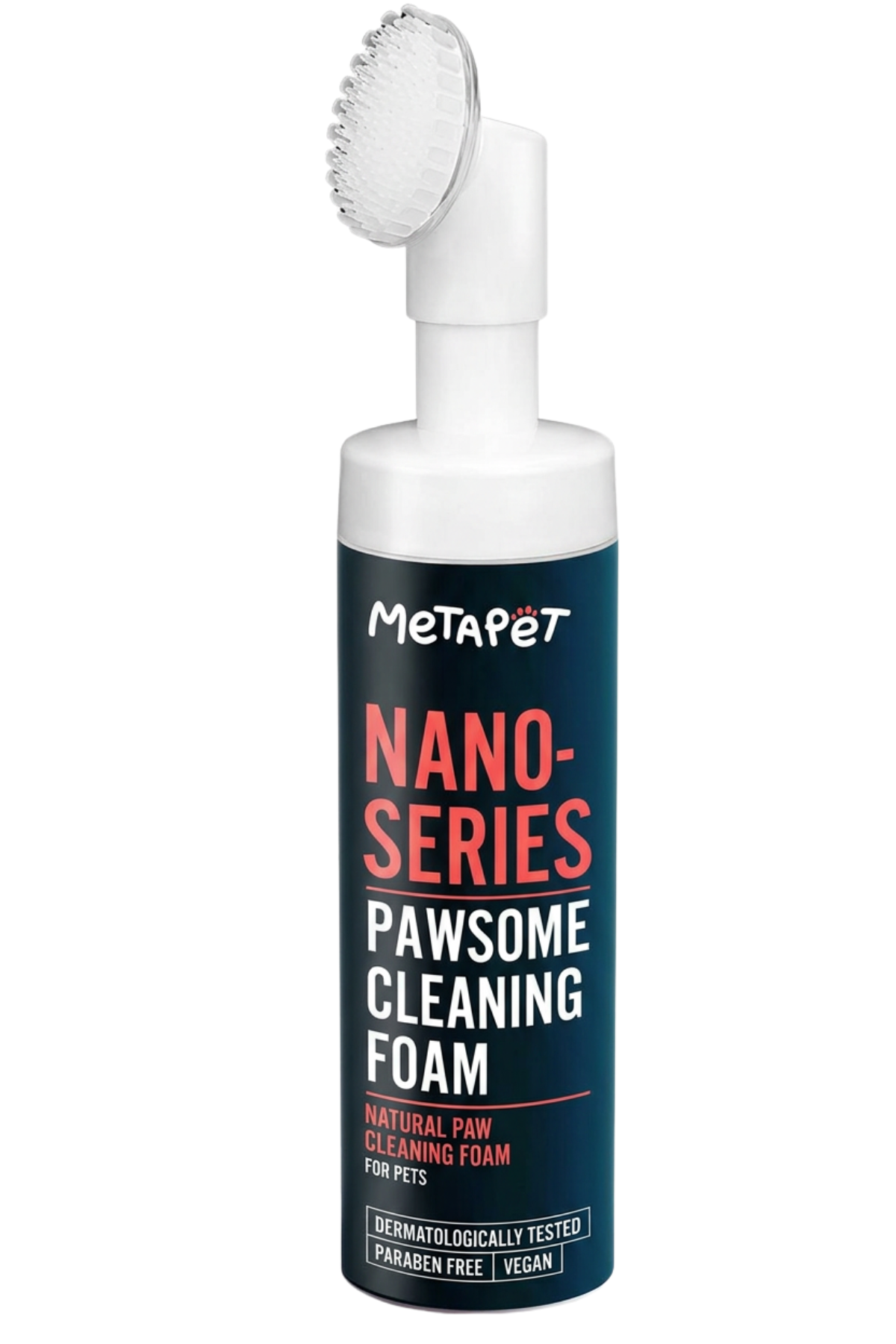
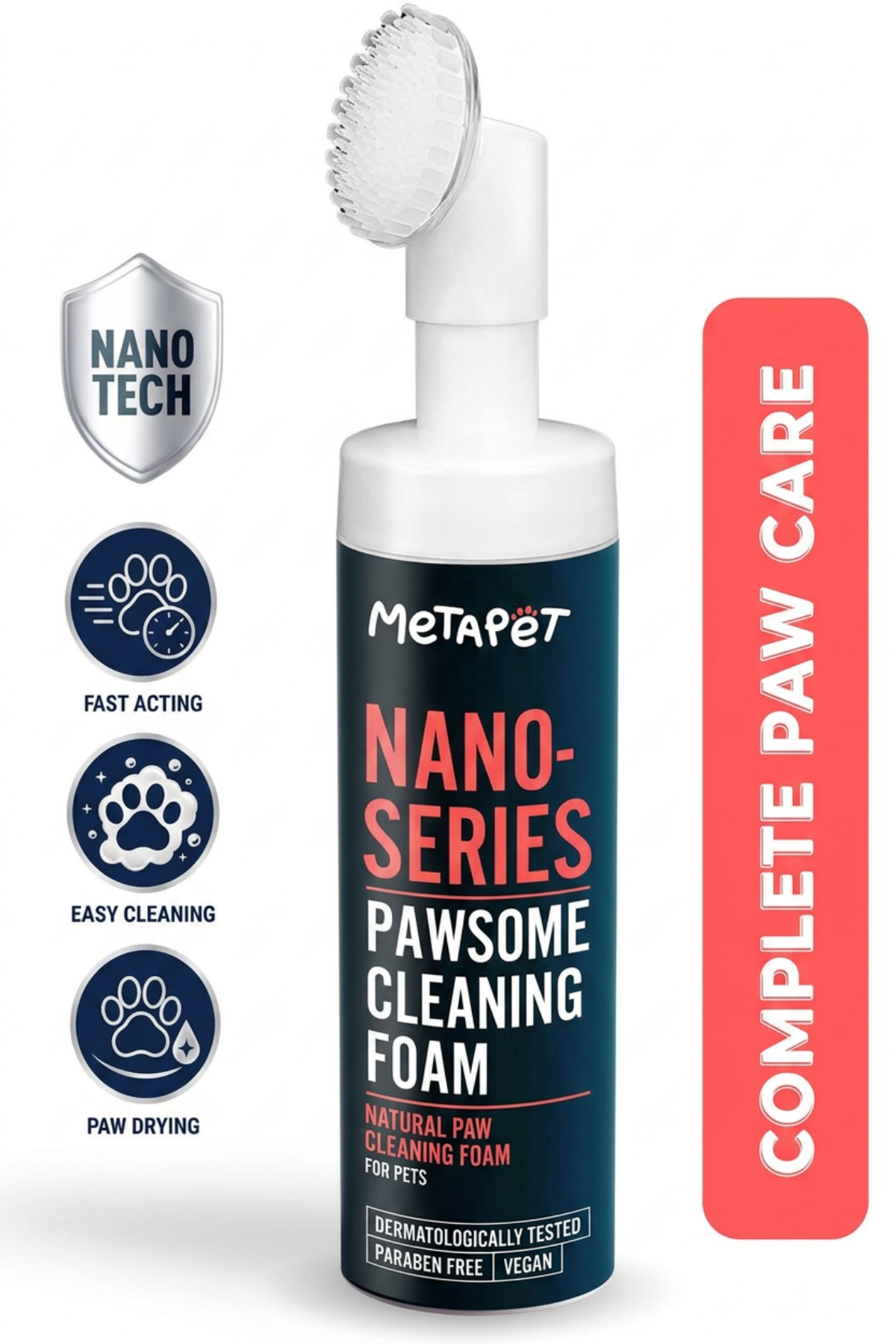
- A paw-cleaning foam, optional. A product like MetaPet Nano-Series Pawsome Paw Cleaning Foam, which includes a brush cap, is designed to lift dirt from paws in seconds and can make muddy-day cleanup easier.
- A dry towel to finish. Drying thoroughly, especially between the toes, discourages trapped moisture.
These grooming aids are everyday hygiene conveniences to help keep paws clean; they are not treatments for injuries or skin conditions, which need veterinary care.
Step-by-Step: Cleaning Muddy Paws
A predictable sequence makes paw cleaning quick and calm. Adjust the level of cleaning to how dirty the paws actually are — a light dusting of dry dirt may need only a wipe, while thick mud calls for water.
- Settle your pet. Have your pet sit or lie down in a consistent spot by the door, and keep your tone relaxed.
- Work one paw at a time. Lift each paw gently, supporting it rather than pulling, and clean it fully before moving on.
- Loosen the mud. For caked mud, dip the paw briefly in lukewarm water or use a paw-cleaning foam with its brush to lift dirt from between the pads.
- Wipe between the toes. Use a towel or pet-safe wipe to clean between the toes and around the pads, where debris likes to hide.
- Check as you go. Look for stuck stones, seeds, cracks, or redness while the paw is in your hand.
- Dry thoroughly. Finish by drying each paw, especially between the toes, to prevent lingering moisture.
Helping a Paw-Shy Pet Accept Handling
Many dogs and cats are sensitive about having their paws touched, and forcing the issue can turn cleaning into a struggle. The solution is to build positive associations gradually so your pet learns that paw handling predicts good things. This patience pays off in a lifetime of easier grooming, nail trims, and veterinary visits.
Start by touching a paw briefly and immediately rewarding with a treat and praise, then slowly work up to holding, wiping, and cleaning as your pet stays relaxed. Keep sessions short and end on a good note before your pet gets frustrated. For pets that find water stressful, wipes or a foam cleaner can be gentler than dipping paws in a basin. If your pet is extremely fearful or reactive about paw handling, a reward-based trainer can help you make progress safely.
Seasonal Paw Considerations
The paws face different challenges through the year, and adjusting your routine to the season keeps them comfortable. In winter, road salt and de-icing chemicals can cling to paws and irritate them, and pets may lick them off, so wiping paws after winter walks is especially worthwhile. Cold, wet conditions can also leave pads chapped, making thorough drying important.
In summer, hot pavement is a real hazard: surfaces that feel warm to your hand can be hot enough to hurt sensitive pads, so walking during cooler parts of the day protects them. Rainy seasons bring more mud and more trapped moisture between the toes, increasing the value of a good drying step. Year-round, keeping the fur between the pads tidy in long-haired pets reduces how much mud and debris get trapped in the first place.
Signs a Paw Problem Needs the Vet
Cleaning paws regularly puts you in a great position to spot trouble early. While minor dirt is routine, several findings mean it is time to involve your veterinarian rather than simply cleaning and moving on.
- Persistent paw licking or chewing. Ongoing attention to a paw suggests irritation, allergy, or discomfort that needs evaluation.
- Redness, swelling, or odor between the toes. These can indicate skin irritation or infection.
- Cracked, bleeding, or torn pads. Damaged pads may need veterinary care to heal properly.
- Limping or favoring a paw. Lameness points to injury or pain that should be checked.
- A stuck object you cannot safely remove. Deeply lodged seeds, thorns, or glass need professional attention.
- A broken or torn nail. Nail injuries can be painful and prone to infection.
Regular cleaning is preventive care, not a treatment. When you find a paw problem, gentle cleaning is fine, but let your veterinarian address injuries, persistent irritation, or infection.
Trimming and Maintaining the Fur Around the Paws
One of the most effective ways to reduce muddy-paw chaos is to keep the fur around and between the paws neat, especially in long-haired dogs and cats. Long tufts of hair between the pads act like little mops, collecting mud, moisture, grit, and debris on every outing, and they can also mat and trap dampness against the skin. Keeping this area tidy means less mess comes into the house and less material stays lodged against the paw.
Light maintenance trimming of the hair between the pads can be done carefully, but it is easy to nick sensitive skin, so many owners prefer to have a groomer or veterinary team handle it, or to be shown the safe technique first. Between trims, gently combing out the fur around the paws during your after-walk routine keeps tangles from forming and gives you another chance to inspect the pads and toes. If you ever find a mat forming between the toes, address it gently rather than pulling, and seek help if it is tight or the skin beneath looks irritated.
This kind of maintenance pairs naturally with regular nail care. Overgrown nails change how a pet bears weight and can be uncomfortable, and a paw-care session is a convenient time to check nail length. If you are unsure how to trim nails safely, your veterinarian or groomer can demonstrate, helping you keep the whole paw — pads, fur, and nails — in comfortable, healthy condition.
Making Paw Care a Positive Habit
The pets who tolerate paw cleaning best are the ones for whom it is simply a normal, expected part of coming inside. Consistency is what builds that acceptance: cleaning paws in the same place, in the same calm way, after every relevant outing turns a potential battle into an easy ritual. Pairing it with a small reward keeps the association positive over the long term.
Keeping your supplies — towels, wipes, or a foam cleaner — ready by the door removes friction and makes it far more likely you will actually do it each time. Over weeks and months, this small habit protects your floors, keeps your pet more comfortable, and gives you frequent, gentle checkups of a part of the body that is easy to neglect. It is a modest routine with outsized benefits.
Frequently Asked Questions
Do I need special products, or is a towel enough?
For light dirt, a damp towel is often plenty. For heavier mud or convenience, pet-safe wipes or a paw-cleaning foam can make the job faster and tidier. These are optional aids, not requirements, and any product should be gentle and made for pets.
How do I clean my cat's paws?
Cats usually need only occasional paw wiping, since they groom themselves, but a gentle wipe helps if they track litter or debris. Work slowly, reward calm behavior, and stop if your cat becomes very stressed.
My dog hates having its paws touched. What can I do?
Build up gradually with treats and praise, touching a paw briefly and rewarding, then slowly progressing to cleaning. Keep sessions short and positive. For extreme reactions, a reward-based trainer can help.
Should I worry about my dog licking its paws after walks?
Occasional licking to self-clean is normal, but frequent or intense paw licking can signal irritation, allergies, or something stuck. If it persists, have your veterinarian take a look.
A simple paw-cleaning habit keeps your home cleaner and your pet more comfortable, while giving you a regular window into paw health. Keep it gentle, keep it positive, and let your veterinarian handle anything beyond routine dirt.