Short-Coated Dog Grooming: Brushing, Bathing, and Shine

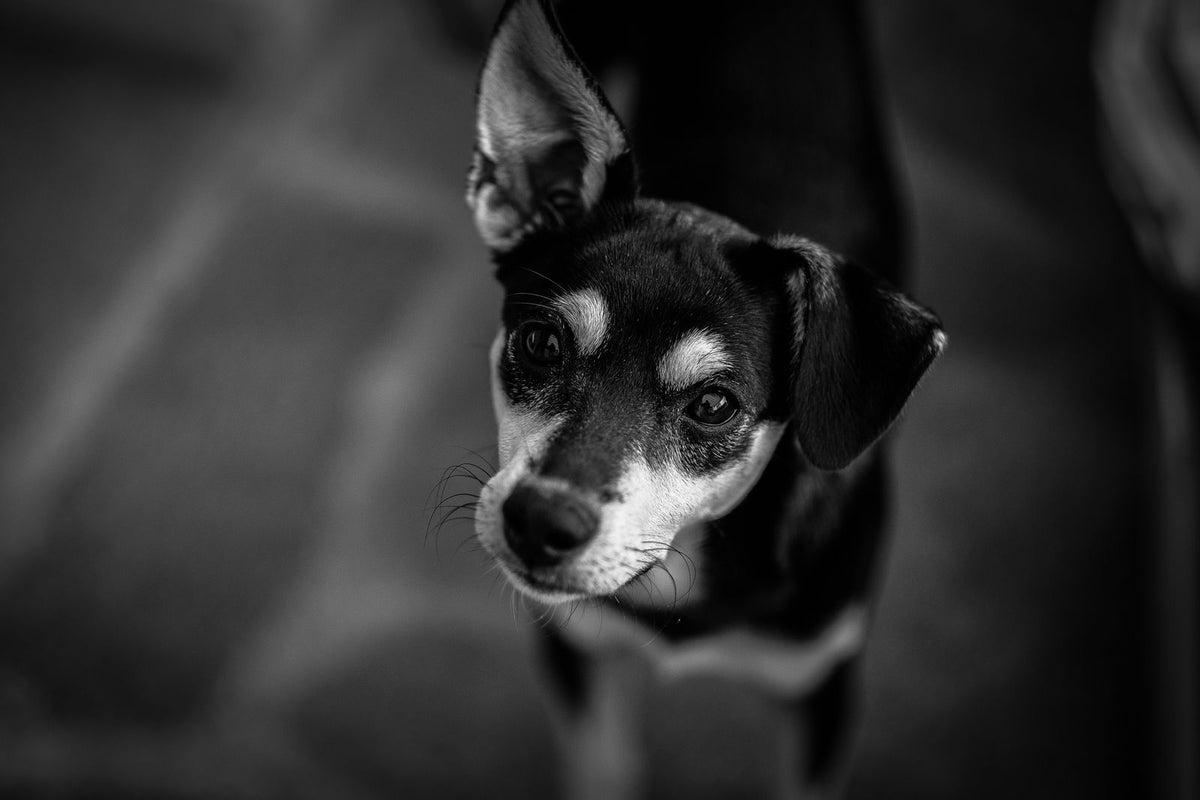
It is easy to assume that a dog with a sleek, short coat is maintenance-free, since there are no mats to untangle. Yet short-coated dogs shed, collect dirt and skin oils, and can hide lumps, scabs, and parasites right on the surface of the skin. A few minutes of brushing each week, a sensible bathing routine, and quick between-bath freshening keep the coat clean and glossy, and they give you a regular chance to notice changes that deserve a veterinarian's attention. This guide covers the tools, techniques, and habits that suit short coats, plus signs that warrant an exam.
Important: This article shares general educational information for pet owners and is not a substitute for an in-person veterinary examination, diagnosis, or treatment. For any medical concern or emergency, contact your veterinarian promptly.
Understanding Short Coats
Not every short-haired dog has the same kind of coat, and knowing which type your dog has helps you pick the right tools and know what shedding to expect.
Short single coats
Many smooth-coated breeds, such as Boxers, Dobermans, Greyhounds, smooth Dachshunds, and Staffordshire Terriers, have a short coat with little or no undercoat. These coats dry quickly and rarely tangle, but they offer less insulation and less of a buffer against sun, scrapes, and cold.
Short coats with an undercoat
Some dogs look short-haired but actually carry a dense undercoat beneath the outer guard hairs. Labrador Retrievers are a classic example: their coat is short but double, and it often sheds heavily in seasonal waves. Beagles also have a short, dense coat that sheds more than many owners expect. If your dog has a soft, thick layer close to the skin, the advice in our guide to double-coated dog brushing and coat care will also be useful.
Part the hair against its growth: if you see skin almost immediately, the coat is likely single; a fluffy inner layer means there is an undercoat to manage.
Myths vs. Facts About Short-Coated Dogs
Myth: Short coats do not need grooming.
Fact: Short coats still trap dust, dander, loose hair, and natural oils. Regular brushing spreads those oils along the hair shaft for a healthy-looking shine and lifts out dead hair before it lands on your furniture.
Myth: Short-haired dogs do not shed.
Fact: Virtually all dogs shed. Short hairs are less noticeable on the floor but weave stubbornly into fabric.
Myth: Bathing often is the best way to keep a short coat clean.
Fact: Bathing too frequently, or with harsh products, can strip natural oils and leave skin dry. Brushing does most of the day-to-day cleaning, and baths are best scheduled as needed.
Choosing the Right Grooming Tools
A small, well-chosen kit is all a short-coated dog needs.
- Rubber curry brush: a flexible rubber pad with short nubs. Used in small circles, it loosens dead hair, dirt, and dander and gives a pleasant massage. It is the go-to tool for most smooth coats.
- Grooming mitt: a glove with rubber nubs on the palm. Many dogs accept it readily because it feels like petting, which makes it ideal for nervous dogs or quick daily touch-ups.
- Soft or medium bristle brush: used after the curry brush to sweep away the loosened hair and distribute oils for shine.
- Undercoat tool: only for dogs with a true undercoat, such as Labs, used gently.
Test any tool on your own forearm. If it scratches you, it will likely scratch your dog's thinly covered skin.
A Simple Brushing Routine
Most short-coated dogs do well with brushing a few times a week, more during shedding seasons. Keep sessions short and calm.
- Start in a quiet spot: choose a non-slip surface and a time when your dog is relaxed.
- Loosen with the curry brush or mitt: work in small circles from neck to tail, using light pressure. Go gently over bony areas like the spine, hips, and ribs.
- Sweep with the bristle brush: brush in the direction of hair growth to lift away loosened hair and dander.
- Polish: finish with a soft cloth or microfiber towel along the lay of the coat.
- Check as you go: use your hands as much as the brush. Feel for bumps, scabs, warm spots, or areas your dog does not want touched.
- End on a positive note: praise your dog and offer a favorite reward so grooming becomes something to look forward to.
A slightly damp grooming mitt run over the coat at the end picks up stray hairs the brush missed.
Bathing a Short-Coated Dog
There is no fixed number of baths that suits every dog. A short-coated dog that lounges indoors may need a bath only occasionally, while one that rolls in mud or swims in lakes will need one more often. Bathe when your dog is visibly dirty, smells unpleasant, or feels greasy, and ask your veterinarian for guidance if your dog has a skin condition or a medicated bathing plan.
Choosing a shampoo
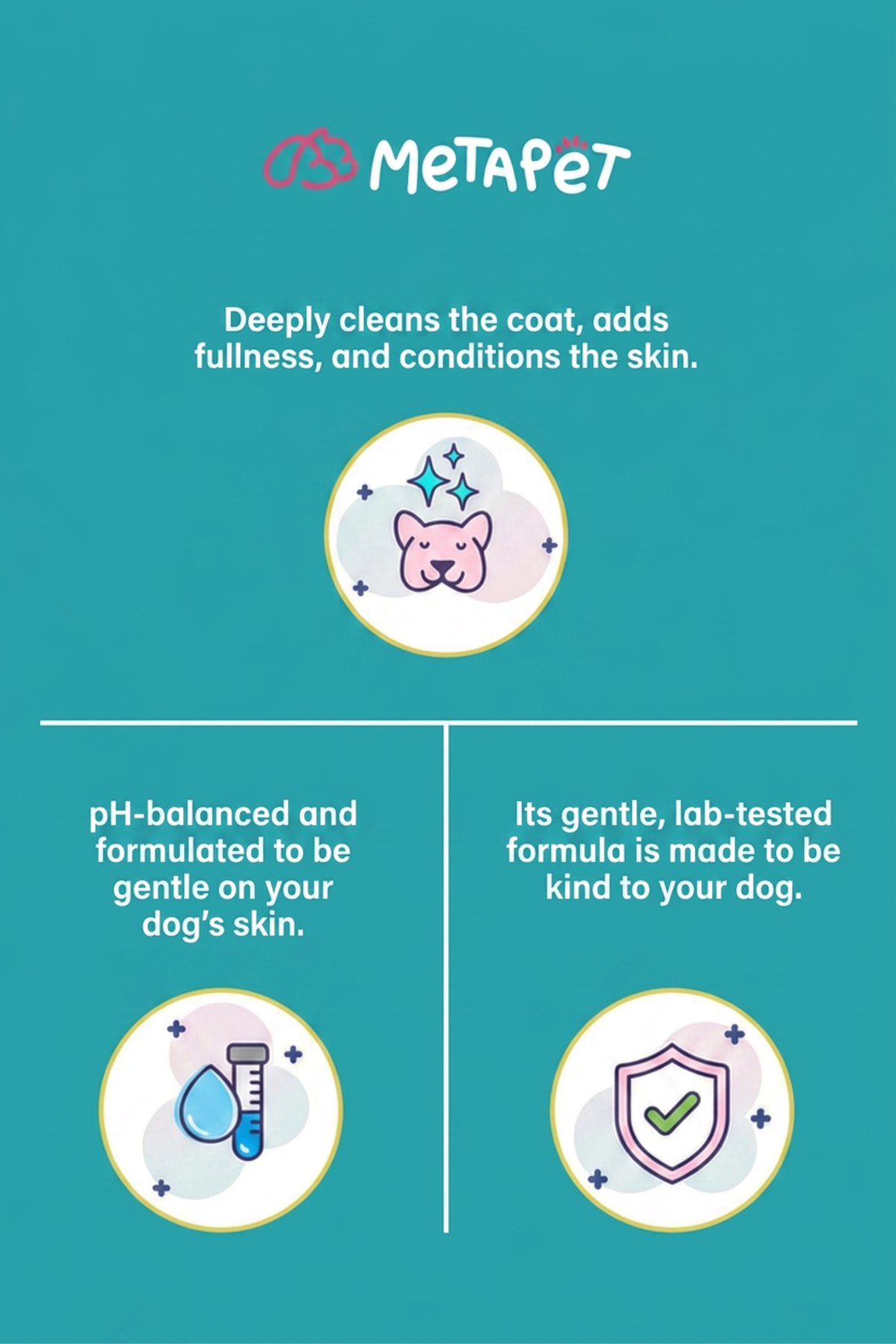
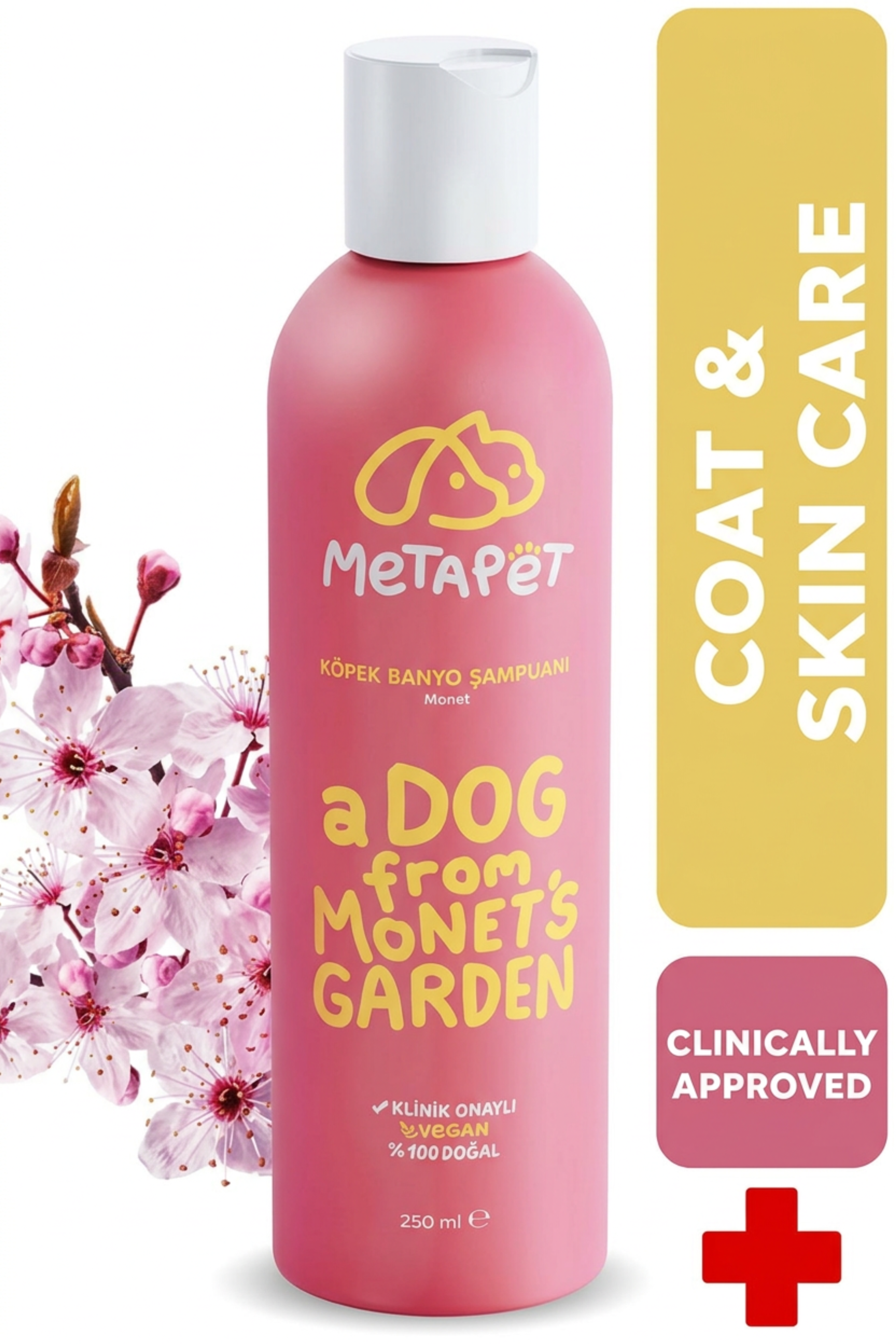
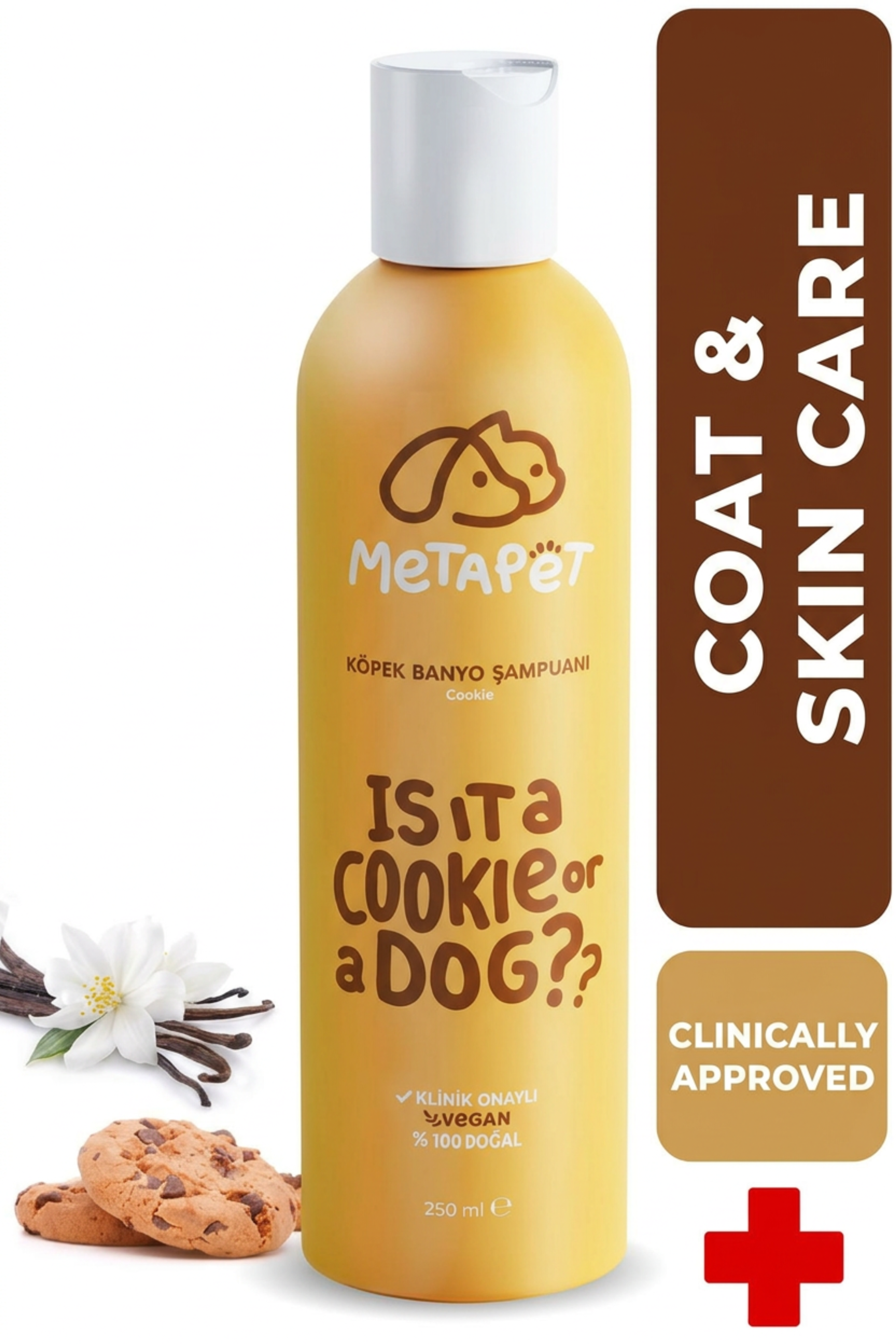
Use a shampoo made for dogs rather than a human product. The MetaPet pH-Balanced Bath Shampoo for Dogs is a rinse-out shampoo that deep-cleans the coat while caring for sensitive skin. It is pH-balanced for a dog's skin, made without harsh chemicals, sulfates, or parabens, conditions the skin, adds fullness, and leaves a fresh, long-lasting natural scent in a choice of Woody, Floral, or Vanilla. Like any grooming product, it is for external cleansing and complements, not substitutes for, veterinary care.
Step by step
- Brush first: remove loose hair before the bath so it does not clog the drain or clump on the skin.
- Wet thoroughly: use warm, not hot, water and soak the coat down to the skin. Keep water out of the ears and eyes.
- Lather: apply shampoo and massage it into a lather, working from the neck back.
- Rinse well: rinse with warm water until the water runs clear. Leftover shampoo can leave the coat dull and the skin uncomfortable.
- Wash the face carefully: use a damp washcloth around the eyes and muzzle.
Drying for a Healthy Shine
Short coats dry quickly, but thorough drying still matters. Damp hair against the skin, especially in skin folds, armpits, and the groin, can become musty and uncomfortable.
- Towel first: blot and rub with an absorbent towel, moving with the direction of hair growth to leave the coat lying smooth.
- Use a dryer on a cool or low setting if your dog tolerates it: keep it moving and at a distance so it never feels hot on the skin.
- Dry folds and creases: wrinkly breeds need extra attention between facial and body folds.
- Keep your dog warm: single-coated dogs lose body heat quickly when wet, so keep them indoors and out of drafts until fully dry.
- Finish with a polish: once dry, a quick pass with the bristle brush brings out the shine.
Freshening Up Between Baths
Between full baths, quick touch-ups keep your dog pleasant to cuddle without stripping the coat.
Waterless dry foam
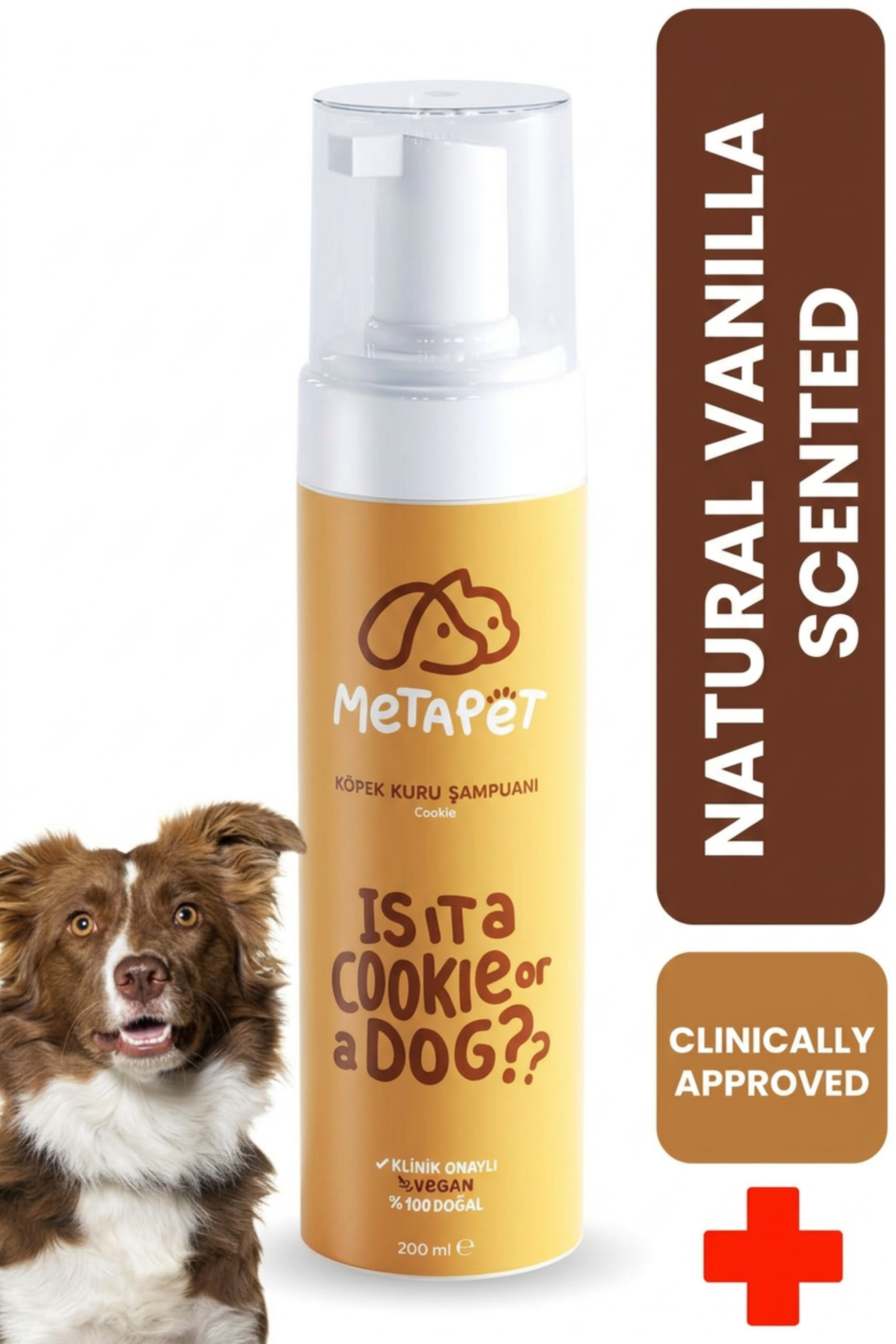
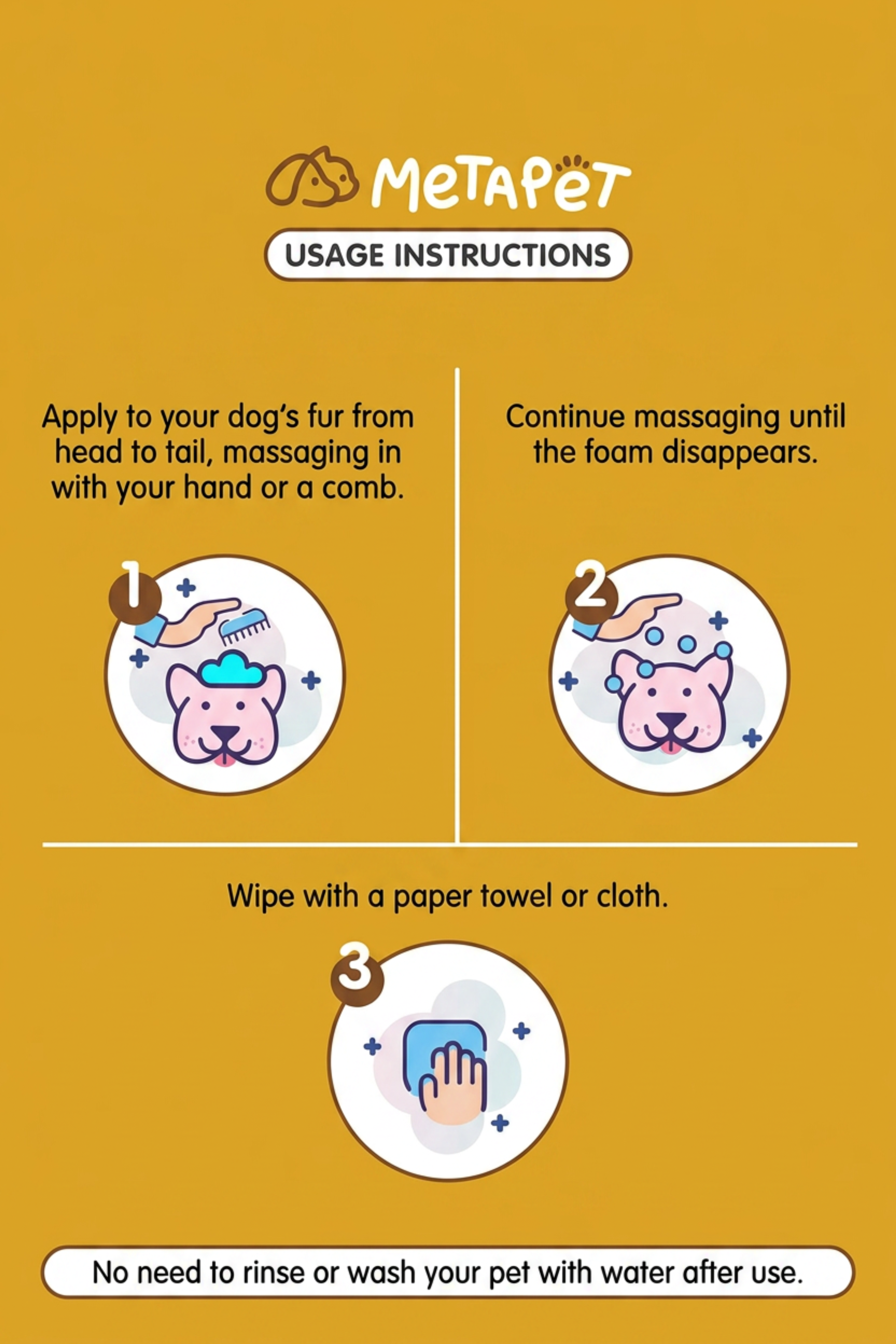
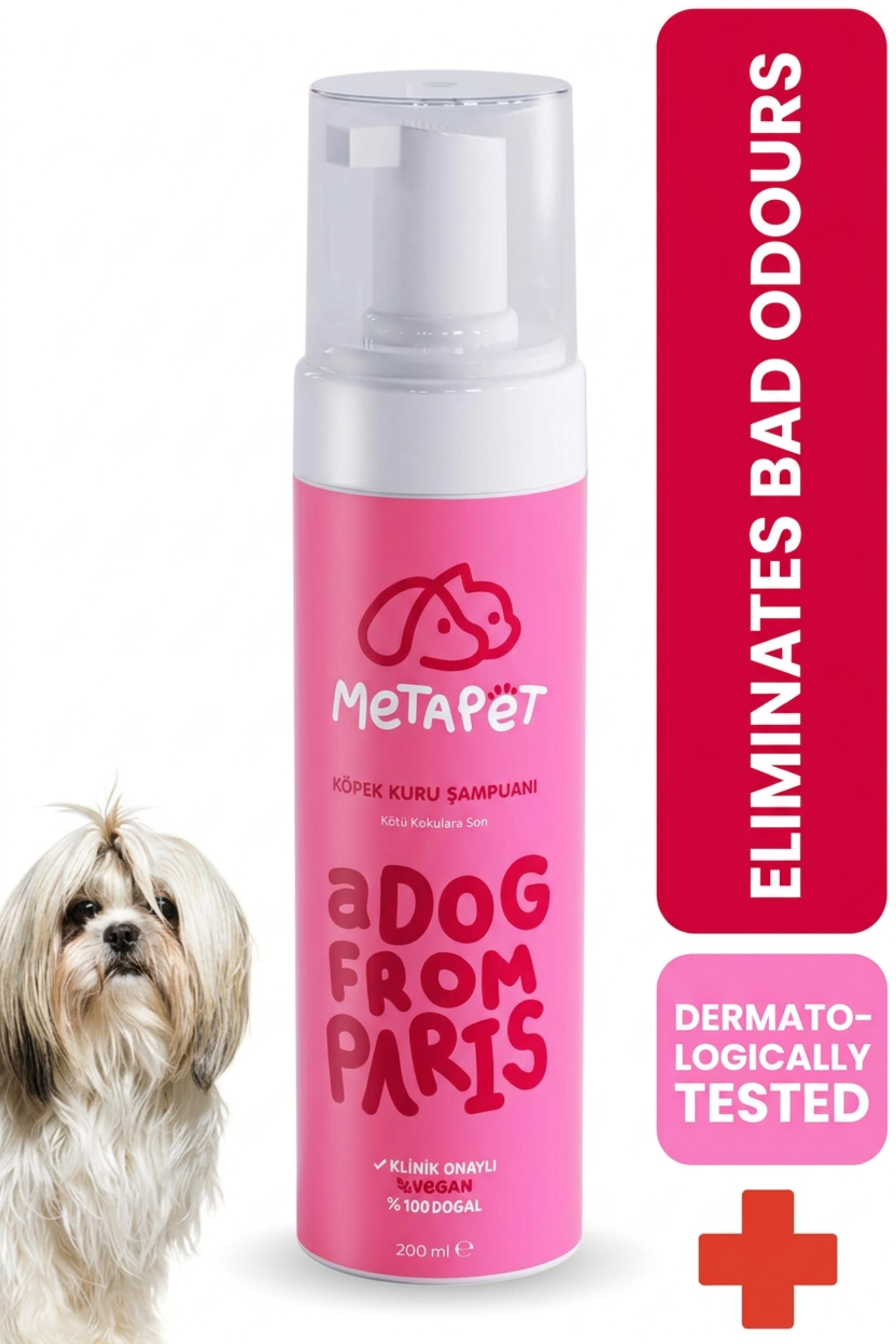
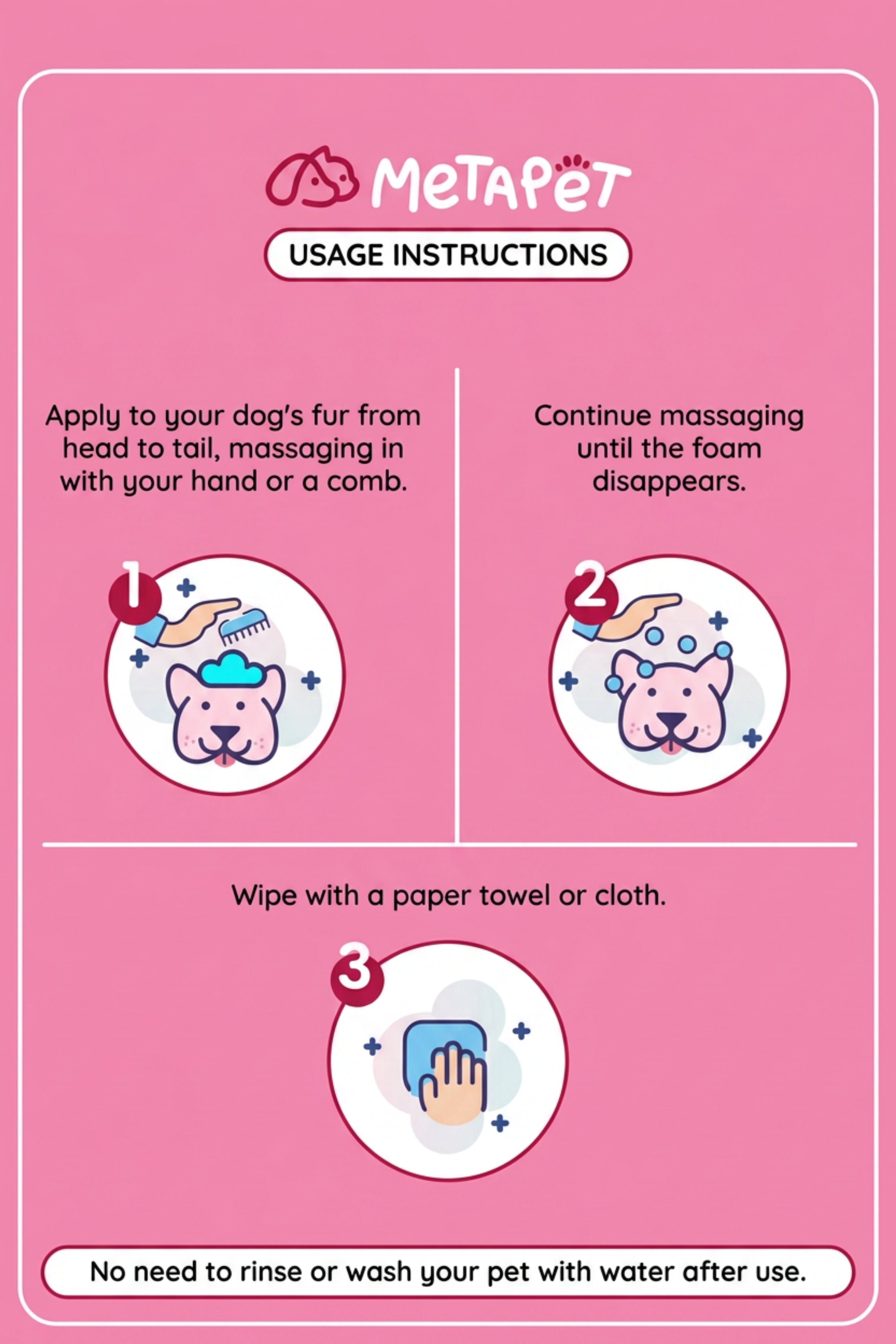
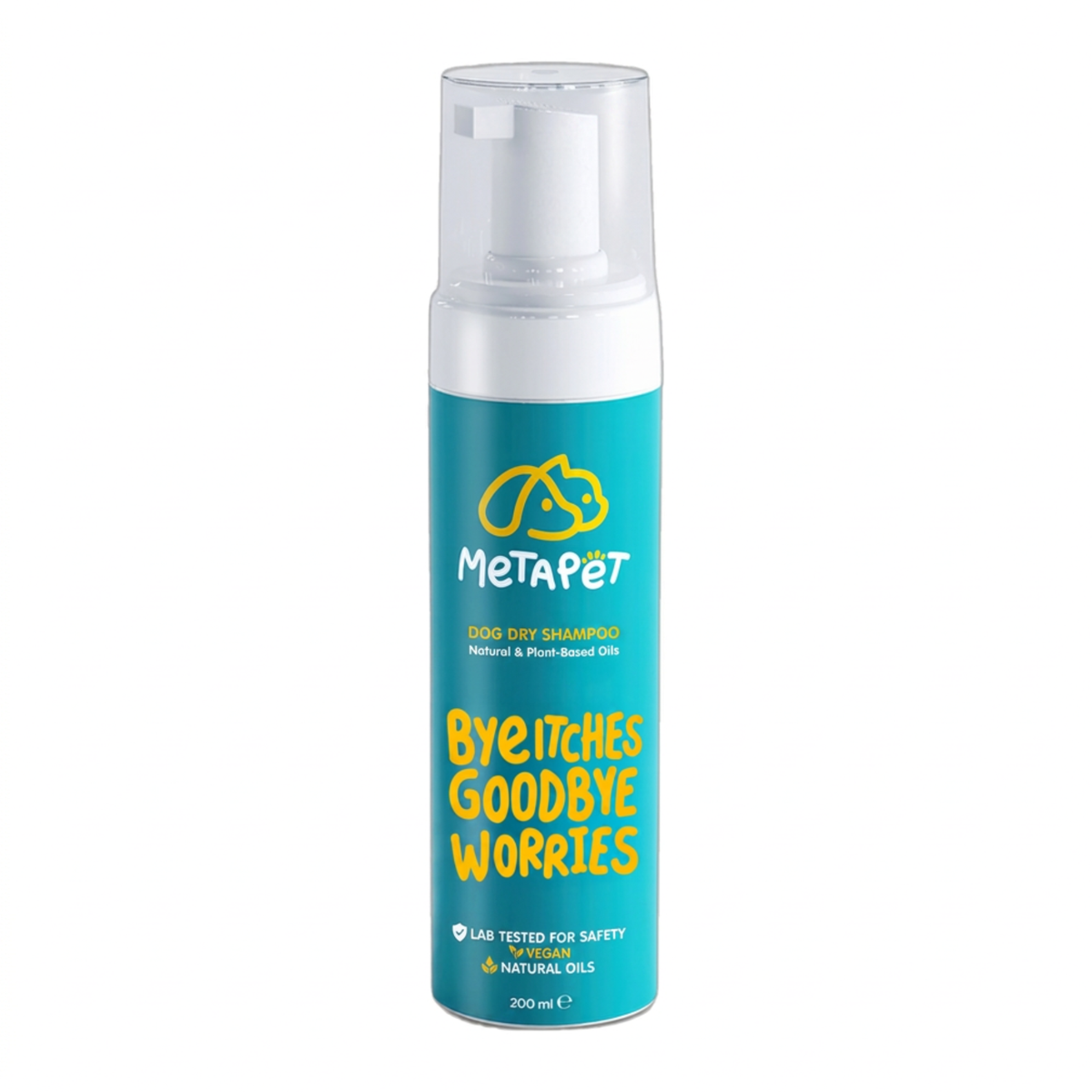
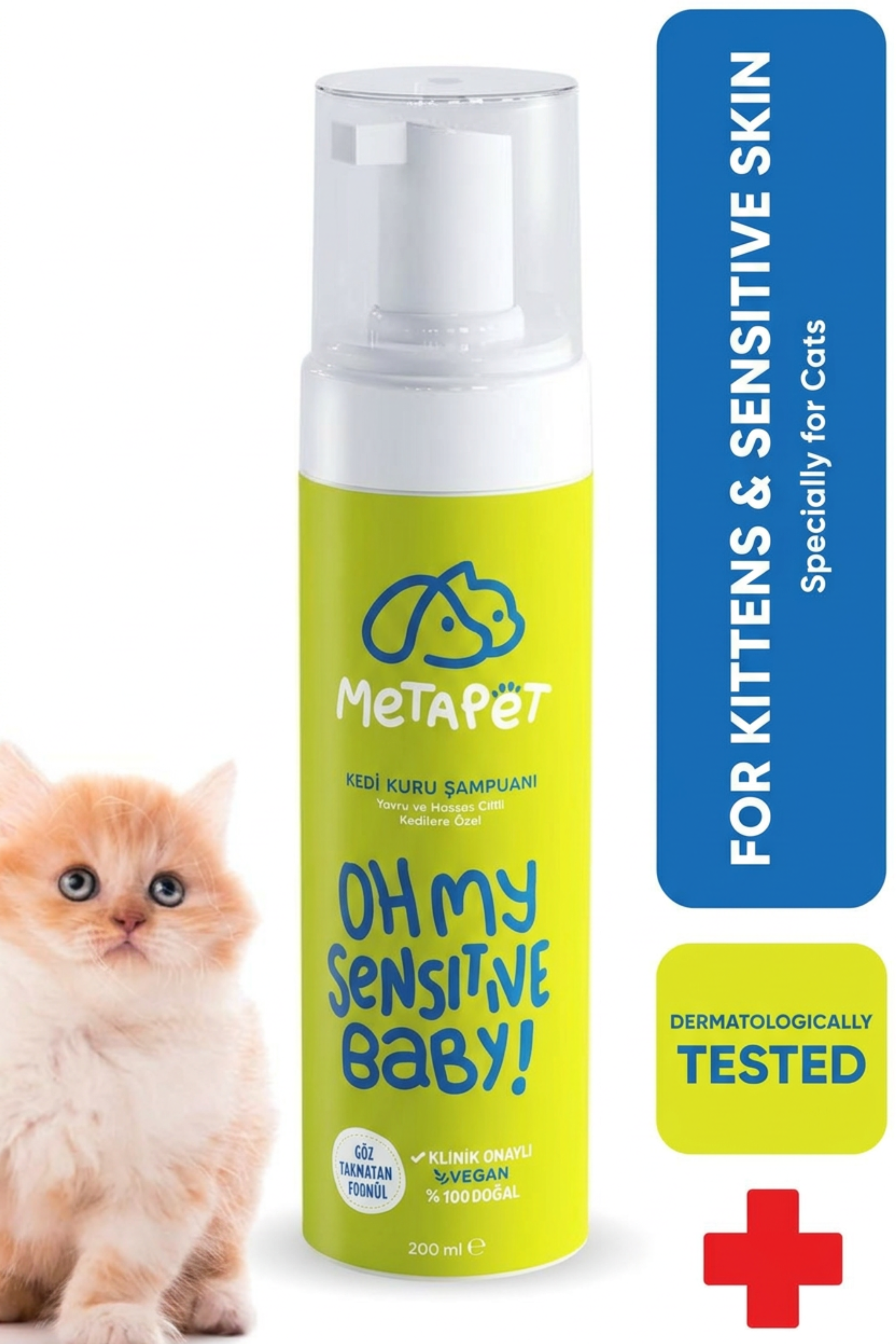
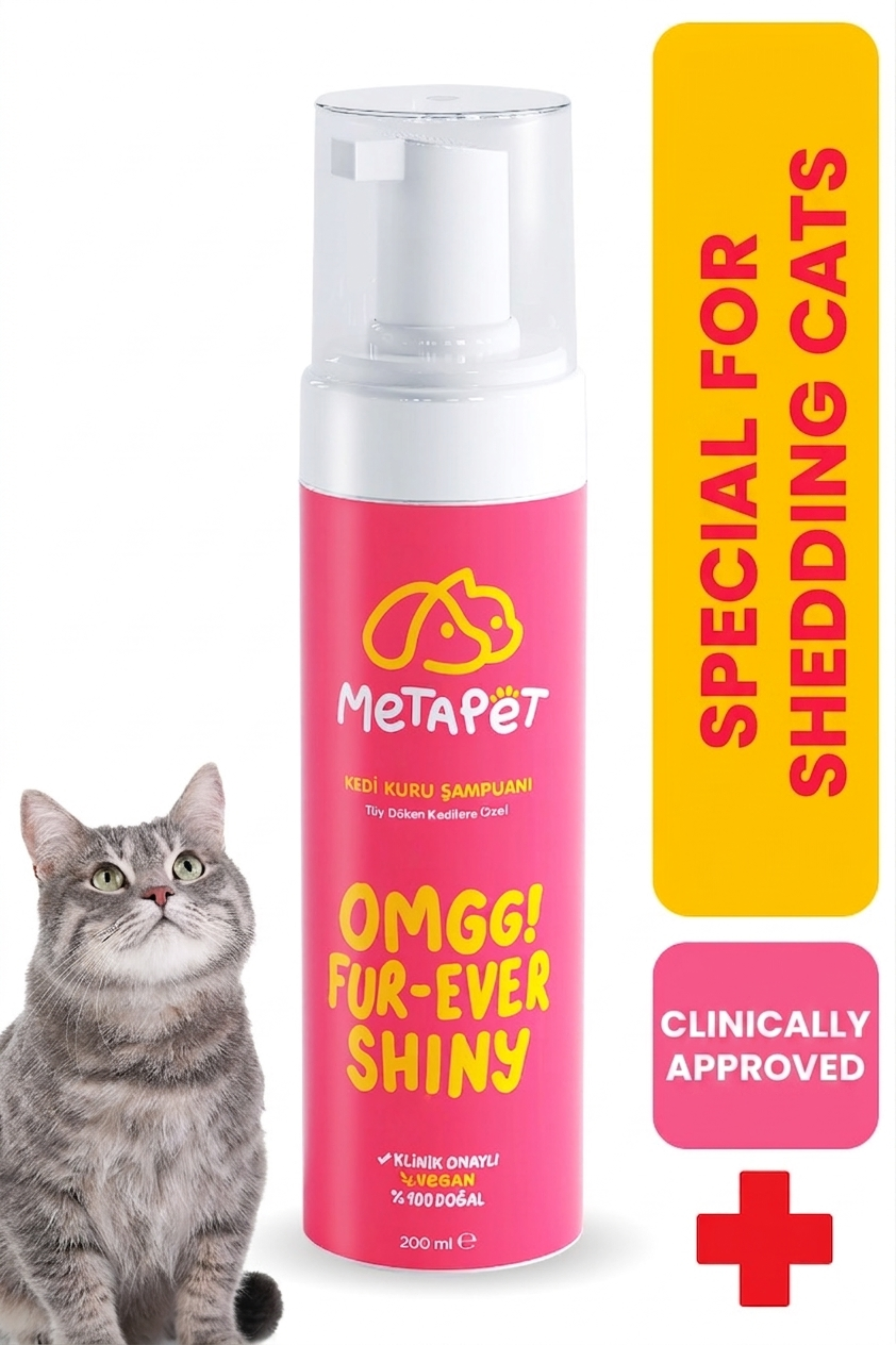
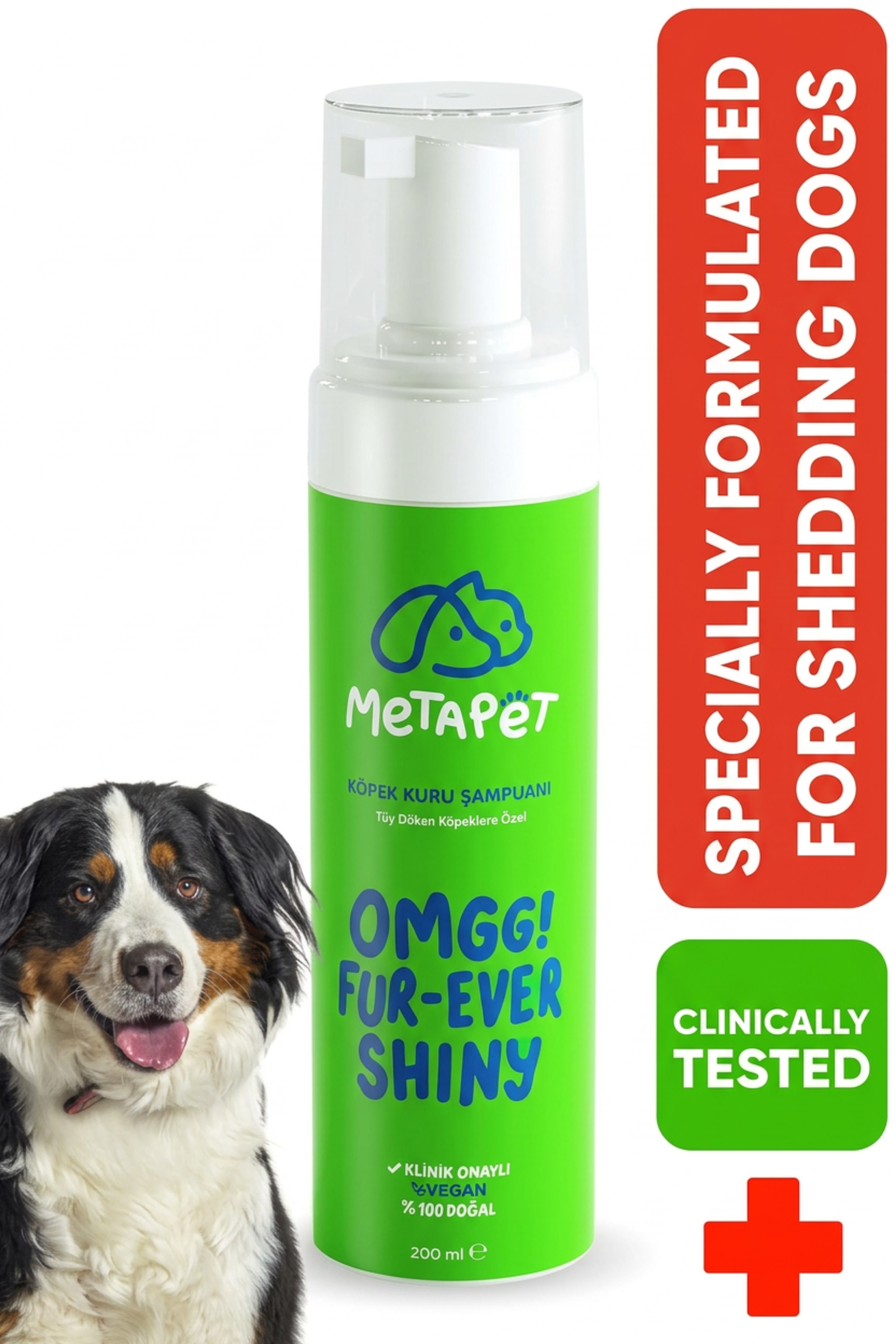
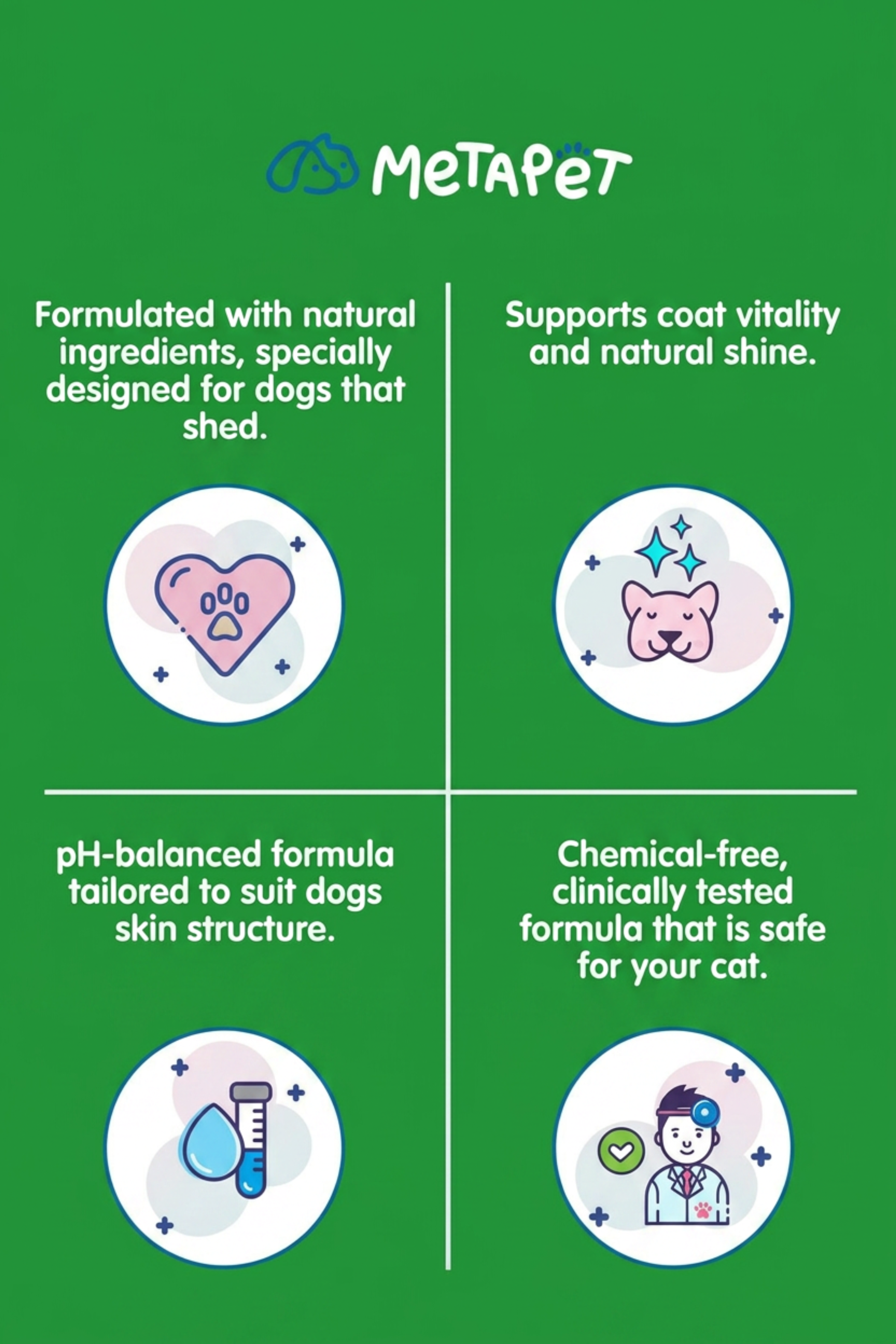
The MetaPet OMGG! Fur-ever Shiny Dry Foam Shampoo is a no-rinse foam enriched with vitamin E and argan oil. It is designed to refresh the coat without a bath and leave it soft, shiny, and easy to comb, and it helps make brushing easier, which suits dogs that shed. The formula is naturally derived and vegan, with no parabens or added dyes. Shake well, massage it into the coat from head to tail while avoiding the eyes, then wipe off with a towel or cloth. It can be used as often as needed.
Grooming wipes
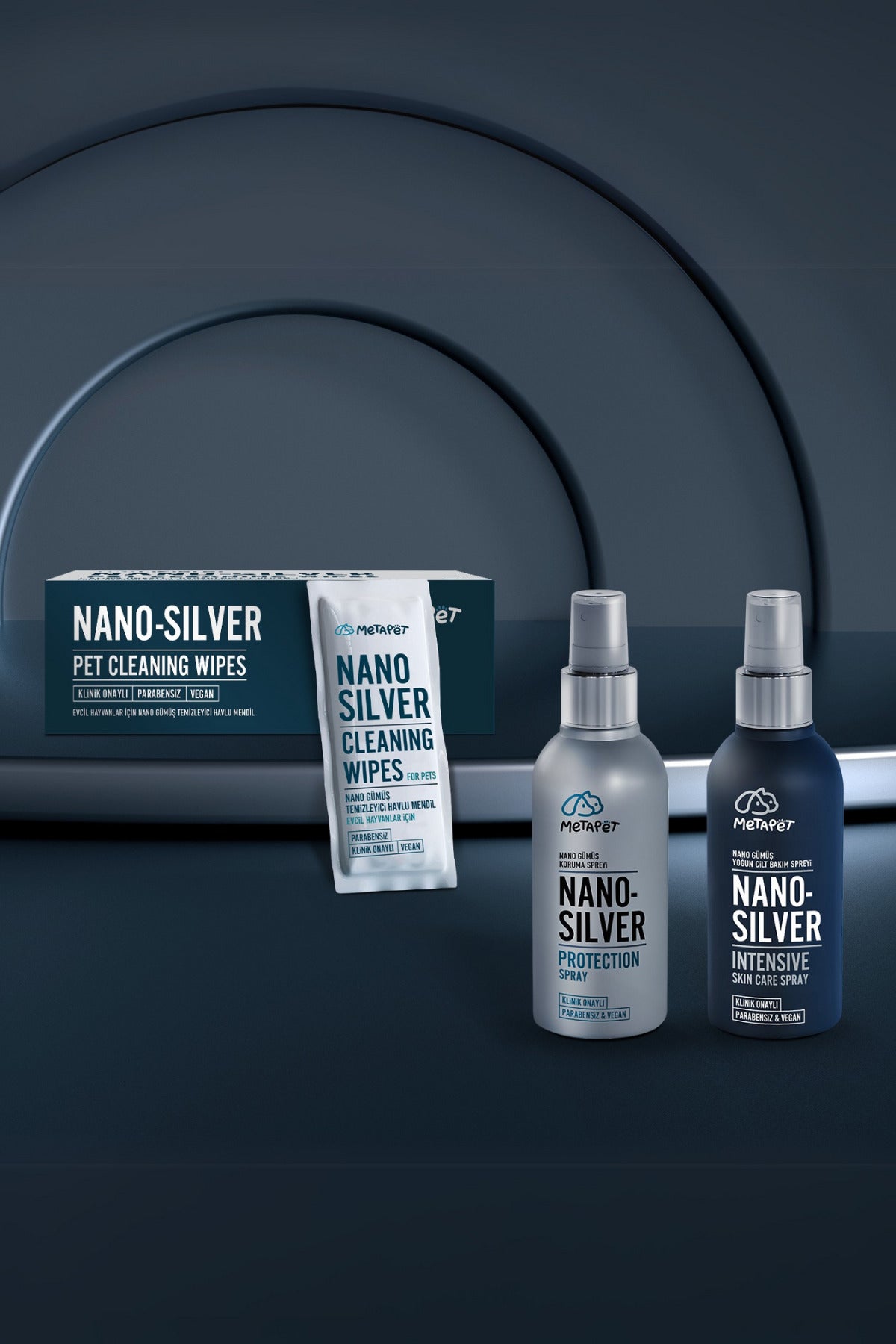
For muddy paws after a walk or a quick wipe-down on a road trip, the MetaPet Nano-Series Hygiene and Care Towel Wipes offer quick, gentle cleaning of the coat and skin between baths. They are handy for paws, the body, and sensitive areas, and come ten large wipes to a box. Gently wipe and massage lightly, using a fresh wipe as needed.
These are cosmetic grooming products for external use only. They complement, and never substitute for, veterinary care, parasite control, or any plan your veterinarian recommends. Discontinue use if irritation occurs.
Skin Checks, Nails, and Ears
Short coats leave the skin accessible, so grooming time is ideal for a weekly nose-to-tail check.
- Lumps and bumps: note any new lump, or a change in the size, shape, color, or texture of an existing one.
- Parasites: look for fleas, flea dirt (dark specks that turn reddish on a damp paper towel), and ticks, especially around the ears, neck, armpits, and between the toes.
- Redness and irritation: check for red patches, rashes, bumps, or areas of heat.
- Scabs, flakes, and odor: notice crusts, dandruff, greasiness, or an unusual smell.
- Hair loss: look for thinning patches or bald spots.
- Nails: listen for clicking on hard floors, a common sign that nails are due for a trim.
- Ears: peek inside for redness, discharge, dark debris, or a strong odor.
Trim nails regularly or ask your veterinary team or a groomer for help; our nail trimming guide explains how. Wipe only the visible outer part of the ear and never push anything into the ear canal. Keep your dog on the parasite control program your veterinarian recommends; grooming products are not a replacement for it.
When to Call Your Veterinarian
Only an exam can determine what skin changes mean. Schedule a veterinary visit if you notice:
- A new lump, or a lump that grows, changes, bleeds, or ulcerates
- Persistent scratching, licking, chewing, or rubbing
- Red, inflamed, moist, or crusted skin, or skin that looks thickened or darkened
- Patchy hair loss or a coat that suddenly becomes dull, brittle, or thin
- Excessive shedding that is out of character for your dog
- A strong or unusual odor from the skin or ears, ear discharge, or head shaking
- Fleas or ticks you find repeatedly despite your parasite control plan
Contact your veterinarian or an emergency clinic right away if your dog has sudden facial swelling, widespread hives, a painful wound, signs of a skin reaction after contact with a product, or is lethargic, weak, or not eating along with skin changes. Our article on lumps and bumps on dogs and cats explains what to expect at that visit.
Common Mistakes to Avoid
- Using the wrong brush: stiff pins and wire bristles can scratch skin that has little hair to cushion it.
- Using human shampoo: products made for people are not formulated for a dog's skin.
- Rinsing too quickly: shampoo residue can dull the coat and leave the skin uncomfortable.
- Letting a wet dog get chilled: short single coats offer little insulation when damp.
- Skipping skin checks: a short coat makes early changes easy to see, but only if you look.
Frequently Asked Questions
How often should I brush my short-coated dog?
A few times a week works well for most smooth coats, with more frequent sessions during heavier shedding. Even a quick daily pass with a grooming mitt helps.
How often should I bathe a short-coated dog?
As needed rather than on a fixed schedule. Let dirt, odor, and your dog's lifestyle guide you, and follow your veterinarian's advice if your dog has a skin condition.
Can I use dry foam shampoo instead of baths?
A no-rinse foam is a convenient way to freshen the coat between baths, but a full rinse-out bath is still the best choice when your dog is truly dirty.
Key Takeaways
Short-coated dogs still shed, collect dirt, and benefit from regular grooming. Know whether your dog has a single coat or a short double coat like a Labrador's, and choose soft, rubber-based tools such as a curry brush or grooming mitt, followed by a bristle brush for shine. Bathe as needed with a gentle, dog-specific shampoo, rinse thoroughly, dry completely, and use no-rinse foam or wipes for quick freshening between baths. Use every grooming session to check the skin for lumps, parasites, redness, and hair loss, keep nails and ears tidy, and see your veterinarian when skin or coat changes appear. Grooming products complement, but never substitute for, veterinary care.