Pet Insurance for Dogs and Cats: What Owners Should Know

Few conversations in a veterinary exam room are harder than the one about money. A dog swallows a sock, a cat stops urinating overnight, an older pet needs imaging — and suddenly a family has to weigh medical recommendations against a household budget. Pet insurance exists to make that moment less painful, but only if the policy was chosen thoughtfully long before it was needed.
Pet insurance is not the same product as human health insurance. Most policies work on a reimbursement model: you pay the veterinary practice directly, submit the invoice, and receive a portion back according to your plan's terms. Understanding those terms — deductible, reimbursement percentage, annual limit, waiting periods and exclusions — is what separates a policy that helps from one that disappoints.
This guide explains how coverage generally works, what the common categories of plans include, which details deserve close reading, and how to think about whether insurance, a dedicated savings account, or a combination of the two best fits your household. It is educational information, not financial or insurance advice, and policies vary widely by provider and region.
Important: This article shares general educational information for pet owners and is not a substitute for an in-person veterinary examination, diagnosis, or treatment. For any medical concern or emergency, contact your veterinarian promptly.
Why Owners Consider Coverage at All
Veterinary medicine now offers many of the same diagnostics and procedures used in human hospitals — ultrasound, advanced imaging, endoscopy, orthopedic surgery, chemotherapy protocols and intensive care. That progress is wonderful for pets, and it comes with real costs. An unexpected illness can arrive with no warning in an otherwise healthy young animal.
The value of insurance is not that it makes care free. It is that it changes the question you face in a crisis from whether you can afford to proceed to what is medically best for your pet. Owners who have coverage often report that the greatest benefit was emotional: making decisions without a calculator in hand during the worst week of their pet's life.
The Main Types of Plans
Policies fall into a few broad categories, and the names vary between providers. Reading the actual policy document matters more than the marketing label on the website, but these general groupings help you compare offerings quickly.
- Accident-only: covers injuries such as fractures, lacerations, or swallowed objects, but not illnesses. Usually the least expensive option.
- Accident and illness: the most common comprehensive category, typically covering injuries plus conditions such as infections, digestive illness, cancer, and chronic disease that begins after coverage starts.
- Wellness or routine care add-ons: optional packages that reimburse predictable annual costs such as wellness exams, vaccinations, parasite prevention and dental cleanings. These are budgeting tools rather than true insurance.
- Lifetime or per-condition structures: some markets offer plans that renew coverage for ongoing conditions each policy year, while others cap a condition permanently. This distinction matters enormously for chronic disease.
How Reimbursement Actually Works
In most systems, you settle the invoice at the clinic and then submit a claim with the itemized bill and medical records. The insurer applies your deductible, then reimburses the agreed percentage of eligible costs up to your annual limit. Some providers now offer direct payment to participating hospitals, though availability varies.
Because the model is reimbursement-based, you still need access to funds at the moment of treatment. A credit line, emergency savings, or a clinic payment plan may be necessary alongside insurance. Ask any provider you are considering how quickly claims are typically processed and whether documentation can be submitted through an app.
Deductibles, Percentages and Annual Limits
Three numbers shape almost every policy. The deductible is what you pay before reimbursement begins; it may be annual or per condition. The reimbursement percentage is the share of eligible costs returned to you after the deductible. The annual limit is the maximum the policy will pay in a policy year, and some plans are unlimited while others cap tightly.
- Higher deductible: lower premium, more out-of-pocket exposure on small claims.
- Lower reimbursement percentage: lower premium, but a larger share of a major bill stays with you.
- Low annual limit: affordable month to month, yet potentially exhausted by a single serious illness.
- Per-condition caps: look carefully — a chronic condition can outlive its cap while your pet still needs care.
Pre-Existing Conditions: The Detail That Matters Most
Nearly every provider excludes conditions that existed before coverage began or during a waiting period. Definitions differ: some insurers exclude anything noted in the medical record, including a single episode of vomiting years earlier; others distinguish curable conditions that have resolved for a defined period from chronic ones that are permanently excluded.
This is the single strongest argument for enrolling while a pet is young and healthy. It also means that switching providers later can be costly, because anything diagnosed under the old policy may be excluded by the new one. Read the definition of pre-existing in the actual contract, not the summary page, before you commit.
Waiting Periods and Enrollment Timing
Coverage rarely begins the moment you pay. Accident coverage often starts within a short window, while illness coverage typically has a longer waiting period, and orthopedic conditions such as cruciate ligament injury may have their own extended wait in some policies. Buying a policy after a limp appears will not help with that limp.
Enrolling a puppy or kitten at the first wellness visit gives the cleanest medical history and the fewest exclusions. That said, insuring an adult pet is still worthwhile for future unrelated conditions — a five-year-old dog with a resolved ear infection can still be covered for the unrelated emergencies that lie ahead.
Common Exclusions to Look For
Every policy has a list of what it will not pay for. Reviewing it is as important as reviewing what is covered, and it explains most of the disappointment owners describe after a denied claim.
- Preventive care: usually excluded from core illness policies unless you purchase a wellness add-on.
- Breeding and pregnancy: commonly excluded, sometimes available as a rider.
- Cosmetic or elective procedures: typically not covered.
- Behavioral care: varies widely; some plans include behavior consultations, many do not.
- Dental disease: frequently limited to injury only, with periodontal treatment excluded or restricted unless routine dental care requirements were met.
- Conditions considered preventable: some insurers limit claims for parasite-related illness when prevention was not maintained.
Breed, Age and Location Factors
Premiums are calculated from risk. Larger dogs generally cost more to insure than small ones, certain breeds carry known predispositions that affect pricing, and premiums typically rise as pets age. Where you live matters too, since veterinary costs differ substantially between urban and rural regions.
Be aware that premiums usually increase over your pet's lifetime, both with age and with general veterinary cost inflation. When comparing policies, ask how the provider handles renewal pricing and whether a claim can trigger an individual increase, because a plan that looks inexpensive for a puppy may look different a decade later.
Insurance Versus a Dedicated Savings Fund
Insurance is not the only strategy. Some owners set aside a fixed amount every month in a dedicated account reserved solely for veterinary costs. For a healthy pet that never faces a catastrophic illness, this approach can end up costing less overall, and the money remains yours.
The weakness of self-funding is timing. A serious emergency in the first year leaves the fund far short, and few households can absorb a major surgery on short notice. Many families use a hybrid approach: a comprehensive policy with a manageable deductible for catastrophes, plus modest savings for routine and preventive expenses that no policy will reimburse.
Questions to Ask Before You Buy
Comparison shopping works best with a consistent list of questions applied to every provider. Request a sample policy document rather than relying on quote pages, and read the definitions section carefully.
- Definitions: how exactly does this policy define a pre-existing condition, and can any be reconsidered later?
- Chronic care: are ongoing conditions covered again in each renewal year, or capped permanently?
- Limits: what is the annual limit, and are there separate per-condition or per-incident caps?
- Waiting periods: how long for accidents, illnesses, and orthopedic conditions?
- Claims: what documentation is required, what is the typical turnaround, and is direct payment available?
- Renewal: how have premiums changed historically, and does filing a claim affect your individual rate?
Keeping Records That Make Claims Easier
Claims are approved on the strength of medical documentation. Keep a complete record of every visit, and make sure your veterinarian's notes accurately reflect what was found and treated. If you change clinics, request that your full history transfers, since insurers often ask for records covering the period before enrollment.
Submit claims promptly, keep copies of itemized invoices, and note the date of first clinical signs rather than only the diagnosis date. Owners who maintain organized records and attend regular wellness exams generally experience far smoother claims than those who arrive at a new clinic mid-crisis with no paperwork.
Supporting Everyday Health Alongside Coverage
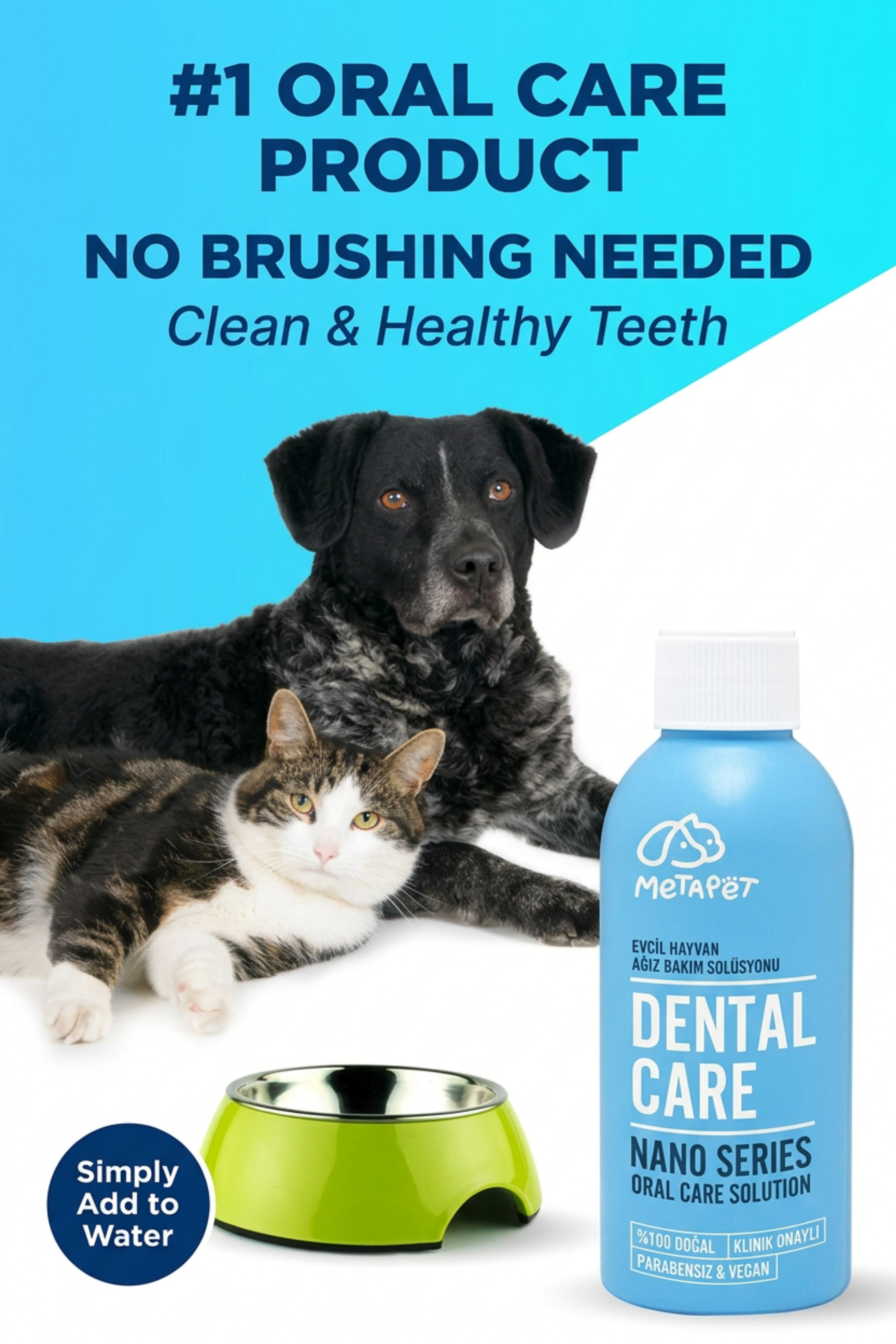
No policy replaces routine preventive care. Annual or twice-yearly wellness examinations, appropriate vaccination and parasite prevention as recommended by your veterinarian, dental care, weight management and daily exercise remain the foundation of a long, comfortable life — and several of them are the very things most likely to reduce claims later.
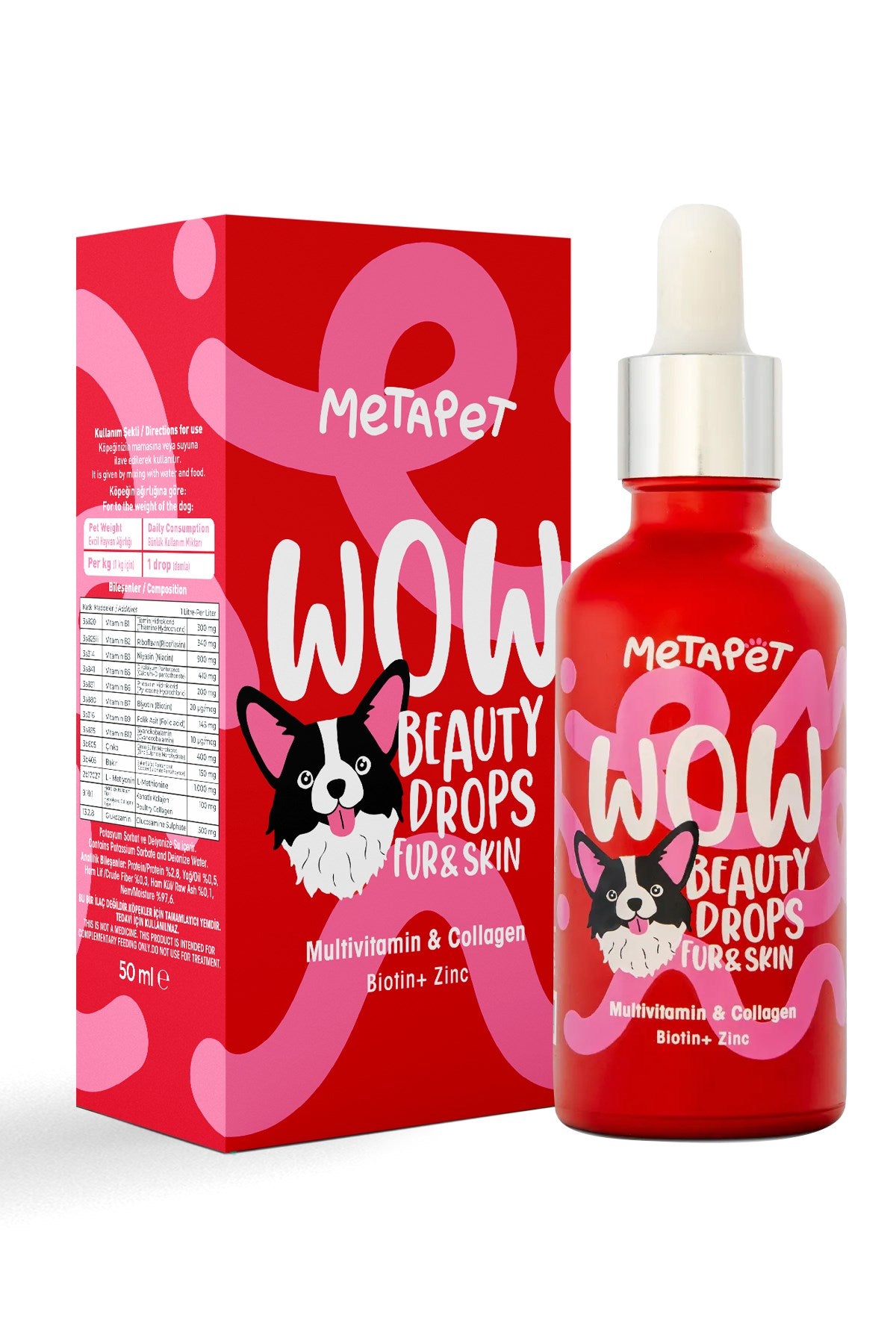
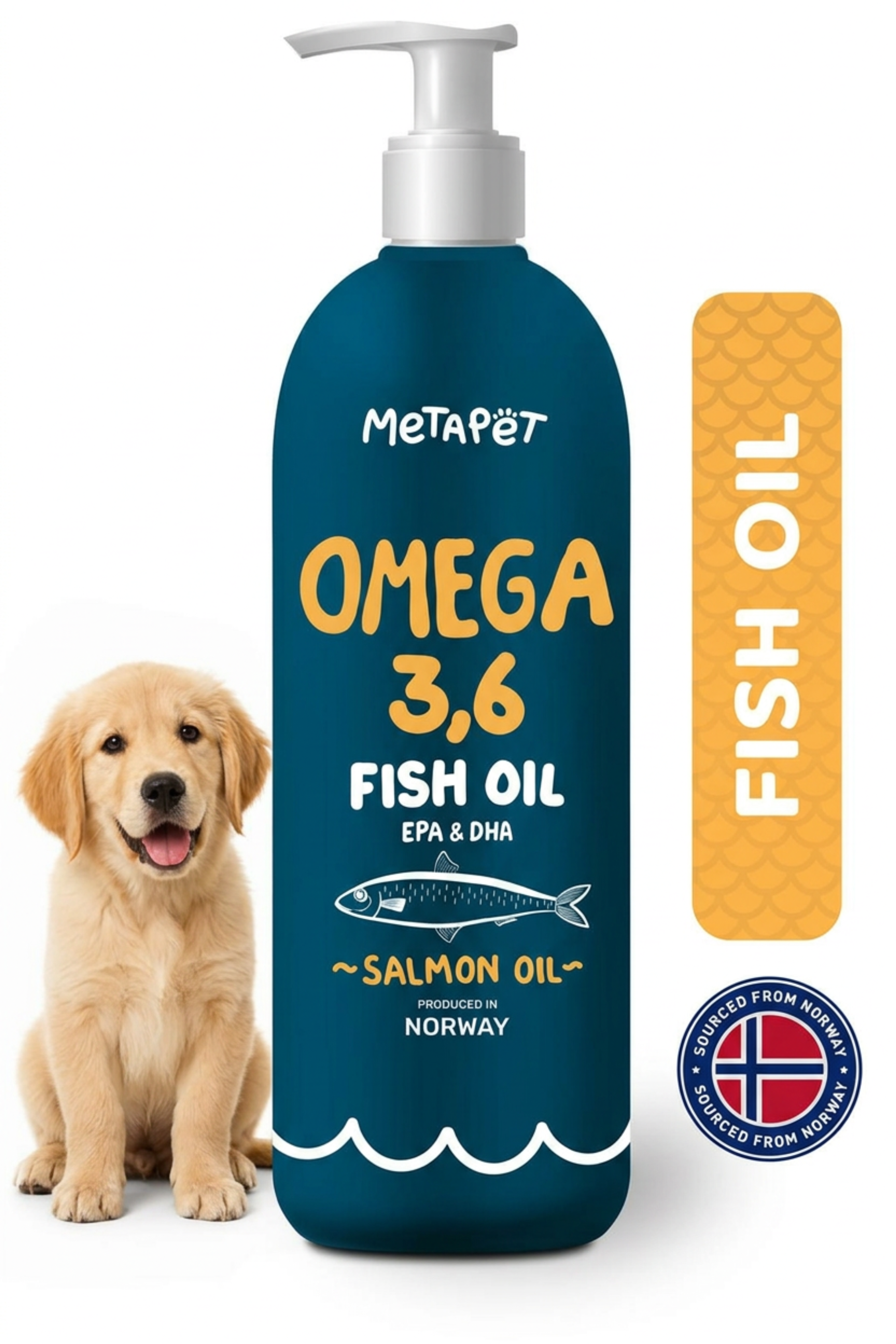
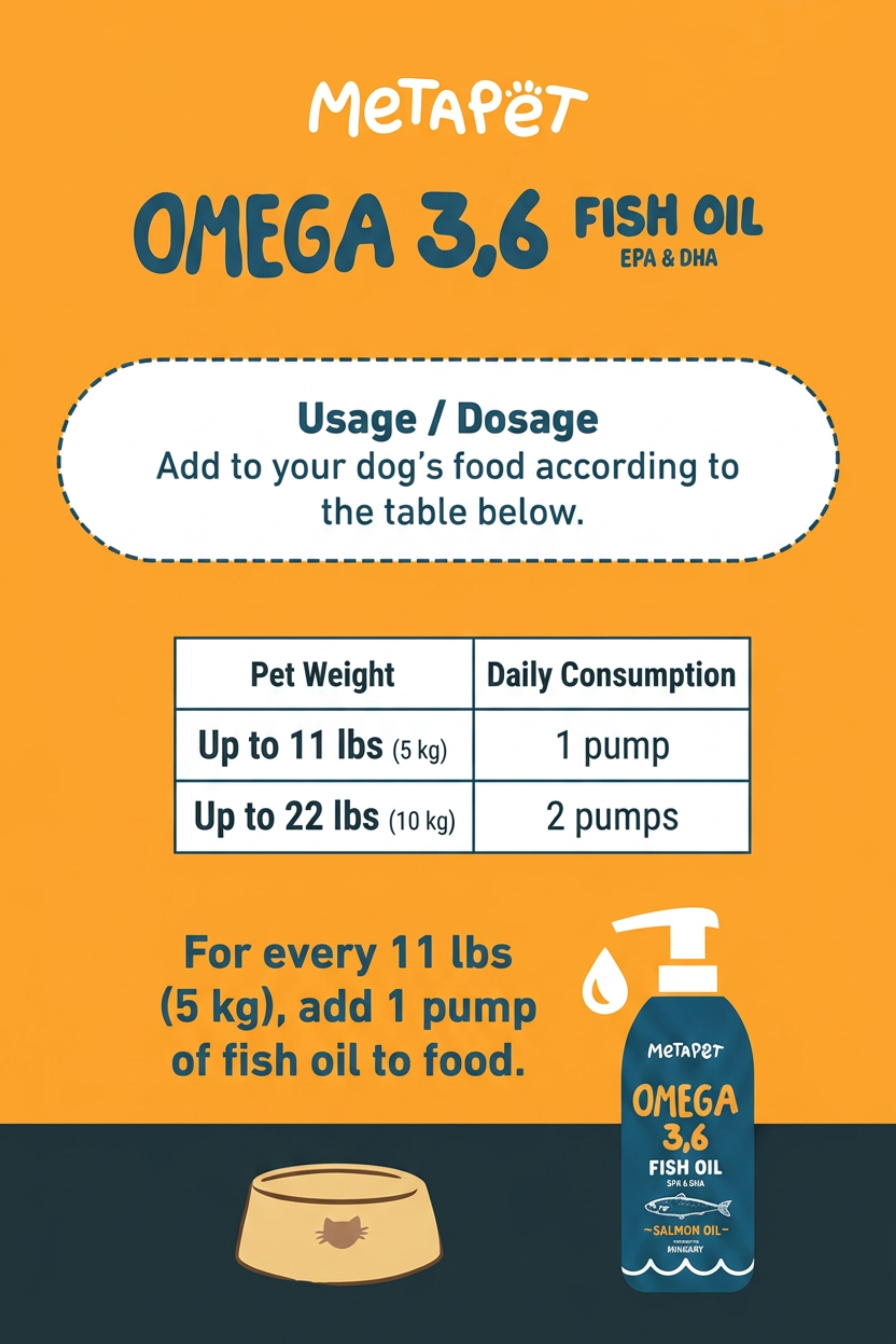
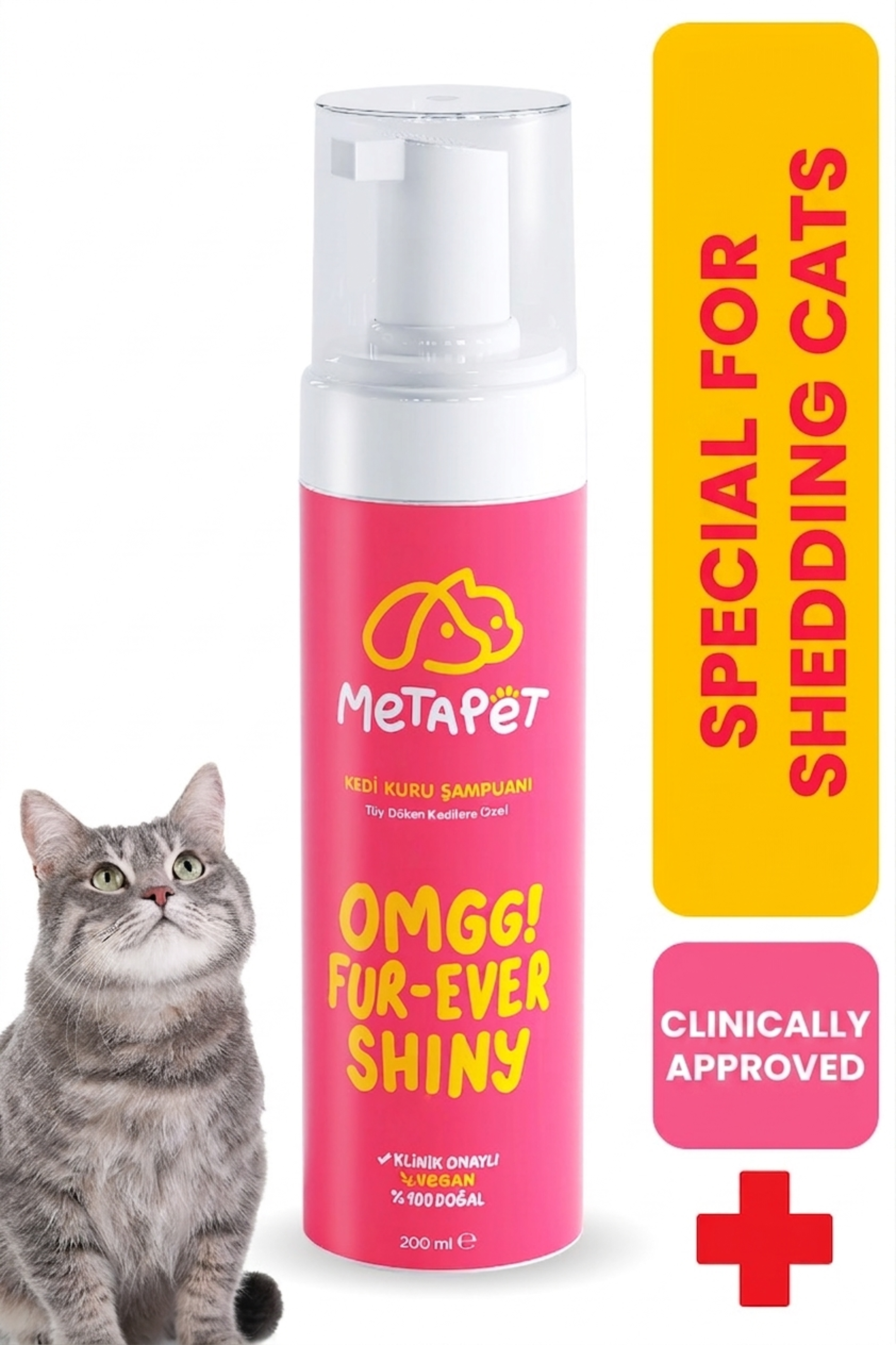
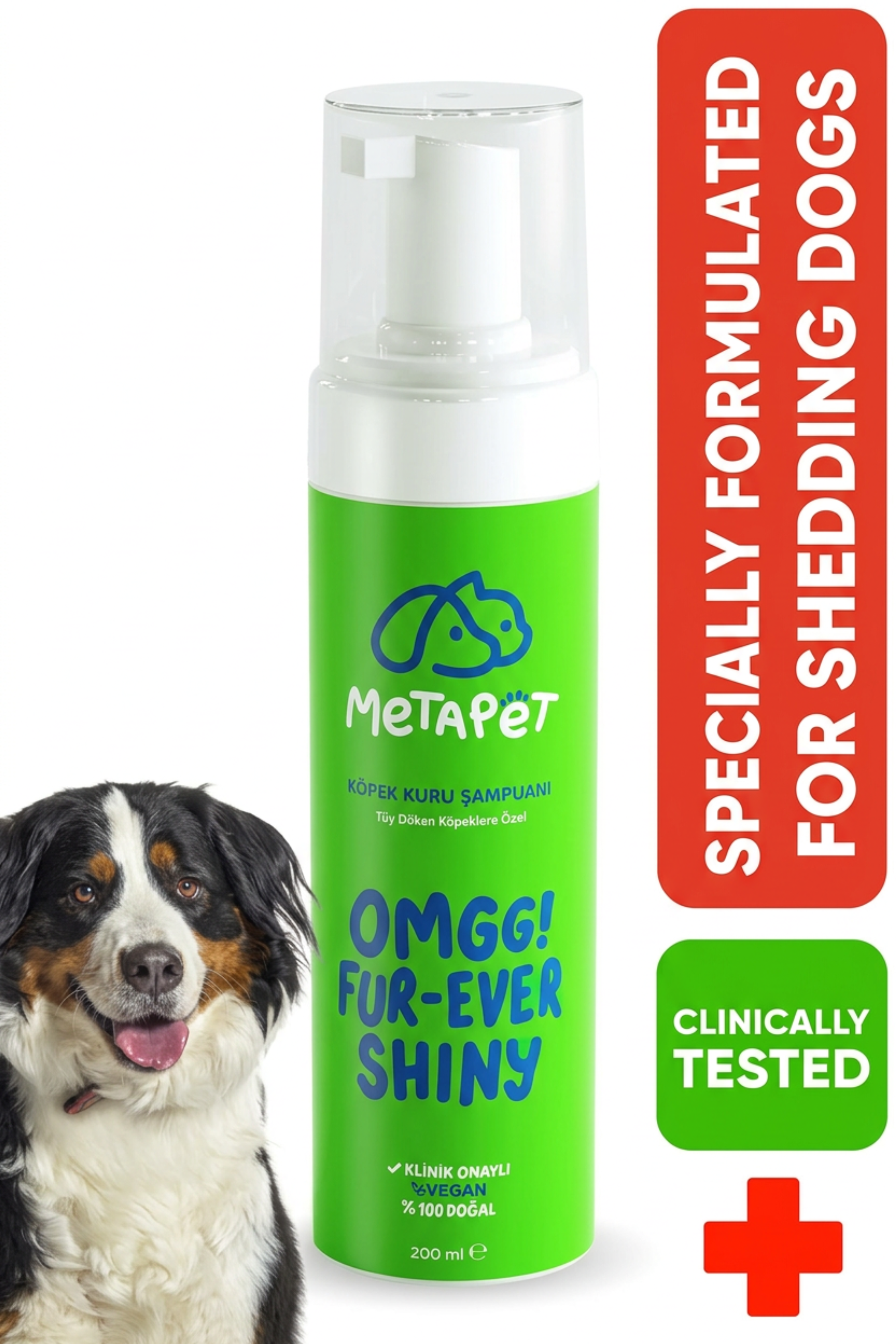
Home routines matter too: consistent grooming, monitoring appetite and water intake, checking body condition, and watching for changes in behavior all help you catch problems while they are still small. Any grooming product or supplement you use is a complement to veterinary care, never a substitute for professional diagnosis, vaccination or parasite prevention.
Frequently Asked Questions
Is pet insurance worth it for an indoor cat?
Indoor cats avoid many outdoor risks but still develop urinary, dental, digestive and other conditions, and they occasionally swallow string or houseplants. Whether coverage is worthwhile depends on your budget, risk tolerance and ability to absorb an unexpected bill.
Can I insure an older dog or cat?
Many providers accept older pets, though premiums are higher and some impose upper age limits for new enrollment. Anything already diagnosed will usually be excluded, so coverage applies to future unrelated conditions.
Does insurance cover routine vaccinations?
Standard accident-and-illness policies generally do not. Routine care is typically available only through an optional wellness package, which functions as a budgeting plan rather than protection against catastrophe.
What happens if I miss the waiting period?
Conditions that appear during a waiting period are usually treated as pre-existing and excluded. This is why enrolling before problems arise, ideally while your pet is young and healthy, gives you the broadest protection.