Jumping Up in Dogs: Teach Polite Greetings That Last
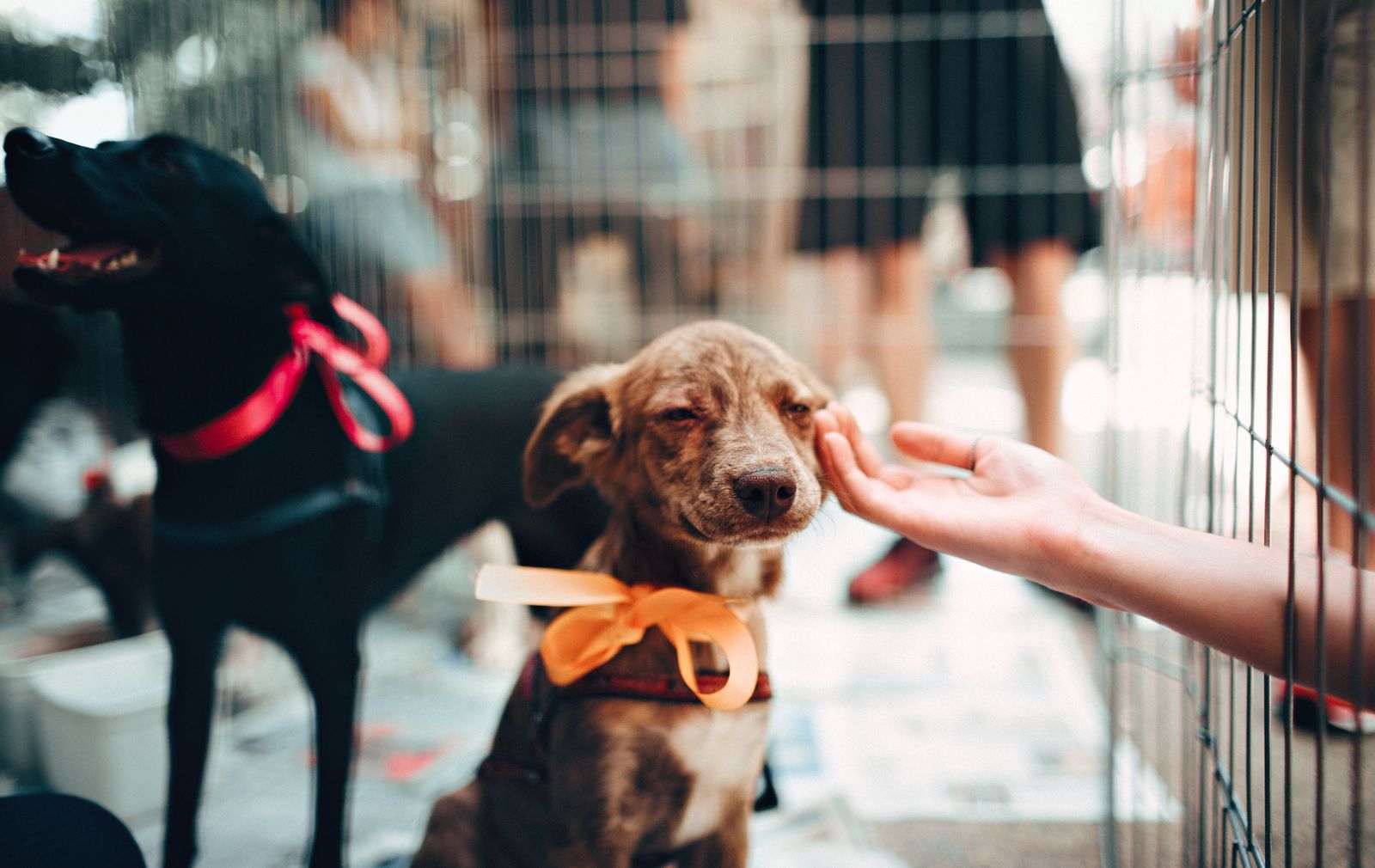
Your dog hears the car door, positions itself in the hallway, and the moment the front door opens — launch. Muddy paws on work clothes, scratched arms, staggering grandparents, delighted dog. Jumping up is one of the most common complaints dog owners bring to trainers, and also one of the most misunderstood.
Dogs do not jump to dominate or misbehave; they jump because faces are where the social information is, because jumping has been accidentally rewarded since puppyhood, and because arousal at greetings overwhelms whatever manners they know. Every time a jump earns eye contact, touch, or even a shouted 'off!', the behavior is paid.
The fix is not punishment — it is teaching the dog that a different, incompatible behavior earns everything it wants faster. This guide lays out why jumping happens, the management that stops it being rehearsed, a step-by-step training plan, and how to handle guests, kids, and stubborn relapses.
Important: This article shares general educational information for pet owners and is not a substitute for an in-person veterinary examination, diagnosis, or treatment. For any medical concern or emergency, contact your veterinarian promptly.
Why Dogs Jump: The Honest Answer
Greeting behavior starts in the nest: puppies lick their mother's face, and face-directed greeting remains deeply natural social behavior for dogs throughout life. Since human faces hover several feet up, jumping is simply a dog's attempt to greet properly. Add the explosive excitement of a reunion — even one that follows a ten-minute absence — and gravity loses.
The habit then gets built by accident. A bouncing eight-week-old puppy jumping at knees is adorable, so it gets scooped up and cuddled: lesson learned, jumping works. Months later the same behavior from a 70-pound adolescent is a problem, but the reinforcement history is already deep. Even negative reactions — pushing, shouting, grabbing paws — are attention, and for a socially starved greeter, attention of any kind beats none.
Why Punishment Backfires
Old advice like kneeing the dog in the chest, stepping on toes, or squeezing paws has real costs. At best it teaches the dog to fear approaching people, trading a friendly nuisance for anxiety around greetings — a genuinely worse problem. At worst it adds pain to the most emotionally charged moment of the dog's day and damages trust in the household. Physical corrections also fail the consistency test: the dog learns not to jump on the person who knees, while flattening everyone else.
There is a simpler logical problem too: punishment tells the dog what not to do while leaving the original question — 'how do I greet you?' — unanswered. Training that installs an answer, and pays it richly, outperforms suppression every time and leaves the relationship intact.
The Core Principle: Four on the Floor
Everything below reduces to one rule: four paws on the floor earns attention; paws on people switch attention off. Not sometimes — always. Dogs are ruthless statisticians, and a behavior rewarded even one time in ten stays vigorously alive, the same way slot machines keep gamblers pulling. Intermittent reinforcement is precisely why 'we mostly ignore the jumping' fails.
This means the household needs a meeting before the dog needs a trainer. Everyone — including the family member who secretly enjoys the enthusiastic welcome — agrees on the same response to jumping and the same reward for floor-level greetings. Consistency is the entire trick; the rest of this article is just technique.
Management: Stop the Rehearsal First
- Leash at the door: keep a light leash or house line by the entrance so arrivals and guest greetings can be controlled from the first second.
- Barrier options: a baby gate or exercise pen in the entryway prevents door-launches while training catches up.
- Scatter distraction: tossing a small handful of kibble on the floor at entry redirects the first, wildest seconds of excitement downward — noses down means paws down.
- Tired dogs greet better: exercise and enrichment earlier in the day lower the arousal ceiling at the door.
- Calm arrivals: come in quietly, drop bags, and greet the dog only once it settles; theatrical hellos manufacture the very excitement you are fighting.
Management is not defeat — it is the scaffolding that prevents the habit from being practiced while the new behavior is under construction. Every prevented jump speeds the training below.
The Training Plan, Step by Step
- Teach the alternative in calm conditions: reward sits and relaxed standing with treats and attention many times a day, until 'sit' is fluent anywhere.
- Practice boring doorway drills: step outside, come back in immediately, and reward four-on-the-floor. Repeat until your entrances are unremarkable.
- Add mild excitement: return with a cheerful voice, reward floor-level greeting instantly, and turn away silently the moment paws leave the ground.
- Make the consequence crisp: when the dog jumps, remove all attention — turn your back, fold your arms, look up — and re-engage the second paws land. Timing teaches faster than words.
- Generalize with family members repeating the same drills, then calm friends, then progressively more exciting visitors.
- Pay the jackpot: for reliable greetings, the reward becomes exactly what the dog wanted all along — warm attention, petting, and a released 'say hi' cue.
Sessions should be short, frequent, and set up to succeed. If the dog cannot keep paws down, the excitement level is too high for its current skill — add distance, reduce energy, and rebuild.
Guests: Your Hardest Training Partners
Visitors will cheerfully sabotage months of work with one 'oh I don't mind, I love dogs!' while rewarding a full-body launch. Take charge of greetings the way you would childproof a stove. Leash the dog before opening the door, ask guests to ignore the dog — no eye contact, no touching, no talking — until it settles, then invite calm interaction at floor level, treats in the guest's hand held low.
For chaotic arrivals like deliveries or parties, choose management over training: settle the dog behind a gate or in another room with a stuffed chew, and practice with cooperative guests another day. Every greeting is either a training rep or a rehearsal of the old habit; when you cannot control the rep, do not run it.
Kids, Seniors, and Small Adults
Jumping stops being a nuisance and becomes a safety issue around toddlers, elderly relatives, and anyone unsteady on their feet. Until training is reliable, physical separation during arrivals is non-negotiable: gates, leashes, or a closed door. Teach children the 'be a tree' response — stand still, arms folded, look away — since running and shrieking are irresistible invitations to bounce.
Train specifically for these greetings too: practice with the dog leashed while a child or senior enters calmly, rewarding heavily for floor-level manners at a distance first. A dog that can greet a bouncing eight-year-old politely has earned a genuine diploma, and it gets there through staged, controlled reps — never through hope.
Leash Greetings and the Wider World
The street version of the problem — jumping on admirers who approach on walks — follows the same rules with one addition: you control access. Ask the dog for a sit as the person approaches; if paws stay down, the reward is 'go say hi.' If the dog erupts, the admirer takes one step back and waits. Most dog-loving strangers will happily play along when coached in one sentence: 'She's learning to greet politely — please only pet her while she's sitting.'
Be equally protective in reverse: do not let every stranger greet your dog. Unpredictable greetings from excited strangers are a top source of relapse, and a simple 'we're in training, thanks!' preserves your progress. Quality of greetings beats quantity every time.
Troubleshooting Common Sticking Points
- The dog jumps harder when ignored: an extinction burst — the behavior spikes before it fades. Stay consistent; the burst passing is proof the method is working.
- Perfect with family, wild with guests: excitement levels differ; train with progressively more exciting people rather than expecting transfer for free.
- One family member undoes it: intermittent reinforcement keeps jumping alive indefinitely; revisit the household agreement.
- The dog nips or grabs sleeves when frustrated: raise reward rate for floor behavior, lower excitement, and give the mouth a legal outlet like a toy carried at greetings — many retrievers greet beautifully with something in their mouths.
- Progress then relapse: normal after holidays, visitors, or routine changes; run a refresher week of doorway drills.
Teaching an Official Greeting Cue
Once floor-level greetings are reliable, many trainers add a release cue — 'say hi' or 'go greet' — that gives the dog explicit permission to approach a person for petting. The cue does two useful jobs at once: it turns greeting into a reward you control, and it clarifies for the dog that greetings happen on invitation, not on impulse. Practice it deliberately: ask for a sit, give the cue, allow a few seconds of calm petting, then call the dog back to you for a treat.
The same structure scales to advanced polish, like greeting while carrying a toy, greeting seated visitors without climbing the couch, or holding a mat 'place' while guests enter and only greeting after things settle. Dogs enjoy having a defined job at the door — for a former jumper, 'wait on your mat, then say hi politely' is a career upgrade everyone benefits from.
When to Bring in a Professional
Most jumping resolves with the plan above, but call in a qualified reward-based trainer if the jumping comes with mouthing that bruises, if the dog cannot calm down for minutes after arrivals, or if large-dog enthusiasm is endangering household members now. A coach can spot timing errors quickly and design setups matched to your specific door, dog, and family.
And if greeting behavior changes suddenly in an adult dog — new frantic clinginess, or conversely reluctance and avoidance — mention it to your veterinarian, since behavior shifts can accompany pain or illness. Training assumes a comfortable dog; medicine confirms it.
Frequently Asked Questions
How long does it take to fix jumping?
With full household consistency, many dogs show clear improvement in two to four weeks, and solid guest manners within a few months. The habit's age matters: a puppy learns faster than a dog with years of rehearsal, but both get there.
Should I use a 'no jump' command?
Cues telling a dog what to do — 'sit' — outperform cues telling it what to stop. Combined with attention removal for jumping and rich rewards for floor greetings, most dogs need no correction word at all.
My puppy is tiny and the jumping is cute. Start now or later?
Now. The greeting rules a puppy learns in its first months are the ones the adult dog keeps. Reward four-on-the-floor from day one and you may never meet this problem at all.