Pee Pad Training for Puppies and Small Dogs: A Clean Routine

Not every dog can step into a yard whenever nature calls. A young puppy whose vaccine series is unfinished, a tiny dog on a high floor, or an older dog with stiff joints may all need a reliable indoor toilet spot. Pee pad training gives them one, but only if you teach it on purpose. Scatter a few pads around and hope, and you usually end up with a dog who thinks any soft, flat surface is fair game. This guide walks through the setup, the daily routine, the move outdoors, and the urinary changes that deserve a veterinary exam.
Important: This article shares general educational information for pet owners and is not a substitute for an in-person veterinary examination, diagnosis, or treatment. For any medical concern or emergency, contact your veterinarian promptly.
Who Pee Pad Training Suits
Pads tend to work best for:
- Young puppies: many veterinarians advise keeping a puppy away from public ground where unknown dogs have been until the vaccine series is further along. Ask your own veterinarian what is sensible in your area; our puppy vaccination schedule guide explains the general timeline. This does not mean skipping socialization; ask your veterinarian about safe ways to do it.
- Apartment and high-rise homes: when the nearest patch of grass is an elevator ride away, a puppy with a small bladder may not make it.
- Small breeds: little dogs produce small volumes that a pad handles easily, and many dislike cold or wet ground.
- Senior or mobility-limited dogs: stairs and long walks can be hard for a dog with sore joints or one recovering from surgery.
- Bad weather: storms, ice, and extreme heat make some outdoor trips unsafe.
- Owners with long shifts: a dog should never be expected to hold on longer than is comfortable, and a pad gives them an acceptable place to go.
Pads Versus Outdoor-Only Training: Honest Pros and Cons
Teaching a dog to go only outdoors is the simplest message you can give: indoors is never a toilet. Our guide to house training a puppy covers that route. Pads add a second rule, and that has trade-offs.
- Advantages: an indoor option at any hour, fewer accidents for dogs who cannot wait, less stress for frail dogs, and a chance to see your dog's urine every day.
- Drawbacks: the dog learns that toileting indoors is allowed, which can make a later switch to outdoors slower. Some dogs generalize to rugs and bath mats, and pads create ongoing cost and waste.
Decide early whether pads are a temporary bridge or a permanent arrangement, because that shapes where the pad goes.
Choosing a Location and Setting Up
Dogs prefer to toilet away from where they eat and sleep, so use that instinct.
- Away from food, water, and bed: put as much distance as the room allows between the pad and those areas.
- Easy-clean flooring: tile, vinyl, or sealed wood is far more forgiving than carpet. Roll up nearby rugs during training.
- A holder or tray: a frame keeps the pad flat, stops it sliding, protects the floor from overflow at the edges, and makes the toilet area look and feel distinct.
- A size that fits: your dog should be able to turn a full circle with all four paws on the pad. Start bigger than you think you need.
If pads are a bridge to outdoor toileting, choose a spot on the route to the exit door from day one.
Step-by-Step Pee Pad Training
Dogs repeat whatever gets rewarded, so training is about making sure the right place wins every time.
- Follow a schedule: take your dog to the pad after waking, after every meal and drink, after play, after any excitement, and before bed. Young puppies need very frequent trips.
- Walk there together: lead your dog to the pad, on a leash if needed, or carry a small puppy there, then stand quietly. Sniffing and circling are good signs.
- Add a cue word: say a short phrase such as "go potty" just as your dog starts. Over time the phrase becomes a prompt.
- Reward immediately: praise and hand over a small food reward the moment your dog finishes, while still on the pad. A late reward gets linked to something else.
- Supervise or confine: when you cannot watch, use a playpen with the pad at the far end from the bed, or a crate for short periods.
- Interrupt calmly: if your dog starts to squat elsewhere, move to the pad and reward if the job is finished there.
- Shrink the area gradually: many owners begin with several pads covering a wide zone, then remove one every few days once the dog is aiming for the middle, until a single pad remains.
Transitioning From Pads to Outdoors
When your veterinarian is happy for your puppy to go outside, or when your schedule changes, move the toilet in small stages.
- Shift the pad a short distance toward the exit door every day or two. If accidents appear, you moved too fast; go back one step.
- Once the pad sits beside the door, start taking your dog out at the usual toilet times, using the same cue word.
- Place a pad outside on the grass or pavement for the first few trips if your dog hesitates. The familiar surface helps.
- Reward outdoor success more generously than pad success.
- Remove the indoor pad while keeping outdoor trips frequent.
Common Mistakes to Avoid
- Punishing accidents: scolding or rubbing a dog's nose in a puddle does not teach where to go. It teaches the dog to hide from you when the urge comes, which makes training harder.
- Pads everywhere: a pad in every room tells your dog the whole home is a bathroom. One station is clearer, with a second only in a large or multi-level home.
- Changing location too often: dogs learn a place as much as a surface. Move the pad only in small, planned steps.
- Ammonia-based cleaners: urine contains ammonia-like compounds, so these products can leave a smell that draws a dog back to the same spot.
- Leaving soiled pads down: many dogs refuse a wet, smelly pad and go beside it instead.
When Your Dog Shreds or Chews the Pad
To a puppy, a pad is a crinkly toy that tears beautifully. Shredding is usually play, boredom, or teething, and it matters because swallowed pad material can upset the stomach or cause a blockage.
- Use a holder with a frame or grid so the edges cannot be grabbed.
- Interrupt calmly and swap in a chew toy; avoid a chase, which turns it into a game.
- Give plenty of exercise and chewing outlets. Our puppy teething and chewing guide has ideas.
If you think your dog has swallowed pieces, or you notice vomiting, a painful belly, or loss of appetite afterward, contact your veterinarian promptly.
Accident Cleanup, Hygiene, and Disposal
A dog's nose finds old urine long after you stop noticing it, so thorough cleaning is part of training.
- Blot first: press with paper towels to lift as much liquid as possible before applying any cleaner. Rubbing spreads the stain.
- Use a cleaner made for pet messes, ideally an enzymatic one: follow the label, allow the stated contact time, and test a hidden area first.
- Change pads often: replace a pad once it is clearly soiled, and at least daily.
- Bag and bin: fold the pad inward, seal it in a bag, and put it in the household trash. Never flush pads.
- Wash up: clean the holder regularly and wash your hands after handling used pads.
Helpful MetaPet Products for a Pad Routine
Two MetaPet items can make a pad routine a little easier. They are conveniences that complement, and never substitute for, veterinary care.
A pad with a color-changing indicator
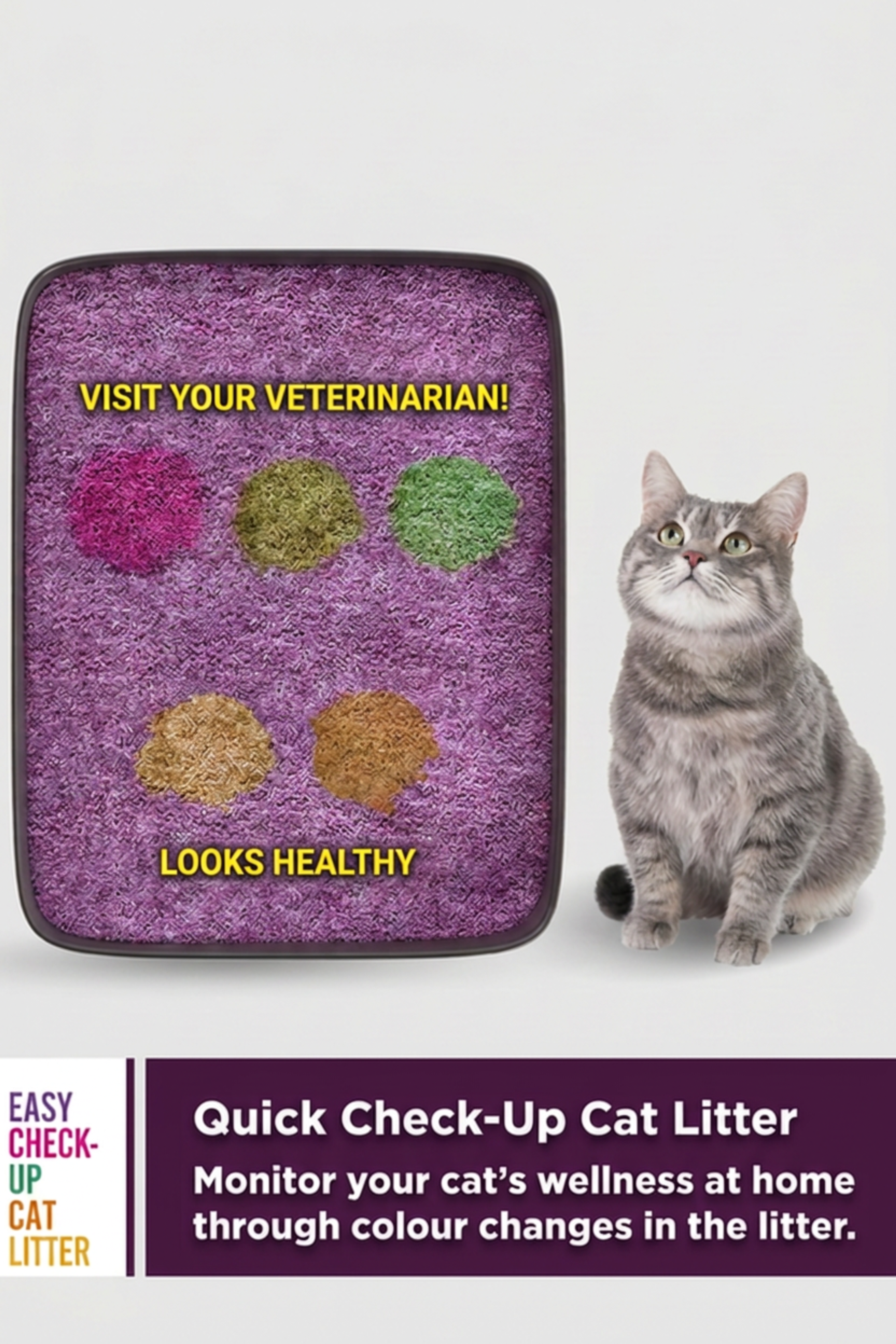
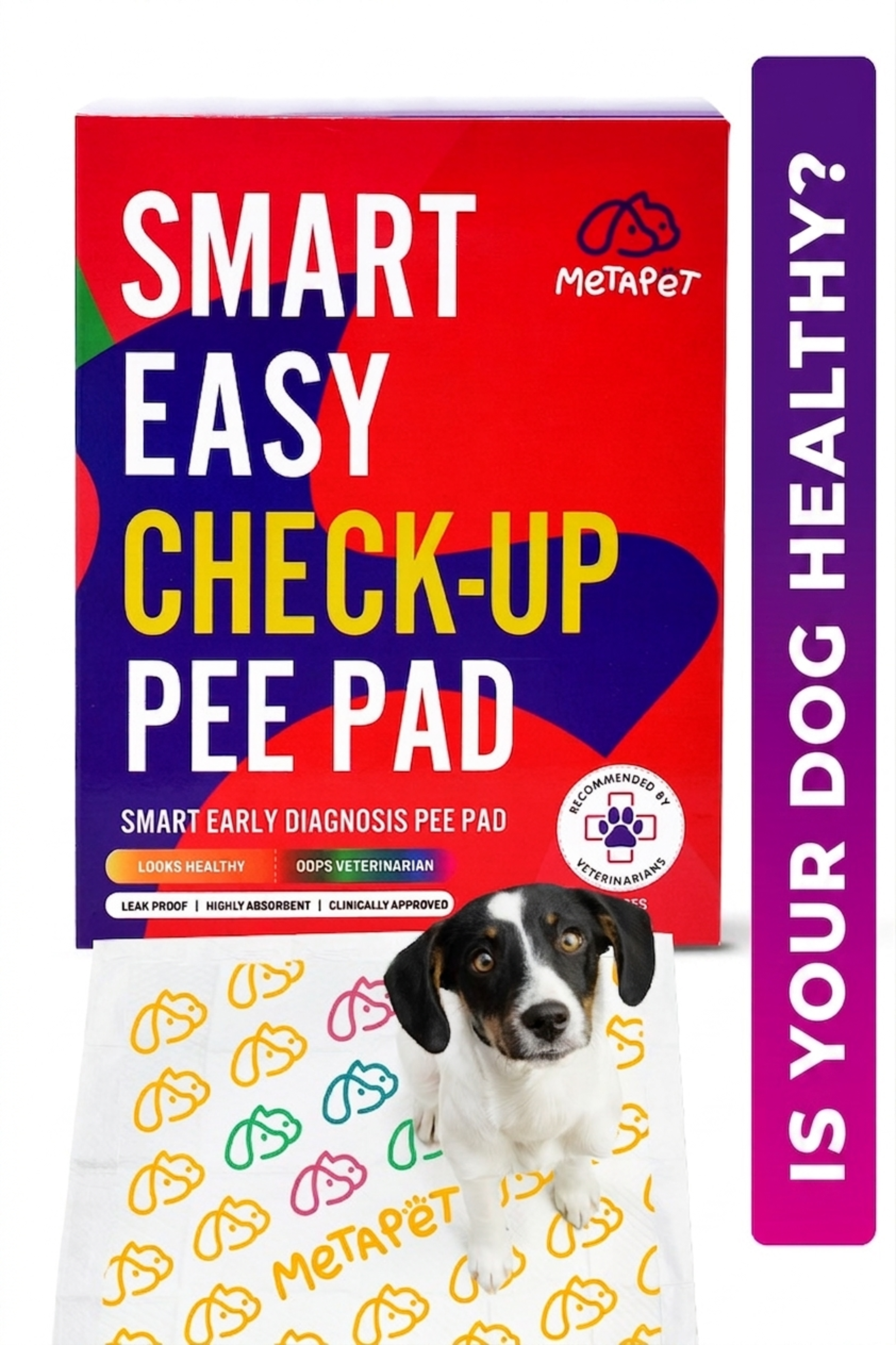
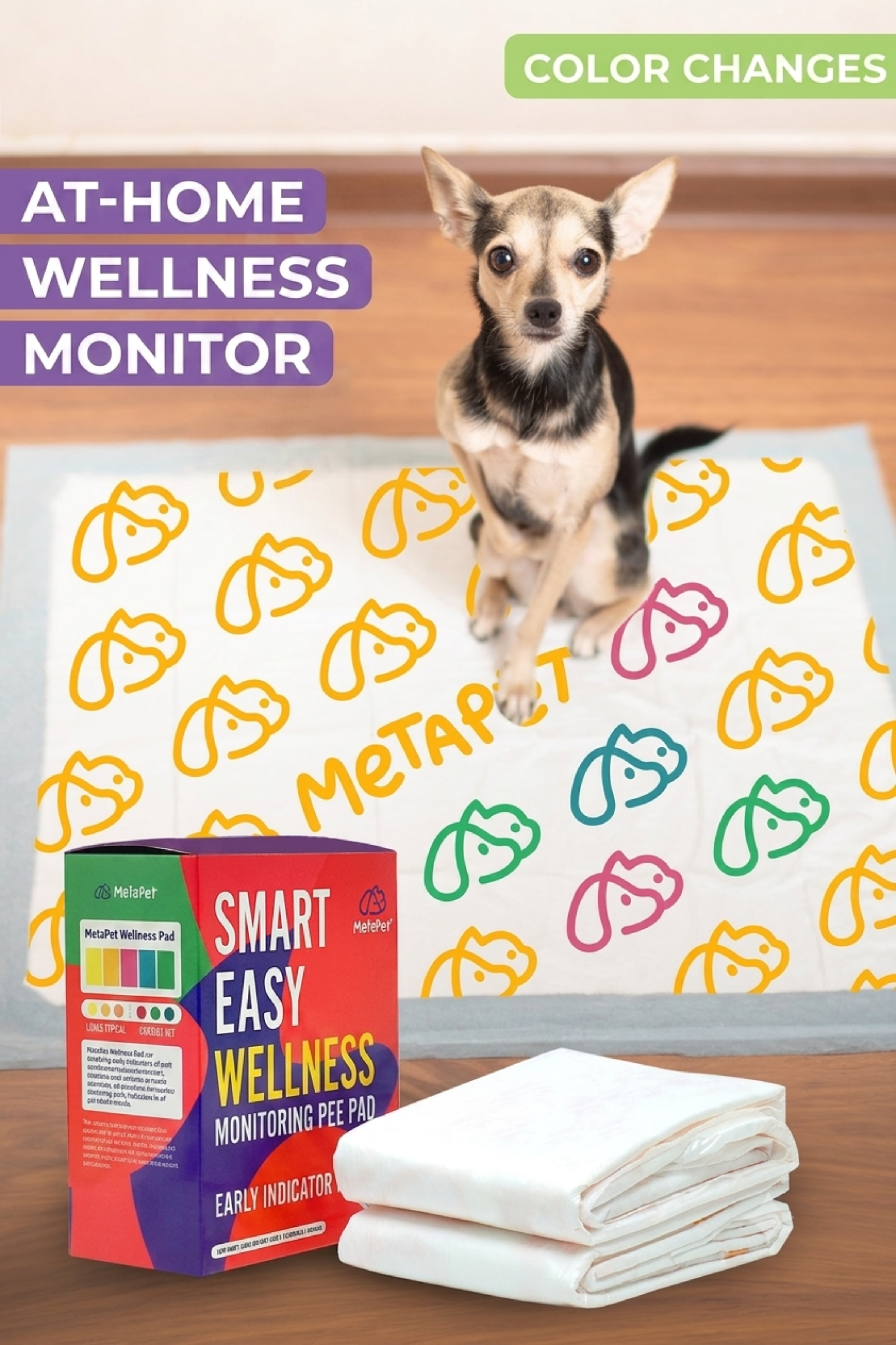
The MetaPet Smart Easy Check-Up Pee Pad is a large absorbent training pad (24×35 in / 60×90 cm, two per pack) with a color-changing indicator area. After your dog uses it, you compare the urine area with the color guide on the box. Follow the directions on the box. The color guide on the box indicates that yellow shades are typical, while pink, blue, or green shades suggest checking in with your vet. The suggested use is one pad roughly every 15 days for occasional at-home observation.
Be clear about its limits. This is an observation aid, not a diagnostic test. It does not detect, identify, or rule out any health problem, and a typical-looking result does not mean a dog is healthy. The indicator colors do not correspond to any particular finding or condition. A normal-looking result never overrules symptoms. Any color change, or any urinary sign at all, is a reason to call your veterinarian, who can examine your dog and decide which tests are needed.
A spray for household surfaces
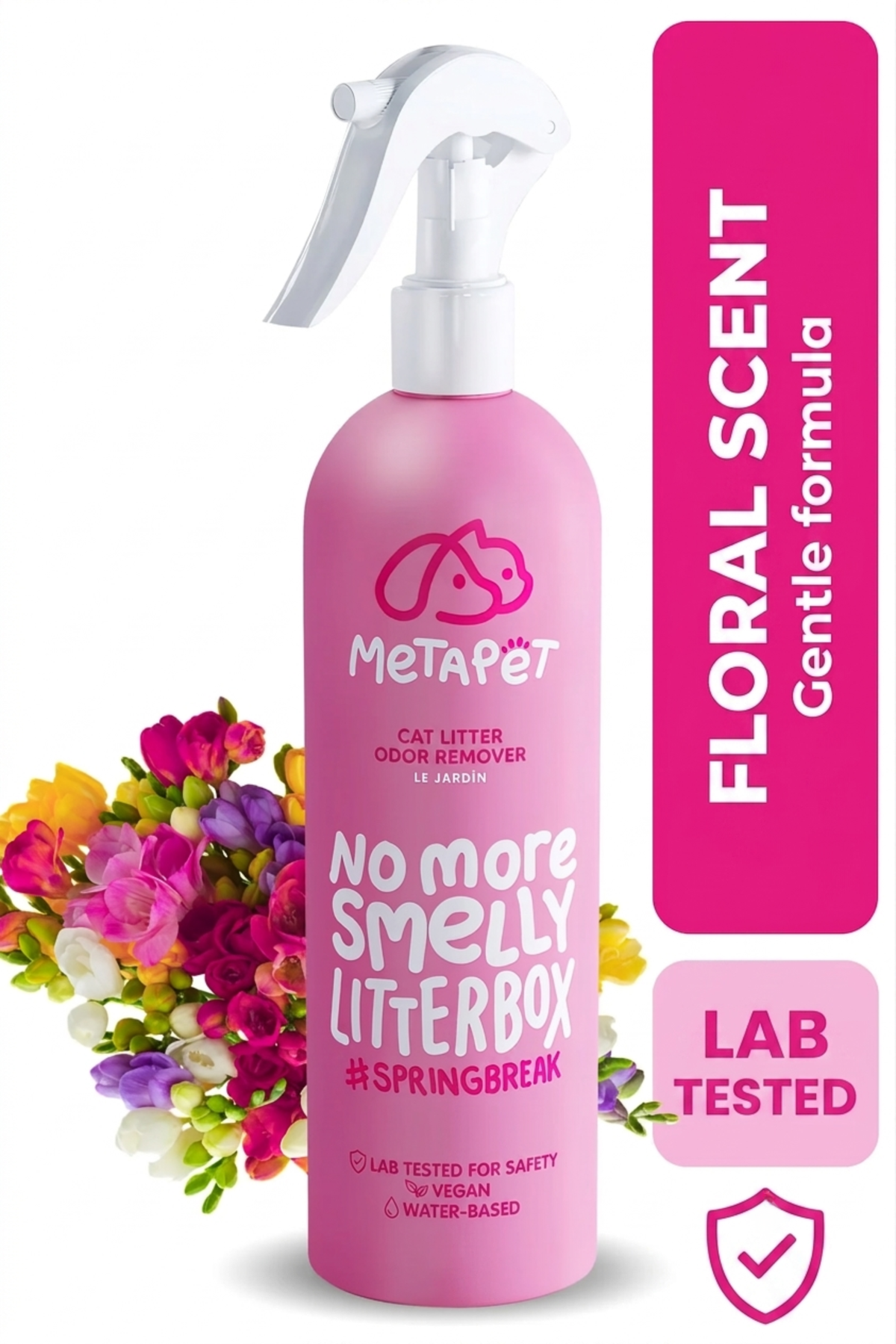
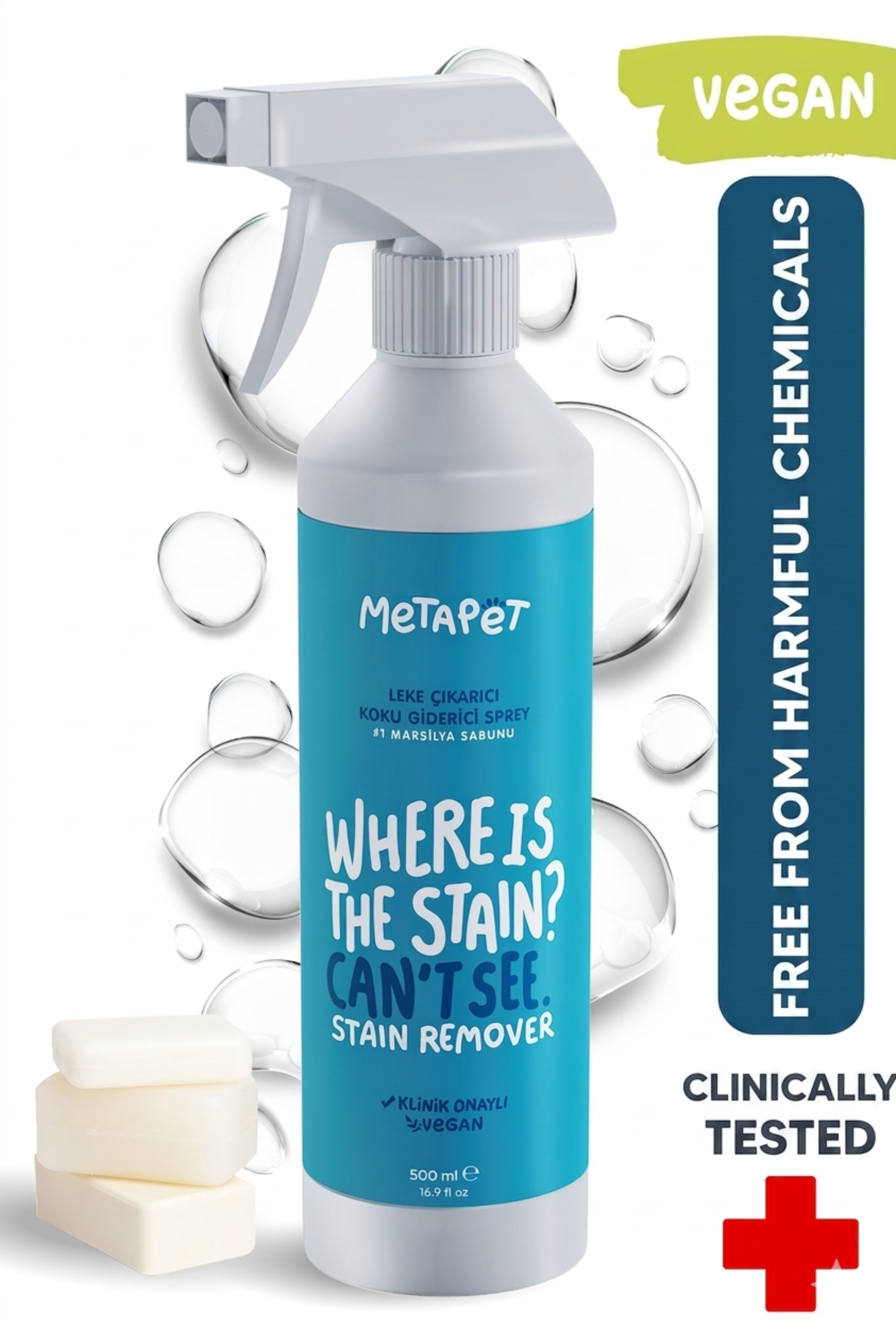
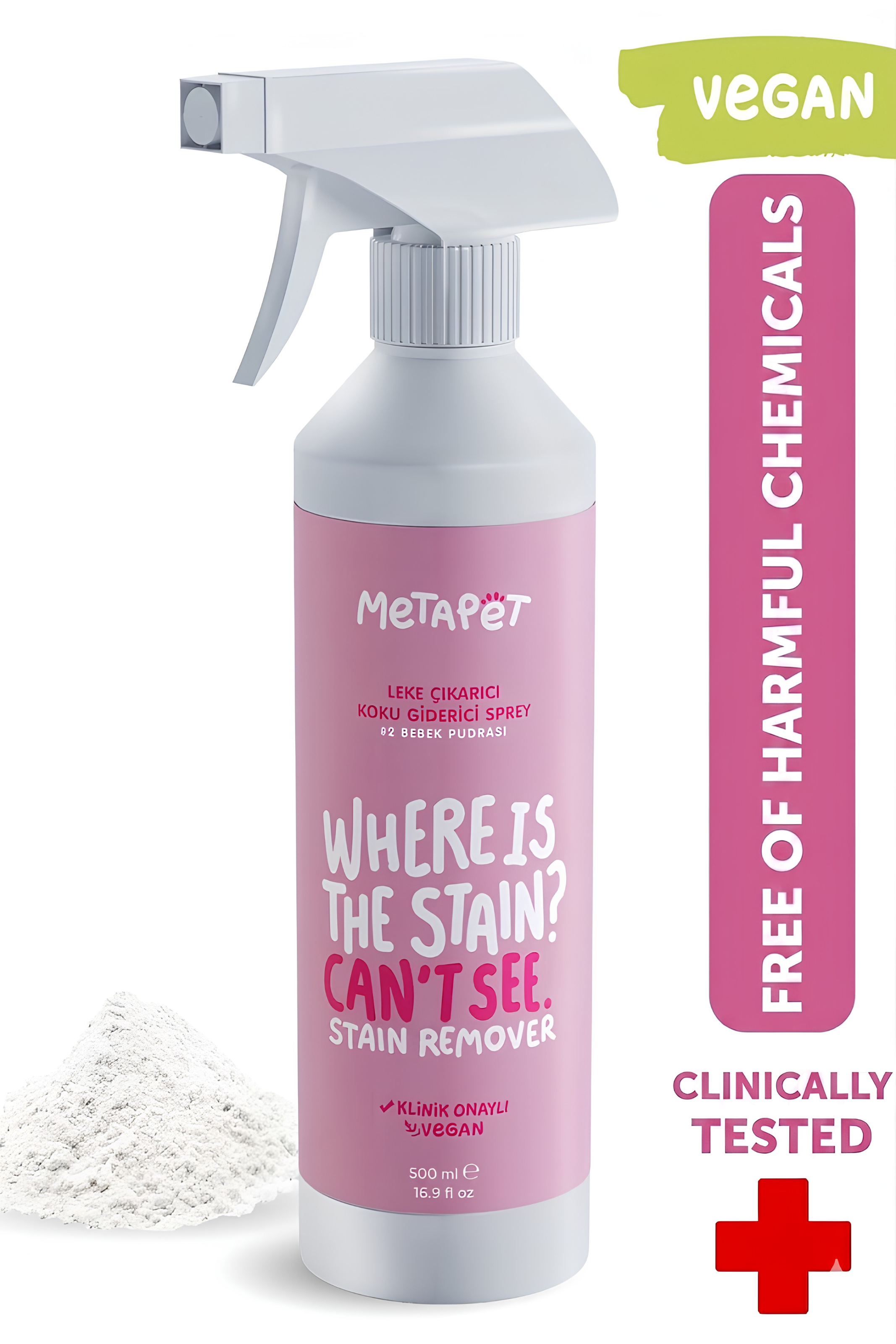
MetaPet Where Is The Stain I Can't See? is a pet stain remover and deodorizer spray for carpets, sofas, clothing, furniture, wood floors, tile, and other washable surfaces. It lifts tough pet marks such as urine, vomit, feces, and muddy paw prints while helping absorb odors and leaving a fresh scent. Shake it, spray the area, wait briefly, then wipe with a clean, slightly damp cloth. Test a hidden area first. It is for household surfaces only: never apply it to your pet, and store it away from pets and children.
When to Call Your Veterinarian
One benefit of pads is that you see your dog's urine daily, so changes are easier to spot. Urinary changes have many possible causes, and only an exam can sort them out. A visit usually involves a history, a physical exam, and a urine test, sometimes with bloodwork or imaging. Our urinalysis guide explains what the urine test looks at.
- Frequency: going far more often, or passing only small amounts each time.
- Straining or discomfort: squatting for a long time, whining, or licking the area repeatedly.
- Blood or a change in the urine itself: red, brown, or cloudy urine seen on a plain pad or outdoors.
- Strong or unusual odor: a clear change from your dog's normal.
- Sudden accidents in a trained dog: see our guide to house-soiling in adult dogs for the range of causes.
- Drinking much more: a noticeable rise in thirst along with larger puddles.
Emergency red flags: contact your veterinarian or an emergency clinic right away if your dog strains and produces little or no urine, cries out while trying to go, has a swollen or painful belly, is vomiting, or seems weak or collapsed. An inability to pass urine is life-threatening.
Frequently Asked Questions
How long does pee pad training take?
It varies with age, history, and consistency. Many puppies grasp the idea within weeks, but dependable habits often take months, and bladder control improves as a puppy matures.
Can a dog use pads and also go outdoors?
Yes. Keep the pad in one fixed place, use the same cue word in both settings, and reward both.
My dog goes right next to the pad. Why?
Common reasons are a pad that is too small, a pad that is already dirty, or front paws on and back end off. Try a larger pad or a tray with a raised edge, and reward only full hits.
Should I limit water to cut down on accidents?
No. Dogs need free access to fresh water through the day. If your dog seems to drink or urinate excessively, that is a reason for a veterinary exam.
Key Takeaways
- Pads suit young puppies, small dogs, apartment homes, frail dogs, bad weather, and long work shifts, with the trade-off that indoor toileting becomes an accepted habit.
- Choose one easy-to-clean spot away from food and bed, and use a holder.
- Take your dog to the pad after sleep, meals, and play; add a cue word; reward the instant the job is done; supervise or confine in between.
- Move the pad toward the door in small steps if outdoors is the goal, and never punish accidents.
- A color-indicator pad and a surface stain spray can be handy extras, but they complement veterinary care and never substitute for it.
- Changes in frequency, straining, blood, odor, thirst, or sudden accidents warrant a veterinary exam, and a dog who cannot pass urine needs emergency care.