Puppy Teething and Chewing: A Guide for Owners

Important: This article is general educational information and is not a substitute for an in-person veterinary examination. If your puppy has bleeding gums beyond normal teething, a retained baby tooth, broken teeth, swelling, or trouble eating, contact your veterinarian.
If your puppy has turned your shoes, table legs, and remote controls into chew toys, you are not alone — and your puppy is not being "bad." Teething and chewing are completely normal parts of puppyhood. The challenge for owners is to keep the puppy comfortable and safe while protecting belongings and teaching good habits that last a lifetime. This guide explains what happens during teething, why puppies chew, how to redirect the behavior kindly, and how to support healthy mouth development from the start.
With patience, the right outlets, and a few simple routines, the chewing chaos of puppyhood passes — and you end up with a well-mannered adult dog and a healthy mouth.
What Happens During Teething
Puppies are born without visible teeth. A set of baby teeth (often called deciduous or milk teeth) comes in during the first weeks of life, and these are later replaced by adult teeth as the puppy grows. During this transition, the gums can feel sore and itchy, and puppies instinctively chew to relieve the discomfort and to help loosen baby teeth. You may find tiny teeth around the house, or never see them at all because puppies often swallow them harmlessly.
By the time a puppy reaches the later months of its first year, most dogs have a full set of adult teeth. The exact timing varies between individuals, so use your veterinarian's guidance rather than a strict calendar. Teething is a normal developmental stage, not an illness, but it is a great moment to start lifelong dental habits.
Why Puppies Chew
Chewing serves several purposes, and understanding them helps you respond effectively rather than simply scolding:
- Teething relief: Gentle pressure on sore gums feels good during tooth eruption.
- Exploration: Puppies investigate the world with their mouths, much as human babies do with their hands.
- Boredom and energy: An under-stimulated puppy will invent its own entertainment, often at your furniture's expense.
- Anxiety or stress: Chewing can be self-soothing during unsettling moments.
Because chewing is a need rather than a flaw, the goal is never to stop a puppy from chewing entirely — it is to channel that natural drive toward appropriate items. Punishment tends to backfire, creating fear without teaching the puppy what to do instead.
Puppy-Proofing Your Home
Prevention is far easier than correction. Before your puppy has a chance to make a mistake, set the environment up for success:
- Remove temptations: Keep shoes, cords, children's toys, and small swallowable objects out of reach.
- Secure hazards: Tuck away electrical cords and block access to chemicals, houseplants, and trash.
- Use management tools: Baby gates, a playpen, or a safe confinement area limit unsupervised roaming.
- Supervise actively: When you cannot watch closely, use a crate or safe space to prevent rehearsing bad habits.
Every time a puppy successfully chews something off-limits, the behavior is reinforced, so reducing those opportunities is one of the most powerful things you can do during the teething months.
Offering the Right Chew Outlets
Give your puppy plenty of appropriate things to chew so the urge has somewhere to go. Choose items that are appropriately sized and durable for your puppy, and rotate them to keep interest fresh. Many owners find that gently chilling a suitable puppy-safe chew can feel soothing on tender gums. Always supervise chewing, inspect toys regularly, and discard anything that becomes small enough to swallow or that breaks into sharp pieces.
Be cautious with very hard items that could damage developing teeth, and avoid objects that splinter. If you are unsure whether a particular chew is appropriate for your puppy's size and stage, ask your veterinarian for recommendations. The right outlets make redirection much easier, because you can offer an acceptable alternative the instant your puppy reaches for something off-limits.
How to Redirect Chewing Kindly
Redirection is the heart of teething management. The technique is simple and consistent: when your puppy chews something inappropriate, calmly interrupt, remove the item, and immediately offer an acceptable chew. The moment your puppy takes the right object, praise warmly. Over many repetitions, the puppy learns which items earn approval and feel good to chew.
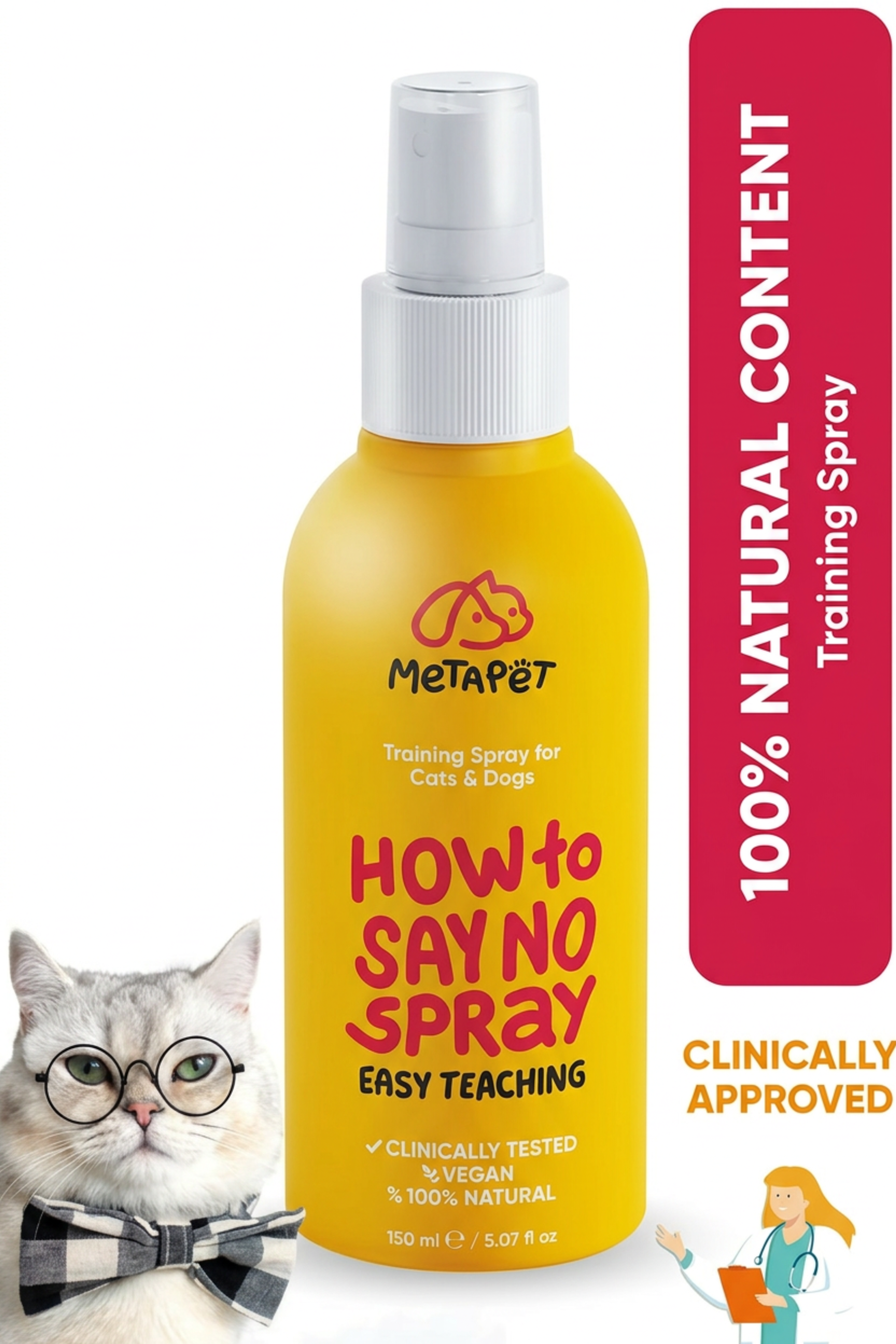
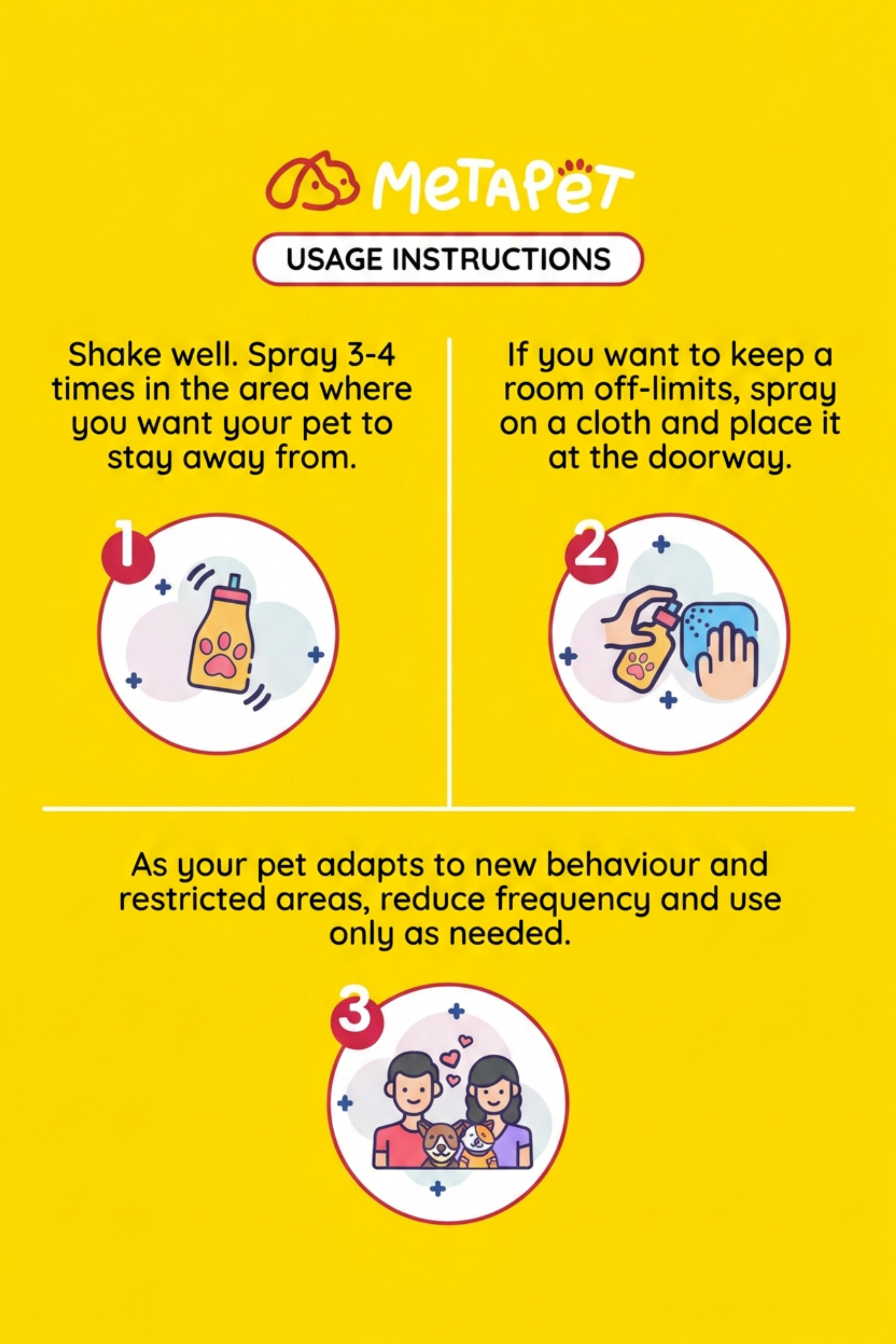
For areas or objects you cannot move, a training aid can help signal "this is not for chewing." MetaPet's How to Say No pet repellent training spray is made with naturally derived ingredients and is designed to act as a gentle signal to help guide your puppy away from specific spots, such as a chair leg or rug edge. Used as directed and always paired with plenty of approved chew options and positive reinforcement, a training spray can be a helpful, optional part of a redirection routine. It is a training aid that supports your guidance — not a substitute for supervision, exercise, and consistent teaching.
Consistency from everyone in the household is key. If one person allows shoe-chewing while another forbids it, the puppy receives mixed messages. Agree on the rules together and keep approved chews handy in every room.
Managing Nipping and Mouthing
Teething puppies often nip at hands, ankles, and clothing. This is normal, but it should be guided early so it does not persist into adulthood. Helpful approaches include:
- Redirect to a toy: Offer a chew the moment teeth meet skin, so hands become boring and toys become fun.
- Use a calm pause: If nipping continues, briefly end the interaction so the puppy learns that teeth on skin make the fun stop.
- Avoid rough hand play: Wrestling with hands teaches puppies that hands are toys.
- Channel energy: A tired puppy nips less, so ensure enough age-appropriate play and rest.
If nipping is intense, escalating, or you are struggling, a positive-reinforcement trainer or your veterinarian can help. Early, gentle guidance pays off enormously.
Starting Lifelong Dental Habits
The teething period is the perfect time to get your puppy comfortable with having its mouth handled, which sets the stage for a lifetime of easier dental care. Start slowly and make it positive: gently touch the muzzle and lift the lips for a second, then reward. Gradually build up to introducing tooth brushing with a pet-appropriate toothbrush and toothpaste formulated for dogs, going at your puppy's pace over days and weeks.
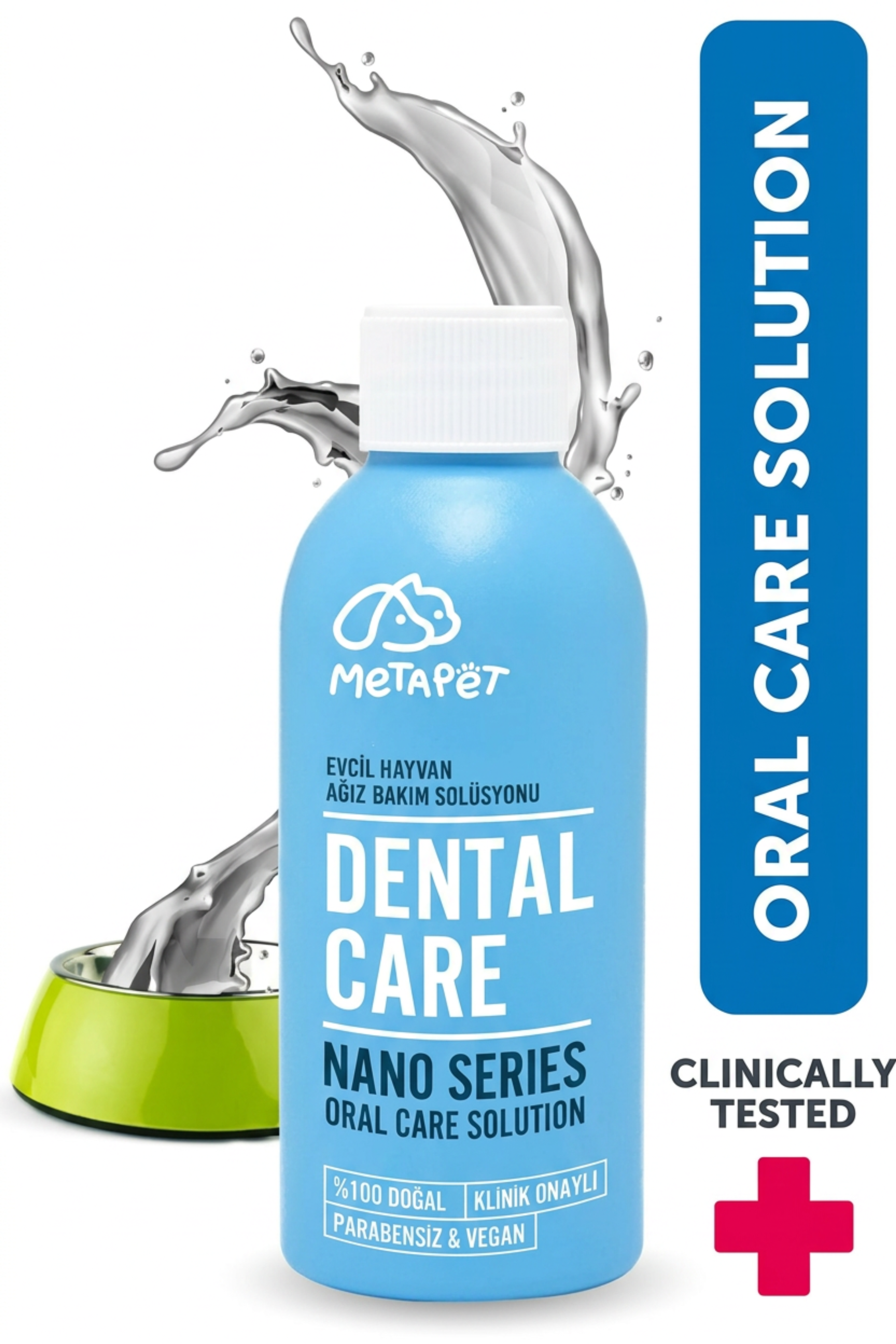
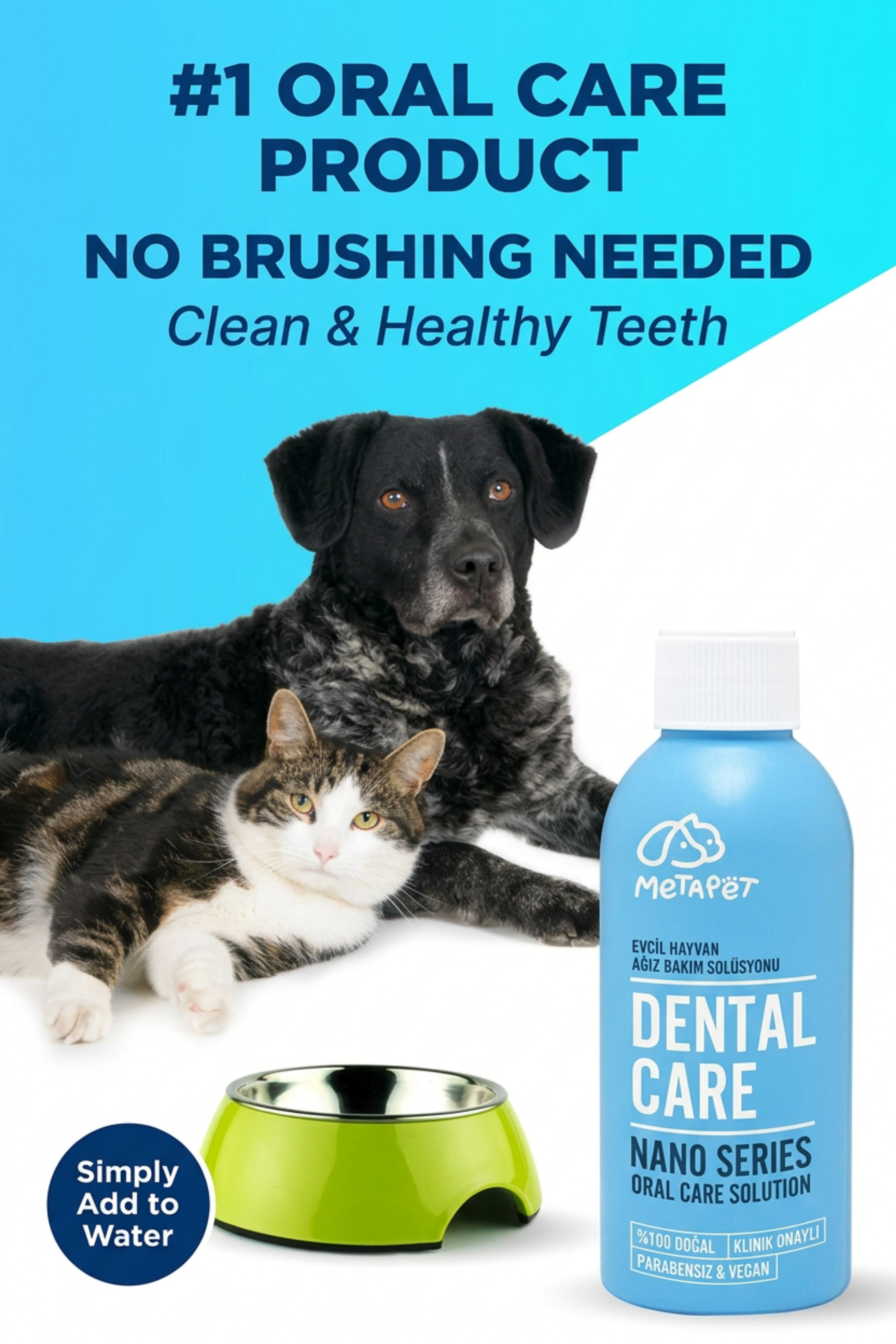
As part of an everyday freshness routine, some owners also like a water additive. MetaPet's Nano-Series Dental Care water additive is an oral care water additive designed to help support everyday mouth freshness and clean-looking teeth. Used as directed, it can be a convenient, optional complement to brushing and routine care — it is not a treatment for dental disease and does not replace veterinary dental checks or professional cleaning when those are needed. If you ever notice persistent bad breath, red or bleeding gums beyond normal teething, broken teeth, or reluctance to eat, see your veterinarian, as these can signal problems that need professional attention.
When to Call the Veterinarian
Most teething is uneventful, but some situations deserve professional attention. Contact your veterinarian if you notice:
- A baby tooth that has not fallen out while the adult tooth is coming in (a retained tooth), which can cause crowding.
- Broken, discolored, or painful teeth.
- Persistent bleeding, swelling, or a foul odor from the mouth.
- Difficulty eating, dropping food, or pawing at the mouth.
- Swallowing a foreign object or signs of intestinal upset after chewing something it should not have.
Your veterinarian can check that adult teeth are erupting correctly and address any problems early, which protects your puppy's long-term oral health.
Myths and Facts
Myth: A chewing puppy is being spiteful. Fact: Chewing is a normal, necessary behavior, not revenge. The fix is redirection and management, not punishment.
Myth: Punishing chewing teaches the lesson fastest. Fact: Punishment often creates fear and confusion. Calm redirection to appropriate chews works better and preserves trust.
Myth: Once adult teeth arrive, chewing stops. Fact: Chewing decreases after teething but remains a lifelong need; adult dogs still benefit from appropriate chew outlets.
Myth: Harder is always better for chews. Fact: Excessively hard objects can damage teeth. Choose appropriate, supervised options and ask your veterinarian if unsure.
Frequently Asked Questions
How long does teething last?
Teething unfolds over several months as baby teeth give way to adult teeth, with most dogs having a full adult set by the later part of their first year. Timing varies, so check with your veterinarian about your individual puppy.
Is it safe to give frozen items to soothe gums?
Gently chilled, puppy-safe chews can feel soothing for some puppies, but avoid anything rock-hard that could harm teeth. Supervise use and ask your veterinarian for suitable options.
My puppy swallowed a baby tooth — is that a problem?
Puppies frequently swallow baby teeth harmlessly. If you have concerns, or if you notice retained baby teeth alongside adult teeth, mention it to your veterinarian at the next visit.
When should I start brushing my puppy's teeth?
You can begin getting your puppy comfortable with mouth handling early, then gradually introduce brushing with pet-appropriate products. Your veterinarian can demonstrate technique and timing.
The Bottom Line
Teething and chewing are normal, healthy parts of growing up, not misbehavior. As baby teeth give way to adult teeth over the puppy's first year, sore gums drive a natural urge to chew — and your job is to guide that urge rather than fight it. Puppy-proof your home to prevent mistakes, provide plenty of appropriately sized and supervised chew outlets, and redirect kindly and consistently whenever your puppy reaches for something off-limits. Manage nipping with calm, positive techniques, and start gentle mouth-handling and brushing habits now to make a lifetime of dental care easier.
Helpful products can support these routines as optional extras: a training aid such as MetaPet's How to Say No spray can reinforce "not for chewing" in specific spots, and a water additive like the Nano-Series Dental Care water additive can complement brushing for everyday freshness. Used as directed, these support — but never replace — supervision, training, and veterinary dental care. If you spot retained baby teeth, broken or painful teeth, persistent bleeding, swelling, or trouble eating, check in with your veterinarian. With patience and consistency, the teething months pass, leaving you with a confident, well-mannered dog and a healthy, comfortable mouth.