
Helping a Shy or Fearful Cat Gain Confidence
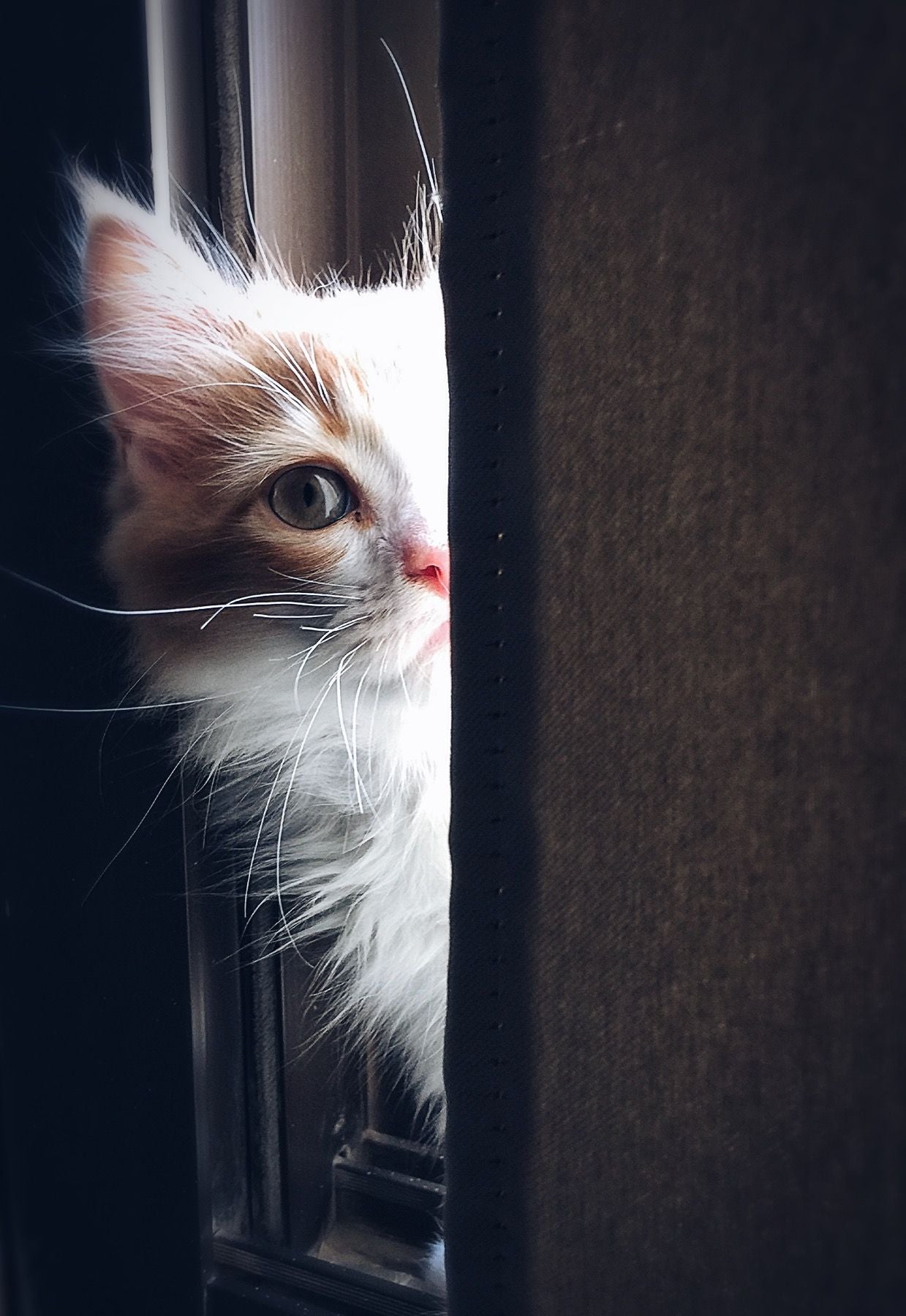
Every cat lover knows one: the cat that lives under the bed, flattens at footsteps, and vanishes when the doorbell rings. Shy and fearful cats are heartbreakingly easy to misread — owners assume the cat dislikes them, when in truth the cat simply does not yet feel safe enough to show who it is.
Fearfulness in cats has many roots: limited handling during the critical socialization window of two to seven weeks of age, genetics, a startling event, a chaotic shelter stay, or simply a sensitive temperament. Whatever the origin, the path forward is the same — and it works far more often than frustrated owners expect. Confidence is built, not demanded.
This guide covers how to read feline fear, set up a home that feels safe, use food and play to build trust, apply gentle desensitization, and decide when professional help or calming support makes sense.
Important: This article shares general educational information for pet owners and is not a substitute for an in-person veterinary examination, diagnosis, or treatment. For any medical concern or emergency, contact your veterinarian promptly.
Reading Fear Before You Can Fix It
- Body language: crouched posture, tucked tail, flattened ears, dilated pupils, and a tense 'ready to flee' stance.
- Hiding: under furniture, in closets, behind appliances — the defining behavior of the fearful cat.
- Freezing or fleeing: at sounds, movement, visitors, or sudden approaches.
- Appetite suppression: fear shuts down eating; a cat too scared to eat is a cat over its stress threshold.
- Defensive reactions: hissing, swatting, or growling when cornered — fear wearing armor, not aggression for its own sake.
- Overgrooming or under-grooming: chronic stress often shows in the coat.
Two cautions before any training plan. First, sudden fearfulness in a previously confident cat can signal pain or illness, so a veterinary check is the correct first step for a behavior change. Second, distinguish shy-but-socialized cats from truly feral adults; the techniques below help both, but timelines and realistic goals differ enormously.
The Golden Rule: Let the Cat Set the Pace
Nearly every mistake owners make with fearful cats comes from moving faster than the cat can tolerate — pulling the cat out of hiding, forcing lap time, cornering it for petting, or flooding it with attention. Each forced interaction confirms the cat's fear that humans are unpredictable and controlling. Progress made this way is an illusion; the cat is not calm, it is frozen.
The counterintuitive secret is to become boringly, reliably safe. Sit in the room reading aloud in a soft voice. Avoid direct eye contact — a slow blink now and then is fine, since cats read it as friendly. Let the cat watch you from cover for as many days as it needs. When the cat chooses to approach, resist the urge to grab the moment; let it sniff and leave. Choice is the engine of feline confidence.
Building a Home That Feels Safe
- Sanctuary room first: for new or overwhelmed cats, one quiet room with food, water, litter, hiding spots, and a scratching post beats free run of a scary house.
- Hiding places everywhere: boxes on their sides, covered beds, gaps behind furniture — a cat that can hide recovers faster than one that cannot.
- Vertical territory: shelves, cat trees, and window perches let a nervous cat observe life from height, which cats find inherently safer.
- Predictable routine: feed, clean, and play at the same times daily; predictability is calming to fearful animals.
- Sound management: keep televisions and music moderate, warn the cat with a soft word before you enter a room, and give the vacuum schedule some mercy.
- Resource spacing: in multi-pet homes, separate feeding stations and litter boxes so the shy cat never has to run a gauntlet.
Never punish fear — no spray bottles, scolding, or dragging from hiding spots. Punishment cannot teach safety; it only proves the danger was real.
Food: The Fastest Road to Trust
Food is the one currency every cat values, which makes mealtimes your best training sessions. Begin by simply being present, quiet and still, while the cat eats at a comfortable distance. Over days, sit slightly closer. When that is easy, toss a treat gently toward the cat and look away; over time shorten the throw until treats are eaten near you, then eventually from your open palm resting on the floor.
Work in tiny increments and end every session on success. Special high-value items — a lick of plain cooked chicken, a favorite paste treat — are reserved exclusively for these sessions so your presence predicts jackpots. If the cat will not eat with you in the room, you are too close; add distance rather than coaxing. A fearful cat's appetite is your honest progress meter.
Play Therapy for Confidence
Predatory play bypasses fear in a way petting never can, because a cat absorbed in stalking a wand toy has shifted from prey-mindset to predator-mindset. Use long wand toys at first — they let the cat engage while keeping distance from you — and drag the lure away from the cat in slow, erratic prey-like movements. Many shy cats will play from under the bed long before they will emerge for affection.
Keep sessions short and end with a 'catch' so the cat wins. Daily hunting games, ideally at the same times, burn stress hormones, build positive associations with your presence, and give the cat a sense of competence. For many fearful cats, the first paw-swipe at a feather is the visible turning point of the whole journey.
Gentle Desensitization to Scary Things
For specific triggers — visitors, carriers, the doorbell — the tools are desensitization and counterconditioning: exposure so mild the cat barely reacts, paired immediately with something wonderful, repeated over many short sessions. For visitor fear, that might mean one calm guest who ignores the cat completely while treats rain down at the cat's chosen distance.
The art is staying under threshold: if the cat flattens, hides, or stops taking food, the trigger was too close or too intense, and the session should be eased, not pushed. Progress is measured in weeks, and a single overwhelming event can cost real ground — which is why controlled setups beat surprise exposures every time.
Calming Support: What Helps and What to Expect
Environmental and product-based calming aids can take the edge off while training does the real work. Synthetic feline facial pheromone diffusers are widely used in rooms where the cat spends time. Some owners also add gentle supplement-style support: MetaPet's Heyy Calm Down natural calming drops for cats are designed to help support relaxation and ease occasional stress as part of a broader routine — useful around triggers like guests, travel, or household changes. Any calming product is a complement to patient behavior work and appropriate veterinary care, not a substitute, and results vary between individual cats; check with your veterinarian before adding supplements, especially for cats with health conditions.
Scent strategy helps too: leave a worn t-shirt near the cat's resting spot, avoid strong cleaning fragrances in sanctuary areas, and let the cat's own cheek-rubbed scent accumulate on furniture rather than scrubbing it away weekly. Familiar smell is feline security.
Special Cases: New Adoptions and Multi-Cat Homes
Newly adopted adults deserve special patience. The common '3-3-3' rhythm — three days of overwhelm, three weeks of settling, three months to feel at home — is a rough map, and shy cats often need longer at every stage. Start in the sanctuary room, expand territory gradually, and treat setbacks after moves, guests, or vet visits as normal waves rather than failures.
In multi-cat homes, a confident resident can keep a shy newcomer pinned in social defeat without a single visible fight — blocked doorways and hard stares are enough. Watch traffic patterns, provide duplicate resources in separate zones, and run formal, gradual introductions. Sometimes the kindest gift for a fearful cat is simply a guaranteed private territory.
Handling, Visitors, and the Outside World
Once a shy cat tolerates your presence, teach the world's other demands gradually. Practice brief, treat-paired touches only where the cat enjoys them — usually cheeks and chin, rarely belly — and stop while the cat still wants more. Carrier training deserves special attention: leave the carrier out permanently as a feeding station and bed, so the single scariest object in a fearful cat's life becomes furniture.
Coach visitors to be terrible cat magnets: no approaching, no reaching, no eye contact. Ironically, the guest who ignores the cat completely is the one most likely to earn an investigation. Ask guests to toss a treat casually in the cat's direction and go back to their conversation — many shy cats make their first public appearance on exactly these terms.
When to Call in Professionals
Seek veterinary help promptly if fear comes with not eating for more than a day, litter box avoidance, vomiting, overgrooming to bald patches, or any physical signs — and remember that pain is a master mimic of anxiety. For severe or stuck cases, ask for a referral to a veterinary behaviorist or qualified feline behavior consultant; in some cats, prescription anti-anxiety support under veterinary guidance is the humane bridge that finally lets training work.
Getting help early is wisdom, not defeat. Chronic fear is a welfare issue in itself, and the longer rehearsed, the more entrenched it becomes.
Progress Looks Like This
Confidence returns in small, unmistakable signals: eating while you are in the room, a tail carried higher, ears forward more often, hiding closer to the family rather than deeper in the closet, the first slow blink returned, the first voluntary flop within sight of you. Keep a simple journal — day-to-day change is invisible, but month-to-month change will astonish you.
Not every fearful cat becomes a lap cat, and that is a fine outcome. The goal is a cat that feels safe in its own home, moves freely, eats happily, and interacts on its own terms. Many of the most devoted feline bonds on record began with a pair of eyes glowing warily from under a bed.
Frequently Asked Questions
How long until my shy cat trusts me?
Anywhere from weeks to a year depending on history, genetics, and your consistency. Cats with poor early socialization improve more slowly but almost always improve when given choice, routine, and food-based trust work.
Should I force my cat out from under the bed?
No — forced exposure deepens fear. Make the room rewarding, run play and treat sessions at the cat's distance, and let emergence be the cat's idea. Hiding time shrinks as safety grows.
Do calming products replace training?
No. Pheromones and calming supplements may help take the edge off for some cats, but lasting confidence comes from environmental safety, routine, and gradual positive experiences — with veterinary guidance for the tough cases.




















































































