Fast Eaters: Slowing Down Mealtime for Dogs and Cats
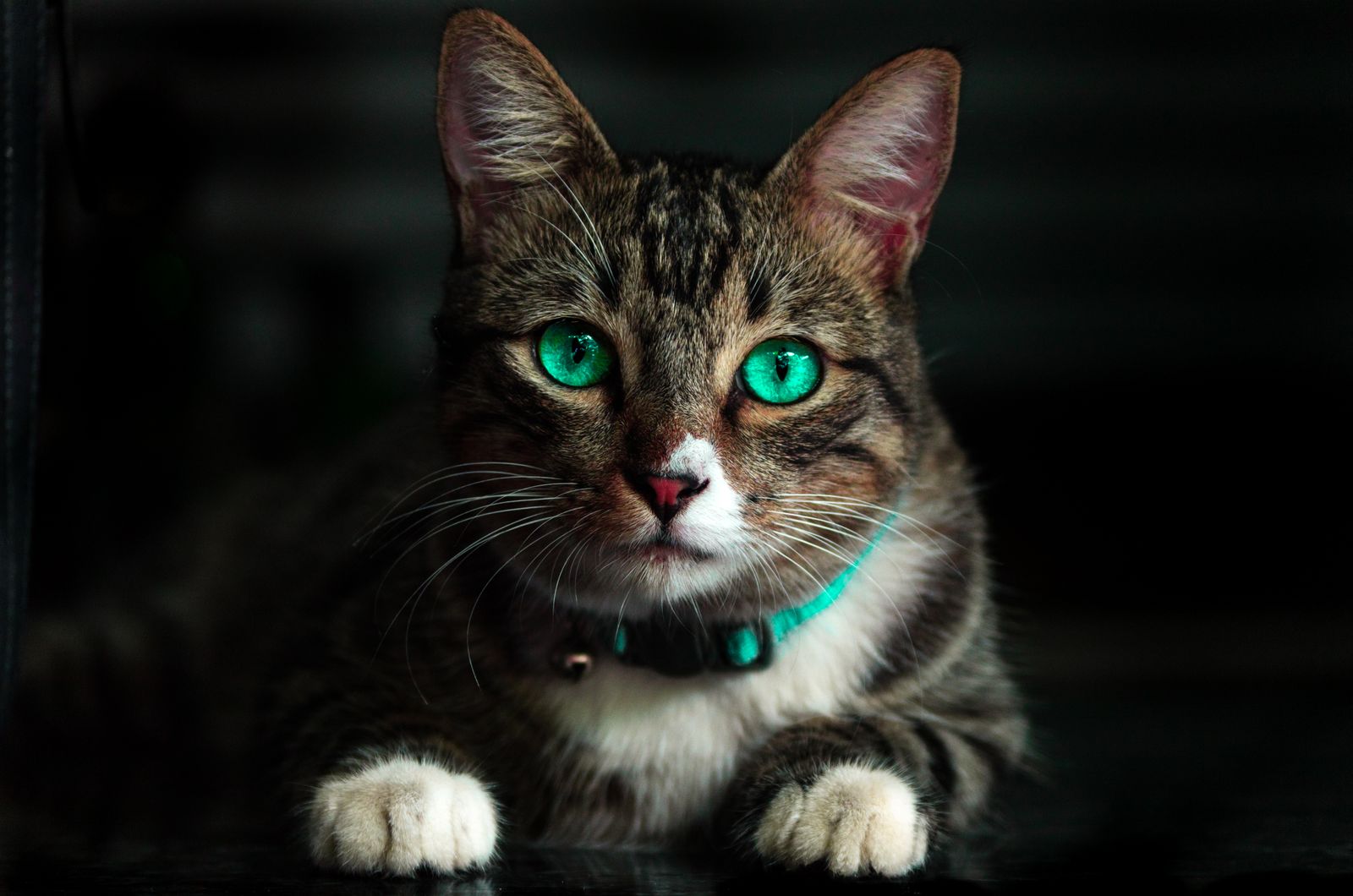
Put the bowl down, blink, and it is empty: some dogs and cats treat every meal like a race against invisible competitors. Speed-eating looks comical, but it is one of those everyday habits with real health consequences — from vomiting and choking to, in dogs, an association with one of veterinary medicine's true emergencies.
The instinct itself is ancient. In litters, the slow eater got less; in the wild, an unguarded meal was a lost meal. Shelter stays, competitive multi-pet households, and irregular feeding schedules can all sharpen the urgency. The good news is that mealtime speed is one of the easiest pet behaviors to change, because you control every variable that matters.
This guide explains why gulping is a problem, which pets are at highest risk, and a full toolbox of fixes — slow feeders, puzzle bowls, scatter feeding, schedule changes, and multi-pet management — to turn frantic meals into calm ones.
Important: This article shares general educational information for pet owners and is not a substitute for an in-person veterinary examination, diagnosis, or treatment. For any medical concern or emergency, contact your veterinarian promptly.
Why Speed-Eating Is a Problem
The most immediate consequences are mechanical. Food swallowed in gulps arrives in the stomach barely chewed, along with impressive amounts of air. The result is the familiar pattern of eating followed minutes later by regurgitation — often promptly re-eaten, to owners' horror — plus burping, hiccups, and discomfort. Barely-chewed kibble is also easier to choke on, particularly for enthusiastic dogs that inhale rather than eat.
Gulping air and food also distends the stomach rapidly, which matters most for dogs. In deep-chested breeds, rapid eating is widely recognized as a risk factor associated with gastric dilatation-volvulus (GDV or 'bloat'), a life-threatening emergency in which the stomach expands and can twist. Fast eating alone does not cause every case, but slowing meals is one of the practical risk-reduction steps veterinarians commonly recommend for predisposed dogs.
Scarf and Barf: The Cat Version
Cat owners know the ritual by its unglamorous nickname: the cat 'scarfs' a meal, walks a few steps, and brings it straight back up, undigested and tube-shaped. This is regurgitation — a passive, effortless return of food that never reached serious digestion — and in fast-eating cats it often traces to a stomach suddenly overloaded with cold, dry, rapidly swelling kibble.
It matters to distinguish regurgitation from true vomiting, which involves abdominal heaving, and from hairball episodes. Occasional scarf-and-barf in an otherwise thriving cat is usually a mealtime-mechanics problem you can fix with the tools below. Frequent vomiting of any kind, weight loss, lethargy, or appetite change is a different story that belongs at the veterinary clinic, since it can reflect conditions well beyond eating speed.
First, Rule Out the Medical Angles
Before treating gulping as pure behavior, ask why the hunger is so sharp. A pet that suddenly becomes ravenous after years of normal eating deserves a veterinary conversation — several medical conditions and some medications genuinely increase appetite, and intestinal parasites can drive food obsession in young animals. Dental pain can paradoxically speed eating too, as pets learn to swallow kibble whole rather than chew on a sore tooth.
Also review the basics with your veterinarian or the feeding guide: is the daily portion actually adequate for the pet's size and activity? Is it split into enough meals? A dog fed once daily has had 23 hours to build desperation; the same calories in two or three meals produce a very different mindset at the bowl.
Slow Feeder Bowls: How to Choose and Use Them
Slow feeder bowls — with ridges, spirals, and mazes molded into the base — are the simplest fix and often cut eating time from seconds to several minutes. For dogs, choose a size and pattern matched to snout length: flat-faced breeds need shallow, wide patterns, while long-nosed dogs can work deeper mazes. For cats, look for shallow designs that respect whisker sensitivity; a cat that must cram its face into deep channels may simply refuse.
- Start easy: an overly hard maze frustrates pets into giving up; begin with a simple pattern and upgrade as skill grows.
- Watch the first meals: a determined dog may flip the bowl or chew the obstacles; choose heavy, stable, appropriately sized designs.
- Keep it clean: ridged bowls trap residue, so wash them as often as regular dishes.
- Rotate designs: two or three different feeders keep the challenge fresh once pets learn the route.
- Mind the material: choose sturdy, food-safe products and retire any feeder with cracked or chewed-off pieces.
Puzzle Feeders and Food-Dispensing Toys
One step beyond the slow bowl are puzzle feeders: balls and toys that release kibble as the pet rolls, paws, or nudges them, and lick mats that hold soft food in textured grooves. These stretch a two-minute meal into a fifteen-minute project and feed the brain along with the stomach — a genuine two-for-one, since under-stimulated pets are disproportionately the frantic eaters.
For cats, food-dispensing balls tap directly into hunting instincts; many behaviorists suggest that working for food is closer to a cat's natural style than bowl-feeding ever was. Introduce any puzzle at its easiest setting with a few high-value treats so the pet wins quickly, then build difficulty. Feed anxious learners part of the meal from a normal-speed source at first so frustration never boils over.
No-Equipment Methods That Work Tonight
- Scatter feeding: toss the meal's kibble across a clean floor or, for dogs, the lawn; hunting each piece slows eating dramatically and doubles as sniffing enrichment.
- Snuffle mats: fabric mats with dense fleece strips that hide kibble; excellent for dogs and enjoyed by many cats.
- Muffin tins and egg cartons: distribute food across a dozen small wells; add tennis balls on top for dogs that need extra difficulty.
- Hand-feeding sessions: for extreme gulpers, feeding portions by hand doubles as training time and completely controls pace.
- Smaller, more frequent meals: three or four small meals beat one or two large ones for urgency, and for at-risk deep-chested dogs many veterinarians favor splitting meals anyway.
- Rest after meals: especially for large deep-chested dogs, keep the hour after eating calm — no sprinting or roughhousing on a full stomach.
Fixing the Multi-Pet Pressure Cooker
In many homes the root cause of speed-eating is sitting three feet away, eyeing the bowl. Pets that feel their food can be stolen eat accordingly. The most reliable fix is enforced privacy: feed competitors in separate rooms or crates with doors closed, and only reunite them when every bowl is empty and picked up. Within weeks, the certainty that no one is coming often visibly relaxes the frantic eater.
In cat households, add vertical and spatial separation — one cat feeding on a counter, another across the room — and consider microchip-activated feeders when one cat raids another's diet. Never free-feed a household where one pet gulps and another grazes; the gulper will simply manage everyone's calories, badly.
Special Cases Worth Extra Care
- Deep-chested dog breeds: for breeds built like Great Danes, Weimaraners, and Standard Poodles, discuss bloat risk factors and prevention — including eating speed and meal frequency — directly with your veterinarian.
- Flat-faced pets: brachycephalic dogs and cats manage airflow while eating less efficiently; shallow slow feeders and calm mealtimes help them pace safely.
- Puppies and kittens: litters learn competition early; separate feeding from the start builds lifelong calm eaters.
- Seniors and dental patients: check that speed has not replaced chewing because chewing hurts; softened food and a dental exam may matter more than any gadget.
- Formerly stray or shelter pets: food insecurity leaves deep marks; absolute schedule consistency and private feeding spots rebuild trust faster than anything else.
Building the Calm Mealtime Routine
Combine the tools into a predictable ritual: same times daily, same private location, a brief sit or calm moment before the bowl goes down, food served in a slow feeder or scattered, and quiet time afterward. Predictability itself lowers urgency — a pet that knows exactly when the next meal comes has far less reason to inhale this one.
Measure progress simply: time the meal. If dinner took forty-five seconds last month and takes six minutes now, you have already changed the physiology of the meal — smaller air load, better chewing, slower stomach fill. Most households see that shift within the first week or two of consistent changes.
Water, Treats, and the Rest of the Day
Gulpers often bring the same urgency to everything consumable. Watch water intake after exercise: letting a hot, panting dog tank up an entire bowl in seconds invites the same air-swallowing and discomfort as gulped food, so offer moderate amounts with short pauses after hard play. Treats deserve the slow-down treatment too — several tiny pieces delivered one at a time beat one large biscuit inhaled whole, and choking risk drops accordingly.
Chews and edible treats should always be matched to the pet's size and supervised for a determined swallower; a dog that bolts food will also try to swallow the last chunk of a chew whole. If your pet has a history of swallowing objects or unchewed food pieces, mention it at your next wellness visit so your veterinarian can tailor advice to that specific habit.
When to Call Your Veterinarian
Book a visit if fast eating comes with frequent regurgitation or vomiting, weight loss despite a good appetite, sudden appetite increase in an adult pet, coughing or gagging during meals, or difficulty swallowing. These patterns can point to conditions that no slow feeder will fix, and they are far easier to address early.
Know the emergency picture too, especially for dog owners: unproductive retching, a visibly swelling or hard belly, sudden restlessness and drooling after a meal are classic warning signs of bloat and mean an immediate trip to the nearest open veterinary clinic — minutes matter. It is a rare event, but it is the reason the humble slow feeder deserves more respect than it gets.
Frequently Asked Questions
My dog finishes meals in under ten seconds. Is that really harmful?
It is worth changing. Even setting aside the bloat association in at-risk breeds, gulping increases regurgitation, choking risk, and swallowed air. A slow feeder typically stretches the same meal to several minutes with zero downsides.
My cat throws up right after eating but seems fine. Slow feeder or vet?
If it is occasional, effortless regurgitation of undigested food in an otherwise healthy cat, try mealtime fixes first: smaller portions, a shallow slow feeder, elevated dish, and separation from other pets. If episodes are frequent, forceful, or paired with any other change, see your veterinarian.
Are slow feeders frustrating or unkind?
Introduced at the right difficulty, most pets engage happily — working for food is natural behavior. Watch the first sessions: brief effort and success is the goal, not a puzzle so hard the pet walks away hungry.