Grooming a Newly Adopted Dog: First Baths and Brushing Tips

Bringing home a newly adopted dog is exciting, and it is natural to want to wash away the shelter smell and brush out every tangle on the first afternoon. Resist that urge for now. Your new companion does not yet know you, and a bath or long brushing session too early can turn grooming into something your dog learns to fear. This guide focuses on the first weeks: when to start, how to build trust through gentle handling, what to check with your veterinarian first, and how to make the first bath and brushing sessions positive. For the bigger picture of settling in, see our guide to the first thirty days with a rescue dog.
Important: This article shares general educational information for pet owners and is not a substitute for an in-person veterinary examination, diagnosis, or treatment. For any medical concern or emergency, contact your veterinarian promptly.
Let Your New Dog Decompress First
Most adopted dogs arrive with an unknown grooming history. Some take grooming in stride; others were rarely handled or associate restraint with frightening experiences. You cannot tell which until you get to know each other.
Spend the first days on decompression. Offer a quiet space, a predictable schedule for meals, walks and rest, and chances to approach you on their own terms. Grooming that is not urgent can usually wait.
Unless your dog is soiled with something that needs removing, or your veterinarian advises otherwise, a full bath is rarely urgent early on. A quick wipe of muddy paws or a light brush of a short coat is fine if your dog is relaxed about it. Heavy matting, overgrown nails that affect walking, or skin that looks sore call for a veterinary or professional grooming appointment rather than a home solution.
Start With a Veterinary Visit Before the First Bath
A first veterinary exam is one of the most useful things to schedule after adoption, ideally before the first full bath. Shelter records do not always tell the whole story, and a bath can wash away clues your veterinarian would want to see.
- Skin and coat: your veterinarian can look for redness, flaking, sores or hair loss that may need attention.
- Ears: an ear check can reveal debris, odor or discomfort that would make ear handling painful at home.
- Parasites: your veterinarian can check for external and internal parasites and recommend an appropriate parasite control plan.
- Medicated care: if your dog needs a medicated shampoo or other prescription product, your veterinarian decides that, and you should use it only as prescribed by your veterinarian.
If the exam turns up a concern, follow that plan first and hold off on cosmetic products until your veterinarian says they fit in.
Building Trust Through Gentle Handling
Grooming is really a handling skill. Before you pick up a brush, teach your dog that being touched is safe and pleasant.
- Begin with areas your dog enjoys: many dogs like gentle touches along the chest or shoulders. Pair each touch with a small food reward.
- Work toward sensitive areas slowly: paws, ears, tail, belly and muzzle often take more time. Touch briefly, reward, and release.
- Let your dog choose: if your dog moves away, respect it. Coming back voluntarily is a sign of growing trust.
- Introduce tools without using them: let your dog sniff the brush, reward, and put it away. Later, touch the back of the brush to the shoulder and reward again.
Keep sessions short, often just a few minutes, and end while your dog is still relaxed. Watch your dog rather than the clock.
Reading Stress Signals in a New Dog
A newly adopted dog may not yet feel safe enough to show obvious fear, so subtle signals matter.
- Lip licking or yawning: often a sign of unease rather than tiredness.
- Turning the head away: your dog is asking for more space.
- Ears back, tail low or tucked: a lowered posture suggests worry.
- Freezing or going stiff: stillness is not the same as relaxation.
- Refusing food rewards: a dog too worried to eat needs an easier step.
- Growling, lifting a lip or snapping: clear warnings that the session should end now.
Never punish a growl or any other warning. Punishment adds fear and can teach a dog to skip warnings altogether. End calmly and make the next session easier. For dogs especially worried about water, our article on dogs who hate baths walks through gradual desensitization.
Brushing by Coat Type
Brushing is often the gentlest way to start, because it can happen in short bursts without water.
Short, smooth coats
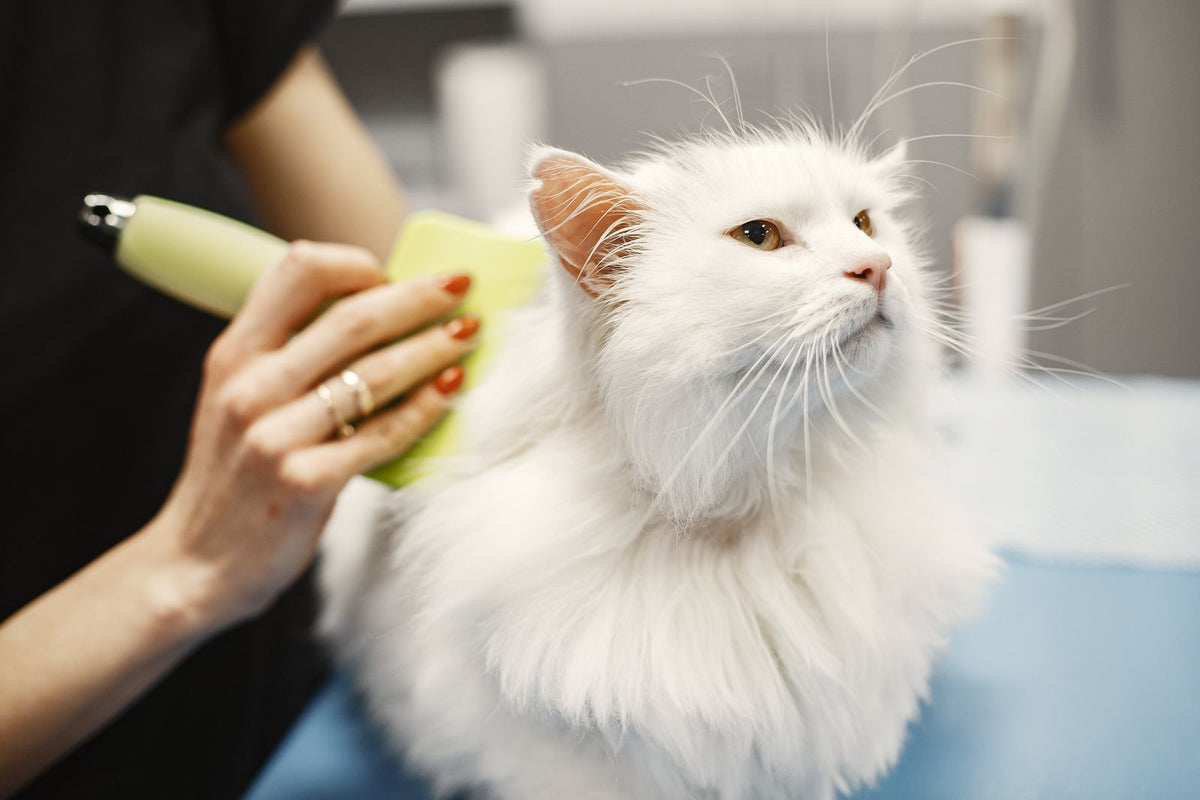
A rubber curry brush or soft bristle brush usually works well. Brush with the direction of hair growth using light pressure, and use each session to look over the skin.
Double coats
Dogs with a dense undercoat often shed heavily in seasonal waves. A slicker brush or undercoat rake, used gently in small sections, lifts loose hair. Never shave a double coat without professional advice.
Long, curly or silky coats
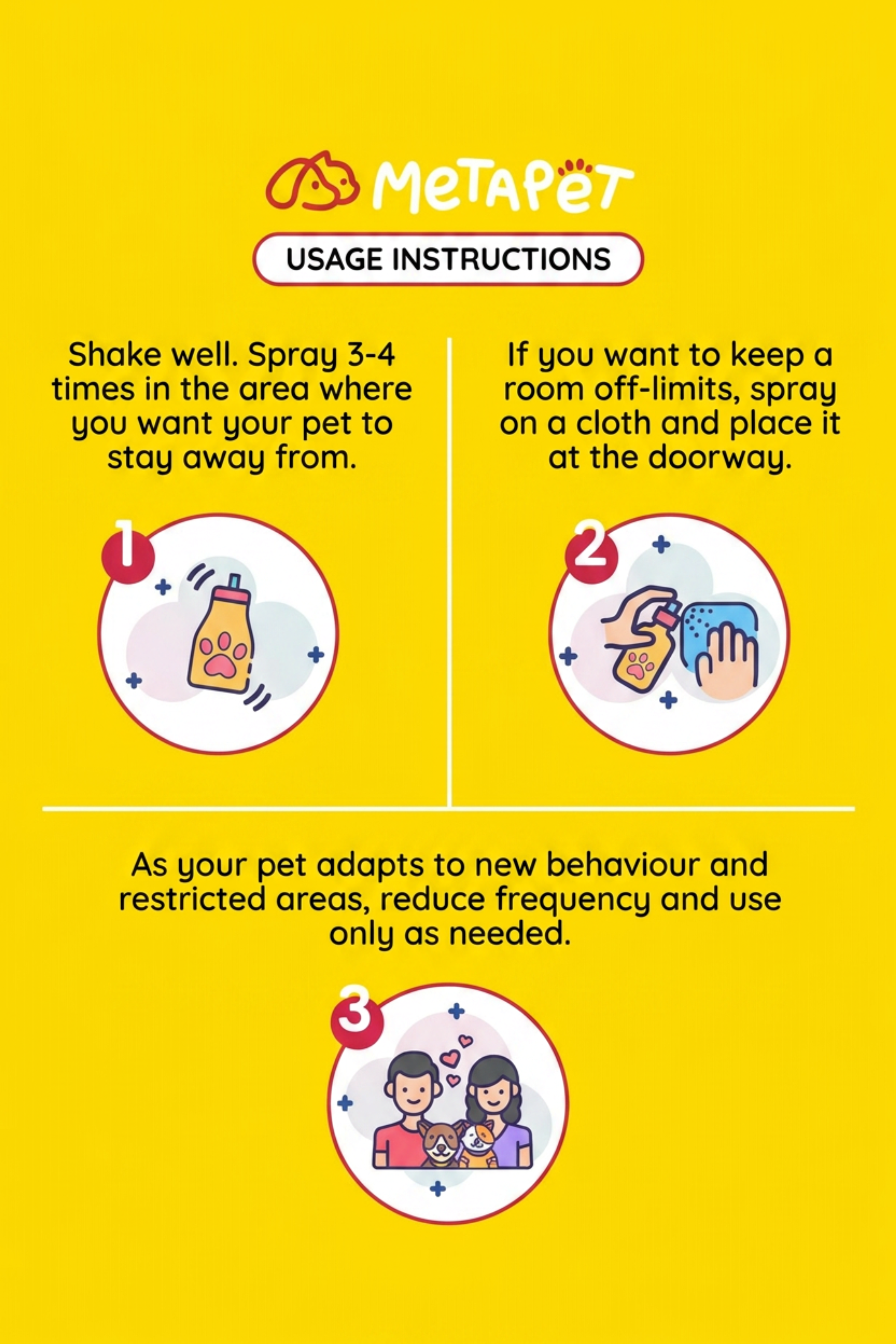
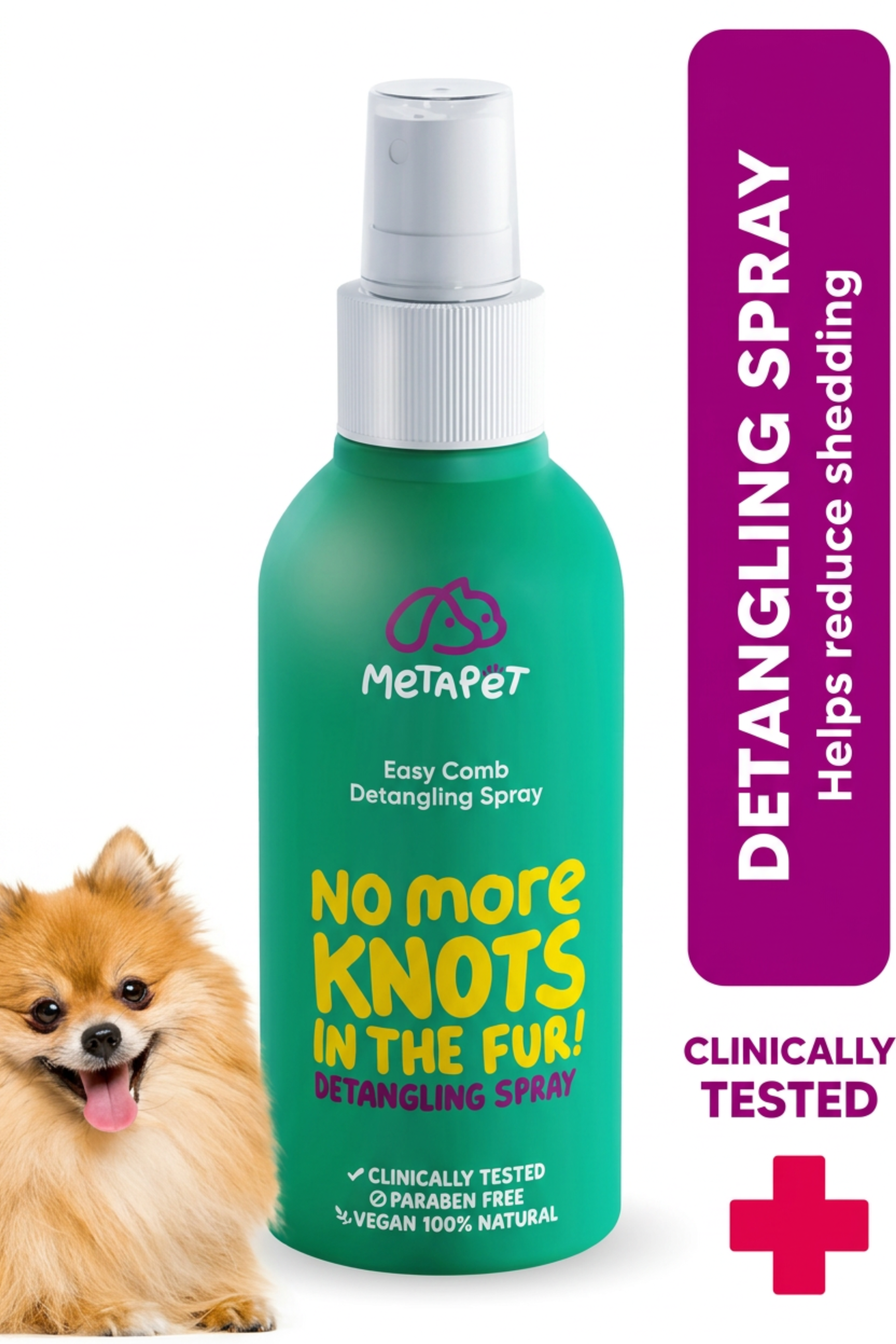
These coats tangle easily behind the ears, under the legs and around the collar. Work in small sections, holding the hair near the skin so you never pull. The MetaPet No More Knots in the Fur Detangling and Easy-Combing Spray helps loosen tangles for smoother, easier brushing. It is paraben-free and pH-balanced; shake the bottle, spray onto damp or dry fur, then comb through. It is a cosmetic grooming product, not a medicine, and complements, not substitutes for, veterinary care. Discontinue use if irritation occurs.
Severe Matting: Leave It to a Professional
Many rescue dogs arrive with mats, some tight against the skin. These can pull painfully and hide skin problems underneath.
- Never cut mats with scissors: mats sit so close to the skin that it is very easy to cut your dog accidentally.
- Do not brush out heavy matting in one session: it is uncomfortable and quickly teaches a new dog to dread grooming.
- Book a professional groomer: an experienced groomer can safely clip out severe mats and give the coat a manageable fresh start.
- See your veterinarian if skin looks sore: redness, odor, wounds or discharge under mats call for a veterinary exam first.
Once the coat is reset, our guide to keeping mats and tangles under control explains how to keep it comfortable between appointments.
Setting Up the First Bath
Once your dog has settled in, seen the veterinarian and become comfortable with handling, plan a first bath as an introduction, not a deep clean.
- Prepare everything in advance: shampoo, a cup or handheld sprayer, towels and small rewards within reach.
- Add traction: a non-slip mat in the tub helps your dog feel steady.
- Use lukewarm water: test it on your inner wrist so it feels comfortably warm.
- Finish at the head: start at the back, use a damp washcloth around the face, and keep water out of the ears and eyes.
- Keep it brief: a quick, calm bath is a success. You can be more thorough as trust grows.
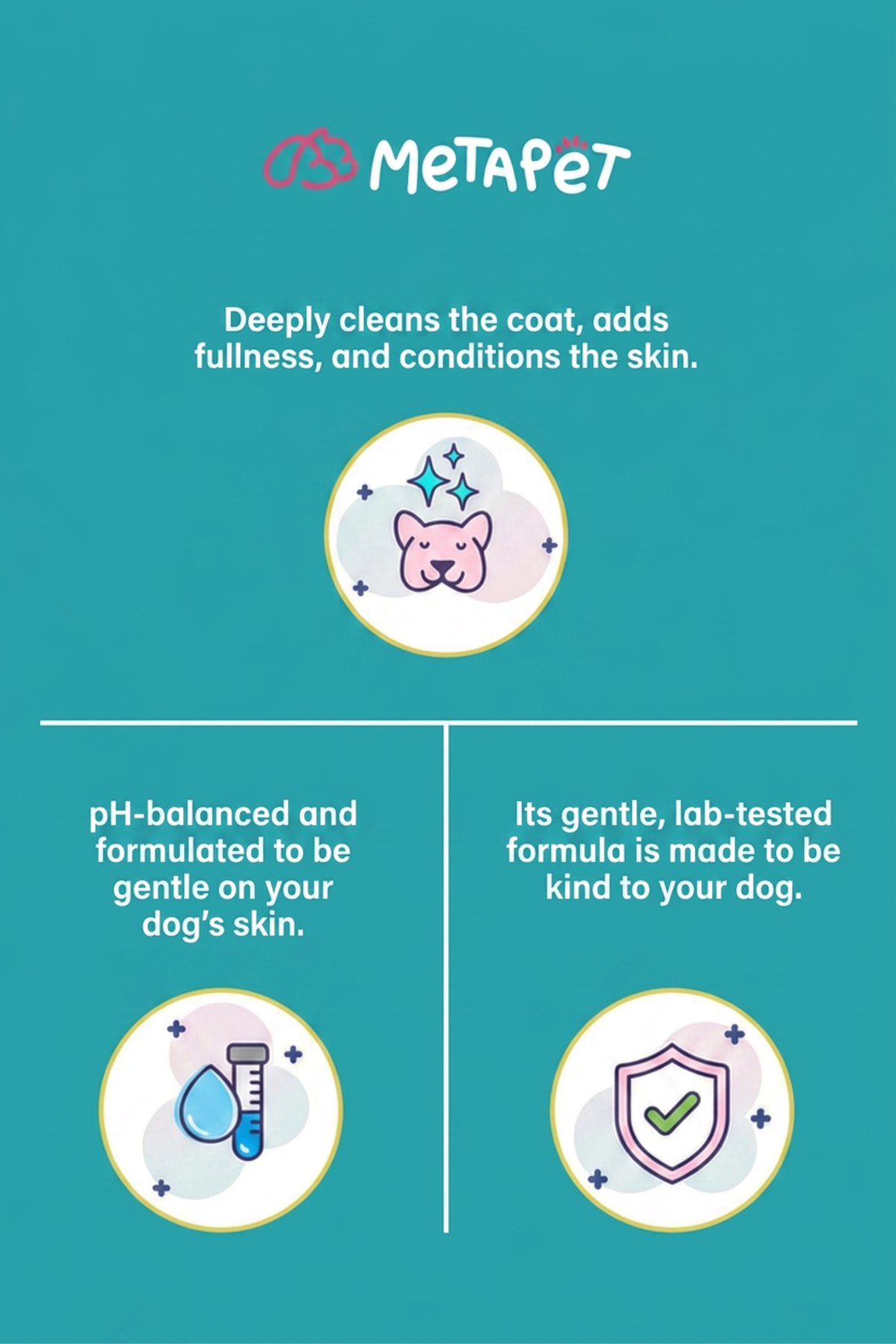
The MetaPet pH-Balanced Bath Shampoo for Dogs is a rinse-out shampoo that deep-cleans the coat while caring for sensitive skin. It is pH-balanced and made without harsh chemicals, sulfates or parabens. It conditions the skin, adds fullness, and leaves a long-lasting natural scent in Woody, Floral or Vanilla. Wet the coat with warm water, massage into a lather, rinse well, and dry with a towel or blow dryer. It is for external grooming use only and complements, not substitutes for, veterinary care. If your veterinarian has prescribed a medicated shampoo, use that as directed instead.
A waterless option for the first weeks
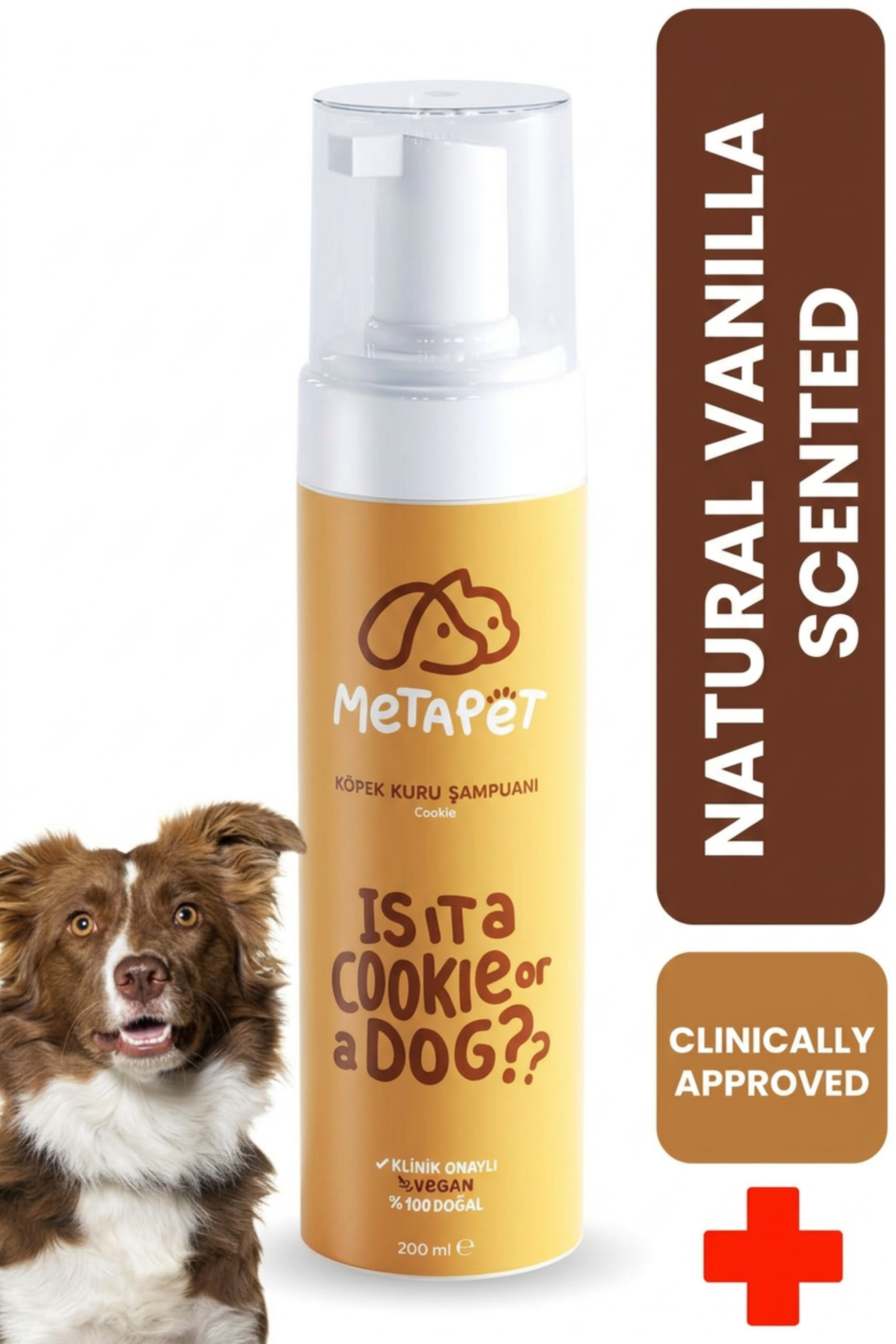
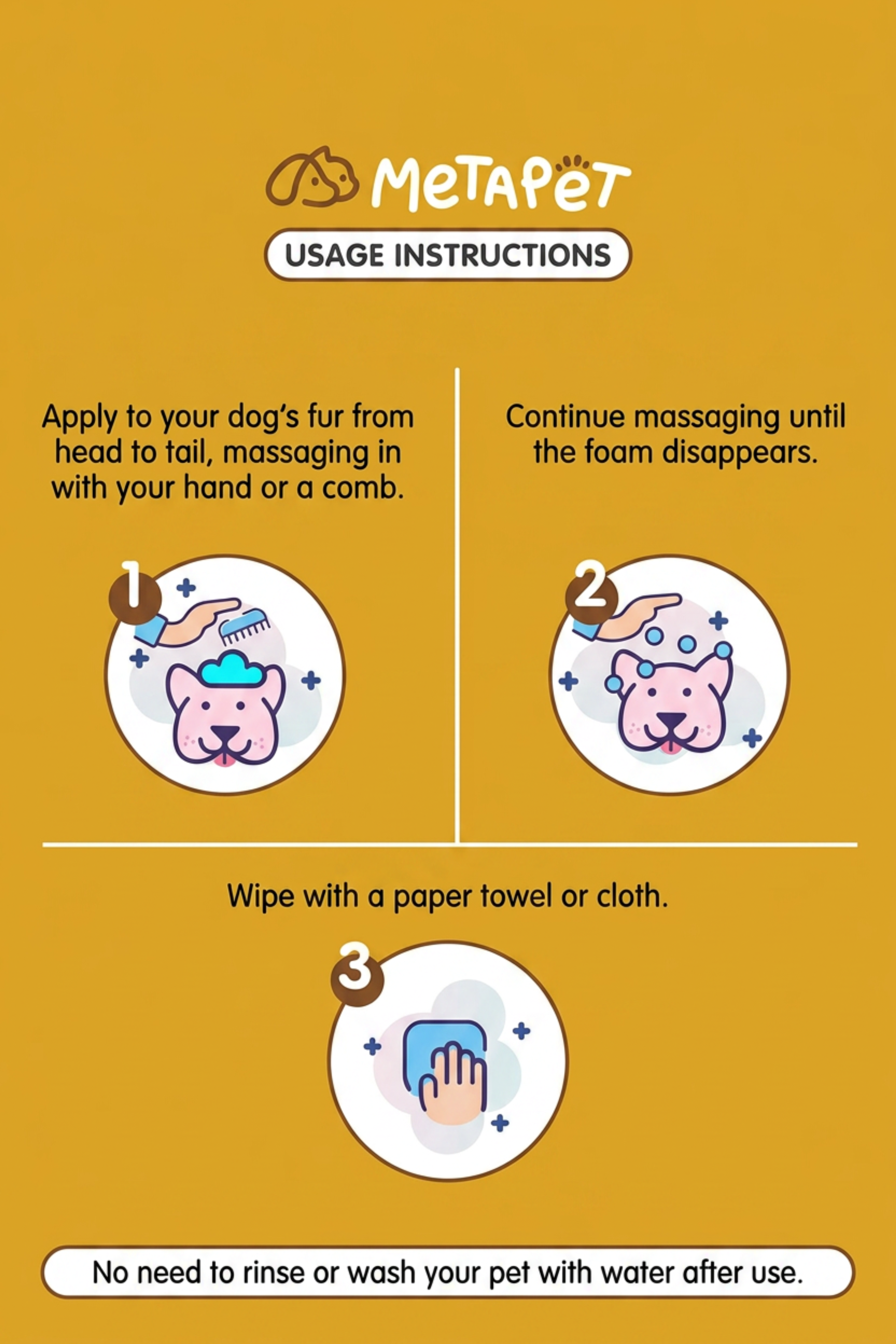
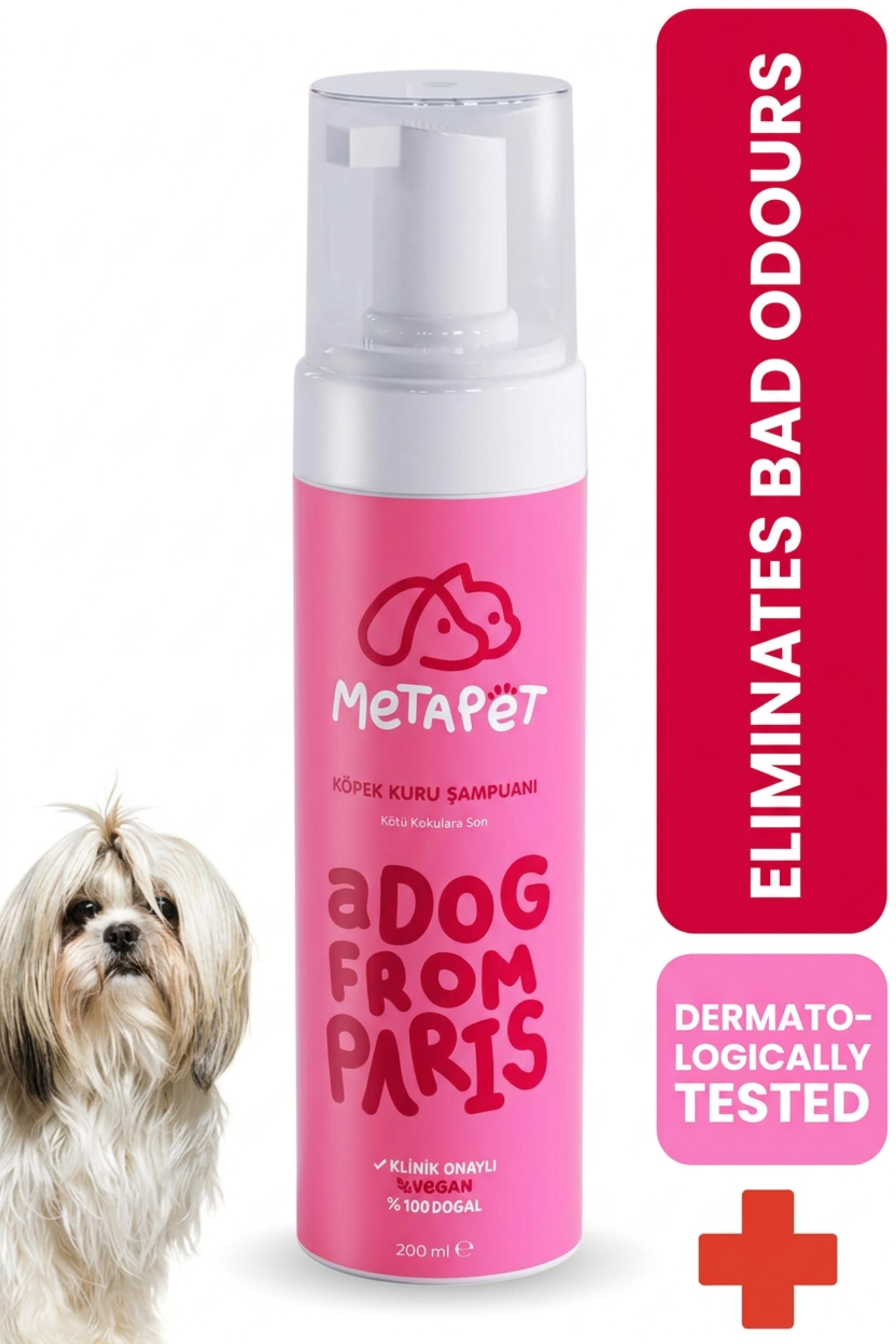
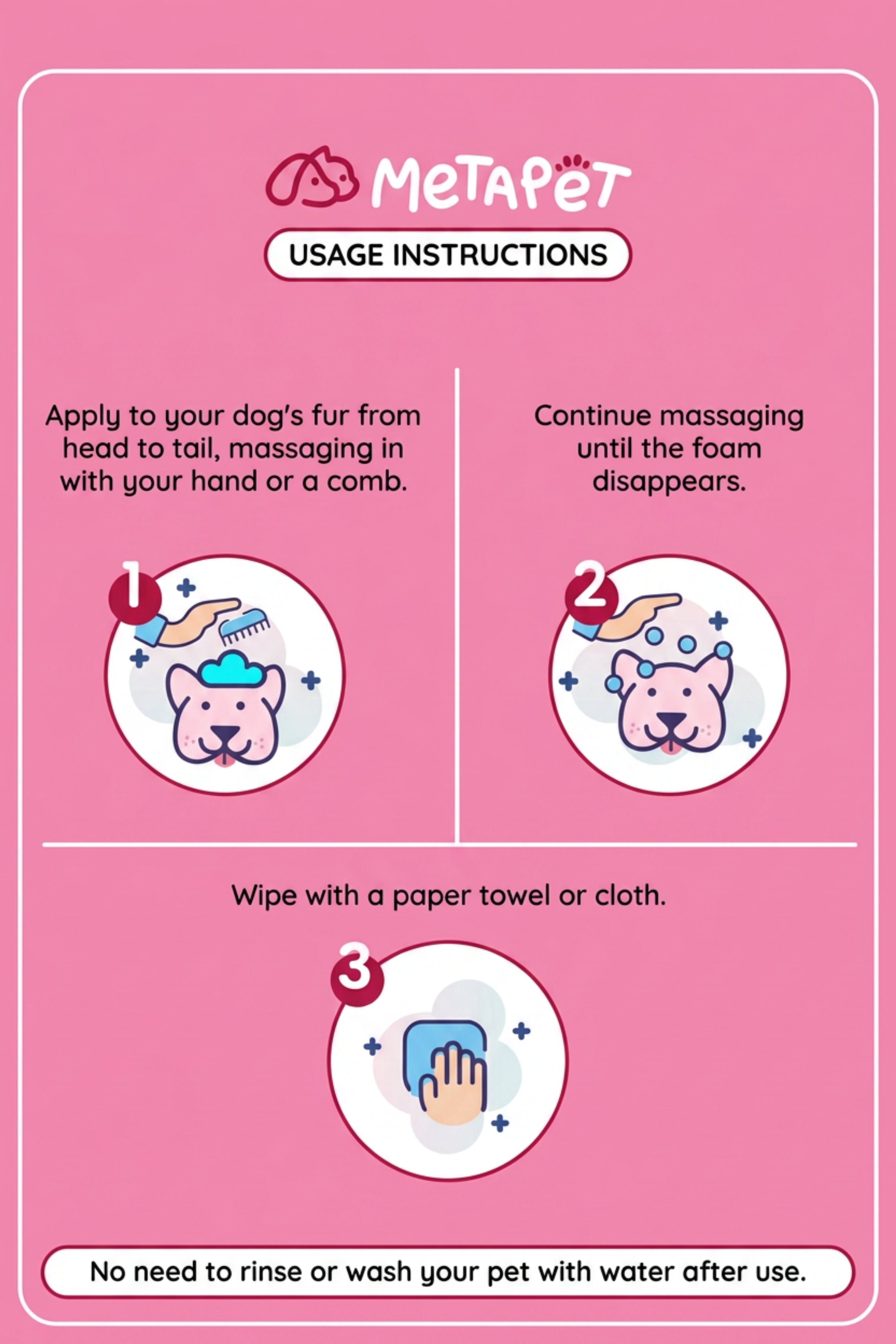
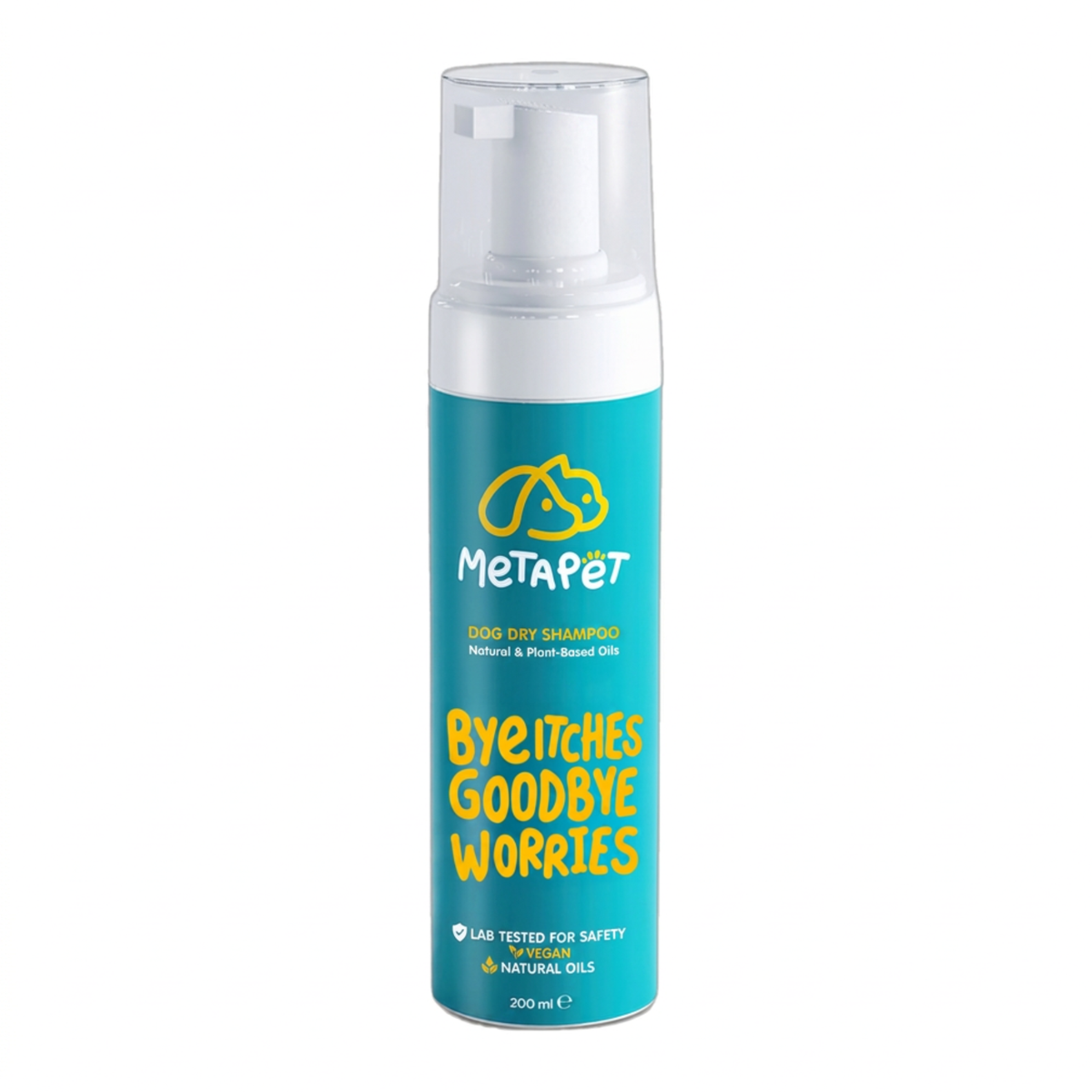
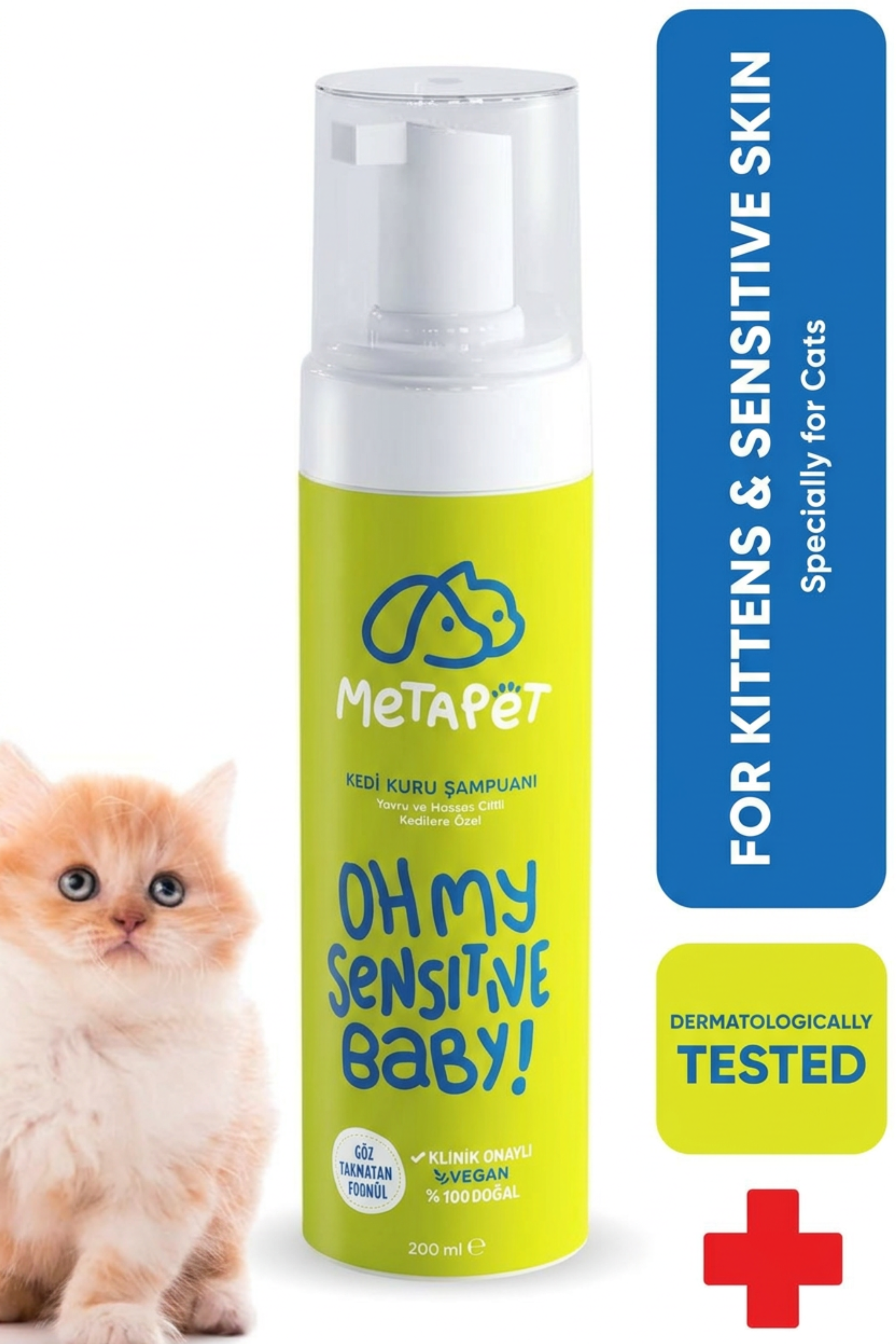
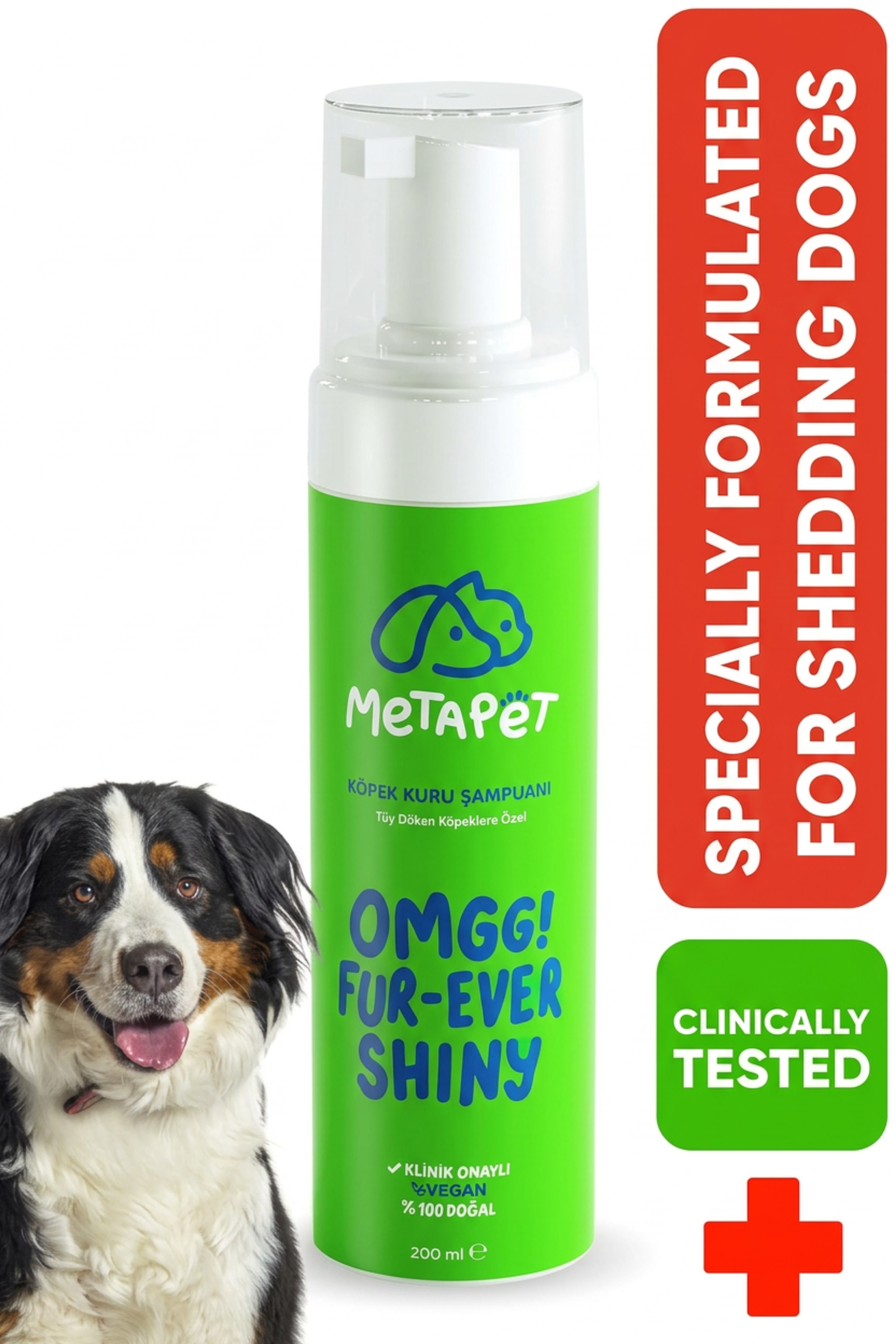
For a dog still settling in or nervous about water, the MetaPet A Dog From Paris Waterless Dry Foam Shampoo is a no-rinse foam that keeps your dog clean and smelling fresh between baths, with a long-lasting signature scent. It conditions the coat for a soft, full look and is a naturally derived, vegan formula with no parabens or sulfates. Shake well, massage into the coat from head to tail while avoiding the eyes, and wipe off with a towel. It complements, not substitutes for, veterinary care.
Nails, Paws and Ears: The Basics
Paws
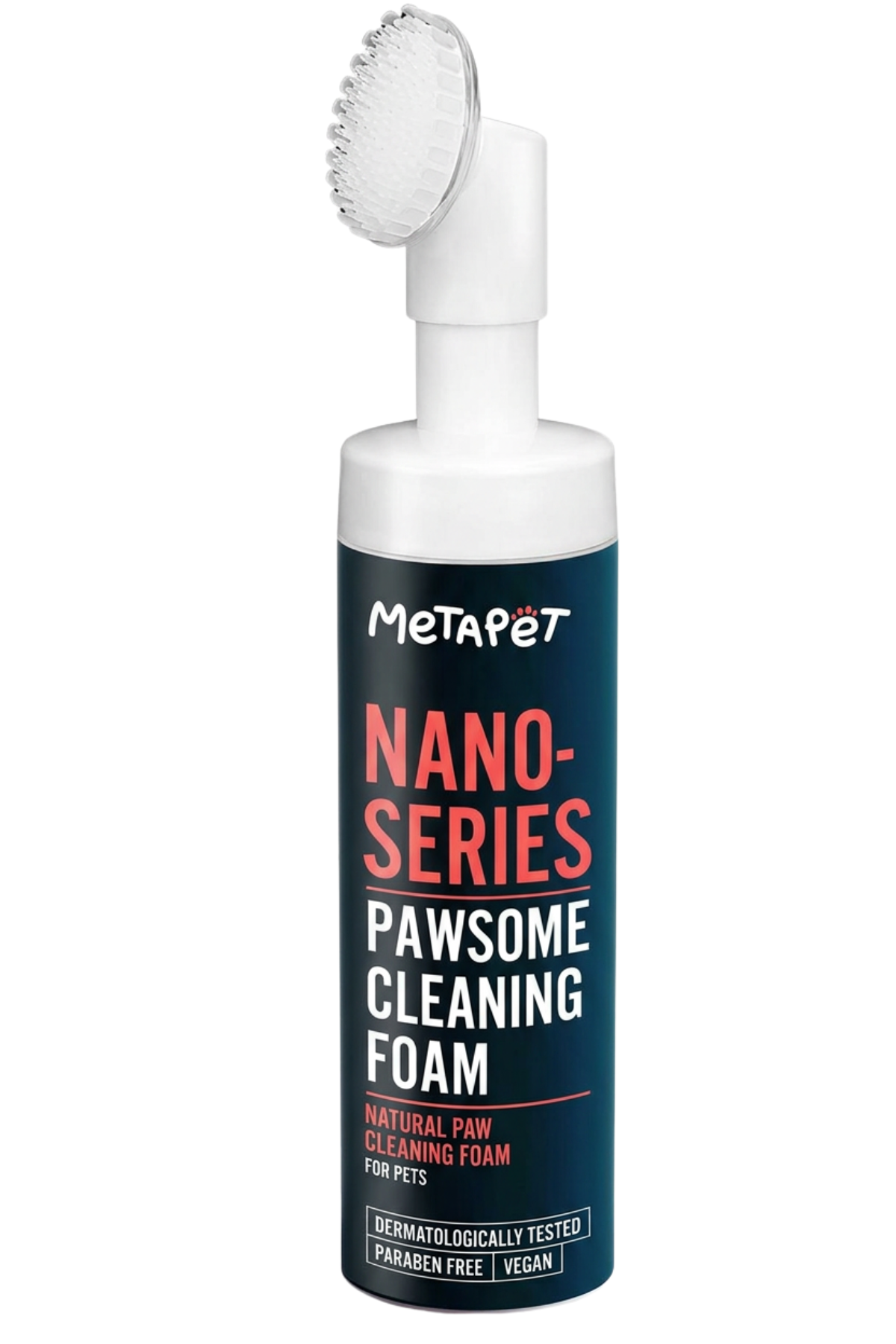
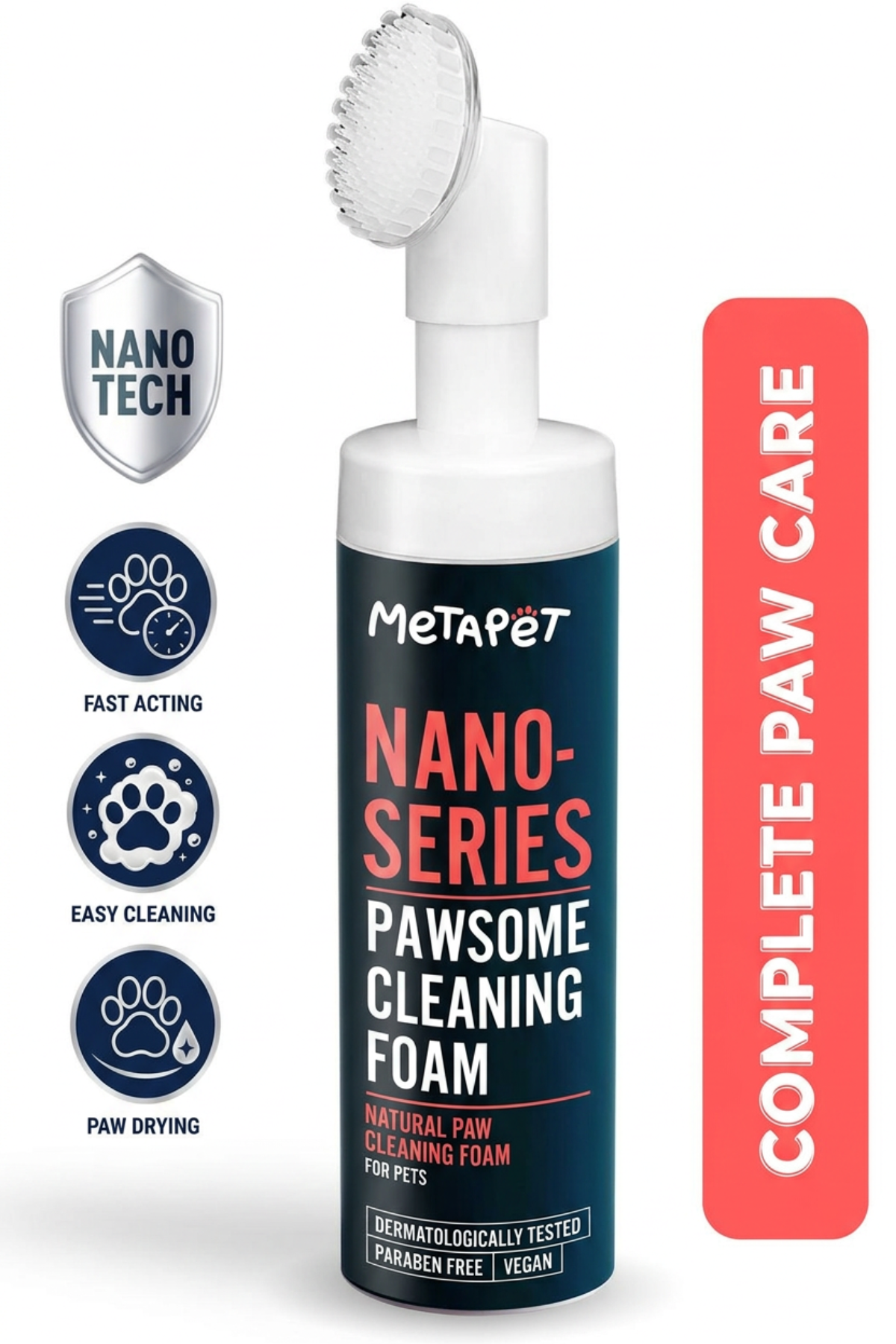
Many adopted dogs are sensitive about their feet. Touch a paw briefly and reward, then gradually hold it longer. For everyday dirt, the MetaPet Nano-Series Pawsome Paw Cleaning Foam with Brush offers mess-free cleaning with a built-in brush cap. Its gentle, naturally derived formula lifts dirt without harsh chemicals and is designed for sensitive paw skin. Press the foam onto the paws, spread it with the brush cap, and wipe clean. It is not a medicine and complements, not substitutes for, veterinary care.
Nails
Handle the toes and show the clippers before using them, and trim only the very tip once your dog is relaxed. If nails are very long or dark, or your dog struggles, let your veterinarian or a professional groomer do trims while you build comfort at home. Our step-by-step nail trimming guide covers technique.
Ears
Look at the ears during handling, but never push anything into the ear canal. Redness, odor, discharge, head shaking or pain when touched are signs that warrant a veterinary exam rather than home cleaning.
Common Mistakes With Newly Adopted Dogs
- Bathing on the first day: an unfamiliar home plus a bath can overwhelm a new dog and set back trust.
- Skipping the veterinary exam: bathing first can hide concerns your veterinarian would want to see.
- Restraining a frightened dog: holding a worried dog down can escalate fear and raise the risk of a bite.
- Cutting mats with scissors: this easily injures the skin. Leave severe matting to a professional groomer.
- Punishing growls or avoidance: warnings are communication, and punishment can lead to bites without warning.
When to Call Your Veterinarian
Contact your veterinarian promptly if you find:
- Open wounds, sores, or skin that looks infected, such as redness with discharge, odor or swelling
- Signs of pain during handling, such as flinching, crying out, limping or guarding a body part
- Any bite injury on your dog
- Red, smelly or painful ears, or ongoing head shaking
- Fear so intense that grooming is not possible without panic
Contact your veterinarian or an emergency clinic right away if your dog develops facial swelling, hives or breathing difficulty after contact with any grooming product, or swallows a grooming product. For dogs with severe fear, your veterinarian can discuss a behavior plan, a referral to a veterinary behaviorist, or medication as prescribed by your veterinarian.
Frequently Asked Questions
How soon can I bathe my newly adopted dog?
There is no fixed timeline. Many owners wait until their dog has settled in, had a first veterinary exam, and become comfortable with handling. Your veterinarian can advise based on your dog's skin and health.
Should I take my new dog straight to a groomer?
For severe matting or very overgrown nails, a professional groomer or your veterinarian is often the best choice. Mention that your dog is newly adopted.
Can grooming products make my dog less anxious?
No product replaces patient training. Grooming products can make brushing and cleaning easier, but trust comes from short, positive sessions at your dog's pace.
Key Takeaways
Give your newly adopted dog time to decompress, and schedule a veterinary exam before the first full bath so skin, ears and parasites can be checked. Build trust with short, rewarding handling sessions, brush according to coat type, and watch for stress signals. Leave severe matting and difficult nail trims to a professional, and never cut mats with scissors. A waterless foam can bridge the early weeks. Contact your veterinarian promptly for wounds, signs of pain, bite injuries or skin infection, and right away for facial swelling, hives or breathing difficulty after product contact. Grooming products complement, not substitute for, veterinary care.