Dog Perfume and Coat Fragrance: Safe Use and Freshness Tips

Most dog lovers will admit that their best friend does not always smell like a bouquet of flowers. Between walks, rolls in the grass, rainy days, and the natural oils in a dog's coat, a little 'doggy' smell is completely normal. Many owners like to freshen things up between baths with a dog-specific perfume or cologne.
Used thoughtfully, a pet fragrance can be a pleasant finishing touch to a good grooming routine. Used carelessly, it can irritate sensitive skin, overwhelm a dog's powerful nose, or mask an odor that is actually a sign of a health problem. This guide explains why dogs smell the way they do, how to choose and apply a coat fragrance safely, what to avoid, and when an odor deserves a trip to the veterinarian.
Important: This article shares general educational information for pet owners and is not a substitute for an in-person veterinary examination, diagnosis, or treatment. For any medical concern or emergency, contact your veterinarian promptly.
Why Dogs Develop a 'Doggy' Smell
A dog's skin produces natural oils that help keep the coat soft and protective. These oils, together with normal skin microbes, create a mild scent that is part of being a dog. Several everyday factors can make that scent stronger:
- Moisture: wet fur after rain, swimming, or a bath that was not dried thoroughly can develop a musty odor.
- Outdoor adventures: rolling in grass, mud, or less pleasant things is a favorite hobby for many dogs.
- Coat type: dense, oily, or long coats tend to hold onto odors more than short, sleek coats.
- Bedding and toys: a fresh dog on a smelly bed will not stay fresh for long.
- Diet and age: some owners notice changes in odor with diet changes or as dogs age.
A mild, familiar scent is normal. A strong, sudden, or unusual odor is different and is discussed later in this guide.
Your Dog's Nose Comes First
Dogs experience the world through smell to a degree that is difficult for people to imagine. Our guide to your dog's sense of smell explains just how sensitive their noses are. A fragrance that seems light to us may be very intense to a dog, especially when applied close to the face.
That is why the golden rules of dog fragrance are: choose products made for pets, use them sparingly, keep them well away from the face, and watch how your individual dog reacts. Scent should be a subtle finishing touch, not a cloud.
Why Human Perfume Is Not a Good Choice
It can be tempting to reach for your own perfume or body spray, but products designed for people are not formulated for dogs.
- Different skin pH: dog skin generally has a different pH from human skin, and products balanced for people may not suit dogs.
- High alcohol content: many human fragrances contain significant alcohol, which can dry the skin and coat.
- Strength: human perfumes are designed to be noticed by the human nose and are often far too strong for dogs.
- Licking: dogs groom and lick themselves, so anything applied to the coat may be ingested in small amounts.
Concentrated essential oils deserve special caution. Some can be irritating or harmful to pets, particularly when applied directly to the skin or used in high concentrations. Our essential oils safety guide covers this in detail. If you share your home with cats, remember they are especially sensitive to many essential oils and fragrances.
Choosing a Dog Fragrance
When selecting a coat fragrance, look for products designed specifically for dogs and labeled for external grooming use. Helpful features include:
- Made for pets: formulated and labeled for use on dogs.
- pH-balanced: designed with a dog's skin in mind.
- Gentle formula: free of parabens and harsh ingredients where possible.
- No sticky residue: so the coat stays soft and does not attract dirt.
- Clear directions: including how much to use and where to avoid.
- A scent you both tolerate: lighter scents are often a better starting point than very strong ones.
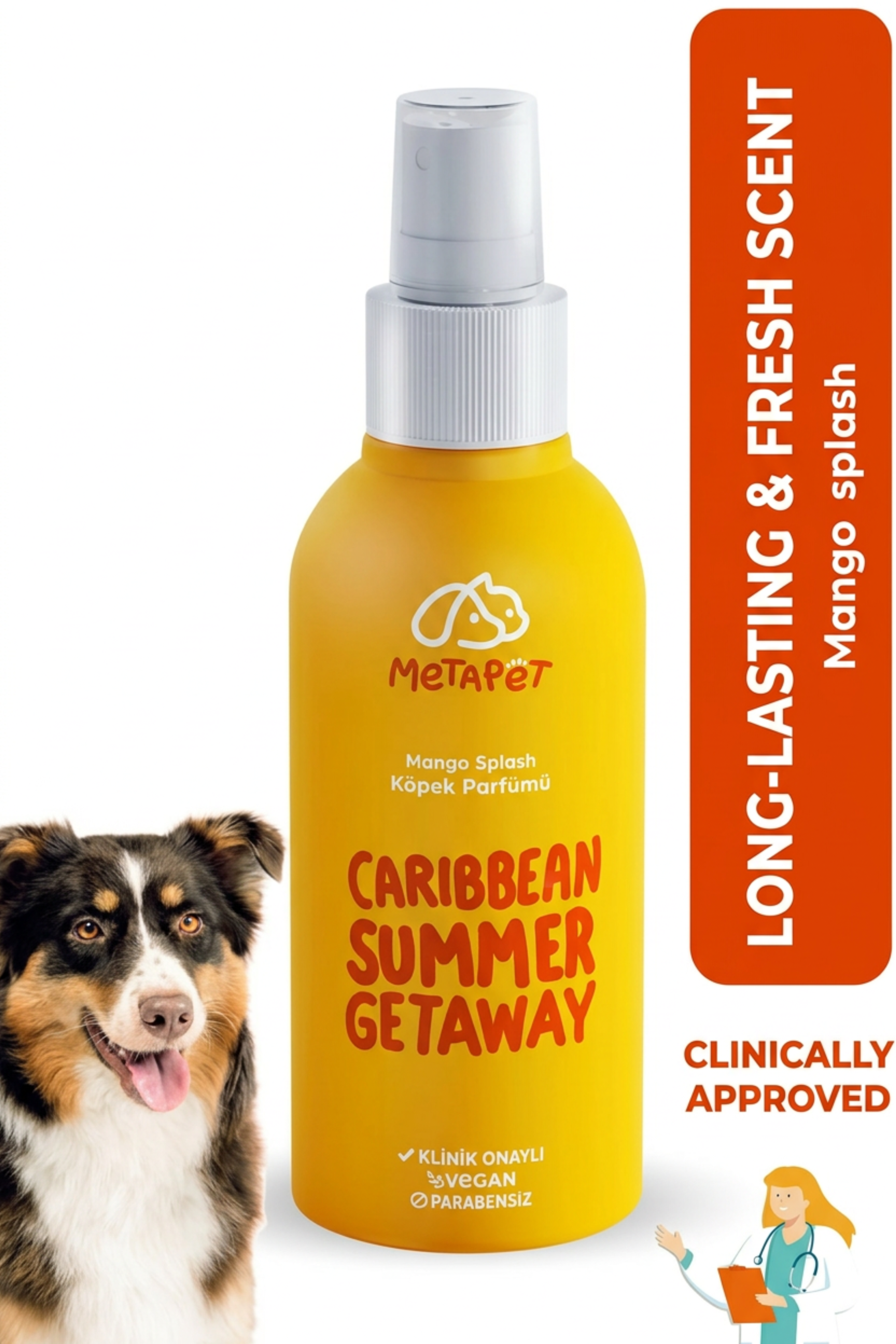
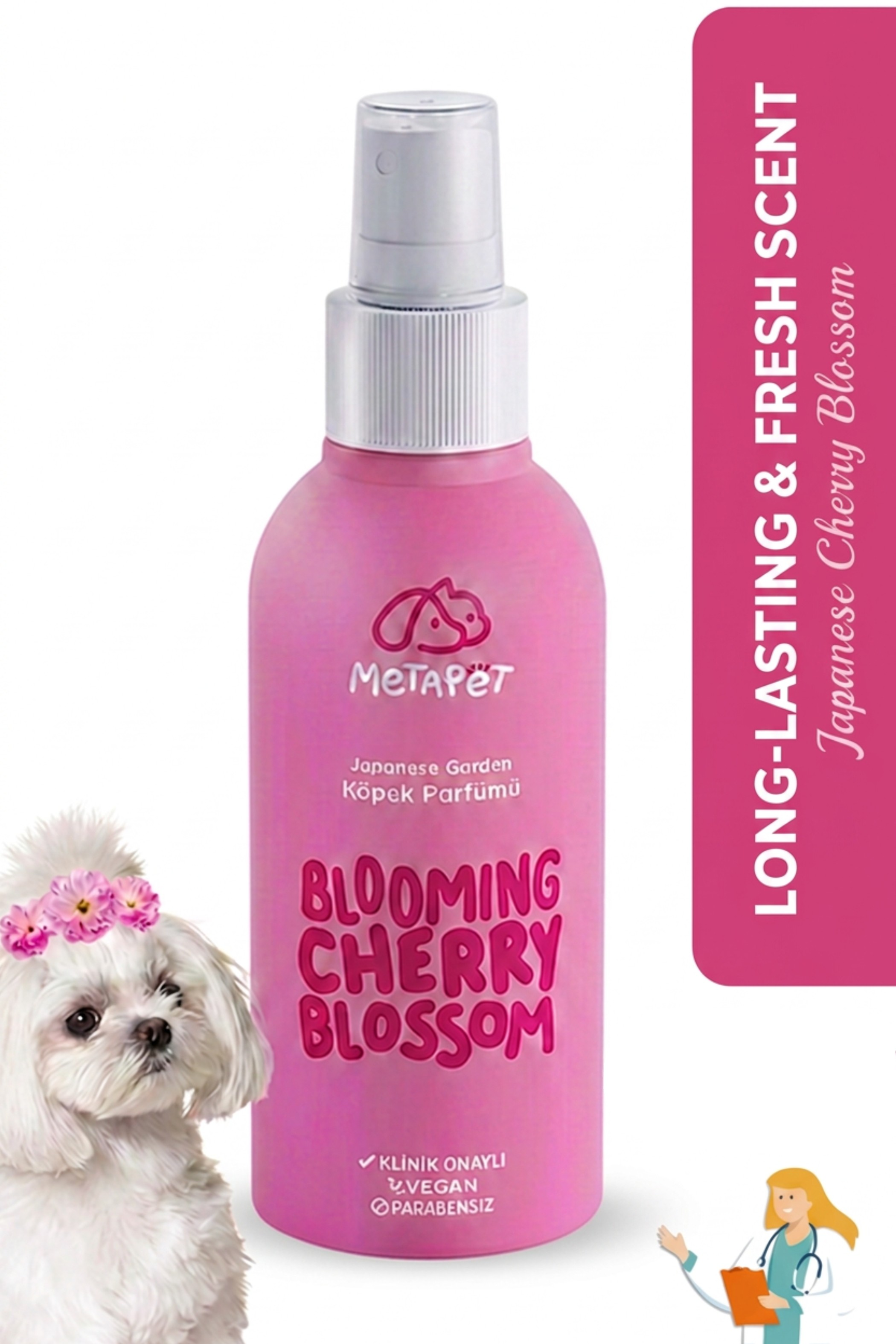
For example, MetaPet pH-Balanced Perfume for Dogs is a paraben-free pet fragrance designed to freshen the coat between baths and help neutralize unwanted odors with a long-lasting natural scent, without leaving a sticky residue. It comes in several scents, including Caribbean Summer, Oomph The Dog, and Blooming Cherry Blossom. It is a cosmetic grooming product for external use only and is not a medicine.
How to Apply Fragrance Safely
- Start with a clean, dry coat: fragrance works best as a finishing touch after brushing, not as a cover for dirt.
- Test a small area first: apply a small amount to one patch of coat and wait a day to check for any redness or itching.
- Spray onto the coat, not the face: hold the bottle at a comfortable distance and spray along the back and sides, avoiding the eyes, nose, mouth, and ears.
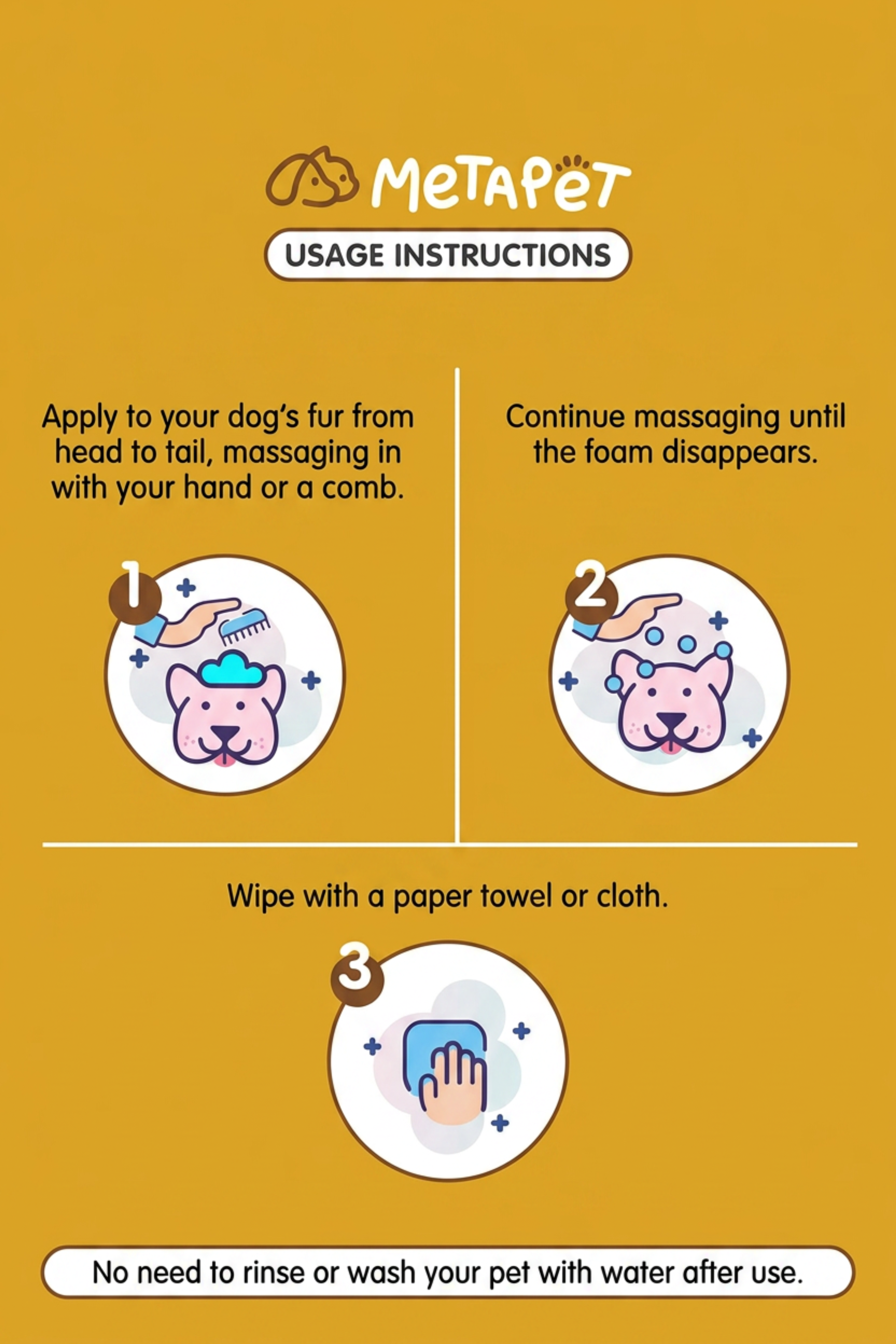
- Work it in gently: use your hand or a comb to distribute the product through the coat.
- Use sparingly: one or two light sprays are usually enough; you can always add more later.
- Avoid broken skin: never apply fragrance to wounds, hot spots, rashes, or irritated areas.
- Watch your dog's reaction: sneezing, pawing at the face, rubbing against furniture, or avoiding you after application can mean the scent is too strong or irritating.
If you notice redness, itching, or any reaction, stop using the product, rinse the area with lukewarm water if needed, and contact your veterinarian if the irritation continues.
Fragrance-Free Options for Sensitive Dogs
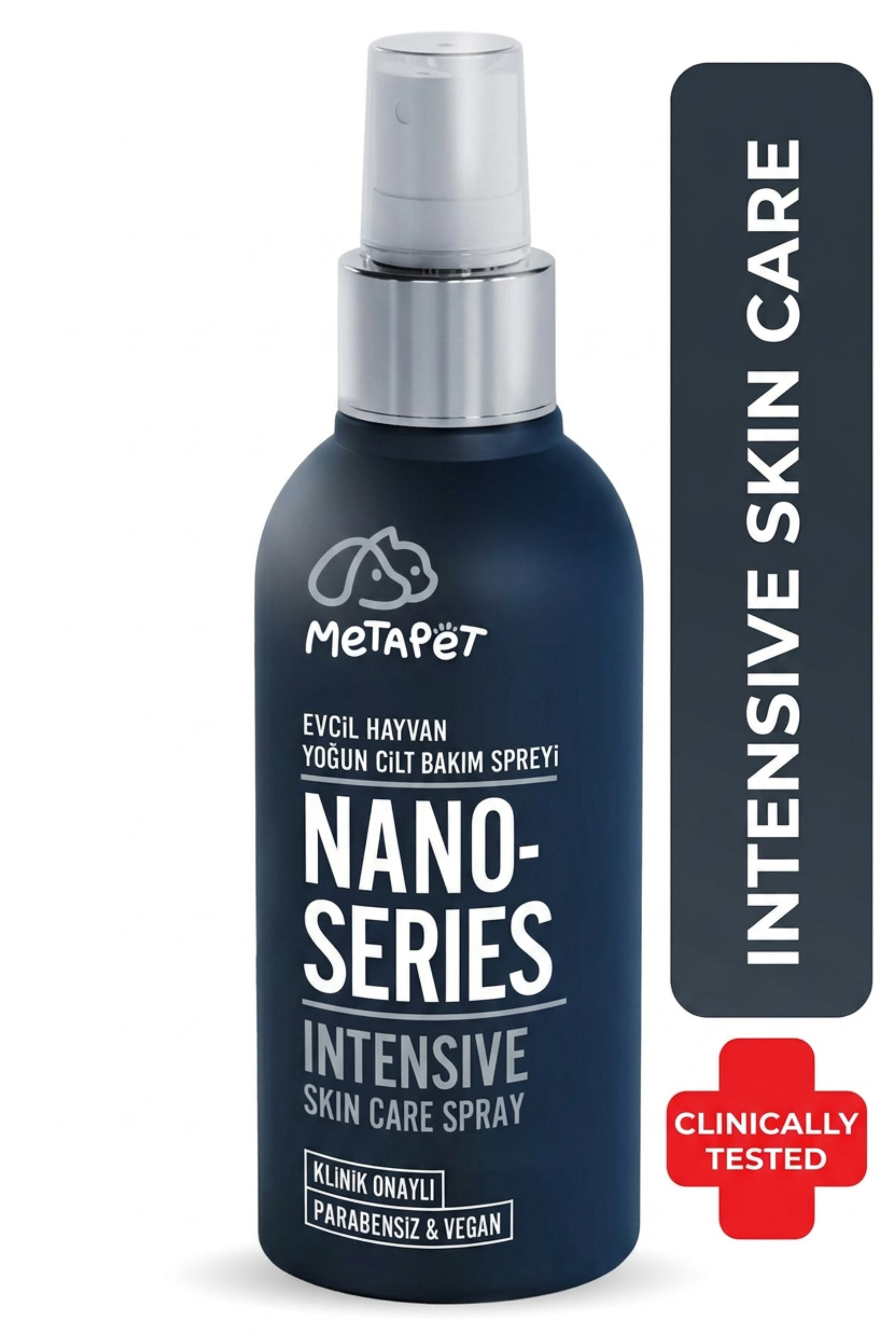
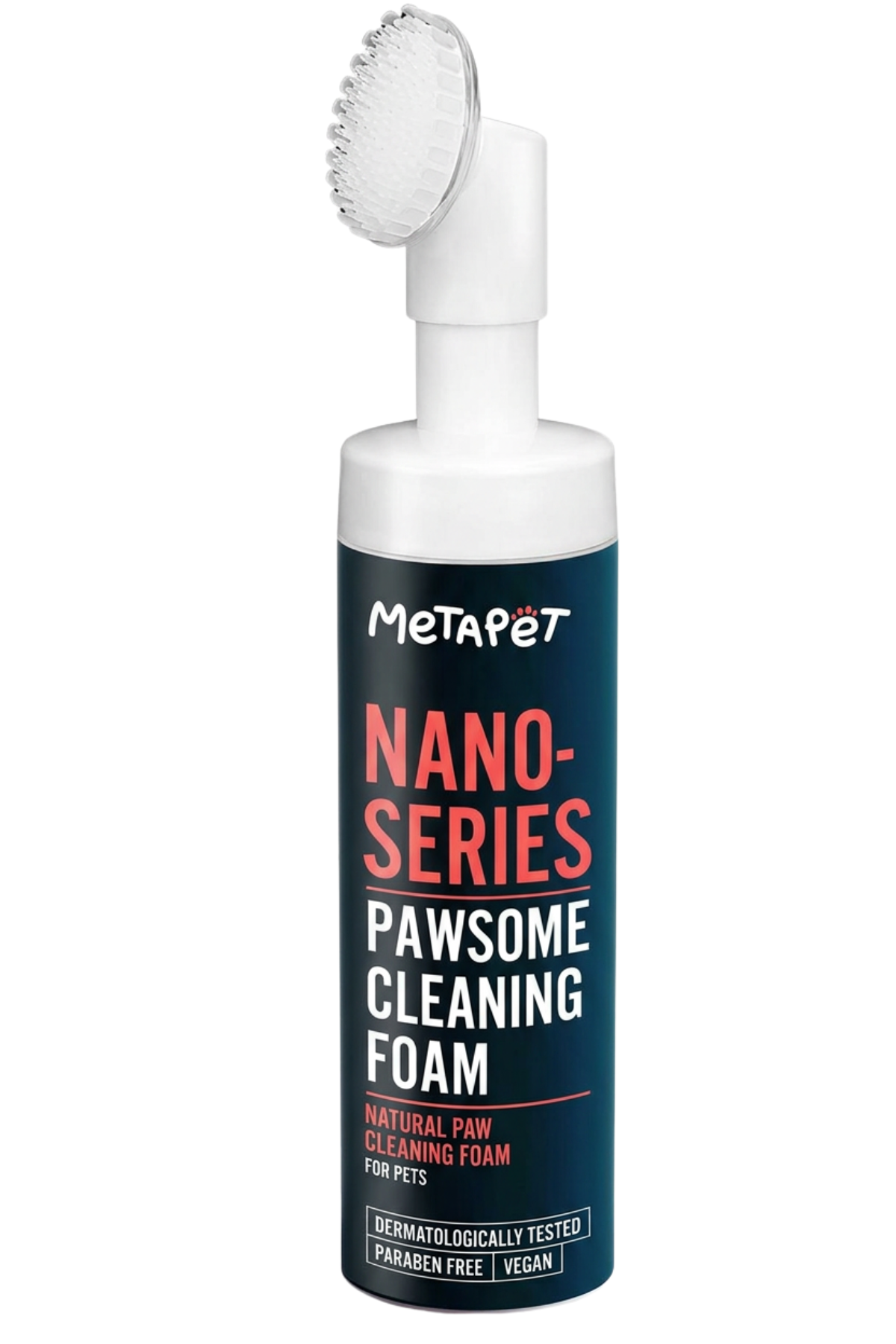
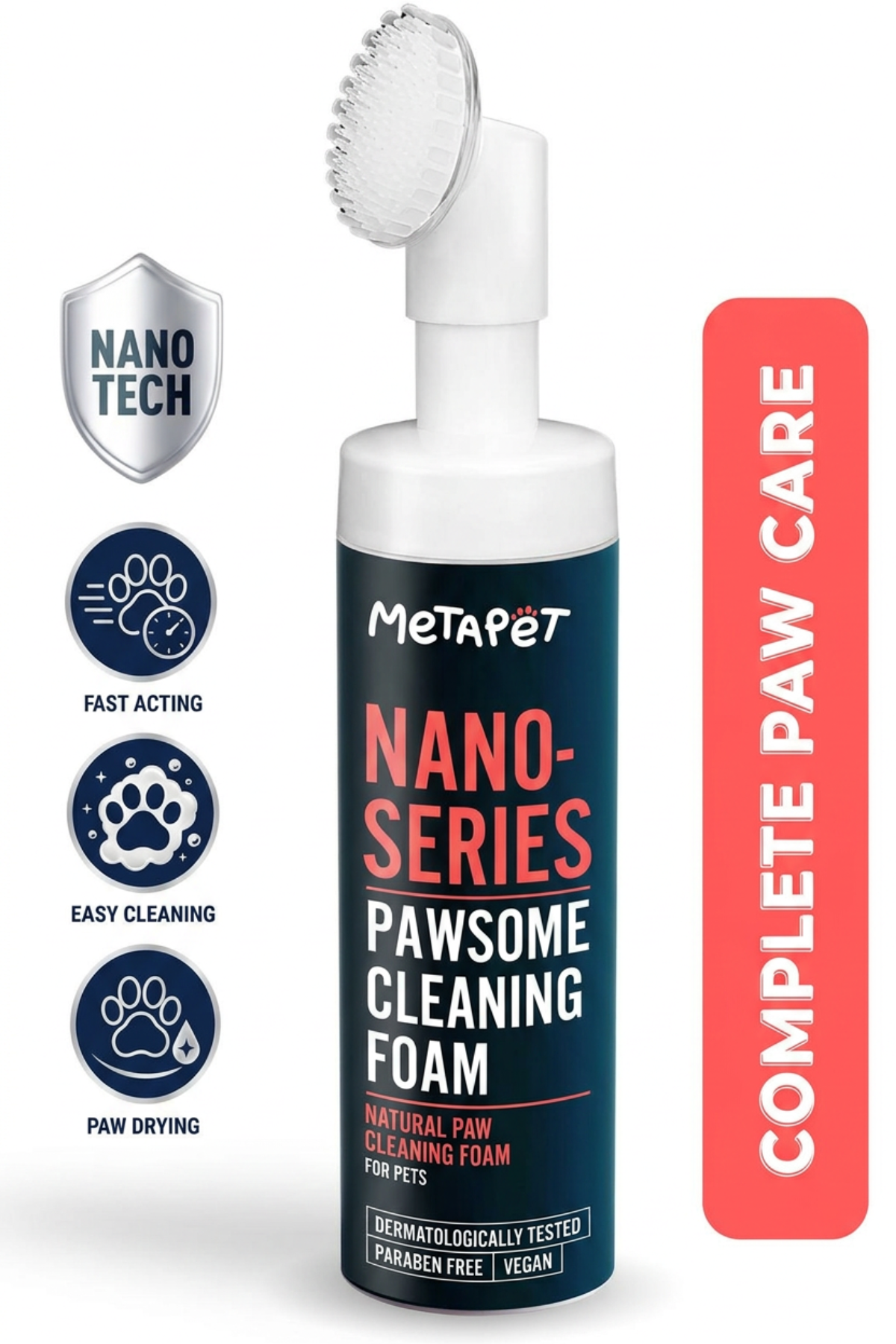
Some dogs, and some people, simply prefer no added scent. For these households, a fragrance-free grooming routine can still keep the coat feeling fresh. MetaPet Nano-Series Refreshing Grooming Mist is a colorless, odorless spray for everyday external skin and coat care, designed to help keep the coat looking fresher and to help reduce unwanted odors, including on paws. Like any grooming product, it is for external use only, is not a medicine, and is not intended to address any skin condition.
Grooming products are a helpful complement to, not a substitute for, regular bathing, brushing, and veterinary care. If your dog has a history of skin sensitivity or allergies, ask your veterinarian before trying a new product.
Building a Fresh-Coat Routine
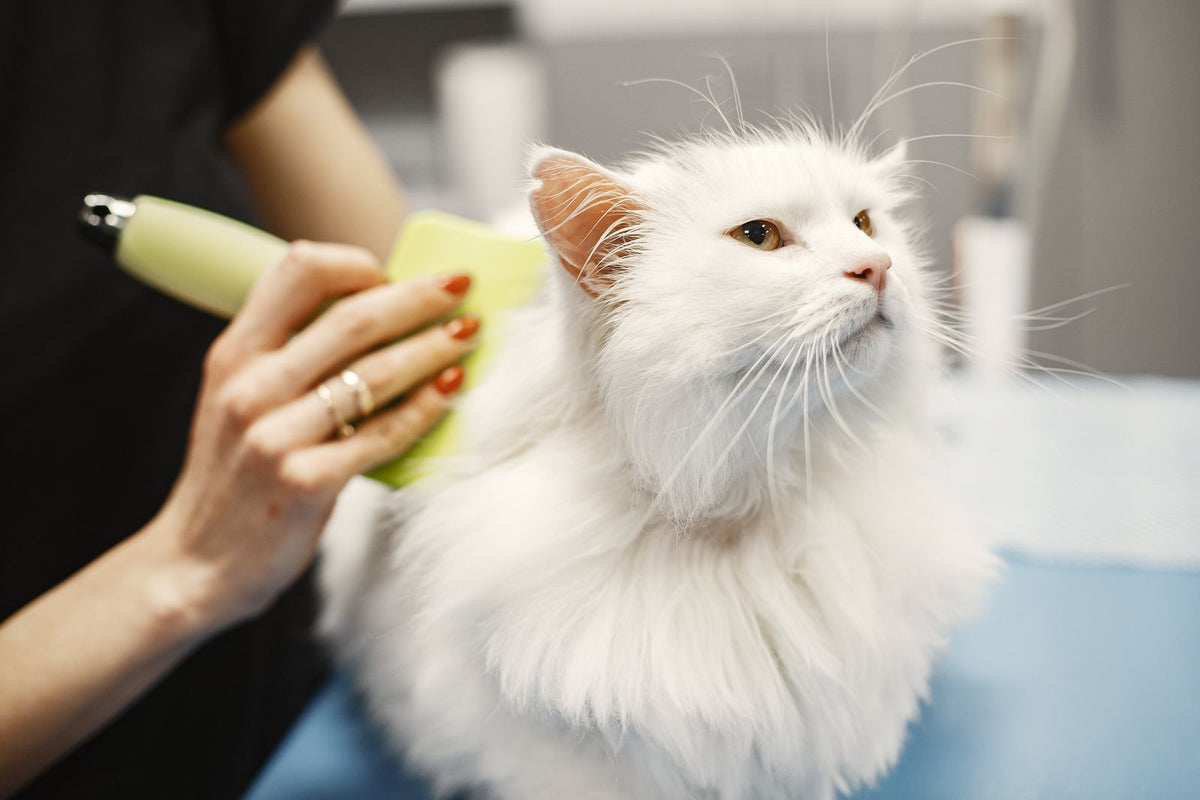
No fragrance can replace the basics. A dog who is regularly brushed, bathed on an appropriate schedule, and kept on clean bedding will naturally smell fresher.
- Brush regularly: brushing removes loose hair, dirt, and dander that hold odors.
- Bathe as needed: how often depends on coat type, lifestyle, and skin health. Our guide to how often to bathe your dog or cat can help.
- Dry thoroughly: a damp undercoat is a common cause of musty smells.
- Wash bedding: launder beds, blankets, and soft toys regularly. See our bedding and toy washing guide.
- Wipe paws and face: a quick wipe after walks keeps outdoor dirt from settling into the coat.
- Keep up with dental care: a lot of 'dog smell' actually comes from the mouth.
For more ideas, read keeping your dog fresh between baths.
When Odor Is a Health Warning Sign
Fragrance should never be used to hide a smell that might signal a medical problem. Our guide to body odor in dogs and cats explains more, but common sources include:
- Ears: a yeasty or sour smell, with head shaking or scratching, may indicate an ear infection.
- Skin: greasy, red, or flaky skin with a strong odor can point to skin infections or other skin conditions.
- Mouth: persistent bad breath often reflects dental disease and sometimes other health problems.
- Rear end: a fishy smell and scooting may mean anal gland problems.
- Skin folds: wrinkly breeds can develop odor and irritation in their folds.
- Wounds: a foul smell from a wound may indicate infection.
If your dog's odor is new, strong, or comes back quickly after bathing, or if you notice itching, redness, discharge, or changes in behavior, schedule a veterinary visit. Treating the underlying cause is the only way to truly resolve the smell.
Myths and Facts About Dog Fragrance
Myth: More spray means a fresher dog.
Fact: heavy application can overwhelm your dog's nose and may irritate the skin. A light touch is kinder and usually smells better too.
Myth: Fragrance can replace bathing.
Fact: a coat fragrance is a finishing touch, not a cleaning step. Dirt, excess oil, and loose hair still need to be removed through brushing and bathing on a schedule that suits your dog's coat and skin.
Myth: Natural always means safe.
Fact: some plant-derived ingredients, particularly concentrated essential oils, can be irritating or harmful to pets. Choose products formulated and labeled for dogs and follow the directions.
Myth: A dog who smells strongly just needs a stronger scent.
Fact: a strong or changing odor is often a clue to an ear, skin, dental, or anal gland problem. Masking it can delay helpful veterinary care.
Myth: Dogs enjoy smelling like their owners' perfume.
Fact: dogs often prefer their own scent, and many will try to roll on the carpet or grass to get rid of a strong new smell. Watching your dog's reaction is the best guide to whether a fragrance is welcome.
Frequently Asked Questions
How often can I use a dog perfume?
Follow the product directions. As a general approach, use it lightly and only as often as needed to freshen the coat between baths, and stop if you see any irritation.
Can I use dog perfume on my puppy?
Puppies have sensitive skin and noses. Many owners prefer to wait and focus on gentle grooming habits first. Check the product label and ask your veterinarian if unsure.
Is it safe around cats?
Keep fragrance use to the dog, apply it away from cats, and let the product dry before your dog cuddles up with a feline housemate. Cats are sensitive to many scents and groom each other.
Will fragrance stop my dog from rolling in smelly things?
Unfortunately not. Rolling is a natural behavior. A solid 'leave it' cue and good recall are more effective than any scent.
Key Takeaways
A dog-specific fragrance can be a pleasant final step in a good grooming routine. Choose pet-formulated, pH-balanced products, apply them lightly and away from the face, and pay attention to how your dog responds. Combine fragrance with regular brushing, appropriate bathing, clean bedding, and dental care for a naturally fresher dog, and remember that a strong or unusual smell is a reason to see your veterinarian, not to reach for the spray.