Washing Pet Bedding and Toys: A Practical Home Guide

Pet bedding is one of the most used and least examined items in a household. A dog bed or a cat blanket absorbs shed hair, skin flakes, saliva, paw dirt, and whatever is on the floor, and it sits there quietly collecting all of it while looking more or less the same. Most owners wash it far less often than they would wash their own bedding.
Keeping bedding, blankets, soft toys and fabric carriers clean is not fussiness. It supports a more comfortable resting environment, makes the house smell better, reduces the amount of hair and dander circulating, and makes it much easier to notice changes — fleas, unusual discharge, a wound, or a change in toileting habits — that you would never spot on a bed that always looks slightly grubby. This guide covers what to wash, how often, and how to do it safely around animals.
Important: This article shares general educational information for pet owners and is not a substitute for an in-person veterinary examination, diagnosis, or treatment. For any medical concern or emergency, contact your veterinarian promptly.
Why It Matters More Than People Assume
A resting place is where a pet spends the largest share of its day. Dogs typically sleep a great deal, and cats considerably more. That means prolonged, direct skin contact with the same fabric, hour after hour, day after day.
Over time, bedding accumulates shed hair, dead skin cells, natural skin oils, saliva from grooming, and material carried in on paws. In a household where anyone is sensitive to pet allergens, bedding acts as a reservoir that continually releases dander back into the room when disturbed.
There is also a practical monitoring benefit. Regularly handling and washing bedding means you notice things: flea dirt appearing as small dark specks, unexpected damp patches, a smell that has changed, a stain suggesting discharge or a wound. These are exactly the sorts of early clues that prompt a timely veterinary visit rather than a delayed one.
None of this means a spotless home prevents disease. It means a clean, dry, comfortable resting area is part of good everyday care, and that it makes problems easier to spot early.
How Often to Wash What
Frequency depends on the pet, the household, and the season. These are sensible starting points to adapt rather than rigid rules.
- Bed covers and blankets in regular use. Roughly weekly for most households; more often for heavy shedders, outdoor dogs, or during moulting season.
- Bed inner cushions and non-removable beds. Every few weeks, following the manufacturer's washing guidance.
- Soft toys. Every couple of weeks, or immediately if visibly soiled or heavily chewed.
- Fabric carriers and car seat covers. After each journey involving travel sickness, and otherwise monthly.
- Towels used for drying. After every use, like any household towel.
- Anything soiled with urine, vomit, or faeces. Immediately, without waiting for a scheduled wash day.
- Bedding of a pet under veterinary treatment. Follow the specific instructions your veterinarian gives, which may be more frequent.
A practical tip that changes everything: own two sets of everything washable. Having a spare cover, blanket and towel means you can strip and wash without leaving your pet without a bed, which is the main reason washing gets postponed.
Preparing Items Before They Go In
Most of the work is in the preparation. Putting a hair-covered bed straight into a machine is the fastest way to block a filter and get a poor result.
- Take the item outside and shake it thoroughly, or brush it firmly with a rubber glove or a stiff brush to lift embedded hair.
- Vacuum both sides using an upholstery attachment, paying attention to seams and corners where hair collects.
- Remove covers from cushions where possible and check care labels before choosing a wash setting.
- Pre-treat any visible stains rather than expecting the wash cycle to deal with them.
- Check the item for damage — split seams, loose stuffing, or a squeaker working its way out — and repair or discard as needed.
- Wash pet items separately from human laundry, in their own load.
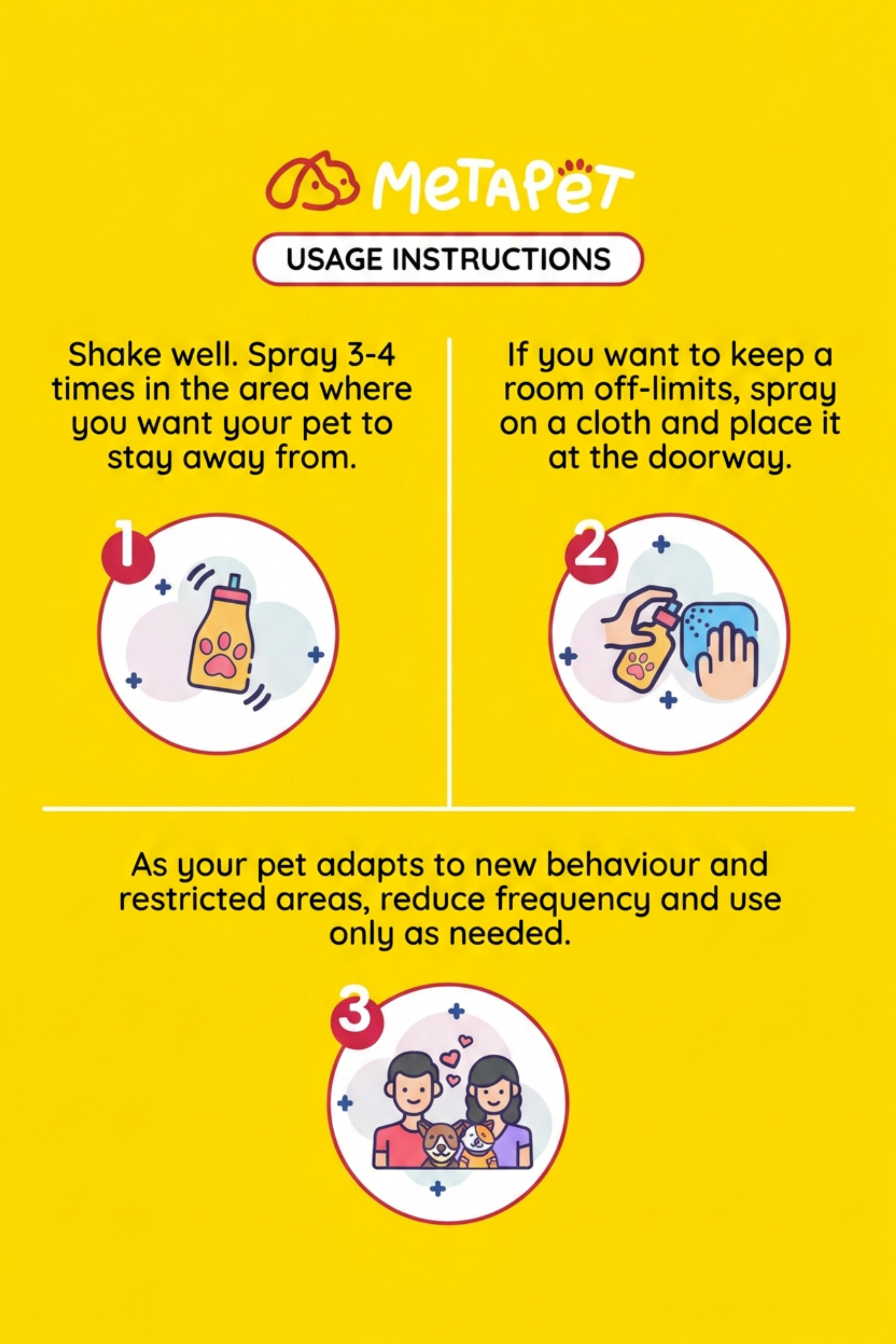
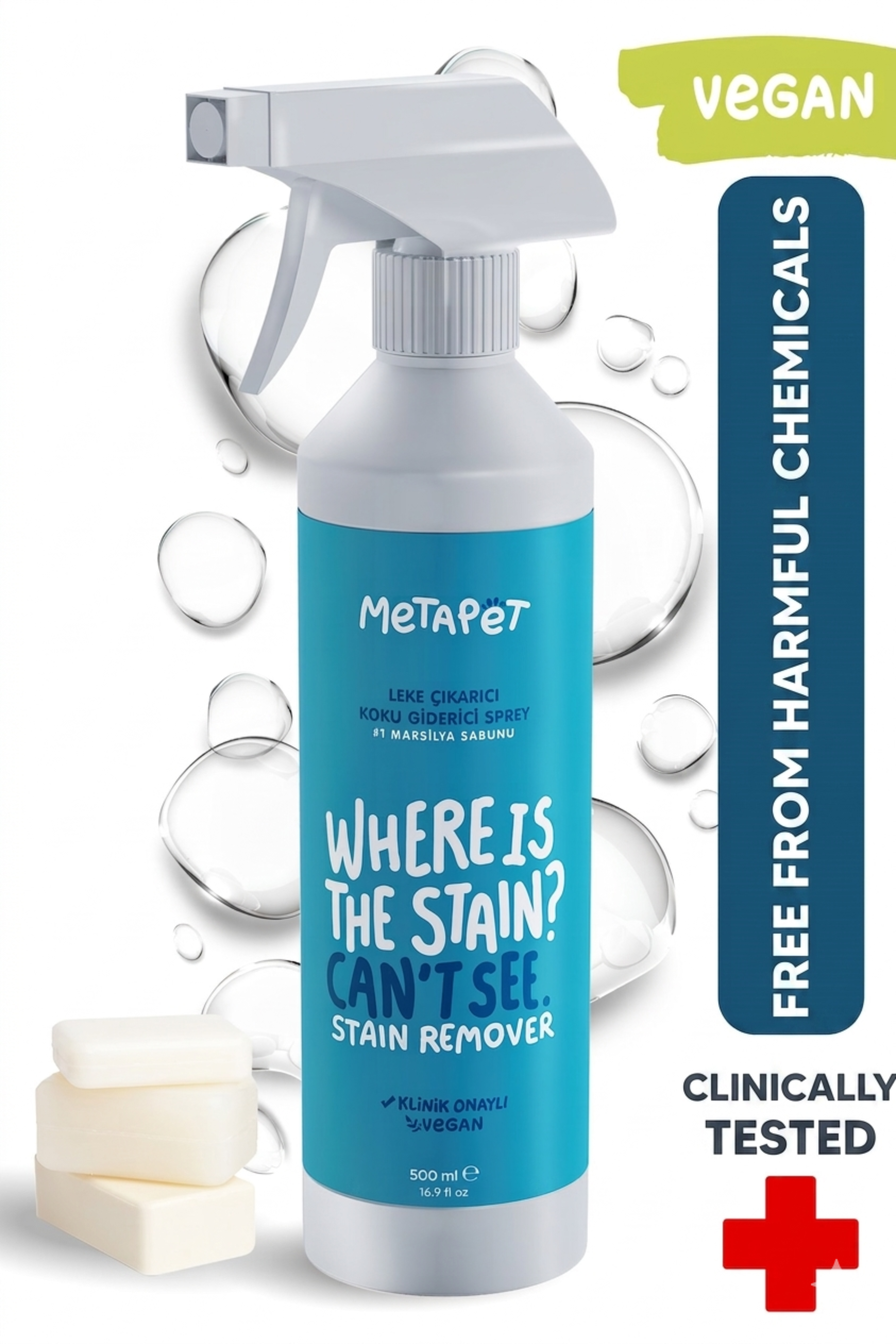
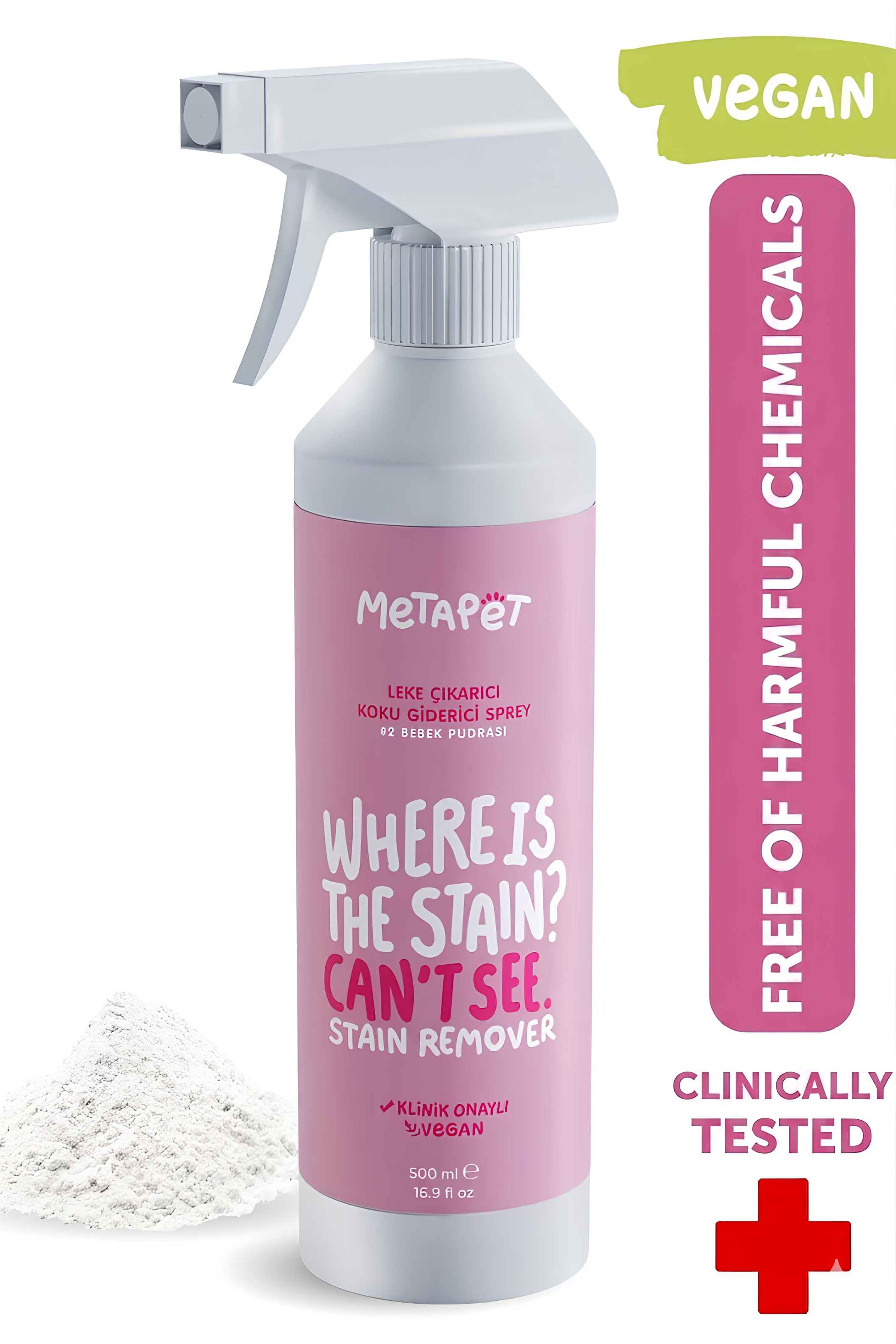
For pre-treating marks on washable fabrics, a household pet stain product such as MetaPet Where Is The Stain I Can't See? — Pet Stain Remover & Deodorizer Spray is designed for carpets, sofas, clothing, furniture and hard floors, and helps lift marks such as urine, vomit and muddy paw prints while absorbing odours. It is a household cleaning product for surfaces, not a medicine and not something applied to your pet. Shake well, spray the area, wait briefly, then wipe with a clean damp cloth; always spot-test a hidden area first, keep pets and children away during use, and let treated areas dry fully.
Choosing a Wash Setting
The right cycle is a balance between effective cleaning and not destroying the item.
- Follow the care label first. Padded beds and waterproof-backed covers often need lower temperatures.
- Use the warmest wash the fabric safely tolerates. Higher temperatures are more effective at removing oils and residue, but only within the label's limits.
- Choose an extra rinse cycle. This is the single most useful setting for pet laundry, because it removes more detergent residue.
- Do not overload the drum. Bulky bedding needs room to move if it is to be cleaned and rinsed properly.
- Use less detergent than you think. Over-dosing leaves residue on fabric that will sit against your pet's skin.
- Skip fabric softener and heavily perfumed additives. These leave a coating and a strong scent that many pets dislike.
- Dry thoroughly before use. Damp padding stays damp inside for a long time and quickly smells musty.
Thorough drying deserves emphasis. A thick bed cushion can feel dry on the surface while remaining damp in the middle. Give it longer than you think it needs, and where possible dry it outdoors or in a well-ventilated room.
Detergents and Products: What to Avoid
Pets have their faces and bare skin pressed against these fabrics for hours, so residue matters more than it would on a sofa cushion.
- Choose an unscented or lightly scented detergent. Strong fragrances are unpleasant for animals with far more sensitive noses than ours.
- Avoid fabric conditioners on pet bedding. They coat fibres and leave persistent perfume.
- Never use undiluted disinfectants on items a pet will lie on. Some common household disinfectants are irritant and require careful dilution and rinsing.
- Be especially careful in cat households. Cats groom constantly and ingest whatever is on their coat, and some substances safe for other species are not appropriate around cats.
- Do not mix cleaning products. Combining products can produce harmful fumes.
- Rinse well and dry fully before returning the item. Always, without exception.
If you are unsure whether a particular product is appropriate to use in a home with pets, ask your veterinarian rather than guessing. This is a common and entirely reasonable question, and the answer sometimes differs between dogs and cats.
Toys, Bowls and Hard Items
Fabric is only part of the picture. Hard toys, feeding equipment and litter accessories also collect residue.
- Hard rubber and plastic toys. Wash in hot soapy water, scrub any grooves, rinse thoroughly and dry.
- Soft toys. Machine wash in a mesh bag on a gentle cycle, and discard once stuffing is exposed.
- Food and water bowls. Wash daily; water bowls develop a slippery film surprisingly quickly.
- Slow feeders and puzzle toys. Take apart fully and clean every channel, since food residue hides in the grooves.
- Collars and harnesses. Wash periodically according to their labels and check for wear at the same time.
- Grooming brushes and combs. Remove hair after every session and wash regularly.
Inspect as you clean. Toys with exposed stuffing, loose squeakers, or chewed-off pieces should be removed from circulation, because swallowed fragments can cause serious problems that require veterinary attention.
Keeping the Litter Area Fresh
In cat households, the litter area is usually the biggest single driver of household odour, and it also affects whether a cat is willing to use the box at all. Cats are particular about cleanliness, and litter-box avoidance frequently traces back to a box the owner considered acceptable and the cat did not.
- Scoop at least once daily. More often in multi-cat households.
- Wash the tray itself regularly. With mild soap and water, rinsed and dried thoroughly.
- Avoid strongly perfumed cleaners on the tray. Residual scent can put a cat off the box entirely.
- Replace plastic trays periodically. Scratched plastic holds odour that cleaning cannot remove.
- Provide enough boxes. The general advice is one per cat plus one, in separate locations.
- Wash any mat or rug around the box. This is a frequently forgotten odour source.
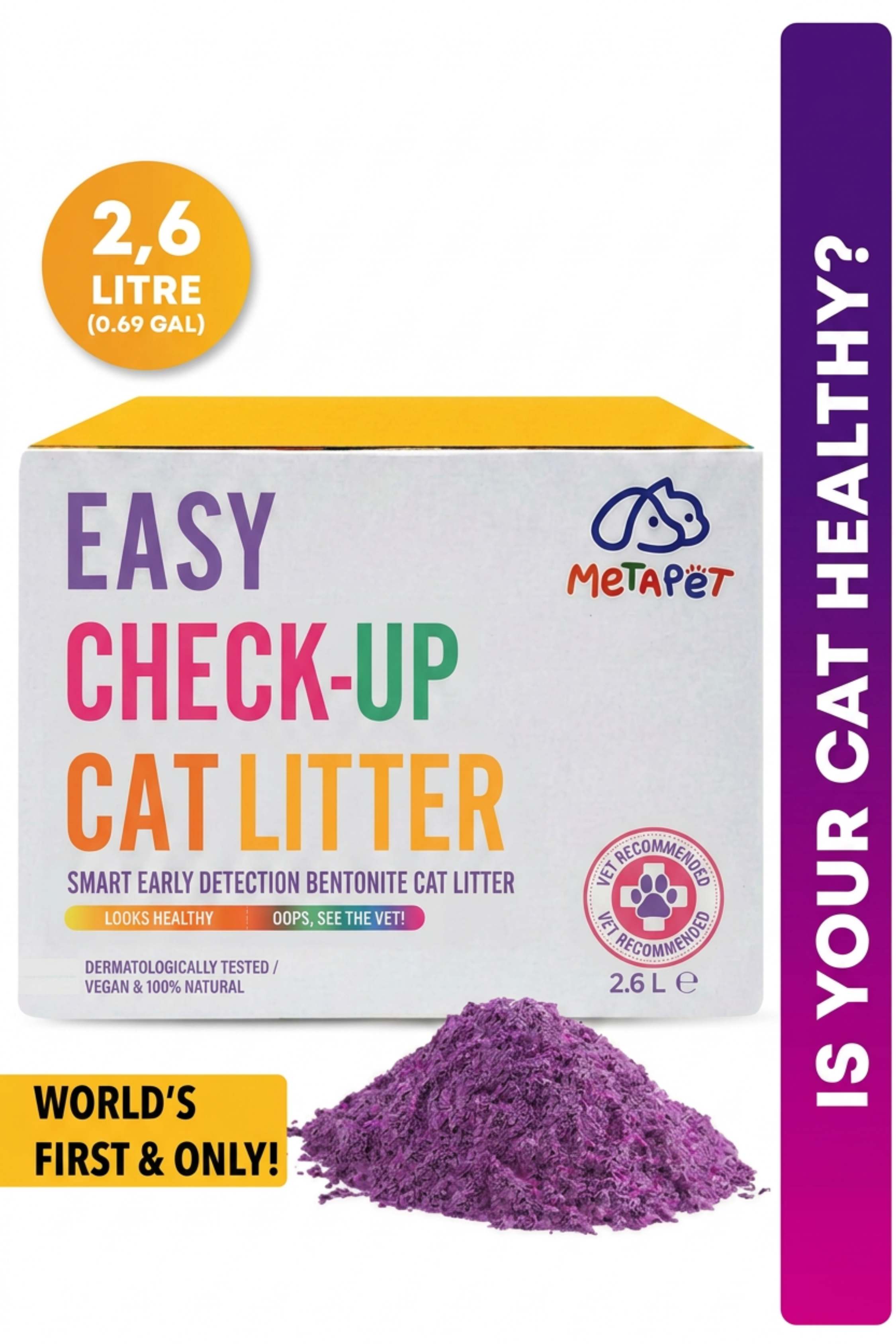
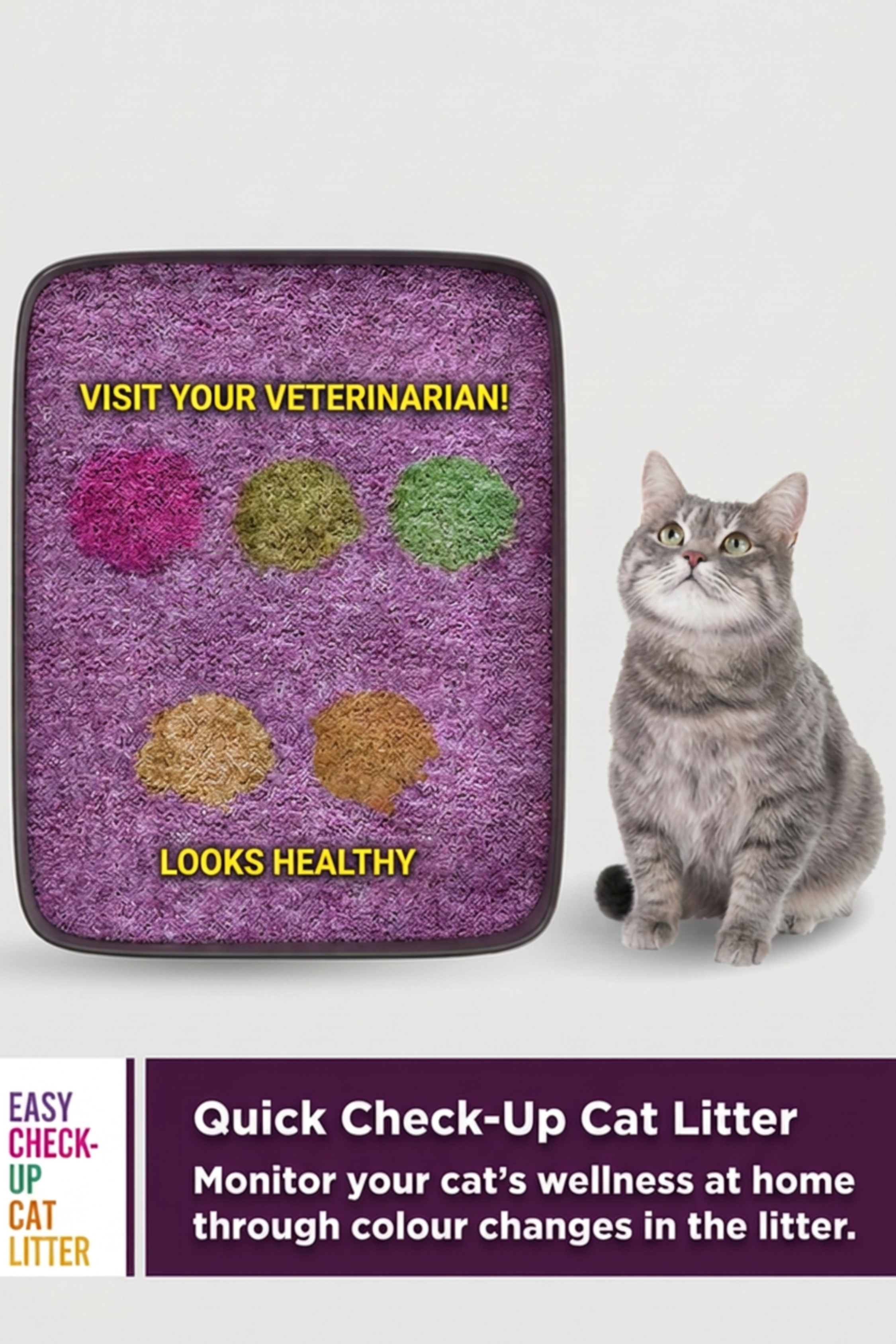
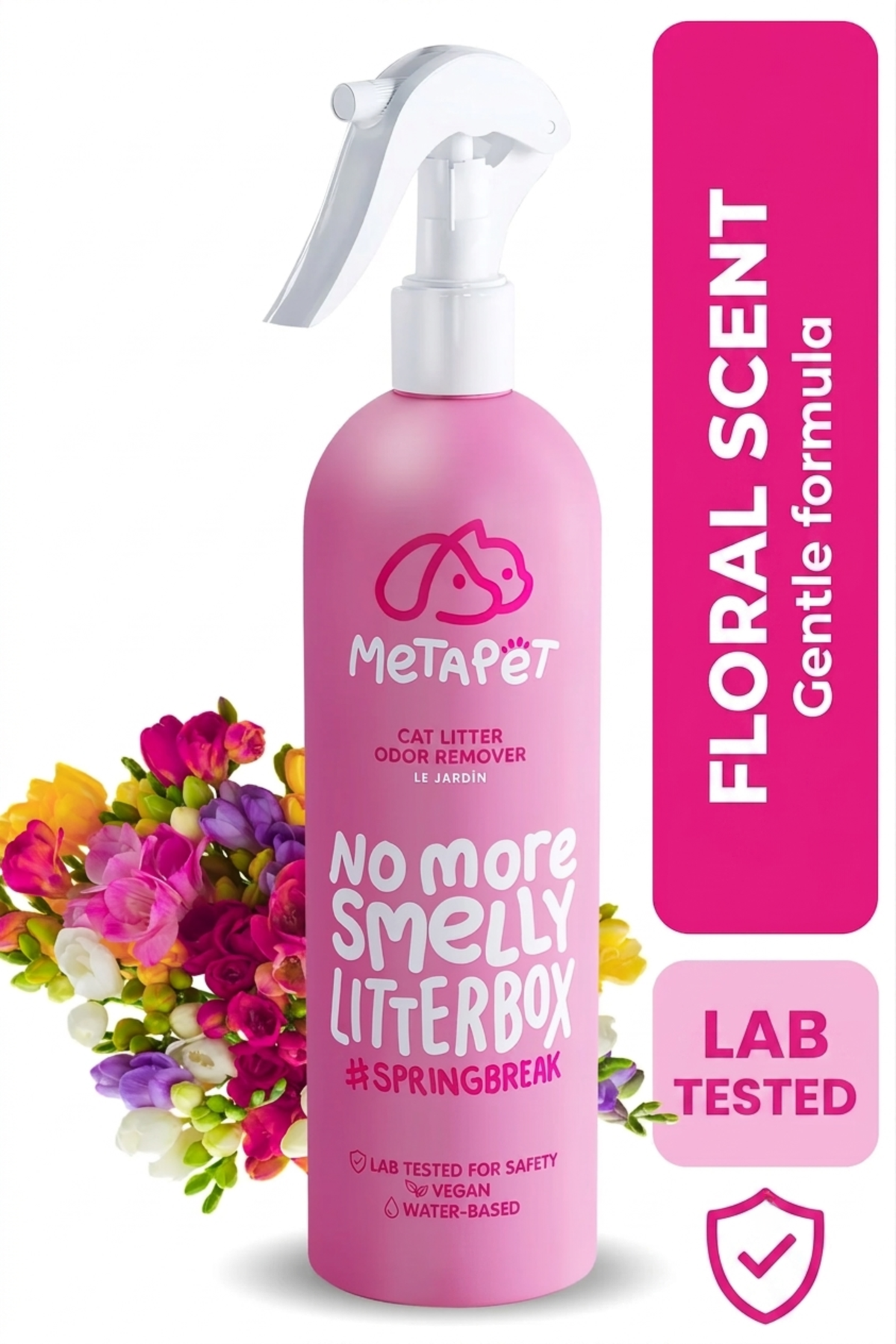
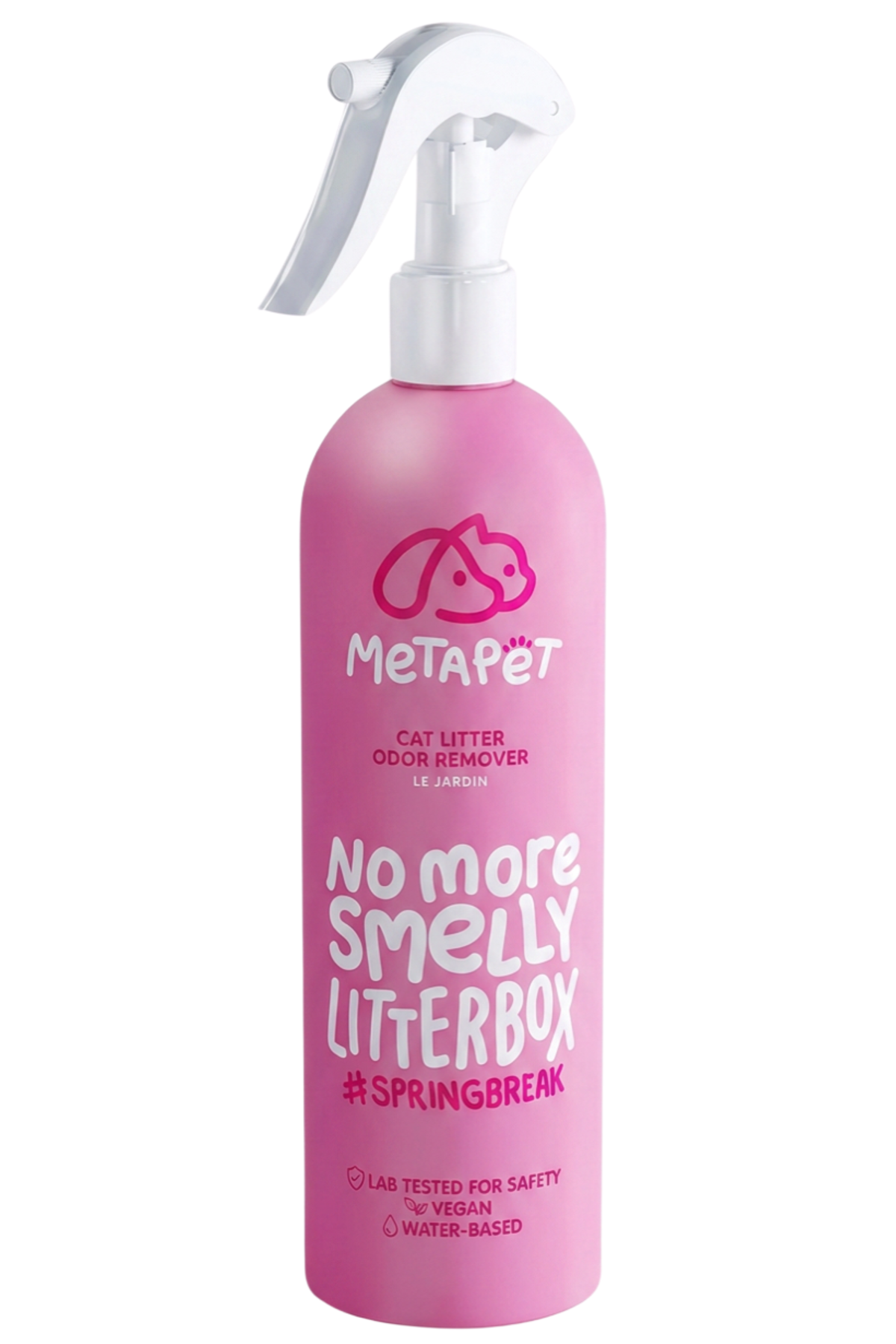
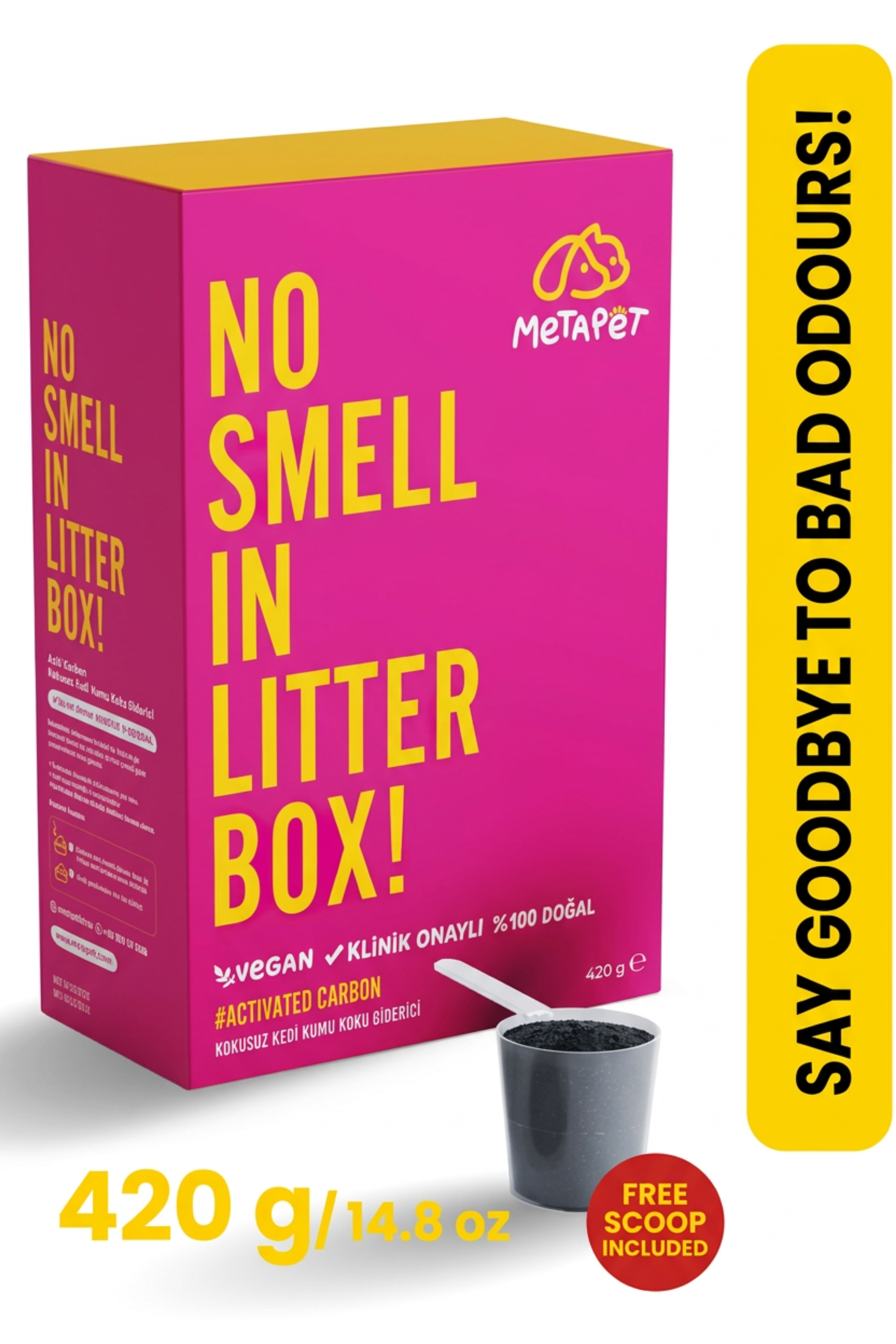
For everyday freshness between full changes, a litter deodorising product such as MetaPet No More Smelly Litterbox — Litter & Toilet Deodorizer Spray is designed to help reduce litter-box odours and works with clumping, silica and pellet litters. A carbon-based option, MetaPet No Smell in Litterbox activated carbon litter deodorizer, is designed to be used with litter for the same purpose. These are household freshening products rather than medicines; they do not treat or prevent any condition and are not a substitute for regular scooping and cleaning. Discontinue use if your cat shows any sensitivity, and if litter-box avoidance continues, see your veterinarian, because it is frequently a medical sign rather than a hygiene issue.
That last point is important enough to repeat: a cat that suddenly stops using its box may have a urinary or other medical problem. Cleaning products are not the answer to that; a veterinary examination is.
Managing Pet Hair Around the Home
Laundry is only one front. Hair distributes itself across every soft surface in the house, and a few habits keep it manageable.
- Brush your pet regularly — removing hair before it sheds onto furniture is far easier than removing it afterwards.
- Brush outdoors or in an easily cleaned room where practical.
- Use washable throws over favourite sofa spots, and wash those on your normal bedding cycle.
- Vacuum high-traffic areas and resting spots more often than the rest of the house.
- Keep a rubber glove or squeegee handy for dragging hair off upholstery and carpet before vacuuming.
- Wipe hard floors regularly, since hair and dander collect along skirting boards and under furniture.
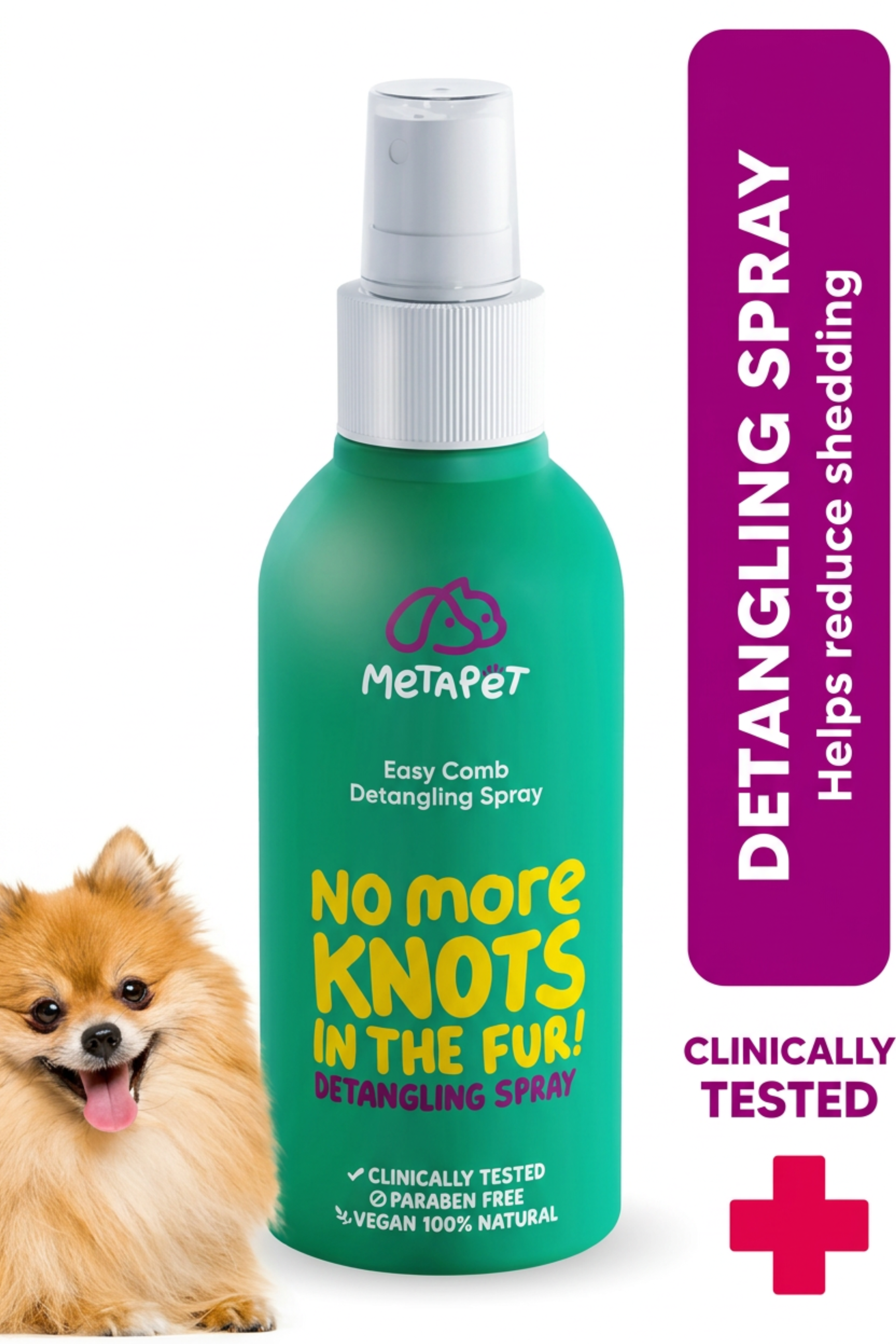
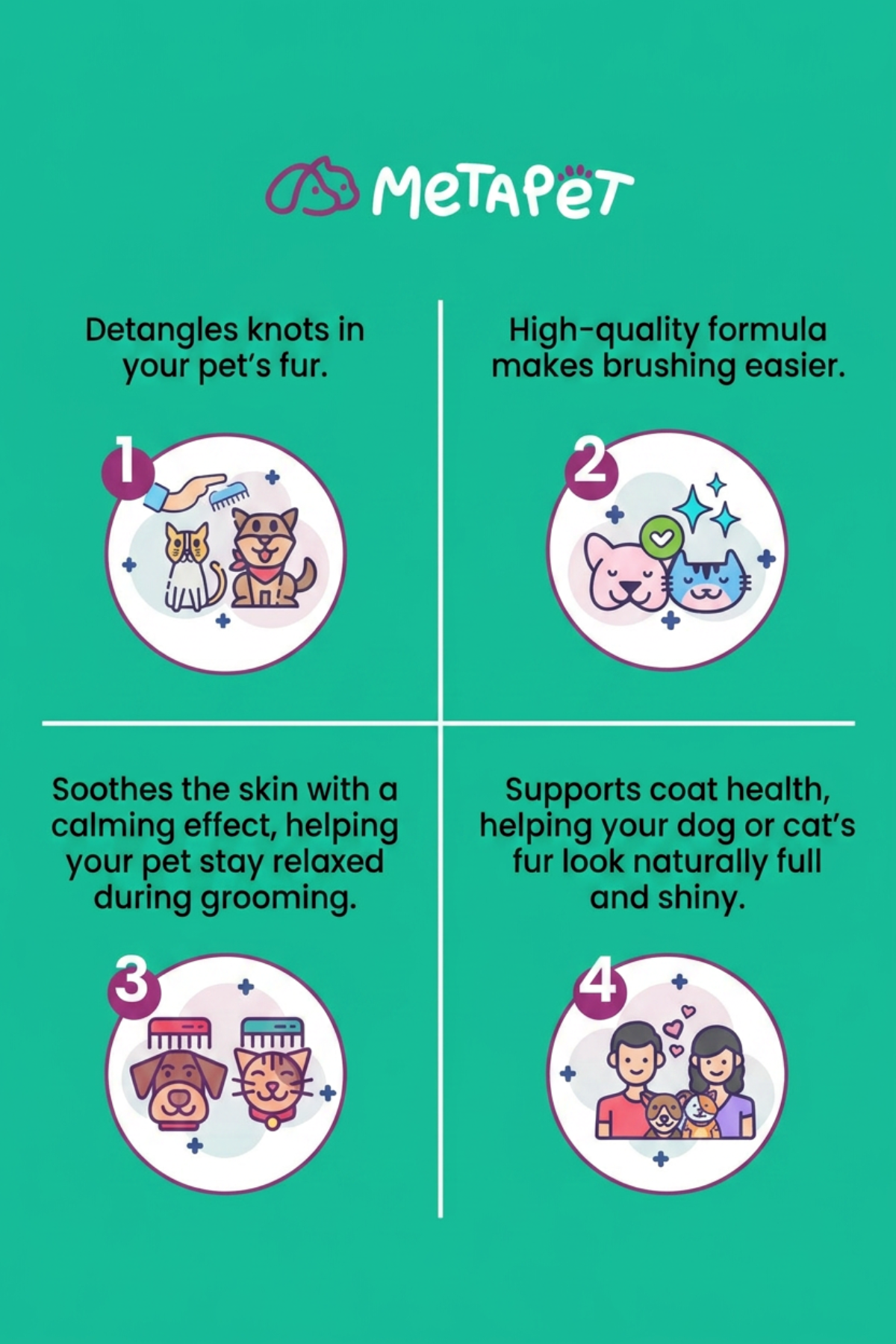
Regular brushing also gives you a routine opportunity to run your hands over your pet and notice lumps, sore spots, matted areas, or parasites. Where coats tangle easily, a detangling product such as MetaPet No More Knots in the Fur — Detangling & Easy-Combing Spray is designed to make combing easier as part of a normal grooming routine. It is a cosmetic grooming product and does not treat any skin or coat condition; painful matting, sore skin, or hair loss should be examined by your veterinarian.
Fleas, Parasites and Laundry
Owners often ask whether washing bedding deals with fleas. The honest answer is that laundry is a helpful supporting measure but never the main event.
Washing and thoroughly drying bedding removes a proportion of flea life stages present in the fabric, and vacuuming carpets and upholstery removes more from the wider environment. But flea life stages are distributed throughout a home — in carpet fibres, along skirting boards, under furniture — and cleaning alone does not resolve an infestation.
Effective flea control depends on a veterinary-recommended parasite prevention product used correctly on every pet in the household, alongside environmental cleaning. Laundry supports that plan; it does not replace it. Speak to your veterinarian about the right preventive product for your pets rather than choosing one based on packaging claims, and never apply a product intended for dogs to a cat.
If you find flea dirt on bedding — small dark specks that turn reddish-brown when moistened on damp white paper — contact your veterinary practice for a proper treatment plan for both the animals and the home.
Frequently Asked Questions
Can I wash pet bedding with my own laundry?
It is generally better to wash it separately, both for hygiene and because pet bedding sheds a lot of hair that transfers to other garments.
My dog seems to dislike the bed after washing. Why?
Most likely the detergent scent. Pets have a far more sensitive sense of smell than we do, and a freshly perfumed bed no longer smells like theirs. Use an unscented detergent, skip softener, and rotate one item at a time so a familiar-smelling blanket remains.
Is a special pet detergent necessary?
Not necessarily. A mild, unscented detergent used sparingly with an extra rinse works well for most households.
How do I clean a bed that does not fit in the machine?
Vacuum thoroughly, spot-clean with a suitable household product, and consider a laundrette with larger machines. In future, choose beds with removable, washable covers.
How often should I replace a pet bed?
When the padding is flattened, the cover is damaged, or odour persists after washing. Older pets in particular benefit from supportive, intact bedding.
Do I need to disinfect everything?
In an ordinary healthy household, routine washing and drying is sufficient. If your pet has a diagnosed contagious condition, follow the specific cleaning instructions your veterinarian provides rather than improvising.
The Bottom Line
A simple laundry routine — bed covers and blankets weekly, toys and carriers regularly, anything soiled immediately — takes very little time once it is a habit, and it improves the comfort of the place your pet spends most of its life.
Keep the mechanics right: shake and vacuum before washing, use less detergent and an extra rinse, skip fabric softener and strong perfumes, and dry thoroughly all the way through. Keep a spare set of everything so washing day is never postponed.
And treat cleaning as a monitoring opportunity rather than only a chore. The flea dirt, the damp patch, the unfamiliar smell, the sudden avoidance of a favourite bed — these are things you notice when you handle bedding regularly, and they are exactly the things worth mentioning to your veterinarian.