Winter Dry Air and Your Pet's Skin: A Seasonal Coat Guide
Every winter, veterinary clinics see a predictable wave of the same complaint: the dog has started leaving flakes on the sofa, the cat's coat has lost its shine, and stroking either of them produces a small crackle of static. Owners often assume they have changed something in the grooming routine. Usually they have not. What has changed is the air.
Cold outdoor air holds relatively little moisture. When that air comes indoors and is heated, its relative humidity drops sharply, and a heated home in midwinter can be considerably drier than the same home in summer. Skin and hair coat both respond to that, in pets exactly as in people. Add in more time spent close to radiators and heating vents, fewer hours outdoors and the occasional extra bath after a muddy walk, and the conditions for a flaky, dull, static-prone coat are all in place.
The good news is that most seasonal dryness is manageable with straightforward adjustments at home. The important part is being able to tell ordinary winter dryness apart from a skin problem that needs a veterinary diagnosis, because they can look similar at a glance and are handled very differently.
Important: This article shares general educational information for pet owners and is not a substitute for an in-person veterinary examination, diagnosis, or treatment. For any medical concern or emergency, contact your veterinarian promptly.
Why Winter Air Changes the Coat
Skin depends on a thin outer barrier of cells and lipids that holds moisture in and keeps irritants out. When the surrounding air is dry, moisture moves outward from that barrier more readily. The result is skin that feels tighter and sheds visible flakes, and hair that becomes less flexible and more prone to breaking, tangling and picking up a static charge.
Central heating amplifies this. Forced-air systems, wood burners and electric heaters all push relative humidity down, and pets gravitate toward exactly those warm spots. A cat who spends the afternoon pressed against a radiator, or a dog whose bed sits beside a heating vent, is sitting in the driest microclimate in the house for hours at a stretch.
Coat type matters too. Dense double coats trap dead undercoat that would otherwise work its way out, which dulls the surface and traps flakes near the skin. Short, fine coats offer less physical protection, so cold-to-warm swings are felt more directly. Neither is better or worse — they simply need different handling.
Normal Winter Dryness Versus a Real Skin Problem
This is the distinction that matters most, because seasonal dryness is a comfort issue while true skin disease is a medical one. Ordinary winter dryness tends to be mild, diffuse and non-inflammatory: some fine flaking, a slightly dull coat, a bit of static, and a pet who is otherwise behaving completely normally.
Signs that point to something more than dry air
- Persistent, focused itching — scratching, licking or chewing at one area rather than an occasional general scratch.
- Redness, bumps or scabs — inflamed skin, pustules, crusting or raw patches are not features of simple dryness.
- Hair loss — thinning or bald areas, particularly if symmetrical or spreading.
- Odour or greasiness — a distinctly waxy, oily or musty coat suggests a different process entirely.
- Thick, adherent scale — heavy scaling that clings rather than brushing away.
- Any change in behaviour — reduced appetite, low energy, increased thirst or weight change alongside skin signs.
Many conditions — parasites, allergic skin disease, bacterial or yeast overgrowth, and several hormonal disorders among them — can begin as what looks like dry, flaky skin. If any of the signs above are present, or dryness persists despite sensible home care, the right next step is a veterinary examination rather than another grooming product.
Raise the Humidity Where Your Pet Actually Sleeps
The single most effective environmental change is adding moisture back into the rooms your pet uses most. A humidifier in the main living area or bedroom is usually enough; there is no need to treat the whole house. Aim for a comfortable indoor humidity range and follow the manufacturer's guidance, since excessive humidity brings its own problems with condensation and mould.
Keep the unit clean and change the water regularly. A neglected humidifier can distribute exactly the kind of airborne irritants you are trying to avoid. Position it so it is not blowing directly onto your pet, and make sure cords are out of reach of a puppy or kitten inclined to chew.
Alongside that, move pet beds a sensible distance from radiators, vents and stoves. Warmth is not the enemy, but a bed directly against a heat source exposes skin to the driest, hottest air in the room for hours at a time. A slightly cooler, draught-free spot is kinder to the coat and usually just as comfortable for the pet.
Brush More Often, Not More Aggressively
Regular brushing is the most useful winter habit there is. It lifts dead hair and loose scale away from the skin, distributes the coat's own natural oils along the hair shafts, and gives you a weekly opportunity to inspect the skin underneath. Frequent, gentle sessions work far better than infrequent, determined ones.
Match the tool to the coat. A slicker brush or undercoat rake suits dense double coats; a soft bristle brush or grooming mitt is kinder on short, fine coats; long silky coats need a wide-toothed comb worked through in sections. Whatever you use, brush in the direction the hair grows, keep the pressure light, and stop before your pet becomes restless.
Winter coats tangle more easily because dry hair has more friction. Working through a knot dry is uncomfortable and can tear the coat. A detangling product applied first makes the comb glide instead of pull — MetaPet's No More Knots in the Fur detangling and easy-combing spray is formulated to help ease combing on tangle-prone coats and can be part of a gentle winter brushing routine. For mats that are tight against the skin, stop and involve a professional groomer or your veterinarian rather than cutting them out at home.
Rethink Bathing Frequency for the Season
Bathing is not inherently drying, but over-bathing in a low-humidity season can be. Every wash removes some surface oil, and in winter that oil is replaced against a drier backdrop. Many dogs benefit from stretching the interval between full baths slightly during the coldest months, while most healthy cats need very few baths at all and manage their own coat maintenance well.
When you do bathe, use a product made for the species and skin in question. Human shampoo is formulated for human skin and is not an appropriate substitute. MetaPet's pH-Balanced Bath Shampoo for Dogs is designed with canine skin in mind for routine bathing. Rinse thoroughly — residue left in a dense coat is a common and avoidable cause of winter irritation — and dry properly before your dog goes anywhere cold.
Between baths, a waterless option can keep a coat fresh without a full wet wash, which is particularly useful for cats and for dogs who find winter bathing stressful. MetaPet's waterless dry foam shampoos, such as Oh My Sensitive Baby! for cats and A Dog From Paris for dogs, are designed for between-bath freshening as part of a regular grooming routine. Cosmetic grooming products of this kind support cleanliness and coat condition; they are not treatments for skin disease and do not replace veterinary care.
Paws, Noses and Ear Edges Take the Worst of It
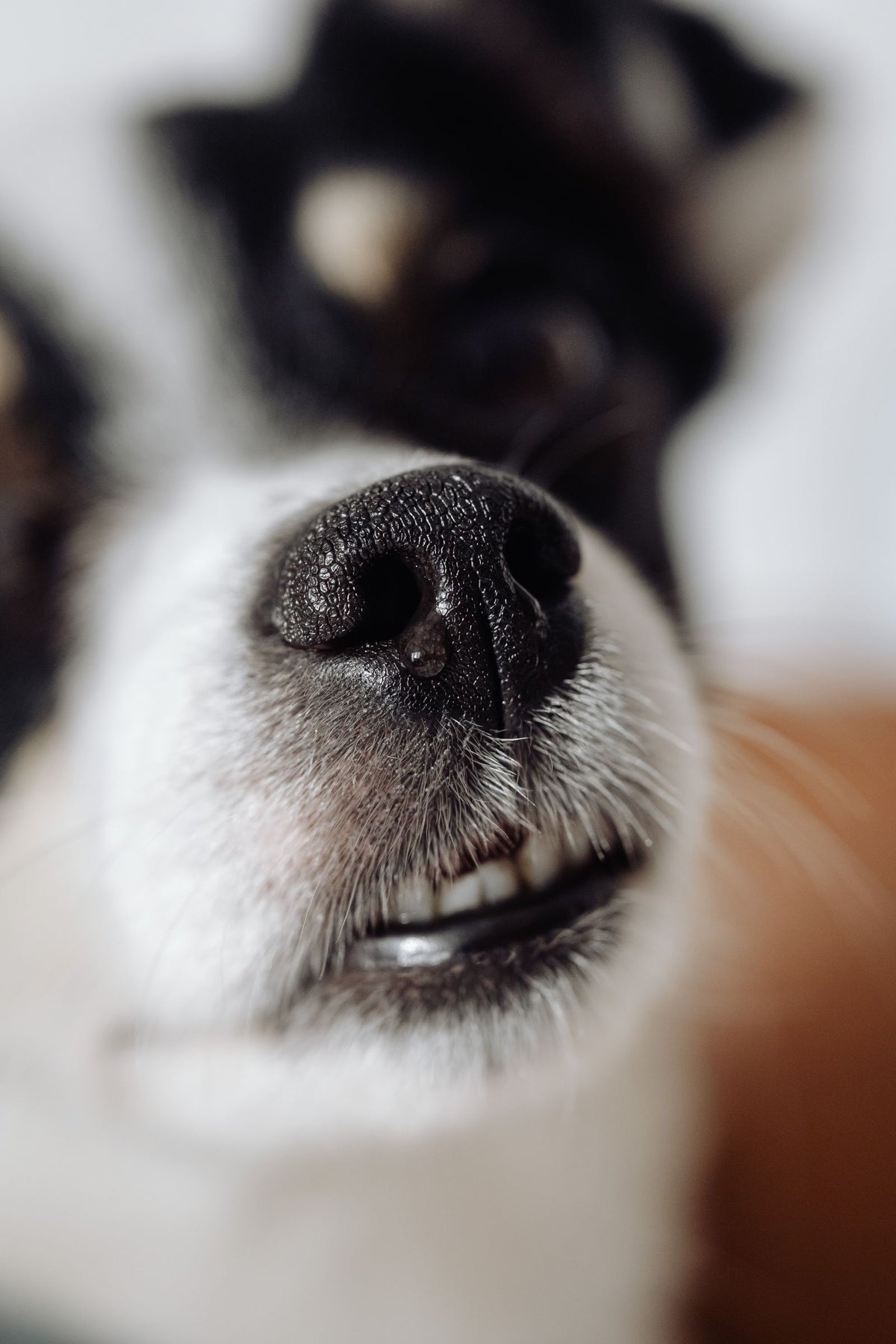
Winter is hard on the parts of a dog or cat that meet the weather directly. Paw pads move between warm indoor floors and cold, wet, sometimes salted ground. Nose leather and the thin skin at the ear margins are exposed and lightly covered. These areas commonly become rough or chapped before the rest of the coat shows any change at all.
After walks, rinse or wipe paws to remove grit, road salt and de-icing residue, and dry between the toes rather than leaving them damp. Trim the hair that grows between the pads on long-coated dogs, since it collects ice balls and moisture. MetaPet's Nano-Series Hygiene & Care Towel Wipes and Pawsome paw cleaning foam with brush are made for this kind of routine post-walk cleaning.
Cracked, bleeding or painful pads are different from merely dry ones, as is a nose that becomes crusted, ulcerated or loses pigment. Those changes deserve a veterinary opinion, because several specific conditions affect exactly these sites and they need a diagnosis rather than a moisturiser.
Diet, Water and Coat Condition
Skin and hair are metabolically demanding tissues, and coat quality reflects overall nutrition over weeks and months rather than days. A complete, balanced diet appropriate to your pet's life stage does most of the work here. If you are unsure whether the current food is meeting your pet's needs, that is a good conversation to have at the next check-up.
Water intake often drops in winter, particularly in cats, who are not naturally strong drinkers. Keep bowls clean and full, place them away from litter trays and busy thoroughfares, and consider adding a second water station. Some cats drink noticeably more from a wide, shallow bowl or a running fountain, and wet food contributes meaningfully to daily fluid intake.
Omega fatty acids are widely used as part of general coat and skin support, and products such as MetaPet's Omega Salmon Oil for Dogs and Wow Beauty Drops fur and skin vitamin drops for cats are formulated to support normal skin and coat condition as part of a daily routine. Supplements are a complement to proper veterinary care, never a substitute for it, and any supplement should be discussed with your veterinarian first — particularly for pets on medication or with an existing health condition.
Static, Dullness and the Cosmetic Side of Winter
Static is the most harmless and most annoying winter coat complaint. It happens because dry hair holds a charge, and it is worse on synthetic bedding and carpets. Raising room humidity helps most. Using a metal comb rather than a plastic one, brushing slightly more often, and swapping to natural-fibre bedding all reduce it further.
A coat that looks dull rather than dry is often carrying a layer of dead hair and fine scale that brushing alone has not cleared. Consistent grooming over a couple of weeks usually restores the shine without any product at all. For owners who want to support coat appearance between grooms, MetaPet's Nano-Series Skin & Coat Soothing Care Spray is designed as a light leave-on grooming mist for routine coat care.
It is worth being clear about what cosmetic grooming products do and do not do. They can help a coat look and feel better and make brushing easier. They do not diagnose, treat or resolve skin disease, and a pet whose skin is genuinely inflamed or infected needs veterinary attention rather than a change of spray.
Sweaters, Coats and Indoor-Outdoor Transitions
Outerwear is genuinely useful for some dogs — thin-coated breeds, very small dogs, puppies, seniors and dogs with reduced body condition or certain medical conditions. For a healthy dog with a thick double coat, a sweater is usually unnecessary and can cause overheating or matting where the fabric rubs.
- Check the fit — no rubbing at the armpits, no pressure on the throat, and full freedom to move, squat and toilet normally.
- Take it off indoors — leaving a coat on in a heated house traps warmth and moisture against the skin.
- Keep it dry — a damp garment against the coat is worse than none at all, so rotate between two if walks are wet.
- Brush underneath — fabric friction encourages mats, especially behind the legs and under the chest.
- Wash it regularly — the garment collects the same grit and salt as the paws.
Cats rarely tolerate or need clothing. For an indoor cat, the better intervention is a warm, draught-free resting place away from direct heat, with a blanket they can burrow into if they choose.
When to Call Your Veterinarian
Seasonal dryness should be mild and should improve with the adjustments above. If it does not, or if other signs appear alongside it, book an appointment rather than continuing to experiment at home.
- Itching that disrupts sleep or daily life — this is a welfare issue and needs assessment.
- Broken skin, sores, odour or discharge — these indicate inflammation or infection, not dryness.
- Hair loss, especially symmetrical patterns — several hormonal conditions present this way and need blood testing.
- Dryness that does not improve over several weeks — persistent scaling despite good home care warrants investigation.
- Skin signs plus systemic changes — thirst, appetite, weight or energy changes make a veterinary visit a priority.
- Painful, cracked or bleeding paws or nose — these need proper examination and care.
For anything that appears painful, rapidly worsening or accompanied by a pet who seems unwell, contact your veterinary practice promptly rather than waiting for the next routine appointment.
A Simple Winter Routine That Works
Pulling it together, a workable winter plan is short and repeatable. Add humidity to the rooms your pet uses. Move beds away from direct heat. Brush a little more often and a little more gently, using a detangling aid where the coat needs it. Stretch bath intervals modestly, use species-appropriate products, and dry thoroughly. Clean and dry paws after every walk. Keep water available and appealing, and keep the diet complete and balanced.
Check the skin itself once a week while you brush. Part the coat in a few places, look at the skin colour, feel for lumps or scabs, and notice whether flaking is improving. Ten seconds of looking is worth far more than any product, because it is how problems get caught early.
Most winter coat complaints resolve with exactly this kind of unglamorous consistency. The ones that do not are precisely the ones your veterinarian needs to see — and knowing the difference is the most valuable thing an owner can take into the cold season.