Vaccine Reactions in Dogs and Cats: What to Watch For

Vaccines are one of the most important tools in everyday preventive care for dogs and cats. They work by introducing the immune system to a harmless version or fragment of an organism so the body can build a targeted defence before it ever meets the real thing. That process is, by design, an immune event — and because the immune system is doing real work, it is normal for some pets to feel a little off for a short time afterwards.
Most owners never see anything more than a sleepy pet and a slightly tender leg. A much smaller number see reactions that need a phone call, and a very small number see reactions that are true emergencies. Knowing the difference in advance takes a lot of worry out of vaccine day, and it helps you give your veterinary team clear, useful information if something does happen. This guide walks through what is typical, what is not, and how to plan appointments so that any problem is caught early.
Important: This article shares general educational information for pet owners and is not a substitute for an in-person veterinary examination, diagnosis, or treatment. For any medical concern or emergency, contact your veterinarian promptly.
How Vaccines Work in the Body
A vaccine presents the immune system with a recognisable pattern — an inactivated organism, a modified live organism that cannot cause disease normally, or a piece of protein or genetic instruction that looks like part of the organism. Immune cells sample that material, multiply, and create memory cells that persist. If the pet later meets the real organism, that memory allows a faster and stronger response.
Building memory takes energy and involves local inflammation at the injection site. Inflammatory signalling molecules travel through the bloodstream, which is why a pet may feel tired or run a mild temperature. In other words, a small amount of short-lived discomfort is not a malfunction; it is a visible sign that the immune system has noticed the vaccine and started working.
This is also why some vaccines are given as a series in puppies and kittens. Antibodies passed from the mother protect newborns but also interfere with vaccination, and they fade at different ages in different individuals. Repeating doses over several weeks makes it far more likely that at least one dose lands after maternal antibodies have declined enough for the young animal's own immune system to respond.
Common, Mild Effects in the First 24 to 48 Hours
The great majority of pets show either nothing at all or a handful of mild, self-limiting signs that fade on their own. These are generally considered expected responses rather than problems, though you should always feel free to report them.
- Sleepiness and low energy. Many dogs and cats nap more than usual on vaccine day and are back to normal the next morning.
- Reduced appetite. Skipping one meal or eating less enthusiastically is common; refusing food for longer is not.
- Tenderness at the injection site. Your pet may flinch when that spot is touched, or may be briefly stiff on the leg that was used.
- A small firm bump under the skin. A pea-sized swelling where the needle went in is a frequent finding as local immune cells gather.
- Mild warmth or a slightly raised temperature. A short-lived, low-grade fever can accompany the immune response.
- A little more sleep-seeking or clinginess. Some pets simply want a quiet corner or extra reassurance for an evening.
As a rule of thumb, mild effects appear within a few hours, peak the same day, and are clearly resolving by the second morning. Anything that is getting worse rather than better, or that lasts beyond about two days, deserves a call to your veterinary clinic.
Signs That Warrant a Phone Call the Same Day
A second tier of reactions is uncommon but well recognised. These are not usually immediately life-threatening, yet they should be assessed rather than watched at home, because your veterinarian may want to examine your pet and will certainly want the event recorded in the medical file for future planning.
- Vomiting or diarrhoea. Especially if repeated, or if your pet also seems dull or is not drinking.
- Hives or raised bumps across the skin. Often most visible on the belly, face, or inside the ears in short-coated dogs.
- Persistent itching or face-rubbing. A pet that suddenly rubs its muzzle on the carpet may be reacting.
- Marked lameness that is worsening. Ongoing or increasing pain in the vaccinated limb rather than brief soreness.
- Refusing all food for more than about a day. Cats in particular should not go without eating for long, for reasons unrelated to vaccination.
- A lump that grows, becomes painful, oozes, or is still present weeks later. Any injection-site lump that does not steadily shrink should be examined.
Describe timing precisely when you call — what you saw, how long after the appointment, and whether it is improving. That timeline is genuinely useful clinical information and shapes the advice you get.
Emergency Signs: Act Immediately
True severe allergic reactions are rare, but they can develop quickly, usually within minutes to a couple of hours of the injection. If you see any of the following, contact your veterinarian or the nearest emergency veterinary hospital right away rather than waiting to see whether it settles.
- Difficulty breathing or noisy, laboured breathing. Including open-mouth breathing in a cat, which is always urgent.
- Swelling of the face, muzzle, eyelids, or throat. Puffiness that is visibly increasing is especially concerning.
- Sudden collapse, weakness, or inability to stand. Or very pale gums.
- Repeated vomiting with obvious distress shortly after the visit. Particularly when combined with weakness.
- Seizure activity or loss of consciousness. Any seizure is an emergency regardless of cause.
Severe reactions are treatable when they are addressed promptly, which is one of the reasons many clinics suggest staying nearby for a short period after certain vaccinations, or ask you to remain in the waiting area with a pet that has reacted before.
Injection-Site Lumps and Why Cats Get Special Attention
A small, soft, non-painful swelling that appears within days and gradually disappears over a few weeks is a common local response in both species. It reflects immune cells collecting where the vaccine was deposited.
In cats, veterinarians pay particularly close attention to lumps that persist. This is why many feline practitioners record the exact site of each injection and often use a limb or a low, standardised location rather than between the shoulder blades. The purpose is simply to make any long-lasting lump easy to find, measure, and act on early. If a lump in a cat is still present after several weeks, is growing, or becomes larger than a small pea, have it checked promptly.
A practical home-monitoring habit
Write the date, the vaccines given, and the injection sites on your phone or a wall calendar. Once a week, run your hands over your pet as part of a grooming session and note whether the spot feels the same, smaller, or larger. A simple written record turns a vague impression into something your veterinarian can act on.
Which Pets Are More Likely to React
Reaction risk is not evenly distributed. Understanding where your own pet sits helps you and your veterinarian plan appointments thoughtfully.
- Small-breed dogs. Small dogs appear somewhat more prone to reactions than large dogs, and this is often discussed when several vaccines are due at once.
- Pets with a previous reaction. A documented past reaction is the single most useful predictor and should always be mentioned when booking.
- Young animals receiving several vaccines together. Your veterinarian may choose to space doses out rather than combine them.
- Pets that are already unwell. Vaccination is usually postponed in an animal that is sick, feverish, or recovering from surgery until they are stable.
- Pets on certain medications. Some drugs affect immune response; always share a complete medication and supplement list.
None of these factors means a pet cannot or should not be vaccinated. They simply change how the appointment is structured — timing, spacing, premedication decisions, and how long you are asked to stay.
Planning a Lower-Stress Vaccine Appointment
A little preparation makes it easier to spot a genuine reaction, because you are not trying to separate a real problem from ordinary post-visit stress.
- Book a morning appointment where possible, so the clinic is still open during the hours a reaction is most likely.
- Bring a written list of any previous reactions, current medications, and supplements.
- Ask which vaccines are being given, at which sites, and what your veterinarian expects to be normal for this particular pet.
- Plan a quiet afternoon at home rather than a long walk, a training class, or a grooming appointment.
- Offer water and a normal-sized meal, and let your pet rest undisturbed if that is what they want.
- Check in on your pet visually every hour or two for the first evening rather than only at bedtime.
If your pet finds the clinic itself stressful, mention that too. Reducing fear at the visit is worthwhile in its own right and also makes the physical examination more informative.
Balancing Risk and Benefit Honestly
It is entirely reasonable to ask why a particular vaccine is recommended for your particular animal. Vaccination decisions are not one-size-fits-all: they depend on species, age, health status, local disease patterns, legal requirements in your area, and how your pet actually lives. An indoor-only cat in an apartment and a farm dog that swims in ponds have different exposures.
At the same time, the diseases that core vaccines address are serious, and several of them are difficult or impossible to treat once established. The comparison that matters is not vaccine risk against zero risk; it is vaccine risk against the risk of the disease. For most pets, that comparison strongly favours staying current on core vaccines and discussing the non-core ones individually.
If your pet has reacted before, the conversation shifts to how to vaccinate more safely rather than whether to abandon vaccination altogether. Options your veterinarian may raise include spacing doses further apart, choosing different products, adjusting which non-core vaccines are given, or observing your pet at the clinic for a period after the injection.
What Vaccines Do Not Cause
Clear information is as valuable as a symptom list. A few beliefs circulate widely and can lead owners to skip protection their pet genuinely needs.
- Vaccines do not give a healthy pet the disease. Modified live vaccines are altered so they do not cause normal illness in a healthy animal.
- A mild fever is not proof of harm. It is a common, short-lived feature of an ordinary immune response.
- Titre testing is not automatically a replacement for vaccination. It can be useful in specific situations, but interpretation is nuanced and legal requirements for certain vaccines are not satisfied by titres. Discuss it with your veterinarian.
- Indoor cats are not automatically exempt. Some organisms enter homes on shoes, on other pets, or through open windows and screens, and legal requirements may still apply.
When you read a strong claim online, the most useful next step is to bring it to your veterinarian rather than acting on it. They can tell you how it applies — or does not apply — to your individual animal.
Supporting Comfort at Home After the Visit
Comfort care after vaccination is simple and mostly about restraint on your part: less activity, fewer demands, and a predictable environment.
- Offer a quiet, warm resting place. Away from other pets, children, and household traffic.
- Keep fresh water available. And do not force food if your pet is briefly uninterested in one meal.
- Skip strenuous exercise for the rest of the day. Short toilet breaks are fine; long runs and rough play can wait.
- Avoid touching or massaging the injection site. Leave the area alone and simply observe it.
- Never give human pain or allergy medicines. Many are dangerous to dogs and cats. Only use medication your veterinarian has specifically prescribed for this pet.
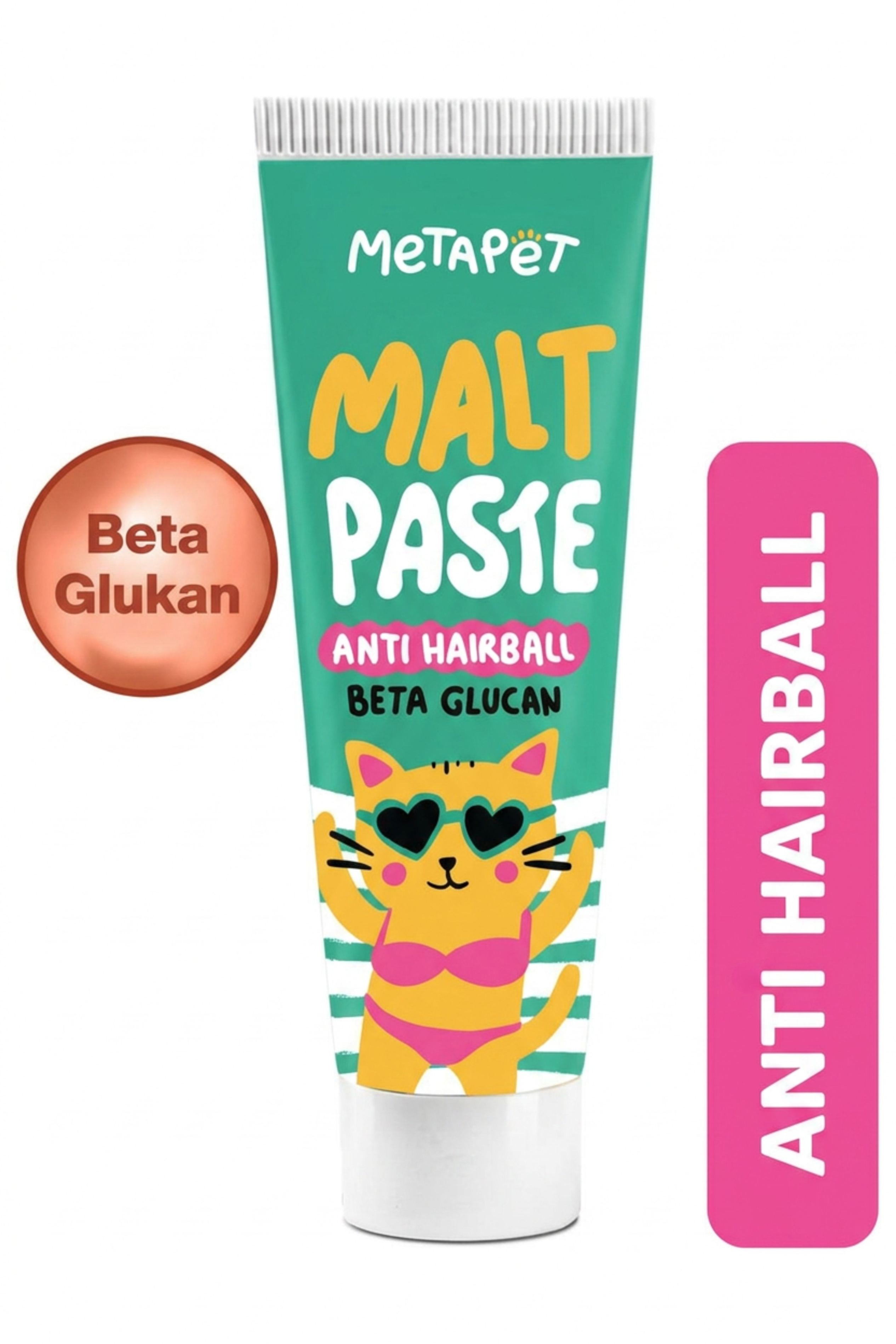
Well-formulated everyday grooming and general-care products can be part of a normal routine on other days, but they are not a response to a vaccine reaction and are never a substitute for veterinary assessment. If you are worried enough to be searching for something to give, that is the moment to phone the clinic instead.
Frequently Asked Questions
How soon after vaccination do reactions usually appear?
Severe allergic reactions typically begin within minutes to a few hours. Milder effects such as tiredness, soreness, or a reduced appetite usually appear the same day and settle within a day or two. Injection-site lumps may take several days to become noticeable.
Should I stay near the clinic afterwards?
Many veterinarians suggest remaining close by for a short period, and specifically ask owners of pets with a reaction history to wait at the practice. Follow the advice given for your individual animal.
Can I give an antihistamine at home just in case?
Do not medicate on your own initiative. Dose, formulation, and suitability differ by species and by individual, and some human products contain additional ingredients that are dangerous to pets. If premedication is appropriate, your veterinarian will prescribe it.
My pet reacted last time. Can they be vaccinated again?
Often yes, with a modified plan. Make sure the previous reaction is clearly documented, including what was seen and how quickly, so your veterinary team can decide how to proceed safely.
Is it better to split vaccines across separate visits?
Sometimes. Splitting is a common approach for small dogs, young animals, and pets with a reaction history. It is a clinical judgement your veterinarian makes with you, not a universal rule.
The Bottom Line for Owners
Vaccination is a routine, well-established part of preventive care, and for the overwhelming majority of dogs and cats it passes without incident. The realistic expectation is a quiet evening, perhaps a slightly sore leg, and a normal pet the next morning.
Your job is not to memorise every possible outcome. It is to know three things: what ordinary tiredness looks like, which signs deserve a same-day phone call, and which signs mean you go now. Keep a simple record of dates, products, and sites; report anything unusual even if it seems minor; and treat your veterinary team as partners in planning rather than only as the people who give the injection.
If you are ever unsure whether what you are seeing is normal, the safest and cheapest action is a phone call. Veterinary teams would far rather answer a question about a sleepy dog than see a pet whose reaction was watched too long.