Torn and Broken Nails in Dogs and Cats: First Aid and Care

Few minor injuries cause as much drama as a torn or broken nail. Dog and cat nails contain a living core of blood vessels and nerves called the quick, so a cracked or ripped nail is genuinely painful and can bleed impressively. Most nail injuries are not emergencies, but they do need calm, correct first aid — and some need a veterinarian.
This guide walks through how pet nails are built, why they break, step-by-step first aid at home, the situations that call for professional care, and the simple grooming habits that prevent most nail injuries in the first place.
Important: This article shares general educational information for pet owners and is not a substitute for an in-person veterinary examination, diagnosis, or treatment. For any medical concern or emergency, contact your veterinarian promptly.
How Dog and Cat Nails Are Built
A pet's nail is a hard keratin shell wrapped around a sensitive living core. The quick carries the blood supply and nerve endings, which is why a break that exposes it hurts and bleeds. In light-colored nails the quick is visible as a pink center; in black nails it cannot be seen, which makes trimming and injury assessment trickier.
Dogs' nails grow continuously and wear down with activity on hard surfaces. Cats' claws are retractable and shed their outer husks naturally — finding papery claw sheaths near a scratching post is normal and not an injury. Cats also rely on their claws for climbing and balance, so claw health matters to their whole body confidence.
Why Nails Tear and Break
- Overgrown nails: the most common cause by far — long nails catch on carpet, decking, blankets and turf.
- Snagging during play: sudden direction changes on rough ground can twist a nail sideways.
- Dewclaws: the higher, thumb-like nails never touch the ground, do not wear down, and are the classic snag-and-tear victims.
- Brittle nails: older pets and some individuals grow drier, more splintery nails that crack rather than bend.
- Trauma: getting a paw caught in a door, fence or grate can break nails outright.
- Underlying nail disease: infections and certain immune or nail-bed conditions weaken nails; repeated breaks in multiple nails deserve a veterinary work-up.
Recognizing a Nail Injury
Sometimes the event is obvious — a yelp mid-zoom and a suddenly held-up paw. Other times you only see the aftermath. Typical signs include:
- Sudden limping or holding one paw off the ground after play.
- Intense licking focused on one toe.
- Blood spots on flooring, bedding or where the pet has been resting.
- A visibly dangling, split or missing nail or a nail sitting at an odd angle.
- Sensitivity: the pet pulls the paw away or protests when you try to look.
- Swelling or redness around one toe, which can suggest infection if the injury is a day or more old.
Step-by-Step First Aid at Home
Stay calm and keep your pet still. Even gentle pets may snap when a painful toe is handled, so go slowly, and ask a second person to help steady and reassure if possible.
- Restrain gently. Small dogs and cats can be wrapped loosely in a towel with the injured paw free. Never wrestle a struggling pet — pause and let them settle.
- Look at the damage. Identify whether the nail is cracked, split, partially attached or torn off, and whether the quick is exposed.
- Control bleeding. Press a clean gauze pad or soft cloth against the nail tip with steady, gentle pressure for five to ten minutes without peeking. Styptic powder for pets, or plain cornstarch pressed onto the tip, helps clotting.
- Do not pull a partially attached nail. A dangling fragment that is barely connected may separate on its own, but anything firmly attached should be trimmed or removed by a professional — tearing it off at home is painful and risks worse injury.
- Rinse gently. Once bleeding stops, lukewarm water can rinse away debris. Avoid hydrogen peroxide or alcohol on an open quick — they sting and can slow healing.
- Protect the paw. A light, breathable wrap or a clean pet sock can keep dirt out for the first hours. Never wrap tightly, and never leave a damp bandage on.
What Not to Do
- Do not ignore a dangling nail. It will keep catching and re-tearing, hurting every time.
- Do not cut into the quick trying to tidy the nail yourself — trimming near an injured quick is a job for the clinic.
- Do not apply human ointments without veterinary guidance; pets lick their paws, and some products are not meant to be swallowed.
- Do not bandage tightly. Toes can swell dangerously under a snug wrap within hours.
- Do not let the pet lick constantly. Licking keeps the tissue wet and introduces mouth bacteria; a recovery cone may be needed for a day or two.
When a Veterinary Visit Is Needed
Plenty of small chips and cracked tips heal uneventfully at home. See your veterinarian when any of the following apply:
- Bleeding will not stop after ten to fifteen minutes of steady pressure.
- The nail is torn deep at the base or the toe itself looks swollen, bruised or misshapen — there may be a fracture.
- The quick is widely exposed. Professional trimming, cleaning and protection make healing faster and far more comfortable.
- Signs of infection appear: increasing swelling, redness, discharge, odor or new limping a day or more after injury.
- Your pet will not let you examine the paw. Clinics can use safe restraint and pain relief to assess properly.
- Breaks keep happening across multiple nails — brittle or diseased nails deserve a diagnostic work-up rather than repeated first aid.
At the clinic, the team may trim the broken portion under sedation or local numbing, clean the nail bed, and dispense pain relief or antibiotics when appropriate. Most pets are comfortable again within a few days; the nail itself regrows over several weeks to months.
Healing and Aftercare
An exposed quick hardens over within a few days and becomes steadily less sensitive. During recovery, keep walks short and on clean, soft ground, check the toe daily for swelling or discharge, and keep bandages dry and changed as directed. If your veterinarian applied a wrap, follow their schedule for removal — wraps left too long cause problems of their own.
The regrowing nail may look slightly different in shape or color at first. That is normal. If regrowth seems painful, crooked or repeatedly splits, book a recheck.
Prevention: Trimming Is Almost Everything
The vast majority of torn nails happen because the nail was long enough to catch. A nail at healthy length should not click loudly on hard floors, and it should clear the ground when the dog stands.
- Trim little and often: small slivers every one to two weeks keep the quick receding, rather than rare dramatic cuts.
- Use sharp, pet-specific tools: scissor-style or guillotine clippers for dogs, small clippers for cats; grinders suit dogs nervous of clipping.
- Learn your pet's quick: in dark nails, cut a little at a time and stop when a dark dot appears in the center of the cut face.
- Do not forget dewclaws: the nails that never touch the ground need trimming the most.
- Make it pleasant: pair every session with treats and stop before your pet's patience runs out; two nails a day is a fine pace.
- Cats need outlets: sturdy scratching posts help cats maintain their own claws; seniors whose claws thicken and overcurl need regular human help.
Everyday Paw Care That Supports Healthy Nails
Nails do best on paws that are checked and kept clean. Build a quick weekly paw habit: look between the toes for debris, grass seeds and mats, feel each pad for cracks, and glance at every nail — including dewclaws — for splits or chips. Pets used to having their paws handled are also far easier to help when an injury does happen.
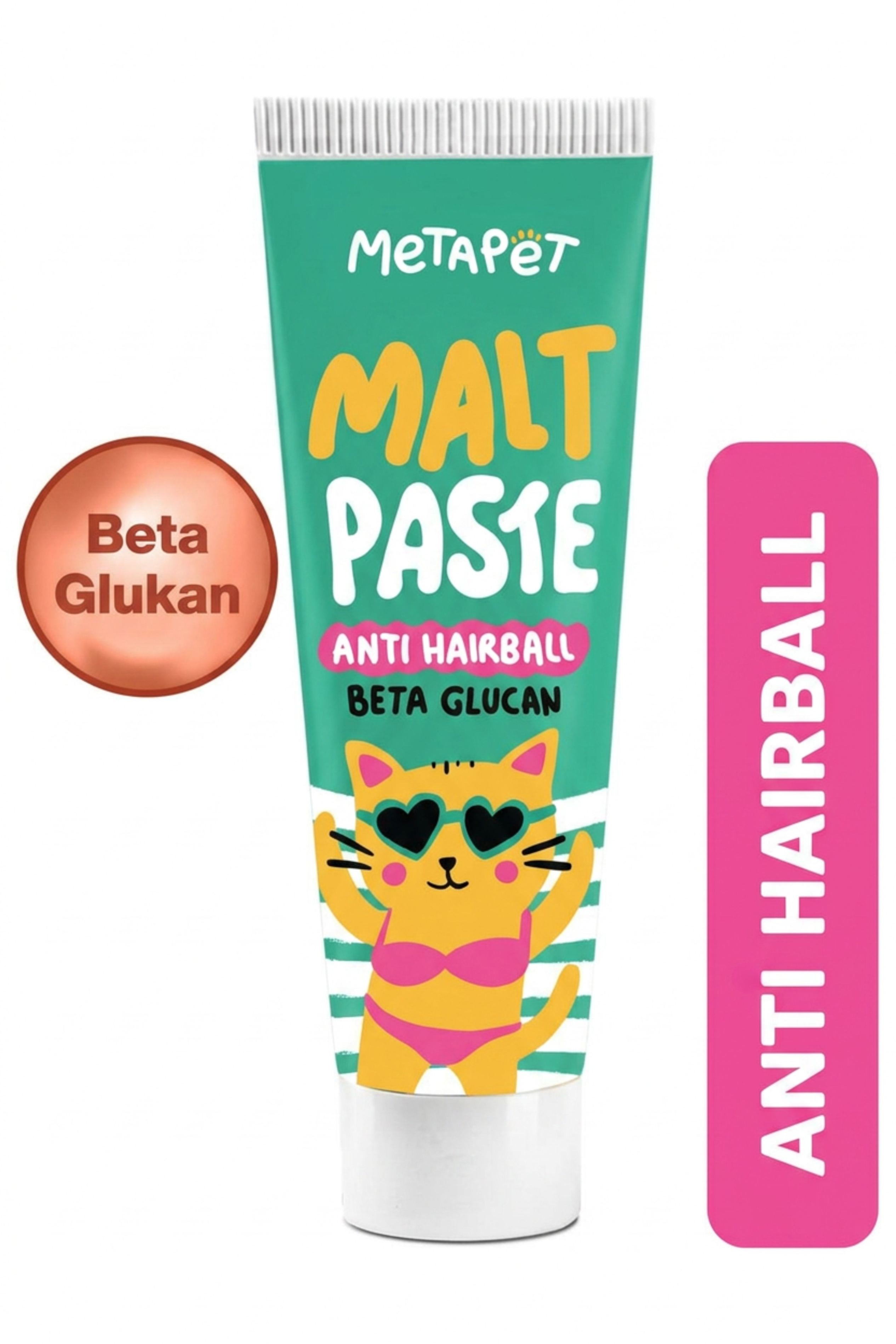
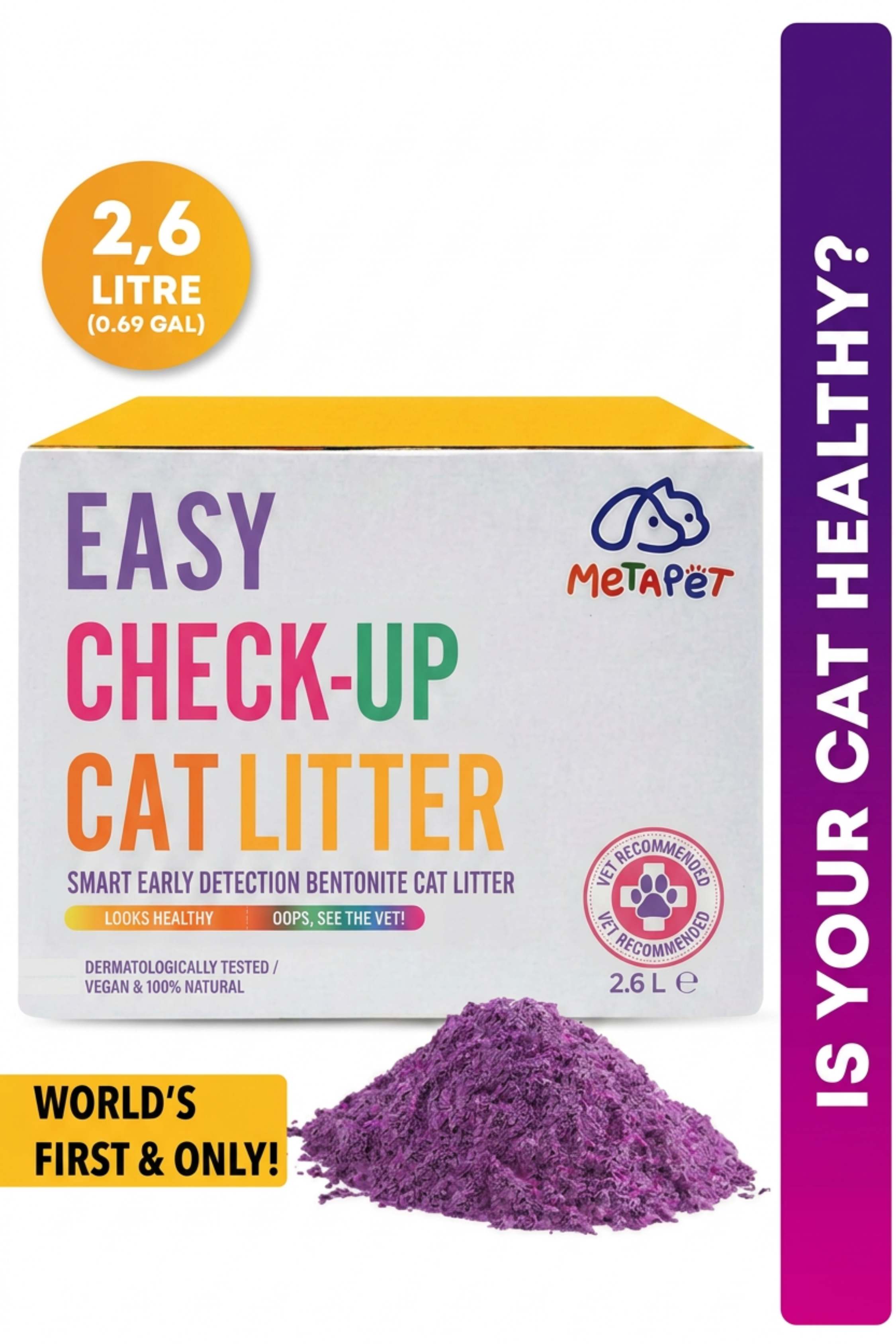
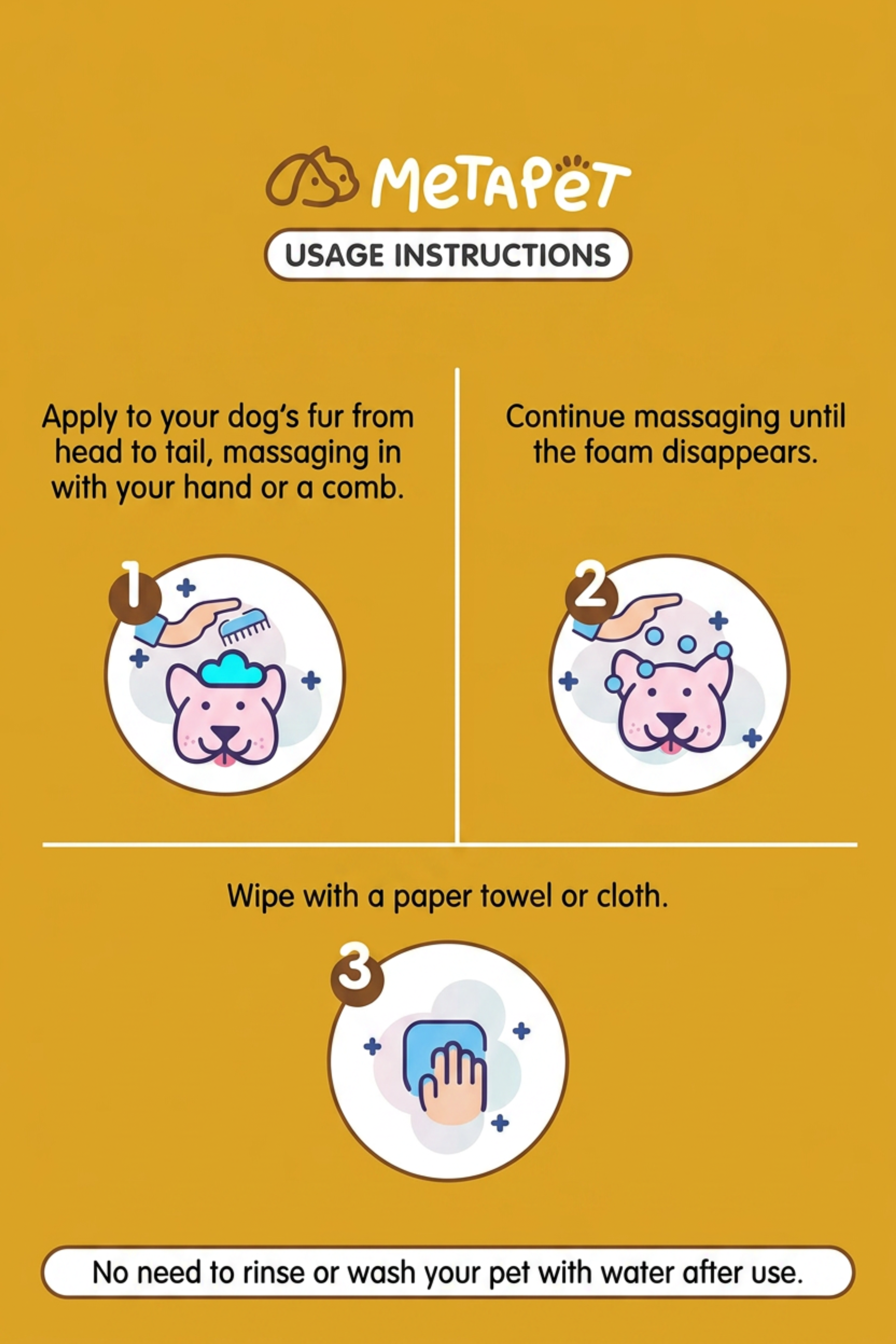
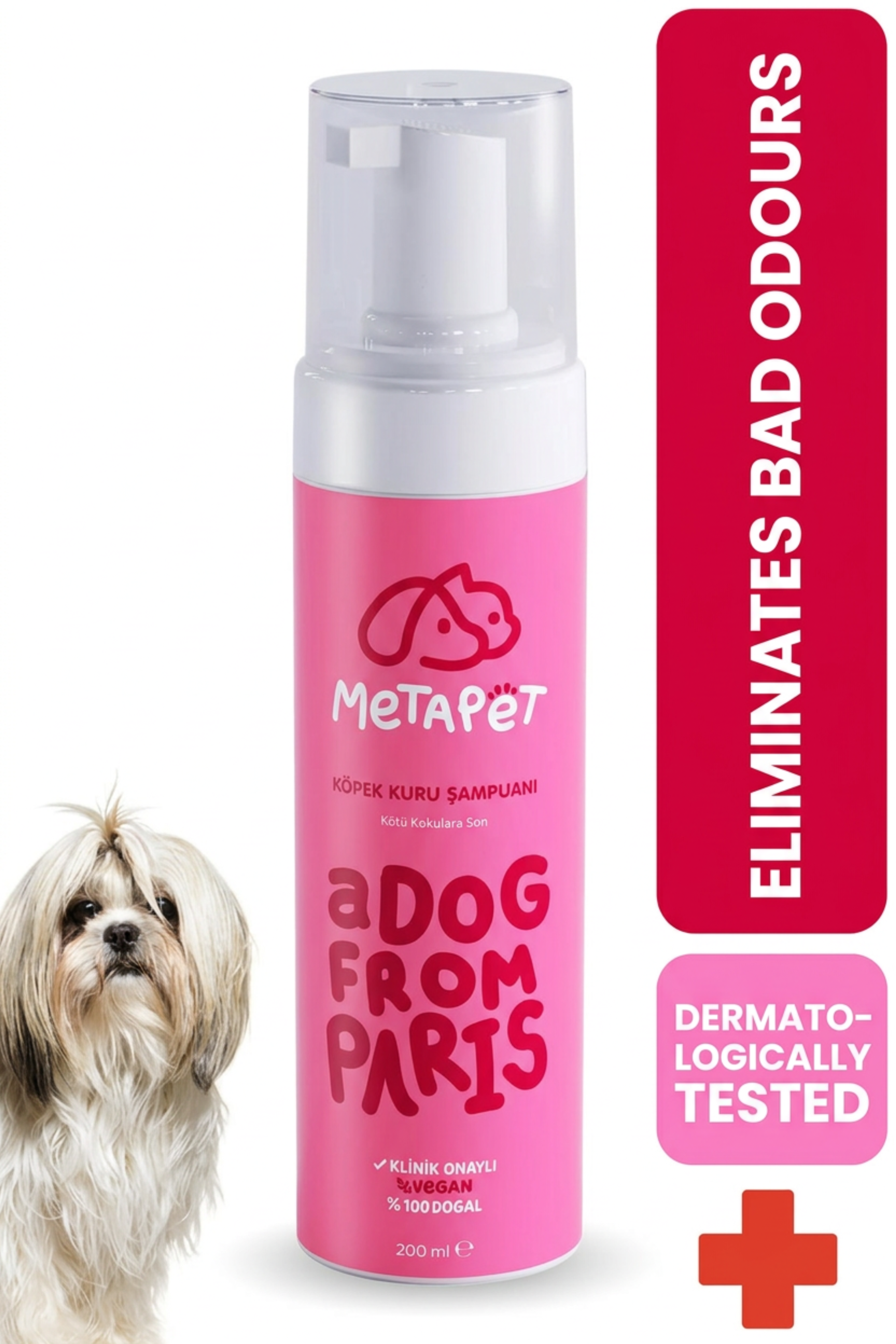
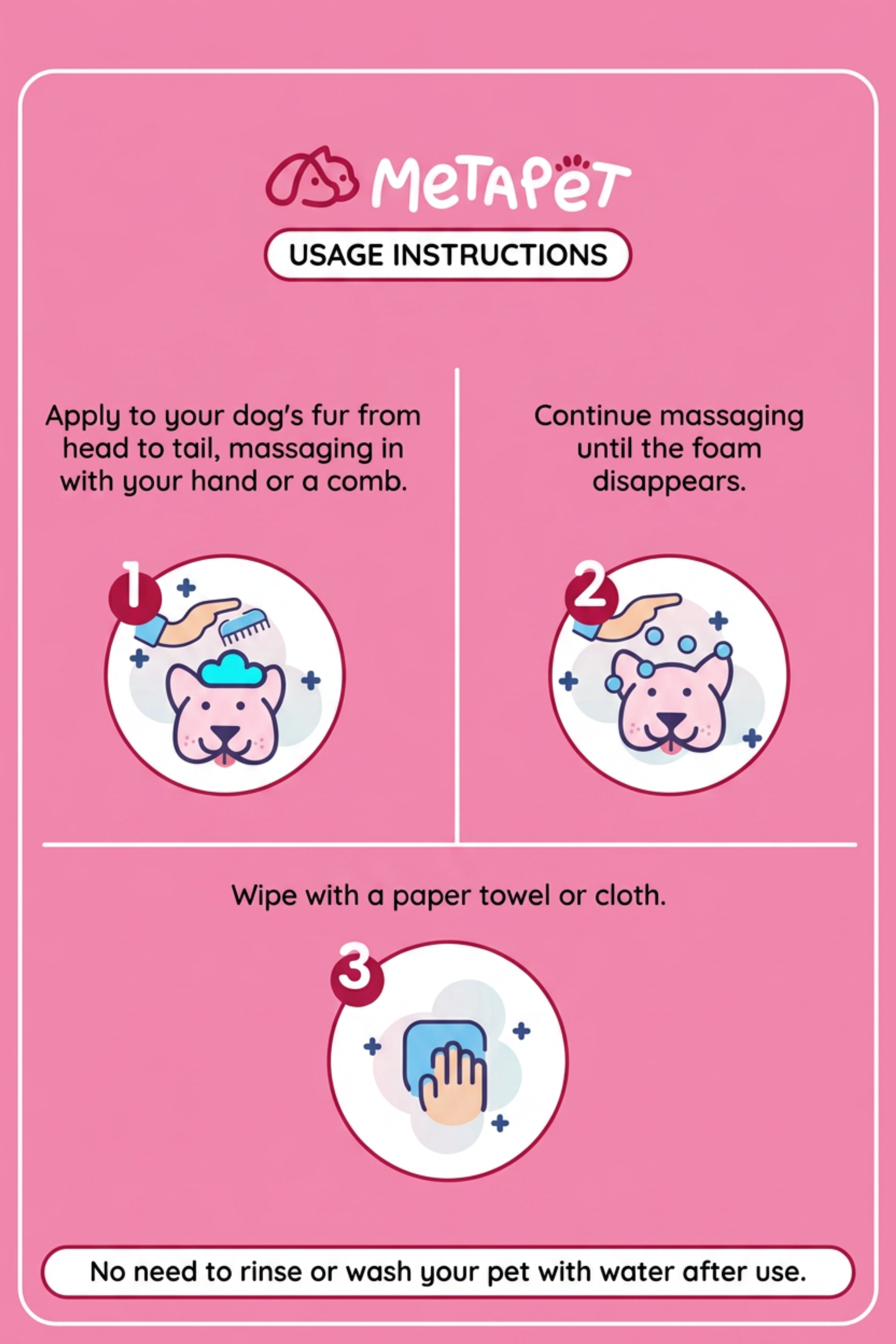
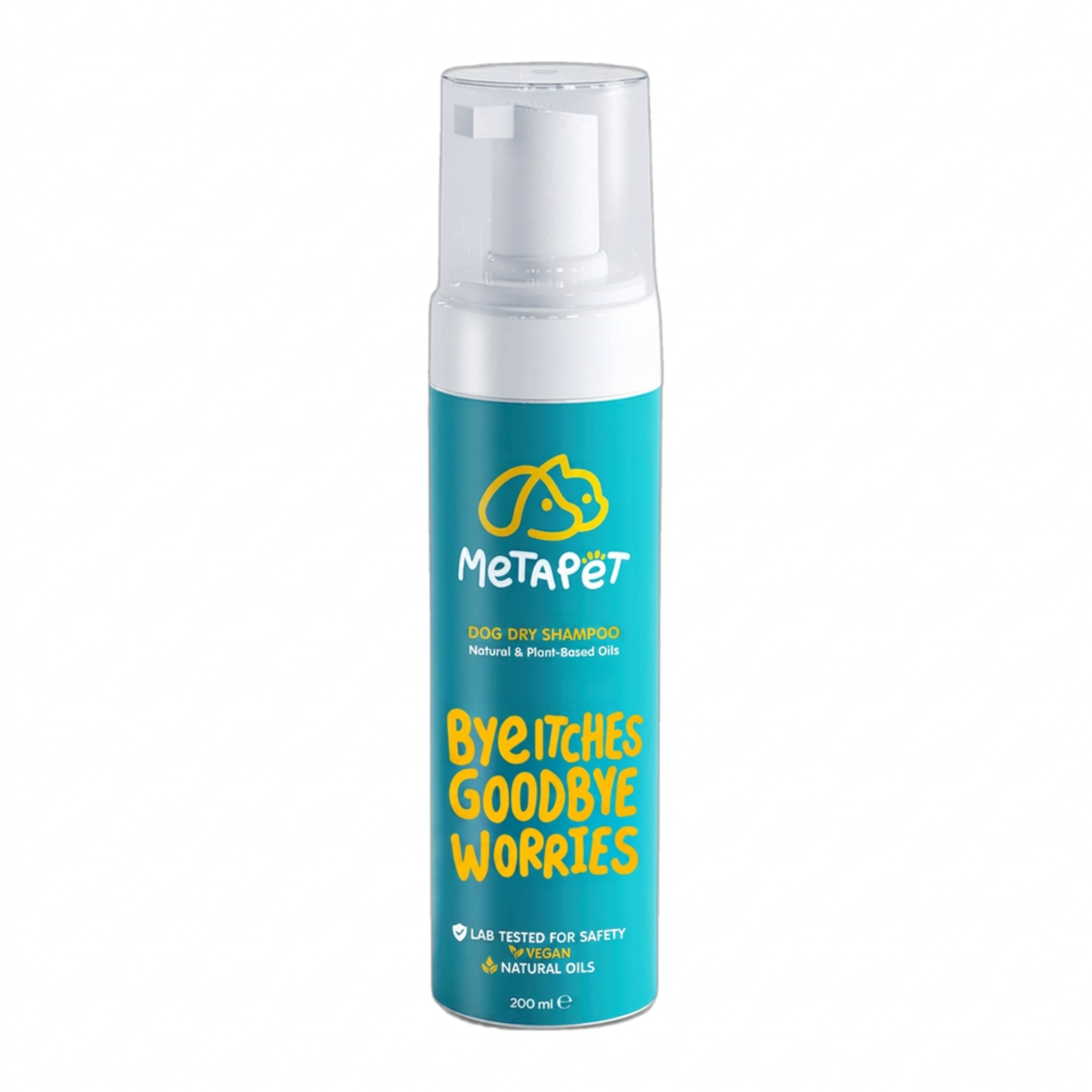
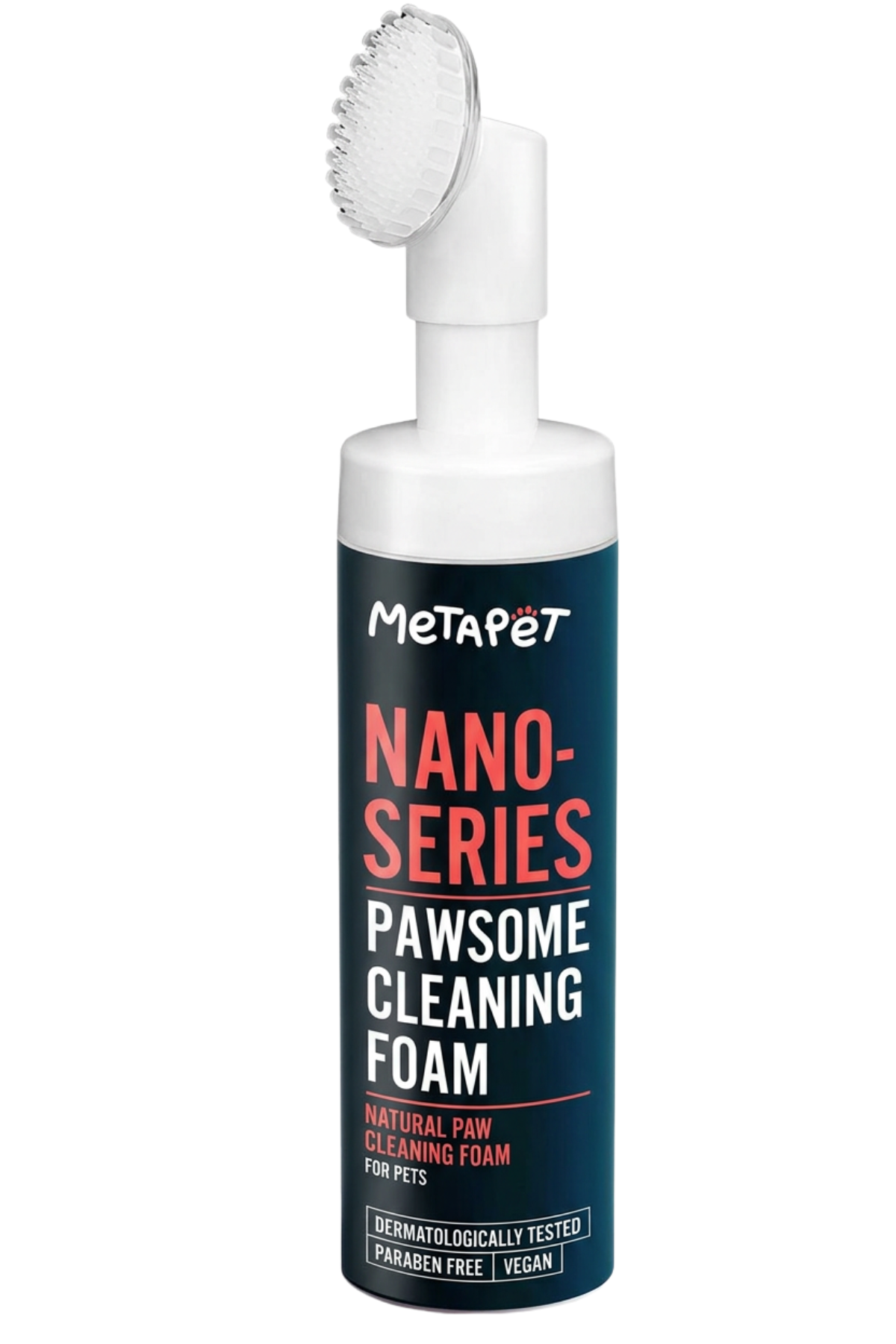
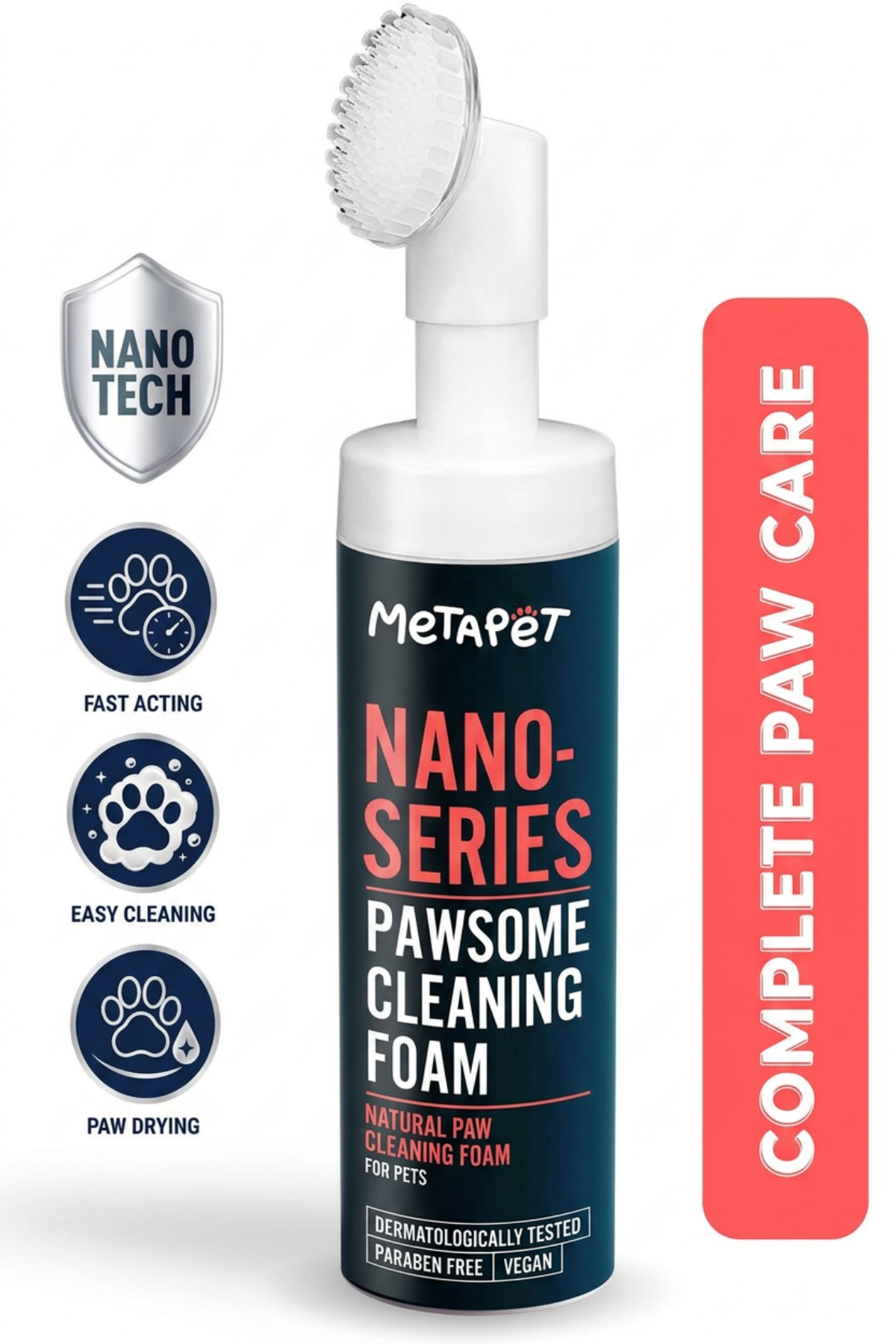
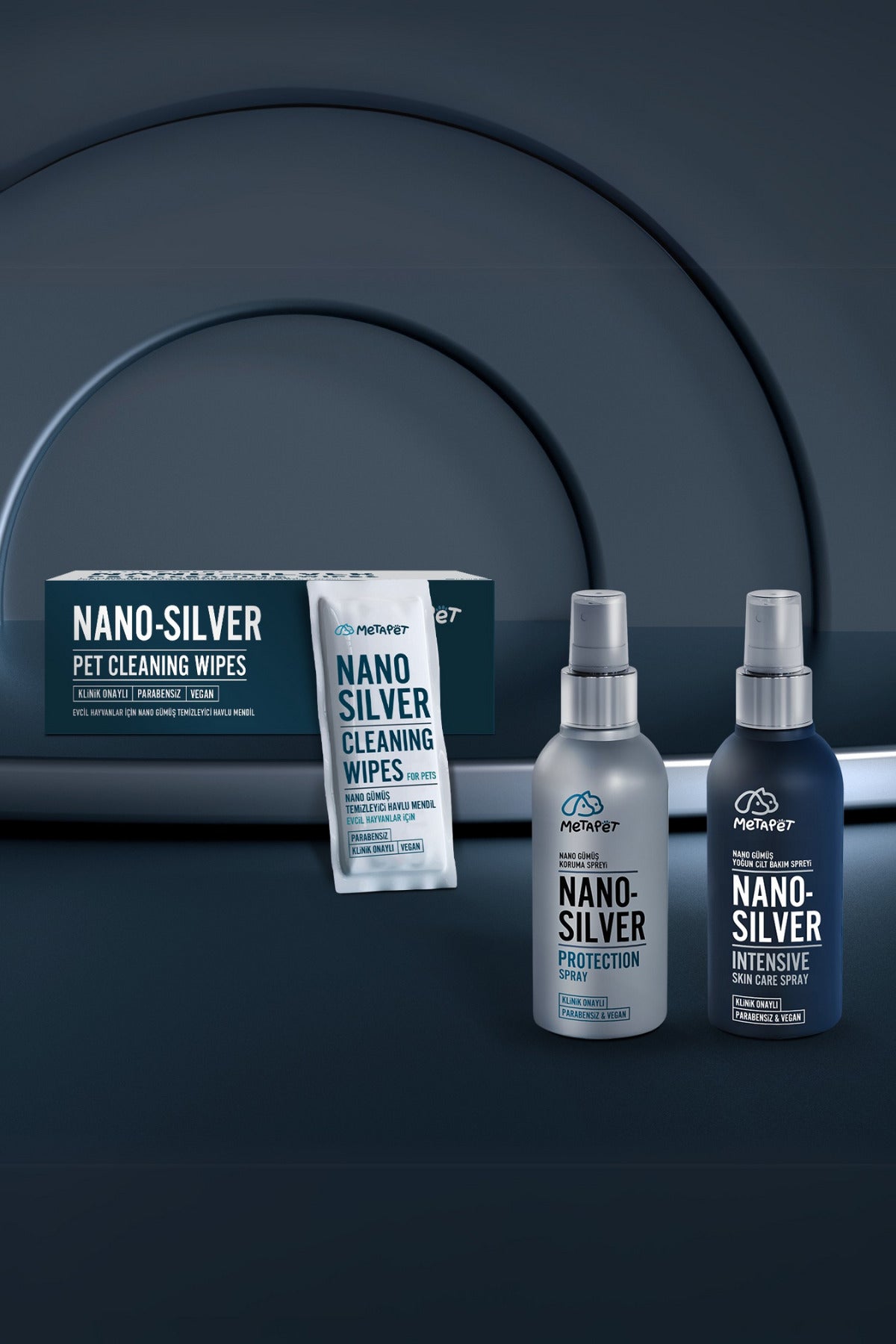
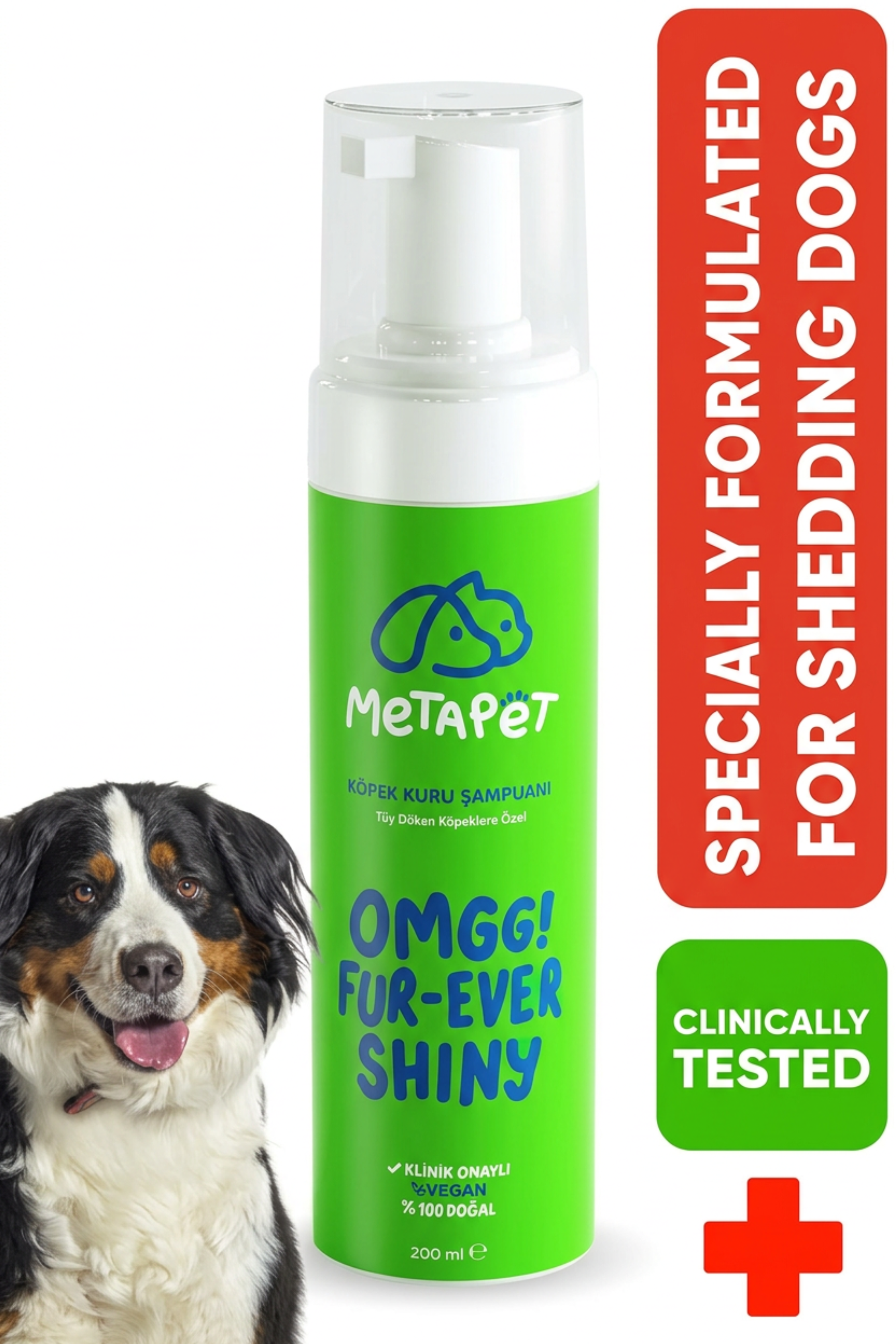
After muddy walks or litter-box sessions, a gentle clean-up keeps paws comfortable and lets you spot problems early. If a rinse is not practical, MetaPet's Nano-Series Pawsome paw-cleaning foam with its built-in brush cap is designed for quick, mess-free paw cleaning between baths, and MetaPet Nano-Series Hygiene & Care towel wipes are handy for wiping paws and other sensitive areas on the go. These grooming aids are for external cleansing comfort — they are a complement to, not a substitute for, veterinary care of any injured or infected paw.
Special Notes for Cats, Seniors and Puppies
- Cats: most cat claw injuries involve a snagged claw during climbing or a fight. Because cat mouths and claws carry bacteria, any swollen toe or puncture in a cat deserves prompt veterinary attention — abscesses are common.
- Senior pets: claws thicken, dry out and overgrow faster as activity drops. Check senior cats' claws monthly; overcurled claws can grow into the pad.
- Puppies and kittens: start handling paws and introducing trims early, keeping sessions short and rewarding — this single habit prevents years of wrestling matches.
- Active dogs: sport and hiking dogs benefit from a nail check after every rough outing, plus attention to worn pads.
Frequently Asked Questions
Will a torn nail grow back?
Usually yes. If the nail bed at the base is healthy, the nail regrows over several weeks to a few months. If the nail bed itself was badly damaged, regrowth may be imperfect — your veterinarian can advise on what to expect.
Can I just wait for a dangling nail to fall off?
A barely attached fragment often detaches on its own quickly. But a firmly attached broken nail keeps catching and causing pain, so professional removal of the broken portion is kinder and speeds healing.
My dog's nail bled a lot — should I worry about the blood loss?
Nail bleeding looks dramatic but the volume is rarely dangerous in an otherwise healthy pet. The concern is pain and infection, not blood loss. If bleeding truly will not stop with pressure, call your veterinarian.
How short should my dog's nails be?
Short enough that they do not touch the floor when standing on a hard, level surface, and do not click loudly with each step. If you can hear constant clicking, there is trimming to do — gradually, over multiple sessions.
My pet hates having their nails touched. What can I do?
Rebuild the association slowly rather than forcing the issue. Spend a week simply touching a paw and giving a treat, with no clippers in sight. Then let your pet see and sniff the clippers while eating something excellent. Only when both steps are boring should you trim a single nail and stop. Progress measured in weeks beats a wrestling match that sets you back months. If handling remains impossible, your veterinary clinic or a professional groomer can trim safely, and your veterinarian can discuss options for pets whose fear is severe.
Should I use a nail grinder instead of clippers?
Grinders round the nail smoothly and make it harder to cut the quick accidentally, which many owners find reassuring — particularly with black nails. The trade-offs are noise, vibration and heat, so introduce a grinder gradually, work in short bursts on each nail, and keep the tool moving. Some dogs prefer clippers, some prefer grinders, and some do best with a quick clip followed by a light smoothing pass.
Building a Simple Nail Routine That Sticks
The owners who rarely deal with torn nails are not lucky — they are consistent. A workable routine is short, predictable and rewarding for everyone involved. Pick a fixed day each week, keep the clippers, styptic powder and treats together in one accessible spot, and aim for a handful of nails rather than a marathon session covering all four paws.
Choose a calm moment rather than a high-energy one; after a walk or a meal often works well. Sit where your pet is comfortable, support the paw gently without gripping, and take off only the tip. Finish while your pet is still relaxed, even if you did not get through every nail — ending on a good note is what makes next week easier.
Keep a small record if it helps: a note on the calendar telling you which paws you did last time removes the guesswork. Over a couple of months this rhythm shortens overgrown nails safely, lets the quick recede, and dramatically reduces the odds of the sudden yelp and bleeding toe that brought you to this article.