Recognizing Signs of Pain in Dogs and Cats: A Vet Guide
Important: This article is general educational information and is not a substitute for an in-person veterinary examination. If you believe your pet is in pain, or you are facing a medical emergency, contact your veterinarian right away.
Pain is one of the hardest problems to spot in our pets. Dogs and cats cannot tell us where it hurts, and many are remarkably skilled at masking discomfort. By the time most owners notice something is wrong, an animal may have been quietly coping for days or even weeks. Learning to read the subtle and not-so-subtle signs of pain is one of the most valuable skills a pet parent can develop, because early recognition leads to earlier care, more comfort, and often a better outcome.
This guide walks through why animals hide pain, the behavioral and physical clues to watch for, how dogs and cats differ in the way they show discomfort, and the practical steps to take when you suspect something is wrong. Throughout, the goal is observation and timely communication with your veterinarian — not self-diagnosis.
Why Pets Instinctively Hide Pain
The tendency to conceal pain is rooted in survival instinct. In the wild, an animal that openly shows weakness becomes a target for predators or loses standing within its social group. Domestic dogs and cats carry these instincts with them, even in the safety of our homes. Cats in particular are masters of disguise, often continuing to eat, groom, and move around long after a painful condition has begun.
This is why pain in pets is so frequently underestimated. Owners may assume that a quiet, still animal is simply resting or “slowing down with age,” when in fact reduced movement can be a way of avoiding discomfort. Understanding that the absence of dramatic signs does not mean the absence of pain is the first step toward catching problems sooner.
Acute Versus Chronic Pain
Pain generally falls into two broad categories, and each tends to present differently.
- Acute pain comes on suddenly and is often easier to notice. It may follow an injury, a surgery, a dental problem, or a sudden illness. Signs can include yelping, limping, guarding a body part, or a clear reluctance to be touched in a specific area.
- Chronic pain develops gradually and is far easier to miss. It builds over weeks, months, or years — think of joint changes, dental disease, or ongoing internal conditions. Because it appears so slowly, owners often adapt to the changes alongside their pet and mistake them for normal aging.
Recognizing the difference matters because chronic pain rarely announces itself. Instead, it shows up as small, cumulative shifts in behavior that are only obvious when you step back and compare your pet today with the pet you knew a year ago.
Behavioral Changes That May Signal Discomfort
For many animals, the earliest clues to pain are behavioral rather than physical. A pet does not need to limp or cry to be hurting. Watch for changes such as:
- Reduced activity: sleeping more, playing less, or hesitating before jumping, climbing stairs, or getting onto furniture.
- Irritability: a normally friendly pet that growls, hisses, swats, or pulls away when approached or touched.
- Withdrawal: hiding, seeking solitude, or becoming less interested in family interaction.
- Appetite shifts: eating less, chewing on one side, or dropping food — which can point to mouth or dental discomfort.
- Restlessness: difficulty settling, frequent position changes, or pacing, especially at night.
- Changes in routine habits: a house-trained dog having accidents, or a cat avoiding the litter box, which can be linked to pain when moving or posturing.
Any one of these on its own may be minor, but a cluster of changes — or a clear departure from your pet’s normal personality — deserves attention.
Physical Signs to Watch For
Alongside behavior, there are physical signs that more directly suggest pain. These include limping or favoring a limb, stiffness after rest, trembling or shaking, a hunched or tucked posture, and reluctance to move the head or neck. Some pets hold an ear flat, squint, or keep one eye partially closed when the pain involves the head or eyes.
Breathing changes can also be a clue. Faster, shallower breathing or persistent panting that is not explained by heat or exercise may accompany discomfort. Excessive licking, grooming, or chewing at one spot is another common sign — animals often focus attention on a painful area, sometimes to the point of creating a sore patch. Swelling, heat, or sensitivity in a particular region is worth noting and reporting, but avoid pressing hard on a suspected painful area, since this can cause additional distress or a defensive bite.
How Dogs Tend to Show Pain
Dogs are often somewhat more expressive than cats, though they still hide a great deal. A dog in pain may whine, whimper, or yelp, particularly when moving or being handled. Many become clingy and seek extra reassurance, while others do the opposite and withdraw to a quiet corner.
Posture offers useful information. A “prayer position” — front end lowered, hindquarters raised — can sometimes indicate abdominal discomfort. A dog that stands with a roached or arched back, walks with a stiff gait, or repeatedly shifts weight off one leg is signaling that something hurts. Reluctance to wag, a tucked tail, flattened ears, or trembling can all accompany pain. Some dogs also pant more, drool, or lick their lips when uncomfortable. Because dogs are eager to please, many will still try to greet you and follow commands even while hurting, so a willing tail wag does not rule out pain.
How Cats Tend to Show Pain
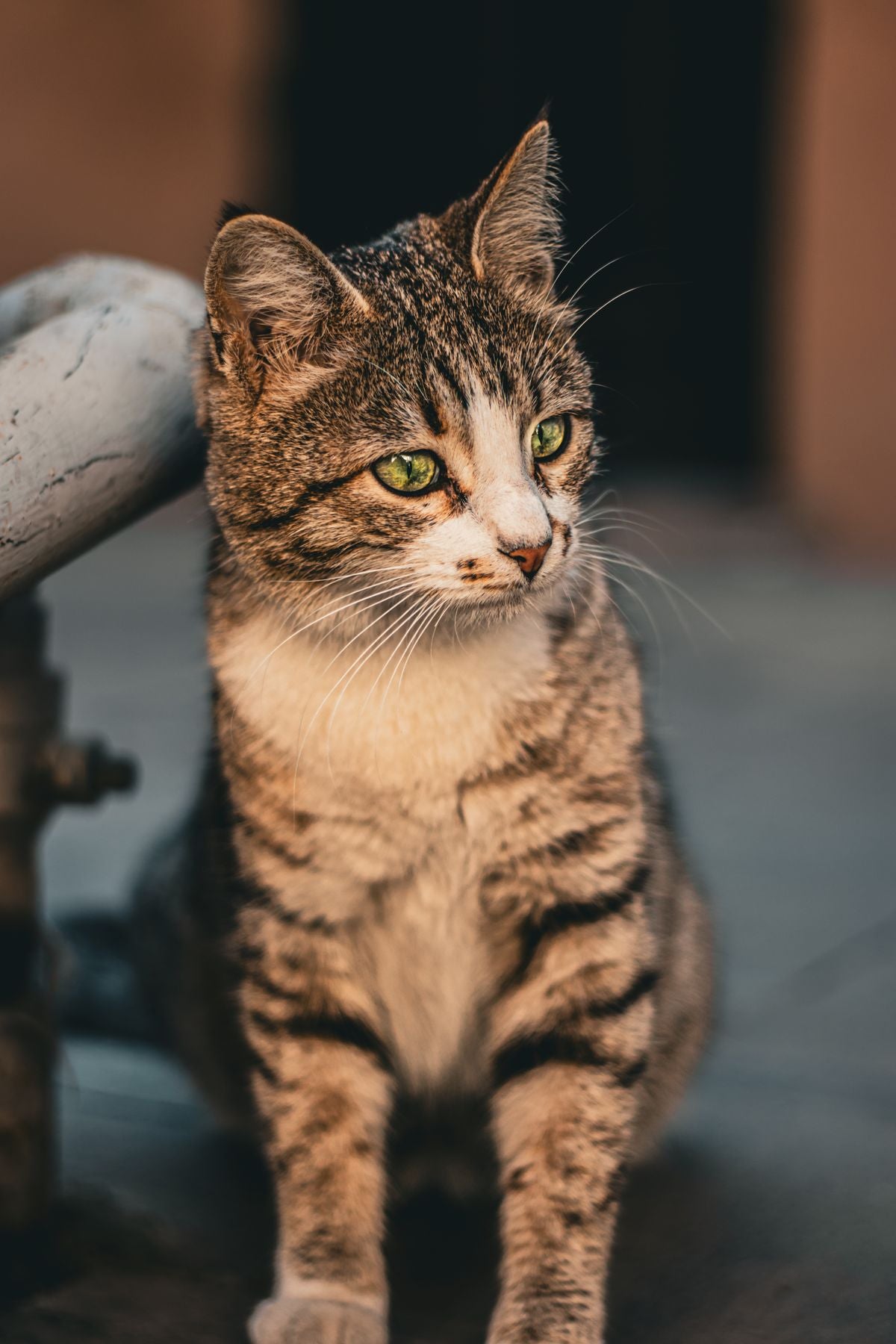
Cats are exceptionally good at hiding discomfort, which makes feline pain easy to overlook. Rather than crying out, a painful cat is more likely to become quiet and still. Common signs include hiding more than usual, sitting hunched with paws tucked tightly under the body, and a reluctance to jump to favorite high perches.
Grooming habits are a particularly helpful window. A cat in pain may stop grooming, leading to a dull, matted, or unkempt coat — or may over-groom a specific area until the fur thins. Changes around the litter box, such as straining, vocalizing, or avoiding the box entirely, can reflect discomfort and should never be ignored. Subtle facial cues matter too: squinted eyes, flattened or rotated ears, and a tense muzzle are part of recognized feline pain expressions. Because these signs are quiet, a cat that simply seems “off,” less social, or less playful than usual warrants a closer look.
Reading Body Language and Facial Expression
Body language is a continuous source of information if you know what to look for. Veterinary professionals increasingly use facial expression as a tool to assess pain in both species. Tightened eyes, a furrowed or tense brow, ears held back or to the side, and a generally guarded posture often appear together when an animal hurts.
It helps to know your individual pet’s baseline. Some dogs naturally hold their ears back; some cats squint contentedly when relaxed. The signs that matter most are changes from normal and clusters of signals occurring together. Keeping short notes, or even brief phone videos of how your pet moves, sits, and greets you, can make it much easier to notice gradual shifts and to show your veterinarian exactly what concerns you.
Pain in Senior Pets and Joint Conditions
Older dogs and cats are especially prone to chronic discomfort, often from age-related joint changes. The tricky part is that the signs are easy to write off as “just getting old.” A senior dog that is slower on walks, hesitates at stairs, or struggles to rise after lying down may be experiencing joint pain rather than simple aging. A senior cat that no longer leaps onto the counter, or that begins missing the litter box edge, may be finding those movements uncomfortable.
Because these conditions progress slowly, regular wellness visits become more important as pets age. Many veterinarians recommend more frequent check-ups for senior animals precisely so that gradual, pain-related changes can be caught and addressed before they significantly affect quality of life. Comfortable bedding, easy access to food and water, gentle and consistent activity, and a healthy body weight are all general supportive measures — but the right plan for an aging pet should always be guided by your veterinarian.
What to Do When You Suspect Pain
If you think your pet is hurting, a calm and systematic approach is best.
- Observe before acting. Note what you are seeing, when it happens, and what seems to trigger it — for example, stiffness after rest or reluctance to jump.
- Document the changes. Write them down and capture short videos. Concrete examples help your veterinarian far more than general impressions.
- Handle gently. Avoid poking or prodding a suspected sore area. A pet in pain may snap or scratch even if it has never done so before, so protect yourself and reduce its stress.
- Never give human medication. Many common over-the-counter human pain relievers are dangerous — and potentially fatal — for dogs and cats. Do not give any medication unless it has been specifically prescribed for that pet by a veterinarian.
- Contact your veterinarian. Describe what you have observed and follow their guidance on whether and how soon to be seen.
When to See the Veterinarian — and When It’s Urgent
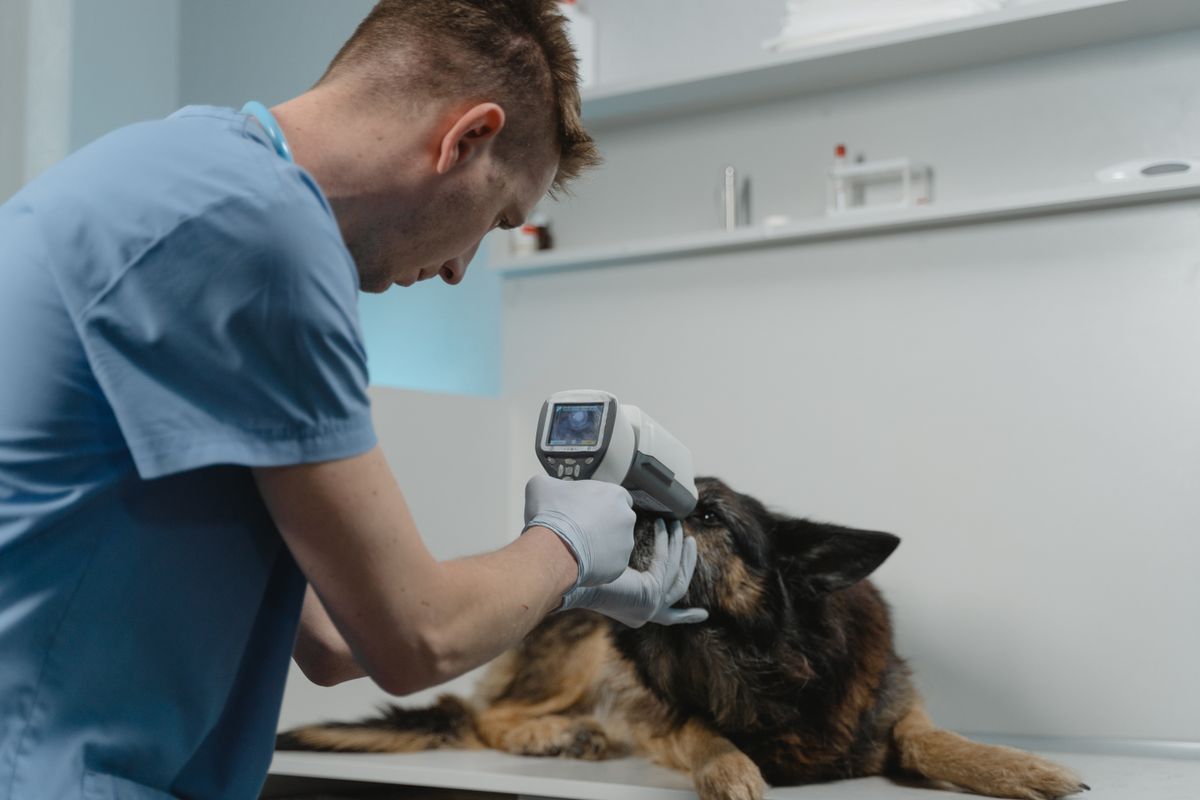
Any new, persistent, or worsening sign of pain is a reason to schedule a veterinary visit. Because animals hide discomfort so well, it is wise to err on the side of having your pet examined rather than waiting to see if a problem resolves on its own.
Seek prompt or emergency veterinary care if your pet shows:
- Severe, sudden pain or crying out when moving or being touched.
- Difficulty breathing, collapse, or inability to stand or walk.
- A distended or painful abdomen, repeated retching, or a bloated belly.
- Straining to urinate or defecate, especially in male cats, which can be an emergency.
- Refusal to eat or drink for an extended period, or sudden, marked lethargy.
For any medical emergency, contact your veterinarian or a local emergency animal hospital immediately rather than waiting.
Supporting a Comfortable Pet at Home
While diagnosis and treatment belong with your veterinary team, there is a lot you can do day to day to support a pet’s general comfort. Provide soft, supportive bedding in a warm, quiet spot away from busy foot traffic. Keep food, water, and — for cats — the litter box easily accessible, ideally without requiring stairs or big jumps. Ramps or low steps can help pets reach favorite resting places without straining.
Maintain a calm, predictable routine, since stress can amplify discomfort. Keep your pet at a healthy body weight to reduce unnecessary load on joints, and keep activity gentle and consistent rather than occasional and intense. Above all, follow your veterinarian’s recommendations precisely, give any prescribed medication exactly as directed, and report back on what is and isn’t helping so the plan can be adjusted. These supportive steps complement — and never replace — professional veterinary diagnosis and care.
Myth Versus Fact: Common Misunderstandings
Myth: If my pet were really in pain, it would cry out. Fact: Vocalizing is only one sign, and many animals — cats especially — stay silent. Quiet withdrawal is often a stronger clue than crying.
Myth: Slowing down is just normal aging. Fact: Reduced activity in older pets is frequently linked to manageable, age-related discomfort. “Old age” is not itself a diagnosis, and a vet visit can clarify what is really going on.
Myth: A pet that still eats can’t be hurting. Fact: Animals often keep eating despite significant pain. A normal appetite is reassuring but does not rule out discomfort.
Myth: I can give a small dose of my own pain reliever. Fact: Many human medications are toxic to pets. Never medicate without veterinary direction.
Frequently Asked Questions
How can I tell the difference between tiredness and pain?
Tiredness usually resolves with rest, while pain tends to persist or recur and is often paired with other signs — stiffness, reluctance to move, irritability, or changes in eating and grooming. When rest doesn’t restore your pet’s normal self, it’s worth a veterinary check.
My cat seems fine but is hiding more. Should I worry?
Increased hiding is one of the more common and easily missed signs of feline discomfort. If it is new or persistent, mention it to your veterinarian, especially alongside changes in appetite, grooming, or litter box habits.
Is limping always a sign of serious pain?
Limping always indicates discomfort of some kind, though the cause can range from minor to significant. Brief, mild limping that quickly resolves can be monitored, but limping that persists, worsens, or comes with swelling should be evaluated by a veterinarian.
The Bottom Line
Recognizing pain in dogs and cats is largely about knowing your individual pet and noticing change. Because animals are wired to hide weakness, the signs are often quiet: a little less play, a moment’s hesitation at the stairs, a coat that isn’t quite as tidy, a cat that suddenly prefers the floor to the windowsill. None of these guarantees a problem, but together they tell a story worth listening to.
You are your pet’s best advocate. By observing carefully, documenting what you see, avoiding human medications, and partnering with your veterinarian, you give your dog or cat the best chance at comfort and a good quality of life. When in doubt, reach out to your veterinary team — a timely conversation is always better than a missed sign.