Nail, Ear, and Eye Care for Dogs and Cats at Home
Most pet owners think of nail trims, ear checks, and eye wiping as small chores — easy to put off and easy to forget. Yet these three areas are among the most common sources of everyday discomfort and avoidable health problems in dogs and cats. Overgrown nails can change the way a pet walks, neglected ears are a frequent site of infection, and the eyes often show the very first signs that something is wrong.
The good news is that routine nail, ear, and eye care is straightforward once you know what to look for and how to handle it gently. This guide covers the why and the how for each area, plus the warning signs that mean it is time to call your veterinarian. With a calm, consistent routine, these become quick and stress-free parts of caring for your pet.
Important: This article is general educational information and is not a substitute for an in-person veterinary examination. If your pet shows signs of pain, infection, or an eye or ear problem, consult your veterinarian. For medical emergencies, contact your veterinarian or an emergency animal hospital right away.
Why Routine Nail, Ear, and Eye Care Matters
Nails, ears, and eyes are easy to overlook precisely because they usually look fine — until they do not. By the time many owners notice a problem, it has often been developing for a while. Building a simple weekly habit of looking at these areas lets you catch issues early, when they are easier and less costly to address.
Regular care also keeps your pet more comfortable day to day. Trimmed nails make walking and jumping easier, clean and dry ears reduce itching and head-shaking, and bright, clear eyes mean your pet is seeing the world comfortably. Just as importantly, gentle handling of paws, ears, and faces builds trust, so vet visits and grooming become far less stressful for everyone.
Nail Care: Why It Matters
A pet's nails grow continuously, and without enough natural wear they can become too long. Overgrown nails are more than a cosmetic issue. They can force the toes into unnatural positions, change a pet's gait, and put strain on the joints over time. In severe cases, nails can curl around and grow into the paw pad, which is painful and prone to infection.
Dogs that walk regularly on pavement may wear their nails down somewhat, but most still need periodic trims, and dewclaws (the "thumb" nails higher up the leg) almost never wear naturally. Cats shed nail sheaths through scratching, but indoor cats and seniors often need help keeping nails in check. A good rule of thumb: if you hear nails clicking on hard floors or see them touching the ground when your pet stands, they are likely due for a trim.
How to Trim Your Pet's Nails Safely
Nail trims go best when they are calm and unhurried. Use proper pet nail clippers or a pet nail grinder, and work in good light so you can see the nail clearly.
- Get your pet comfortable: Handle the paws gently and often, even outside of trim time, so the sensation feels normal.
- Find the quick: On light-colored nails, the quick is the pink area containing blood vessels and nerves. On dark nails it is hard to see, so trim only small amounts at a time.
- Trim a little at a time: Clip the sharp tip below the quick. Taking thin slices is far safer than one big cut.
- Don't forget dewclaws: Check the inner legs for dewclaws, which need trimming too.
- Reward generously: Offer praise and a treat so your pet associates trims with something positive.
If your pet resists strongly, do one or two nails at a time across several sessions rather than forcing the whole job at once. Many owners find a grinder less intimidating for pets, though it takes patience to introduce.
What If You Cut the Quick?
Even careful owners occasionally nick the quick, which can bleed and sting. Stay calm, apply gentle pressure, and use a styptic powder or pencil if you have one to help stop the bleeding. Comfort your pet and pause the session. If bleeding does not stop after a few minutes, contact your veterinarian. To avoid this, trim small amounts and stop well before the quick; with regular trimming, the quick gradually recedes, making future trims easier.
Ear Care: Understanding and Cleaning the Ears
A pet's ear canal is shaped differently from ours — it has a vertical and a horizontal portion, which means moisture and debris can become trapped deep inside. Dogs with floppy ears, lots of ear hair, or those who swim frequently are especially prone to trapped moisture, and cats can develop ear issues too.
Healthy ears are generally pale pink, with little odor and only a small amount of wax. Many pets never need routine cleaning, while others benefit from occasional gentle care. When cleaning is appropriate, use a veterinarian-recommended pet ear cleaner, never cotton swabs pushed into the canal, which can pack debris deeper or cause injury. Apply the cleaner as directed, gently massage the base of the ear, let your pet shake, and wipe the visible part of the ear with a soft cloth or cotton pad. Always check with your veterinarian before cleaning if you suspect a problem, since cleaning an already-infected or injured ear can do harm.
Signs of an Ear Problem
Ear trouble is common, and the signs are usually easy to spot once you know them. Contact your veterinarian if you notice any of the following:
- Frequent scratching at the ears or head-shaking.
- Redness, swelling, or warmth inside or around the ear.
- A strong or unpleasant odor coming from the ear.
- Dark, excessive, or unusual discharge.
- Pain when the ear is touched, or a head tilt and loss of balance.
Ear problems can have many underlying causes, and they tend to worsen without proper care. A veterinarian can examine the canal, identify the cause, and recommend the right approach rather than guessing.
Eye Care: Daily Checks and Gentle Cleaning
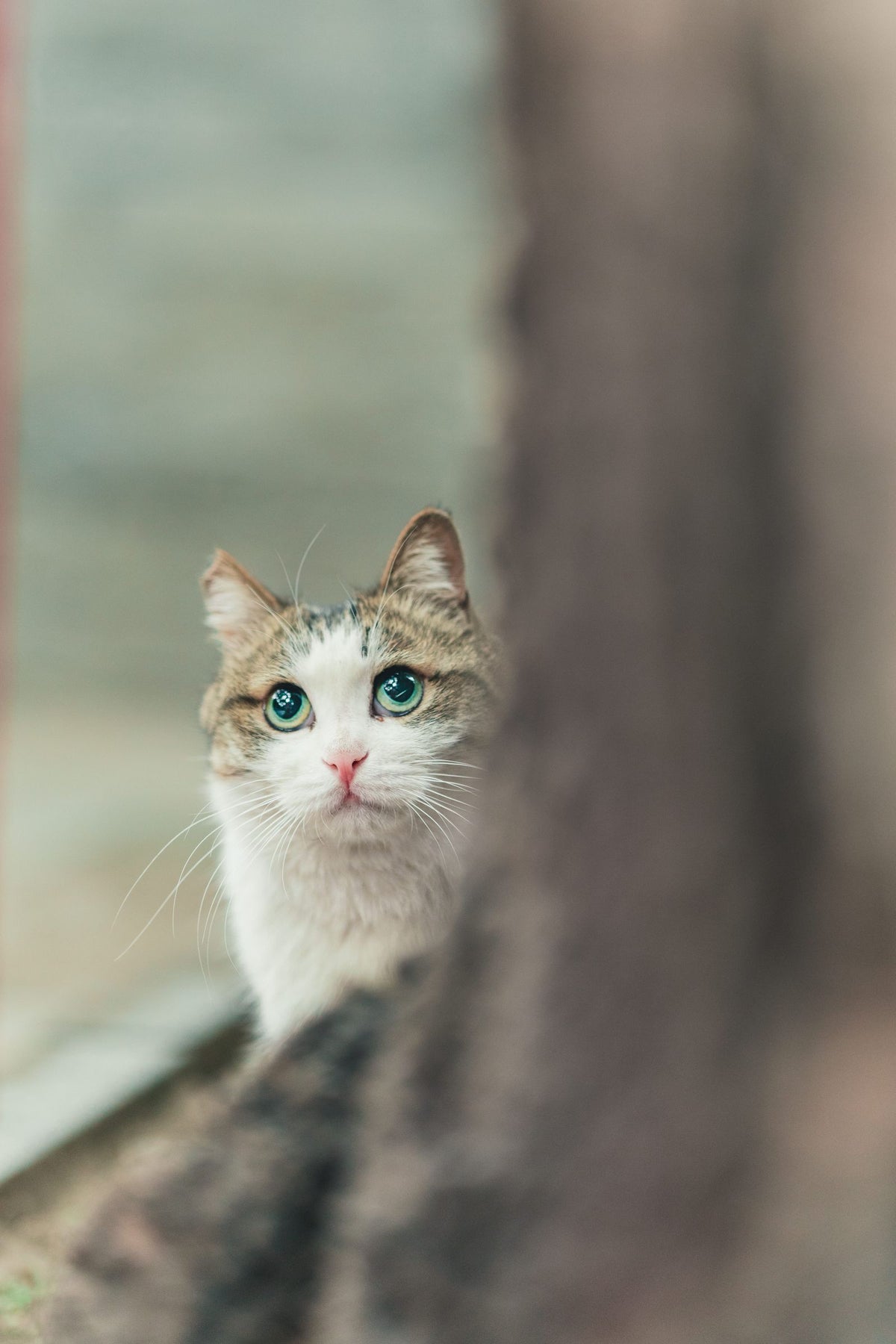
The eyes are delicate and often the first place a health issue becomes visible. A quick daily glance is one of the easiest and most valuable checks you can do. Healthy eyes are clear and bright, with the surrounding tissue a normal pink and no excessive tearing or discharge.
For routine care, gently wipe away normal tear staining or small bits of "sleep" from the corners using a clean, damp, soft cloth, wiping outward and away from the eye. Use a separate clean area of the cloth for each eye. Keep long hair trimmed away from the eyes so it does not poke or irritate them, and protect your pet's eyes from wind and debris during car rides. Never put human eye drops or any medication into your pet's eyes unless your veterinarian has specifically advised it.
Signs of an Eye Problem
Eye issues can progress quickly, so it is wise to treat changes seriously. Contact your veterinarian promptly if you see any of these:
- Redness, cloudiness, or a change in color of the eye.
- Excessive tearing, or thick or colored discharge.
- Squinting, pawing at the eye, or holding it shut, which often signal pain.
- Swelling, a visible third eyelid, or a bulging eye.
- Any apparent change in vision, such as bumping into objects.
Because the eye is so sensitive, a problem that seems minor can become serious in a short time. When in doubt, it is always safer to have your veterinarian take a look.
Building a Calm Handling Routine
The secret to easy nail, ear, and eye care is desensitization: getting your pet used to being handled before you ever need to do anything. Spend a little time each week simply touching the paws, lifting the ears, and gently wiping near the eyes, pairing each with praise and treats. Over time, your pet learns that handling is nothing to fear.
A Simple Weekly Care Checklist
- Look: Check eyes for clarity and ears for odor, redness, or discharge.
- Listen: Notice nail clicking on hard floors as a trim cue.
- Touch: Handle paws, ears, and face so it stays familiar.
- Trim: Keep nails and eye-area hair in check.
- Reward: Always finish on a positive note.
Keep sessions short and stop before your pet becomes overwhelmed. Consistency matters far more than doing everything in one sitting, and a relaxed pet makes every task easier.
Myth vs. Fact
A few common misconceptions can make owners hesitant or lead to mistakes.
- Myth: Cats keep their own nails fine, so trims are unnecessary. Fact: Many indoor and senior cats benefit from regular trims, and overgrown nails can grow into the pad.
- Myth: You should clean your pet's ears deeply and often. Fact: Over-cleaning or pushing swabs into the canal can cause harm. Many healthy ears need little to no routine cleaning.
- Myth: A little eye discharge is always normal. Fact: Small amounts can be normal, but a noticeable change deserves attention.
- Myth: Human products are fine for pets. Fact: Human eye drops, ear products, and medications can be inappropriate or harmful; use only what your veterinarian recommends.
When to See the Vet
Home care covers the routine, but some situations need professional attention. Reach out to your veterinarian if you notice:
- Persistent scratching, head-shaking, or ear odor and discharge.
- Any eye redness, cloudiness, squinting, or discharge that does not quickly resolve.
- A nail cut into the quick that will not stop bleeding, or a nail grown into the pad.
- Signs of pain when you touch the paws, ears, or face.
- Any sudden change in vision, balance, or behavior.
If you are nervous about trimming nails or cleaning ears, your veterinary team or a professional groomer can do it and show you the technique. There is no shame in asking for help.
Frequently Asked Questions
How often should I trim my pet's nails?
It varies with activity and surfaces, but many pets need a trim every few weeks. Let the clicking sound on hard floors and nails touching the ground guide you, and trim small amounts regularly.
Should I clean my pet's ears every week?
Not necessarily. Many healthy ears need little routine cleaning. Clean only when appropriate, using a vet-recommended cleaner, and never push swabs into the canal. Ask your veterinarian what is right for your pet.
Can I use a damp cloth to clean around my pet's eyes?
Yes, a clean, soft, damp cloth is fine for wiping away normal tear staining, using a fresh area for each eye and wiping away from the eye. For anything beyond that, consult your veterinarian.
Final Thoughts
Nail, ear, and eye care may feel like minor details, but together they have a real impact on your pet's comfort and health. A few minutes of looking, touching, and gentle maintenance each week keeps nails at a healthy length, ears clean and dry, and eyes clear — and lets you catch the early warning signs that matter most. Build the routine slowly, keep it positive, use only pet-appropriate products, and lean on your veterinarian whenever something looks or feels off. Your pet may never love these little chores, but with patience they can become quick, calm, and even a moment of connection between you.