At-Home Grooming for Dogs and Cats: A Complete Guide
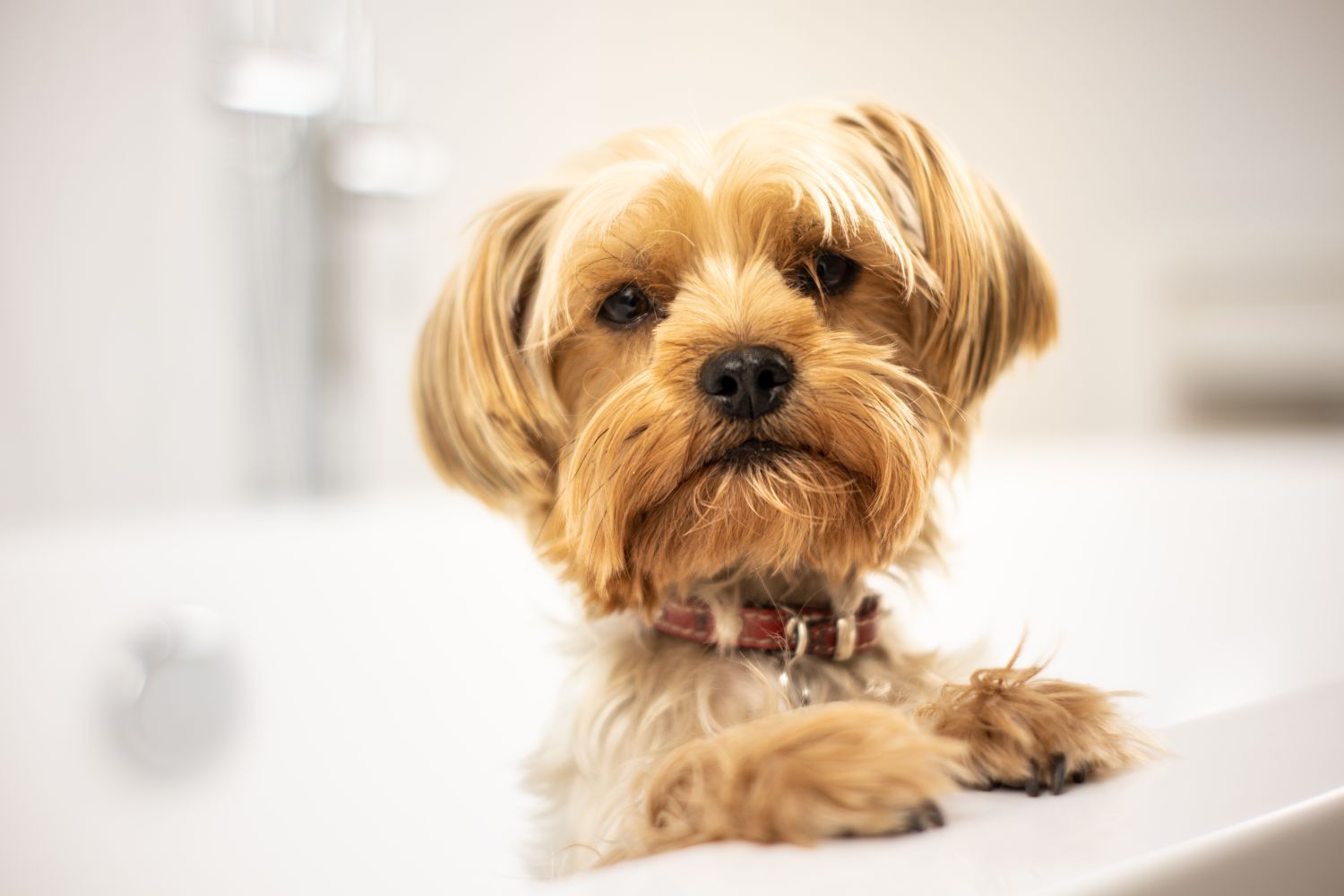
Grooming is one of the most underrated parts of pet care. It is far more than keeping your dog or cat looking tidy — regular grooming protects skin and coat health, reduces shedding around the home, and gives you a routine moment to check your pet over for lumps, parasites, or sore spots before they become bigger problems. Done gently and consistently, it also becomes a bonding ritual your pet can genuinely enjoy.
This complete guide walks you through at-home grooming for both dogs and cats: how often to groom, the right way to brush and bathe, smart options for cleaning between baths, and how to make the whole experience calm and positive. Wherever a skin condition or health concern is involved, your veterinarian remains your best guide.
Important: This article is general educational information and is not a substitute for an in-person veterinary examination. If your pet has a persistent skin problem, wound, severe matting, or signs of pain or illness, consult your veterinarian. For medical emergencies, contact your veterinarian or an emergency animal hospital right away.
Why Regular Grooming Matters
A clean, well-maintained coat does much more than look good. Brushing distributes natural skin oils through the fur, removes loose hair and debris, and helps prevent painful mats that can trap moisture and irritate the skin underneath. Removing dead undercoat also keeps your pet more comfortable in warm weather and cuts down on the hair that ends up on your furniture and clothes.
Just as importantly, grooming is a hands-on health check. As you brush and bathe, you naturally feel for unusual lumps, scabs, fleas, ticks, or tender areas, and you get a close look at the ears, eyes, paws, and skin. Many owners spot early signs of a problem during a grooming session long before it would otherwise be noticed. That early awareness is one of the quiet benefits of a steady routine.
How Often Should You Groom?
Grooming frequency depends on your pet's species, coat type, age, and lifestyle. There is no single rule, but a few general guidelines help.
- Brushing: Long-haired and double-coated pets often benefit from brushing several times a week or even daily, while short-haired pets may only need a weekly session. Frequent brushing is the single most effective grooming habit for most pets.
- Bathing dogs: Many dogs do well with a bath every few weeks to a couple of months, depending on how dirty and active they are. Over-bathing can dry the skin, so it is best not to overdo it.
- Bathing cats: Cats are meticulous self-groomers and usually need full baths only rarely. Brushing and spot-cleaning are typically enough between the occasional bath.
- Nails, ears, and teeth: These need attention on their own schedules — nail trims every few weeks for many pets, plus routine ear checks and dental care.
Watch your individual pet. A dog that loves muddy walks or a cat that goes outdoors will need more frequent freshening up than a homebody.
Brushing: The Foundation of a Healthy Coat
If you do only one thing consistently, make it brushing. Choose a brush suited to your pet's coat — a slicker brush or de-shedding tool for thick coats, a bristle brush for short coats — and work in the direction the fur grows. Be gentle around sensitive areas like the belly and legs, and never yank through a knot.
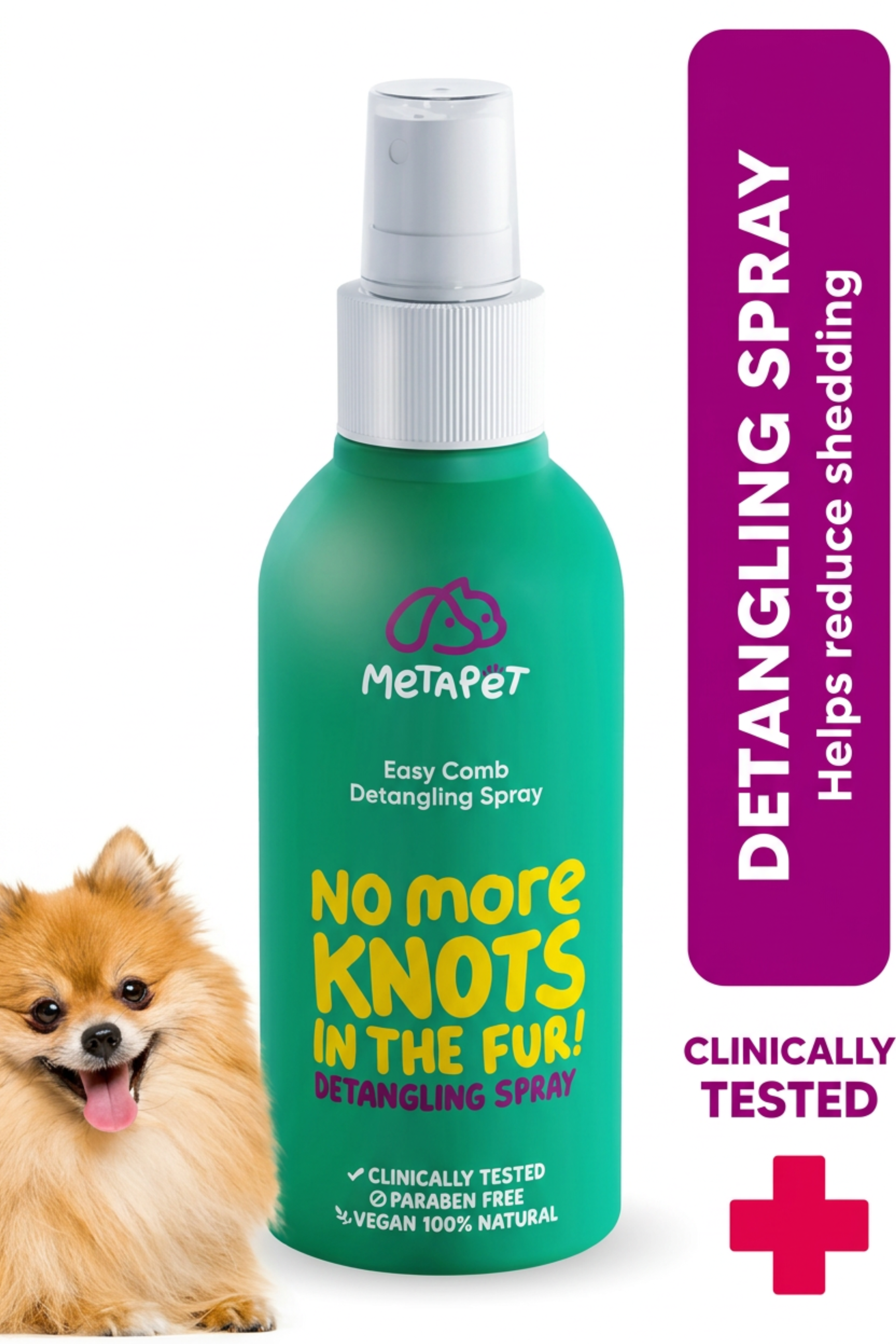
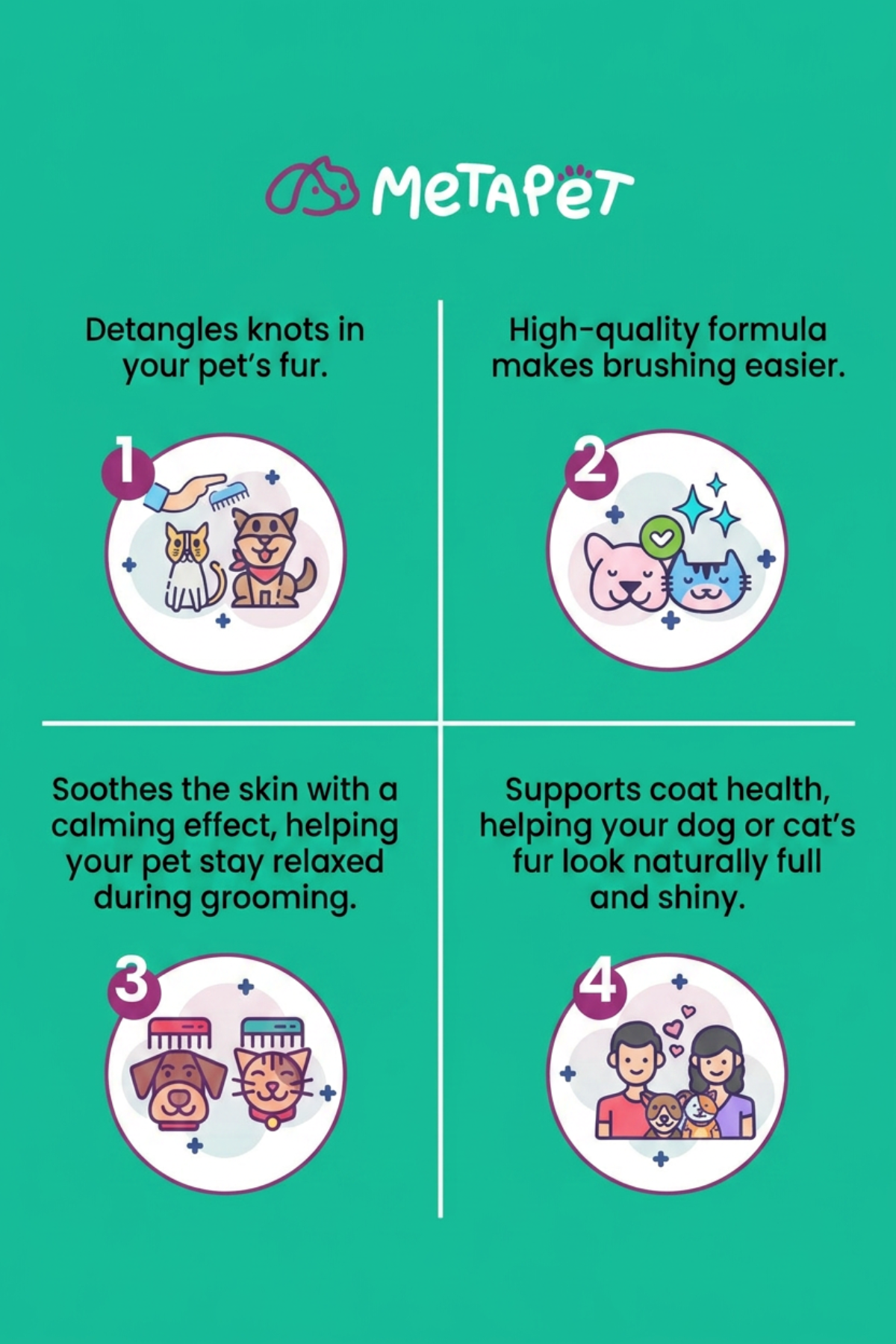
Tangles and mats are easier to prevent than to remove. When you do hit a knot, work it loose patiently from the ends inward rather than pulling at the base. A detangling product can make this far more comfortable: MetaPet's No More Knots Detangling & Easy-Combing Spray is designed to help loosen knots so brushing glides more smoothly for both cats and dogs. For severe, tight mats close to the skin, it is safer to have a professional groomer or your veterinarian handle them.
Bath Time Done Right
When a full bath is in order, preparation makes everything smoother. Brush out tangles first, use lukewarm water, and always choose a shampoo formulated specifically for pets — human and even baby shampoos have the wrong pH for animal skin and can cause irritation. Wet the coat thoroughly, lather gently while avoiding the eyes and inside the ears, and rinse completely, since leftover residue is a common cause of itching.
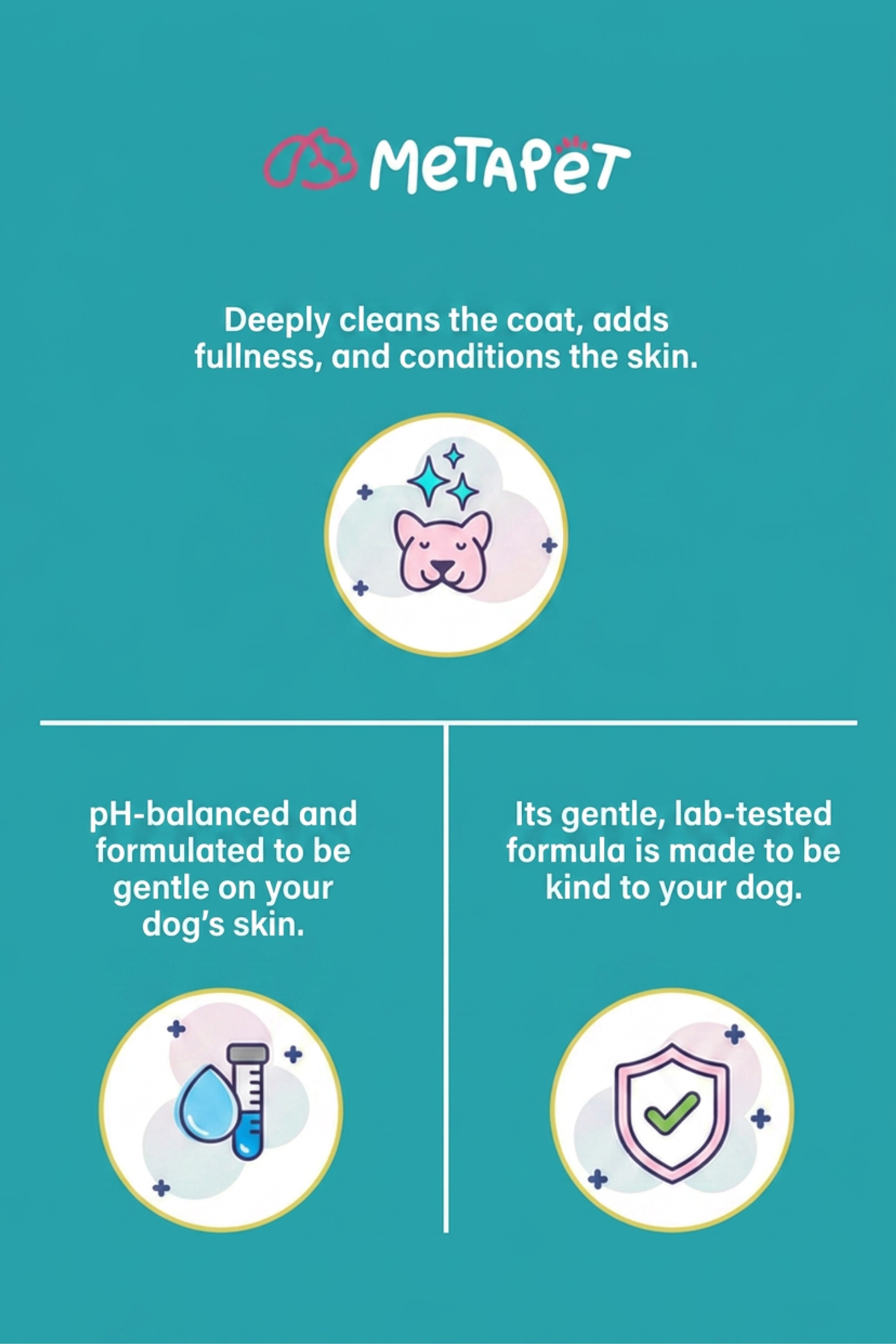
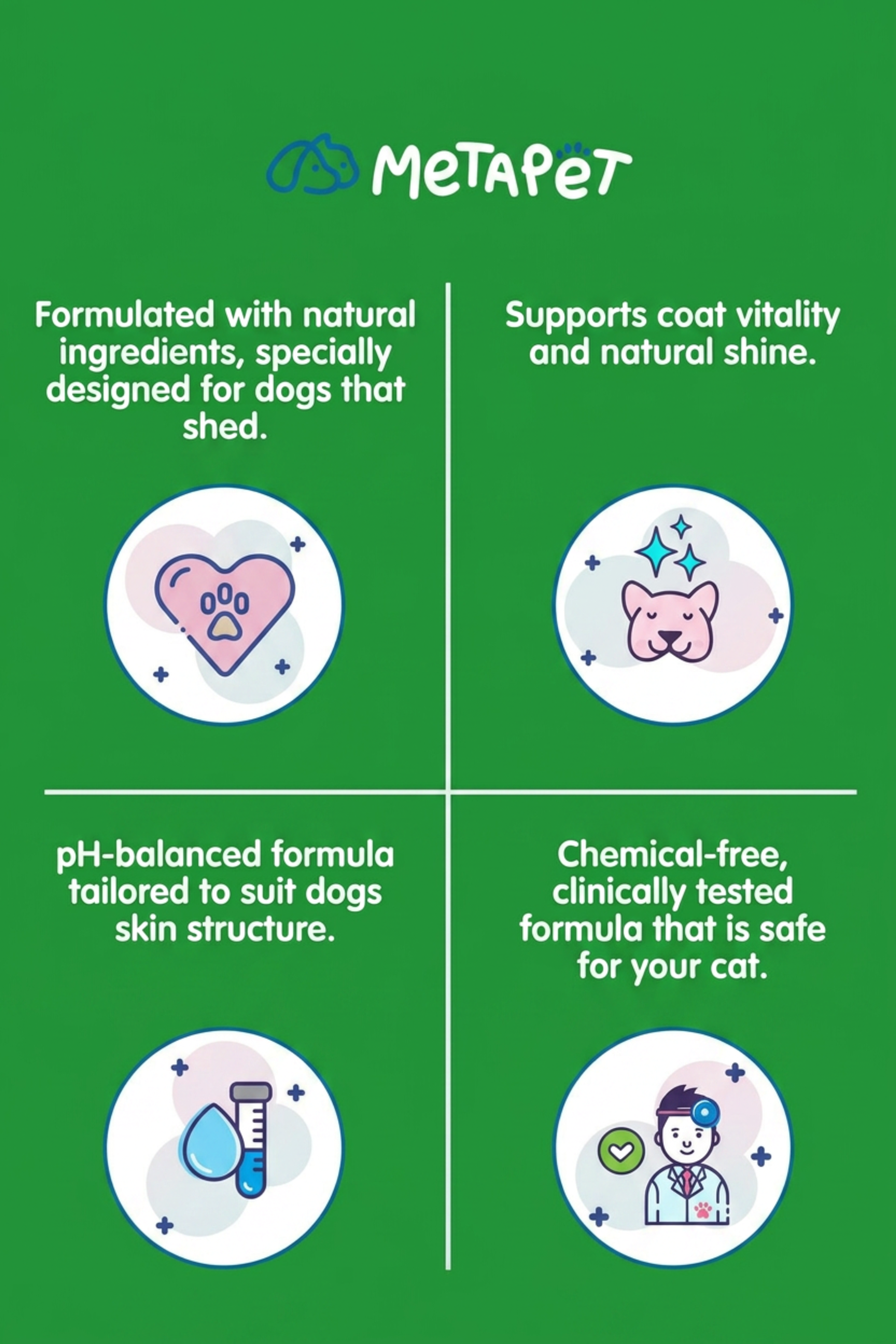
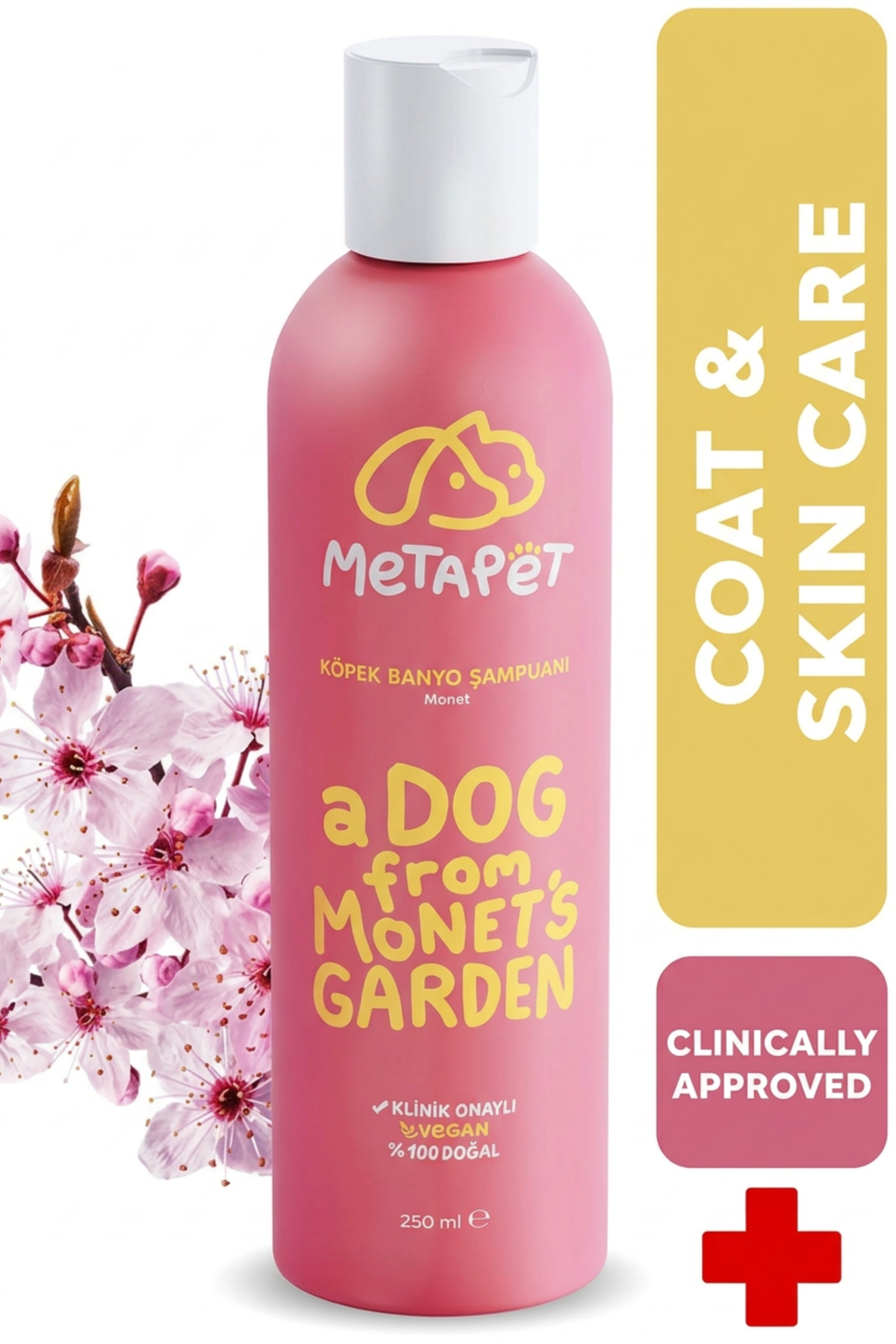
For dogs, a gentle, pH-balanced formula helps clean the coat while caring for the skin. MetaPet's pH-Balanced Bath Shampoo for Dogs is a rinse-out shampoo made to deep-clean while remaining skin-friendly, available in a few natural scents. After the bath, towel-dry well and keep your pet warm until fully dry. Most cats dislike water, so full baths should be infrequent and as calm as possible — which is exactly where waterless options shine.
No Water, No Stress: Waterless Dry Foam Shampoos
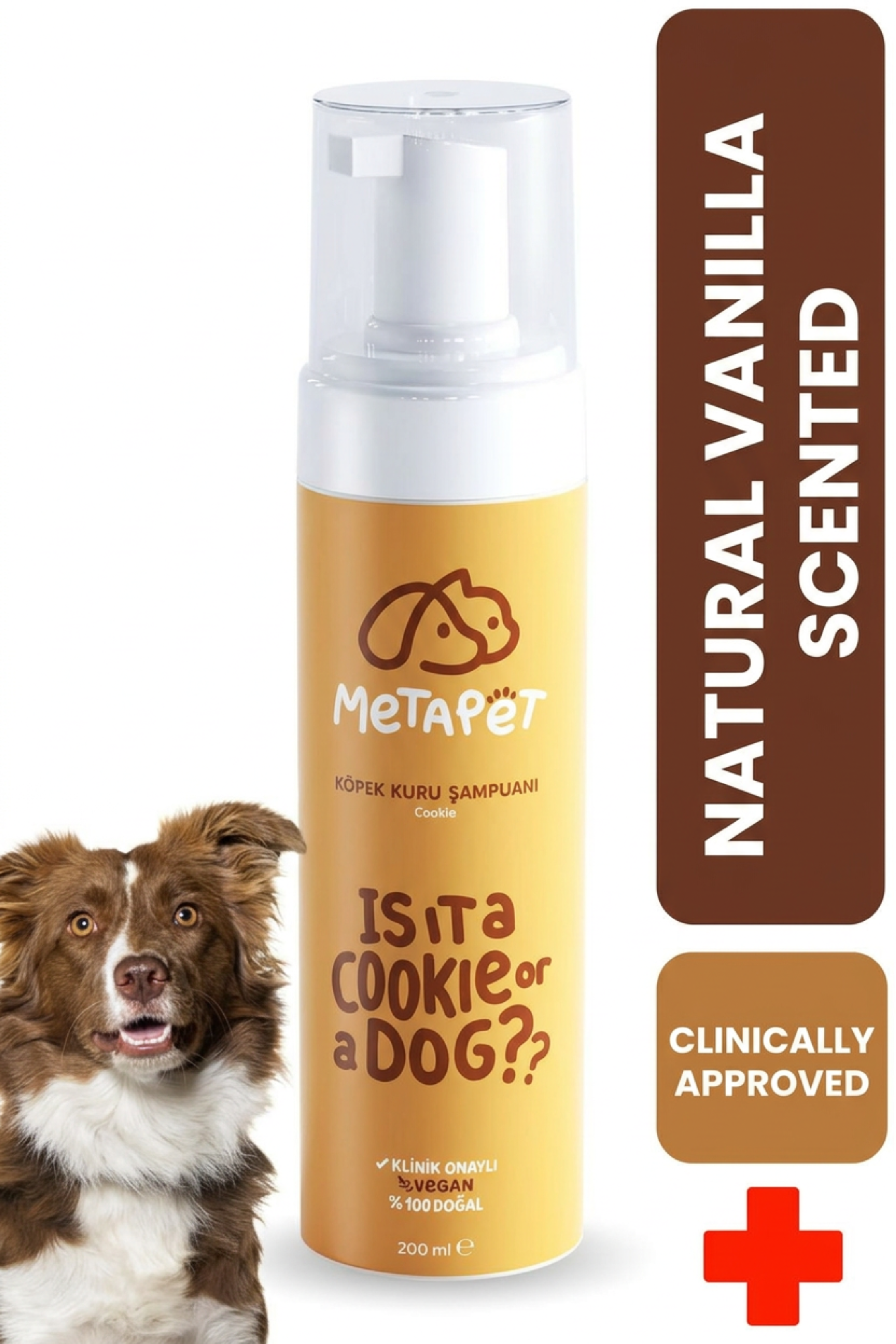
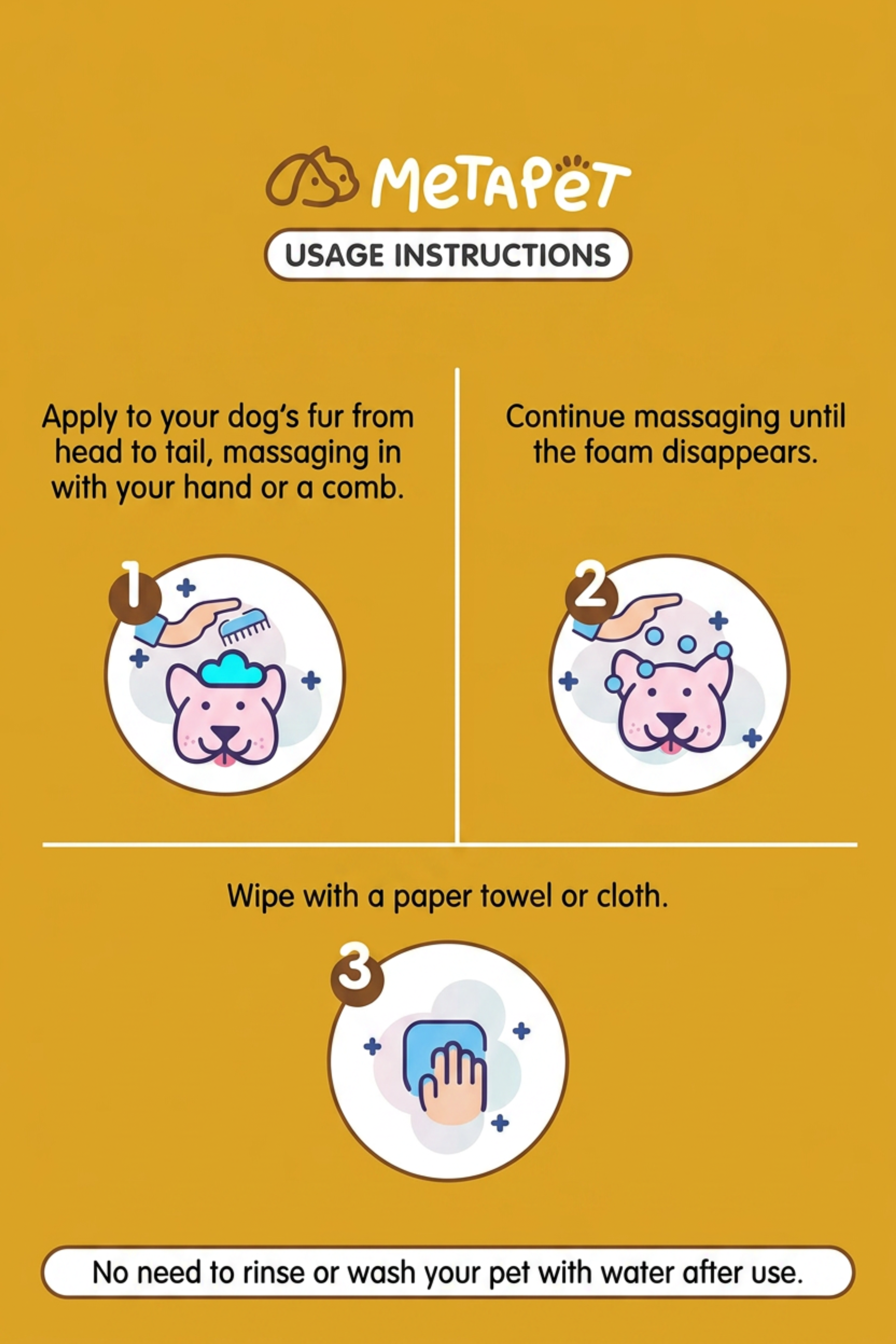
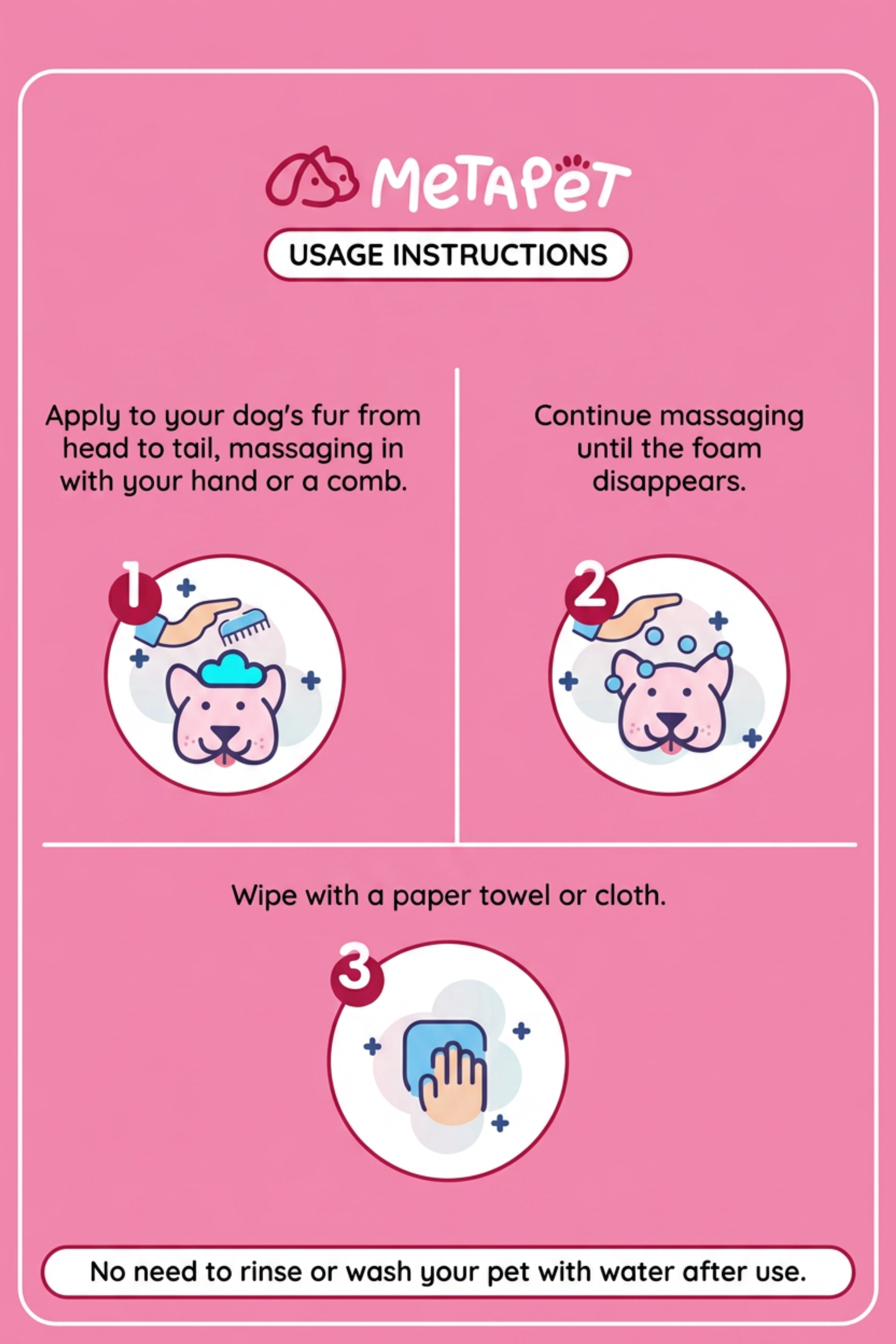
Not every clean-up calls for a full bath. Between baths — or for pets who find water stressful — waterless dry foam shampoos are a convenient way to freshen the coat without the wrestling match. You simply work the foam through the fur and towel or brush it out, with no rinsing required.
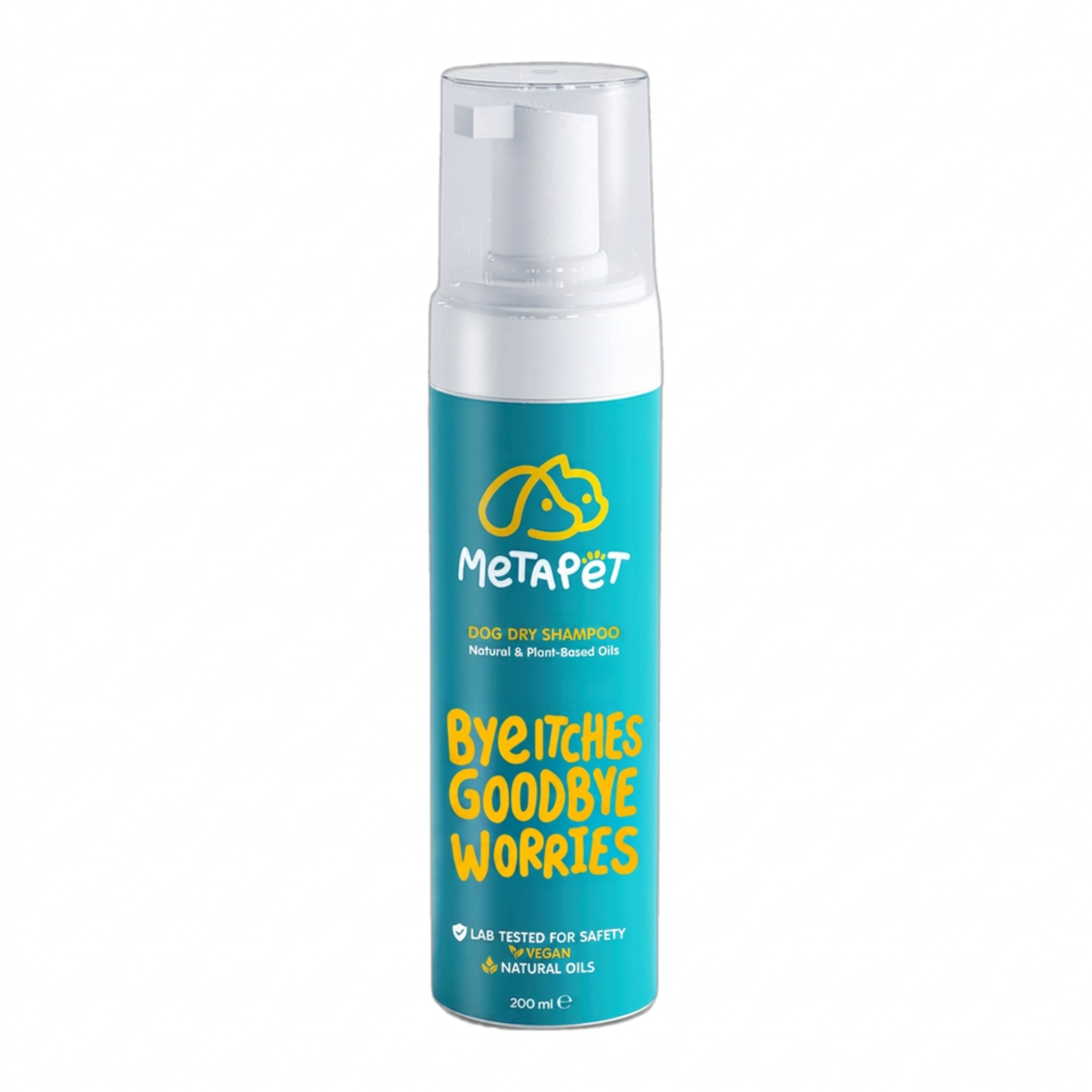
MetaPet offers a whole range of no-rinse dry foam shampoos for different needs:
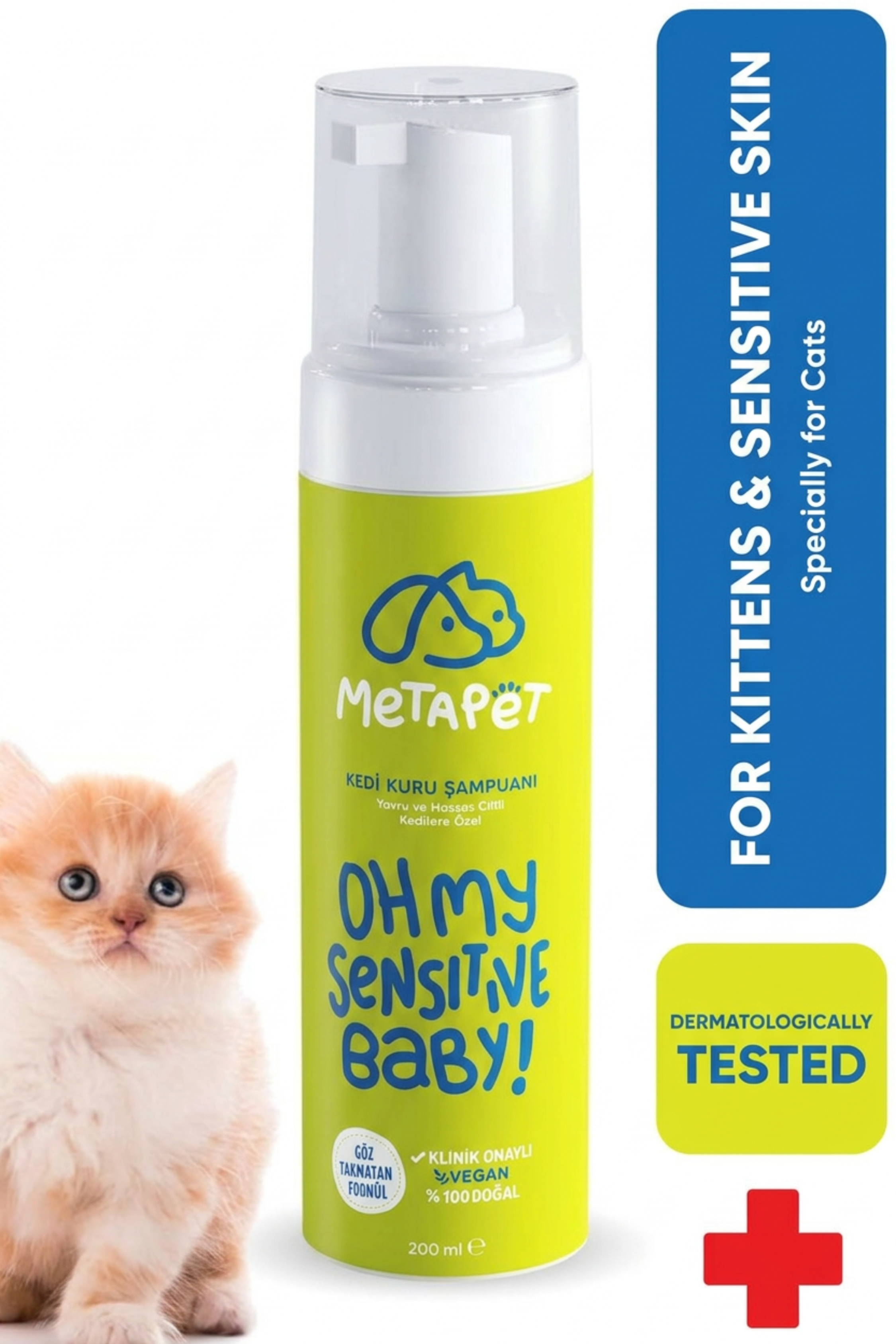
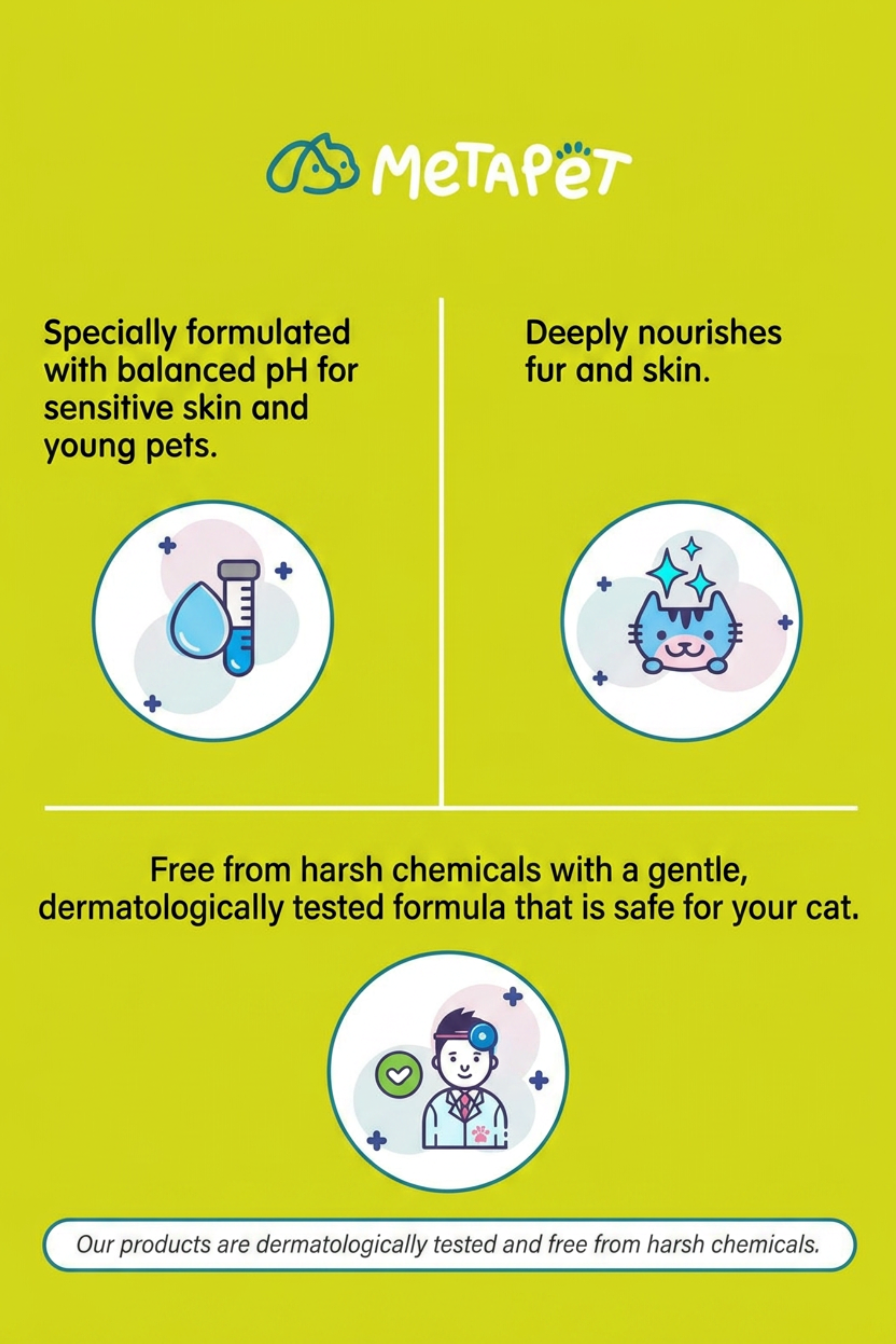
- For sensitive cats: Oh My Sensitive Baby, a gentle no-rinse foam thoughtfully formulated for kittens and sensitive skin.
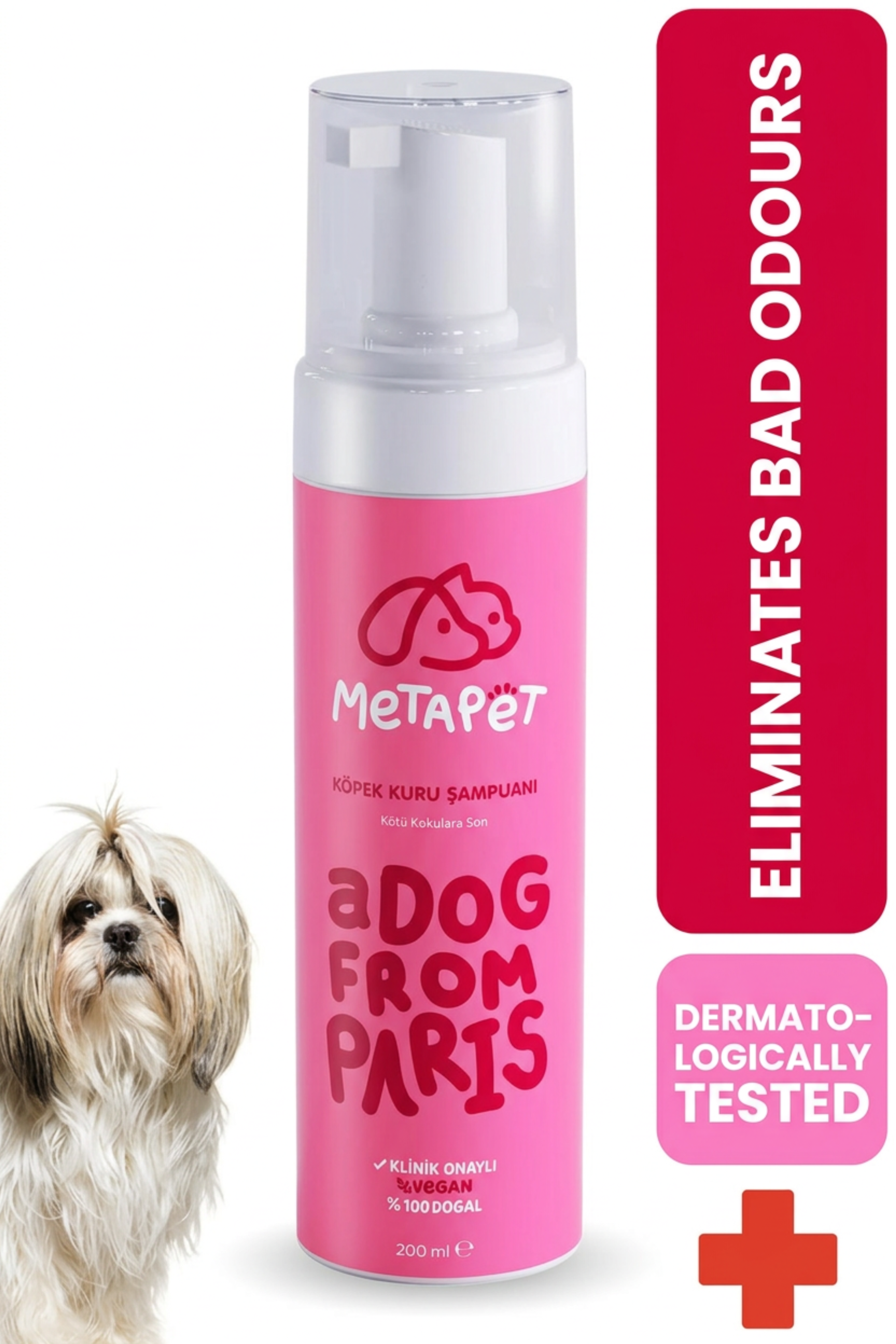
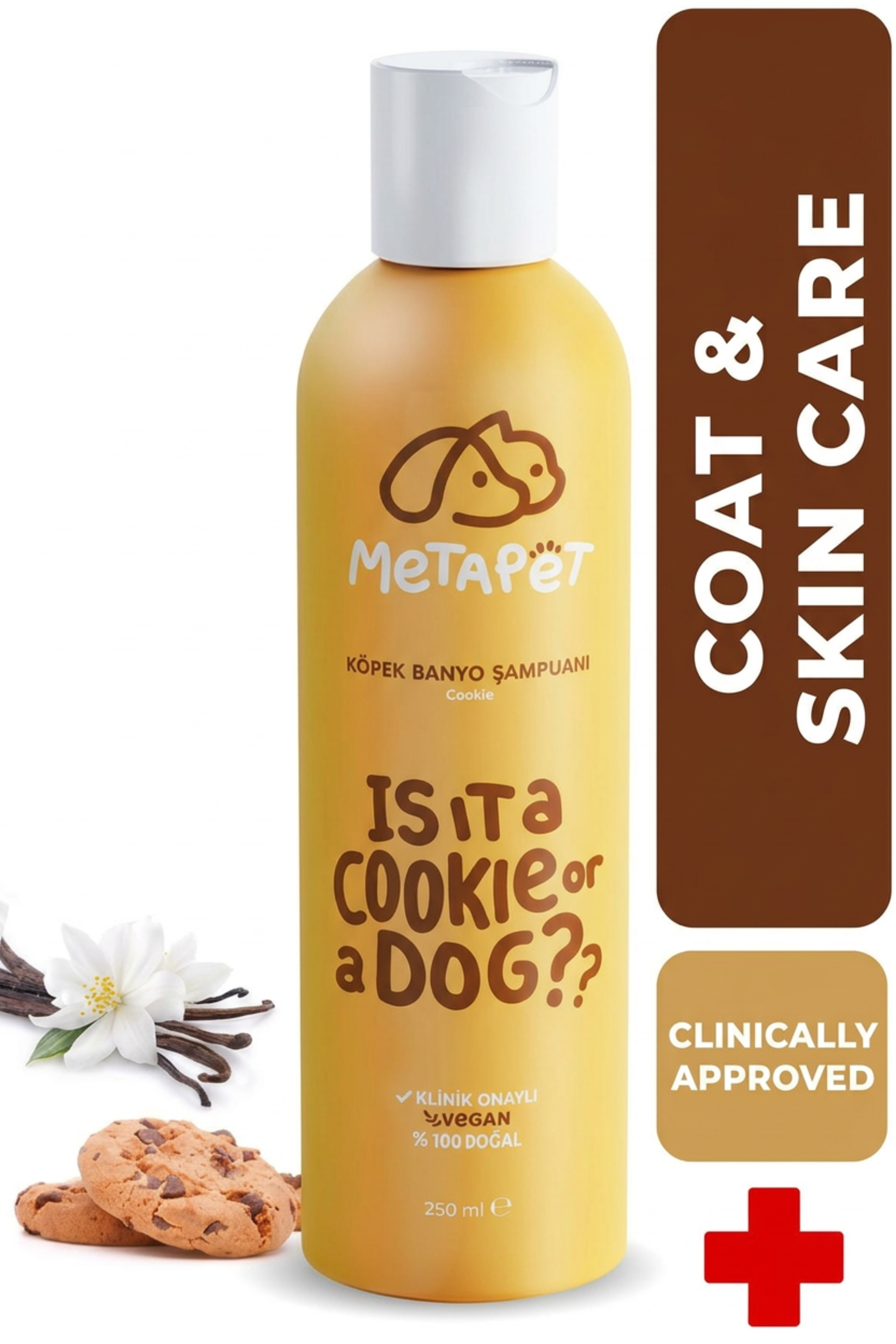
- For everyday freshening: A Dog From Paris for dogs, with a long-lasting fresh scent, and the vanilla-scented Is It a Cookie or a Dog?
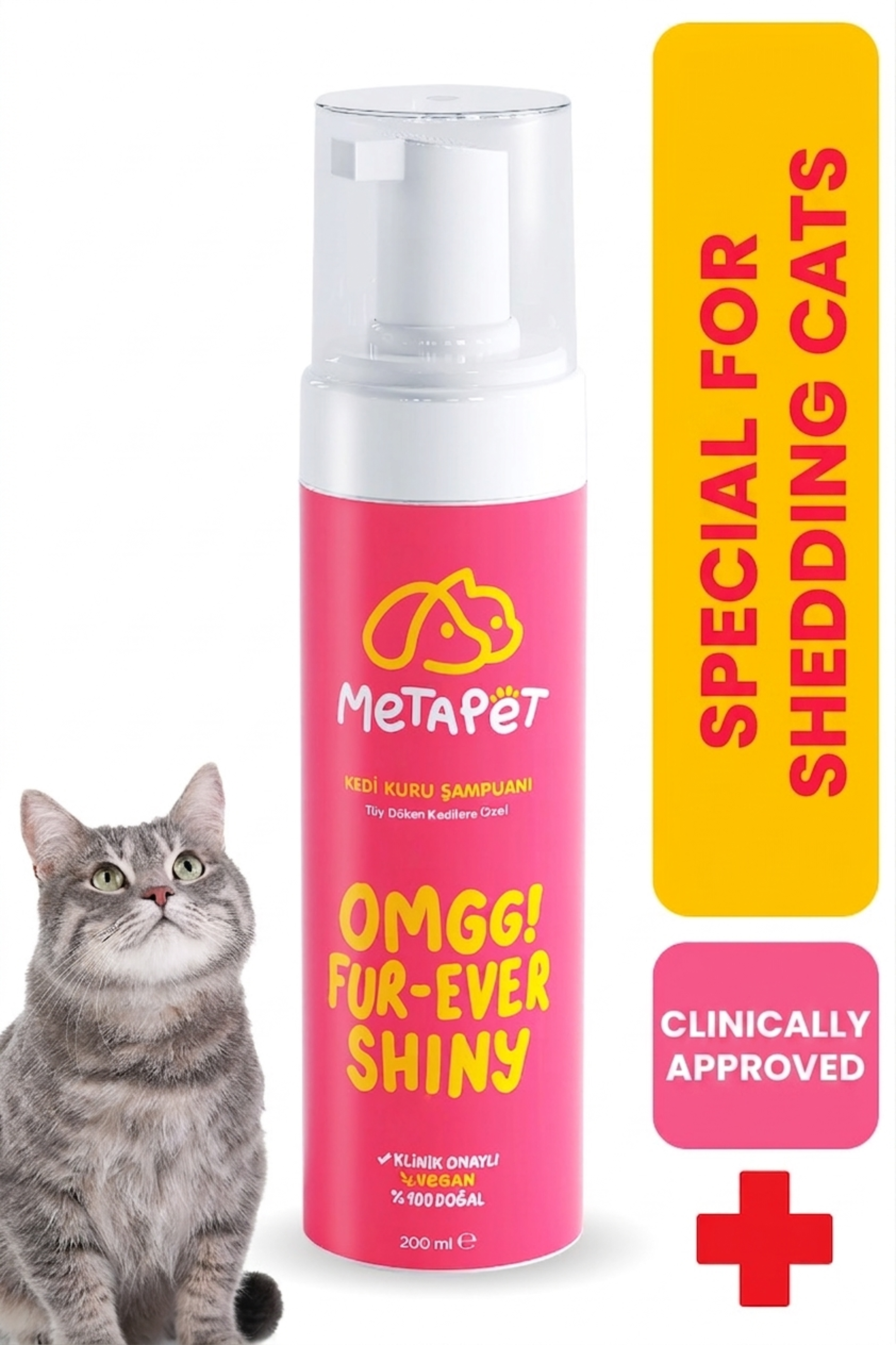
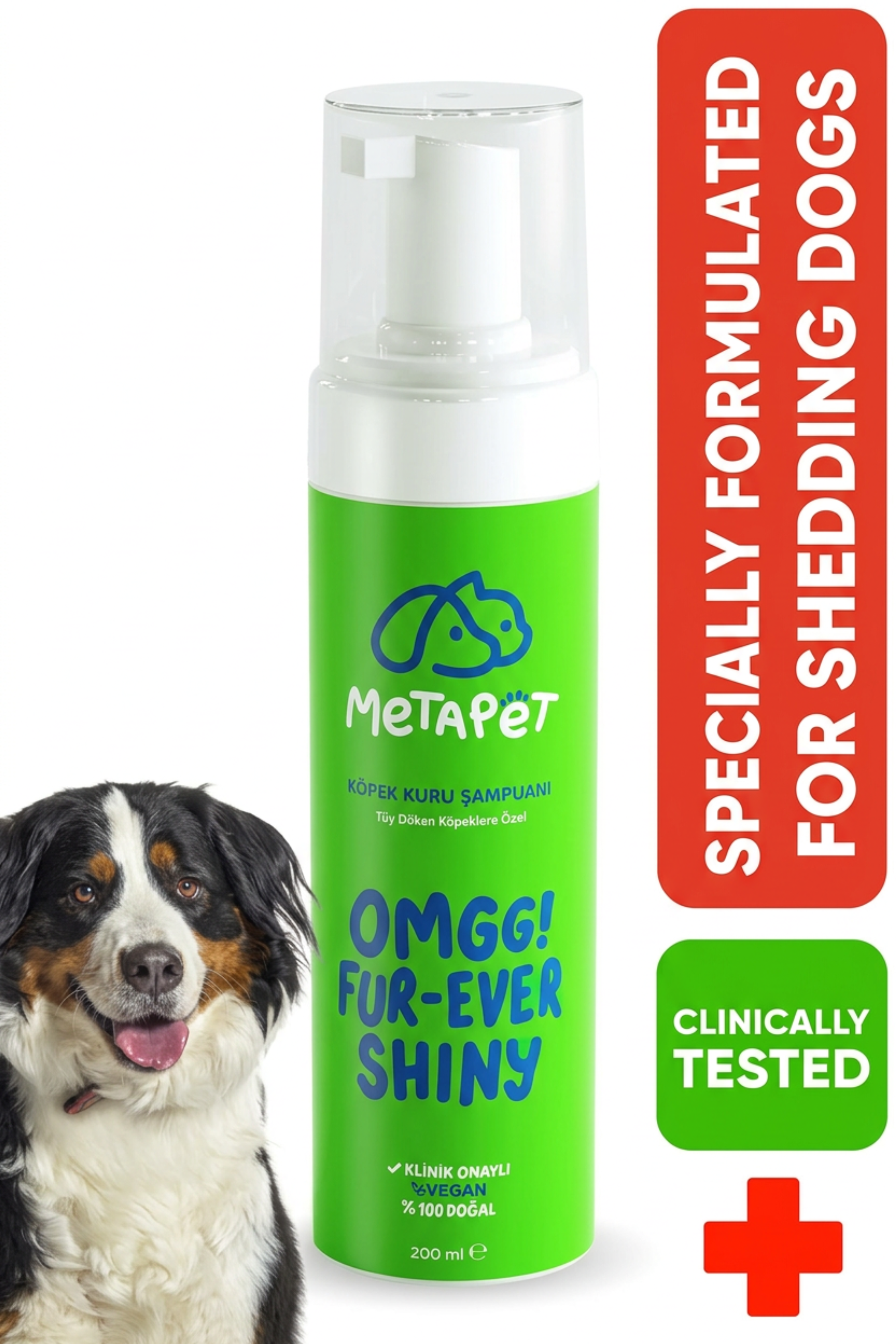
- For shedding seasons: the OMGG! Fur-ever Shiny anti-shedding foam, enriched with Vitamin E and argan oil to leave the coat soft and easy to comb (available for cats and dogs).
Dry foam shampoos are a grooming convenience, not a replacement for parasite prevention or veterinary care. If your pet has fleas or ticks, talk to your veterinarian about a proper prevention plan.
Spot-Cleaning Between Baths: Paws and Wipes
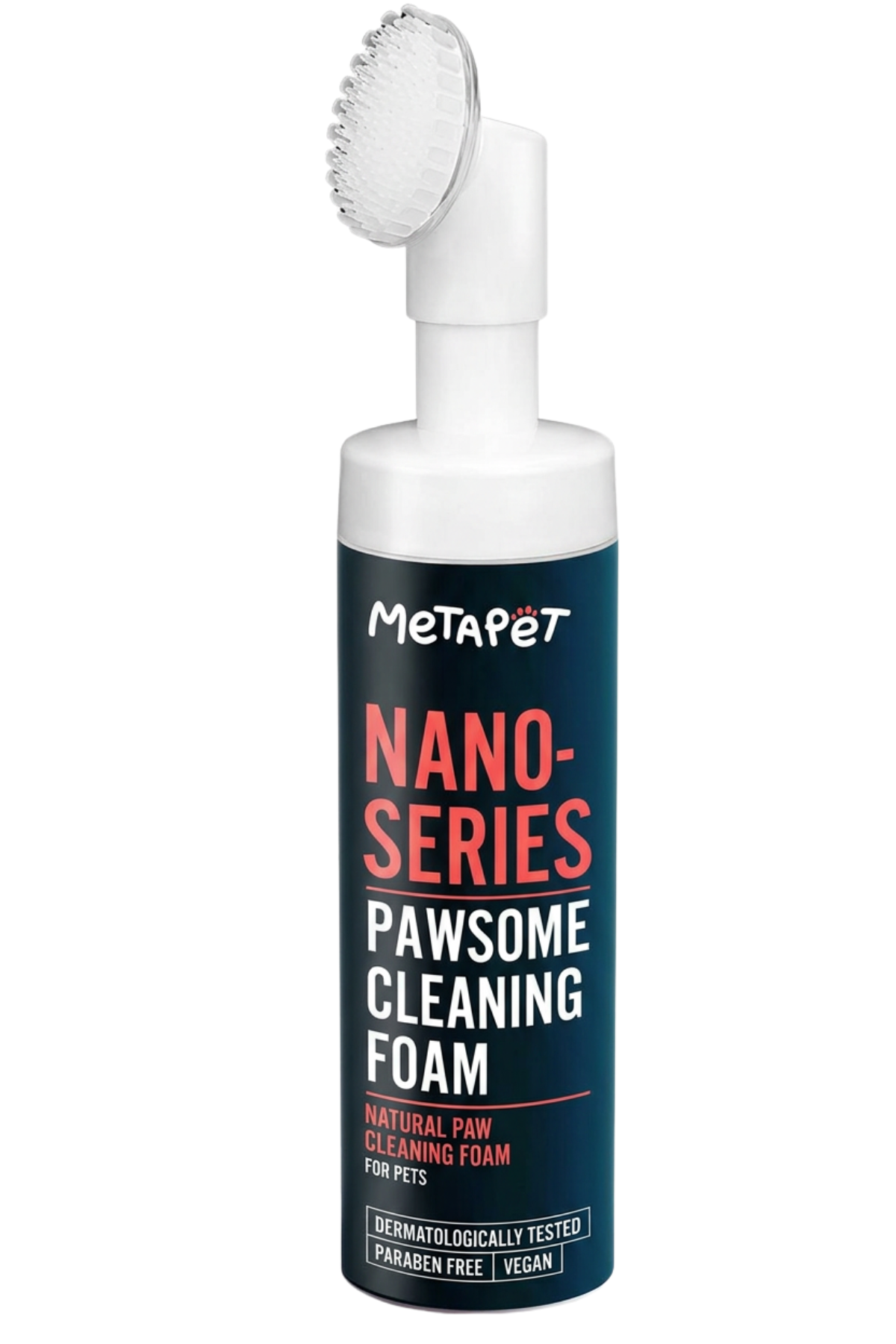
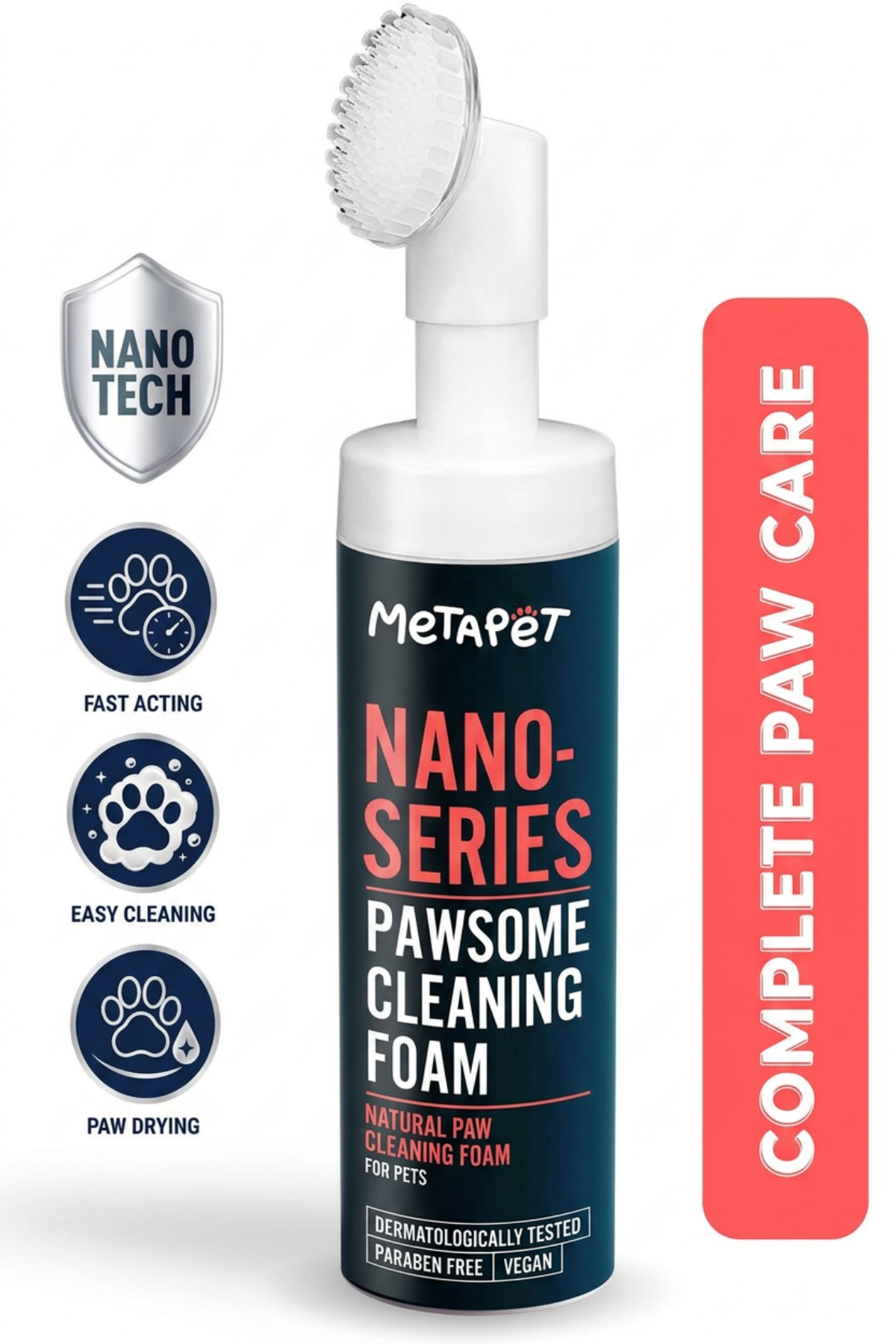
Much of keeping a pet clean is really about quick touch-ups rather than full baths. After a walk, paws pick up dirt, pollen, and whatever is on the ground; a fast paw clean keeps both your pet and your floors cleaner. A paw-cleaning foam with a built-in brush, such as MetaPet's Nano-Series Pawsome Paw Cleaning Foam, makes this a quick step at the door.
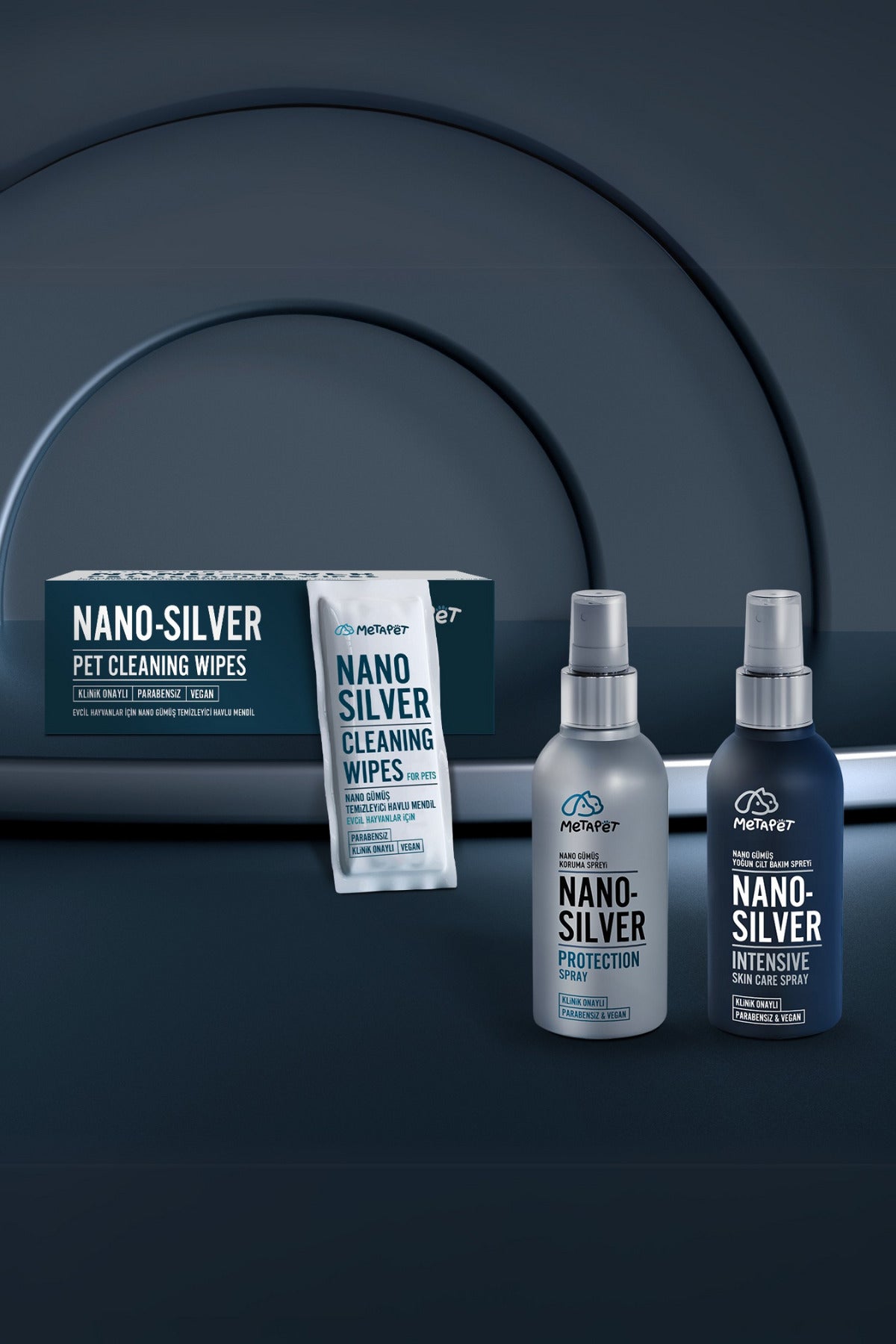
For body, face, and sensitive areas between baths, gentle wipes are handy to have on hand. MetaPet's Nano-Series Hygiene & Care Towel Wipes are made for quick, gentle cleaning of the coat and skin. Keep a pack near the door or your pet's resting spot so freshening up is effortless.
Keeping Your Home and Pet Smelling Fresh
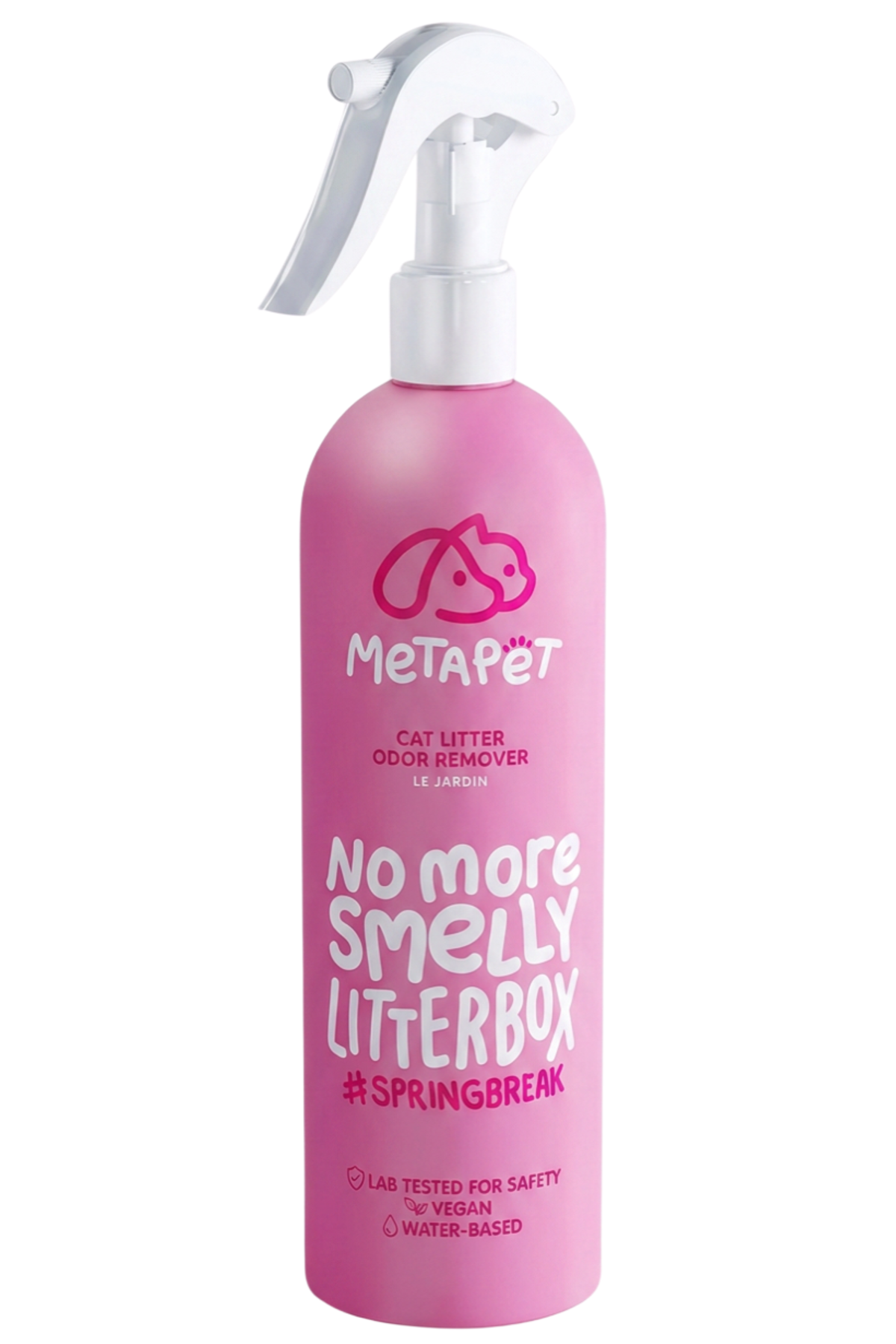
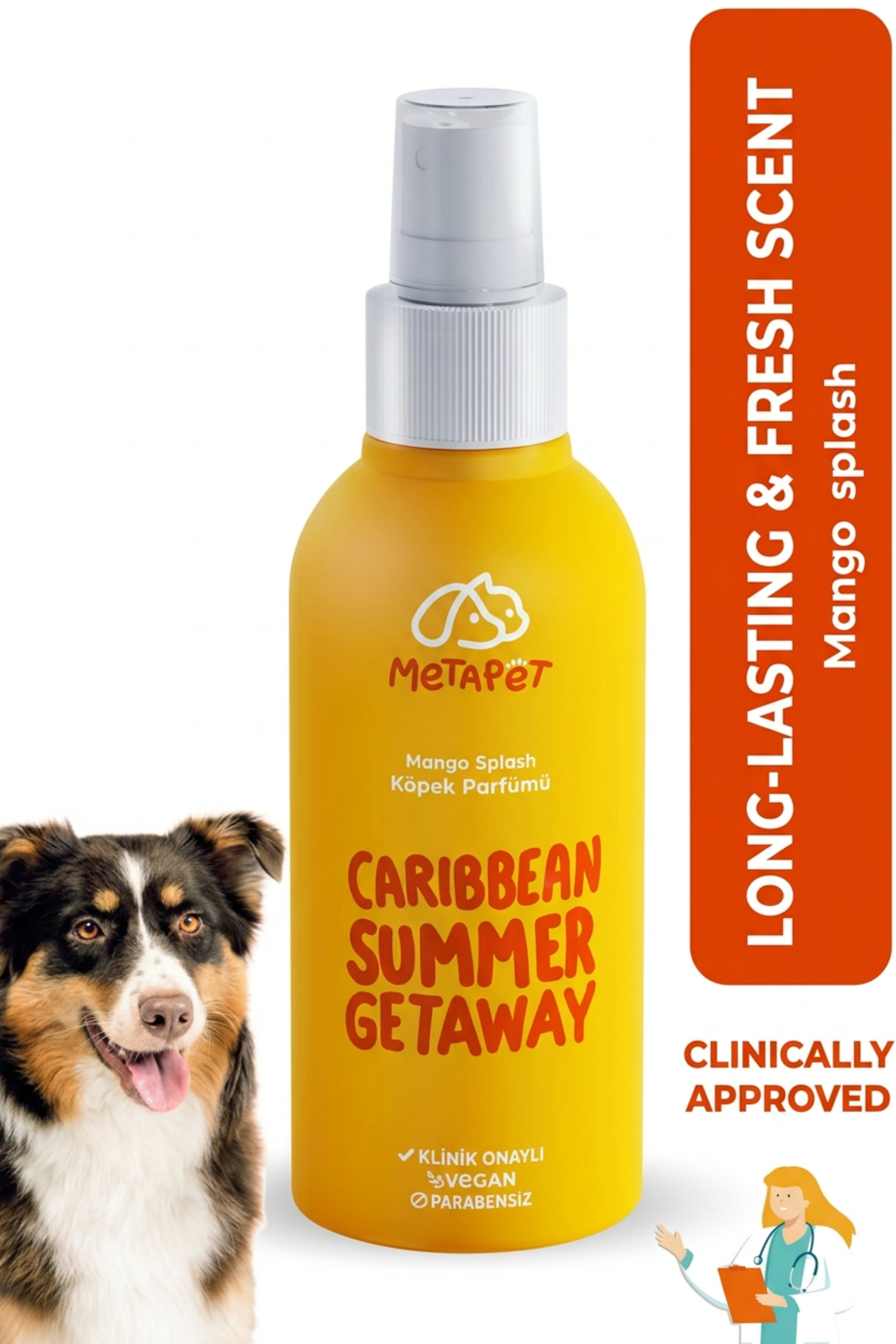
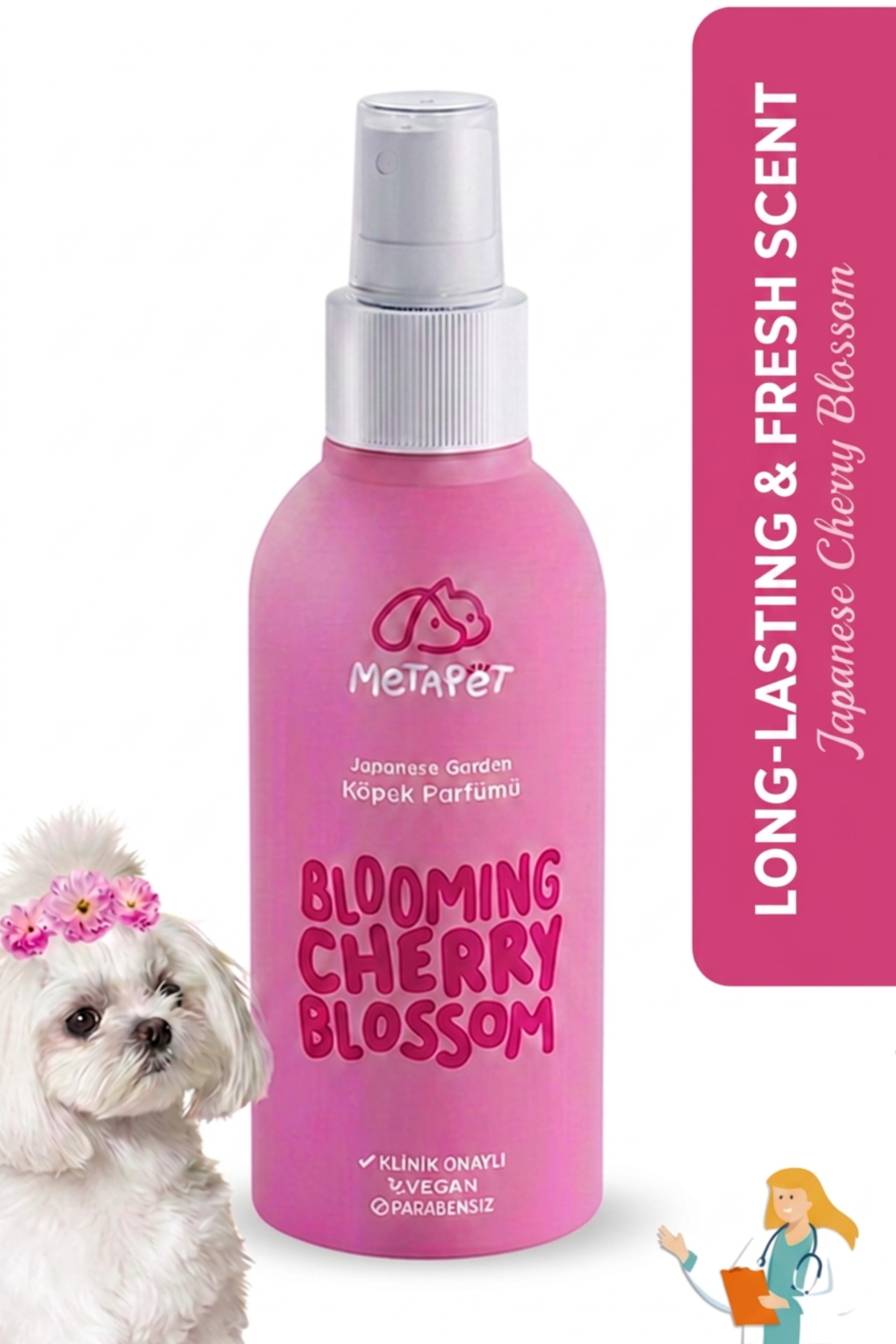
Odor control is part of grooming life, especially with multiple pets. A light, pet-safe finishing spray can help between baths — MetaPet's pH-Balanced Perfume for Dogs is designed to neutralize unwanted odors and leave a fresh scent. Always introduce any scented product gradually, since pets have far more sensitive noses than we do, and skip fragrance entirely on pets with known sensitivities.
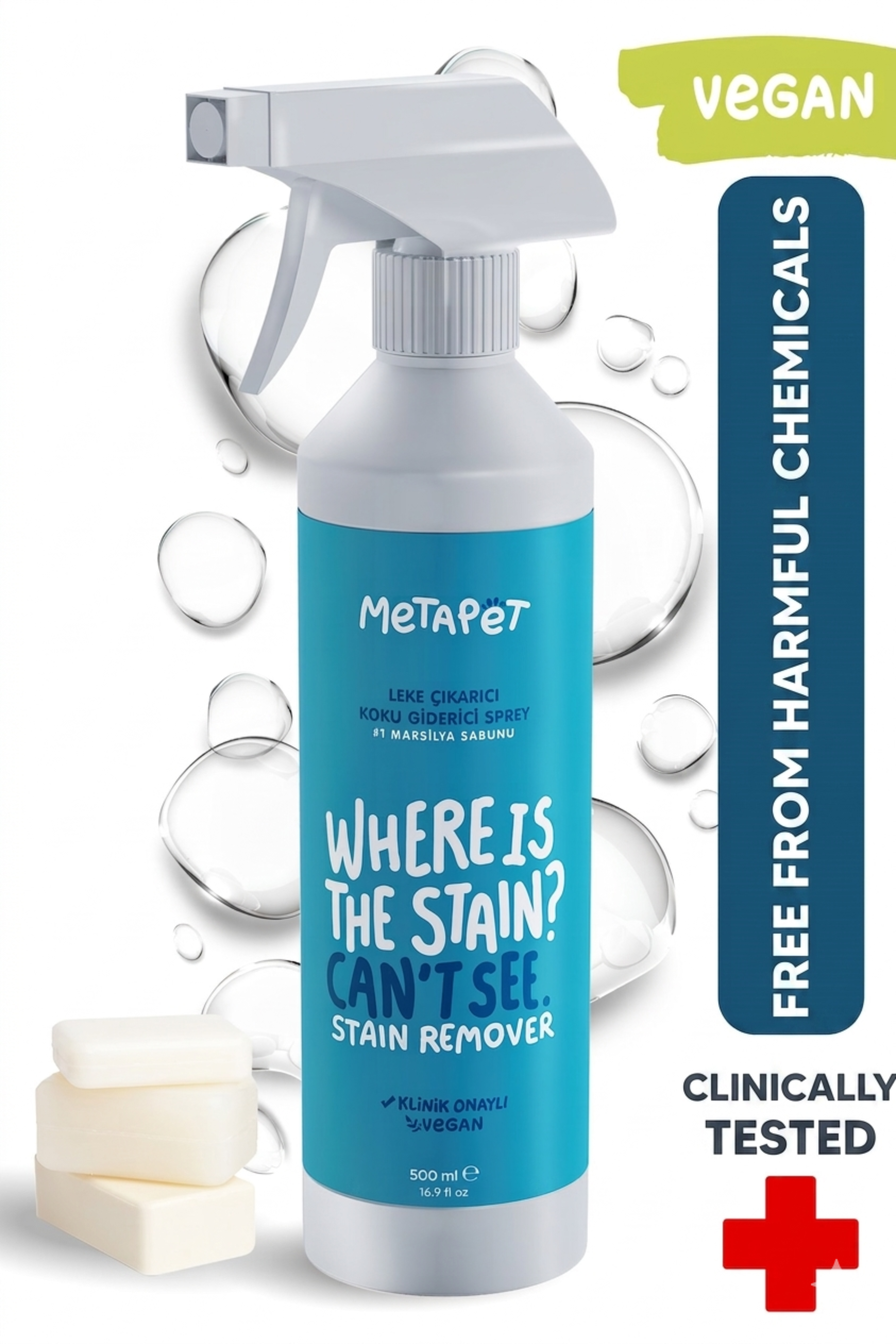
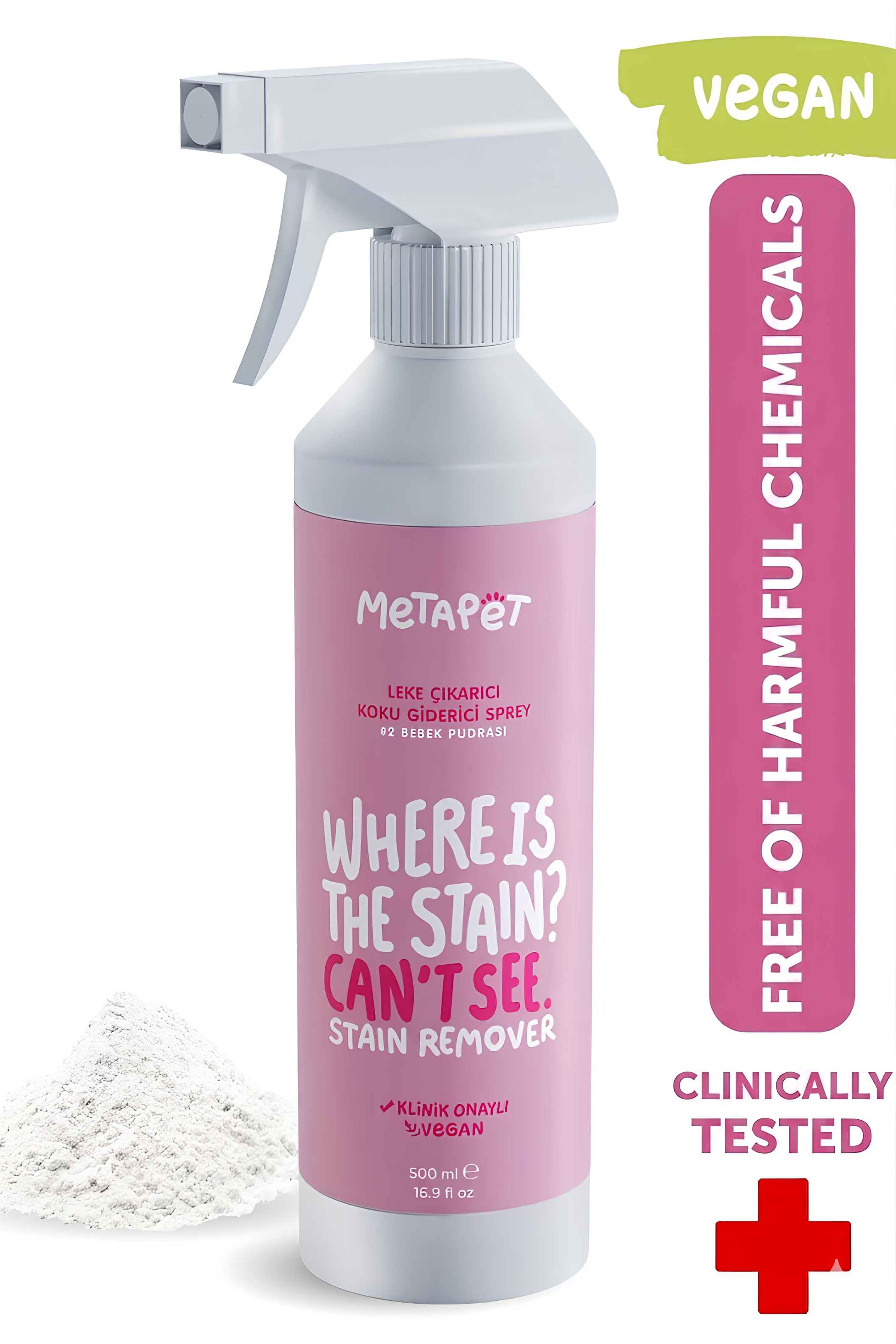
For accidents on floors and furniture, a dedicated pet stain and odor remover is more effective than general household cleaners, which can leave behind smells that draw a pet back to the same spot. The goal is a home that stays fresh without overwhelming your pet's senses.
A Healthy Coat Starts From the Inside
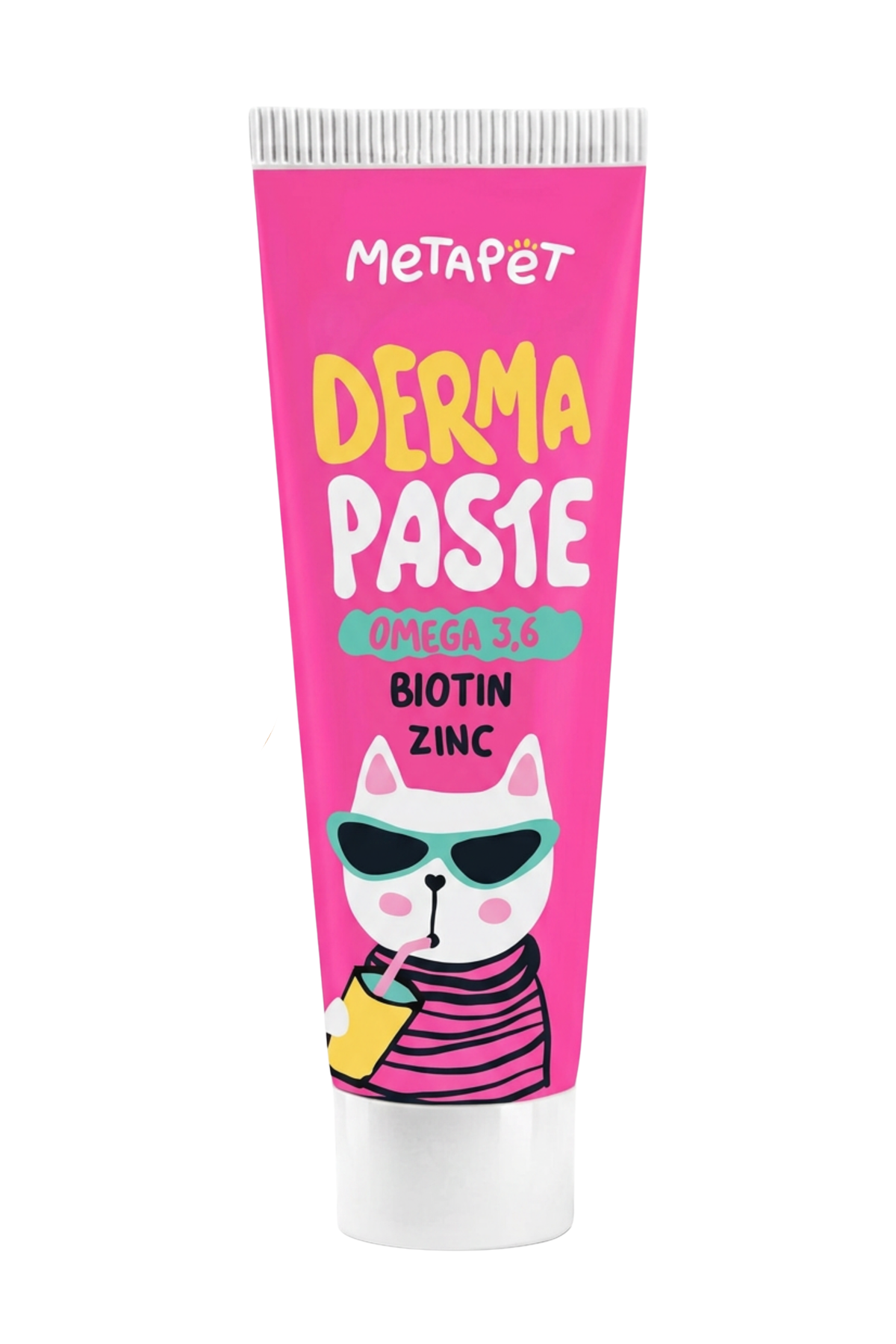
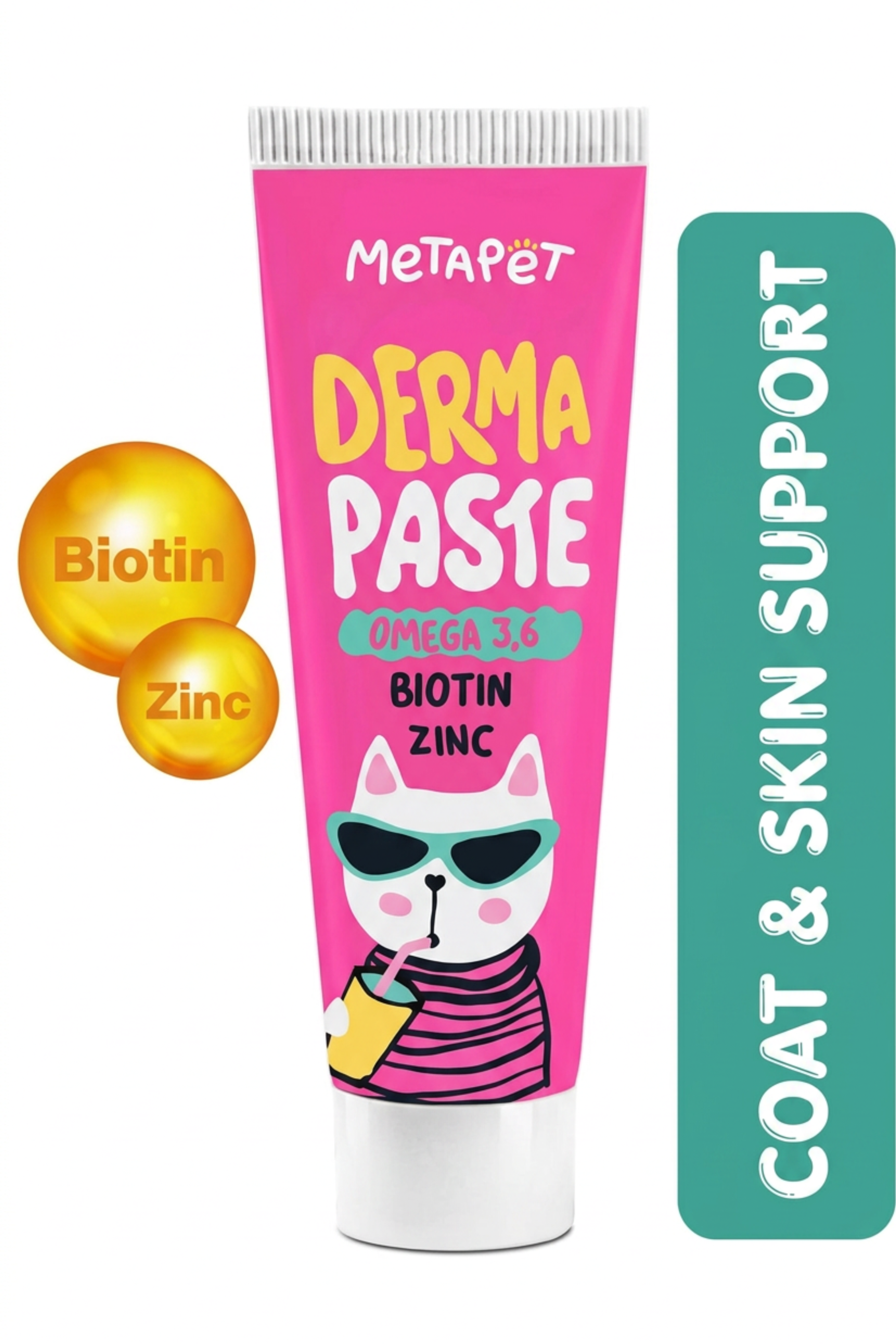
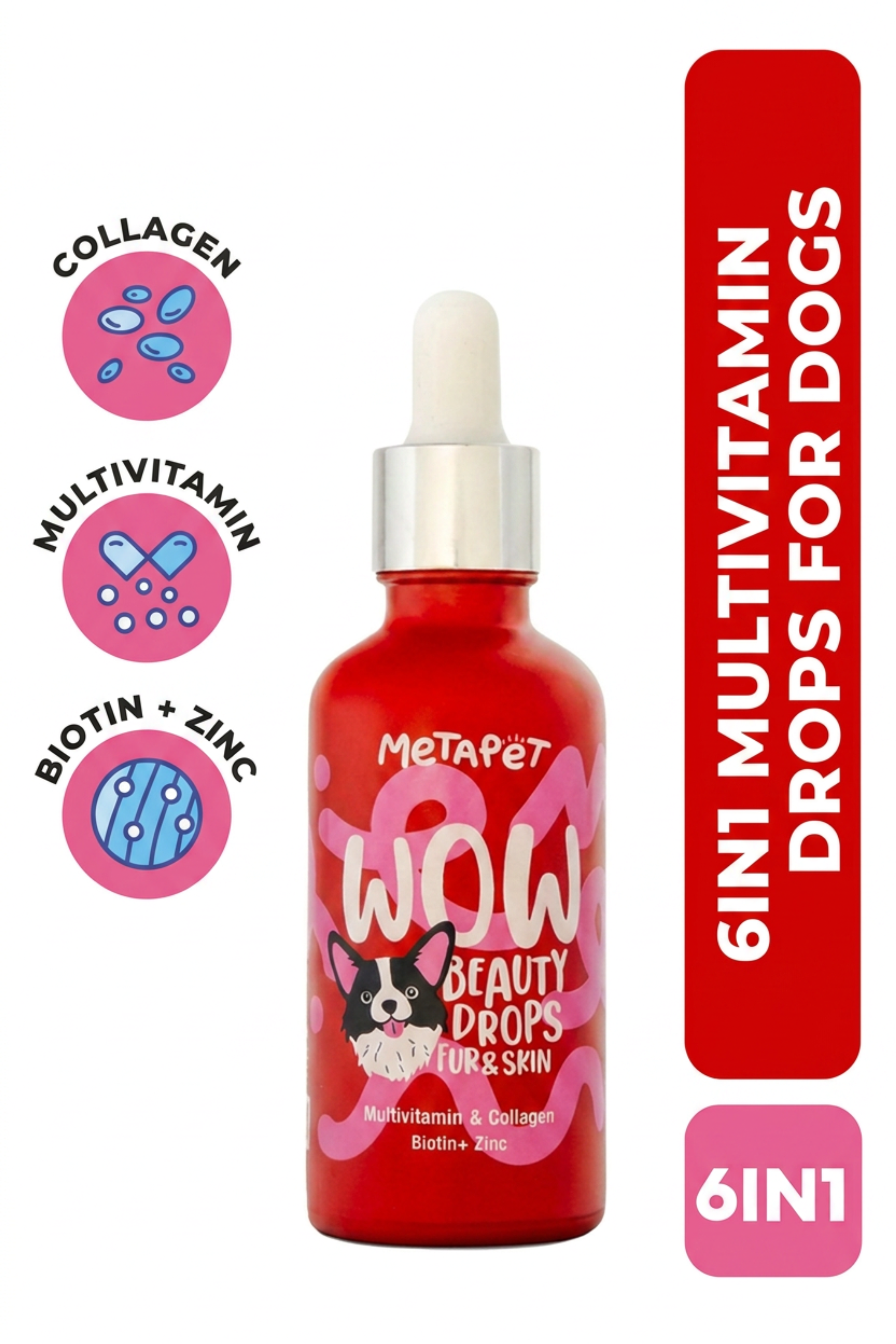
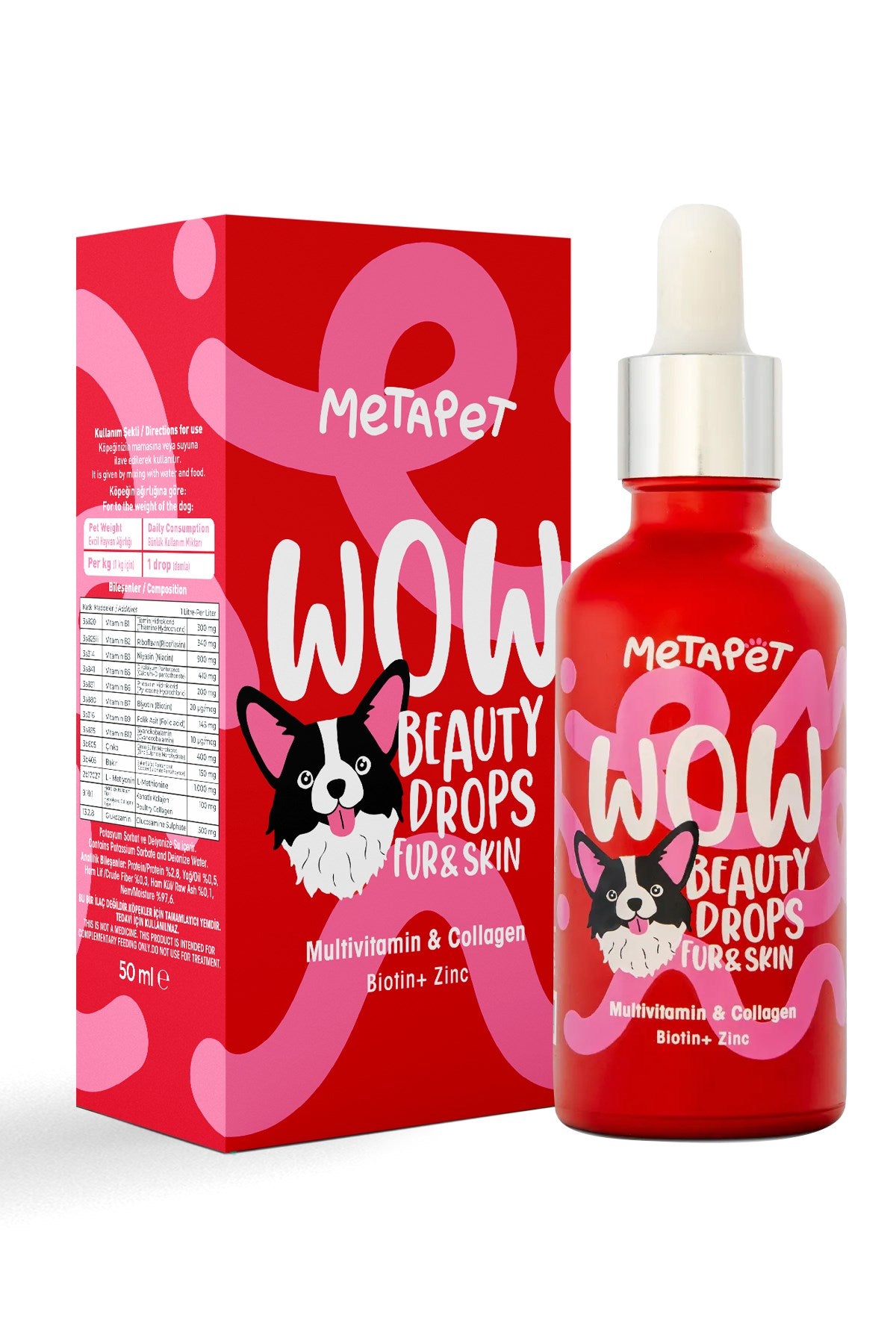
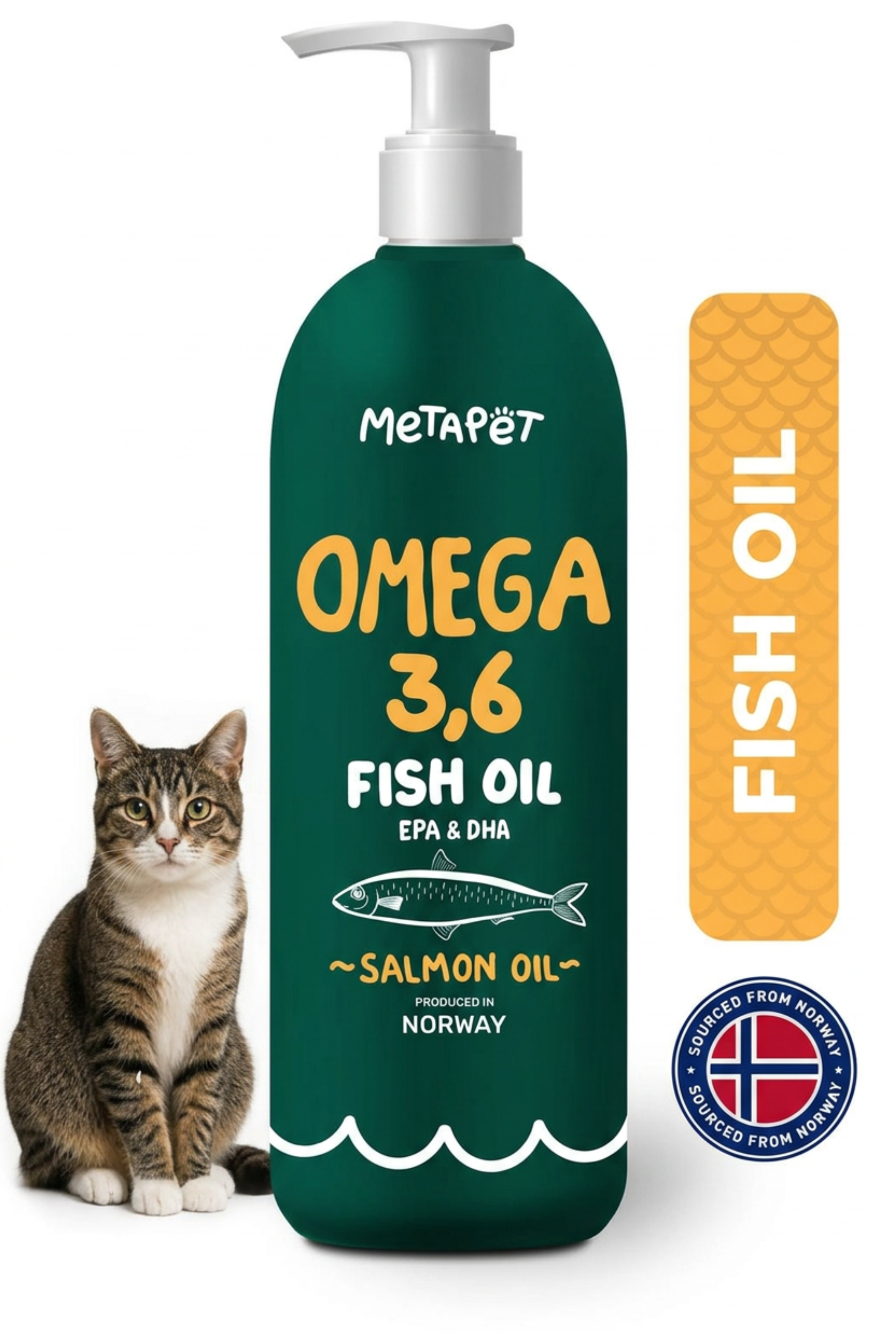
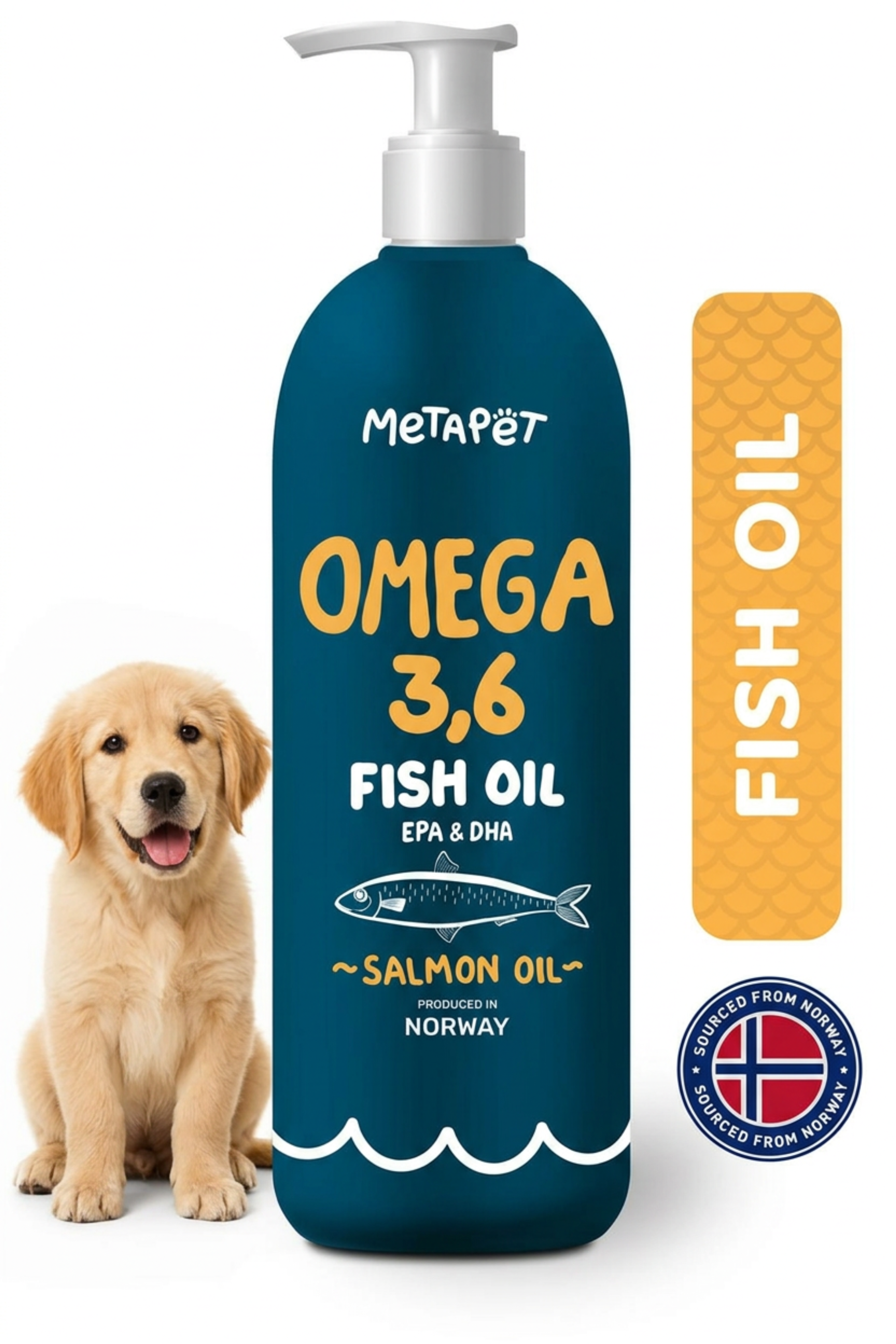
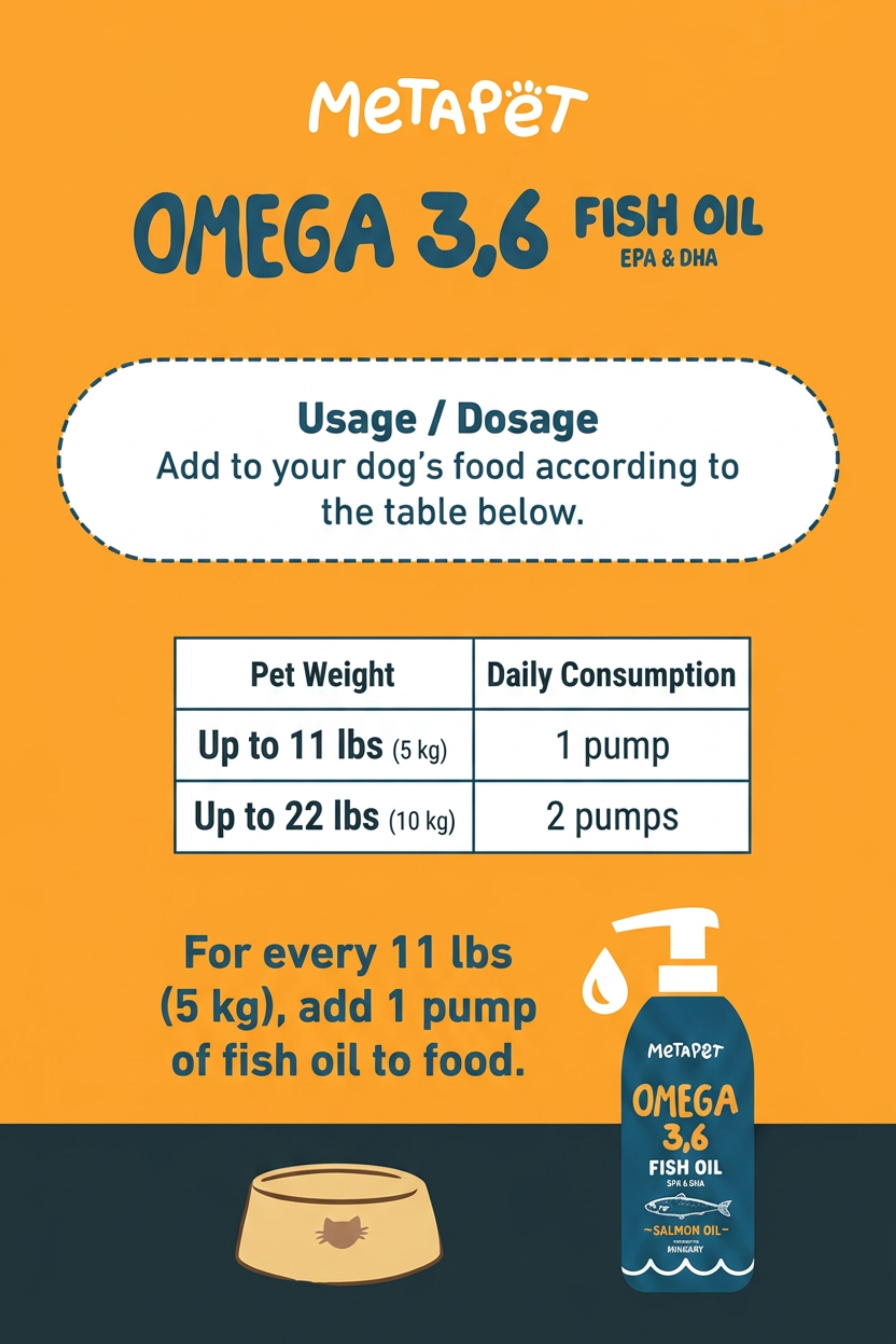
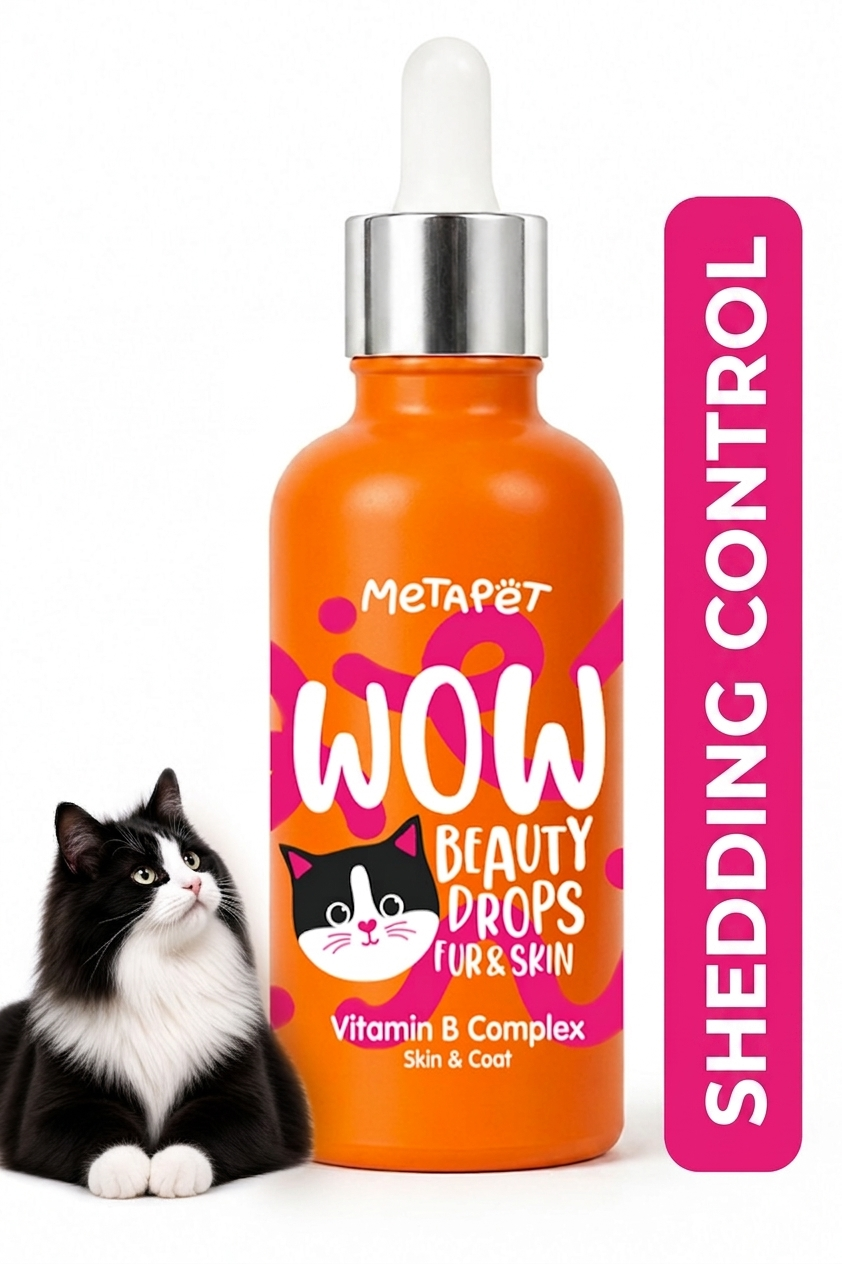
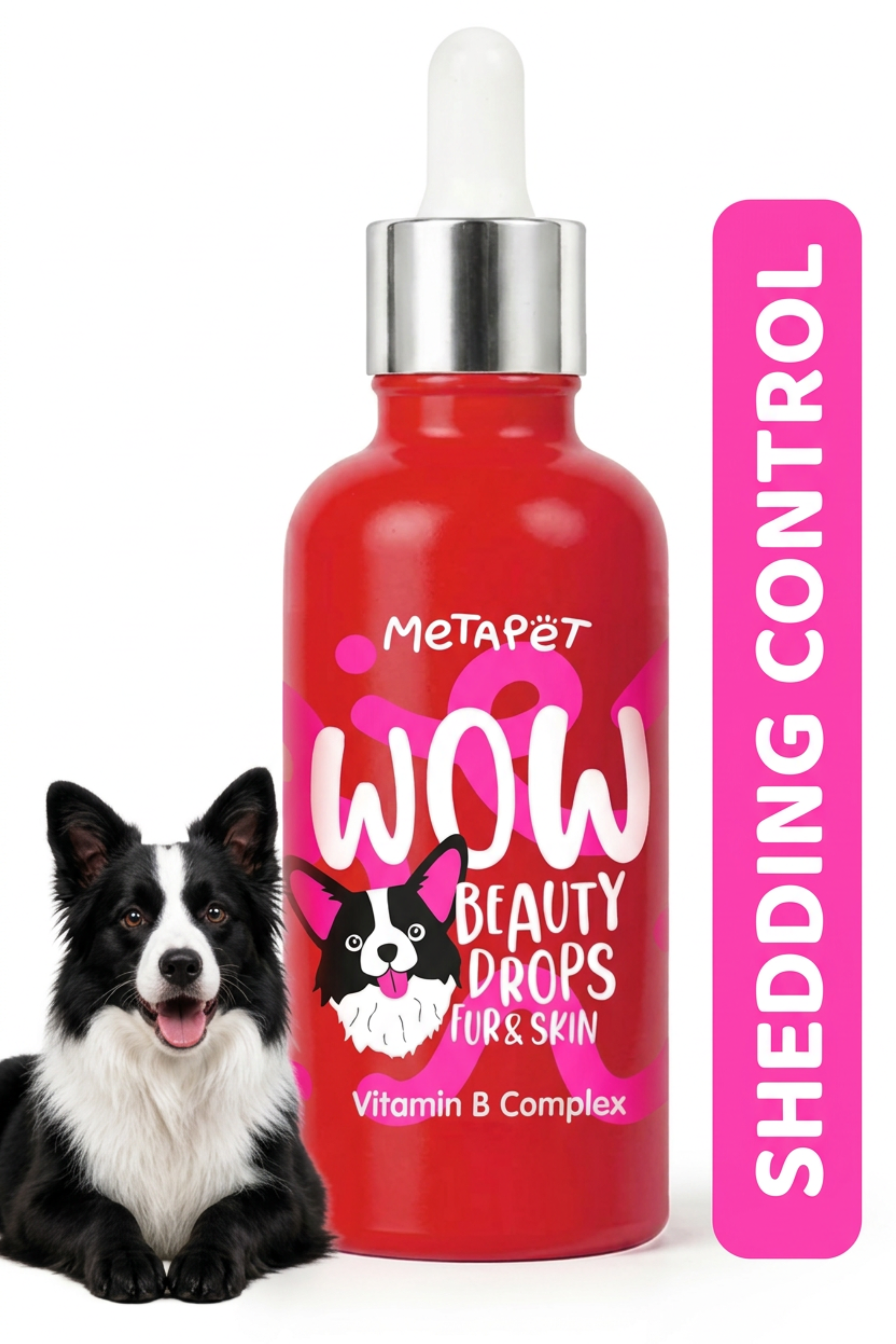
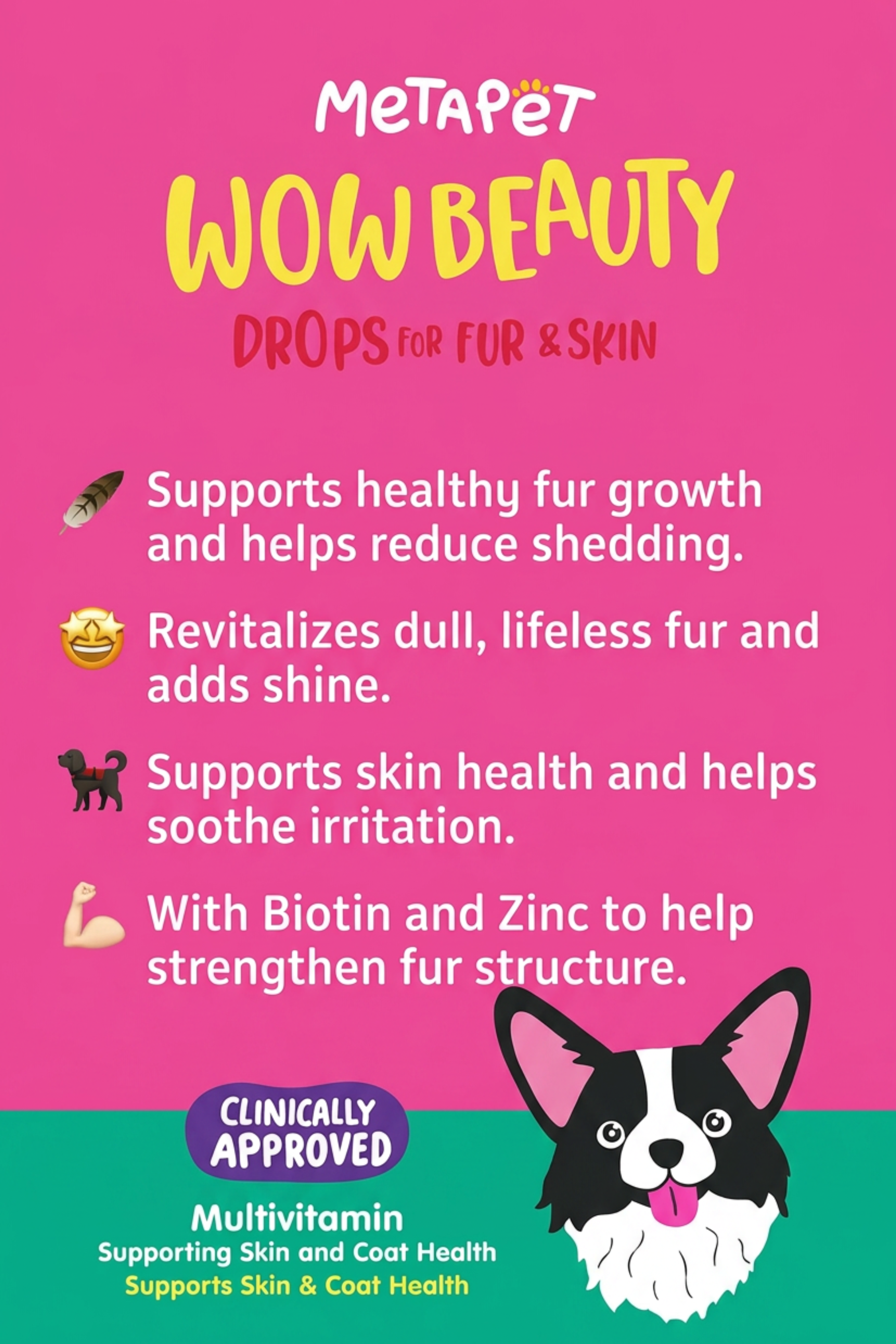
No amount of brushing can fully compensate for poor nutrition. A shiny, resilient coat is built on a complete, balanced diet, good hydration, and often the right fatty acids. Omega-3 and Omega-6 fatty acids in particular support skin and coat condition, which is why many owners add a quality fish oil to the routine. MetaPet's Omega Salmon Oil (available for dogs and for cats) is a tasty daily source of Omega 3-6, and the Wow Beauty Drops combine biotin, zinc and collagen to support skin and coat from within.
Supplements are a complement to a good diet, not a substitute, and they are not a treatment for skin disease. Introduce any new supplement gradually and check with your veterinarian first, especially if your pet has a health condition or takes medication.
Grooming Cats vs. Dogs: Key Differences
While the principles overlap, cats and dogs have different grooming needs. Cats groom themselves constantly and generally need less bathing, but long-haired cats still require regular brushing to prevent mats and to reduce the hair they swallow, which can contribute to hairballs. Many cats prefer short, calm sessions and respond best to waterless or wipe-based cleaning rather than full baths.
Dogs vary enormously by breed. Double-coated breeds shed seasonally and need de-shedding support; curly-coated breeds may need regular professional trims to prevent matting; and short-coated breeds are relatively low-maintenance. Active and outdoor dogs simply get dirtier and need more frequent freshening. Tailor your routine to the animal in front of you rather than a one-size-fits-all schedule.
Making Grooming a Positive Experience
The pets who tolerate grooming best are usually the ones who were introduced to it gradually and gently. Start slowly, keep early sessions short, and pair grooming with praise and the occasional treat so your pet builds a positive association. Touch the paws, ears, and tail regularly outside of grooming time too, so handling feels normal.
Quick Tips for Calm Grooming
- Keep it short and stop before your pet becomes overwhelmed.
- Stay calm yourself — pets pick up on your energy.
- Reward generously with praise and small treats.
- Use the right tools for your pet's coat to avoid tugging.
- Never punish a frightened pet; end on a positive note instead.
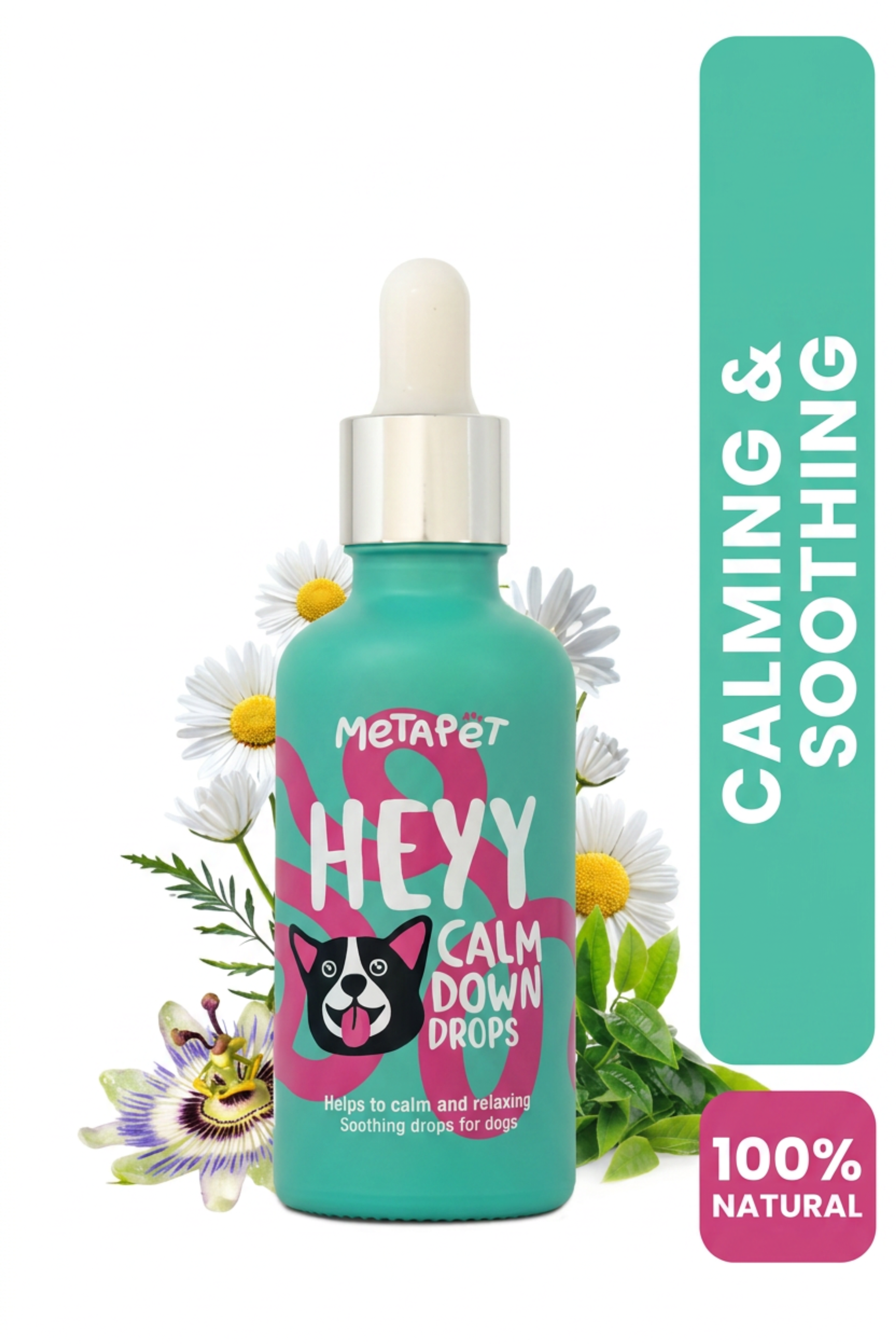
For pets who find grooming, travel, or other events genuinely stressful, some owners use natural calming aids under veterinary guidance. Whatever you try, patience and consistency matter more than any single product.
When to Call the Vet or a Professional Groomer
Home grooming handles most routine needs, but some situations call for an expert. Reach out to your veterinarian or a professional groomer if you notice any of the following:
- Severe, tight matting close to the skin that you cannot safely remove.
- Persistent itching, redness, hair loss, or a foul odor, which can signal a skin condition.
- Wounds, sores, or unexplained lumps found during grooming.
- Fleas, ticks, or other parasites, which need a proper prevention and treatment plan.
- Extreme fear or aggression during grooming that you cannot manage safely at home.
A professional groomer can also be invaluable for breed-specific cuts, nail trims if you are nervous about them, and handling pets who simply do better with experienced hands.
Frequently Asked Questions
Can I use human shampoo on my pet?
No. Human shampoos are formulated for human skin pH and can disrupt your pet's skin barrier, leading to dryness and irritation. Always use a product made specifically for cats or dogs.
How do I groom a cat that hates baths?
Focus on regular brushing and use waterless or wipe-based cleaning between rare baths. Keep sessions short and calm, and reward your cat afterward. A no-rinse foam can freshen the coat without the stress of water.
How often should I bathe my dog?
It depends on coat type and lifestyle, but many dogs do well with a bath every few weeks to a couple of months. Over-bathing can dry the skin, so freshen up between baths with brushing, wipes, or a dry foam instead.
Final Thoughts
Good grooming is a habit, not an event. A few minutes of brushing several times a week, the occasional well-prepared bath, quick paw and coat clean-ups in between, and a diet that supports skin and coat health will keep most dogs and cats comfortable, fresh, and looking their best. Just as valuable, that regular hands-on time lets you catch small issues early and deepens the bond between you and your pet. Build the routine gradually, keep it positive, and lean on your veterinarian whenever something looks or feels off — your pet's skin and coat will thank you for it.