Pemphigus Foliaceus in Dogs and Cats: Skin Autoimmunity

Most crusty, scabby skin in dogs and cats turns out to be something ordinary — a bacterial infection, allergies, parasites, or a reaction to something in the environment. Those explanations account for the vast majority of cases, and most respond to fairly standard treatment.
Pemphigus foliaceus is the uncommon exception, and it is the most frequently diagnosed autoimmune skin disease in both species. Here the immune system attacks the connections holding skin cells together, causing the surface layers to separate. The result is pustules that break easily and leave the thick yellow crusts that owners actually see, distributed in a pattern that is often quite distinctive.
It matters that this gets recognised rather than treated as an ordinary skin infection, because the treatment is entirely different and the condition will not resolve on standard approaches. This guide explains what pemphigus foliaceus is, the pattern that raises suspicion, why a biopsy is essential, what long-term management involves, and what everyday care can and cannot contribute.
Important: This article shares general educational information for pet owners and is not a substitute for an in-person veterinary examination, diagnosis, or treatment. For any medical concern or emergency, contact your veterinarian promptly.
What the Disease Actually Does
Skin cells are held together by protein structures that act rather like rivets, keeping the surface of the skin intact and watertight. In pemphigus foliaceus, the immune system produces antibodies that target those connections.
When the connections fail, cells in the upper layers of the skin separate from one another. Fluid and inflammatory cells accumulate in the resulting space, forming pustules. These pustules are extremely fragile — they rupture with the slightest friction, which is why owners rarely see them intact and instead find crusts, scabs, and scaling.
The word foliaceus refers to the leaf-like flaking of the surface layers. This form affects the superficial skin rather than deeper tissue, which is one reason it is generally less severe than some other autoimmune skin diseases, though it is by no means trivial.
- Autoimmune, not infectious: it cannot be caught from or passed to other animals or people.
- Superficial: affects the upper skin layers rather than deep tissue.
- Pustules to crusts: the pustules break so easily that crusts are what owners see.
- Symmetrical: lesions typically appear in matching positions on both sides.
- Manageable, not curable: treatment controls the disease rather than eliminating it.
The Pattern That Raises Suspicion
Distribution is the feature that most often prompts a veterinarian to think of pemphigus rather than a routine skin infection, and it is something owners can observe too.
Lesions characteristically begin on the face — the bridge of the nose, around the eyes, and the ear flaps — and are usually symmetrical, appearing in mirror-image positions on each side. The nose itself may lose pigment, changing from black to pink or mottled, which owners frequently notice before anything else.
Paw pads are commonly affected, becoming thickened, cracked, and crusted, and this can make walking uncomfortable. The nail beds may be involved. In some animals lesions spread to the trunk over time, and in cats the nipples and the areas around the nail beds are characteristic sites.
Alongside the skin changes, some animals become systemically unwell — quieter than usual, off their food, feverish, or lame if the feet are badly affected. Others show only skin signs and behave entirely normally, which can make the condition seem less serious than it is.
Certain breeds are over-represented, including Akitas and Chow Chows among dogs, though the disease occurs in any breed and in mixed breeds. In cats there is no strong breed association. Both species can be affected at any age, though middle age is typical.
What Triggers It
In most cases no trigger is ever identified. The immune system begins targeting the skin for reasons that are not established, and this spontaneous form is the most common.
- Idiopathic: no identifiable trigger, which describes the majority of cases.
- Drug-associated: a small number of cases follow administration of certain medications.
- Chronic skin disease: long-standing inflammation has been proposed as a possible contributor in some animals.
- Sunlight: ultraviolet exposure does not cause the disease but commonly worsens existing facial lesions.
- Genetic predisposition: suggested by the clear breed over-representation in dogs.
The sunlight association is practically useful. Many owners notice that lesions on the nose and ears worsen in summer or after time outdoors, and reducing midday sun exposure is a reasonable, easy adjustment that often helps facial lesions look better.
The drug association is one reason your veterinarian will ask for a complete list of every medication, supplement, and topical product your pet has received, including anything given months earlier. It is worth compiling that list properly rather than from memory.
Why It Is Often Misdiagnosed at First
Crusty facial skin is a common presentation with a long list of possible causes, and pemphigus is not the most likely one. A veterinarian who begins by treating for infection or parasites is following a perfectly sensible order of investigation.
The conditions that most commonly look similar include bacterial skin infection, which is far more frequent and can look almost identical; ringworm, a fungal infection which also causes crusting and scaling; demodectic and sarcoptic mange, which cause crusting and hair loss; allergic skin disease with secondary infection; and several less common immune-mediated and nutritional conditions.
The clue that usually redirects the investigation is failure to respond. A crusting skin problem that does not improve with appropriate treatment for infection and parasites, or that improves and immediately relapses, is the classic route to a pemphigus diagnosis. Symmetrical facial lesions with nasal depigmentation and involvement of the paw pads should raise the question considerably earlier.
This is worth understanding as an owner, because it explains why the diagnosis often takes weeks and several visits. That sequence is not a failure of care; it is the appropriate order in which possibilities get excluded.
How Diagnosis Is Confirmed
Pemphigus foliaceus cannot be diagnosed on appearance alone, and it should not be treated on suspicion, because the medication involved carries real risks and requires monitoring.
The essential test is skin biopsy. Small samples of affected skin are taken, usually under sedation or local anaesthetic, and examined by a pathologist. The microscopic appearance — with specific cells found within intact or recently ruptured pustules — is characteristic and is what confirms the diagnosis.
Getting a useful biopsy depends heavily on sampling the right lesion. Intact pustules are the most informative, and they are fragile and short-lived. This is why your veterinarian may ask you to stop applying anything to the skin beforehand, and why cases are sometimes referred to a veterinary dermatologist who can select and sample lesions optimally.
Supporting tests are done alongside. Cytology assesses whether bacteria or yeast are also present, since secondary infection is common and needs treating in its own right. Skin scrapings look for mites and fungal testing excludes ringworm. Blood work provides a baseline before medications that require monitoring.
- Bring to the appointment: photographs of the lesions at their worst, since crusts change appearance quickly.
- Be ready to describe: where lesions first appeared, whether they are symmetrical, whether sunlight makes them worse, and what treatments have already been tried.
- Prepare in advance: a complete written list of every medication, supplement, and topical product used in the last year.
What Treatment Involves
Treatment aims to suppress the immune attack on the skin, and it is entirely veterinary. There is no over-the-counter product, food, or supplement that treats pemphigus foliaceus, and nothing available without prescription influences the underlying process.
Immunosuppressive medication is the foundation of management. Treatment typically begins with higher doses to bring the disease under control — often over several weeks — followed by a gradual reduction to the lowest dose that maintains remission. Finding that maintenance level is a process of careful adjustment rather than a single decision, and it takes time.
Regular monitoring is not optional. These medications can cause side effects, and periodic examinations and blood tests are how those are detected before they become problems. Owners should also expect to report on how the skin is doing between visits, since dose adjustments are guided by both the lesions and the laboratory results.
Secondary bacterial infection is common in affected skin and is treated separately as needed. Sun protection is often advised for facial lesions. Where a medication is suspected as a trigger, avoiding it in future becomes a permanent part of the record.
Most animals require lifelong therapy at some level. A minority achieve lasting remission and can eventually come off medication, but this is decided by a veterinarian over time, never by an owner deciding the skin looks well enough to stop.
Everyday Care and Coat Management
Home care in pemphigus is genuinely supportive rather than therapeutic. It keeps the animal comfortable, keeps affected skin clean, and helps you monitor accurately — but it has no effect on the immune process, and it never substitutes for prescribed medication.
Be gentle. Affected skin is fragile and crusts should be softened rather than picked off, since removing them forcibly damages the skin beneath and can worsen lesions. Follow your veterinarian's instructions on any medicated washing or topical treatment, including frequency, since over-washing dries and irritates skin.
Limit sun exposure during the brightest part of the day, particularly for pets with facial lesions or pale noses. Keep bedding clean and dry, brush gently and often enough to prevent mats that trap debris against the skin, and check the paw pads regularly since crusting there causes discomfort that is easy to miss.
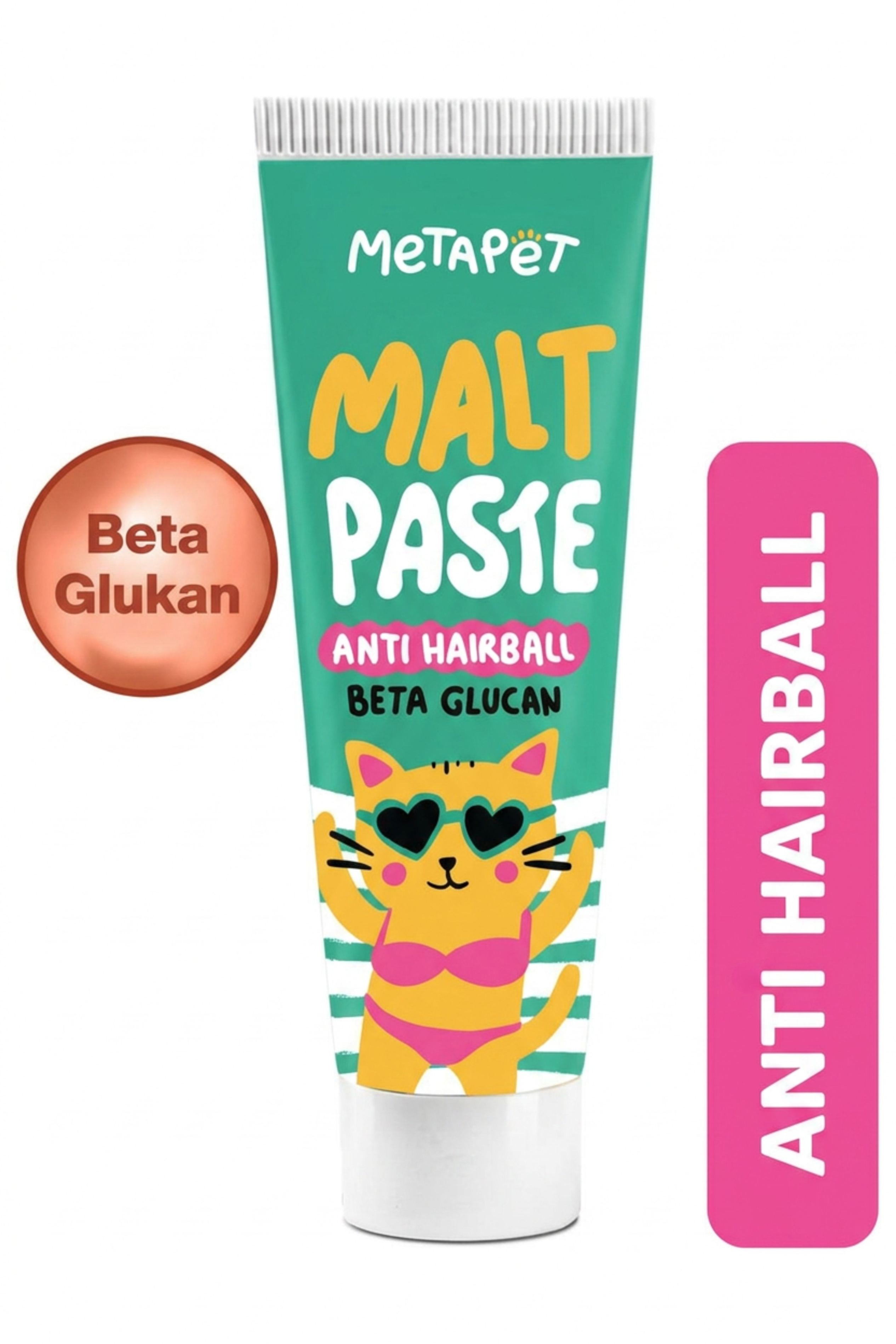
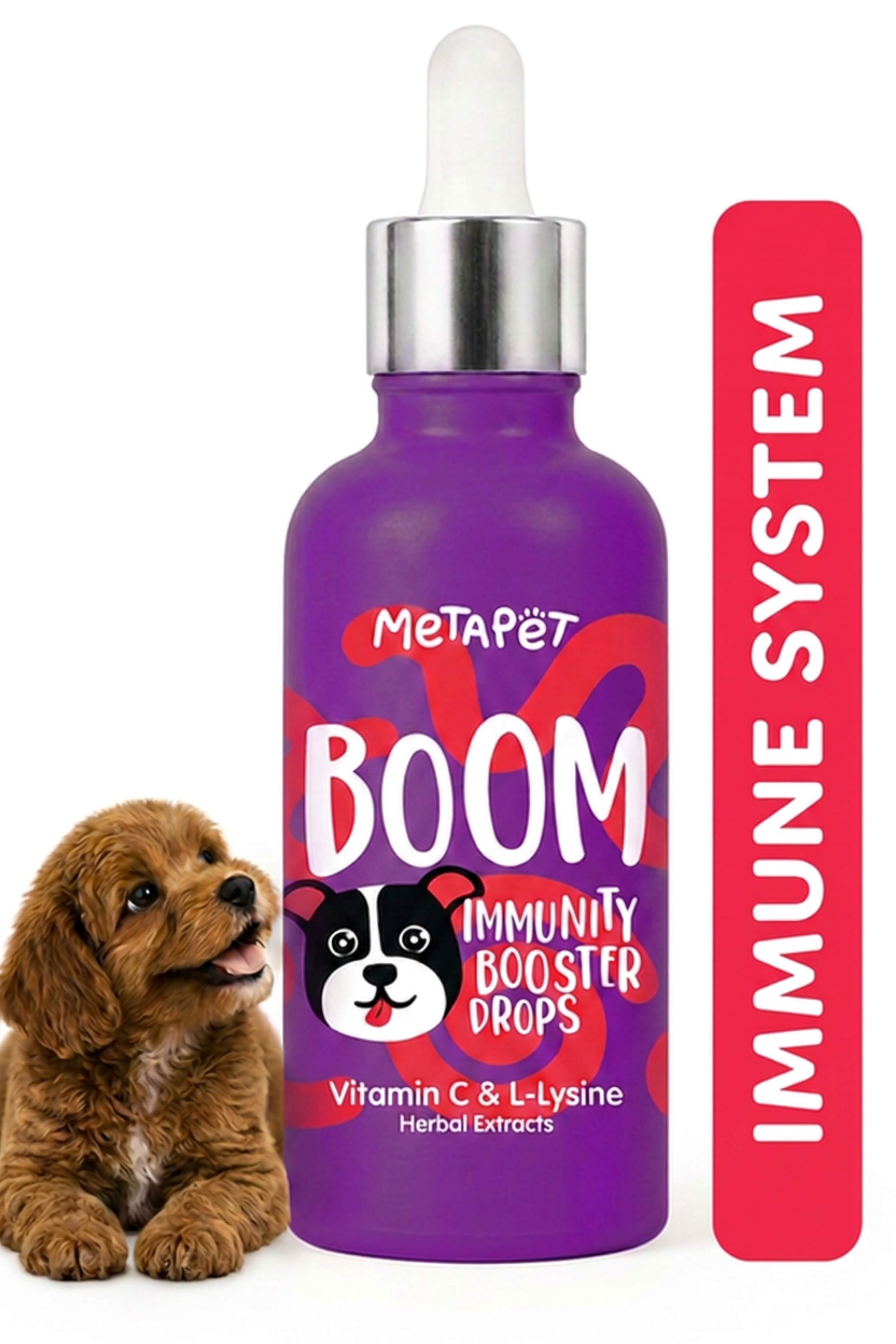
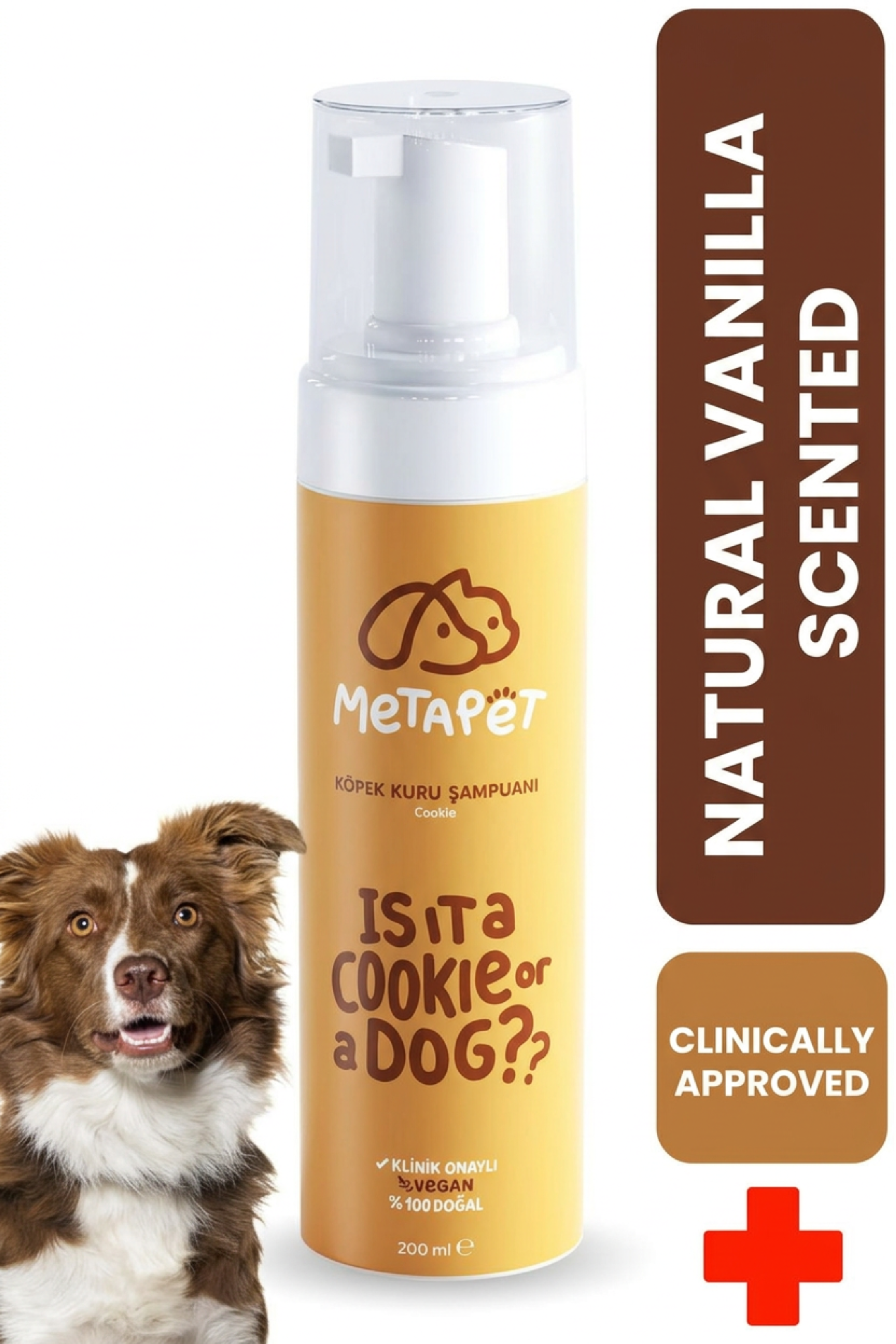
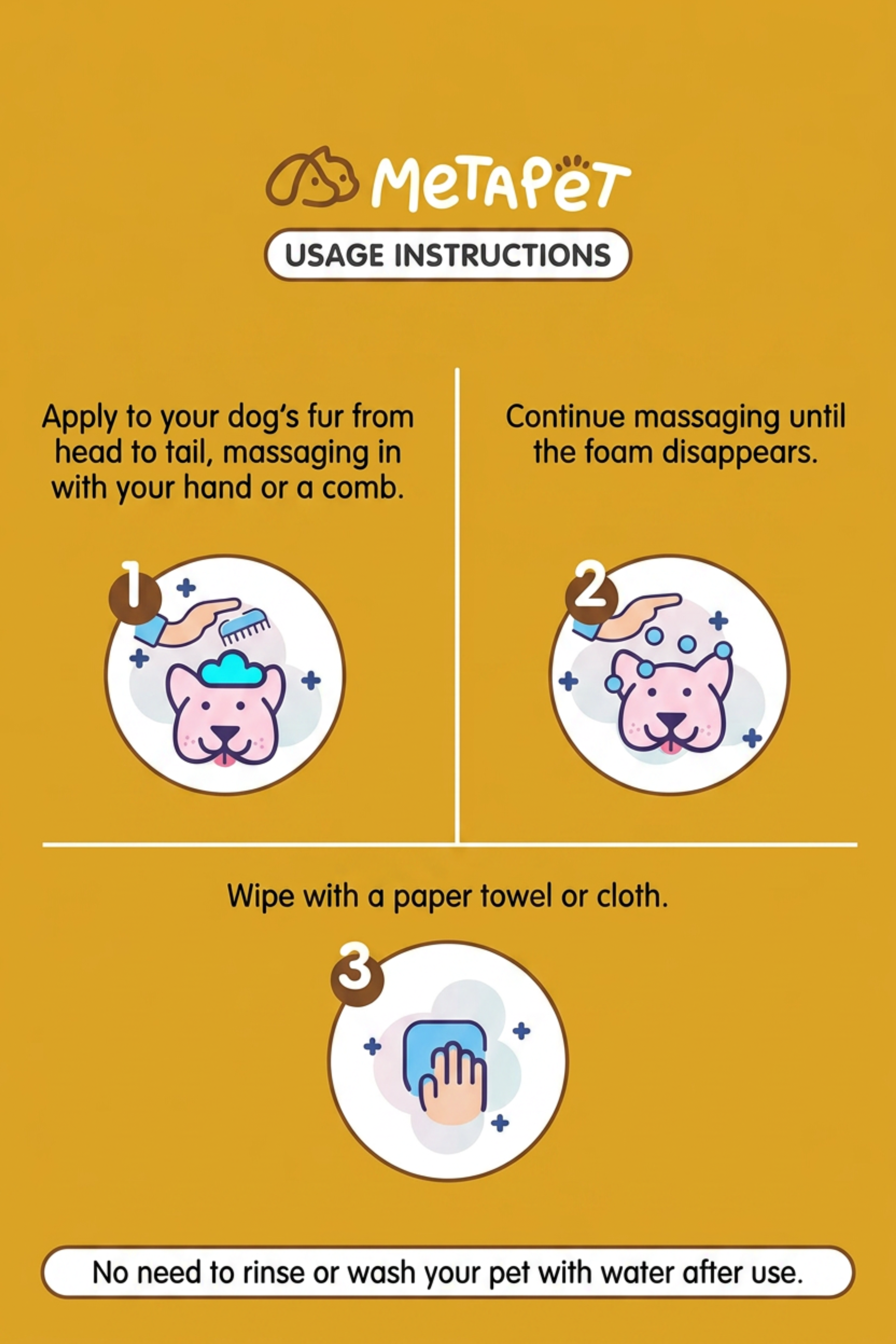
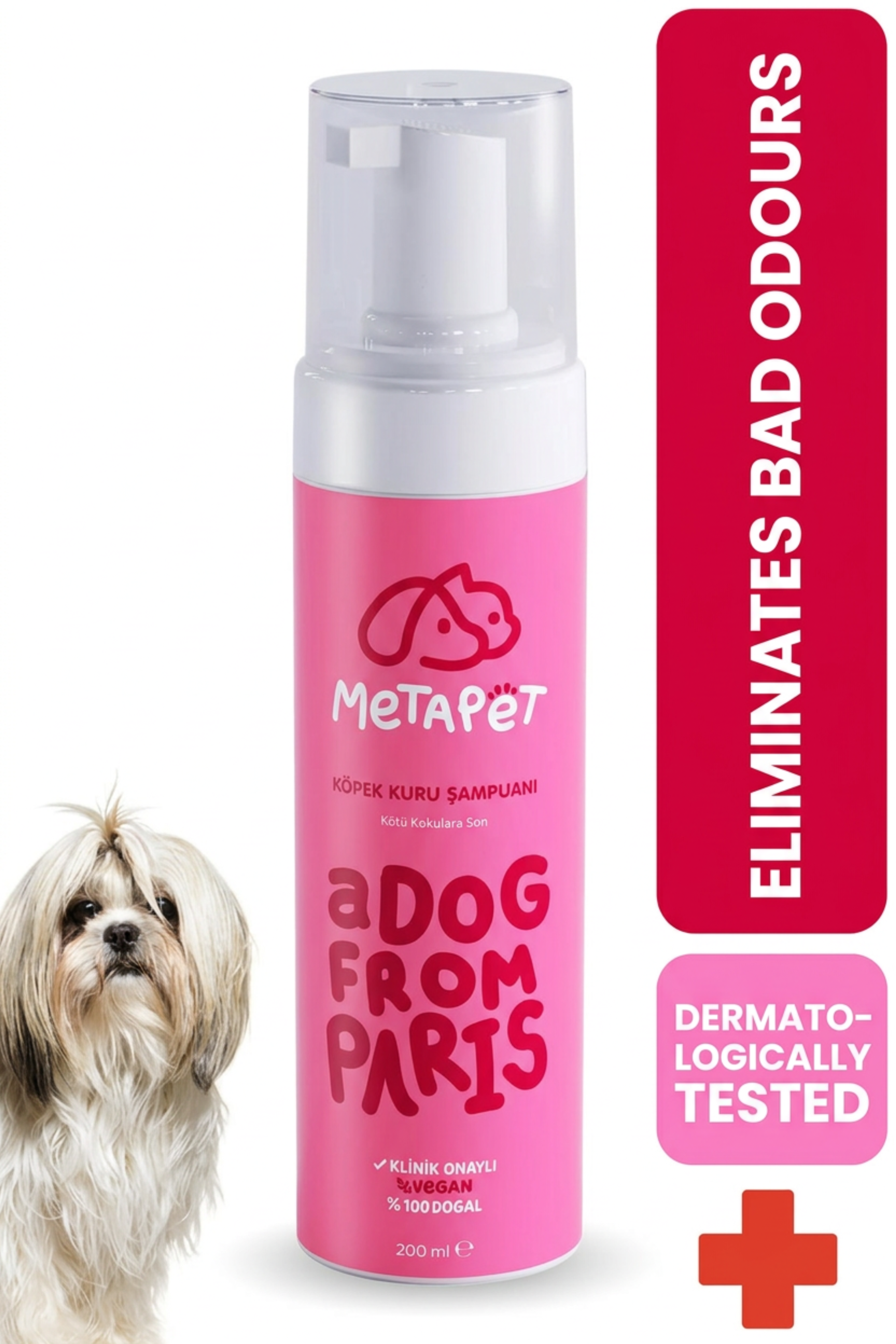
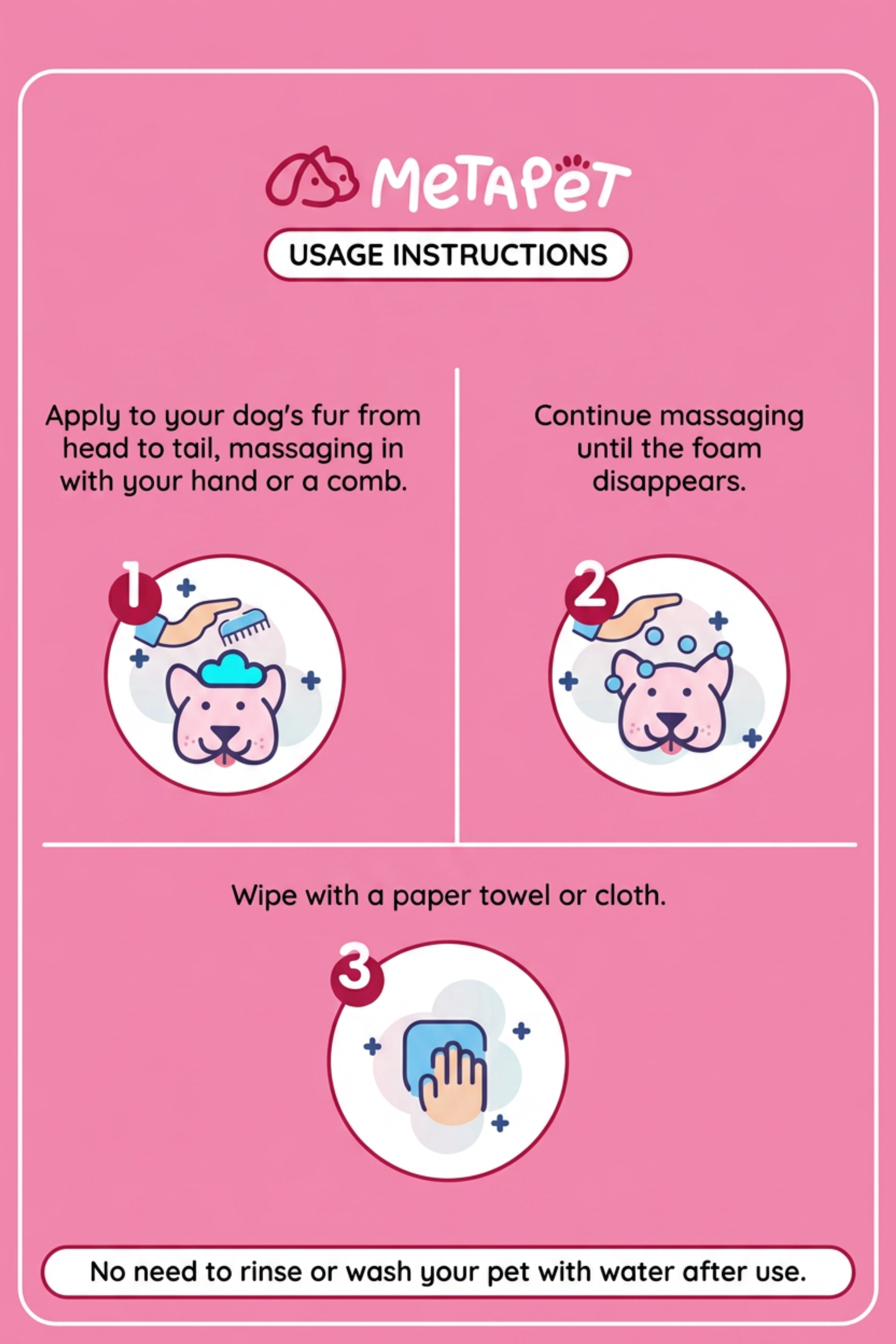
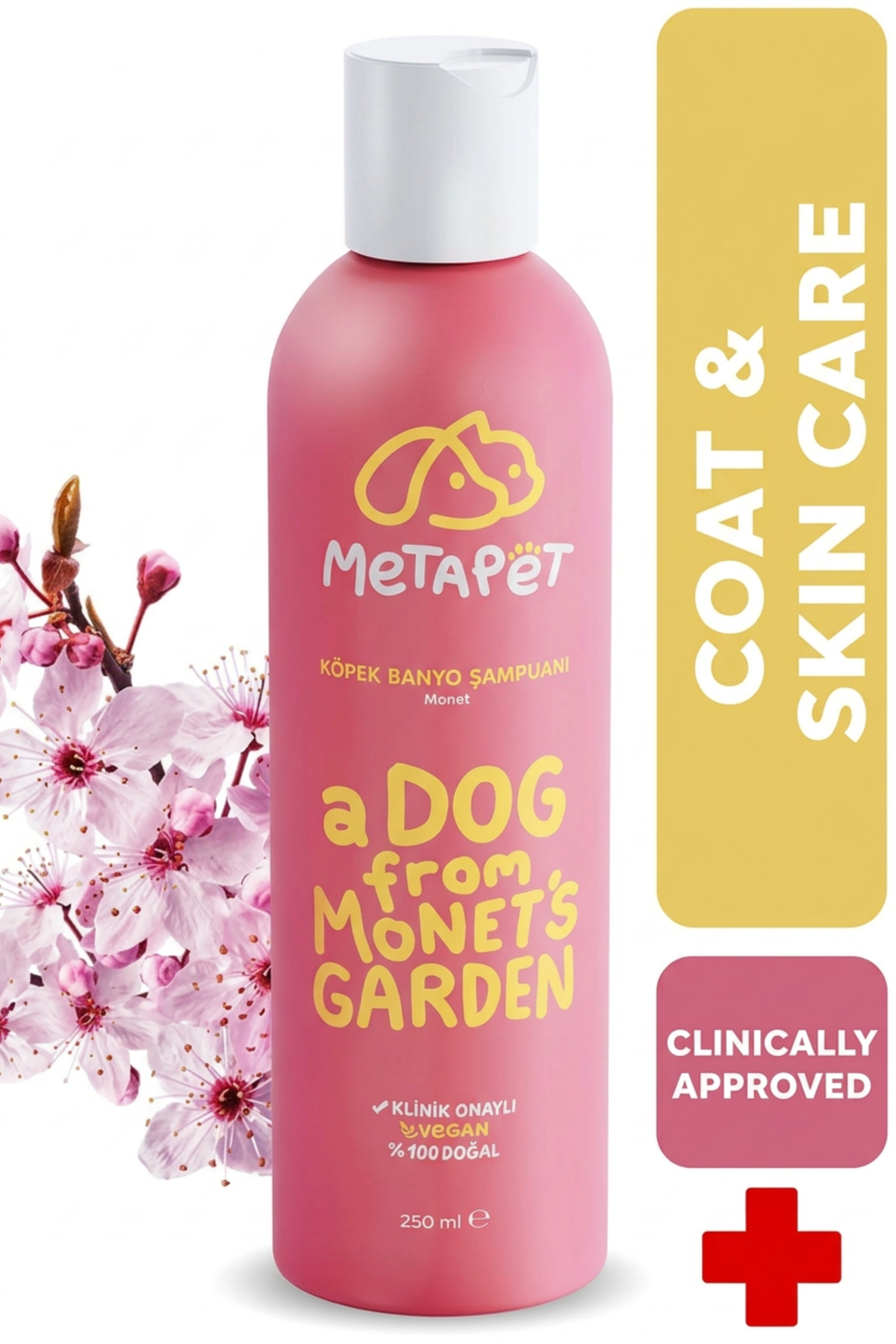
For general coat upkeep on unaffected areas between veterinary visits, ordinary gentle grooming is appropriate. A pH-appropriate product formulated for the species — for example the MetaPet pH-Balanced Bath Shampoo for Dogs for routine, non-medicated washing, or a waterless option such as the MetaPet Oh My Sensitive Baby! Waterless Dry Foam Shampoo for Cats on days when a full bath is impractical — is designed to clean the coat without stripping it. These are cosmetic grooming aids. They are a complement to veterinary care rather than a substitute for it, they do not treat or influence any skin disease, and nothing new should ever be applied to affected or broken skin without asking your veterinarian first.
Photograph the lesions weekly in the same light and from the same angle. In a fluctuating skin disease this is by far the most reliable way to judge whether things are genuinely improving, and it makes recheck appointments considerably more productive.
Living With a Long-Term Diagnosis
The mental adjustment for owners is accepting a condition that is controlled rather than cured, with a course that includes good spells and flares.
Practically, this means giving medication consistently rather than reactively, attending scheduled monitoring even when the skin looks perfect, and never adjusting doses independently — reducing immunosuppressive medication too quickly is one of the most common causes of relapse, and stopping abruptly can cause serious problems in its own right.
Keep a written log: medication and dose, the date of any change, weekly photographs, and notes on appetite, thirst, energy, and any new signs. Increased drinking, increased appetite, panting, lethargy, or recurrent infections can all reflect medication effects and should be reported rather than absorbed as the new normal.
Flares happen, including in well-managed animals, and they do not mean the treatment has failed or that you have done something wrong. They usually mean the dose needs revisiting. Reporting a flare early generally means a smaller adjustment for a shorter time.
With good management, most dogs and cats with pemphigus foliaceus live comfortable, normal lives. The condition demands consistency more than it demands anything else.
Myths and Facts
- Myth: crusty skin is always an infection. Infection is most likely, but disease that does not respond to treatment needs a different explanation.
- Myth: it is contagious to other pets or children. Autoimmune disease cannot spread between individuals.
- Myth: the crusts should be picked off to help healing. Forced removal damages fragile skin and worsens lesions.
- Myth: a special diet or supplement will fix it. No food or supplement treats pemphigus foliaceus.
- Myth: once the skin clears, medication can stop. Relapse after stopping is common; changes must be veterinary-directed.
- Fact: biopsy is essential. The diagnosis cannot be made reliably on appearance.
- Fact: sunlight often worsens facial lesions. Limiting midday exposure is a simple, useful adjustment.
When to Contact Your Veterinarian
Skin disease rarely improves by being watched, and immunosuppressive treatment brings its own reasons to stay in contact.
- Book an appointment for: symmetrical crusting on the face or ears, a nose losing its pigment, crusted or cracked paw pads, or any skin problem that has not responded to treatment.
- Call promptly during treatment if: lesions worsen or spread, your pet becomes lethargic, stops eating, drinks or urinates noticeably more, develops a new infection, or seems unwell in any way.
- Seek urgent care for: widespread skin breakdown, fever with skin lesions, severe lameness from affected pads, or marked collapse in condition.
For any medical emergency, contact your veterinarian or your nearest emergency veterinary hospital immediately rather than waiting for a scheduled recheck.
The Practical Takeaway
Pemphigus foliaceus is uncommon, and the great majority of crusty skin in dogs and cats is something more ordinary. But the pattern is worth knowing: symmetrical crusts on the nose bridge, around the eyes, on the ear flaps, and on the paw pads, often with a nose that has lost its colour, in a pet whose skin problem keeps failing to respond to standard treatment.
Recognising that pattern is what shortens the road to diagnosis, and the diagnosis requires a biopsy — not a guess and not a trial of medication. Immunosuppressive treatment is powerful and carries real risks, which is precisely why it should only follow a confirmed answer.
After that, the work is steady rather than dramatic: medication given as prescribed, monitoring bloods attended, weekly photographs, gentle handling of fragile skin, less midday sun, and prompt reporting of changes. It is not a curable disease, but it is a very manageable one, and most affected pets do well.