Home-Cooked Diets for Dogs and Cats: Doing It Safely

Cooking for a pet appeals for good reasons. You know exactly what goes into the bowl, you can work around a fussy eater, you avoid the uncertainty of a recall, and there is something satisfying about preparing food for an animal you love. Plenty of dogs and cats have thrived on home-prepared diets, and for some pets it is genuinely the best option available.
The catch is that it is much harder to get right than it looks. Studies that have evaluated home-prepared pet recipes — including many published in books and on websites — have repeatedly found that a large majority fail to meet established nutrient requirements, often with several deficiencies in a single recipe. The gaps are usually invisible for months, which is precisely what makes them dangerous.
This guide explains what a complete diet has to deliver, which nutrients most commonly go missing, how to have a recipe properly formulated, and how to handle and store home-prepared food safely. It is not a recipe article, because a recipe that suits one animal may be inappropriate for another — and that is the central point.
Important: This article shares general educational information for pet owners and is not a substitute for an in-person veterinary examination, diagnosis, or treatment. For any medical concern or emergency, contact your veterinarian promptly.
Why “Real Food” Is Not Automatically Balanced
The instinct behind home cooking is understandable: whole ingredients that a person would happily eat must surely be better than processed kibble. But nutritional adequacy is not about how recognisable the ingredients are. It is about whether the finished diet delivers every required nutrient in the right amount and the right ratio, day after day, for that species and life stage.
Dogs and cats have requirements that differ from ours and from each other. Cats in particular are obligate carnivores with several absolute dietary requirements that dogs do not share, including preformed vitamin A, arachidonic acid and taurine, which they cannot manufacture in adequate quantity from plant precursors. A meal of chicken and rice may look wholesome and still be missing a dozen things.
The other trap is that deficiencies build slowly. A dog eating an unbalanced home diet may look glossy and energetic for months while bone mineral stores or a vitamin reserve quietly deplete. By the time signs appear — poor coat, lameness, fractures from minor knocks, neurological changes or heart problems — the deficit has been developing for a long time.
The Nutrients That Most Often Go Missing
Analyses of home-prepared recipes tend to find the same shortfalls again and again. Knowing which they are makes it obvious why a formulated recipe usually includes a supplement blend rather than food alone.
- Calcium and the calcium-to-phosphorus ratio. Meat is high in phosphorus and low in calcium. A meat-heavy diet without a proper calcium source creates a ratio problem that can seriously affect growing bone.
- Vitamin D. Dogs and cats do not make meaningful vitamin D through their skin, so it must come from the diet.
- Vitamin E and choline. Frequently below requirement in home recipes.
- Zinc, copper, manganese and iodine. Trace minerals that are easy to overlook and difficult to supply reliably from whole foods.
- Taurine. Essential for cats and relevant to some dogs; heat and water-based cooking can reduce it.
- Essential fatty acids. Balance matters, not just total fat.
Growing puppies and kittens are the least forgiving group. Their skeletons are being built in real time, and both deficiency and excess of calcium can cause lasting damage, particularly in large-breed puppies. Home-prepared feeding of growing animals should not be attempted without formal formulation and monitoring.
When Home Cooking Genuinely Makes Sense
There are situations where a properly formulated home-prepared diet is the right choice rather than a preference. In these cases the diet is a clinical tool, and it should be designed with the same care as a prescription.
- Multiple diagnosed food sensitivities that no available commercial product accommodates.
- Concurrent conditions requiring conflicting adjustments, where a single therapeutic diet cannot satisfy both.
- Severe food aversion or appetite loss during illness, where palatability outweighs other considerations for a period.
- A structured elimination trial designed and supervised by a veterinarian.
- Documented intolerance of the ingredients or additives in available commercial options.
Outside these circumstances, home cooking is a lifestyle choice rather than a medical necessity. That is entirely legitimate — but it should be an informed choice, made with the knowledge that it takes more effort, more precision and more monitoring than opening a bag.
Getting a Recipe Properly Formulated
The single most important step is having the recipe designed for your specific animal by someone qualified to do it. That means a board-certified veterinary nutritionist, or a veterinarian working with a validated formulation service. These services take your pet's species, age, weight, body condition, activity level, health conditions and medications into account, and they produce a recipe with precise quantities and a specified supplement plan.
What you receive should be genuinely specific: exact weights rather than vague cup measures, a named supplement product or blend with amounts, cooking instructions, and guidance on what may and may not be substituted. If a recipe does not include a supplement component, be sceptical — very few whole-food combinations meet full requirements without one.
Recipes found in books, on blogs or generated by general-purpose software should not be used as a long-term diet. They may be perfectly reasonable as an occasional topper or a short-term option during illness, but the published evidence on their nutritional adequacy is not encouraging.
Following the Recipe Exactly
Formulated diets only work if they are followed. The most common way home diets drift out of balance is gradual, well-meant substitution: swapping one protein for another, leaving out a vegetable the pet dislikes, adjusting quantities by eye, or skipping the supplement because it seems unnecessary.
- Weigh, do not guess. A kitchen scale is the single most valuable tool. Volume measures vary enormously with density and chopping.
- Never skip the supplement. It is the component supplying most of the vitamins and minerals the food itself cannot.
- Do not substitute freely. Ask your nutritionist which swaps are acceptable before making them.
- Keep the fat source consistent. Changing oils alters both calories and fatty acid balance.
- Batch carefully. Multiply the whole recipe rather than adjusting individual components.
Treats and extras count too. If a formulated diet is carefully balanced and then a third of daily calories arrive as cheese, biscuits and table scraps, the balance is undone. As a general principle, treats of any kind are usually kept to a small minority of daily calories, with the majority coming from the balanced diet itself.
Safe Handling, Cooking and Storage
Home-prepared pet food is food, and it carries the same microbiological risks as any other kitchen preparation — with the added consideration that a contaminated bowl can pass organisms to the humans in the household, especially children, older adults and anyone immunocompromised.
- Cook animal proteins thoroughly rather than serving them raw or lightly seared.
- Use separate boards and utensils for raw ingredients, and wash hands and surfaces thoroughly afterwards.
- Cool batches quickly and refrigerate promptly rather than leaving them at room temperature.
- Keep refrigerated portions for only a few days, and freeze the remainder in meal-sized containers.
- Thaw in the refrigerator rather than on the counter, and discard anything left in the bowl after a meal.
- Wash food and water bowls daily with hot soapy water.
Be aware too of ingredients that are unsafe for pets even in small amounts. Onions, garlic, chives and leeks, grapes and raisins, macadamia nuts, chocolate, alcohol, raw bread dough and anything containing the sweetener xylitol should never appear in a pet's food. Cooked bones splinter and should be avoided entirely. Keep salt and seasoning out of the recipe unless specified.
Monitoring the Pet, Not Just the Recipe
A home-prepared diet needs follow-up in a way that a complete commercial diet generally does not. Your veterinarian will usually want to see the pet more regularly at first, and periodic bloodwork may be recommended to check that everything is holding steady.
At home, the most useful measurements are weight and body condition. Weigh at consistent intervals — weekly at first, then monthly — and learn to assess body condition by feel: ribs easily felt under a thin fat covering, a visible waist from above, and an abdominal tuck from the side. Unexplained weight change in either direction is a reason to make contact.
Watch coat quality, skin condition, energy level, stool consistency and, in cats particularly, appetite and drinking. Photographs taken monthly from the same angles make gradual changes much easier to see than day-to-day observation.
Where Supplements Fit
In a formulated home diet, the vitamin and mineral supplement is not optional extra — it is a core part of the recipe, and it should be exactly the product specified, at exactly the quantity given. Substituting a different product because it was easier to find can change the nutrient profile substantially.
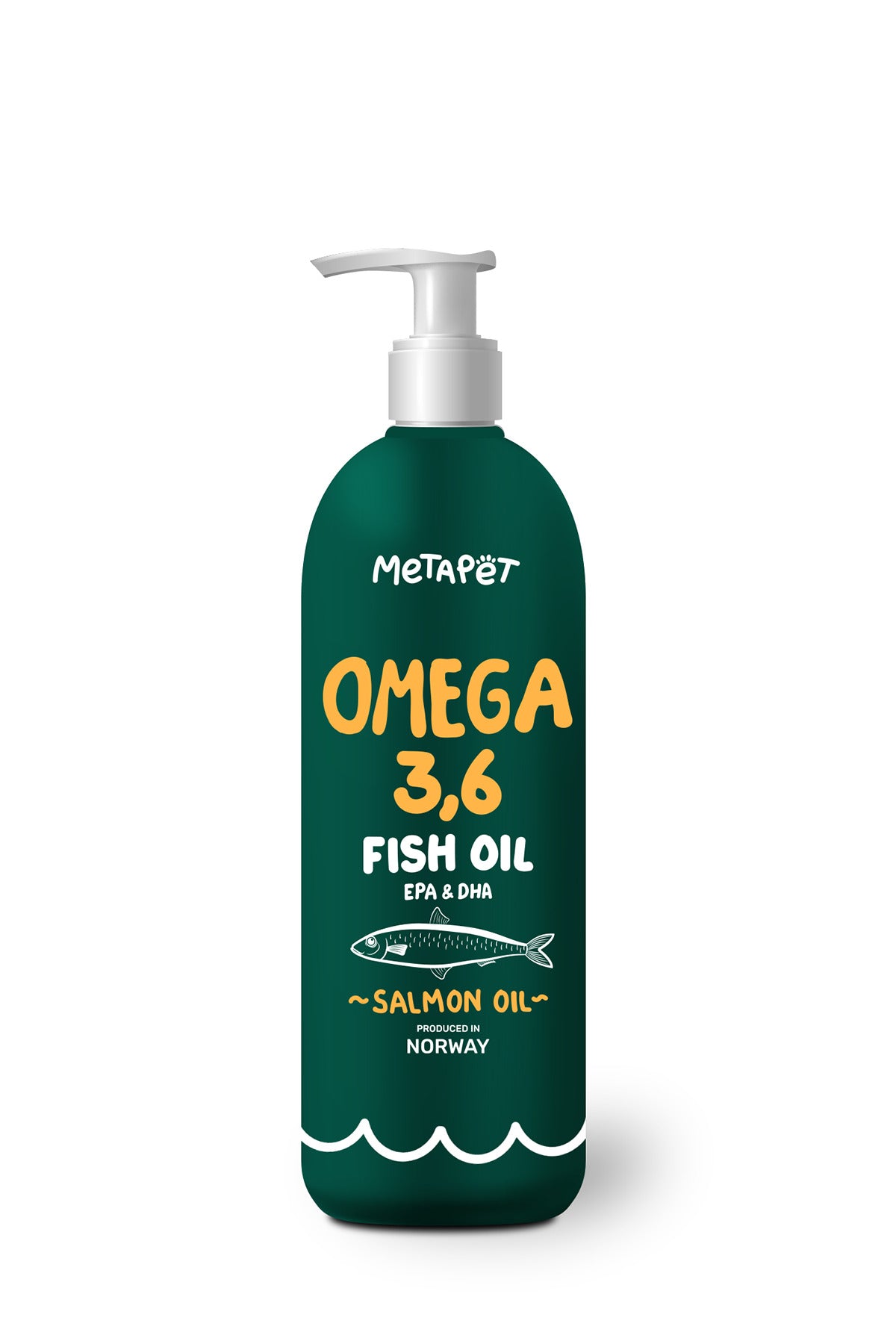
Separately from that, owners often ask about general wellness supplements. These are a different category: they are complements to a balanced diet and proper veterinary care rather than replacements for either, and they should never be used in place of veterinary diagnosis or treatment. If you are interested in something like MetaPet's Omega Salmon Oil for Dogs or Probiotic Drops for Cats as part of a daily routine, the sensible approach is to mention it to your veterinarian first — particularly on a home-prepared diet, where added oils and supplements can affect the overall balance that was carefully calculated.
The same applies to anything marketed for joints, coat, calm or digestion. Keep a written list of everything your pet receives, including the supplement in the recipe, and bring it to appointments so your veterinary team has the complete picture.
Common Questions
Can I feed a home-cooked diet part-time?
Mixed feeding is possible, but it needs to be planned. A formulated home portion combined with a complete commercial portion can work if the proportions are set deliberately rather than varying day to day.
Is home-cooked better than commercial food?
Not inherently. A well-formulated commercial diet from a reputable manufacturer and a well-formulated home diet can both be excellent. A poorly formulated version of either is a problem.
My cat refuses to eat home-cooked food. What now?
Cats are notoriously conservative about food. Never allow a cat to go without eating for long while trying to force a change, as prolonged inappetence in cats carries real risks. Speak to your veterinarian about transition strategies.
Does cooking destroy nutrients?
Some are heat-sensitive, which is one reason formulated recipes specify cooking method and add supplements after cooking where appropriate. Follow the instructions you are given rather than improvising.
A Realistic Summary
Home cooking for a dog or cat is a real commitment. It requires a properly formulated recipe from a qualified source, accurate weighing, disciplined consistency, safe food handling, and ongoing veterinary monitoring. Done that way, it can support a pet beautifully, and for animals with complex dietary needs it may be the best option available.
Done casually — a recipe from the internet, ingredients swapped as convenient, the supplement forgotten — it carries a genuine risk of slow, invisible nutritional harm. That is not a reason to avoid it, but it is a reason to take it seriously.
If you are considering it, the best first step is a conversation with your veterinarian about whether it is appropriate for your pet and, if so, how to get a recipe properly formulated. That single conversation removes most of the risk from the entire project.