Fiber in Dog and Cat Diets: What It Does and Why

Fiber occupies an odd position in pet nutrition. It is not technically an essential nutrient in the way protein, fat, and certain vitamins are, and dogs and cats do not digest it in the conventional sense. Yet the amount and type of fiber in a diet quietly shapes stool quality, appetite, gut function, and how comfortable a pet is day to day.
Because fiber is not glamorous, it tends to be either ignored or oversimplified. Owners often hear that more fiber is better, or that adding a spoonful of something to the bowl will fix a digestive problem. The reality is more interesting: different types of fiber do different jobs, and the right amount depends entirely on the individual animal.
This guide explains what fiber actually is, how soluble and insoluble types behave differently in the gut, what the fiber figure on a pet food label does and does not tell you, and why any meaningful change to a pet's fiber intake is a conversation to have with your veterinarian rather than an experiment to run at home.
Important: This article shares general educational information for pet owners and is not a substitute for an in-person veterinary examination, diagnosis, or treatment. For any medical concern or emergency, contact your veterinarian promptly.
What Fiber Actually Is
Fiber refers to carbohydrate components of plant material that resist digestion by the enzymes in a dog's or cat's digestive tract. Rather than being broken down and absorbed in the small intestine like starch, fiber travels onward largely intact and does its work further down the tract.
That resistance to digestion is the point. Fiber influences how quickly food moves through the gut, how much water is retained in the stool, how full an animal feels, and what fuel is available to the bacterial community living in the large intestine.
Cats are obligate carnivores and dogs are highly adaptable omnivores, but both species have gut bacteria that interact with fiber, and both benefit from appropriate amounts in a complete, balanced diet. The species difference lies in how much and what type suits them, not in whether fiber matters at all.
- Not digested by the animal: it passes the small intestine largely intact.
- Fermented by gut bacteria: certain types serve as fuel for the microbial population.
- Shapes transit time: it can speed a sluggish gut or slow a rapid one.
- Affects stool water: which is why stool quality is the most visible sign of getting it right.
Soluble Fiber and What It Does
Soluble fiber dissolves or disperses in water and forms a gel-like consistency in the digestive tract. Because it holds water, it tends to soften and add bulk to stool that is too firm, and it can slow the passage of stool that is moving too quickly.
Many soluble fibers are also readily fermented by bacteria in the large intestine. That fermentation produces short-chain fatty acids, which are an important fuel source for the cells lining the colon. This is one of the reasons diets designed for digestive support often include specific fiber sources rather than simply more fiber overall.
Some fibers are described as prebiotic, meaning they preferentially support particular groups of beneficial bacteria. Prebiotic ingredients appear widely in commercial pet foods and in supplements formulated for digestive support. Their role is to support a normal microbial balance as part of overall nutrition — they are not medications and are not a substitute for veterinary diagnosis when a pet has ongoing digestive signs.
Too much rapidly fermentable fiber, however, can produce gas, loose stool, and discomfort. As with most things in nutrition, more is not automatically better.
Insoluble Fiber and What It Does
Insoluble fiber does not dissolve in water and is poorly fermented. Its main contributions are bulk and structure. It adds volume to stool, helps material move along the digestive tract, and gives the intestinal muscles something to work against.
For pets prone to sluggish bowel movements, appropriate insoluble fiber can help keep things moving. For pets on a weight management plan, bulk without significant calories can help an animal feel satisfied with a smaller energy intake — a strategy your veterinarian may use deliberately when designing a diet plan.
The trade-off is that excessive insoluble fiber can dilute the nutrient density of a diet, produce large stool volumes, and in some animals interfere with the absorption of other nutrients. For growing animals and pets who struggle to maintain weight, that dilution can work against them.
Most commercial diets contain a blend of fiber types rather than one or the other, because the two behave differently and complement each other.
Reading the Label
The guaranteed analysis on a pet food package usually lists crude fiber as a maximum percentage. It is worth understanding what that figure does and does not tell you.
Crude fiber is a laboratory measurement that captures mainly the insoluble portion. It says little about soluble fiber content, nothing about fermentability, and nothing about which specific ingredients are providing it. Two foods with identical crude fiber figures can behave quite differently in a pet's gut.
The ingredient list is more informative in practice. Fiber sources commonly seen in pet foods include beet pulp, cellulose, various grain brans, pea fiber, chicory root, and psyllium, each with its own balance of solubility and fermentability.
- Look at: the ingredient list as well as the crude fiber percentage.
- Ask about: whether a food is formulated for digestive support and what fiber sources it uses.
- Remember: crude fiber mainly reflects insoluble fiber, not the whole picture.
- Compare on a like-for-like basis: moisture content differs greatly between wet and dry foods, so percentages are not directly comparable.
Stool Quality Is the Feedback Loop
The most practical way to judge whether a pet's fiber intake suits them is to look at what comes out. Stool quality reflects transit time, water balance, and fermentation, all of which fiber influences directly.
- Ideal stool: formed, segmented, holds its shape when picked up, and leaves little residue.
- Too soft or unformed: may reflect too much rapidly fermentable fiber, a diet change, or an unrelated medical problem.
- Very hard and dry: may reflect insufficient fiber or, more often, insufficient water intake.
- Excessive volume: commonly associated with high insoluble fiber or a less digestible diet.
- Mucus or blood: a reason to contact your veterinarian rather than adjust the diet.
- Sudden change: any abrupt shift in a previously stable pet deserves veterinary attention.
Consistency over days matters more than a single observation. A one-off soft stool after an unusual meal is different from a week of unformed stool, and only the second pattern points to something worth investigating.
Where Fiber Is Often Discussed
Veterinarians frequently consider fiber content when managing several common situations, always as part of a broader plan rather than as a standalone fix.
Weight management
Diets designed for weight management often use fiber to provide bulk and promote satiety while keeping energy density lower, so a pet feels satisfied on a reduced calorie intake.
Sluggish bowel movements in cats
Cats who strain or pass hard stool are often assessed for hydration, litter box factors, pain, and underlying disease as well as diet. Fiber may form part of the plan, but a straining cat always needs veterinary assessment first — straining in the litter box can also indicate a urinary problem, which is an emergency in male cats.
Hairball frequency
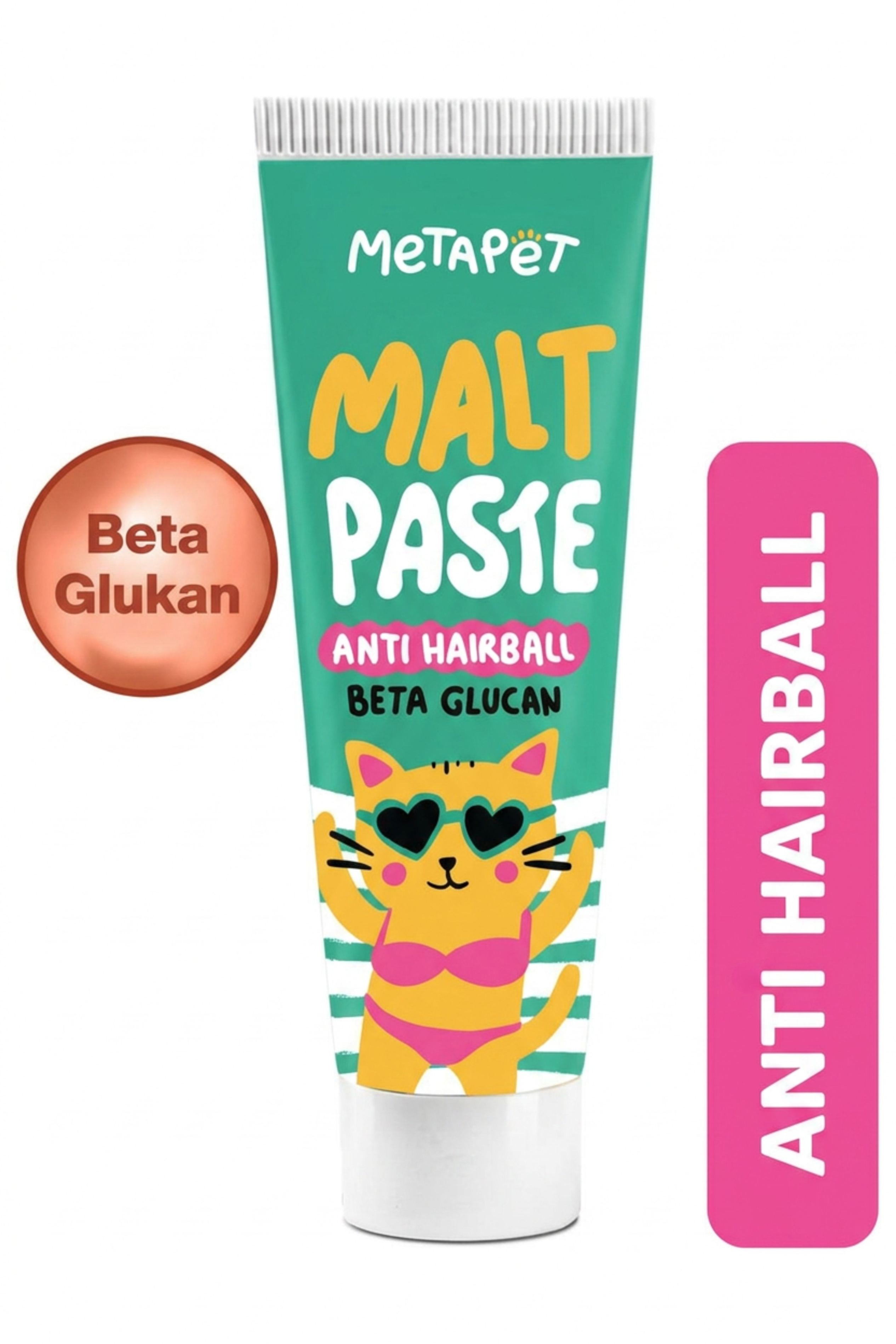
Fiber is sometimes discussed in the context of hairball management in cats, alongside regular brushing and coat care. Grooming to reduce the volume of hair swallowed is the more direct approach, and persistent retching or vomiting always warrants veterinary assessment rather than a dietary tweak.
Chronic digestive conditions
In pets with diagnosed intestinal disease, fiber type and amount can be a deliberate part of a therapeutic diet. These decisions are made by a veterinarian based on a diagnosis, not by trial and error at home.
Why Home Fiber Experiments Backfire
Adding fiber to a pet's bowl is one of the most common pieces of informal advice circulating among owners, and it is one of the easiest ways to make a situation harder to interpret.
The core problem is that fiber changes stool. If a pet has ongoing digestive signs and you alter the stool before a veterinarian sees it, you may mask a pattern that would have pointed toward a diagnosis. Chronic diarrhea caused by parasites, dietary sensitivity, or intestinal disease does not become less serious because the stool has firmed up.
There is also a dilution issue. Every addition to a complete and balanced diet reduces the proportion of that carefully formulated food the pet is actually eating. In a small cat, a seemingly modest daily addition can represent a meaningful share of intake.
- Talk to your veterinarian first: especially for any pet with ongoing digestive signs.
- Change one thing at a time: multiple simultaneous changes make results uninterpretable.
- Transition gradually: abrupt dietary change causes digestive upset on its own.
- Give it time: the gut typically needs one to two weeks to settle after a change.
- Keep notes: stool quality, frequency, appetite, and energy over the trial period.
- Stop and call: if signs worsen at any point.
Fiber, Water, and the Whole Picture
Fiber cannot do its job without water. Soluble fiber works by holding water, and insoluble fiber needs moisture to move comfortably through the tract. Increasing fiber in a pet who is drinking poorly can make firm stool firmer rather than softer.
This is particularly relevant for cats, who evolved to obtain much of their water from prey and often drink relatively little. Wet food, multiple water stations away from food bowls, wide shallow bowls that do not touch the whiskers, and in some households a pet water fountain, are all reasonable ways to support intake.
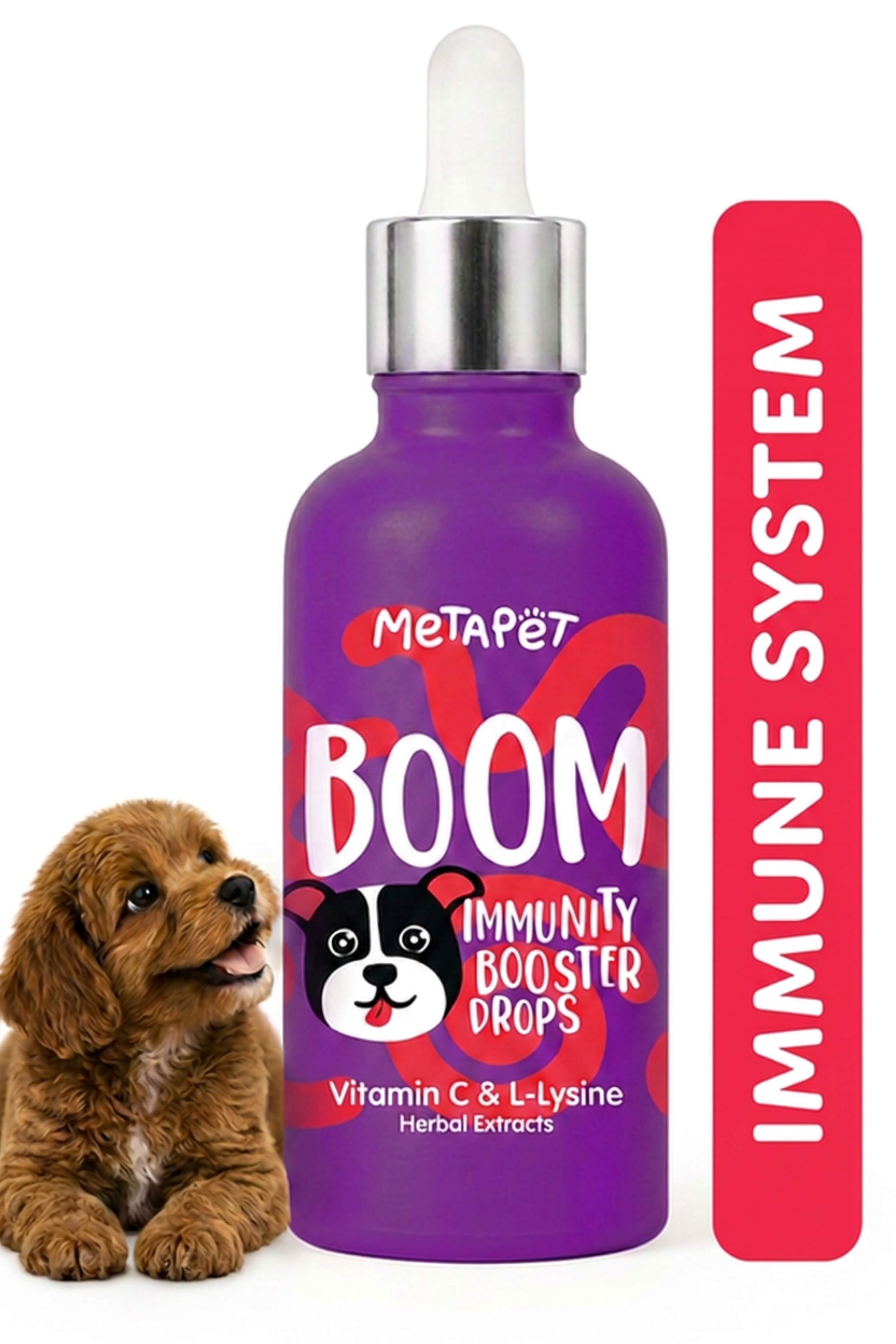
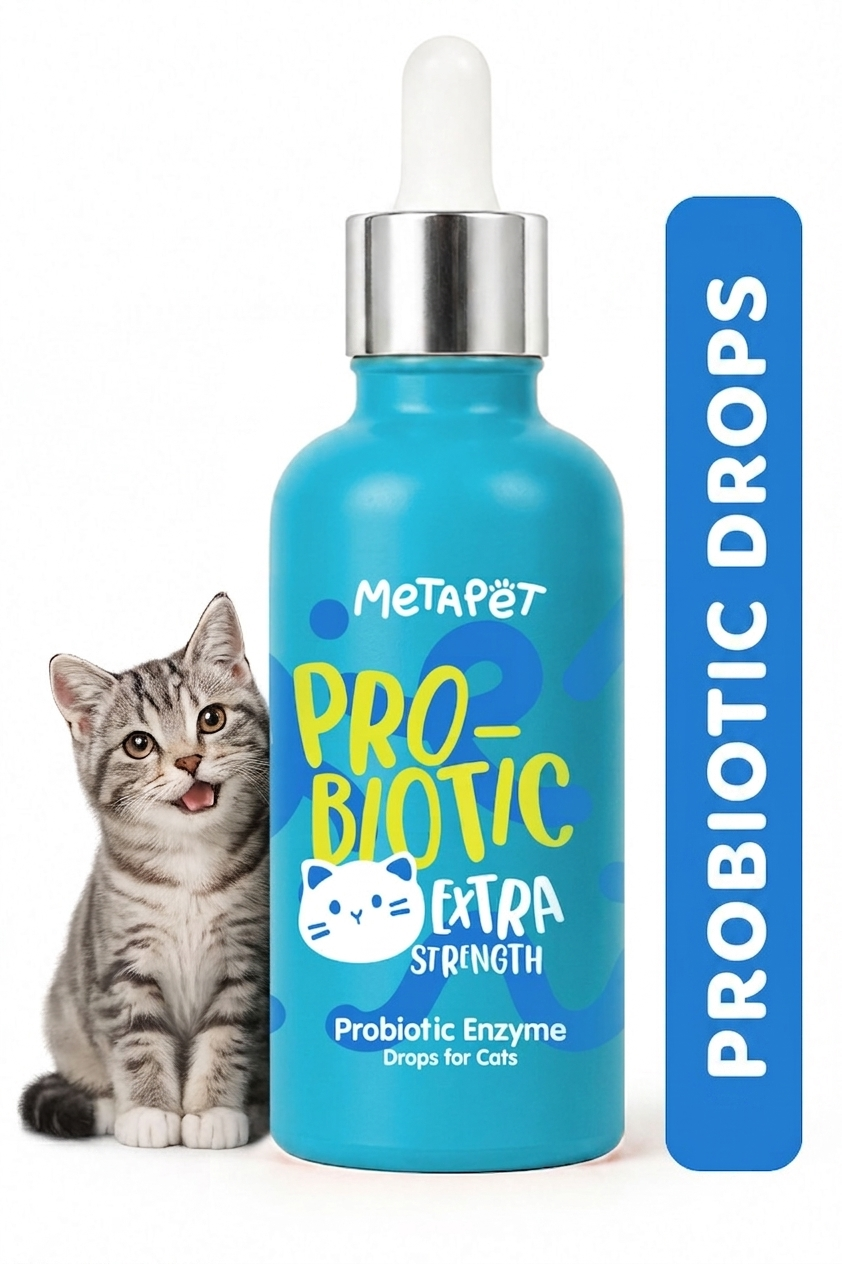
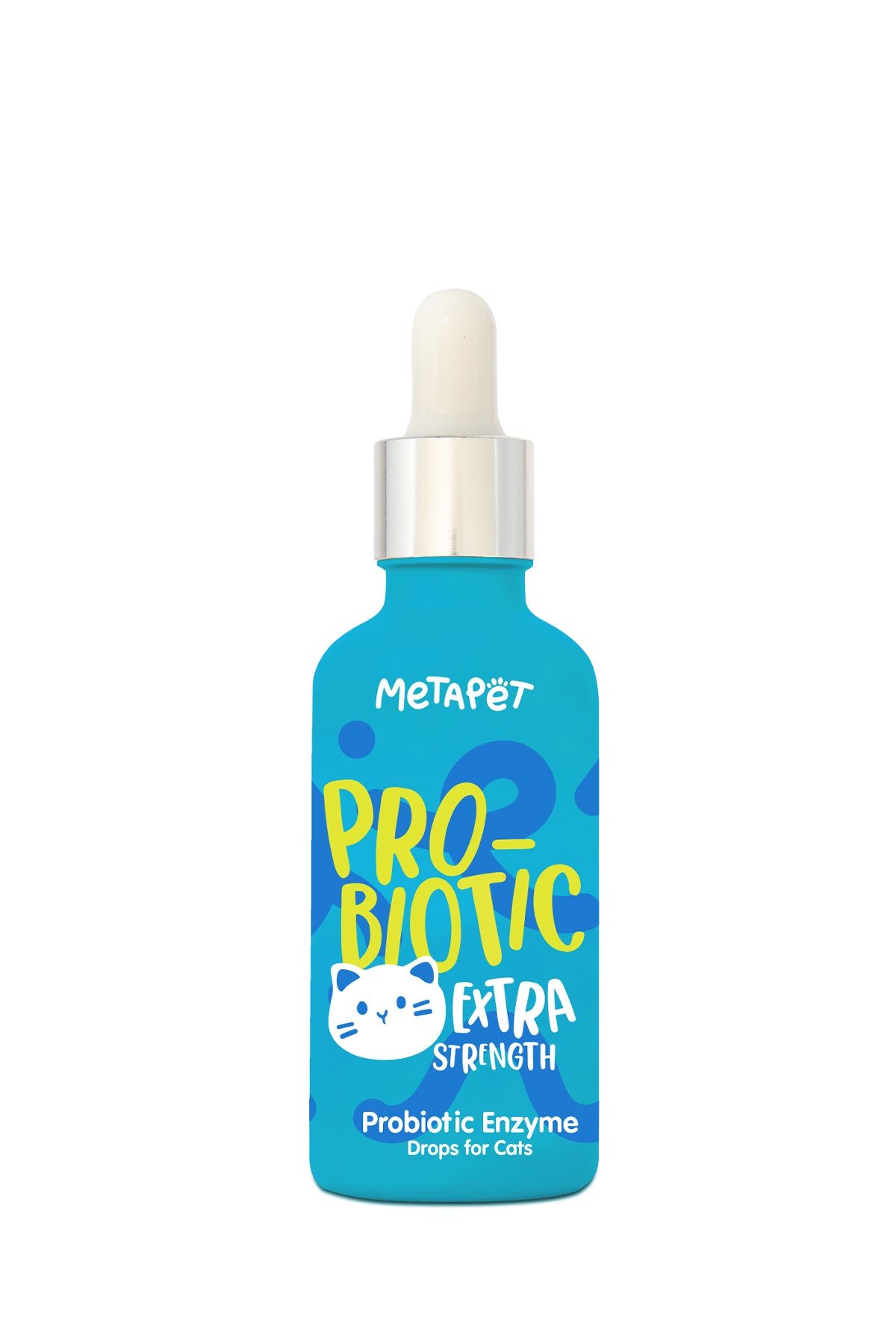
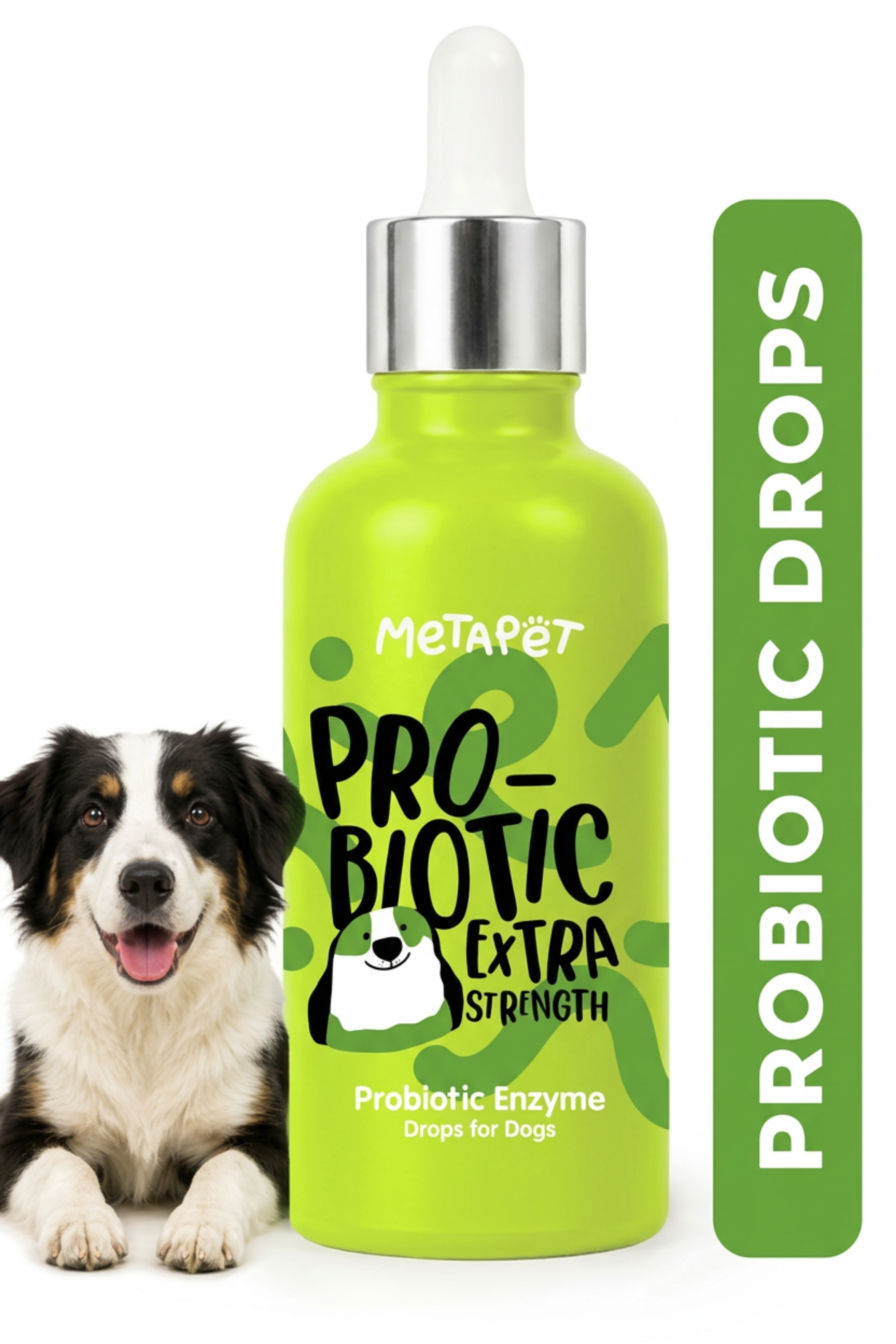
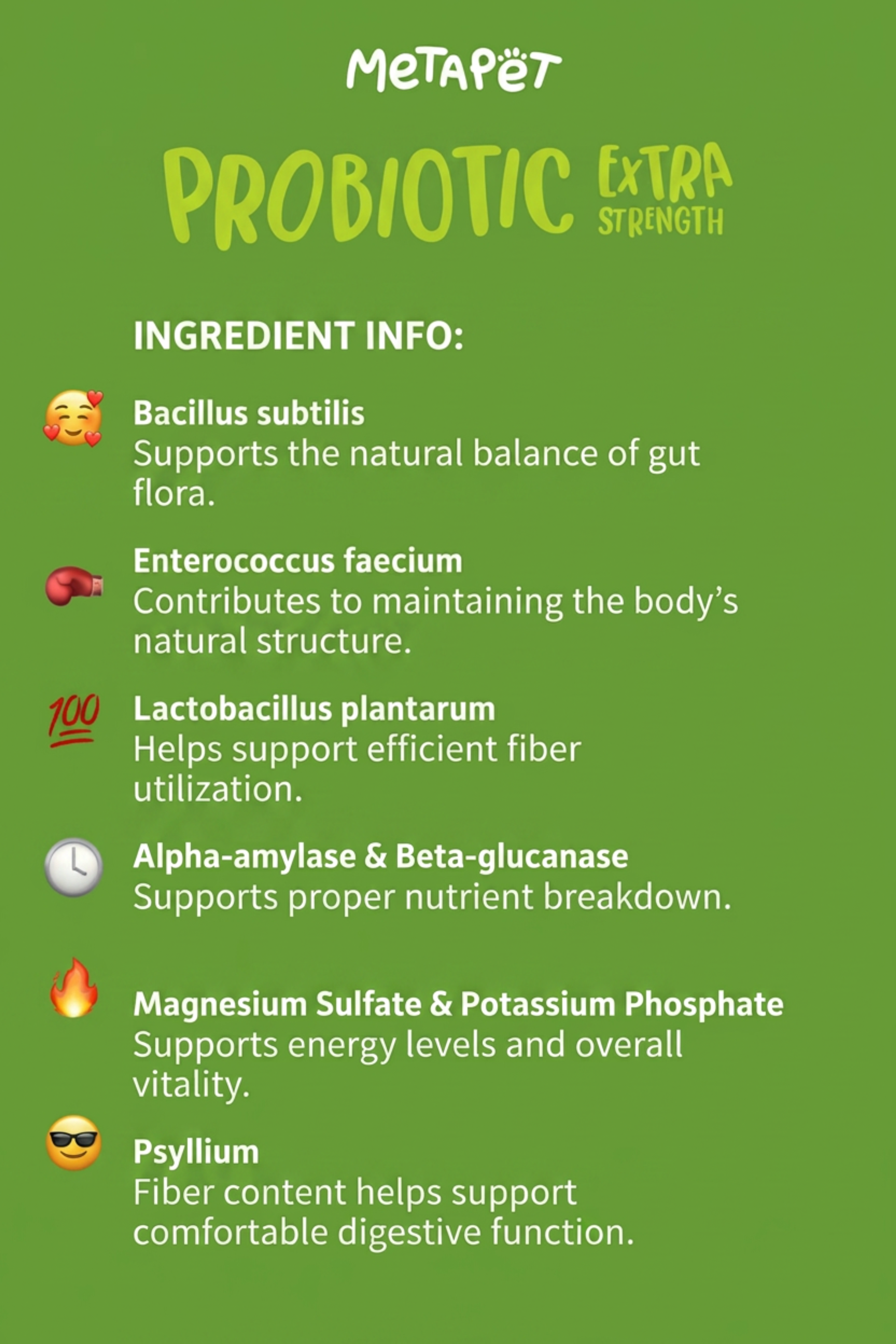
Fiber also sits alongside the rest of nutrition rather than above it. Protein quality, fat content, energy density, and overall digestibility all shape stool and digestive comfort. Where a supplement is used to support digestive routine — a probiotic drop, for example — it should be regarded as a complement to a complete, balanced diet and to veterinary care, never as a replacement for either. Products such as MetaPet Probiotic Drops for Dogs and Probiotic Drops for Cats are formulated as daily dietary complements intended to support normal digestive balance; they are not medicines, they are not intended to diagnose, treat, cure, or prevent any disease, and any pet with ongoing digestive signs needs veterinary assessment.
Myths and Facts
- Myth: more fiber is always healthier. Excess fiber dilutes nutrients, increases stool volume, and can cause gas and discomfort.
- Myth: fiber is filler. Appropriate fiber has clear functions in transit time, stool quality, satiety, and microbial support.
- Myth: crude fiber tells you everything. It largely reflects insoluble fiber and says nothing about fermentability.
- Myth: a home remedy fixes chronic diarrhea. Persistent digestive signs need a diagnosis, not a stool-thickening addition.
- Myth: cats do not need fiber. Cats are obligate carnivores, but appropriate fiber still supports normal digestive function.
- Fact: transitions matter. Even a beneficial change causes upset if introduced too quickly.
When to Contact Your Veterinarian
Digestive signs are common, and most are minor — but the pattern and duration determine whether something needs attention.
- Book an appointment for: stool that has been consistently soft or unusually hard for more than a few days, gradual weight change, or repeated scooting.
- Call promptly for: diarrhea lasting more than a day or two, mucus or blood in stool, straining, vomiting alongside digestive changes, or reduced appetite.
- Seek urgent care for: a cat straining in the litter box and producing nothing, repeated unproductive retching, a painful or distended abdomen, marked lethargy, or collapse.
For any medical emergency, contact your veterinarian or a local emergency veterinary hospital immediately. Straining in a male cat in particular can indicate a urinary blockage, which is a life-threatening emergency.
The Practical Takeaway
Fiber is a tool rather than a cure. Soluble types hold water and feed beneficial bacteria; insoluble types add bulk and keep material moving; most good diets contain a thoughtful blend of both, matched to the animals they are formulated for.
For most pets, the practical answer is unexciting and effective: feed a complete and balanced diet appropriate to species and life stage, ensure good water intake, keep portions measured, and watch stool quality as ongoing feedback.
And when something is off, resist the urge to fix it in the bowl before anyone has looked at the animal. Persistent digestive changes are information, and the most useful thing an owner can do is bring that information — and an unmodified stool sample — to the veterinary team.