Choosing Grooming Tools for Your Dog or Cat: A Guide

Walk into any pet shop and the grooming aisle is a wall of brushes: slickers, pin brushes, bristle brushes, rubber curries, undercoat rakes, deshedding blades, greyhound combs, flea combs. It is genuinely confusing, and the wrong tool does more than waste money — it can be uncomfortable for your pet and teach them that grooming is something to avoid.
The good news is that choosing grooming tools becomes simple once you stop asking "what is the best brush?" and start asking "what does my pet's coat actually need?" Coat type is the organising principle. A short-coated dog and a long-haired cat have almost nothing in common in grooming terms, and a tool that is perfect for one is useless or painful for the other.
This guide walks through coat types, matches tools to each, covers the supporting products that make grooming easier, and explains how to build a routine your pet tolerates and eventually enjoys. Grooming is also one of the best health checks you have — it puts your hands on every part of your pet's body, regularly.
Important: This article shares general educational information for pet owners and is not a substitute for an in-person veterinary examination, diagnosis, or treatment. For any medical concern or emergency, contact your veterinarian promptly.
Start With Coat Type, Not With Brushes
Before you buy anything, identify what you are working with. Run your hand through your pet's coat. Is there a soft, dense layer underneath a coarser top layer? Is the hair long and prone to tangling? Is it short and sleek? Is it curly and continuously growing?
- Short smooth coats: Labradors, Beagles, most short-haired cats. Minimal tangling, heavy but manageable shedding.
- Double coats: Huskies, German Shepherds, many long-haired cats. A soft dense undercoat beneath a protective topcoat. Sheds seasonally and dramatically.
- Long silky coats: Yorkshire Terriers, Persians, Maine Coons. Prone to tangles and mats, needs frequent attention.
- Curly or continuously growing coats: Poodles, Bichons, Doodles. Do not shed much but mat readily and require regular trimming.
- Wiry coats: many terriers. Coarse topcoat, often hand-stripped or professionally trimmed.
If you are unsure, a professional groomer or your veterinary nurse can tell you in seconds — and it is a question well worth asking.
The Core Brushes and What They Actually Do
Most owners only need two or three tools, not the whole aisle. Here is what each one is genuinely for.
- Slicker brush: fine, angled wire pins on a flat pad. Excellent for removing loose hair and working through light tangles in medium, long, curly and double coats. Use light pressure — pressing hard drags the pins across skin.
- Pin brush: widely-spaced pins with rounded tips. Good for finishing and fluffing long coats without pulling.
- Bristle brush: dense natural or synthetic bristles. Best for short coats, distributing natural oils and adding shine.
- Rubber curry or grooming mitt: soft nubs that lift loose hair from short coats and give a gentle massage. Many short-coated dogs and cats genuinely enjoy this.
- Undercoat rake: long teeth designed to reach the dense undercoat of double-coated pets without cutting the topcoat. Essential during shedding seasons.
- Metal comb: the quality-control tool. If a comb glides through from skin to tip, the coat is truly free of mats. If it snags, you are not finished.
Deshedding Tools: Useful, but Easy to Overdo
Deshedding tools with fine blades can remove impressive quantities of undercoat, which is why they are so satisfying to use. That is also exactly why they are frequently overused.
These tools cut and pull hair, and applied too aggressively or too often they can irritate skin and damage the topcoat. They are best used sparingly, during heavy shedding periods, with light pressure, and never on an already-matted coat — which needs to be dealt with differently.
For most pets, consistent brushing with an appropriate brush several times a week does more good than an occasional aggressive deshedding session. Frequency beats intensity.
Mats: Prevention Beats Removal, Always
A mat is a tangle that has tightened into a dense, felted knot. It pulls constantly on the skin underneath, traps moisture and debris, and can hide skin problems. Mats are painful, and severe matting is a genuine welfare issue — not just a cosmetic one.
How to handle tangles safely
- Catch them early. A tangle brushed out today is a mat you never have to deal with.
- Never bathe a matted pet. Water tightens mats dramatically and makes them far harder to remove.
- Work from the outside in — hold the hair at the base, near the skin, so you are not pulling on the skin as you tease the tangle apart.
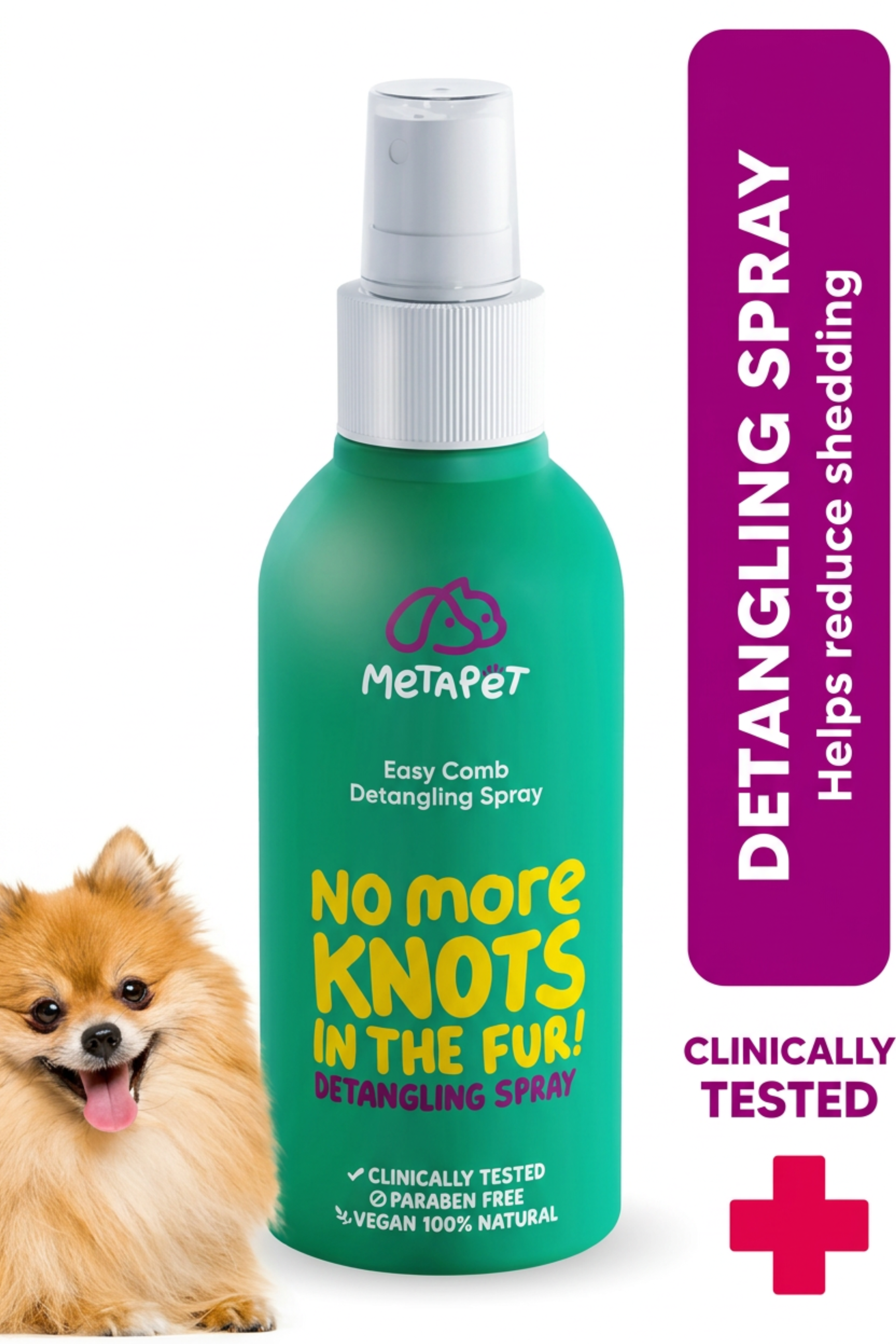
- Use a detangling spray to reduce friction and help the comb slide through, working in small sections.
- Never cut a mat out with scissors. Skin tents up into mats and is extremely easy to cut. This is a common cause of serious injuries.
If a coat is severely matted, the safe and kind route is a professional groomer or your veterinary practice, who can shave it out safely — sometimes with sedation. That is not a failure; it is the humane option.
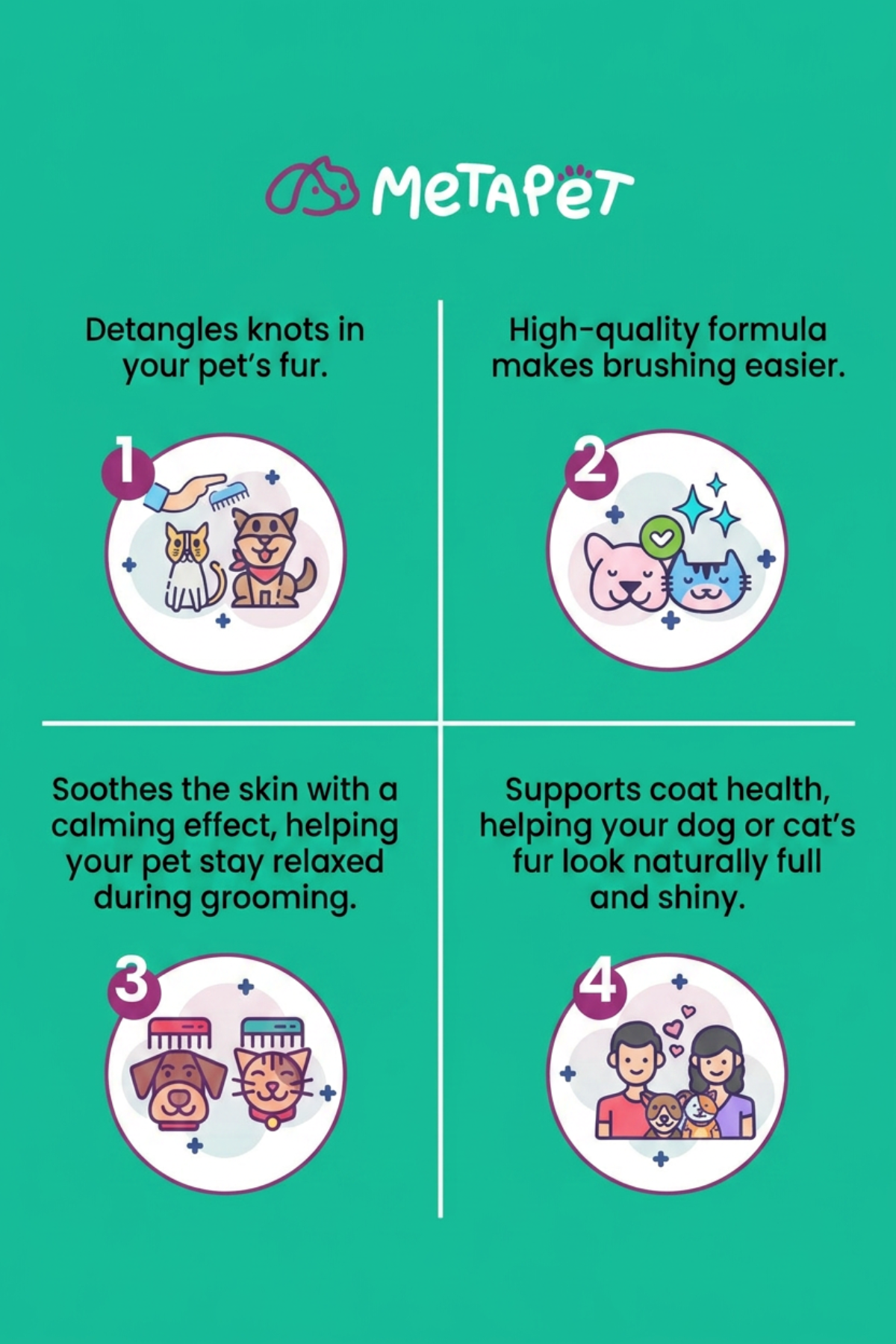
A detangling and easy-combing spray such as MetaPet's No More Knots in the Fur is a grooming aid designed to help reduce friction so a comb can pass through the coat more easily. It is intended to support routine grooming and is not a treatment for skin conditions — if the skin under a mat looks red, sore or damaged, have your veterinarian look at it.
Brushing Cats: A Different Game Entirely
Cats groom themselves constantly and often have strong opinions about being groomed by anyone else. But brushing still matters — particularly for long-haired cats, older cats who can no longer twist to reach their back end, and overweight cats who physically cannot.
Regular brushing removes loose hair before the cat swallows it, which supports normal coat condition and reduces the amount of hair travelling through the digestive tract. It also lets you feel for lumps, scabs, fleas and sore spots.
- Keep sessions short. Two minutes of calm brushing beats ten minutes of struggle.
- Start where they like it. Cheeks, chin and along the spine are usually welcome. Belly and tail base often are not.
- Stop before they ask you to. Ending the session while the cat is still relaxed is how you build tolerance.
- Use a soft slicker or a fine comb for long coats, and a rubber mitt or bristle brush for short coats.
- Pair it with something good — a lickable treat or a favourite spot — so brushing predicts pleasant things.
For cats who genuinely will not tolerate brushing, do not force it into a battle. Speak to your veterinarian or a fear-free-trained groomer about a gentler desensitisation plan.
Bathing, Waterless Options and the Cats Who Refuse
Most healthy dogs need bathing far less often than owners assume, and most cats need it almost never. Over-bathing strips natural oils and can leave the coat dull and the skin dry. A good rule is to bathe when the pet is actually dirty, or when your veterinarian has recommended a specific washing routine.
Always use a shampoo formulated for pets. Human shampoos are formulated for human skin, which has a different pH, and are not appropriate for dogs and cats. Brush thoroughly before the bath — never after mats have been wetted — and rinse extremely well, because residue left in the coat is a common cause of irritation.
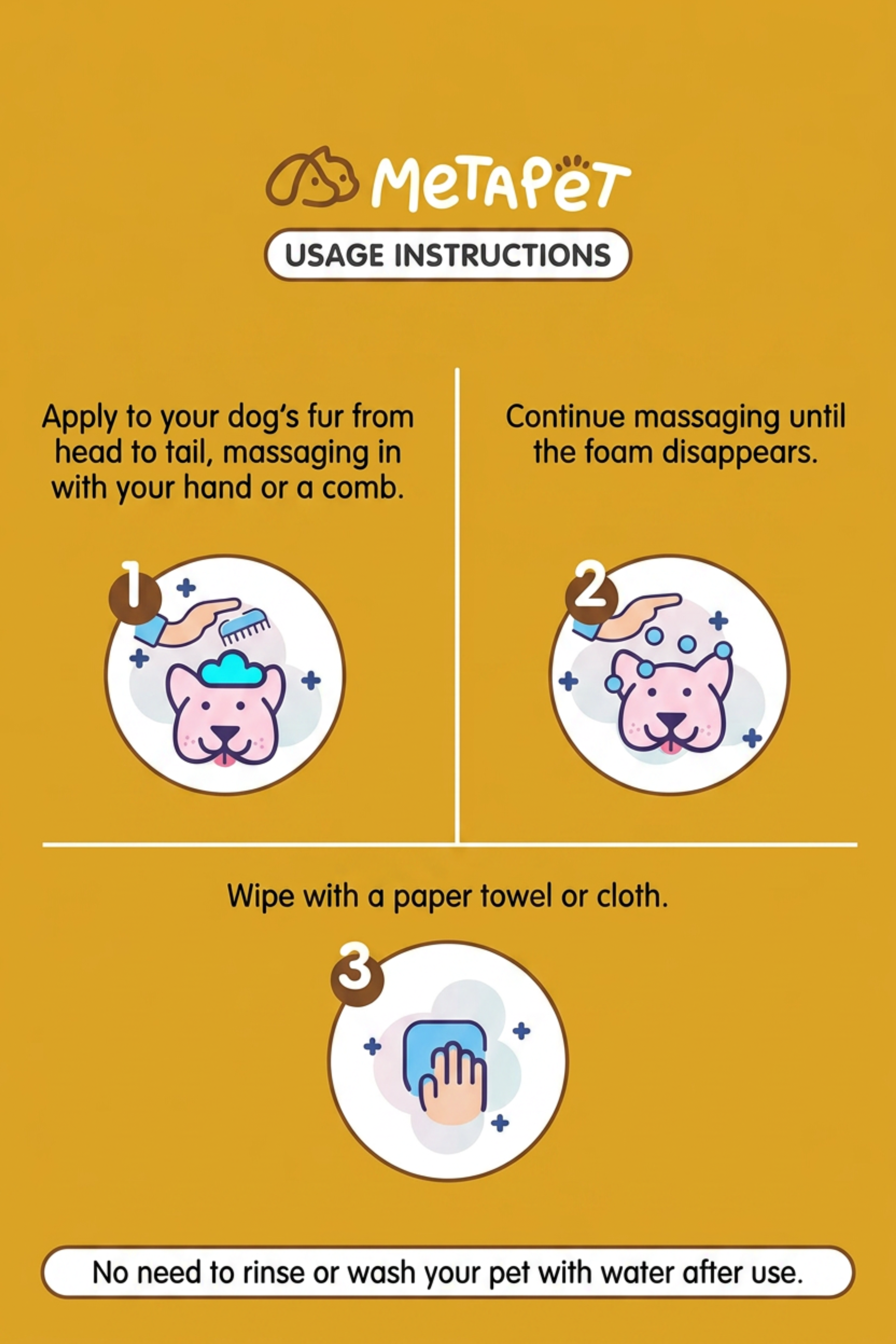
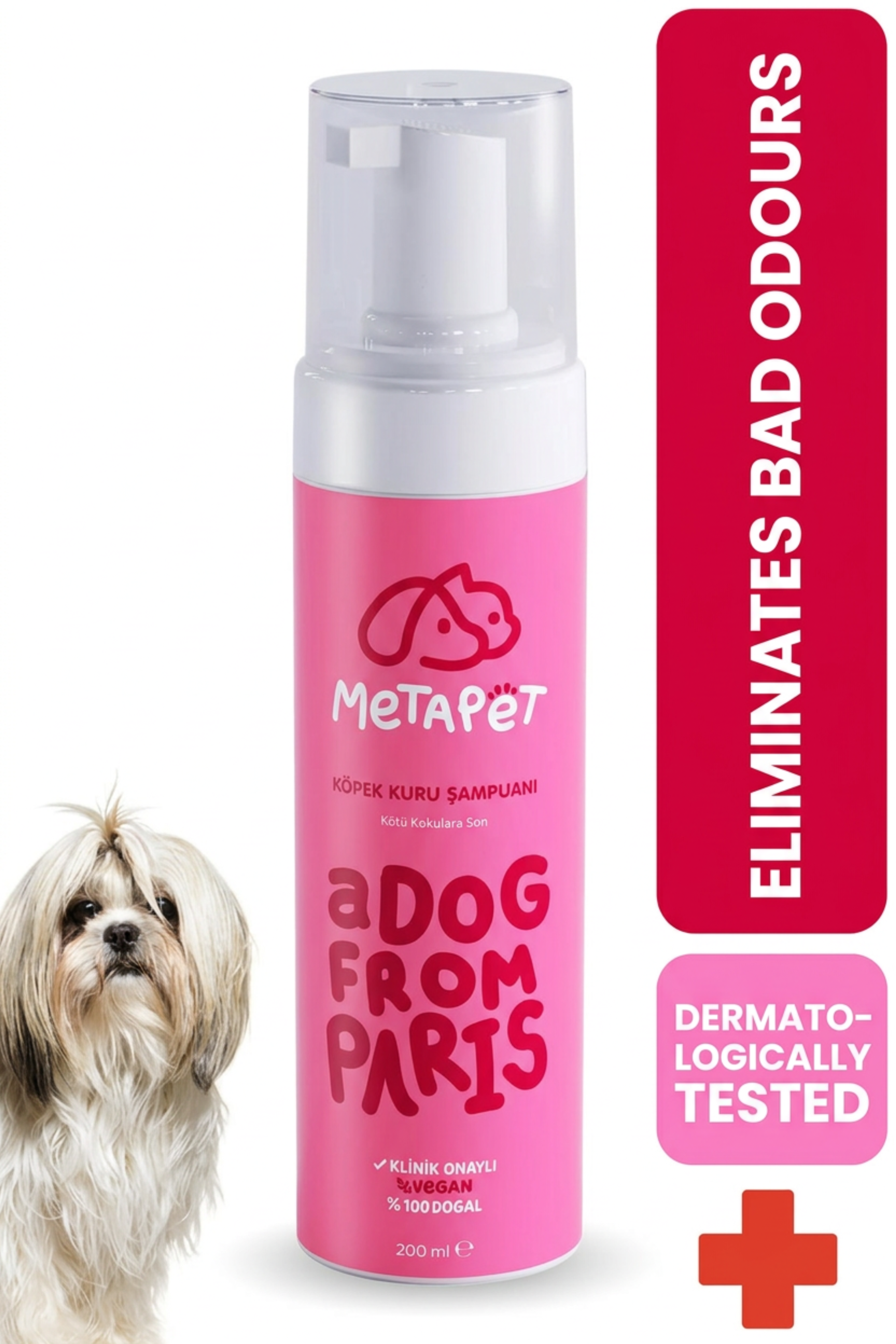
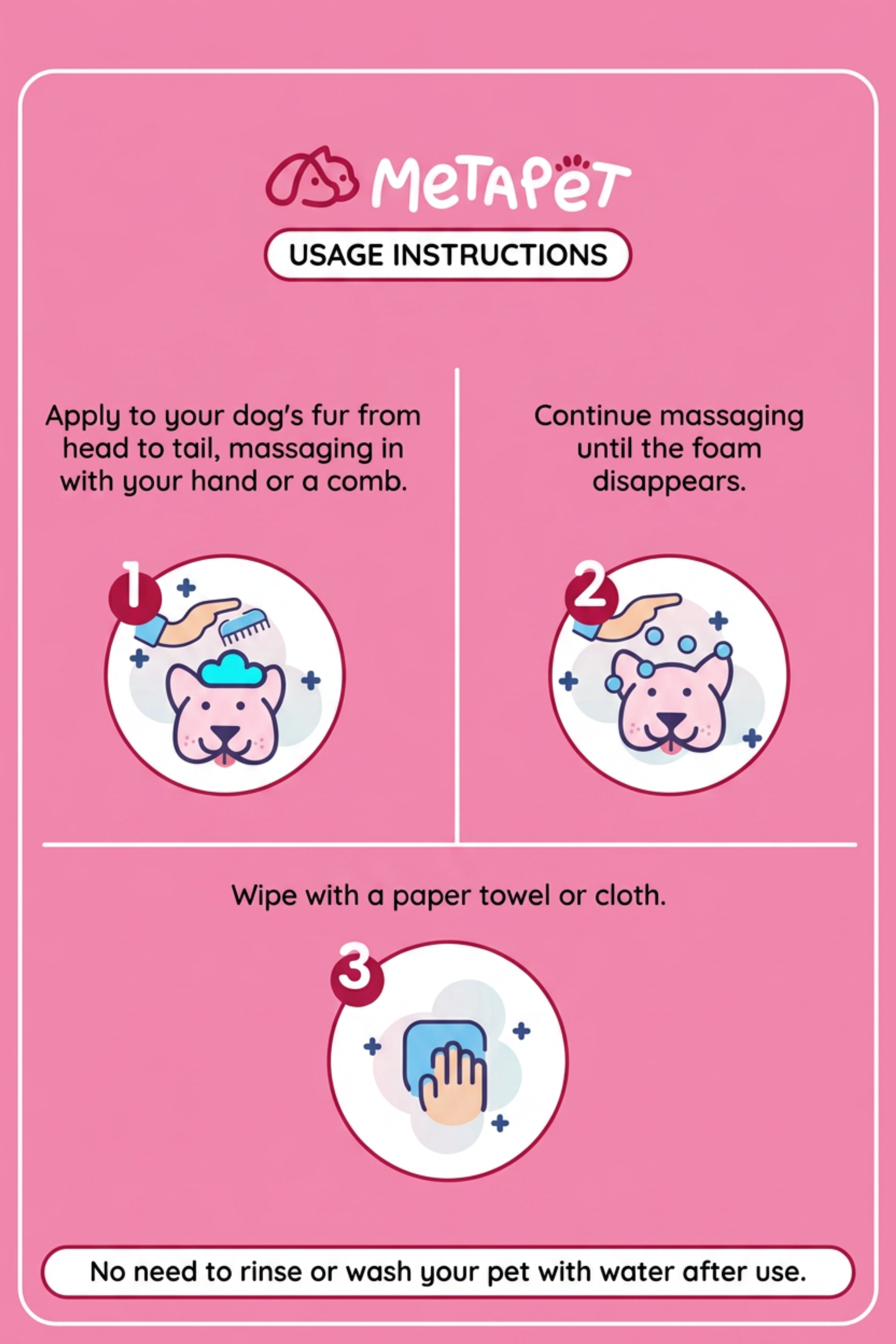
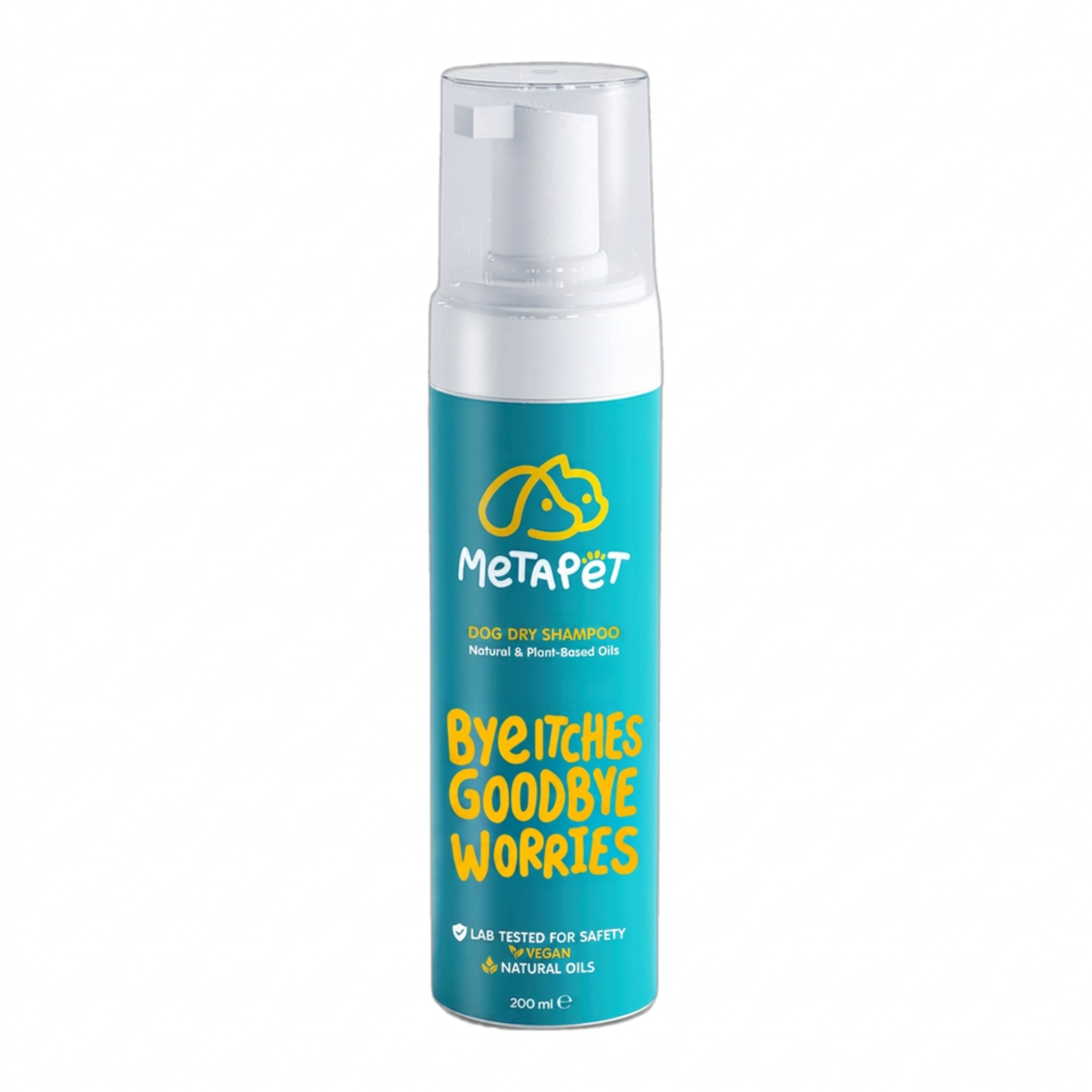
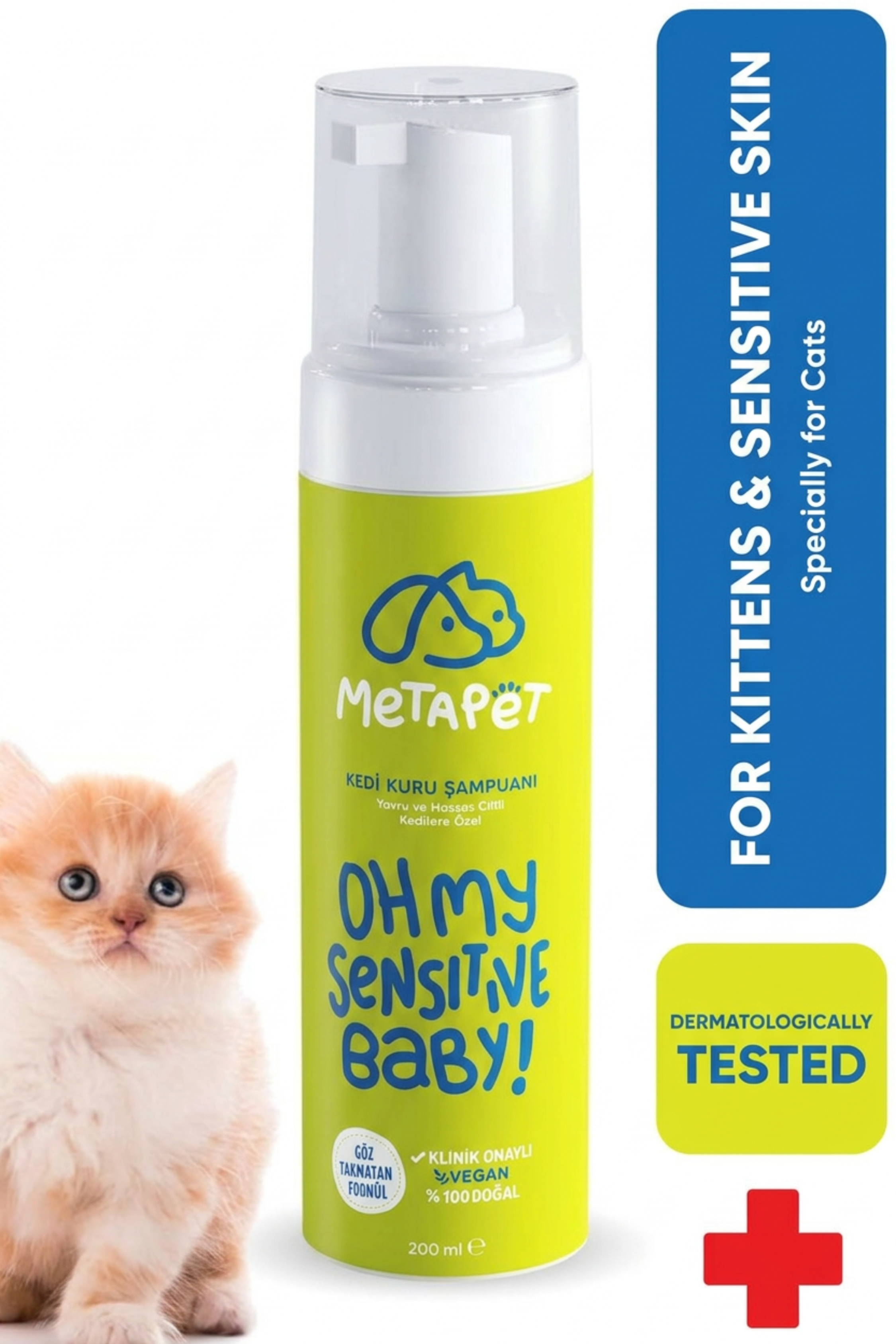
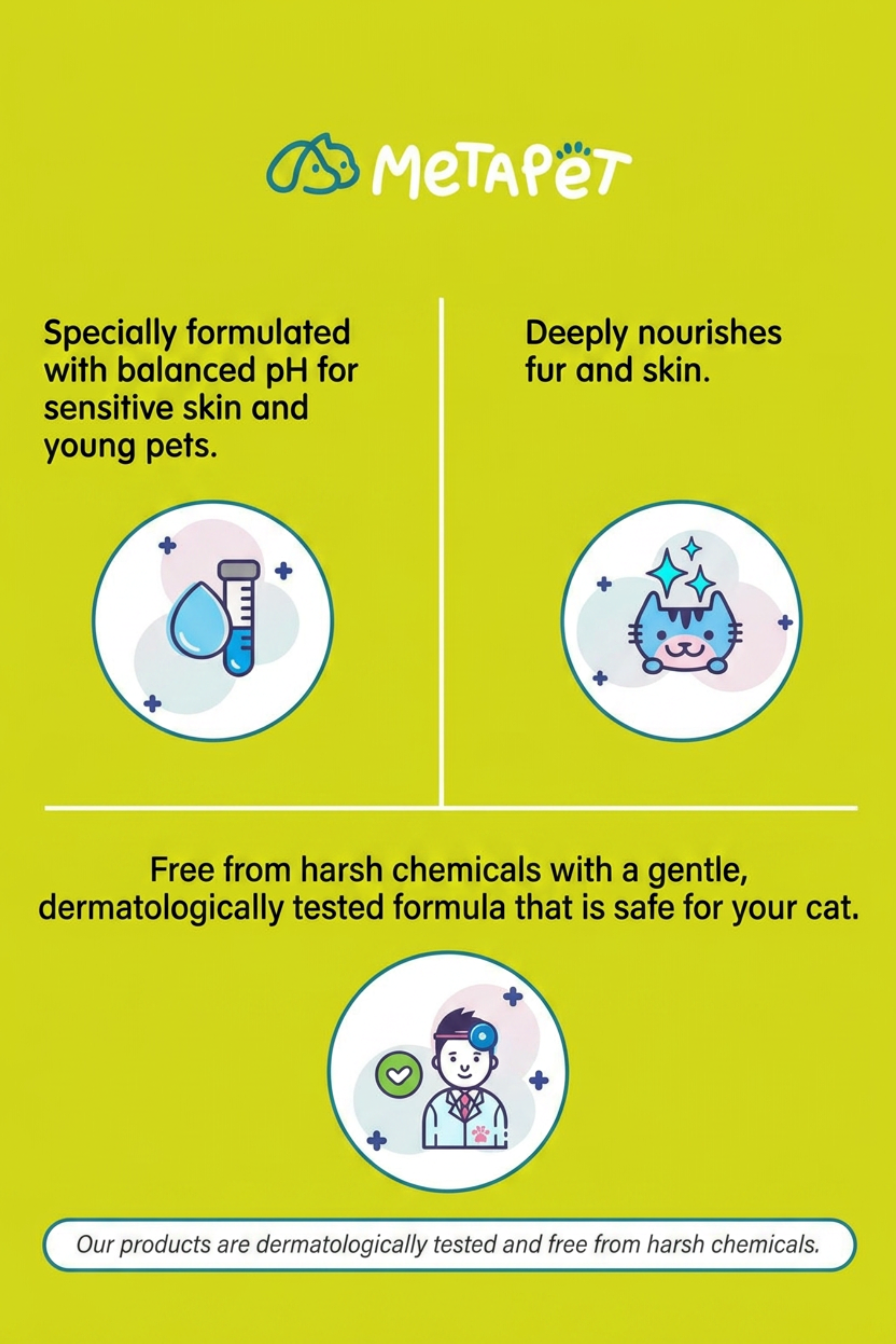
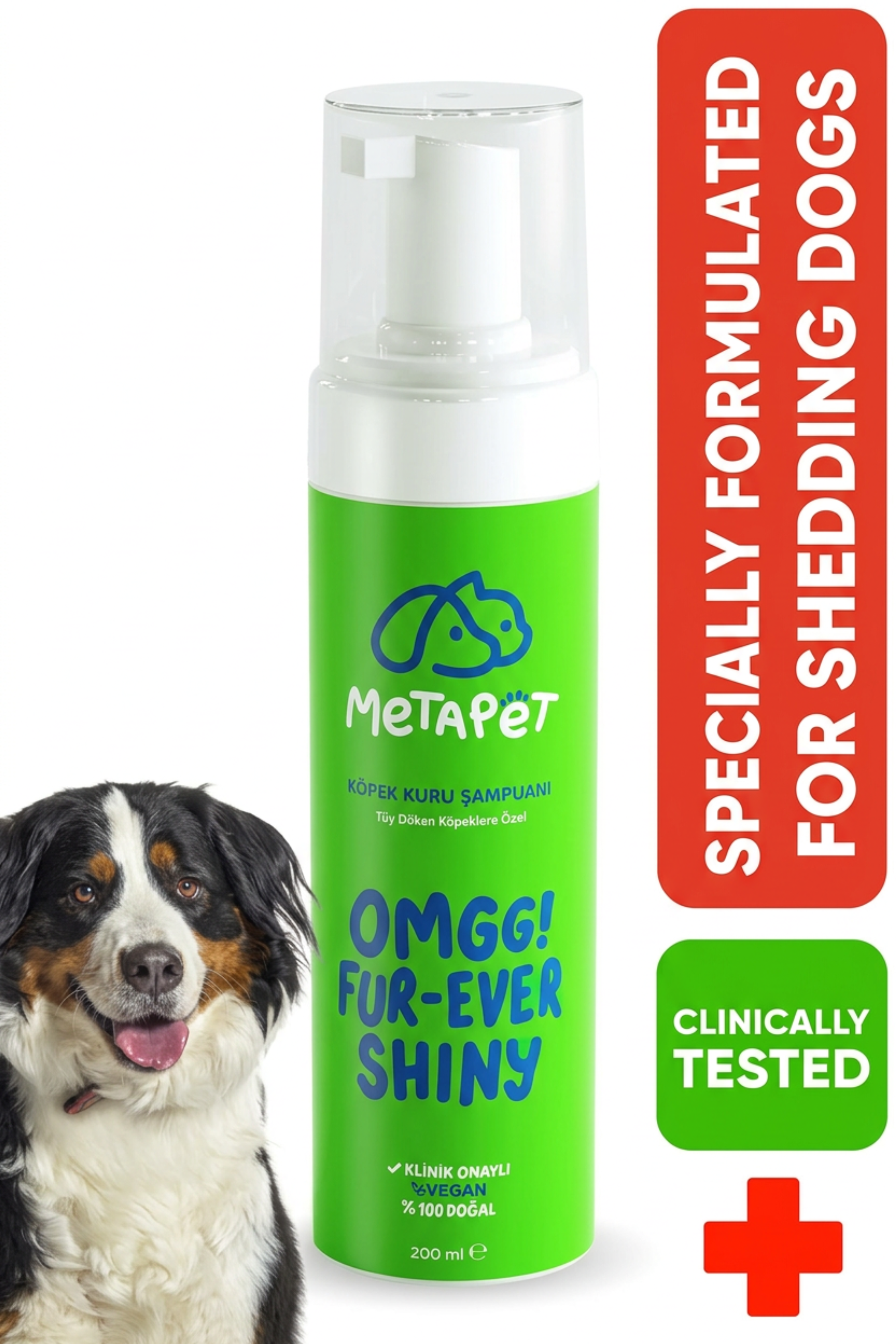
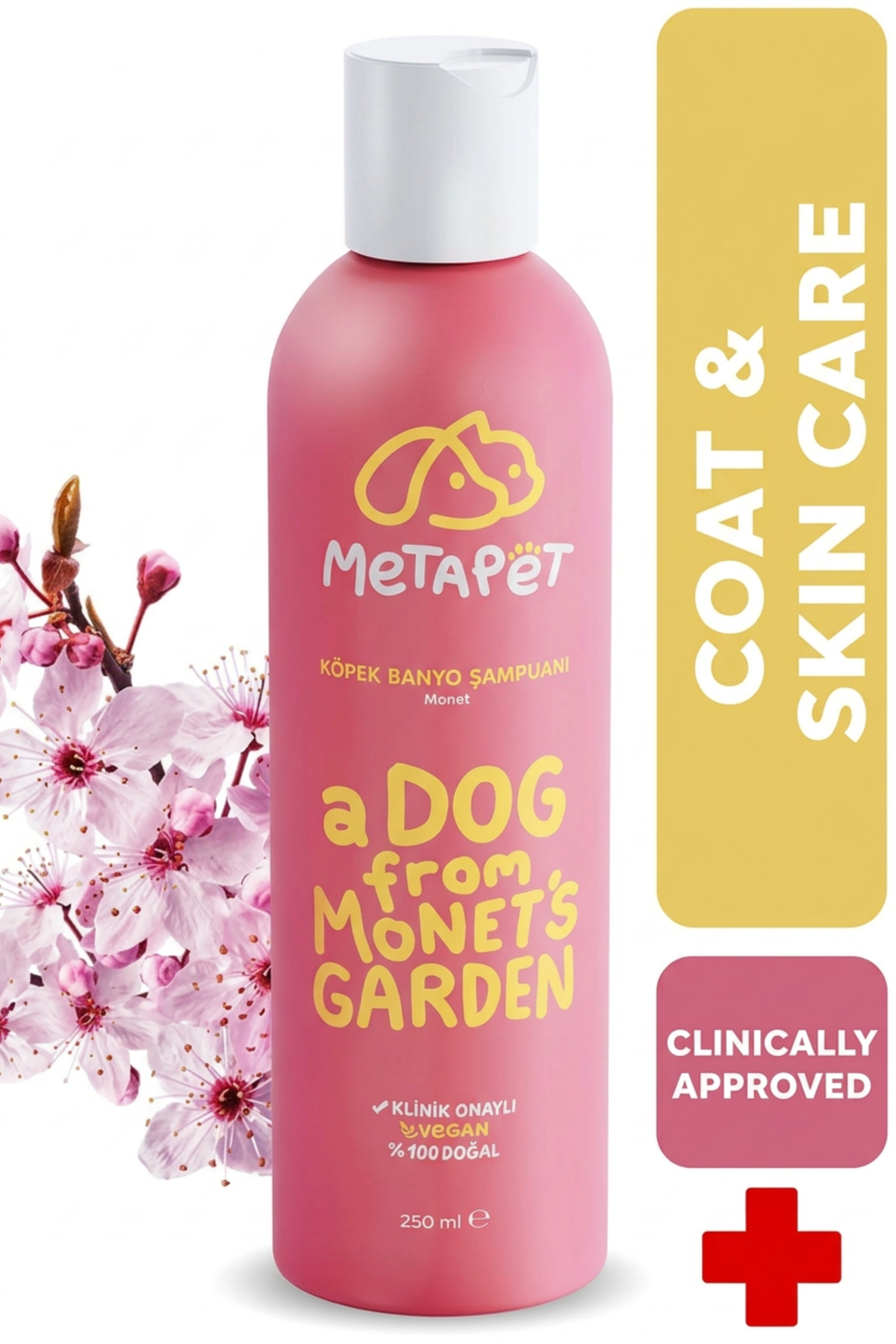
For pets who find full baths stressful, for cats generally, and for quick clean-ups between baths, waterless foam shampoos are a practical grooming option. Products like MetaPet's Oh My Sensitive Baby waterless dry foam shampoo for cats and A Dog From Paris for dogs are designed to help freshen and clean the coat without water. These are cosmetic grooming products intended to help keep a coat clean and pleasant — they are not treatments for skin disease, and any persistent itching, redness, odour or hair loss should be assessed by your veterinarian.
Paws, Ears, Eyes and Nails: The Rest of the Kit
Grooming is more than the coat. The extremities need their own small toolkit, and a routine that touches them regularly keeps handling stress low.
- Nail clippers or a grinder: scissor-type clippers suit most dogs; smaller guillotine or scissor clippers suit cats. Grinders file rather than cut and suit pets who dislike the clip sensation. Keep styptic powder to hand.
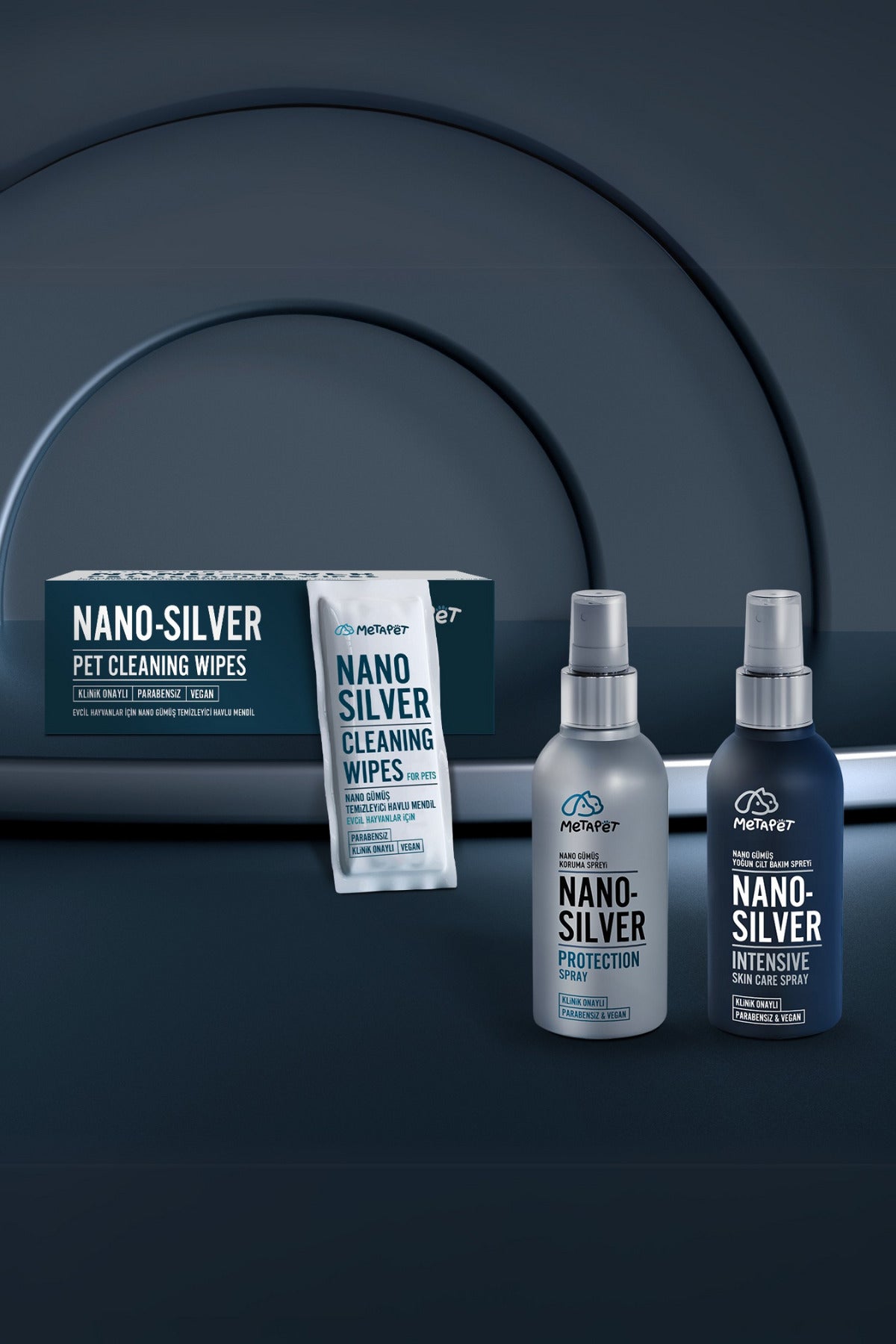
- A soft cloth or wipes: for wiping faces, tear-staining areas and paws after walks. Hygiene wipes such as MetaPet's Nano-Series Hygiene & Care Towel Wipes are designed for quick, gentle cleaning between baths.
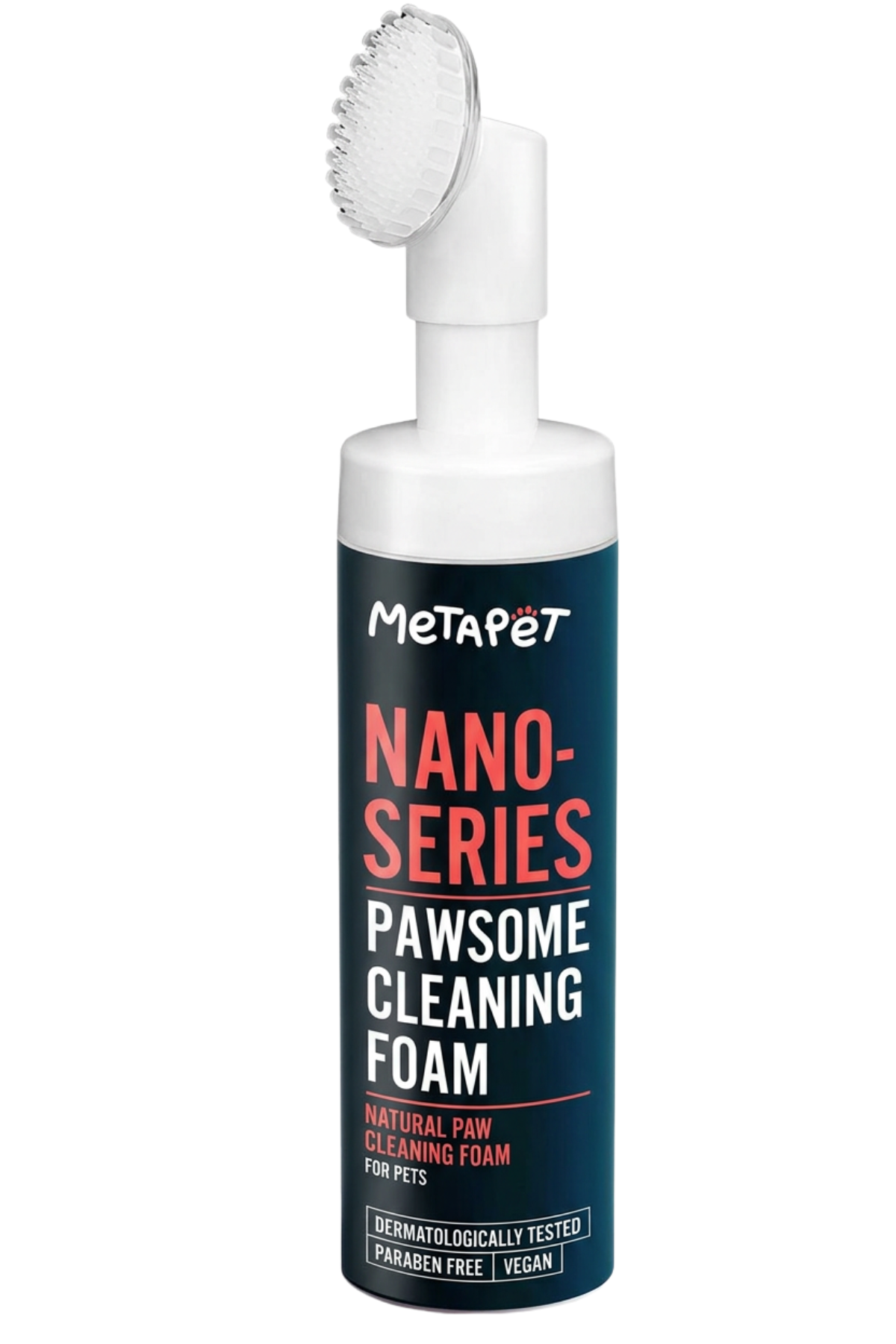
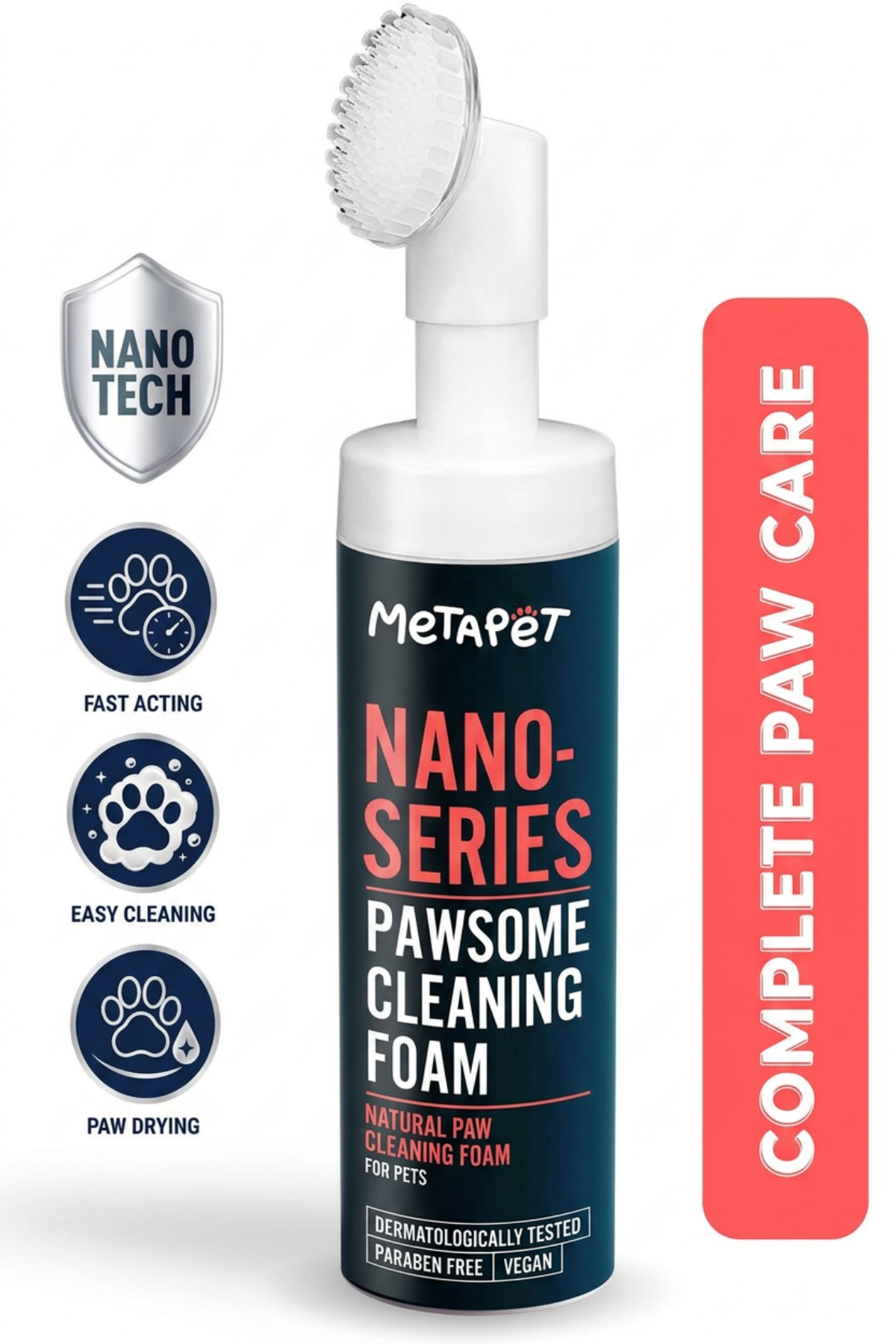
- A paw-cleaning foam: helpful for muddy or dusty paws after outdoor time. MetaPet's Pawsome Paw Cleaning Foam with Brush is formulated to help lift dirt from between the pads.
- A vet-approved ear cleaner: only if your veterinarian recommends one. Never insert cotton buds into the ear canal.
- A flea comb: fine-toothed, and one of the cheapest and most useful diagnostic tools an owner can own.
All of these are grooming and hygiene aids. They help keep your pet clean and comfortable, and they are a complement to — never a substitute for — veterinary examination, parasite prevention and proper treatment when something is wrong.
Building a Routine Your Pet Tolerates
The best tool in the world is useless if your pet fights it. Grooming tolerance is trained, not innate, and the training is mostly about going slower than feels necessary.
- Let your pet investigate the tool without using it. Reward calm interest.
- Touch the tool to the body for one second, then reward. Build up from there.
- Groom in short, frequent sessions rather than long, rare ones. Five minutes daily beats an hour once a month.
- Always end on a positive note, before your pet becomes frustrated.
- Never groom when you are in a hurry or irritated. Pets read that instantly.
If your pet reacts with genuine fear or aggression to being handled, stop and speak with your veterinarian. Sudden intolerance of being touched in a specific area is often a pain signal, not a behaviour problem.
Grooming as a Health Check
Every grooming session is a full-body examination in disguise. Your hands travel over skin, joints, lymph nodes, ears, paws and tail. You are, without meaning to, doing exactly what a veterinarian does on a physical exam — and you are doing it far more often.
- Feel for: new lumps, bumps, swellings or areas that feel warm.
- Look for: redness, scabs, flaky skin, hair loss, greasy patches or an unusual smell.
- Check for: fleas, flea dirt, ticks, and any small dark specks in the coat.
- Watch reactions: a pet who suddenly flinches when a particular spot is touched is telling you something.
- Note changes: a coat that has become dull, brittle or greasy can reflect an underlying health issue.
If you find any of these, take a photograph, note when you first saw it, and contact your veterinarian. Early findings are easier findings.
A Simple Starter Kit
If you are building a grooming kit from scratch, resist the urge to buy everything. Start with what your pet's coat actually needs and add from there.
- Short coat: a rubber curry or grooming mitt, a bristle brush, nail clippers, a flea comb.
- Double coat: a slicker brush, an undercoat rake, a metal comb, nail clippers, a flea comb.
- Long or silky coat: a slicker brush, a metal comb, a detangling spray, nail clippers, a flea comb.
- Curly or continuously growing coat: a slicker brush, a metal comb, a detangling spray, and a relationship with a good professional groomer.
- Everyone: hygiene wipes, a towel, treats, and patience.
Grooming, done well and done often, is one of the most valuable routines in pet ownership. It keeps the coat comfortable, catches health problems early, and — done gently — becomes a quiet ritual that both of you look forward to. When anything you find during grooming worries you, your veterinarian is the right next step.