Autumn Safety for Dogs and Cats: Seasonal Hazards Guide

Crisp mornings, crunchy leaves, and cosy evenings make autumn a favourite season for many dogs and their owners. Cats, too, often become more interested in warm laps and sunny windowsills as temperatures drop. But the changing season also brings its own set of hazards, from things that fall from trees to chemicals in the garage and treats at seasonal celebrations.
This guide walks through the most common autumn risks for dogs and cats, the signs that something is wrong, and practical ways to keep your pets safe and comfortable as the days shorten.
Important: This article shares general educational information for pet owners and is not a substitute for an in-person veterinary examination, diagnosis, or treatment. For any medical concern or emergency, contact your veterinarian promptly.
Mushrooms and Fungi
Damp autumn weather is ideal for mushrooms, which pop up on lawns, in parks, and along woodland trails. Most are harmless, but some species are highly toxic, and it is very difficult even for experts to identify mushrooms from a quick look. Dogs are most at risk because they eat things on walks, but curious cats can be affected too.
- Check your garden regularly and remove mushrooms as they appear, wearing gloves.
- Keep dogs close on woodland walks and practise a reliable leave-it cue.
- If you see your pet eat a mushroom, contact your veterinarian or a pet poison helpline right away. Take a photo or bring a sample wrapped in paper to help with identification.
- Do not wait for signs: some toxic mushrooms cause serious illness only after a delay.
Our guide to mushroom toxicity in dogs covers this in more detail.
Acorns, Conkers, and Fallen Fruit
Autumn trees drop a lot of tempting objects. Acorns from oak trees and conkers from horse chestnut trees can cause stomach upset, including vomiting and diarrhoea, if chewed or swallowed. Their size and shape also mean they can cause choking or a blockage in the intestines, especially in smaller dogs.
Fallen fruit can ferment on the ground, and fruit pits and stones can cause blockages. Windfall fruit also attracts wasps, which may sting a curious nose.
- Rake up nuts and fruit in your garden regularly.
- Do not use conkers or acorns as toys or throw them for your dog.
- Watch for signs of trouble: repeated vomiting, drooling, abdominal pain, reduced appetite, or straining to pass stool can indicate a problem and need veterinary attention.
Leaf Piles, Compost, and Mould
Jumping into leaf piles is a classic autumn activity for dogs, but piles can hide sticks, thorns, and sharp objects, and wet leaves can grow mould. Compost heaps and bins are a particular concern: mouldy food waste can contain toxins that cause tremors, agitation, and vomiting if eaten.
- Secure compost bins with lids or fencing so dogs cannot raid them.
- Check leaf piles before letting your dog play.
- Seek urgent care if your pet shows trembling, wobbliness, restlessness, or seizures after eating something in the garden.
Autumn Gardening: Bulbs, Slug Pellets, and Bouquets
Autumn is planting season for many spring-flowering bulbs, and gardeners often apply products to lawns and borders before winter. Several of these deserve care in a home with pets.
- Flower bulbs: daffodil, tulip, and hyacinth bulbs, among others, can cause vomiting, drooling, and diarrhoea if chewed, and dogs love to dig up freshly planted soil. Store bulbs out of reach and supervise dogs in newly planted areas.
- Slug and snail pellets: some types are highly toxic to dogs and cats. Choose pet-safer methods of slug control and store any pellets securely.
- Lawn feeds and fertilisers: follow label directions on keeping pets off treated areas, and store bags where pets cannot tear them open.
- Autumn bouquets for cats: lilies are common in seasonal flower arrangements and are extremely dangerous to cats, even the pollen. Keep lilies out of any home with a cat.
Our guide to yard and garden safety covers more plants and products to watch for.
Antifreeze and Garage Chemicals
As temperatures fall, many people top up car antifreeze. Traditional antifreeze contains ethylene glycol, which tastes sweet and is extremely dangerous to dogs and cats even in small amounts. Cats may be exposed by walking through spills and then grooming their paws.
- Store antifreeze sealed and out of reach, and clean up spills immediately.
- Consider pet-safer formulations where available, while still storing them carefully.
- Treat any suspected exposure as an emergency. Early veterinary treatment is critical, often before signs appear.
- Watch for early signs: wobbliness that looks like drunkenness, vomiting, increased thirst, and lethargy.
See our article on antifreeze and pets for more information.
Rodent Poisons and Pest Control
Mice and rats often move indoors in autumn looking for warmth, and many households put down baits. Rodent poisons are a common cause of serious poisoning in dogs, and cats can be affected too. Some cause internal bleeding, while others affect the nervous system or kidneys.
- Choose pet-safe pest control methods or professional services that understand pet safety.
- If baits are used, place them in tamper-resistant stations in areas pets cannot reach, and keep the packaging so your veterinarian knows the active ingredient.
- Contact your veterinarian immediately if your pet may have eaten bait, even if they seem fine.
Darker Mornings and Evenings
Shorter days mean many dog walks happen in low light. Visibility becomes a real safety issue for both you and your dog.
- Use reflective or light-up gear: a reflective collar, harness, lead, or coat helps drivers and cyclists see your dog.
- Carry a torch: useful for spotting hazards and picking up after your dog.
- Keep dogs on lead near roads and in unfamiliar areas after dark.
- Update ID: make sure your dog's microchip details and tag are current in case they become separated from you.
Cats that go outdoors are also at greater risk around roads at dusk. Many owners choose to bring cats inside before dark during autumn and winter.
Check the Car Before You Start It
As nights get colder, outdoor and community cats sometimes seek warmth under car bonnets or in wheel arches. Before starting your car on a cold morning, knock firmly on the bonnet, check around the wheels, and give any hiding cat a chance to escape.
Seasonal Celebrations and Treats
Autumn celebrations often mean sweets, rich food, and decorations around the home.
- Chocolate: toxic to dogs and cats; dark and baking chocolate are especially dangerous.
- Sugar-free sweets and gum: may contain xylitol, which is very dangerous for dogs.
- Sweet wrappers: can cause blockages if swallowed.
- Rich or fatty leftovers: roast fat, skin, and gravy can trigger stomach upset and, in some pets, pancreatitis.
- Onions, garlic, grapes, and raisins: common in seasonal dishes and toxic to pets.
- Cooked bones: can splinter and cause injury or blockages.
- Candles and decorations: keep lit candles out of reach, and watch for pets chewing decorations or cables.
Keep treat bowls high up, ask guests not to feed pets from the table, and give your pet a quiet space away from visitors and doorbells. Costumes, if used at all, should never restrict movement, breathing, vision, or hearing.
Fireworks and Loud Celebrations
In many places, autumn brings fireworks. Many dogs and cats find the noise frightening.
- Walk dogs before dark on expected firework nights.
- Keep cats indoors and make sure doors and windows are secure.
- Create a safe den with bedding, familiar smells, and somewhere to hide.
- Close curtains and use background sound such as the television or calm music.
- Speak to your veterinarian early if your pet has a history of severe noise fear, as planning ahead gives more options.
Our guide to noise phobia and fireworks offers more strategies.
Parasites and Coat Changes
Parasites do not disappear when summer ends. Ticks can remain active in mild autumn weather, and fleas often thrive in centrally heated homes. Harvest mites, tiny orange mites found in grass and woodland, can cause intense itching around paws, ears, and belly in late summer and autumn.
- Keep up parasite prevention as recommended by your veterinarian throughout the year.
- Check for ticks after walks, especially around the head, ears, and legs.
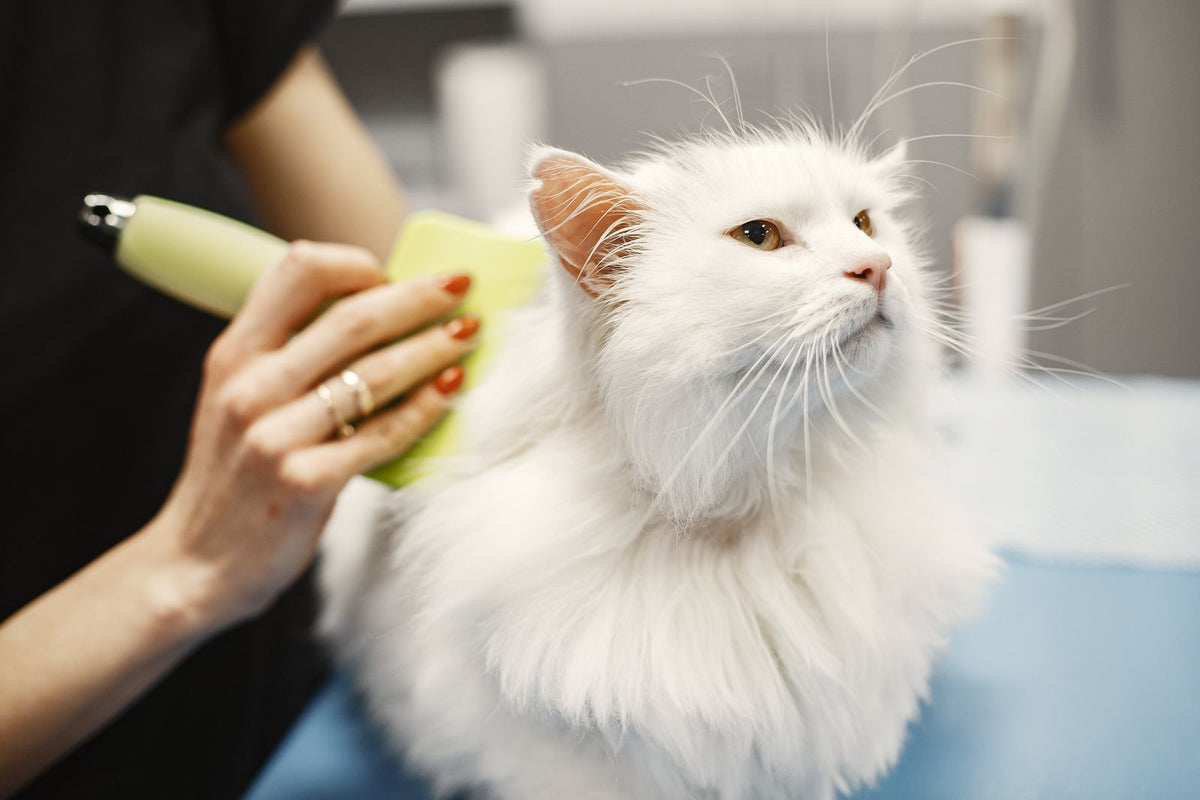
- Brush regularly: many pets change their coat in autumn, and brushing removes loose hair and helps you spot skin problems early.
Cooler Weather Comfort
Older pets and those with arthritis often feel stiffer in cold, damp weather. Warm, padded bedding away from draughts, non-slip surfaces, and shorter but more frequent walks can help them stay comfortable. Towel-dry dogs after wet walks, and consider a coat for short-haired, very young, or elderly dogs. If stiffness seems to be increasing, ask your veterinarian about a pain and mobility check.
Less daylight often means less exercise. Adjust food portions if activity drops, and use indoor games and puzzle feeders to keep minds and bodies busy.
Your Autumn Pet Safety Checklist
- Garden sweep: remove mushrooms, fallen nuts, and windfall fruit each week.
- Garage check: antifreeze, de-icers, and chemicals sealed and stored high.
- Pest control review: pet-safe methods chosen, baits secured or avoided.
- Visibility kit: reflective lead or collar, a light for your dog, and a torch for you.
- ID update: microchip details and tag checked.
- Celebration plan: treats stored away, a quiet room ready, and firework dates noted.
- Parasite prevention: up to date as advised by your veterinarian.
- Comfort check: warm, draught-free bedding, especially for older pets.
- Emergency numbers: your veterinarian, the nearest out-of-hours clinic, and a pet poison helpline saved in your phone.
Frequently Asked Questions
Are all mushrooms dangerous to pets?
No, but because toxic and harmless species can look alike, any mushroom eaten by a pet should be treated as potentially dangerous until your veterinarian advises otherwise.
My dog ate one acorn. Should I worry?
Contact your veterinarian for advice, especially for small dogs or if several were eaten. Watch for vomiting, diarrhoea, reduced appetite, or abdominal pain.
Is it safe to leave my cat outside at night in autumn?
Darker evenings increase road risks. Many owners keep cats indoors from dusk, particularly around firework celebrations.
The Takeaway
Autumn is a wonderful season to share with dogs and cats, and a little planning keeps it safe. Watch for mushrooms, acorns, conkers, and mouldy compost on walks and in the garden, store antifreeze and rodent baits securely, boost visibility on dark walks, keep seasonal treats out of reach, and prepare for fireworks. If you suspect your pet has eaten something harmful or seems unwell, contact your veterinarian promptly.