Allergy Testing and Immunotherapy for Itchy Dogs

Chronic itching is one of the most wearing problems in companion animal medicine, and not only for the animal. Owners of a genuinely itchy dog describe broken sleep, ruined furniture, endless licking noises at three in the morning, and a mounting sense that nothing is working. It is a quality-of-life problem for the whole household.
Sooner or later, most owners in that position ask about allergy testing. The question makes intuitive sense: find out what the dog is allergic to, remove it, problem solved. The reality is more nuanced, and setting expectations properly at the start is the difference between a testing process that helps and one that produces an expensive list of pollens and no improvement at all.
The single most important point is this: allergy testing is not used to diagnose allergy. It is used to select the contents of an immunotherapy treatment for a pet whose allergy has already been diagnosed by other means. That distinction sounds like a technicality. It is not — it explains why your veterinarian may want to do several other things first, and why testing done at the wrong point in the process tends to disappoint.
Important: This article shares general educational information for pet owners and is not a substitute for an in-person veterinary examination, diagnosis, or treatment. For any medical concern or emergency, contact your veterinarian promptly.
What Allergic Skin Disease Actually Is
Atopic dermatitis is a chronic inflammatory skin condition in which the animal reacts to substances in the environment that are harmless to most individuals — house dust mites, pollens, molds, and similar. It is one of the most common skin diseases in dogs and occurs in cats too, where it can look rather different.
Two things are going on at once. The immune system responds inappropriately to these environmental substances, producing inflammation and itch. And the skin barrier itself — the layer that normally keeps allergens out and moisture in — is often defective, allowing more allergen through and starting the cycle again. That is why modern management addresses both the immune response and the skin surface.
Because it involves environmental allergens, atopic dermatitis frequently has a seasonal pattern at first, worsening in spring or late summer depending on the pollens involved. Over years, many dogs progress to year-round signs, particularly where house dust mites are a factor.
Age of onset is a useful clue. Most dogs with atopic dermatitis begin showing signs between roughly six months and three years of age. A dog whose itching starts for the first time at nine years old is more likely to have something else going on, which is one of the reasons your veterinarian asks when it started.
- Chronic: a condition to manage over years, not cure in a course.
- Two-part problem: immune overreaction plus a defective skin barrier.
- Often seasonal at first: becoming year-round in many dogs.
- Breed-associated: several breeds are strongly predisposed.
- Complicated by infection: secondary bacterial and yeast overgrowth are extremely common.
Why Diagnosis Comes First
Itching has many causes, and several of them are far more easily treated than allergy. Testing a dog for pollen sensitivity while a parasite or an infection is driving the itch produces a result that is both accurate and useless.
Parasites are ruled out first, every time. Fleas are among the most common causes of itching in dogs and cats, and flea allergy dermatitis can be intense from a very small number of fleas — few enough that you will never find one on the animal. Mites cause severe itching and are not always easy to find on skin samples. This is why a rigorous parasite treatment trial, covering all pets in the household, is a standard early step even when you are certain there are no fleas.
Infections are addressed next. Bacterial and yeast overgrowth are so common on allergic skin that they are almost expected, and they contribute substantially to the itch. Treating them and reassessing tells your veterinarian how much of the itching is allergy and how much was infection.
Food-responsive skin disease is investigated by an elimination diet trial — feeding a strictly controlled diet for a defined period, usually eight to twelve weeks, followed by a deliberate rechallenge. This is the only reliable way to identify it. Blood, saliva, and hair tests marketed for food sensitivity in pets have not been shown to reliably identify food-responsive disease, and your veterinarian will steer you toward a properly conducted diet trial instead.
Only once parasites, infection, and food have been addressed, and itching persists in a pattern consistent with environmental allergy, is atopic dermatitis diagnosed. It is a diagnosis made by history, examination, and exclusion — not by a test.
What Allergy Testing Actually Does
With the diagnosis established, testing has one clear purpose: identifying which specific environmental allergens this individual reacts to, so that an immunotherapy preparation can be formulated for them.
Intradermal skin testing involves injecting tiny amounts of many different allergens into a shaved patch of skin, usually under sedation, and measuring the reaction at each site. It is generally regarded as the reference method and is typically performed by veterinary dermatologists. It requires that anti-itch medications be withdrawn beforehand for a period your veterinarian specifies, which is often the hardest part for owner and dog alike.
Serum allergy testing measures allergen-specific antibodies in a blood sample. It is far more accessible, requires no sedation, and is less affected by some medications. Results from the two methods do not always agree, and both can show reactions to allergens that are not clinically relevant for that animal.
That last point is the crucial one. A positive result means the animal has demonstrated an immune response to that substance. It does not prove that substance is causing the itching. Healthy, non-itchy dogs frequently show positive reactions on these tests. This is exactly why a test result must be interpreted alongside the clinical history — when the dog itches, where, and whether the timing matches the allergen's season — rather than read as a list of culprits.
It is also why testing a dog who has not been properly worked up produces so much frustration. The list of positives will be there regardless. Without a diagnosis behind it, there is no way to know which entries matter.
How Immunotherapy Works
Allergen-specific immunotherapy — often called desensitization or, informally, allergy shots — is the only approach that attempts to change the underlying immune response rather than suppress its consequences.
A preparation containing the allergens identified as relevant for that individual is administered in gradually increasing amounts, initially at short intervals and then at longer maintenance intervals. Over time, the immune system's response to those allergens is modified so that exposure provokes less inflammation.
Two routes are used. Injections given under the skin are the traditional method, and most owners are taught to give them at home after initial demonstration. Sublingual immunotherapy, given as drops under the tongue, is available in many regions and suits animals who tolerate injections poorly, though it requires more frequent dosing.
Expectations need to be realistic and are worth stating plainly. Immunotherapy is slow — improvement is usually assessed over six to twelve months, not weeks. It does not work for every animal; a substantial proportion respond well, some respond partially, and some do not respond. Most animals that do respond still need some additional management, particularly during peak seasons. And for those it helps, it is generally a long-term or lifelong treatment rather than a course.
Set against that, it has an excellent safety profile compared with long-term medication, it addresses the mechanism rather than the symptom, and for the animals it suits it can transform daily life. Your veterinarian or dermatologist will help you weigh those factors for your pet.
What Else Is in the Toolkit
Immunotherapy is rarely used alone, and most successfully managed allergic pets are on a combination approach tailored to them by their veterinarian.
- Anti-itch medication: several classes of prescription medication are available with different mechanisms, speeds of onset, and monitoring requirements.
- Treating flare infections: bacterial and yeast overgrowth are addressed promptly whenever they appear.
- Year-round parasite prevention: non-negotiable, since a single flea bite can restart a flare.
- Topical therapy: medicated shampoos, mousses, and sprays prescribed to manage the skin surface.
- Skin barrier support: some dietary approaches and prescribed topical products are used to support barrier function.
- Allergen avoidance where possible: realistic for some indoor allergens, largely impossible for pollens.
- Ear care: allergic ear disease is extremely common and needs its own attention.
- Regular monitoring: most long-term medications require periodic examinations and blood tests.
The combination shifts over time and with the seasons. A dog who needs little in winter may need considerably more in August. This is normal, and building a plan that flexes with the year is more realistic than searching for a single fixed regimen.
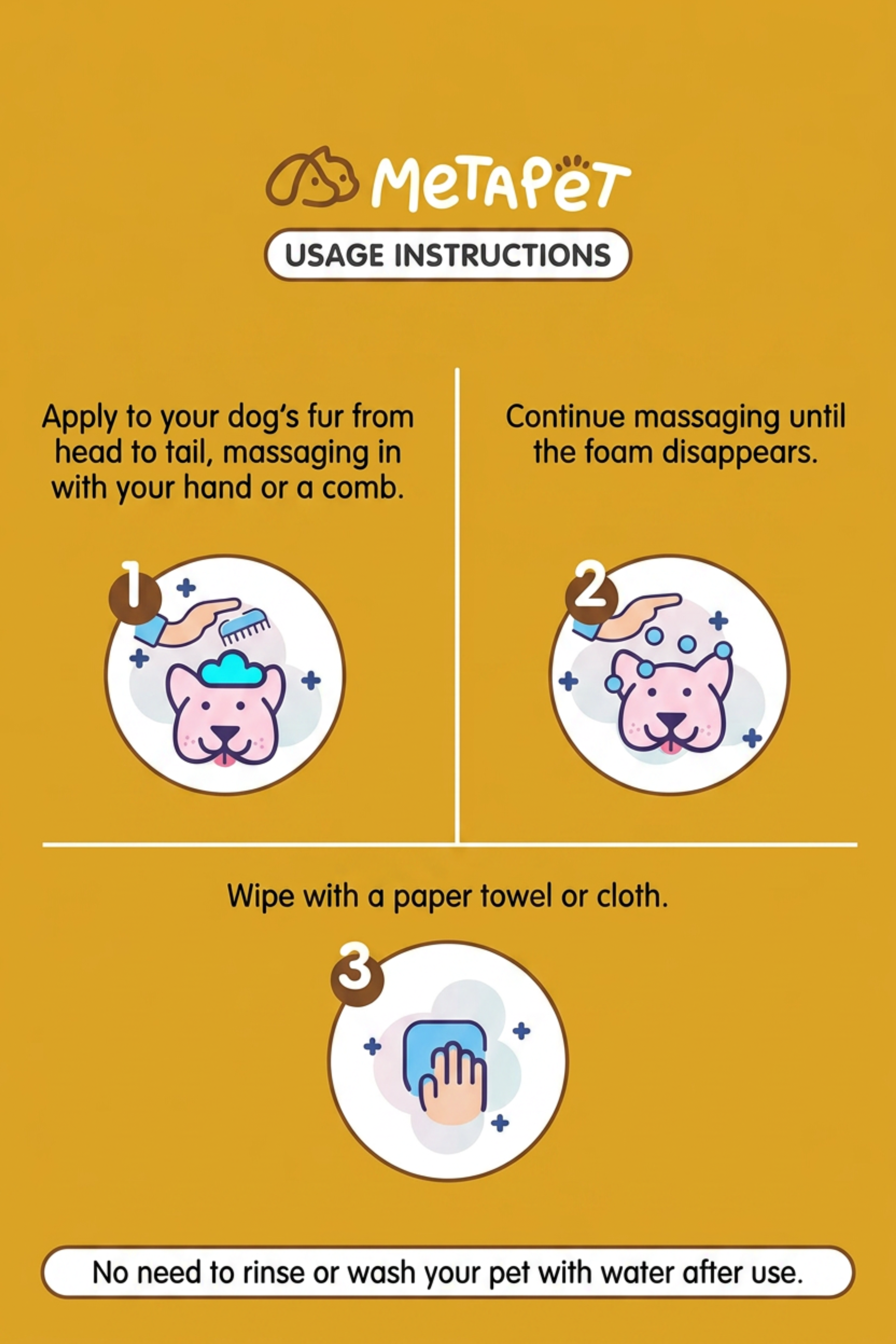
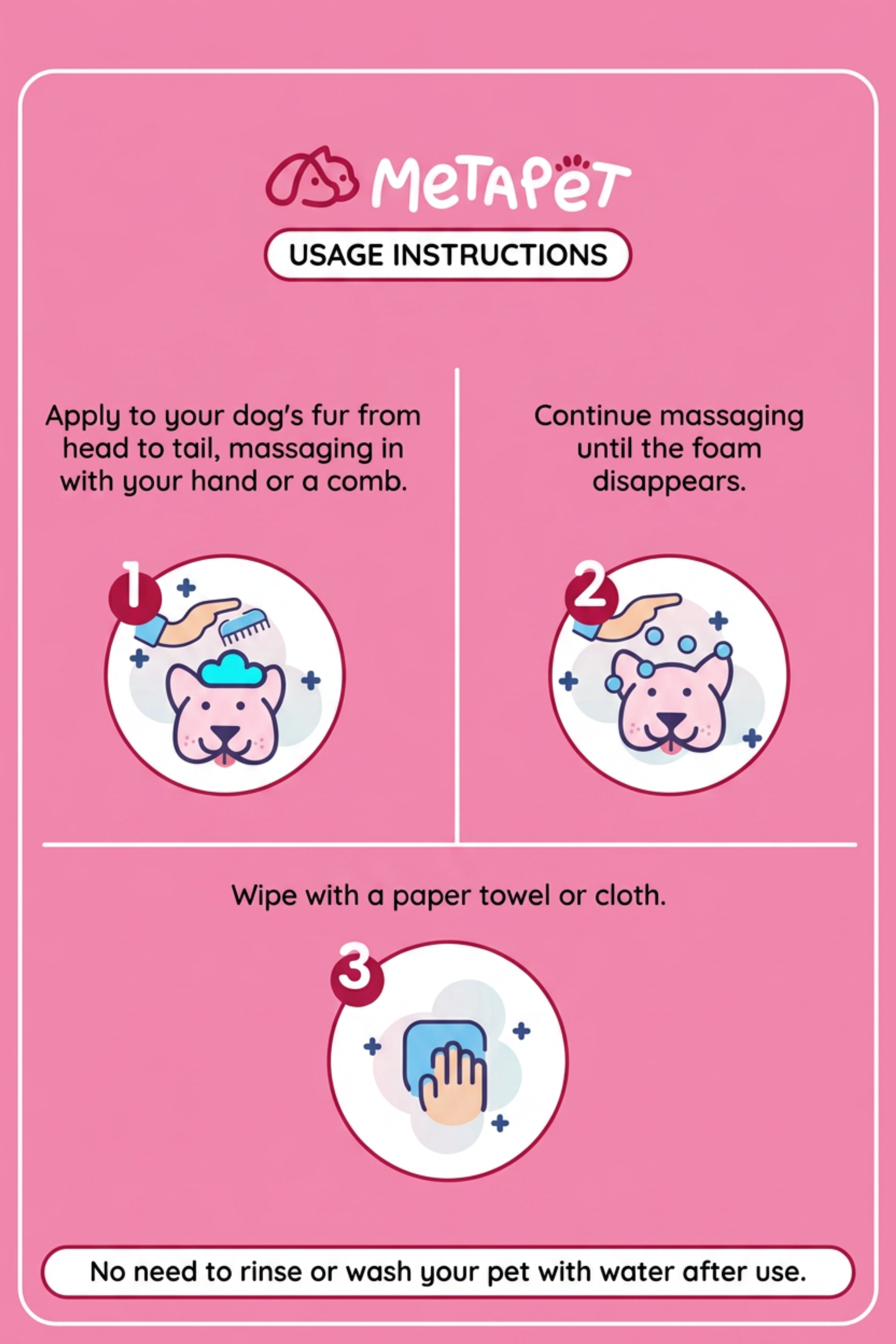
A damp cloth over the coat and a few minutes of brushing after every walk during pollen season cost nothing, are easy to keep up with, and remove a meaningful amount of surface allergen before it is carried indoors. Wiping the paws matters most, since paws collect the most pollen and are where allergic dogs lick hardest. None of this replaces prescribed treatment or parasite prevention — it simply reduces the load the skin has to deal with between doses.
Preparing for a Dermatology Appointment
Dermatology consultations are information-heavy, and owners who arrive prepared get considerably more out of them.
- Write a timeline: when the itching started, how it has changed, and whether there is a seasonal pattern.
- List every medication and product used in the past six months, with dates and whether each helped.
- List every food, treat, chew, and supplement given, including what is used to hide tablets.
- Photograph the skin at its worst — flares rarely coincide with appointments.
- Note which body areas itch most and in what order they became involved.
- Record what parasite prevention is used, for every pet in the household, and how consistently.
- Note whether any people in the home have skin problems, and whether other pets are itchy.
- Ask what the plan is if the current step does not work, so you know what comes next.
Ask about referral to a veterinary dermatologist if the itching is severe, has not responded to a reasonable course of management, or if you are considering allergy testing and immunotherapy. Specialists have access to intradermal testing, longer consultation times, and considerable experience of the difficult cases, and an early referral often saves money over a long sequence of partial attempts.
Living With a Long-Term Allergic Pet
The mental shift that helps most owners is from cure to control. An allergic pet is not going to stop being allergic. What is achievable is an animal who is comfortable most of the time, sleeps through the night, has intact skin, and needs occasional rather than constant intervention.
Set that expectation deliberately with your veterinary team, and define what success looks like. A useful measure is a simple itch score recorded daily — a mark out of ten for how much scratching, licking, and chewing you observed. Over weeks it produces a far more reliable picture than memory, and it makes the effect of each change genuinely assessable.
Consistency matters more than intensity. A plan followed steadily for six months achieves more than an aggressive plan abandoned after five weeks. If a recommendation is not realistic for your household — a bathing frequency you cannot manage, a diet the dog refuses, injections you are nervous about — say so at the appointment. There is nearly always an alternative, and a plan you can actually follow is worth more than a theoretically better one you cannot.
Flares will happen. Have a plan agreed in advance for what to do when one starts, including when to call rather than wait, so that a bad week does not become a bad month. Most flares are driven by infection, a missed parasite dose, or a seasonal peak, and identifying which it was afterward helps prevent the next one.
Myths and Facts
Myths, Corrected
- Myth: an allergy test diagnoses allergy. It selects immunotherapy contents for an already-diagnosed animal.
- Myth: hair or saliva tests can identify food allergies. These have not been shown to reliably identify food-responsive disease; a diet trial is the reliable method.
- Myth: grain-free food cures itching. Grain is a less common culprit than owners expect, and most food-responsive dogs react to an animal protein source.
- Myth: a positive test means avoid that thing. Many positives are not clinically relevant, and pollens cannot be avoided anyway.
- Myth: immunotherapy works within weeks. Assessment takes six to twelve months.
- Fact: fleas must be excluded first. One bite can drive intense itching in a sensitized animal.
- Fact: secondary infection is nearly universal. Treating it reveals how much itch is truly allergic.
- Fact: this is managed, not cured. Comfortable most of the time is a realistic and worthwhile goal.
When to Contact Your Veterinarian
Thresholds for Calling
Itching rarely constitutes an emergency, but it also rarely improves without intervention, and some situations need prompt attention.
- Book an appointment for: persistent scratching, licking, or chewing lasting more than a couple of weeks.
- Book sooner if: the skin is broken, raw, weeping, or smells unpleasant, or if the ears are involved.
- Book sooner if: your pet is losing sleep, losing weight, or has changed in temperament from discomfort.
- Seek prompt care for: sudden facial swelling, hives, vomiting with skin signs, or any breathing difficulty, which can indicate an acute allergic reaction.
- Ask about referral if: itching persists despite several months of management, or you want to explore immunotherapy.
For any medical emergency — including facial swelling, breathing difficulty, or collapse — contact your veterinarian or your nearest emergency veterinary hospital immediately rather than waiting.
The Practical Takeaway
What to Remember
If you take one thing from this article, make it the order of operations. Parasites first, always. Then infection. Then a properly conducted food trial if the picture warrants it. Only then is environmental allergy diagnosed, and only then does allergy testing have a job to do.
Owners who follow that sequence generally end up spending less and getting further than owners who start with a test. The test is not the diagnosis; it is a tool for building a treatment, and building a treatment for the wrong problem is the most common way this process goes wrong.
And once you are managing a genuinely allergic pet, be patient with the timeline and honest about what fits your life. Keep a daily itch score, keep parasite prevention absolutely watertight, treat flares early rather than hoping, and judge progress over months rather than days. Comfortable most of the time, with intact skin and unbroken sleep, is an achievable goal for the great majority of these animals — it just takes longer to reach than anyone would like.