
Inflammatory Bowel Disease (IBD) in Dogs and Cats
Important: This article is general educational information and is not a substitute for an in-person veterinary examination. If your pet has ongoing vomiting or diarrhea, weight loss, blood in the stool, or seems unwell, please consult your veterinarian for diagnosis and a tailored plan.
Inflammatory bowel disease, usually shortened to IBD, is a chronic condition of the digestive tract that can affect both dogs and cats. It causes persistent or recurring tummy troubles — vomiting, diarrhea, appetite changes, and weight loss — that wax and wane over time. Because these signs overlap with many other problems, IBD can be frustrating to pin down, and managing it is usually a long-term partnership with your veterinarian. This guide explains what IBD is, how it is diagnosed, how it is managed, and how to support a pet living with a sensitive gut.
The encouraging news is that, with an accurate diagnosis and a thoughtful plan, many pets with IBD achieve good control and a comfortable quality of life.
What IBD Actually Is
Inflammatory bowel disease is not a single, simple infection but a chronic inflammation of the lining of the gastrointestinal tract. When inflammatory cells build up in the wall of the stomach or intestines, the gut cannot do its normal jobs of digesting food and absorbing nutrients as effectively. The result is ongoing digestive upset and, over time, poor nutrient absorption that can lead to weight loss despite a normal or even increased appetite.
IBD is considered a chronic, manageable condition rather than something cured in a single course of treatment. The exact cause is not fully understood and is thought to involve a complex interaction between the immune system, the gut's resident bacteria, diet, and individual factors. Because of this complexity, management is usually individualized and may need adjusting over time.
Signs to Watch For
The signs of IBD depend partly on which part of the digestive tract is most affected. Common features include:
- Chronic or intermittent vomiting, sometimes occurring over weeks or months.
- Diarrhea that may be persistent or come and go, sometimes with mucus or blood.
- Weight loss, even when the pet is still eating.
- Appetite changes, either decreased or, in some cases, increased.
- Low energy or a generally "off" demeanor during flare-ups.
In cats, the signs can be subtle and easy to dismiss — occasional vomiting is sometimes wrongly treated as normal. Persistent or recurring digestive signs in either species are not something to simply wait out; they deserve a veterinary assessment, especially when accompanied by weight loss.
Why Diagnosis Takes Care
One of the trickiest aspects of IBD is that its signs mimic many other conditions, including parasites, infections, dietary intolerances, hormonal diseases, and other gastrointestinal disorders. There is no single quick test that instantly confirms IBD; rather, it is often diagnosed by carefully ruling out other causes and, in many cases, by examining tissue samples from the gut.
This means diagnosis is a process, not a moment. Your veterinarian works methodically to exclude more easily treated causes first, which protects your pet from being treated for the wrong problem. Patience during this process pays off, because the right diagnosis leads to a far more effective long-term plan.
How Veterinarians Investigate
The path to diagnosis typically unfolds in steps, tailored to your pet:
- History and examination: A detailed account of signs, diet, and timing is invaluable, so keep notes.
- Initial testing: Blood work, fecal tests for parasites, and urine tests help rule out other causes.
- Dietary trials: A carefully chosen diet trial, under veterinary direction, can help identify food-responsive cases.
- Imaging: Ultrasound or X-rays may assess the gut and nearby organs.
- Biopsies: Examining tissue samples is often what confirms inflammation consistent with IBD.
Not every pet needs every step, and your veterinarian will recommend a sensible sequence. Sharing a clear timeline of signs, photos of stool, and any diet changes helps the process move efficiently.
Managing IBD: The Role of Diet
Diet is often central to managing IBD, and dietary changes should always be guided by your veterinarian. Depending on the case, a veterinarian may recommend a specific therapeutic diet — for example, a novel-protein or hydrolyzed diet designed to be gentle on a sensitive gut, or a diet with particular fiber characteristics. Because abrupt food changes can themselves upset the stomach, transitions are usually made gradually.
It is important to follow the plan closely and avoid undermining a diet trial with table scraps, treats, or flavored products that are not part of the plan, since even small extras can confuse the results. Your veterinarian will help you choose treats and any additions that fit. Every pet is individual, so finding the right diet can take some trial and adjustment with professional guidance.
Medications and Ongoing Treatment
Beyond diet, some pets need medication to control the inflammation, and this is determined and prescribed by a veterinarian based on the specific diagnosis and severity. The aim of treatment is generally to reduce inflammation, ease signs, and restore good nutrient absorption, rather than to deliver a one-time cure. Because IBD is chronic, treatment plans are often adjusted over time as your pet responds, and periodic rechecks help fine-tune the approach.
Give any prescribed medication exactly as directed, and never start, stop, or change a medication on your own. Tell your veterinarian about everything your pet receives, including over-the-counter products and supplements, since some can interact or interfere with the plan. The goal is steady, well-monitored control, and that depends on close communication with your veterinary team.
Supporting Gut Health as Part of a Routine
Alongside veterinary care, many owners are interested in everyday ways to support digestive comfort. The foundations are simple: a consistent feeding routine, fresh water, avoiding sudden diet changes and unsuitable treats, minimizing stress, and keeping parasite prevention current under veterinary guidance.
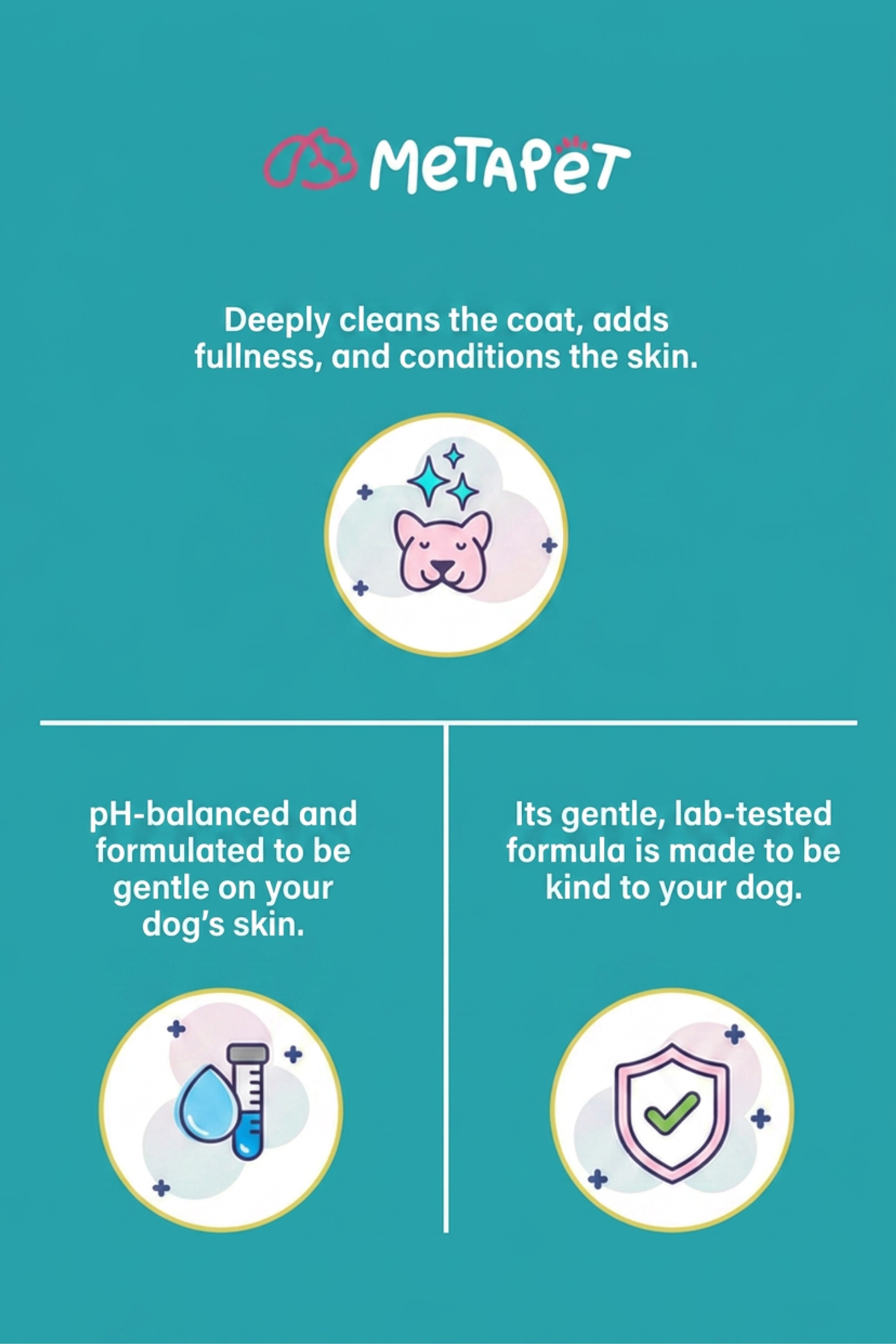
Some owners also ask about probiotics as part of a general digestive-support routine. MetaPet offers lab tested for safety probiotic drops for both dogs and cats, made with selected probiotics and natural enzymes and designed to support gut health and comfortable digestion as part of an everyday routine. If you are considering a probiotic, think of it only as a possible complement to your veterinarian's plan — not as a treatment for IBD or any disease, and never as a replacement for veterinary diagnosis, prescribed medication, dietary therapy, or parasite prevention. Always check with your veterinarian before adding any supplement, so it fits safely alongside your pet's overall care, especially if your pet is on a diet trial or medication.
Living With a Pet That Has IBD
Day-to-day life with an IBD pet becomes much smoother with structure and observation:
- Keep a symptom journal: Note appetite, vomiting, stool quality, weight, and any diet changes to spot patterns and track progress.
- Be consistent: Feed the prescribed diet on a regular schedule and resist the urge to offer off-plan extras.
- Reduce stress: Stable routines and a calm environment can help, since stress may influence flare-ups.
- Monitor weight: Regular weigh-ins help catch trouble early.
- Keep rechecks: Ongoing veterinary monitoring keeps the plan working as your pet's needs change.
Flare-ups can still happen even with good management. When they do, contact your veterinarian rather than improvising, and bring your journal so adjustments can be made based on real information.
When to Contact Your Veterinarian
Reach out promptly if your pet shows persistent vomiting or diarrhea, blood in vomit or stool, ongoing weight loss, marked lethargy, refusal to eat, signs of pain, or dehydration. These can indicate a flare that needs attention or another problem entirely. Sudden, severe signs — repeated vomiting, collapse, a painful or bloated abdomen, or an inability to keep water down — should be treated as urgent and warrant immediate veterinary care. When in doubt, it is always safer to call.
Myths and Facts
Myth: Occasional vomiting in cats is always normal. Fact: Frequent or recurring vomiting is not normal and can be an early sign of conditions like IBD that deserve a veterinary check.
Myth: A single diet change will cure IBD. Fact: Diet is important and sometimes central, but IBD is a chronic condition usually managed with an individualized, evolving plan.
Myth: Probiotics can treat IBD on their own. Fact: Probiotics may support general digestive health as part of a routine, but they are not a treatment for IBD and do not replace veterinary care.
Myth: If my pet looks fine between flares, no follow-up is needed. Fact: Ongoing monitoring helps keep IBD controlled and catches changes early, even when your pet seems well.
Frequently Asked Questions
Can IBD be cured?
IBD is generally managed rather than cured. With the right diagnosis and an individualized plan, many pets achieve good, lasting control and a comfortable life.
Is IBD the same as a food allergy?
They are different, though they can overlap and both involve the gut. Food-responsive disease and IBD can look similar, which is part of why veterinary diagnosis and sometimes a diet trial are important.
Will my pet need a special diet forever?
Often, long-term dietary management is part of the plan, but specifics vary by pet. Your veterinarian will advise on what to feed and for how long.
Are probiotics safe for my pet?
Many pets tolerate probiotics well as part of a general routine, but you should check with your veterinarian first, especially during a diet trial or while on medication, to ensure it fits your pet's plan.
The Bottom Line
Inflammatory bowel disease is a chronic inflammation of the digestive tract that affects both dogs and cats, producing recurring vomiting, diarrhea, appetite changes, and weight loss. Because these signs overlap with many other conditions, diagnosis is a careful process of ruling out other causes and, often, examining tissue samples — and patience during that process leads to a far more effective long-term plan. In cats especially, recurring vomiting should not be brushed off as normal.
Management is a long-term partnership with your veterinarian, usually centered on an individualized diet and, when needed, medication to control inflammation, with regular rechecks to keep the plan on track. At home, consistency, a symptom journal, stress reduction, and careful feeding make a real difference. General digestive-support measures, including probiotics such as MetaPet's probiotic drops for dogs and cats, can be considered as an optional complement to that routine — never as a treatment for IBD and never as a substitute for veterinary diagnosis, prescribed care, or parasite prevention. With an accurate diagnosis and steady, well-monitored management, many pets with IBD live comfortable, happy lives.

















































































%20in%20Dogs%20and%20Cats)