Managing Shedding and Coat Health in Dogs and Cats

Shedding is a normal, healthy part of life for most dogs and cats, but it is also one of the most common frustrations owners mention. Loose fur on the sofa, tumbleweeds across the floor, and a coat that never quite looks its best can all leave owners wondering whether something is wrong. Most of the time the answer is simple biology, and a sensible routine can make a real difference.
Important: This article is general educational information and is not a substitute for an in-person veterinary examination, diagnosis, or treatment. Always consult your own veterinarian about your pet, and for any medical emergency contact your veterinarian or a local emergency animal hospital right away.
This guide explains why pets shed, how to tell ordinary shedding from a sign worth checking with your veterinarian, and how grooming, nutrition, and gentle coat-care products fit into a healthy routine. Any product mentioned is a complement to good care, never a replacement for veterinary attention when a coat or skin problem appears.
Why Dogs and Cats Shed
Shedding is the natural process of old or damaged hairs falling out so new ones can grow. Hair grows in cycles, and at any given time a pet's coat contains hairs at different stages. When a hair reaches the end of its cycle, it is released, which is why some loose fur is completely normal and even a sign of a healthy, renewing coat.
The amount a pet sheds depends on many factors, including breed, coat type, the season, daylight changes, overall health, and indoor living. Double-coated breeds famously shed heavily during seasonal coat changes, while some breeds shed very little year-round. Knowing what is typical for your particular pet is the first step to managing it sensibly.
Indoor pets, exposed to artificial light and steady temperatures, sometimes shed more evenly throughout the year rather than in dramatic seasonal bursts. None of this is a problem in itself; it is simply how coats work, and it sets the stage for a grooming routine that keeps loose fur under control.
Normal Shedding vs. a Warning Sign
While shedding itself is normal, certain changes in the coat or skin can signal an underlying issue that deserves a veterinary visit. The distinction matters: routine shedding calls for grooming, but the signs below call for professional assessment rather than a new brush.
- Bald patches: Areas of hair loss, thinning, or symmetric balding rather than even shedding.
- Itching: Persistent scratching, licking, or biting at the skin.
- Skin changes: Redness, scabs, flaking, odor, or sores.
- Dull, brittle coat: A coat that looks poor despite good grooming and diet.
- Sudden change: A noticeable, unexplained increase in shedding or a change in coat texture.
When to check with your vet: hair loss with itching, skin changes, or a sudden change in coat quality can reflect allergies, parasites, hormonal conditions, stress, or nutritional issues. These need a veterinary diagnosis rather than home guesswork.
The Power of Regular Brushing
Brushing is the single most effective everyday tool for managing shedding. It removes loose hair before it lands on your floors, distributes the skin's natural oils through the coat, prevents mats and tangles, and gives you a regular chance to check the skin for any changes. For many pets, consistent brushing transforms the shedding experience.
- Match the tool to the coat: Use a brush or comb suited to your pet's coat type; ask a groomer or your vet for guidance.
- Brush often: Frequent, shorter sessions usually beat occasional marathon ones, especially for long coats.
- Be gentle: Work through tangles patiently and never tug at mats, which is uncomfortable for your pet.
- Make it positive: Pair brushing with calm praise so your pet learns to enjoy it.
- Check as you go: Use the time to inspect skin, ears, and paws for anything unusual.
For pets prone to tangles, a detangling aid can make brushing more comfortable and effective. MetaPet's No More Knots Detangling & Easy-Combing Spray is described as helping loosen knots and make brushing easier and more comfortable, which can be a handy addition to a regular grooming session for cats and dogs alike.
Bathing and Coat Cleanliness
A clean coat sheds and mats less, and regular, appropriate cleaning is part of good coat care. How often to bathe depends on your pet, their coat, and their lifestyle, so follow your veterinarian's or groomer's guidance rather than overdoing it, since over-bathing can dry the skin.
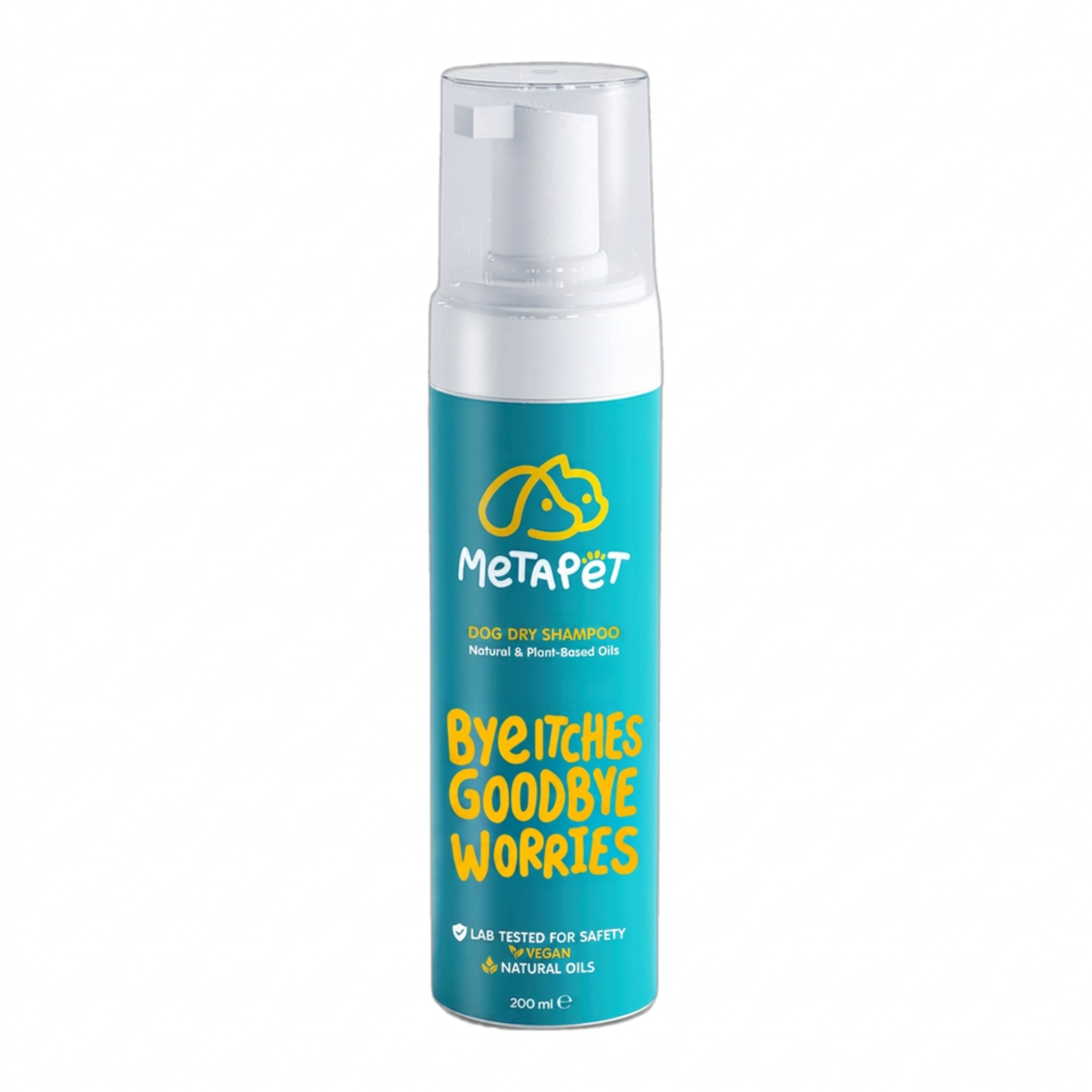
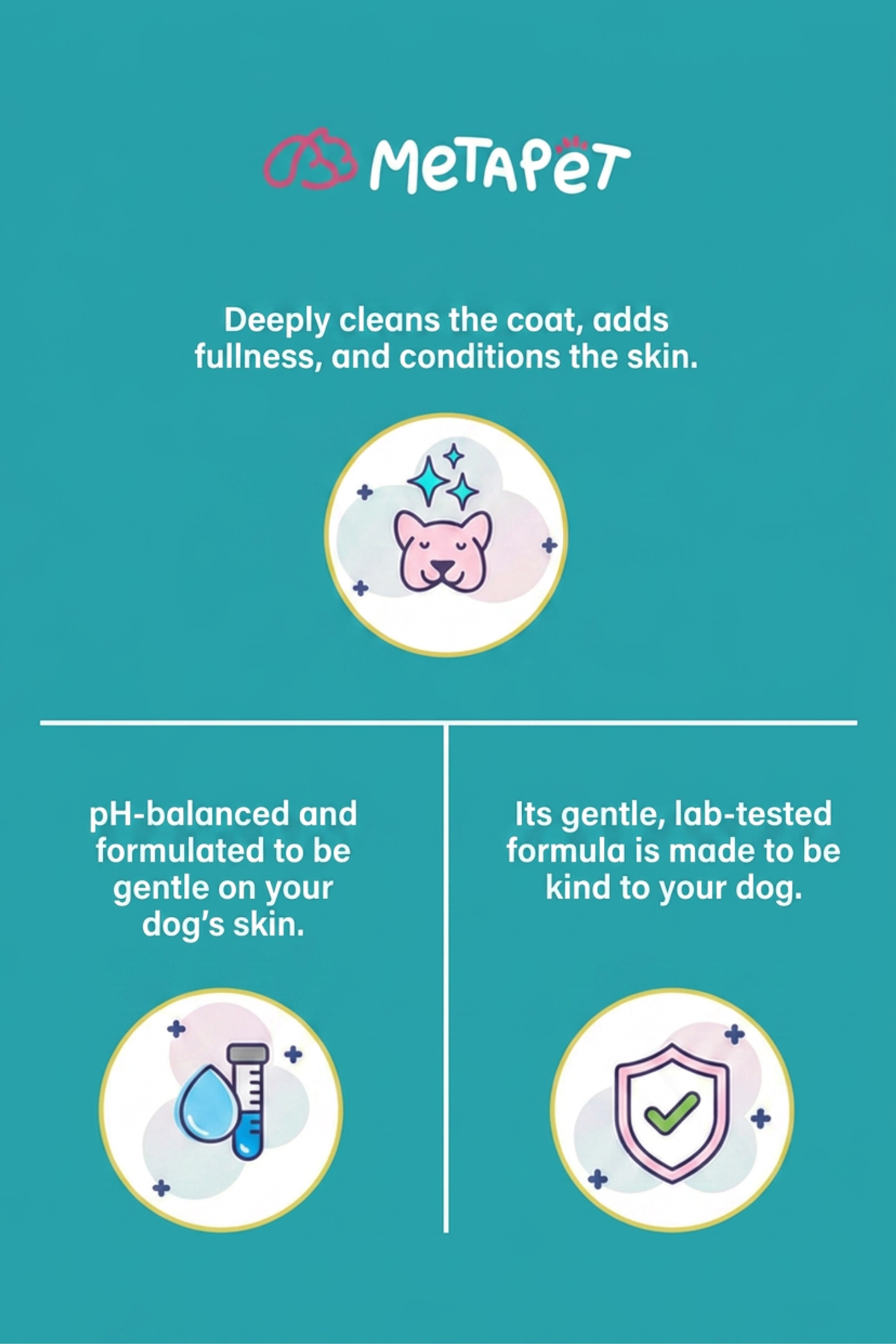
Between full baths, gentle waterless options can help keep the coat fresh and manageable, which is especially useful for cats and for dogs who dislike water. MetaPet's anti-shedding dry foam shampoos, the OMGG! Fur-ever Shiny for Dogs and the matching OMGG! Fur-ever Shiny for Cats, are described as no-rinse foams enriched with Vitamin E and argan oil to leave the coat soft, shiny, and easy to comb. Like all grooming products, they are part of a coat-care routine and are not a treatment for any skin condition.
Nutrition and the Coat
A pet's coat is a visible reflection of overall nutrition. A complete, balanced diet appropriate to your pet's species and life stage provides the protein and nutrients that healthy hair is built from. If a coat looks consistently poor despite good grooming, diet and underlying health are worth discussing with your veterinarian.
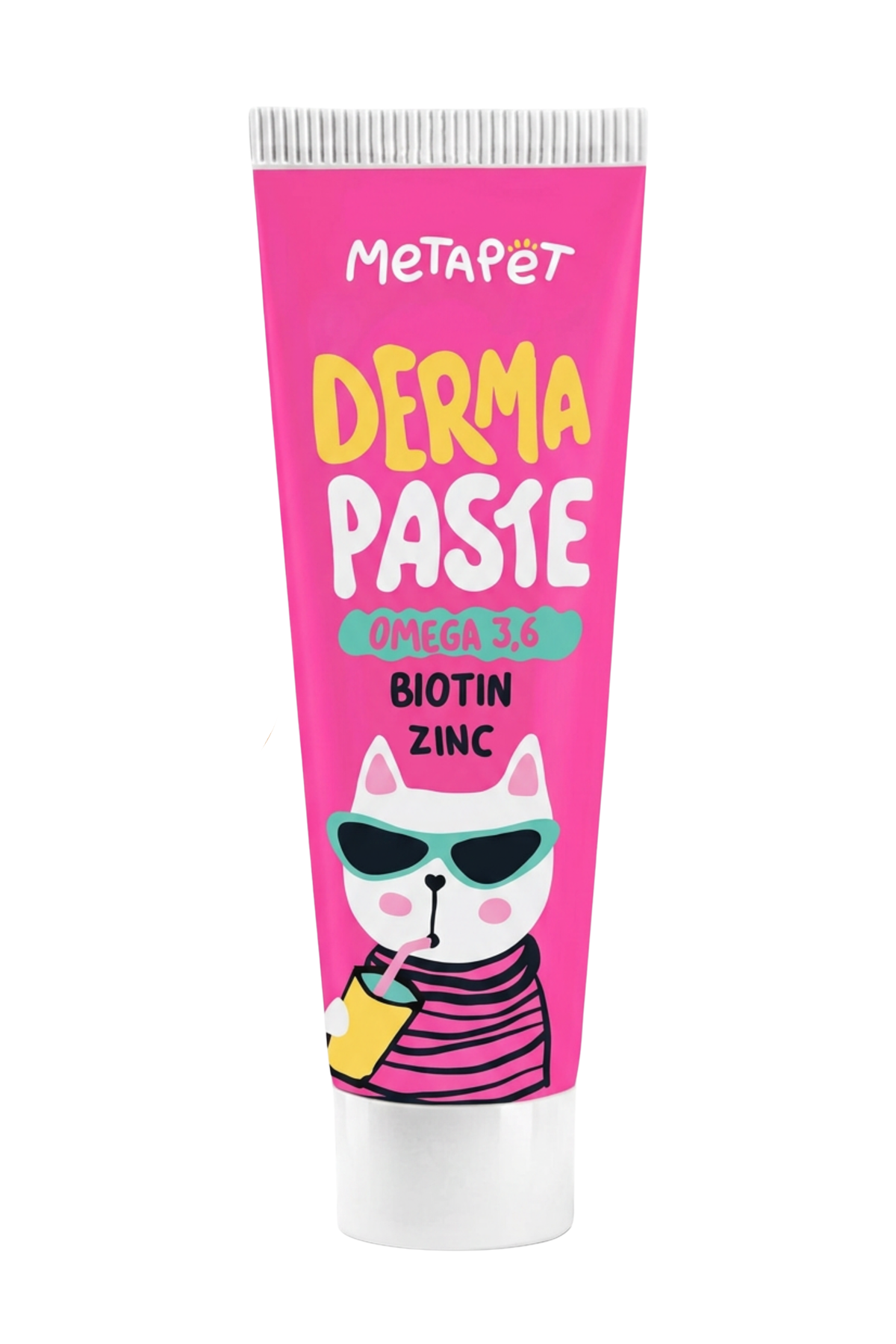
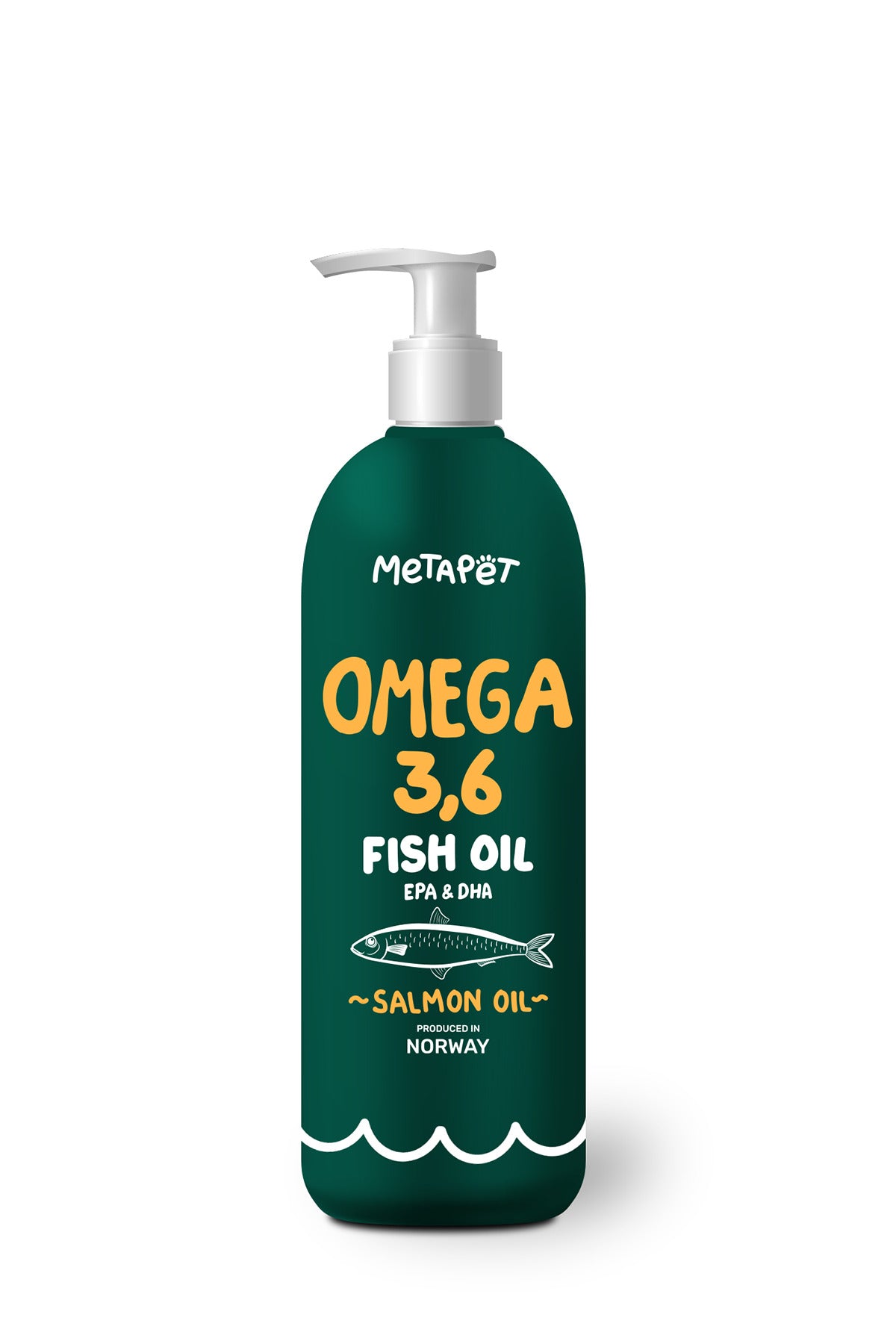
Some owners include omega-rich or skin-and-coat supplements as part of a daily routine to support coat condition. MetaPet options such as Omega Salmon Oil and the Wow Beauty Drops for dogs, with matching versions for cats, are described as supporting healthy-looking skin and coat. These are optional complements to a balanced diet and good care; they do not treat, cure, or prevent skin disease, and any persistent skin or coat problem should be seen by your veterinarian.
Knowing Your Pet's Coat Type
Different coats shed and need grooming in different ways, so part of managing shedding is simply understanding the coat you are working with. Tailoring your routine to your pet's coat type makes every brushing session more effective and more comfortable.
- Double coats: A soft undercoat beneath coarser guard hairs; these breeds shed heavily in seasonal bursts and benefit from frequent undercoat grooming.
- Long coats: Beautiful but prone to mats and tangles; they need regular, gentle brushing to stay comfortable.
- Short coats: Lower maintenance but still shedding steadily; a quick regular brush keeps loose hair down.
- Curly or wiry coats: Often shed less visibly but can still mat, and may need specific grooming techniques.
- Fine or sensitive coats: Call for soft tools and a gentle touch to avoid irritating the skin.
If you are unsure which category your pet falls into or how best to care for it, a professional groomer or your veterinarian can point you to the right tools and frequency. Matching the routine to the coat is one of those small adjustments that pays off every single week.
Managing Seasonal Shedding
Many double-coated dogs and some cats go through heavier shedding periods as their coats change with the seasons. These bursts can be dramatic but are usually normal. The strategy is simply to increase grooming during these times to stay ahead of the loose fur.
- Brush more often: Step up brushing frequency during seasonal coat changes.
- Stay consistent: Daily short sessions prevent a backlog of loose undercoat.
- Keep the home tidy: Regular vacuuming and washable covers make heavy-shed weeks easier.
- Do not shave double coats: Avoid shaving double-coated breeds without veterinary advice, as it can affect the coat.
- Support hydration and diet: Fresh water and good nutrition help the skin and coat through the change.
If a seasonal shed seems far beyond your pet's normal, or comes with itching or skin changes, it is worth a veterinary check to rule out an underlying cause. Otherwise, a little extra grooming and patience usually see you through.
Keeping Your Home Manageable
Managing shedding is partly about the pet and partly about the home. A few practical habits keep loose fur from taking over without any impact on your pet's comfort, and they make living with a shedding companion far more pleasant.
Washable throws on favorite resting spots, a good vacuum, lint rollers by the door, and regular grooming sessions outdoors or in an easy-to-clean room all help. For accidental marks or odors on washable surfaces, a pet-safe cleaner used as directed can be handy. The aim is a tidy home and a comfortable, well-groomed pet, not a battle against normal biology.
Myths and Facts
"Shaving my pet will stop the shedding"
Fact: shaving does not stop shedding and can harm certain coats, especially double coats. Regular brushing is the better approach.
"A supplement alone will fix a bad coat"
Fact: supplements may support a coat, but a consistently poor coat often signals a diet or health issue your veterinarian should assess.
"All shedding is the same"
Fact: even shedding is normal, but patchy hair loss with itching or skin changes is different and warrants a veterinary visit.
When to Contact Your Veterinarian
Reach out to your veterinarian if shedding comes with bald patches, persistent itching, redness, scabs, odor, sores, or a coat that stays dull despite good care. These signs suggest something beyond normal shedding that needs professional assessment.
A sudden, dramatic change in coat or skin, or any sign your pet is uncomfortable, also warrants a call. Your veterinarian can identify whether allergies, parasites, a hormonal condition, or another cause is at play, and guide appropriate care.
The Bottom Line
For most dogs and cats, shedding is a normal, healthy process that responds well to a simple, consistent routine: regular brushing matched to the coat, appropriate bathing, good nutrition, and a little extra effort during seasonal changes. Gentle coat-care products can make that routine easier and more pleasant.
Keep an eye out for the signs that shedding has tipped into something that needs veterinary attention, and lean on your veterinarian whenever the skin or coat looks off. With that balance of good habits and informed watchfulness, you can enjoy a healthy-coated, comfortable pet, and a much tidier home.