Cushing's Disease in Dogs: Signs, Causes, and Management
Cushing's disease, known medically as hyperadrenocorticism, is a hormonal condition that most often affects middle-aged and older dogs. Its signs can come on so gradually that owners may mistake them for normal aging, yet recognizing the pattern early can make a meaningful difference in a dog's comfort and quality of life. Because the condition involves a hormone that touches nearly every system in the body, its effects can be wide-ranging.
This guide explains what Cushing's disease is, the role of the hormone cortisol, the signs to watch for, how veterinarians diagnose it, and what long-term management typically involves. While a diagnosis can sound daunting, many dogs with Cushing's disease live comfortable lives with appropriate veterinary care and monitoring.
Important: This article provides general educational information and is not a substitute for an in-person veterinary examination. Cushing's disease requires professional diagnosis and ongoing management, so please work closely with your veterinarian. Contact your veterinarian if your dog shows concerning or worsening signs.
What Is Cushing's Disease?
Cushing's disease is a condition in which a dog's body is exposed to too much cortisol, a hormone produced by the adrenal glands. Over time, this excess affects many parts of the body, producing the cluster of signs that characterize the disease. It develops gradually, which is part of why it can be easy to overlook in its early stages.
The condition is most common in older dogs, and because several of its signs, such as drinking more or slowing down, can resemble ordinary aging, it sometimes goes unrecognized for a while. Understanding that these changes are not always just age can prompt the timely veterinary visit that leads to diagnosis and effective management.
The Role of Cortisol
Cortisol is a natural and necessary hormone. In normal amounts, it helps the body respond to stress, regulate metabolism, manage inflammation, and maintain a range of essential functions. The body carefully controls how much cortisol is produced through a feedback system involving the brain and the adrenal glands.
In Cushing's disease, that careful control is disrupted, and the body is exposed to persistently high levels of cortisol. Because cortisol influences so many systems, chronic excess can affect the skin, coat, muscles, appetite, thirst, and more. This is why the disease produces such a recognizable combination of signs and why managing cortisol levels is central to treatment.
Types and Causes
Cushing's disease can arise in more than one way, and the underlying cause influences the approach to management. The two naturally occurring forms relate to where the problem originates:
- Pituitary-dependent: The most common form, involving the small gland at the base of the brain that signals the adrenal glands.
- Adrenal-dependent: Involving the adrenal glands themselves.
There is also a form that can result from long-term use of certain medications, which your veterinarian will consider as part of the overall picture. Determining which form a dog has is an important part of the diagnostic process, because it guides the most appropriate management strategy. Your veterinarian will explain what applies to your individual dog.
Recognizing the Signs
The signs of Cushing's disease tend to develop slowly and may include several of the following:
- Increased thirst and urination, often one of the earliest noticeable changes.
- Increased appetite and food-seeking behavior.
- A pot-bellied appearance as the abdomen becomes more rounded.
- Hair thinning or loss and changes in the skin and coat.
- Increased panting and reduced energy or stamina.
- Muscle weakness over time.
No single sign confirms Cushing's disease, and these changes can have other causes, but a combination of them, especially in an older dog, is a strong reason to consult your veterinarian for evaluation.
Which Dogs Are at Higher Risk
Cushing's disease is primarily a condition of middle-aged and senior dogs, so age is the most significant risk factor. Any dog can be affected, but it is seen across many breeds, and smaller dogs are among those commonly diagnosed. Because the condition becomes more likely with age, awareness is especially valuable for owners of older dogs.
Knowing your dog's risk profile is not about worry but about attentiveness. If you have an older dog who starts drinking noticeably more, eating ravenously, or developing a rounder belly and thinning coat, those changes are worth mentioning at your next veterinary visit, or sooner if they are pronounced. Early conversations lead to earlier answers.
How Veterinarians Diagnose Cushing's Disease
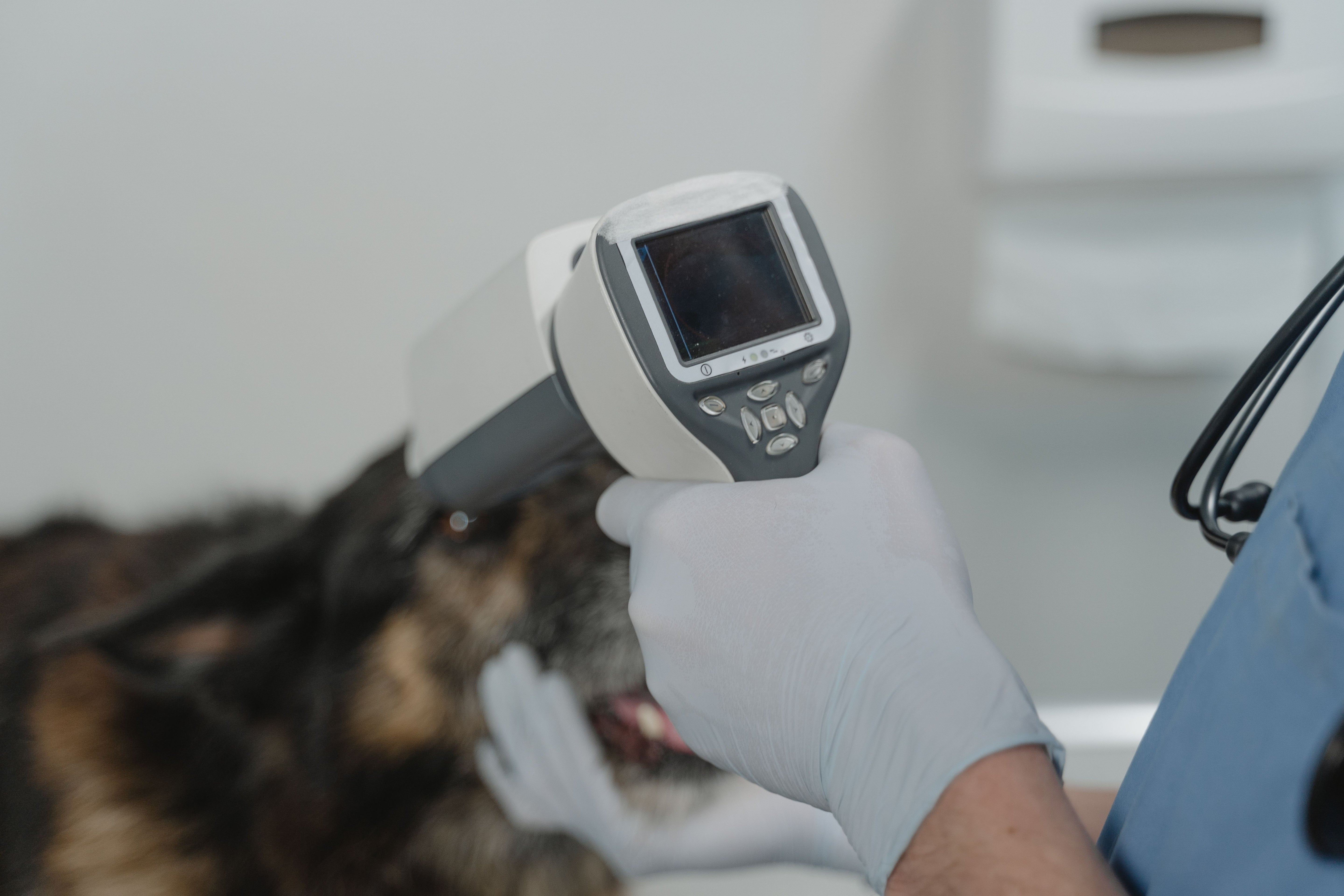
Diagnosing Cushing's disease can take some detective work, because no single test gives a simple yes-or-no answer in every case, and the signs overlap with other conditions. Your veterinarian will begin with a thorough history and physical examination, paying close attention to the pattern of changes you have observed.
From there, the veterinary team may use a combination of tests to assess how the body is regulating cortisol and to determine which form of the disease is present. This stepwise approach helps ensure an accurate diagnosis and rules out other conditions that can look similar. Because the process can involve more than one visit, patience is sometimes part of getting to a clear answer.
Management and Treatment
Treatment for Cushing's disease is always directed by your veterinarian and depends on the form of the disease and your dog's overall health. The general goal is to bring cortisol levels back toward a normal range so that the troublesome signs improve and your dog feels more comfortable. Many dogs respond well, with reduced thirst, calmer appetite, and improvements in coat and energy over time.
Management is typically an ongoing process rather than a one-time fix, and it requires regular monitoring to keep things balanced. It is essential to follow your veterinarian's instructions precisely and to attend all recommended follow-up visits, since careful oversight is what makes long-term management both safe and effective. Never adjust care on your own without veterinary guidance.
Living with a Dog with Cushing's Disease
With appropriate management, many dogs with Cushing's disease continue to enjoy a good quality of life. At home, your role centers on consistency and observation. Provide a steady routine, ensure constant access to fresh water given the increased thirst, and keep an eye on your dog's drinking, appetite, energy, coat, and general wellbeing.
Keeping simple notes about how your dog is doing between visits can be genuinely useful to your veterinarian, helping them fine-tune management. Maintaining good general care, including a balanced diet, gentle appropriate exercise, and routine wellness, supports your dog's overall health. Most importantly, stay in close communication with your veterinary team and report any new or worsening changes.
The Importance of Monitoring and Follow-Up
Ongoing monitoring is one of the defining features of managing Cushing's disease well. Because the goal is to keep cortisol within a healthy range, periodic rechecks allow your veterinarian to confirm that management is working as intended and to make any needed adjustments. Skipping these follow-ups can allow the balance to drift, undermining the benefits of treatment.
Think of follow-up care as an essential part of the treatment itself rather than an optional extra. Your attentiveness at home, combined with your veterinarian's regular assessments, forms a partnership that keeps your dog comfortable and stable over the long term. This collaborative, consistent approach is the key to success with this condition.
Myth Versus Fact
Myth: Drinking and sleeping more is just normal old age. Fact: These can be signs of treatable conditions like Cushing's disease, so they are worth a veterinary check.
Myth: A single test always confirms Cushing's instantly. Fact: Diagnosis often involves several steps to be accurate.
Myth: Once treatment starts, no further visits are needed. Fact: Ongoing monitoring is essential to keep management safe and effective.
Frequently Asked Questions
Is Cushing's disease common in older dogs?
It is most often seen in middle-aged and senior dogs. Its signs can resemble aging, so awareness helps owners seek evaluation when appropriate.
Can my dog live a normal life with Cushing's disease?
Many dogs do well with appropriate veterinary management and monitoring. Your veterinarian can discuss what to expect for your individual dog.
Why does my dog suddenly drink so much water?
Increased thirst has several possible causes, including Cushing's disease. Always provide fresh water and have the change evaluated by your veterinarian.
When to See Your Veterinarian
Make an appointment if your dog develops increased thirst and urination, a bigger appetite, a pot-bellied look, thinning coat, increased panting, or reduced energy, particularly if several appear together in an older dog. Because these signs overlap with other conditions, a veterinary evaluation is the right next step, and earlier is generally better.
A diagnosis of Cushing's disease may feel overwhelming at first, but it is a manageable condition for many dogs. With accurate diagnosis, consistent veterinary management, attentive home care, and regular follow-up, you can help your dog feel more comfortable and continue to enjoy a happy, good-quality life by your side.