Constipation in Cats and Dogs: Causes, Relief, and Care
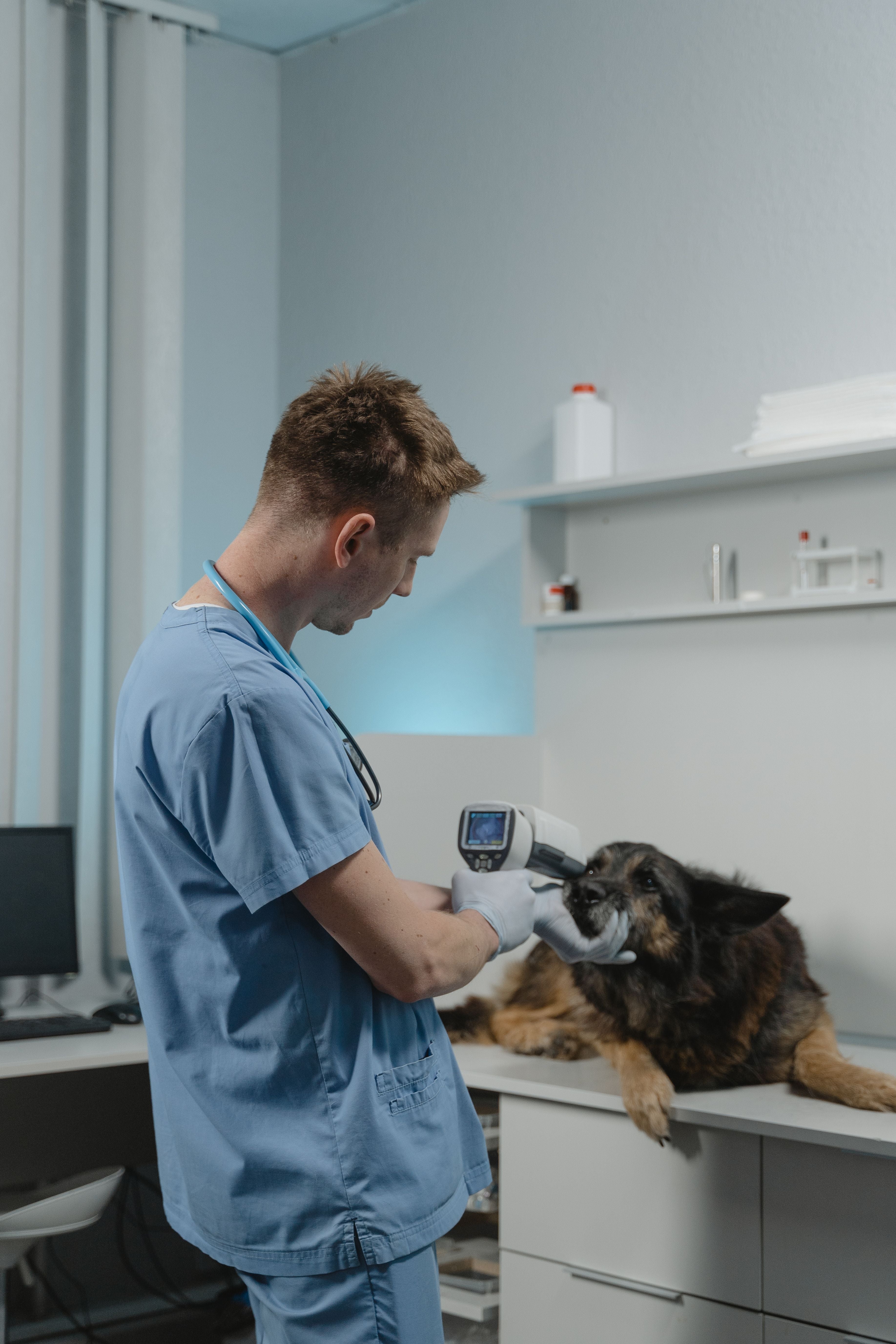
Constipation is a common but often overlooked problem in both dogs and cats. While an occasional irregular bowel movement is usually nothing to worry about, ongoing difficulty passing stool can be uncomfortable and, in some cases, a sign of a more significant issue. Knowing what is normal, what is not, and how to support healthy digestion can help you keep your pet comfortable and catch problems before they become serious.
This guide explains why constipation happens, how to recognize it in dogs and cats, the supportive steps that promote regularity, and the warning signs that mean it is time to involve your veterinarian. As always, your veterinary team is the best resource for diagnosing the cause and recommending care suited to your individual pet.
Important: This article provides general educational information and is not a substitute for an in-person veterinary examination. Straining can have several causes and is sometimes an emergency, so if your pet is straining without producing stool or seems distressed, contact your veterinarian promptly.
What Constipation Looks Like in Pets
Constipation means infrequent, difficult, or painful passage of stool, often resulting in dry, hard feces. Every pet has its own normal rhythm, so the key is recognizing changes from your pet's usual pattern. A dog that normally goes once or twice a day, or a cat that reliably uses the litter box, may be constipated if that routine slows or stops and the pet appears to strain.
It is worth distinguishing constipation from a more urgent problem: a pet that strains repeatedly without producing anything could be constipated, but the same behavior can also signal a urinary blockage, which is a true emergency, especially in male cats. Because the signs overlap, never assume straining is just constipation without considering that other, serious possibility.
Common Causes and Risk Factors
A range of factors can contribute to constipation in pets. Common ones include:
- Dehydration: Not drinking enough water leads to drier, harder stool.
- Low activity: Movement helps stimulate normal gut function, so sedentary pets may be more prone.
- Diet and fiber: Too little or unbalanced fiber can affect stool consistency.
- Hairballs: In cats, swallowed hair can contribute to digestive sluggishness.
- Ingested material: Bones, litter, or foreign objects can cause blockages or hard stool.
- Underlying conditions: Various health issues, pain, or certain medications can play a role, particularly in older pets.
Because so many factors can be involved, persistent or recurring constipation always deserves a veterinary evaluation to identify and address the real cause.
Recognizing the Signs
Pets cannot tell us they are uncomfortable, so watch for these common signs of constipation:
- Straining in the litter box or outdoors with little or no result.
- Hard, dry stools or very small amounts of feces.
- Fewer bowel movements than usual over a day or more.
- Discomfort, such as crying out, a hunched posture, or reluctance to use the litter box.
- Reduced appetite or lethargy if the problem persists.
For cats especially, frequent trips to the litter box with little produced is a sign worth taking seriously and discussing with your veterinarian, particularly if your cat seems uncomfortable.
Why Hydration Matters So Much
Water is one of the most important factors in healthy digestion. When a pet is even mildly dehydrated, the body draws extra moisture from the contents of the intestine, leaving stool drier and harder to pass. Encouraging good water intake is therefore one of the simplest and most effective ways to support regularity.
You can encourage drinking by keeping fresh water available in several spots, cleaning bowls regularly, and, for some cats, offering a pet water fountain, since many cats prefer moving water. Incorporating moisture-rich food into the diet, when appropriate and approved by your veterinarian, can also help. Small, consistent habits around hydration often make a noticeable difference over time.
Diet, Fiber, and Digestive Support
Diet plays a central role in stool consistency. The right amount and type of fiber, as part of a balanced diet, helps support regular, comfortable bowel movements, though the ideal approach varies from pet to pet. Rather than experimenting on your own, ask your veterinarian about dietary choices that suit your pet's needs, since both too little and too much fiber can cause problems.
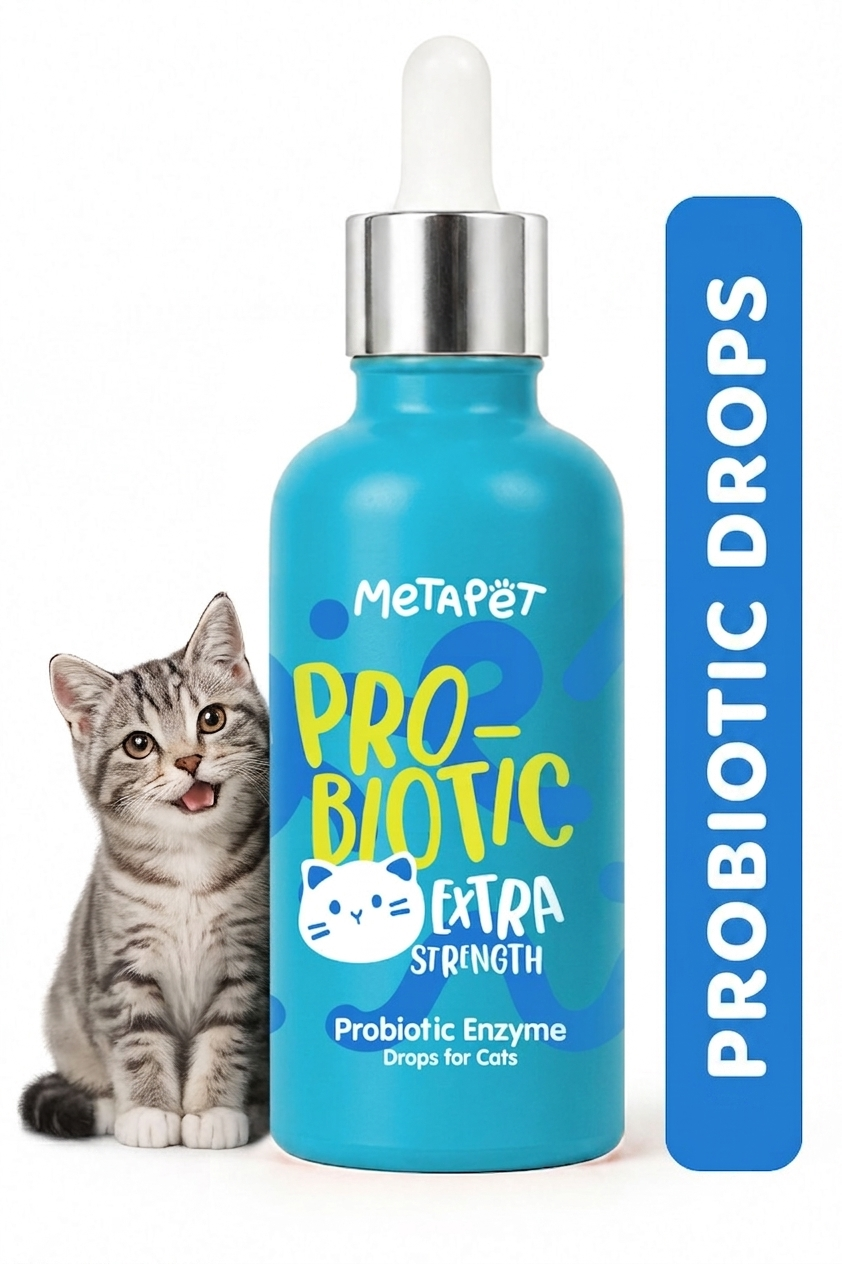
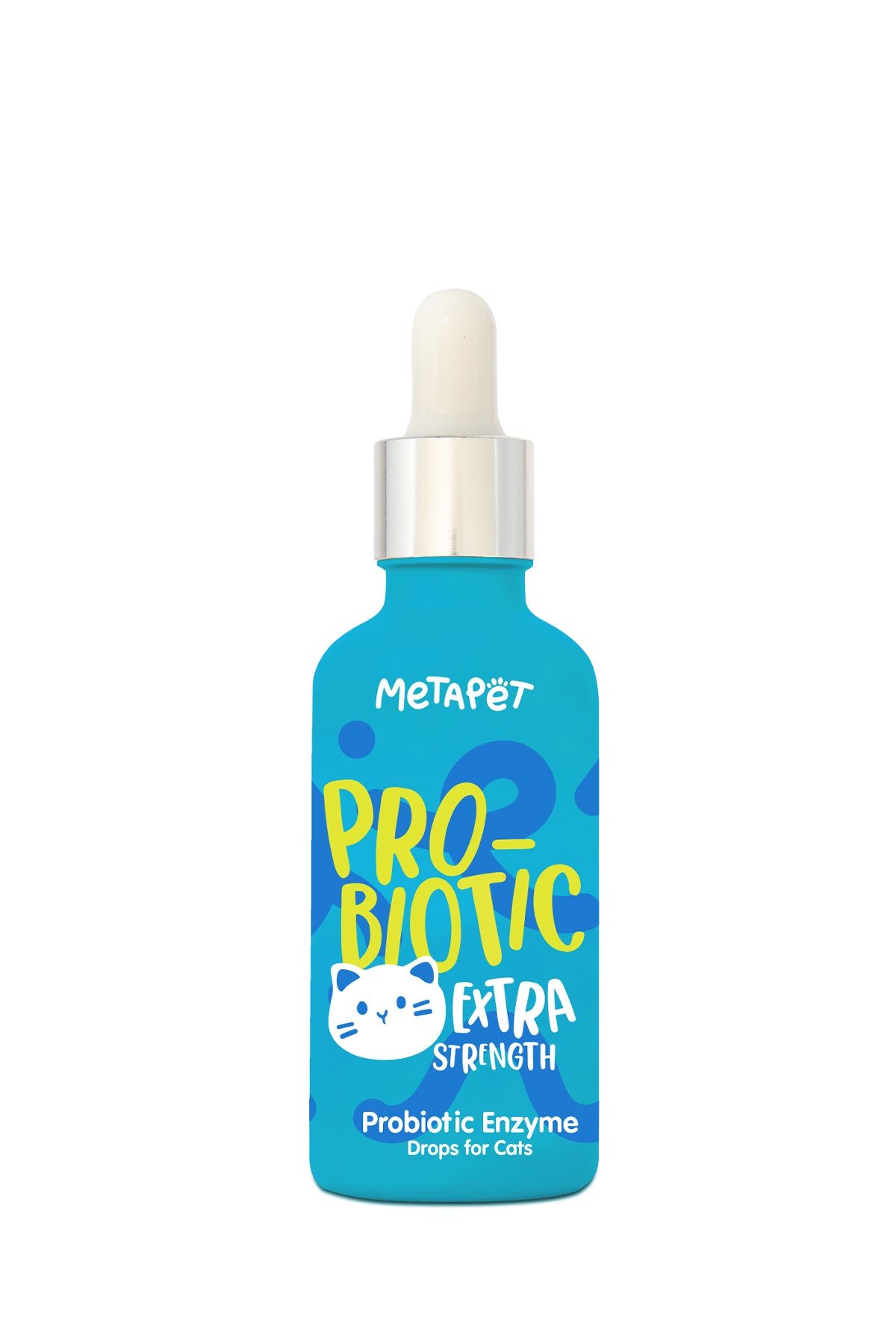
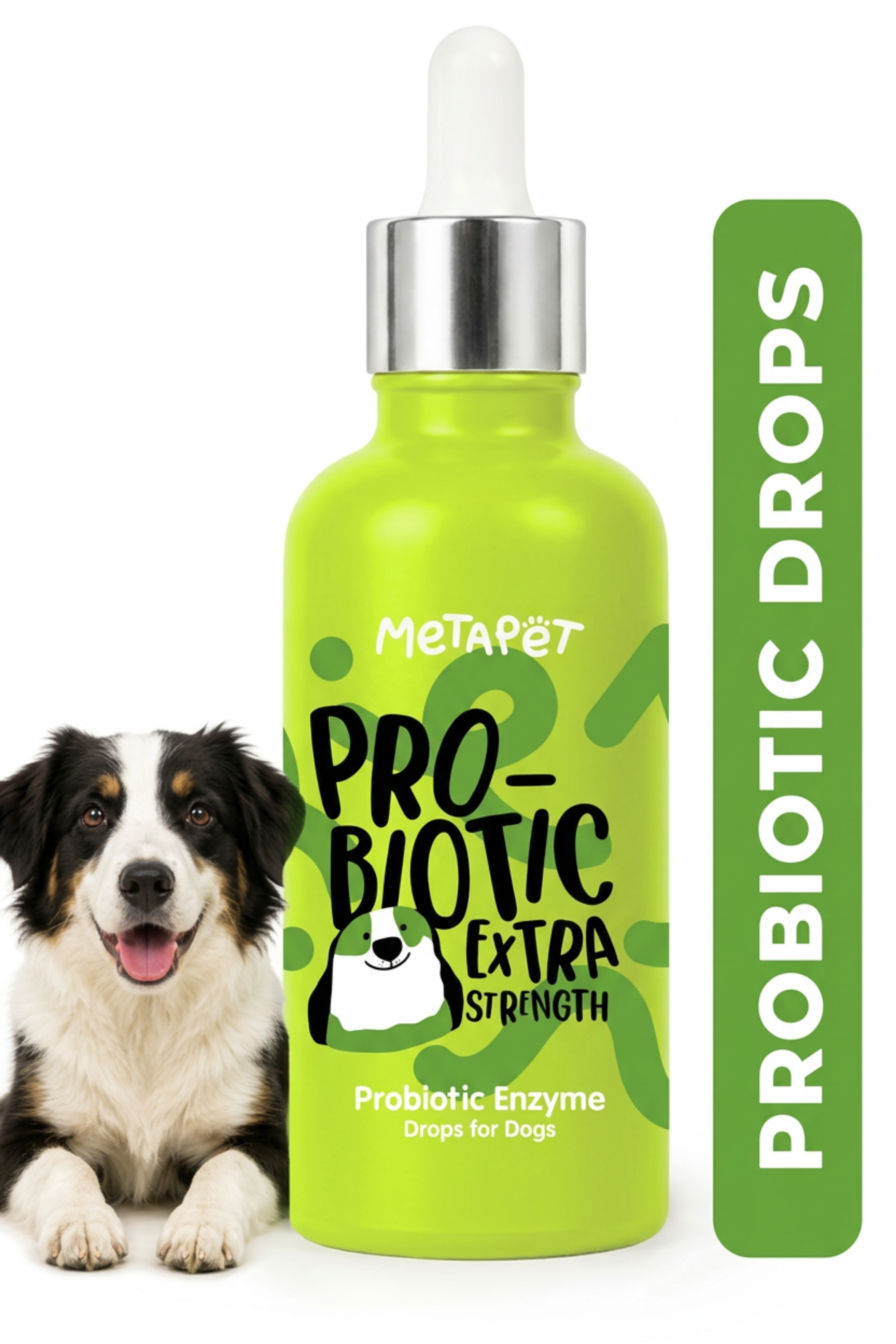
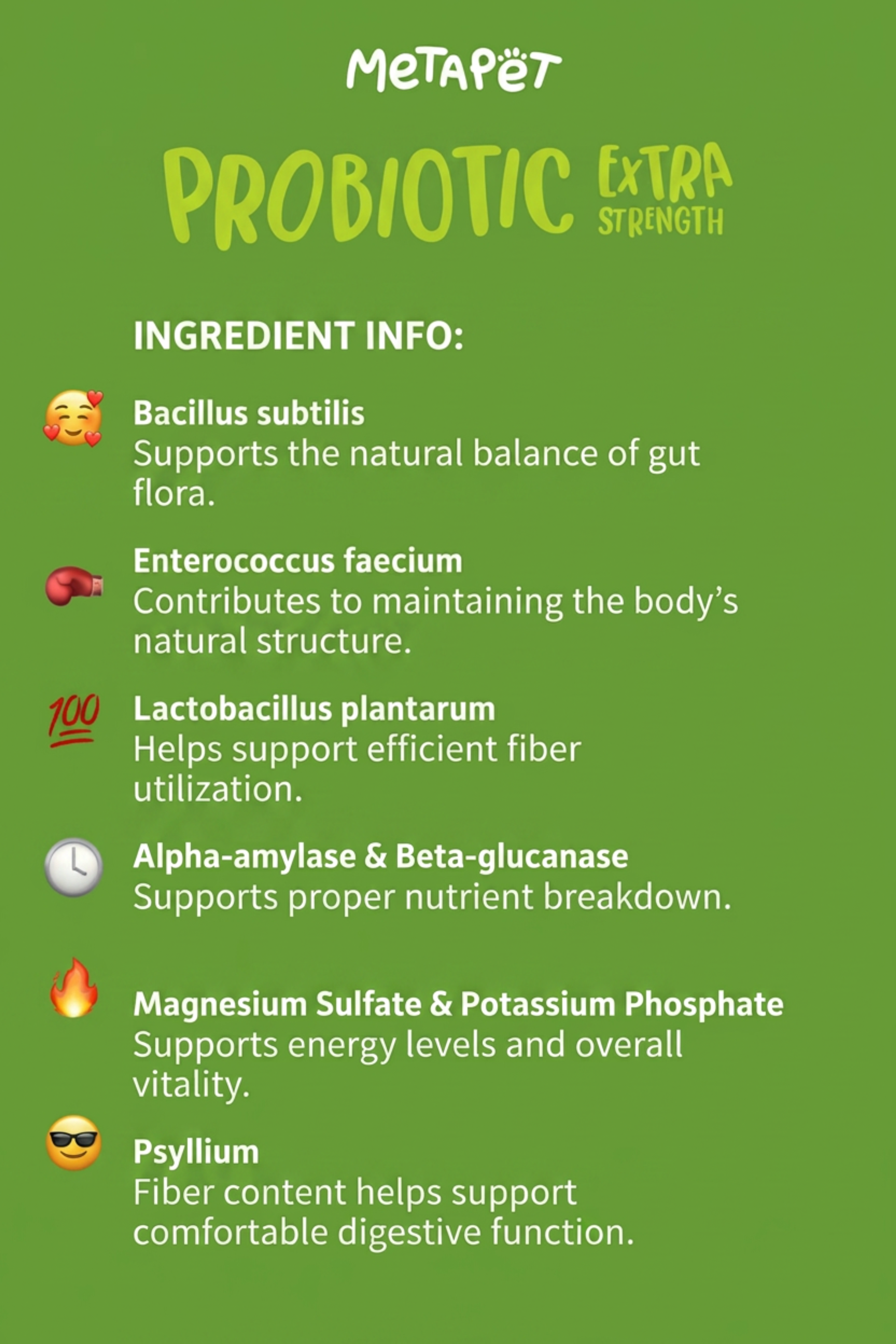
Some owners also like to support everyday digestive comfort with a probiotic as a complement to, not a substitute for, good diet and veterinary care. For instance, MetaPet's Probiotic Drops for Dogs and Probiotic Drops for Cats are made with selected probiotics and natural enzymes and are described as supporting gut health and comfortable digestion. If you are considering a supplement, especially for a pet that is currently constipated or unwell, talk with your veterinarian first so it fits sensibly into an overall plan and does not delay needed care.
Exercise and Daily Routine
Physical activity helps keep the digestive system moving, so regular, appropriate exercise supports healthy bowel function. For dogs, consistent daily walks do double duty by providing both movement and regular opportunities to relieve themselves. For cats, interactive play encourages activity that benefits the whole body, including digestion.
A predictable routine also helps. Pets often thrive on consistency, and regular feeding, walking, and litter-box access support a steady digestive rhythm. For cats, keeping litter boxes clean and accessible is especially important, since a cat that avoids a dirty or hard-to-reach box may hold stool longer than is comfortable, contributing to the problem.
How Veterinarians Approach Constipation
If constipation is persistent or your pet seems uncomfortable, your veterinarian will work to find out why. They will take a history, asking about diet, water intake, litter habits, activity, and any other changes, and perform a physical examination. Depending on what they find, they may recommend additional steps to understand the cause and rule out more serious problems.
Treatment is always guided by your veterinarian and depends entirely on the underlying cause and severity. It is important never to give human laxatives or home remedies without veterinary direction, as some can be harmful to pets or can worsen the situation. With professional guidance, most cases of simple constipation can be managed effectively, and any underlying issues can be addressed.
Special Considerations for Cats
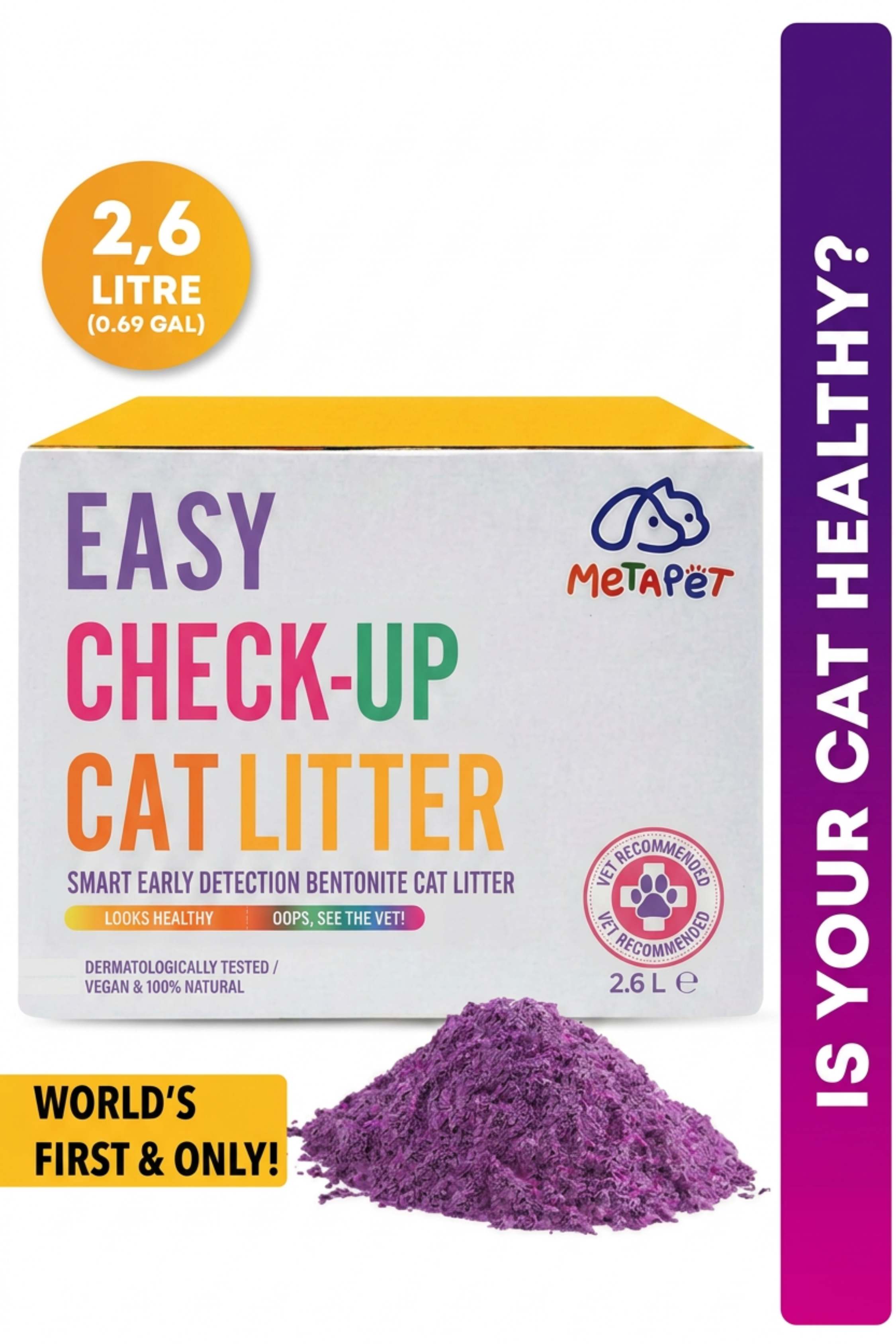
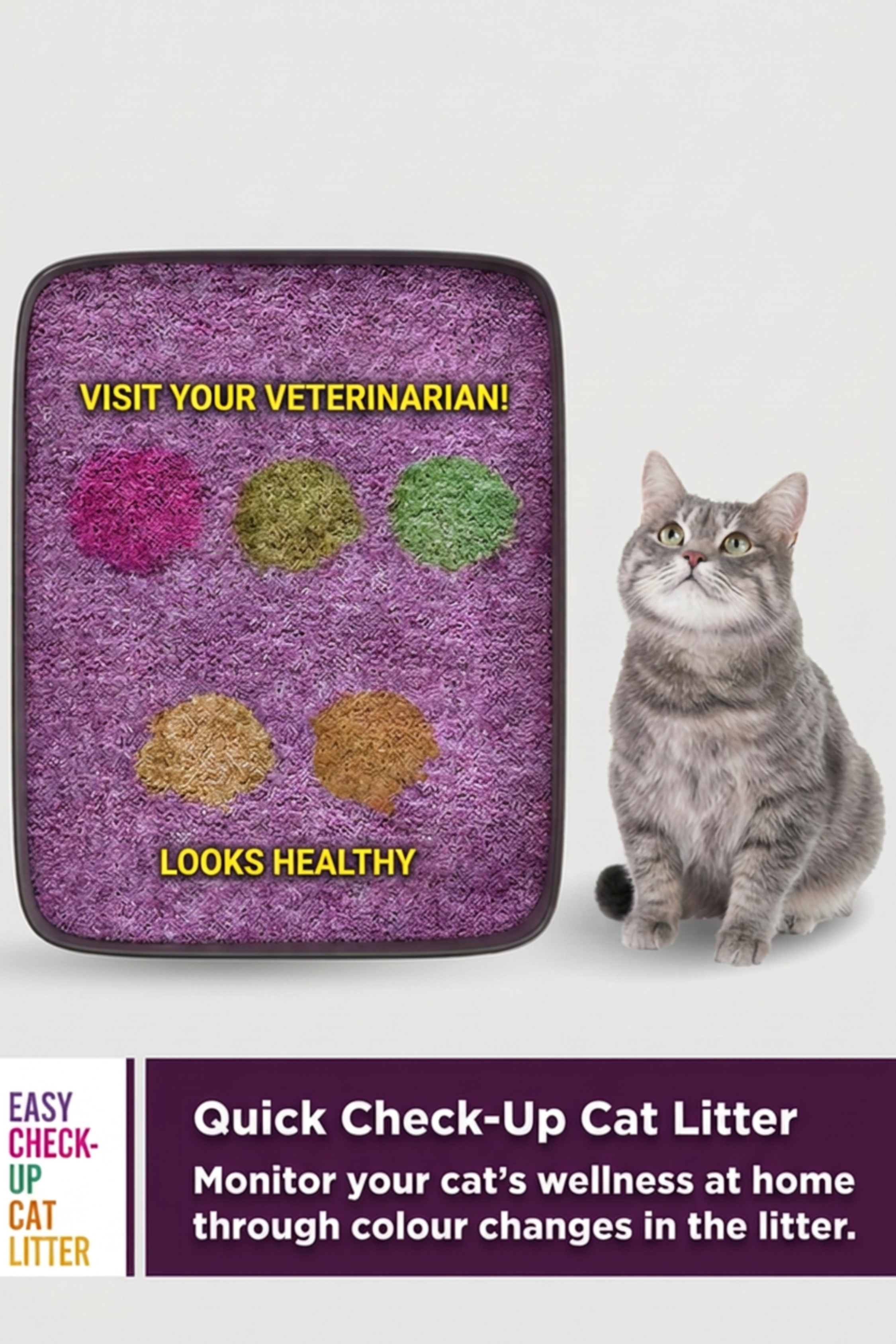
Cats are particularly prone to constipation, and chronic or severe cases deserve careful veterinary attention. Because cats are private about their bathroom habits, owners may not immediately notice a problem, which is one reason monitoring the litter box is so valuable. A sudden change in litter-box output, or frequent straining, should prompt a closer look.
Long-standing constipation in cats can sometimes progress to a more serious condition affecting the large intestine, so early recognition and management matter. Keeping cats well hydrated, at a healthy weight, active, and on a vet-approved diet all support digestive health. If your cat has recurring issues, your veterinarian can help build a long-term plan to keep things moving comfortably.
Myth Versus Fact
Myth: Straining always just means constipation. Fact: Straining can also signal a urinary emergency, especially in male cats, so never assume without veterinary input.
Myth: Human laxatives are a safe quick fix. Fact: Some can be dangerous for pets, so only use products your veterinarian recommends.
Myth: More fiber is always better. Fact: The right amount is individual, and too much can cause its own problems.
Frequently Asked Questions
How long can a pet go without a bowel movement before I worry?
This varies by pet, but if your dog or cat has not passed stool in a couple of days, is straining, or seems uncomfortable, contact your veterinarian for guidance.
Can I give my pet a little olive oil or milk?
Home remedies can backfire and are not recommended without veterinary advice. Some can cause digestive upset, so always check first.
Is constipation more common in older pets?
It can be, as activity, hydration, and underlying conditions change with age. Senior pets benefit from regular wellness checks to stay ahead of problems.
When to See Your Veterinarian
Reach out to your veterinarian if your pet is straining without producing stool, has gone more than a day or two without a bowel movement, seems painful, is vomiting, or has lost its appetite. For cats, repeated unproductive trips to the litter box warrant prompt attention. Remember that straining can indicate a urinary emergency, so when in doubt, treat it as urgent and call.
Most cases of constipation can be supported with good hydration, appropriate diet, regular activity, and attentive monitoring, all guided by your veterinarian. By understanding your pet's normal habits and acting on changes early, you can help keep your dog or cat comfortable, regular, and feeling their best.