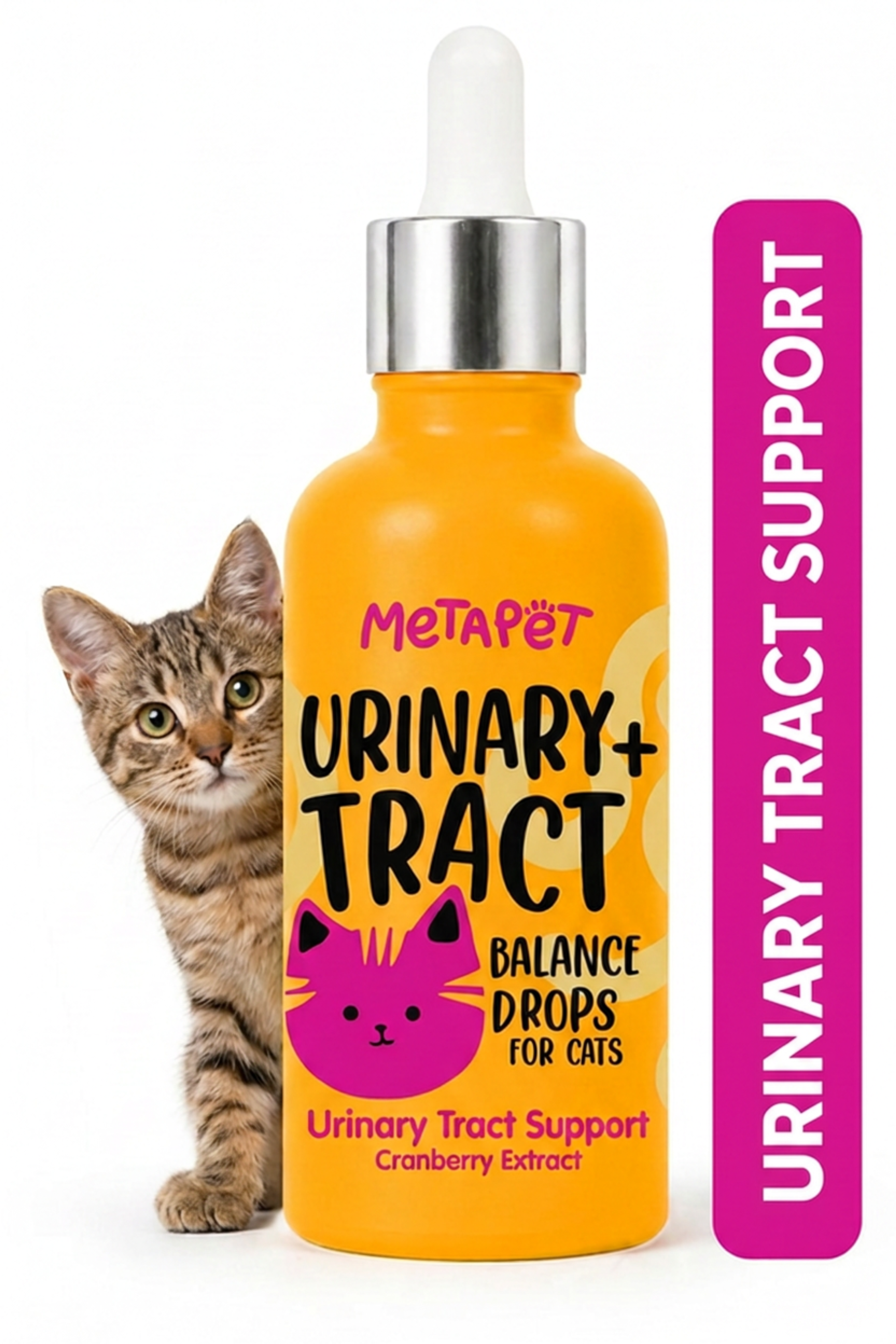
Kidney and Urinary Tract Health in Dogs and Cats: A Guide

The kidneys and urinary tract do quiet, essential work every single day: filtering waste from the blood, balancing fluids and minerals, regulating blood pressure, and producing and storing urine until it leaves the body. Because this system rarely complains until a problem is well underway, many dogs and cats hide kidney and urinary issues until they become serious. Learning what is normal, what is not, and how to support this system at home is one of the most valuable things you can do for your pet's long-term comfort and lifespan.
Important: This article is general educational information and is not a substitute for an in-person veterinary exam, diagnosis, or treatment. Every pet is different. If your dog or cat is showing concerning signs, or if you are dealing with an emergency such as a cat unable to urinate, contact your veterinarian or the nearest emergency clinic right away.
How the Urinary System Works
Understanding the basic plumbing makes the warning signs much easier to interpret. The urinary system is a connected chain, and trouble at any point can affect the whole.
- Kidneys: A pair of bean-shaped organs that filter the blood, remove waste products such as urea and creatinine, conserve or release water, balance electrolytes like potassium and phosphorus, and help regulate blood pressure and red blood cell production.
- Ureters: Thin tubes that carry urine from each kidney down to the bladder.
- Bladder: A muscular reservoir that stores urine until it is convenient to empty.
- Urethra: The tube that carries urine out of the body. In male cats it is especially narrow, which is why blockages there can become life-threatening.
The kidneys have a large reserve capacity. By the time outward signs of kidney disease appear, a significant portion of kidney function may already be reduced. That is exactly why routine wellness checks and bloodwork matter so much for early detection.
Common Kidney and Urinary Conditions
Several distinct problems fall under the umbrella of kidney and urinary tract health. They are managed very differently, so a veterinary diagnosis is essential.
Chronic kidney disease (CKD)
A gradual, long-term decline in kidney function, most common in older cats and seen in dogs as well. It is generally not reversible, but with veterinary management many pets live comfortably for months to years after diagnosis.
Acute kidney injury (AKI)
A sudden drop in kidney function, sometimes triggered by toxins (such as antifreeze, lilies in cats, grapes and raisins in dogs, or certain medications), infections, or reduced blood flow. AKI is an emergency and may be reversible if treated promptly.
Urinary tract infections (UTIs)
Bacterial infections of the bladder or urinary tract, more frequently diagnosed in dogs than in cats. They can cause discomfort and, if untreated, may travel upward toward the kidneys.
Bladder and kidney stones
Mineral crystals that clump into stones, which can irritate the bladder, cause bleeding, or obstruct urine flow.
Feline lower urinary tract disease (FLUTD)
An umbrella term for several conditions affecting a cat's bladder and urethra, including stress-associated cystitis. In male cats it can lead to a urethral obstruction, which is a true emergency.
Warning Signs to Watch For
Because pets cannot tell you when something feels wrong, you become the early-warning system. Watch for changes in drinking, urination, and overall demeanor.
- Increased thirst and urination: Drinking noticeably more and producing more urine (the medical terms are polydipsia and polyuria) is one of the most common early clues of kidney trouble.
- Straining or frequent small attempts: Going to the litter box or asking to go out repeatedly, with little urine each time, can signal a bladder issue.
- Blood in the urine: Pink, red, or cloudy urine warrants a veterinary visit.
- Accidents in a house-trained pet: A sudden loss of bladder control can have a medical cause.
- Changes in appetite, weight, or energy: Reduced appetite, gradual weight loss, lethargy, vomiting, or bad breath with an ammonia-like odor can accompany kidney disease.
- Vocalizing or hiding: Pain while urinating may show up as crying out, restlessness, or withdrawal, especially in cats.
Urgent Red Flags: When It Is an Emergency
Some situations cannot wait for a routine appointment. Seek emergency care immediately if you notice any of the following.
- A cat straining with little or no urine: A male cat who repeatedly visits the litter box, cries, and produces nothing may have a urethral obstruction. This is life-threatening and requires emergency veterinary care within hours, not days.
- Complete inability to urinate in any pet: A bladder that cannot empty is a medical emergency.
- Repeated vomiting, collapse, or unresponsiveness: These can signal a severe kidney crisis.
- Known toxin exposure: If your pet may have eaten antifreeze, a lily (cats), grapes or raisins (dogs), or a questionable medication, treat it as an emergency even before signs appear.
Risk Factors
Some pets are more prone to kidney and urinary problems than others. Knowing the risk factors helps you and your veterinarian decide how closely to monitor.
- Age: Chronic kidney disease becomes more common in senior dogs and cats.
- Breed and genetics: Certain breeds have higher rates of specific kidney or stone-forming conditions; ask your vet about your pet's breed.
- Sex and anatomy: Male cats are at higher risk of life-threatening urethral blockages due to a narrow urethra.
- Low water intake: Pets who drink little, especially cats on dry-only diets, may produce more concentrated urine.
- Stress and environment: Stress can play a role in feline lower urinary tract disease.
- Existing health conditions: Dental disease, diabetes, high blood pressure, and some chronic illnesses can affect urinary health.
How Veterinarians Diagnose Kidney and Urinary Problems
If you bring your pet in for any of the signs above, your veterinarian will typically work through a step-by-step assessment.
- History and physical exam: Your observations about drinking, urination, appetite, and behavior are valuable diagnostic clues.
- Urinalysis: Examining the urine for concentration, blood, protein, crystals, and signs of infection.
- Blood tests: Markers such as creatinine, BUN, and SDMA help assess kidney function, along with electrolytes like phosphorus and potassium.
- Blood pressure measurement: High blood pressure can both result from and worsen kidney disease.
- Imaging: Ultrasound or X-rays can reveal stones, structural changes, or obstructions.
- Urine culture: When infection is suspected, a culture identifies the bacteria and guides treatment.
Only a veterinarian can interpret these results together and create a diagnosis and treatment plan tailored to your pet.
Supporting Urinary Health at Home: Hydration
Encouraging steady water intake is one of the most practical, well-established ways to support a pet's urinary system. More dilute urine is generally easier on the bladder and kidneys. These are supportive habits, not treatments for any disease.
- Offer multiple water stations: Place clean bowls in several rooms so water is always nearby.
- Keep water fresh: Refill and wash bowls daily; many cats prefer running water from a pet fountain.
- Consider wet food: Canned or wet diets carry more moisture than kibble. Ask your vet whether this suits your pet.
- Use wide, shallow bowls for cats: Many cats dislike having their whiskers touch the sides.
- Watch placement: Keep water away from the litter box and food, which some cats avoid drinking near.
Diet, Litter Box, and Daily Habits
Beyond hydration, everyday management makes a meaningful difference, particularly for cats who are prone to stress-related bladder issues.
Diet
Nutrition can support normal urinary function as part of a healthy lifestyle. If your pet has been diagnosed with a kidney or urinary condition, your veterinarian may recommend a specific therapeutic diet; do not switch to such a diet on your own, and always make food changes gradually.
Litter box management
A common guideline is one litter box per cat plus one extra, kept clean and in quiet, accessible spots. Clean boxes encourage cats to urinate regularly rather than holding it.
Stress reduction
Predictable routines, enrichment, hiding spots, and calm introductions to new pets or changes can help reduce stress that may contribute to feline urinary flare-ups.
Regular bathroom opportunities
For dogs, frequent walks and chances to urinate help avoid prolonged holding.
Monitoring at Home
You do not need lab equipment to be an excellent observer. Tracking a few simple things helps you catch changes early and gives your veterinarian useful information.
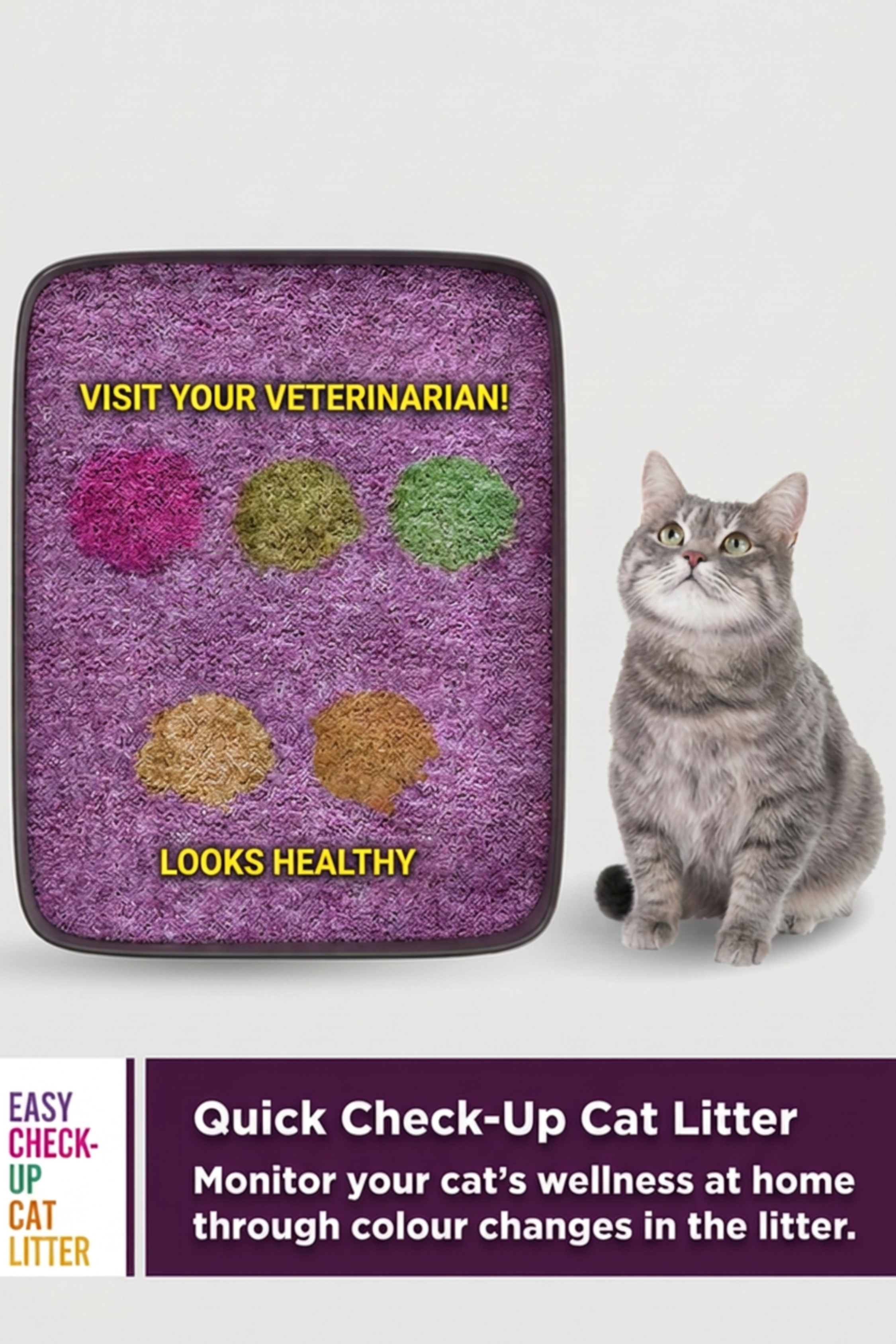
- Litter box and yard checks: Note how often your pet urinates and roughly how much. Clumping litter makes it easier to gauge volume in cats.
- Water intake: If practical, note how much water you add to bowls each day so you can spot a rising trend.
- Appetite and weight: Watch for gradual changes in how much your pet eats and how they look and feel.
- Behavior: Hiding, restlessness, or vocalizing around urination is worth recording and reporting.
Myth vs. Fact
Misunderstandings about kidney and urinary health can delay care. Here are a few common ones.
- Myth: "My pet seems fine, so the kidneys must be healthy." Fact: Kidney disease often shows no obvious signs until function is significantly reduced, which is why screening bloodwork matters.
- Myth: "A male cat straining in the litter box is just constipated." Fact: It may be a urethral obstruction, which is a life-threatening emergency. When in doubt, call your vet immediately.
- Myth: "More water always cures urinary problems." Fact: Good hydration supports urinary health but does not treat or cure infections, stones, or kidney disease, which need veterinary diagnosis and care.
- Myth: "Kidney disease means my pet's life is nearly over." Fact: Many pets, especially cats, live comfortably for a long time with veterinary management once diagnosed.
When to See the Vet
Use this as a general guide, and when uncertain, err on the side of calling.
- Right away (emergency): A cat unable to urinate, any pet that cannot pass urine, collapse, repeated vomiting, suspected toxin ingestion, or severe pain.
- Within a day or two: Blood in the urine, straining, frequent small urinations, new accidents, or a noticeable jump in thirst and urination.
- At your next checkup: Subtle, gradual changes in appetite, weight, or energy, especially in senior pets, who benefit from routine kidney screening.
Routine wellness visits, including periodic urinalysis and bloodwork for older pets, are the backbone of early detection. The earlier a problem is found, the more options you and your veterinarian usually have.
Frequently Asked Questions
How much water should my pet drink?
Water needs vary with size, diet, activity, and weather, so there is no single number that fits every pet. What matters most is noticing a sustained change from your pet's own normal. A clear increase or decrease in thirst is worth a conversation with your vet.
Is wet food better than dry for urinary health?
Wet food adds moisture, which supports hydration, and many veterinarians suggest it for pets prone to urinary issues. The best choice depends on your individual pet, so ask your veterinarian for guidance.
Can kidney disease be cured?
Chronic kidney disease generally cannot be cured, but it can often be managed to keep pets comfortable. Some cases of sudden (acute) kidney injury may improve with prompt treatment. Only your vet can determine which situation applies.
Do supplements protect the kidneys?
No supplement, food, or product should be relied upon to diagnose, treat, cure, or prevent kidney or urinary disease. If you are considering any supplement, discuss it with your veterinarian first so it fits your pet's overall care plan.
The Bottom Line
Kidney and urinary tract health rests on a simple foundation: support steady hydration, keep the litter box and bathroom routine clean and stress-free, watch for changes in thirst, urination, appetite, and behavior, and treat any straining or inability to urinate, especially in cats, as urgent. Pair these everyday habits with routine veterinary checkups and screening bloodwork for older pets, and you give your dog or cat the best chance at a comfortable, healthy life. When something seems off, your veterinarian is your most important partner, so reach out early rather than waiting.