Feline Asthma: Recognizing and Managing Breathing Issues

Important: This article is general educational information and is not a substitute for an in-person veterinary examination. If your cat is breathing with an open mouth, panting, or showing blue or grey gums, treat it as an emergency and contact your veterinarian or an emergency clinic immediately.
Cats are masters at hiding illness, so a breathing problem can be easy to miss until it becomes severe. Feline asthma is a chronic condition of the lower airways that affects many cats, and recognizing it early can make an enormous difference to a cat's comfort and quality of life. This guide explains what feline asthma is, the signs to watch for, how veterinarians diagnose and manage it, and what you can do at home to support a cat living with the condition.
Because breathing difficulty can escalate quickly in cats and can also resemble other serious conditions, this article leans heavily on one message: when a cat's breathing looks abnormal, prompt veterinary attention is essential.
What Feline Asthma Is
Feline asthma is a chronic inflammatory disease of the lower airways — the bronchi and bronchioles deep in the lungs. In an affected cat, the immune system overreacts to inhaled particles. This triggers inflammation, swelling of the airway walls, increased mucus production, and tightening of the muscles that surround the airways. The combined effect narrows the passages that carry air, making it harder for the cat to move air in and out, particularly on the way out.
The condition is often compared to asthma in people, and the parallels are real: it tends to be a long-term, manageable disease rather than something that is cured once and forgotten. Many cats live full, comfortable lives when their asthma is well controlled, but management is usually ongoing and guided by a veterinarian.
What Triggers and Causes It
Asthma in cats is generally driven by an allergic-type response to something the cat inhales. Common environmental triggers that owners report include:
- Dust, including dust from some clumping or dusty litters.
- Cigarette, vape, or fireplace smoke and other airborne irritants.
- Pollens, mold spores, and household dust mites.
- Aerosol sprays, strong perfumes, scented candles, and cleaning fumes.
Not every cat reacts to the same triggers, and some cats have flare-ups without an obvious cause. Stress, infections, and changes in air quality can also play a role. Asthma can appear in cats of any age, though it is often diagnosed in young to middle-aged adults, and some breeds may be more prone to it. Identifying and reducing a cat's individual triggers is a cornerstone of long-term management.
Signs and Symptoms
The signs of feline asthma can be intermittent and subtle between flare-ups, which is one reason the condition is underrecognized. Watch for:
- Coughing, often a dry, hacking cough. Many owners describe the cat crouching low with neck extended and elbows out, as though trying to bring up a hairball but producing nothing.
- Wheezing, a whistling sound on breathing.
- Increased breathing rate or effort, especially noticeable when the cat is resting or asleep.
- Open-mouth breathing or panting, which is abnormal in cats and is a red flag.
- Reduced energy or exercise tolerance.
The cough of asthma is commonly mistaken for hairball retching. A helpful clue: a true hairball episode usually ends with something coming up, while an asthmatic cough is repetitive and produces little or nothing. If you can record a video of an episode on your phone, it can be extremely useful for your veterinarian.
Knowing your cat's normal resting breathing rate
A simple, powerful home skill is counting your cat's resting respiratory rate: while your cat is calm or asleep, count how many breaths (one rise and fall of the chest equals one breath) occur in 30 seconds and double it. Learn what is normal for your individual cat when healthy. A consistently elevated resting rate, or a sudden increase, is a reason to call your veterinarian.
When It Becomes an Emergency
An asthma flare can progress from mild to life-threatening. Seek emergency veterinary care right away if your cat shows any of these:
- Open-mouth breathing or continuous panting.
- Blue, grey, or very pale gums or tongue.
- Exaggerated belly effort with each breath, or breathing that looks labored even at rest.
- Hunched posture, distress, or reluctance to move.
A cat in respiratory distress is fragile and frightened. Keep handling gentle and minimal, transport the cat in a well-ventilated carrier, and head to the nearest open clinic. Do not wait to see if it passes on its own.
How Veterinarians Diagnose Asthma
There is no single instant test for feline asthma; diagnosis usually involves piecing together the history, clinical signs, and tests that rule out other causes of coughing and breathing difficulty. Your veterinarian may use:
- Chest X-rays (radiographs), which can show changes consistent with airway inflammation and help rule out other conditions.
- Blood work to assess overall health and look for clues such as certain cell changes.
- Airway sampling, where a sample of cells and fluid from the airways is collected and examined, in selected cases.
- Tests to exclude other problems, such as heart disease, lungworm and other parasites, infections, or foreign material in the airway.
Because conditions like heart disease, respiratory infections, and parasites can mimic asthma, this careful workup matters. Reaching the right diagnosis ensures your cat gets the treatment that will actually help.
How Feline Asthma Is Managed
Asthma is typically a lifelong condition, but it is often very manageable. Treatment plans are individualized and prescribed by a veterinarian; the general goals are to reduce airway inflammation, ease flare-ups, and limit exposure to triggers. Approaches your veterinarian may discuss include:
Anti-inflammatory therapy. Reducing the underlying airway inflammation is central to long-term control. Your veterinarian will determine whether and how this is appropriate for your cat.
Airway-opening (bronchodilator) therapy. Medications that help relax and widen the airways may be used, particularly during flare-ups, under veterinary direction.
Inhaled medication. Many cats can be treated with inhalers delivered through a special feline spacer and mask, which targets the lungs directly. With patience and gradual training, a surprising number of cats tolerate this well.
All medications, doses, and delivery methods must come from your veterinarian. Never give human asthma medications or any leftover prescriptions to your cat without explicit veterinary guidance, and never stop a prescribed medication abruptly without checking first.
Reducing Triggers at Home
Environmental management is one of the most empowering things an owner can do, and it complements — rather than replaces — veterinary care. Practical steps include:
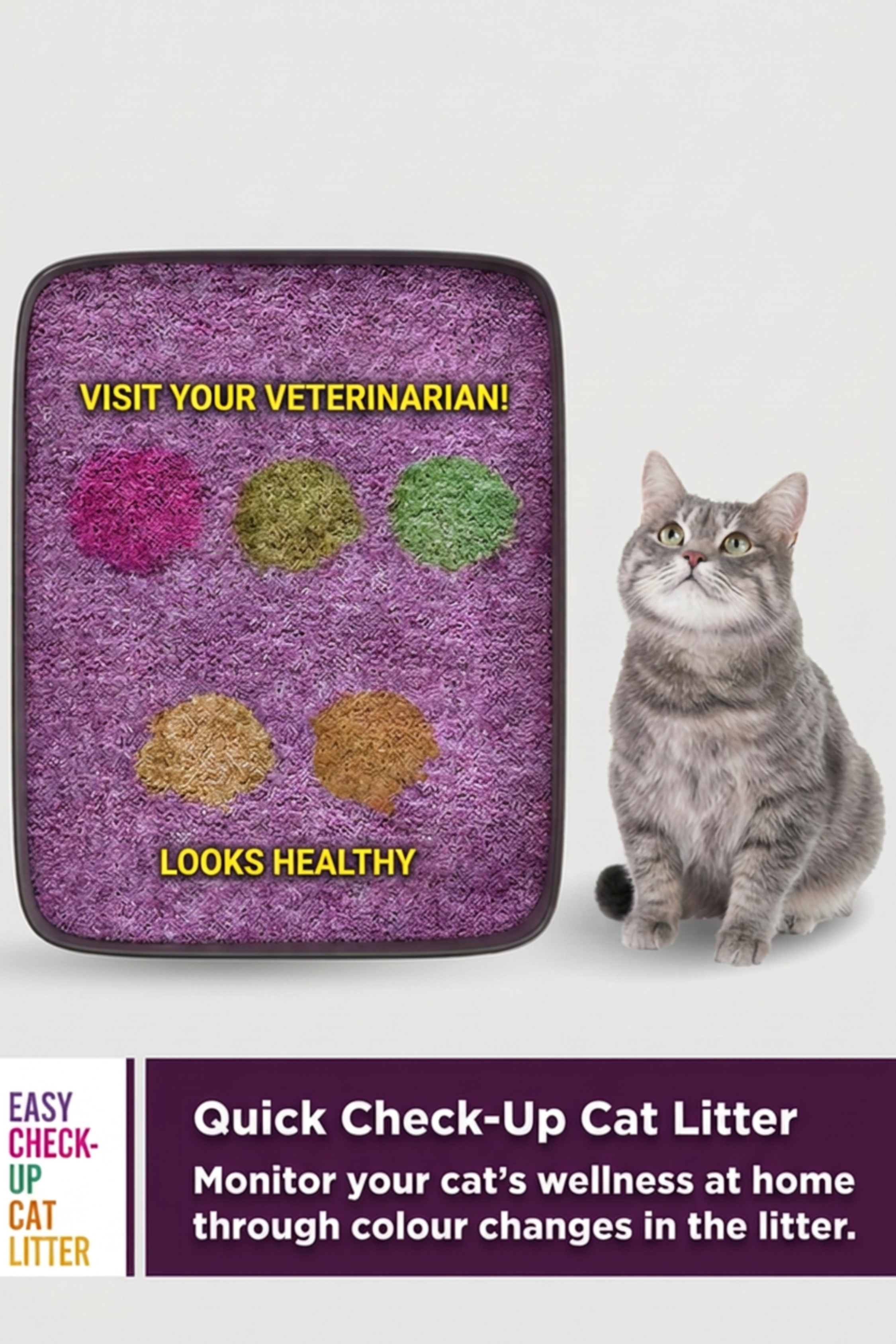
- Choose low-dust litter: Switch to a low-dust or dust-free litter and avoid heavily scented products. Pour litter slowly to limit airborne dust.
- Eliminate smoke: Never smoke or vape indoors around your cat, and keep your cat away from fireplace and candle smoke.
- Cut down aerosols and strong scents: Limit air fresheners, perfumes, hairsprays, and harsh cleaning fumes, especially in rooms your cat frequents.
- Improve air quality: Consider a HEPA air purifier, change HVAC filters regularly, and dust and vacuum often to reduce allergens.
- Manage humidity and mold: Address damp areas that encourage mold growth.
Keep a simple journal of flare-ups noting the date, possible triggers, and how long episodes last. Over time, patterns often emerge that help you and your veterinarian fine-tune the plan.
Living With an Asthmatic Cat: Daily Care
A cat with well-controlled asthma can enjoy a normal, active life. Day to day, focus on consistency and observation:
- Give medications as prescribed, even when your cat seems perfectly well — control depends on consistency.
- Monitor resting respiratory rate regularly so you can spot trouble early.
- Keep weight healthy, since excess weight can add to breathing effort. Ask your veterinarian about an appropriate body condition and feeding plan.
- Minimize stress with predictable routines, safe hiding spots, and calm handling.
- Attend recheck appointments so your veterinarian can adjust the plan as needed.
Supplements are sometimes discussed as part of general wellness, but they are a complement to — not a substitute for — veterinary diagnosis and prescribed treatment, and they should never replace medications your veterinarian recommends. Always check before adding anything new.
Myths and Facts
Myth: My cat is just bringing up hairballs. Fact: Repeated "hairball" posturing that produces nothing may actually be coughing from asthma and deserves a veterinary check.
Myth: Asthma can be cured with the right diet. Fact: Asthma is generally a chronic condition managed over a lifetime; no food cures it, though overall health and a healthy weight support easier breathing.
Myth: Indoor cats can't get asthma. Fact: Indoor cats are exposed to dust, smoke, sprays, and litter dust, all of which can contribute. Indoor living does not provide immunity.
Myth: If my cat seems fine, I can stop the medication. Fact: Many cats seem fine precisely because the medication is working. Always consult your veterinarian before changing or stopping treatment.
Frequently Asked Questions
Is feline asthma contagious to other cats or people?
No. Asthma is an inflammatory, allergic-type condition, not an infection, so it cannot be passed to other pets or to people.
Can my cat still play and exercise?
Yes, gentle play is good for mental and physical health. Watch for coughing or increased effort during activity and let your cat rest as needed. Report any change in exercise tolerance to your veterinarian.
My cat hates the inhaler. Is there any hope?
Many cats learn to accept an inhaler and mask with slow, positive, step-by-step training over days to weeks. Your veterinary team can coach you through the process and discuss alternatives if needed.
Will my cat live a normal life?
With good control and trigger management, many asthmatic cats enjoy a long, comfortable life. Ongoing partnership with your veterinarian is the key.
The Bottom Line
Feline asthma is a common, chronic, but generally manageable disease of the lower airways. The signs — coughing, wheezing, increased breathing effort, and that telltale crouched, hairball-like posturing that produces nothing — can be subtle, so attentive observation matters. Learning your cat's normal resting respiratory rate and keeping a flare-up journal turn you into a powerful early-warning system.
Most importantly, abnormal breathing in a cat is never something to wait out. Open-mouth breathing, panting, blue or pale gums, or labored effort are emergencies. For long-term control, work closely with your veterinarian on a tailored plan, give prescribed medications consistently, and reduce the dust, smoke, and airborne irritants in your cat's environment. Supplements and home measures can support general wellness, but they never replace professional diagnosis and treatment. With the right care and a watchful eye, a cat with asthma can breathe easier and thrive.