At-Home Wellness Monitoring for Cats and Dogs: A Guide

You know your pet better than anyone. You see them every day, notice when they are bright and playful, and sense when something seems a little off. That everyday familiarity is one of the most powerful tools in keeping a dog or cat healthy, because many health changes show up first as subtle shifts in routine that an attentive owner can catch early.
Important: This article is general educational information and is not a substitute for an in-person veterinary examination, diagnosis, or treatment. Always consult your own veterinarian about your pet, and for any medical emergency contact your veterinarian or a local emergency animal hospital right away.
This guide explains how at-home wellness monitoring works, what to keep an eye on, and how simple tools can make observation easier, all framed around the idea that noticing changes early helps you partner with your veterinarian. Monitoring at home supports professional care; it never replaces a veterinary examination or diagnosis.
Why At-Home Monitoring Matters
Dogs and cats are remarkably good at hiding illness, an instinct inherited from their wild ancestors for whom showing weakness was dangerous. This means that by the time a pet looks obviously unwell, a condition may have been developing for a while. Attentive owners who know their pet's normal patterns can often spot the earliest, subtlest signs.
Early awareness does not mean diagnosing anything yourself; it means noticing a change and bringing it to your veterinarian sooner rather than later. Many conditions are far easier to manage when caught early, so the simple habit of paying attention can make a meaningful difference to your pet's comfort and long-term health.
Think of yourself as your veterinarian's eyes and ears at home. The clinic sees your pet occasionally; you see them constantly. Combining your daily observations with professional expertise is a powerful partnership.
Knowing Your Pet's Normal
Effective monitoring starts with understanding what is normal for your individual pet, because normal varies from animal to animal. A baseline gives you something to compare against, so a change stands out clearly rather than being missed in the day-to-day blur.
- Appetite and thirst: How much your pet normally eats and drinks each day.
- Bathroom habits: Typical frequency, and the usual look of urine and stool.
- Energy and behavior: Normal activity levels, playfulness, and sleep patterns.
- Weight and body shape: A sense of your pet's healthy weight and condition.
- Coat and grooming: Usual coat quality and grooming habits.
You do not need to be obsessive about this; a general, attentive sense of your pet's habits is enough. The point is simply to know your pet well enough that a real change registers, prompting a closer look or a call to the vet.
Key Things to Observe
While almost any change can be worth noting, a handful of areas tend to be especially informative because they reflect so many aspects of health. Keeping a casual eye on these gives you broad coverage without turning care into a chore.
- Eating and drinking: Sudden increases or decreases in appetite or thirst can be early signals.
- Urination: Changes in how often, how much, straining, or accidents in a trained pet.
- Stool: Changes in consistency, frequency, color, or any blood.
- Energy: New lethargy, reluctance to move, or unusual restlessness.
- Weight: Gradual loss or gain noticed over weeks.
- Comfort: Limping, sensitivity, hiding, or changes in how your pet moves.
A helpful habit: jot down anything unusual with the date. A short note about when a change started and how it has progressed is exactly the kind of detail your veterinarian finds most useful.
The Special Value of Bathroom Clues
Few things tell you more about a pet's internal health than their bathroom habits. Changes in urine and stool, in volume, frequency, color, or effort, can be among the earliest hints that something deserves a closer look. This is true for both dogs and cats, though cats can be harder to observe because they use a litter box privately.
For cat owners, the litter box is a daily window into health. Noticing changes in how much your cat urinates, how often, or whether they seem to strain can prompt a timely veterinary visit. For dogs, watching during walks and yard breaks serves the same purpose. Because these clues are so valuable, anything that makes them easier to notice is worth considering.
Tools That Make Monitoring Easier
Observation is the foundation, but a few simple tools can make it easier to keep an eye on the clues that matter, especially the ones that are otherwise easy to miss. These are aids for awareness, not diagnostic devices, and they work best as part of an attentive routine.
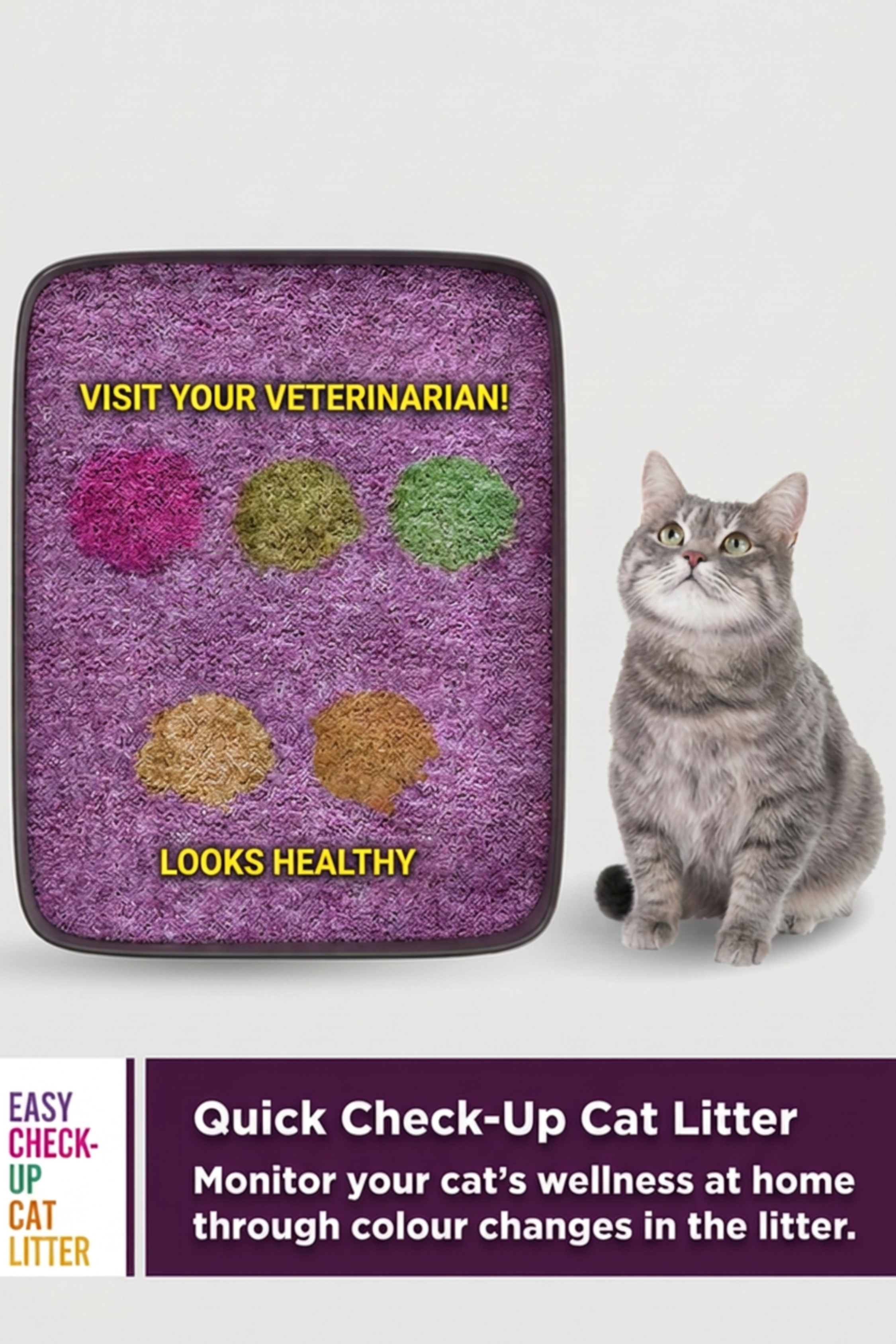
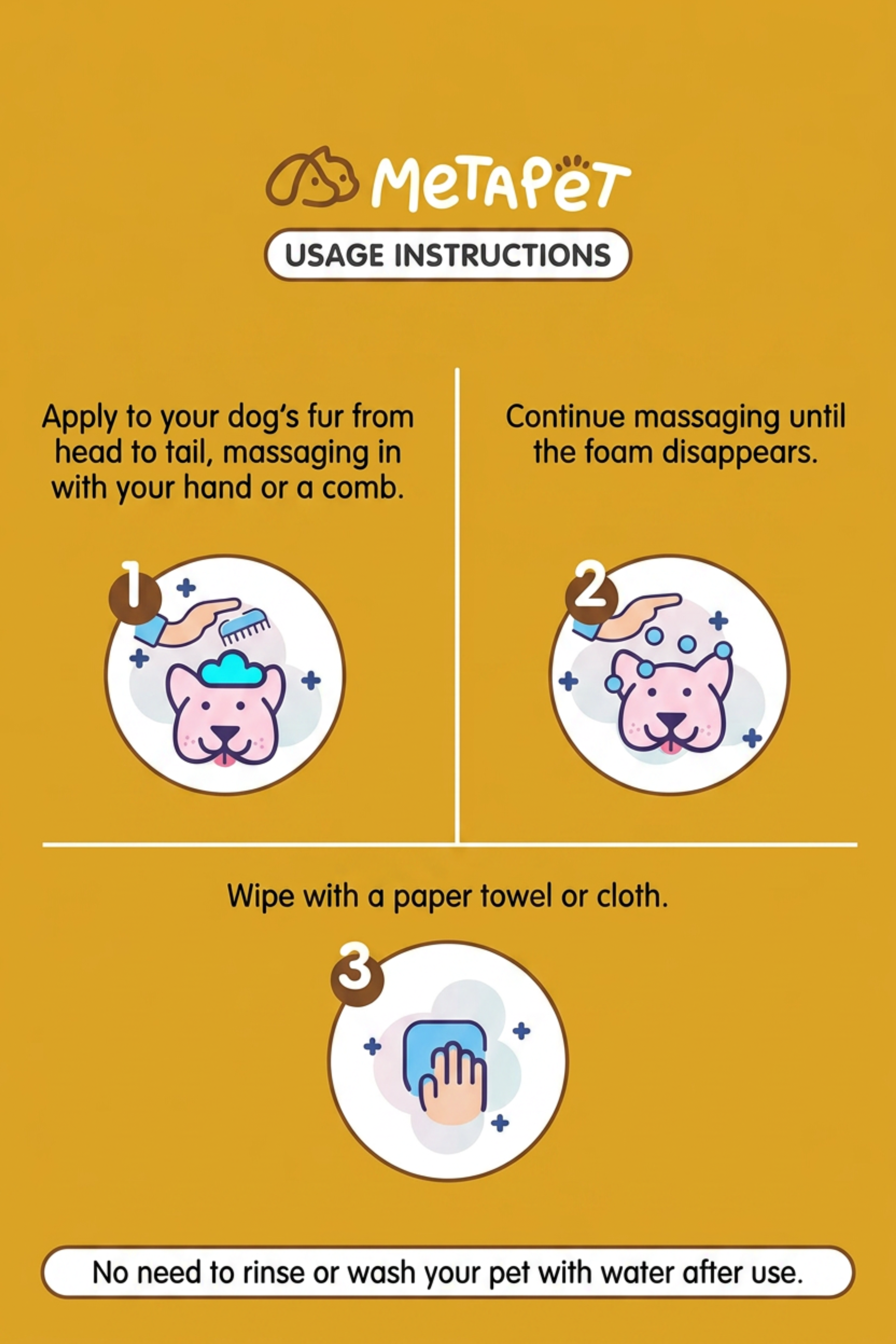
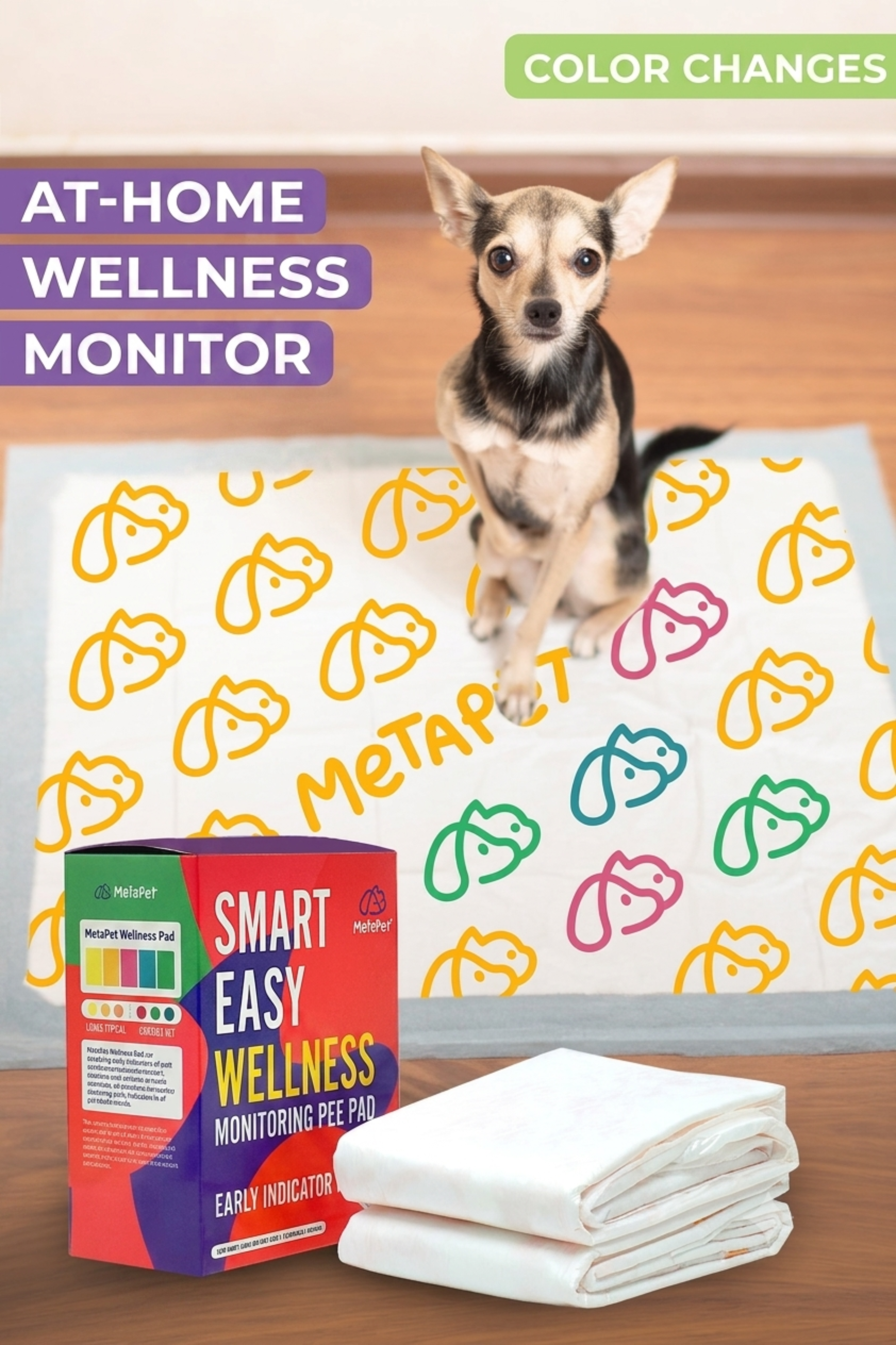
For cat households, MetaPet's Easy Check-Up Smart Cat Litter is a natural bentonite litter with a built-in color-changing indicator, designed to help you keep an eye on your cat's wellbeing at home. For dogs, the Smart Easy Check-Up Pee Pad uses a similar color-changing approach in a training pad. As the product information describes, these are everyday awareness aids meant to help owners notice changes worth discussing with a veterinarian; they are not diagnostic tests and do not diagnose, treat, or rule out any condition. Any change you notice should always be confirmed with your veterinarian.
Building a Simple Routine
Monitoring works best when it is woven into things you already do, so it becomes effortless rather than a separate task. A few small habits, attached to daily activities, keep you naturally informed about your pet's wellbeing.
- Observe at mealtimes: Notice appetite and enthusiasm when you feed your pet.
- Check during cleanup: Glance at litter or yard waste as you clean up.
- Notice during play and walks: Watch energy, movement, and comfort during daily activity.
- Feel during petting and grooming: Use cuddle and brushing time to feel for lumps or sensitive spots.
- Weigh periodically: Check weight on a regular schedule to catch slow trends.
None of this requires special expertise or much time, just a little attentiveness folded into your normal day. Over time it becomes second nature, and you will find you simply know when your pet is not quite themselves.
Don't Forget Routine Vet Visits
Home monitoring is a complement to professional veterinary care, not a substitute for it. Regular wellness examinations allow your veterinarian to check things you cannot assess at home, from listening to the heart and lungs to running bloodwork that reveals what is happening on the inside.
Many veterinarians recommend at least annual visits for healthy adult pets and more frequent check-ups for seniors or those with health conditions. These visits, combined with your day-to-day observations, create the most complete picture of your pet's health and the best chance to catch issues early.
It also helps to share your notes at these appointments. Arriving with a brief record of any changes you have observed, when they started, and how they have progressed turns a routine check-up into a far more productive conversation, and it helps your veterinarian decide whether anything needs a closer look.
When Observation Should Become Action
Knowing your pet's normal is only useful if you act when something changes. While not every small change is an emergency, certain observations should prompt a veterinary call sooner rather than later, and some require urgent attention.
- Persistent changes: Appetite, thirst, urination, or stool changes that last more than a day or two.
- Weight shifts: Unexplained weight loss or gain over time.
- Behavior changes: New hiding, lethargy, irritability, or confusion.
- Discomfort: Limping, difficulty rising, or signs of pain.
- Urgent signs: Difficulty breathing, repeated vomiting, inability to urinate, collapse, or any sudden severe change.
The last group warrants emergency care without delay. For the rest, when in doubt, call your veterinary clinic and describe what you have observed. They can help you decide whether to monitor at home or come in, and that guidance is exactly what your careful observations make possible.
Myths and Facts
"If my pet is eating, it must be fine"
Fact: a normal appetite is reassuring but not a guarantee of health. Pets can be eating well and still be developing a problem worth checking.
"A monitoring tool can tell me what is wrong"
Fact: awareness aids help you notice changes, but only a veterinarian can diagnose. Use any observation as a prompt to seek professional advice.
"Indoor pets do not need monitoring"
Fact: indoor pets benefit from the same attentive observation. Conditions can develop regardless of lifestyle, so monitoring matters for every pet.
When to Contact Your Veterinarian
Contact your veterinarian whenever you notice a persistent or significant change in your pet's eating, drinking, urination, stool, weight, energy, or comfort. Trust the instinct that tells you something is off, even if you cannot quite name it; that instinct is often right and well worth a call.
For any sudden, severe sign, such as difficulty breathing, an inability to urinate, repeated vomiting, or collapse, seek emergency veterinary care immediately. In all cases, your observations give your veterinarian the context they need to help your pet quickly and effectively.
The Bottom Line
At-home wellness monitoring is one of the most valuable and accessible things any pet owner can do. By knowing your pet's normal, keeping a casual eye on key areas, and using simple awareness aids where helpful, you become an early-warning system that works hand in hand with your veterinary team.
Remember that monitoring supports professional care rather than replacing it: note what you see, act when something changes, and bring your observations to your veterinarian. That partnership between an attentive owner and a skilled vet is the foundation of a long, healthy, comfortable life for your dog or cat.