Boarding and Pet Sitters: Preparing Your Pet for Time Apart

Sooner or later every owner faces the question: who takes care of the animal when life takes you somewhere pets cannot go? The options — boarding facilities, in-home pet sitters, daycare-style resorts, a trusted neighbor — each suit different animals, and the match matters, because the same week that is a holiday camp for one dog can be an ordeal for a shy cat.
The good news is that time apart handled well is a life skill, not a trauma. Pets who learn early that their people leave and reliably return, and whose caretakers are chosen with a little diligence, typically sail through separations — and owners who prepare properly get to actually enjoy their trip instead of refreshing a pet camera at dinner.
This guide compares the main care options for dogs and cats, gives you the vetting questions that separate great providers from merely convenient ones, and walks through preparation, packing, paperwork and the reunion — including the honest signs that a particular arrangement was not the right fit.
Important: This article shares general educational information for pet owners and is not a substitute for an in-person veterinary examination, diagnosis, or treatment. For any medical concern or emergency, contact your veterinarian promptly.
Know Your Animal First
The right care option starts with an honest read of your pet, not with the nicest brochure. Sociable, adaptable dogs often genuinely enjoy well-run boarding with playgroups. Anxious, elderly or medically fragile dogs usually do better at home with a sitter. Cats, as territorial animals, almost always prefer staying in their own home with daily visits — for most cats, the territory is the family.
- Good boarding candidates: confident dogs who enjoy other dogs, travel well and eat normally in new places.
- Better with a sitter at home: most cats, shy or reactive dogs, seniors, pets on complex medication schedules, and multi-pet households.
- Special cases: puppies and kittens, pets with separation-related behaviors, and animals with chronic conditions deserve a conversation with your veterinarian about the least stressful arrangement.
Boarding Facilities: What to Look For
Visit in person, unannounced if possible, before you book. A good facility is happy to show you where your pet will actually sleep, play and eat — reluctance to give a tour is information. Trust your nose and ears as much as your eyes: reasonable cleanliness and a calm (not silent, not frantic) soundscape say a lot.
- Staffing and supervision: how many animals per person, and is anyone on site overnight?
- Play group policy: are dogs screened for temperament and matched by size and style, and can you opt out of group play?
- Health rules: required vaccinations and parasite prevention protect everyone — a facility with strict requirements is a feature, not a hassle.
- Emergency plan: which veterinary clinic do they use, how do they reach you, and what happens if a pet becomes ill at 2 a.m.?
- Feeding flexibility: will they feed your food on your schedule and administer medications correctly?
- Updates: photos or messages during the stay are now standard at good facilities.
Expect the facility to require proof of vaccinations — commonly including rabies and, for dogs, protection related to kennel cough — with lead time before the stay. Book your veterinary visit early, since some requirements cannot be completed the day before travel; your veterinarian will advise what is appropriate for your pet and region.
Pet Sitters: Interviewing Like It Matters
A sitter — visiting or live-in — keeps your pet's territory, routine and smells intact, which is the gold standard for cats and a relief for many dogs. It also places a stranger in your home, so vet the human as carefully as any facility: references, an in-person meet-and-greet with the animals present, and clarity about exactly what each visit includes.
- Watch the first meeting: a good sitter lets the animal approach, moves calmly and asks detailed questions about routines and quirks.
- Agree the specifics: visit times and lengths, feeding, walks, litter duty, medication, plant-watering boundaries and daily photo updates.
- Plan for failure: who is the backup if the sitter is sick, and who holds a spare key?
- Leave a written manual: feeding amounts, medication doses, hiding spots, fears, vet and emergency clinic numbers, your itinerary and a local contact.
- Do a paid trial run: a weekend test while you are reachable reveals more than any interview.
Trial Stays and Building Separation Fitness
Whatever option you choose, do not let the first separation be the two-week vacation. Separation is a muscle: build it with a daycare afternoon, a single overnight, then a weekend. Trial stays teach the pet that the strange place or new person is temporary and safe, and they teach you how your animal actually copes — appetite, sleep, behavior on return.
At home, rehearse the practical pieces: crate or carrier comfort, eating from the boarding-style bowl, taking medication from a stranger's hand (have a friend practice), and calm departures without dramatic goodbyes. For pets who find novelty hard, ask your veterinarian well in advance about a broader calming plan; some owners also fold in a routine-support option such as MetaPet's Heyy Calm Down natural calming drops for dogs (https://metapet.care/products/heyy-calm-down-natural-calming-drops-for-dogs-50-ml) or for cats (https://metapet.care/products/heyy-calm-down-natural-calming-drops-for-cats-50-ml), which are designed to support calm, settled behavior around disruptions — as a complement to gradual practice and professional guidance, never a replacement for either. Introduce anything new weeks ahead so you know how your pet responds.
Packing and Paperwork: The Boarding Bag
Pack for continuity, not luxury. The goal is that meals, smells and rituals stay as close to home-normal as possible.
- Your own food, pre-portioned: abrupt diet changes plus stress is the classic recipe for digestive upset; bag each meal and label everything.
- Medications in original containers: with written dosing instructions and your veterinarian's phone number.
- A scent anchor: an unwashed t-shirt of yours and a familiar blanket or bed.
- Familiar comfort items: a favorite toy or chew the facility permits.
- Documents: vaccination records, emergency contacts, and written authorization for veterinary care up to a spending limit you set.
- Clear ID: collar tags current, microchip registration up to date — travel weeks are escape weeks.
While You Are Away: Updates Without Obsession
Agree on an update rhythm before you leave — a daily photo is plenty for most stays — and resist judging the whole arrangement by a single subdued picture; many pets look mopey for a day and then settle into the new routine. What deserves attention is a pattern: refusal to eat beyond a day, diarrhea or vomiting, coughing, or escalating distress. Make sure your caretaker knows you would always rather get the call, and that your written authorization lets them act if you are unreachable.
For cats with a visiting sitter, ask specifically about the three vital signs of feline wellbeing: eating, litter box use and whether the cat has been actually seen (not just food gone — bowls can be raided by a hiding, stressed cat or, worse, not touched at all). A sitter who reports on all three is worth keeping forever.
The Reunion: What Homecoming Really Looks Like
Homecomings are rarely the movie scene. Dogs may be ecstatic, exhausted or briefly aloof; cats may greet you at the door or pointedly ignore you for an evening — all normal. Keep the return low-key: a calm greeting, a normal meal, a familiar walk, an early night. Most pets sleep heavily for a day or two after boarding, which reflects the stimulation of group living rather than mistreatment.
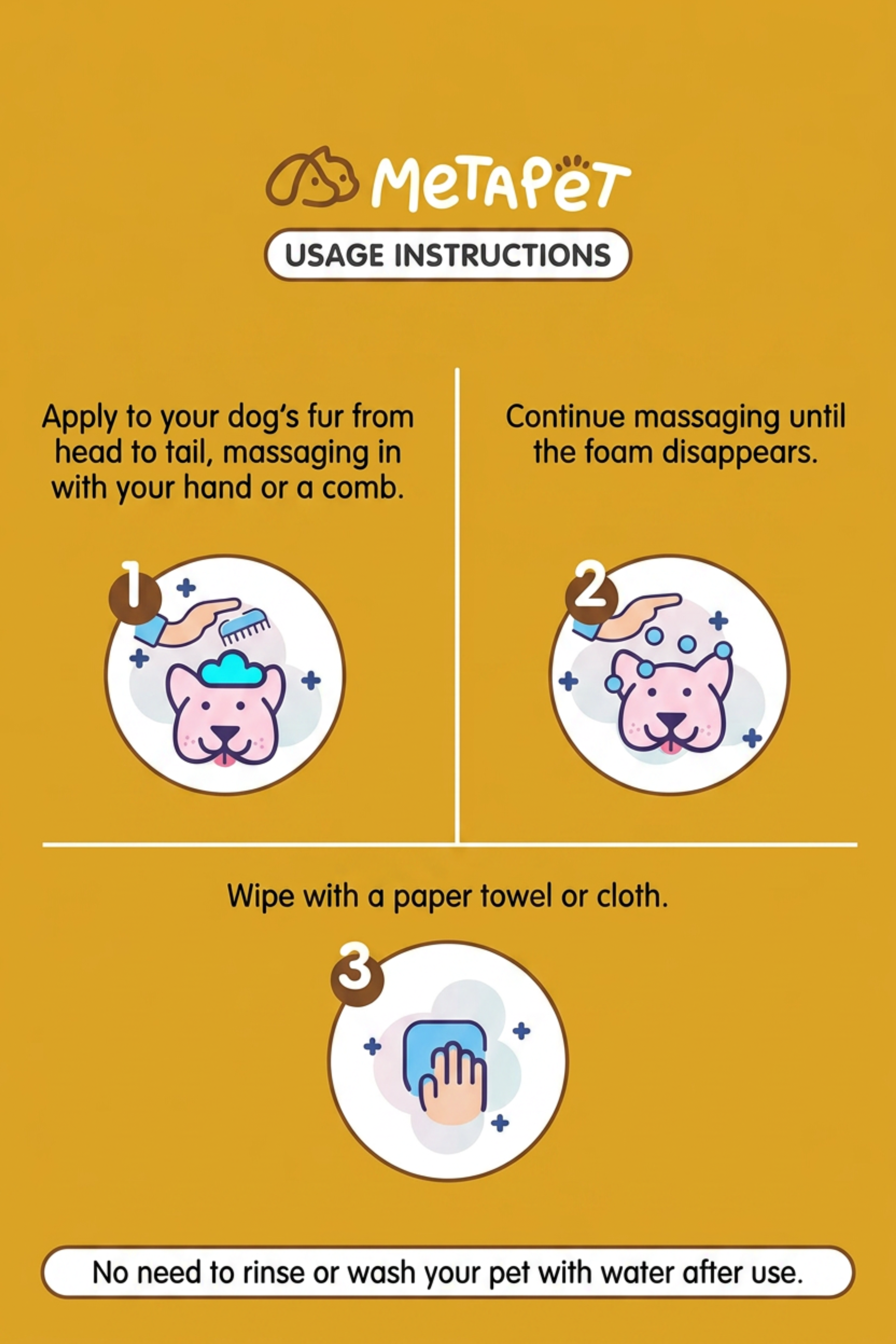
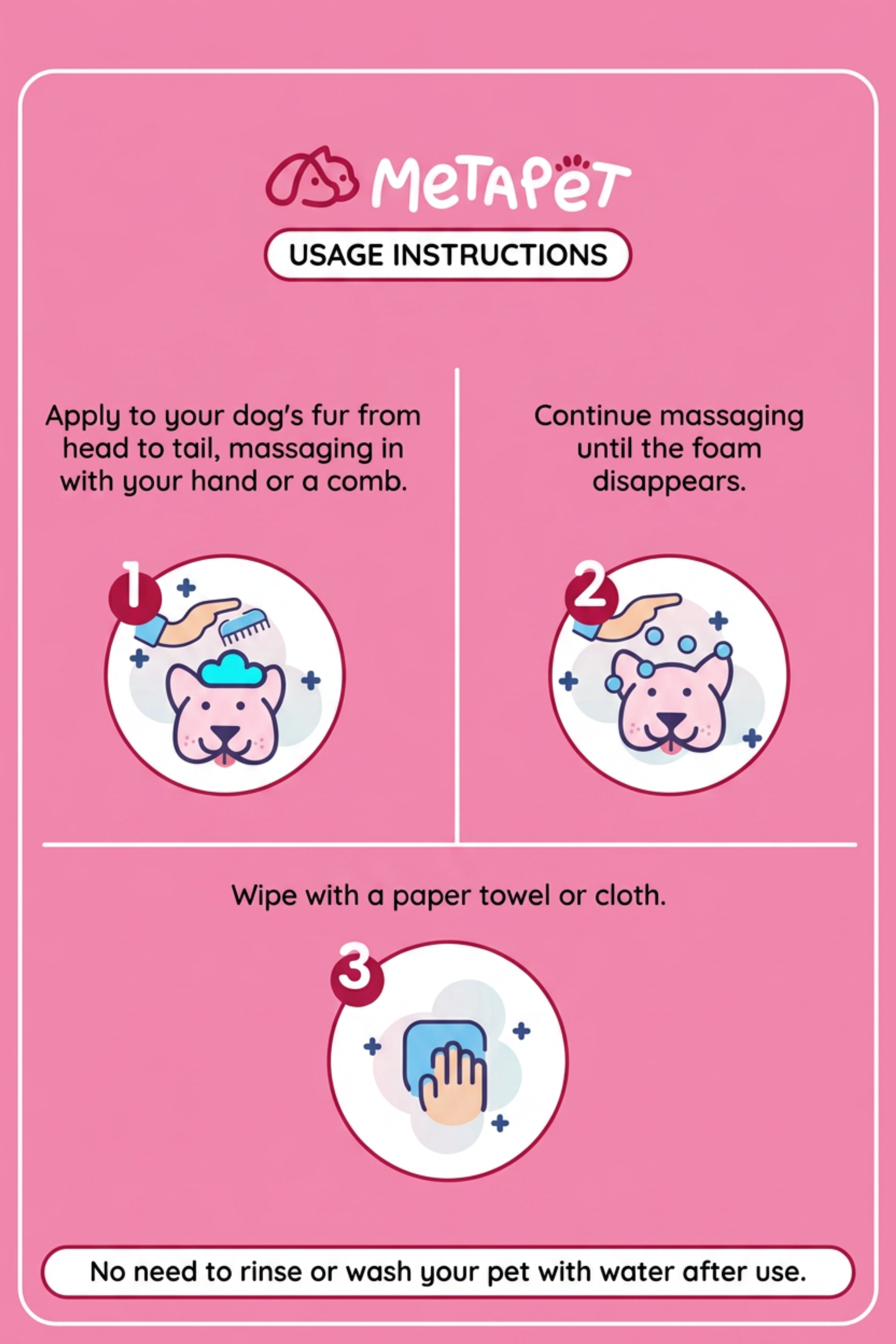
Give the coat some attention too — boarding smells of other animals and disinfectant. Owners who like to freshen up before the sofa reunion can use a rinse-free option such as MetaPet's A Dog From Paris waterless dry foam shampoo for dogs (https://metapet.care/products/a-dog-from-paris-waterless-dry-foam-shampoo-for-dogs) or Oh My Sensitive Baby for cats (https://metapet.care/products/oh-my-sensitive-baby-waterless-dry-foam-shampoo-for-cats), designed to help clean and refresh the coat without a full bath, or a quick once-over with Nano-Series hygiene towel wipes (https://metapet.care/products/nano-series-hygiene-care-towel-wipes-for-cats-dogs-10-pieces) for paws and fur. Keep it brief and pleasant — the animal has had a big week. Watch appetite, stool and energy for a few days, and call your veterinarian about coughing, digestive upset that persists, or anything else that does not resolve quickly.
When the Arrangement Was Not the Right Fit
Sometimes the honest conclusion after a stay is that the option was wrong for this animal: weight loss, raw stress behaviors, injuries nobody can explain, or a pet who takes many days to seem like themselves again. That is not failure — it is data. Shy dogs often thrive with a sitter after hating a kennel; some social dogs are bored and destructive at home and blossom in daycare-style boarding.
- Debrief the caretaker: ask what was hard, what worked, and what they would change — good providers answer candidly.
- Adjust one variable: try a quieter facility, a private room instead of group play, more visits per day, or the switch from kennel to home care.
- Escalate genuine concerns: unexplained injuries or evasive answers mean changing providers, and a veterinary visit to document anything worrying.
Myth vs. Fact About Boarding and Sitters
- Myth: A pet who mopes at drop-off will be miserable all week. Fact: most pets settle within a day; caretaker reports of eating and play tell the real story.
- Myth: Cats are fine alone for a week with a big bowl of food. Fact: cats need daily human checks — for fresh food and water, litter care, and because a sick cat hides trouble fast.
- Myth: Boarding is the cheap option, sitters the luxury one. Fact: pricing varies widely by market and services; choose by fit for the animal first, then compare real quotes.
- Myth: If my dog loves people, any sitter will do. Fact: medication schedules, escape habits and emergency judgment separate professionals from well-meaning acquaintances — vet accordingly.
Frequently Asked Questions
How far in advance should I book boarding or a sitter?
For holidays and school vacations, weeks to months ahead — good providers fill up fastest exactly when you need them. Early booking also leaves time for vaccination requirements and a trial stay.
Should I visit my pet mid-trip if I am nearby?
Usually no for short stays — a visit that ends with you leaving again can restart the adjustment. For very long stays, ask the provider; policies and pet personalities differ.
My dog came home with a cough. What now?
Call your veterinarian and mention the recent boarding stay; coughing after group settings should be evaluated, and your vet will advise on care and on notifying the facility. Keep the dog away from other dogs until you have guidance.
Is it better to board two bonded pets together?
Often yes — a familiar companion is a portable piece of home, and many facilities offer shared accommodations. Confirm they will also be separated for feeding if needed, and that both animals' paperwork is in order.