Leash Reactivity in Dogs: Why It Happens and What Helps

Your dog is a model citizen at home — then the leash clicks on, another dog appears across the street, and your gentle companion transforms into a barking, lunging, spinning spectacle. Few canine behaviors are more embarrassing for owners or more misunderstood than leash reactivity, and few generate more bad advice from well-meaning strangers.
Here is the reframe that changes everything: a reactive dog is not a dominant dog, a bad dog or a dog plotting mayhem. It is almost always a dog having a big emotional response — fear, frustration or overexcitement — while trapped on a six-foot line that removes its ability to leave or greet. The behavior looks aggressive; the driver is usually distress.
This guide explains where leash reactivity comes from, how to tell its main flavors apart, the management that makes walks livable immediately, the training approach that changes the emotion underneath, and the honest signs that it is time to bring in professional help.
Important: This article shares general educational information for pet owners and is not a substitute for an in-person veterinary examination, diagnosis, or treatment. For any medical concern or emergency, contact your veterinarian promptly.
What Leash Reactivity Actually Is
Reactivity is an outsized response to a normal trigger — most often other dogs, but also strangers, bikes, skateboards, cars or children — that shows up specifically or most intensely on leash. The display can include barking, lunging, growling, spinning, jumping and frantic pulling. The same dog is frequently fine, even friendly, with the very same trigger off leash or behind no barrier at all.
The leash is the key ingredient. Off leash, a dog manages social encounters with distance: it can arc politely around another dog, retreat, or approach at its own pace. The leash deletes every one of those options. A worried dog that cannot flee, and an excited dog that cannot greet, are both left with one tool — a loud display — and the display works, in the dog's experience, because the trigger usually moves on. Rehearsed daily, it becomes a habit with a hair trigger.
The Three Common Flavors: Fear, Frustration, Conflict
Effective help starts with a rough diagnosis, because a scared dog and a party-animal dog need different plans even though they sound identical at fifty feet.
- Fear-based reactivity: the dog wants more distance. Look for weight shifted back, tucked tail, raised hackles, and relief when the trigger leaves. The display means go away.
- Frustrated greeting: the dog wants less distance. Often young, social dogs who play happily off leash; look for whining, bouncing and forward pulling. The display means let me say hi — sometimes called a frustrated greeter.
- Mixed or conflicted: many dogs genuinely want both things at once, approaching then retreating. Adolescents in particular can flip between flavors as they mature.
Sudden-onset reactivity in a previously easygoing dog deserves a veterinary visit before a training plan: pain — from joints, teeth, ears or elsewhere — is a classic hidden driver of new irritability on walks, and no amount of training fixes an aching hip.
Thresholds: The Concept That Unlocks Everything
Every reactive dog has a threshold — the distance (and intensity) at which a trigger becomes too much to think about. Below threshold, your dog can notice a trigger, eat treats and respond to you. Over threshold, the thinking brain is offline: the dog cannot hear you, cannot take food, and cannot learn anything except more rehearsal of the explosion.
Almost every mistake owners make boils down to working over threshold. The art of reactivity work is arranging life so the dog spends its time under threshold: seeing triggers at distances where they are noticeable but manageable. Your dog's threshold is discovered by observation — the moment food refusal, fixation or stiffening starts, you have found the line — and it moves day to day with stress, sleep and how many triggers have already happened. Those bad days after a blow-up are real: arousal takes time to drain, so an explosive Monday often means a touchier Tuesday.
Management First: Make Walks Survivable Today
Management is not defeat — it is what stops the daily rehearsal so training has a chance. The immediate goal is simple: fewer explosions this week than last week, achieved by geometry and scheduling rather than willpower.
- Walk at quiet times and places: dawn, late evening, industrial areas, big parking lots — boring is beautiful for now.
- Use distance and barriers: cross the street early, arc around triggers, duck behind parked cars and hedges; you are your dog's distance manager.
- Learn the emergency U-turn: practice a cheerful about-face at home until it is reflexive for both of you.
- Fit the right equipment: a well-fitted front-clip harness gives control without pain; avoid equipment that adds pain or startle to an already emotional moment, since the dog may associate the discomfort with the trigger itself.
- Feed the floor: scattering a handful of treats in the grass as a trigger passes gives the dog a legal, calming activity at a hard moment.
- Advocate out loud: a raised hand and a clear no, we're training turns away most approaching strangers and their friendly dogs.
Training That Changes the Emotion, Not Just the Behavior
The core of most modern reactivity work is desensitization and counter-conditioning: exposing the dog to the trigger under threshold, and pairing each appearance with something the dog loves. Sequence matters — trigger appears, wonderful food happens; trigger leaves, food stops. Repeated correctly, the trigger itself starts to predict good things, and the emotional response softens underneath the behavior.
A popular, simple framework many trainers teach is often called the engage-disengage game: the dog looks at the trigger at a safe distance and is marked and rewarded for that calm glance; with repetition, dogs begin glancing at a trigger and then checking in with the handler voluntarily. Whatever protocol you follow, the mechanics are the same — under threshold, short sessions, generous pay, and distance reduced only as the dog's relaxed body says so. Progress is measured in weeks and months, not walks, and it is genuinely achievable: most reactive dogs improve substantially with consistent work.
What Not to Do (Even When the Internet Insists)
Some traditional responses feel intuitive and reliably make reactivity worse. Punishing the display — leash jerks, yelling, shock — may suppress the barking briefly, but it adds pain and conflict to the sight of the trigger, teaching the dog that other dogs make bad things happen to me. Suppression without changing the emotion is how growls get skipped and bites arrive without warning.
- Do not force greetings: making a worried dog meet the scary thing on leash is flooding, and it backfires.
- Do not hold the dog in place facing the trigger: standing still while the trigger approaches is the hardest possible test; movement and distance are your friends.
- Do not rely on dominance narratives: reactivity is emotion, not rank; alpha-based corrections address a problem the dog does not have.
- Do not flood the schedule: one good setup beats five ambush-filled walks; some days the best walk is a sniffing session in the yard.
Life Support for the Reactive Dog Household
Reactivity work goes better when the dog's overall bucket is not already full. Decompression matters: long-line sniff walks in quiet places, food puzzles, chewing, and genuine rest — overtired dogs are touchier, and many reactive dogs are under-slept. Meeting core needs does not cure reactivity, but it lowers the baseline arousal the triggers land on.
Owners need support too. Walking a reactive dog is isolating, and the embarrassment is real — but the barking stranger across the park knows nothing about the months of skilled work you are doing. Track progress honestly (distance achieved, recovery speed, explosions per week) so you can see the slope of the line, and celebrate boring walks like the victories they are.
When to Call in Professional Help
Get qualified help early rather than late — reactivity is far easier to reshape before years of rehearsal. Seek out a trainer or behavior professional who uses reward-based methods and speaks fluently about thresholds and counter-conditioning; walk away from anyone whose plan centers on corrections, alpha talk or guarantees.
- See your veterinarian first: to rule out pain and discuss the case — especially for sudden changes, and because your vet can refer you onward.
- Escalate for red flags: any bite that breaks skin, reactivity toward household members, fixation that does not release, or displays getting worse despite good work all justify referral to advanced behavior professionals.
- Consider muzzle training as a tool, not a verdict: a comfortable, well-introduced basket muzzle is responsible insurance for some dogs and often lowers the owner's tension too — which the dog reads instantly.
Myth vs. Fact About Leash Reactivity
- Myth: A reactive dog is an aggressive dog. Fact: most leash reactivity is fear or frustration under restraint; many reactive dogs are excellent off-leash communicators.
- Myth: The dog needs more exposure to get used to other dogs. Fact: uncontrolled exposure over threshold is rehearsal, not therapy — structured distance work is what changes the emotion.
- Myth: Reactivity means the owner failed at socialization. Fact: genetics, a single bad incident, adolescence, pain and learning history all contribute; blame helps nobody.
- Myth: Once reactive, always reactive. Fact: with management and counter-conditioning, most dogs improve markedly — many become dogs whose walks look entirely ordinary.
Frequently Asked Questions
Why is my dog only reactive on leash but fine at daycare?
Because the leash removes choice. Off leash, your dog controls distance and approach angles; on leash it cannot flee or greet naturally, and frustration or fear boils over into display. Same dog, different constraints.
Should I let my reactive dog meet the other dog to say hi?
Generally no — on-leash greetings are awkward even for easygoing dogs, and for reactive dogs they rehearse exactly the wrong pattern. Teach calm passing at distance first; social time belongs in controlled off-leash settings with compatible dogs.
How long does it take to fix leash reactivity?
Think in months of consistent work, with meaningful improvements — greater distance tolerance, faster recovery — often visible in weeks. Speed depends on the dog's history, the flavor of reactivity and how well triggers can be controlled during training.
Do calming aids help reactive dogs?
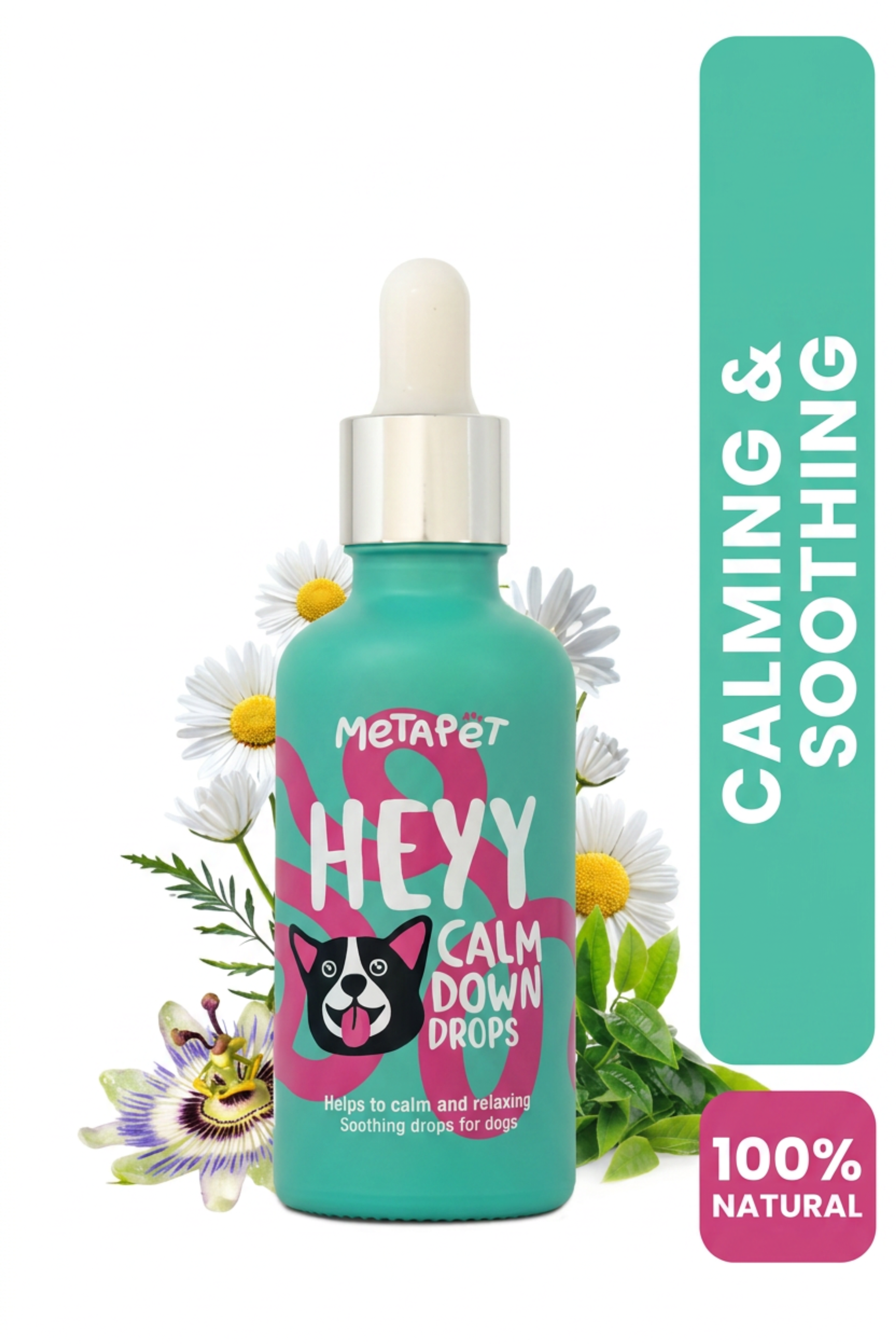
Anything that lowers baseline stress can support the training plan, but nothing replaces threshold work and counter-conditioning. Discuss options with your veterinarian, and treat every aid as a supplement to — not a substitute for — behavior modification and professional guidance.