Skin Fold Dermatitis in Dogs and Cats: A Daily Care Guide

The wrinkles that make a Bulldog, Pug, Shar-Pei, or flat-faced cat so recognizable are, from a skin's point of view, a design problem. Every fold creates a narrow, warm, poorly ventilated pocket where moisture collects and stays. Skin was built to be exposed to air; folded skin is not.
Skin fold dermatitis — sometimes called intertrigo — is the inflammation that develops when two skin surfaces sit pressed against each other. It is extremely common, entirely predictable in certain body shapes, and one of the most preventable skin problems in companion animals. It is also frequently missed early, because the affected area is hidden inside the fold itself.
This guide covers where folds cause trouble, what early irritation looks and smells like, how a simple daily hygiene routine prevents most cases, what your veterinarian can do when the skin is already inflamed, and the signs that mean home care is no longer enough.
Important: This article shares general educational information for pet owners and is not a substitute for an in-person veterinary examination, diagnosis, or treatment. For any medical concern or emergency, contact your veterinarian promptly.
Why Folds Cause Trouble
Healthy skin defends itself with a dry, slightly acidic surface, a layer of protective oils, and a stable population of resident microorganisms that occupy the space and keep opportunists in check. That defense depends heavily on the surface being able to dry and breathe.
Inside a fold, none of those conditions hold. Two skin surfaces press together, trapping moisture from skin secretions and oils, saliva, tears, urine, or simply humid air. Air cannot circulate to dry it. Body heat keeps the pocket warm. The two surfaces rub against each other with every movement, causing low-grade mechanical friction that damages the outermost layer.
The result is a warm, damp, slightly abraded environment — almost exactly the conditions under which normally harmless surface organisms multiply beyond their usual numbers. Bacteria and yeast that live peacefully on healthy skin can overgrow, and the inflamed skin becomes itchy and sore, which prompts rubbing and licking, which adds more moisture and more damage.
Once again the pattern is a self-reinforcing loop, and once again the practical implication is the same: interrupting it early is far easier than reversing it later.
Where Folds Cause Problems Most Often
Facial Folds
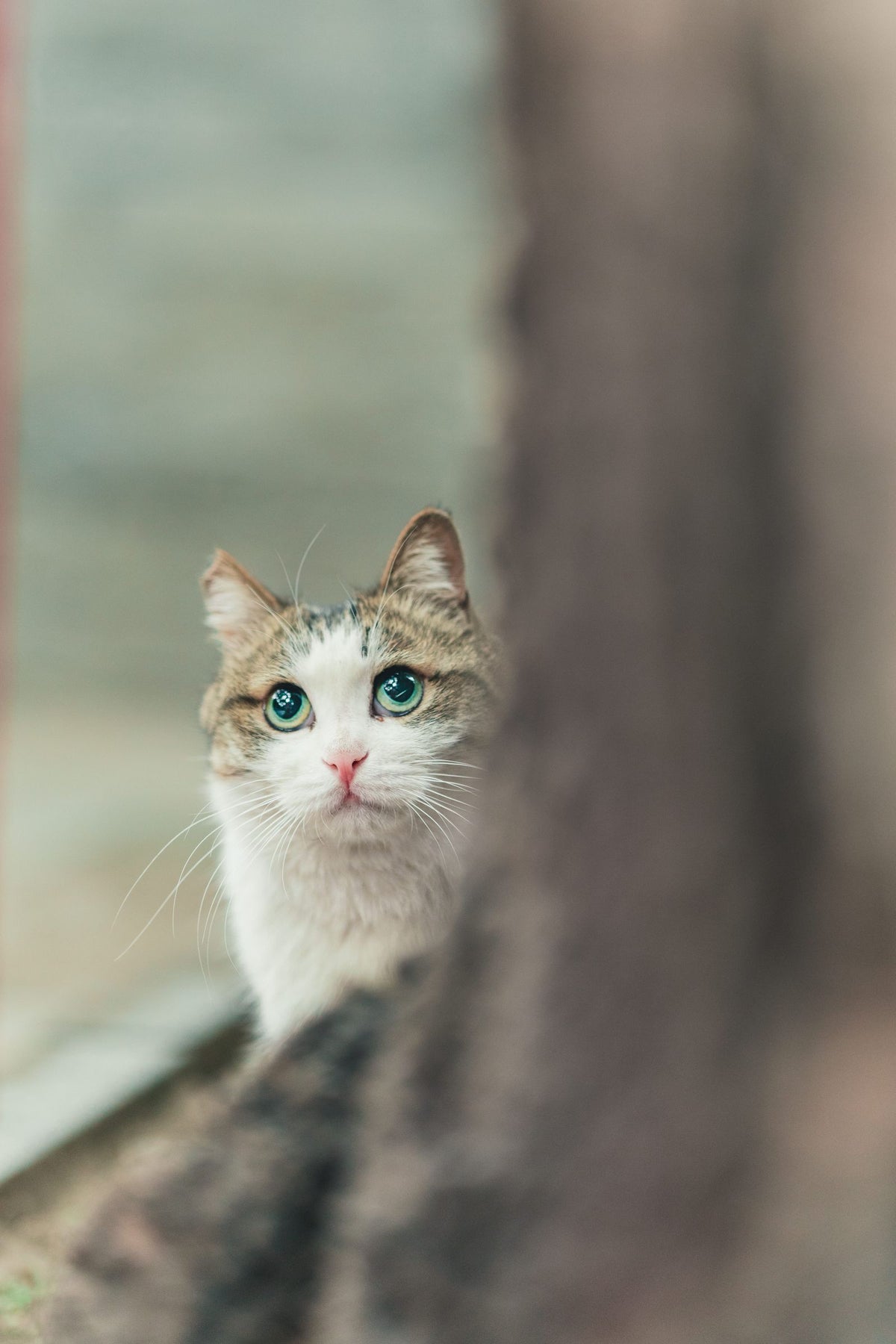
The nasal folds of flat-faced dogs such as Bulldogs, Pugs, Boxers, and Boston Terriers, and of flat-faced cats such as Persians and Himalayans, sit directly beneath the eyes. Tears drain into them constantly, and the fold stays permanently damp. This is the single most common site.
Lip Folds
Breeds with heavy, pendulous lips — Spaniels, Saint Bernards, Newfoundlands, and similar — develop pockets along the lower lip that collect saliva and food debris. Lip fold problems are a common and frequently overlooked source of persistent bad odor.
Tail Folds
Corkscrew or tightly curled tails, typical of Bulldogs and Pugs, can sit down against the skin and create a deep, enclosed pocket that is genuinely difficult to see into and easy to neglect.
Vulvar Folds
In females, particularly those carrying extra weight, a fold of skin can hood the vulva and trap urine and moisture. This site is associated with recurring irritation and sometimes with urinary tract problems, and it deserves specific attention.
Body and Neck Folds
Shar-Pei and other heavily wrinkled breeds have folds across the body and neck. Overweight animals of any breed also develop functional folds — in the armpits, groin, and around the neck — that behave exactly the same way.
Early Signs Owners Can Catch
Because the problem develops inside the fold, it is invisible unless you deliberately look. Most owners notice smell before they notice anything visual.
- Odor: a distinctly musty, yeasty, or sour smell coming from the face, lips, tail area, or a body fold. This is often the earliest sign.
- Redness: the skin inside the fold looks pink or red rather than its normal color.
- Moisture: the fold feels persistently damp or sticky to the touch.
- Discharge: a brown, gray, or greasy film accumulating in the crease.
- Rubbing and scratching: face-rubbing on furniture and carpet, or scooting and licking at the tail or genital area.
- Discomfort on handling: flinching or pulling away when the area is touched.
- Skin changes: thickening, darkening, or hair loss along the edges of the fold over time.
- Sores: raw, moist, or crusted areas within the crease.
Make it a habit to open and look inside every fold once a week, in good light. In a wrinkled dog this takes under a minute, and it is the single most effective early-detection tool available to you.
A Simple Daily Hygiene Routine
The whole objective is to keep folds clean and, above all, dry. Drying is more important than cleaning, and it is the step owners most often skip.
- Gently open the fold with your fingers so the full surface is exposed.
- Wipe the inside with a soft, damp cloth or a product your veterinarian has recommended for this purpose.
- Wipe from the inside of the fold outward, using a clean surface for each pass rather than dragging debris back and forth.
- Dry the fold thoroughly with a soft dry cloth or gauze, reaching all the way into the crease.
- Check the drying by feel — the skin should feel dry, not merely less wet.
- Look at the skin while it is open and note any redness, sores, or change from last time.
- Reward your pet so the routine stays a pleasant, predictable part of the day.
Frequency depends on the individual. Deep facial folds in a flat-faced dog often need daily attention; a shallower fold may only need a check twice a week. Folds that get wet at mealtimes or after drinking usually need a quick wipe and dry afterward.
Supplies That Make the Routine Easier
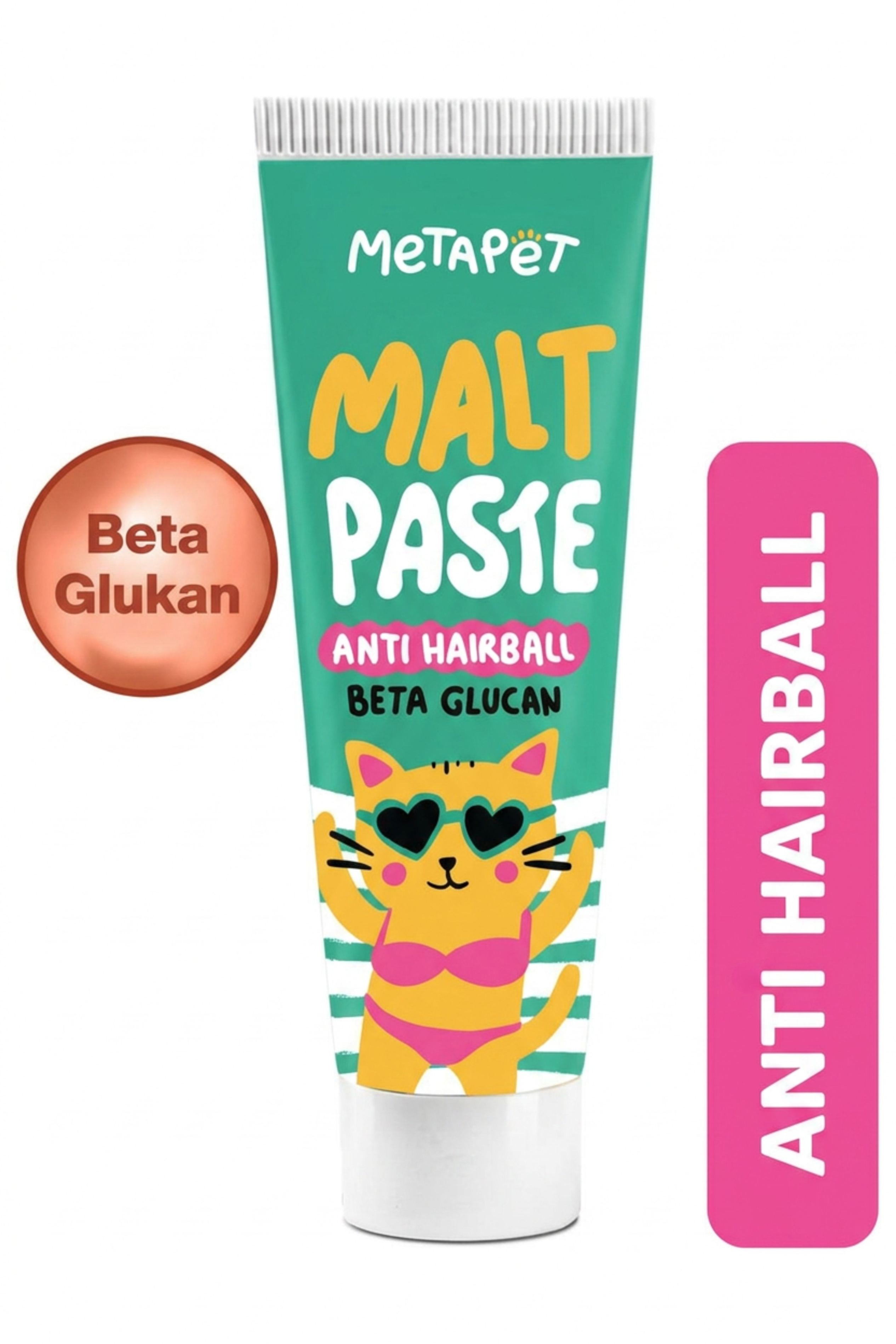
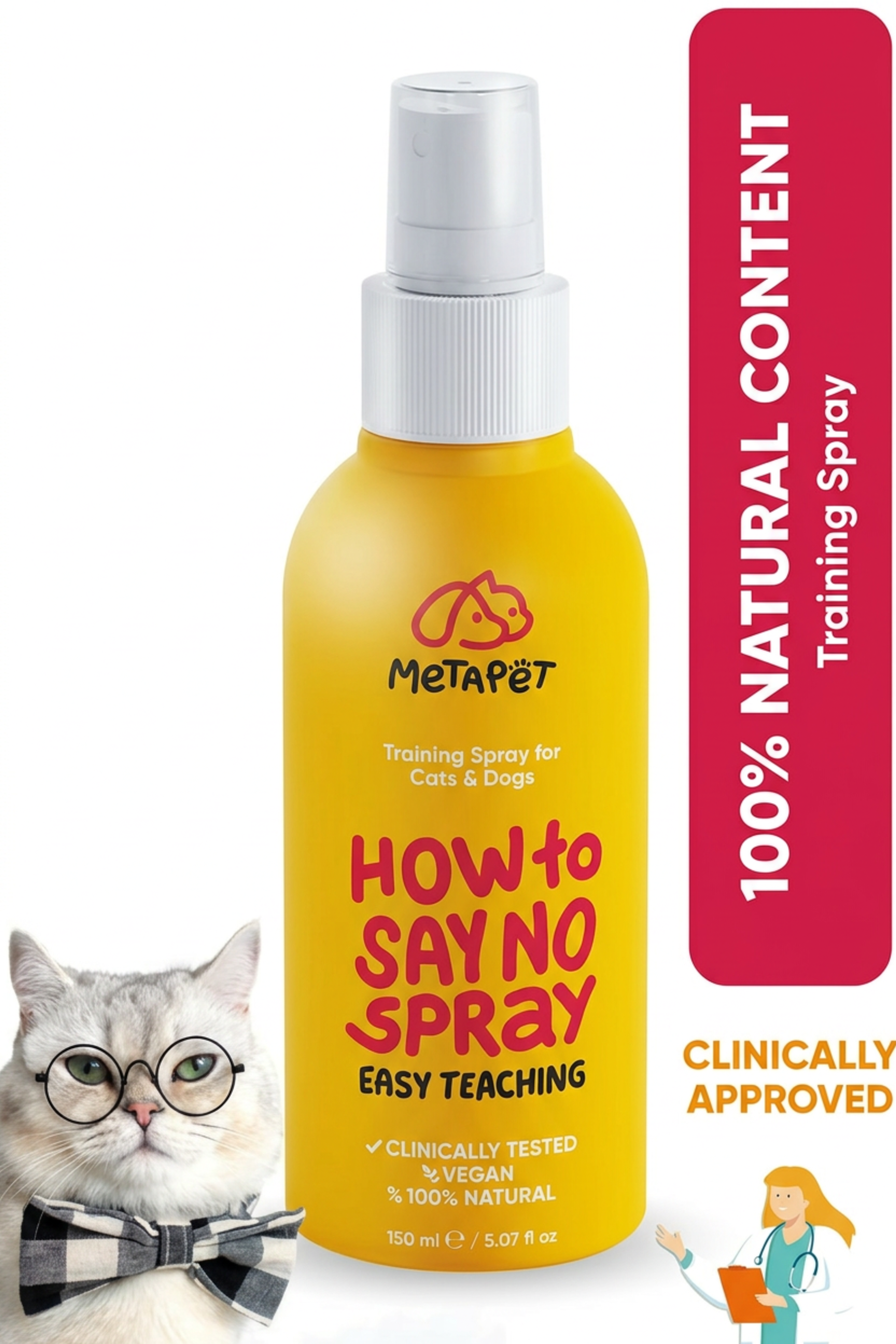
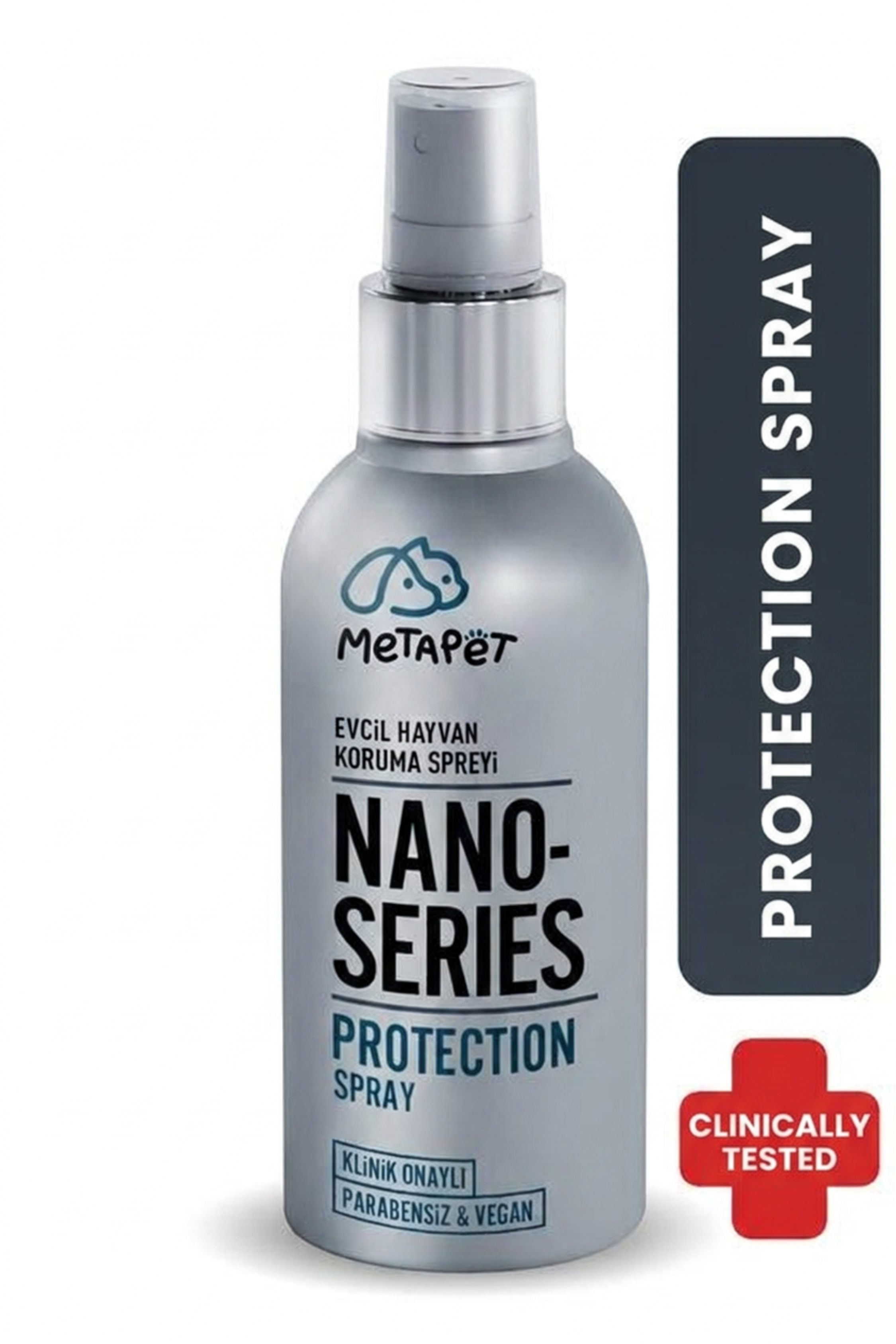
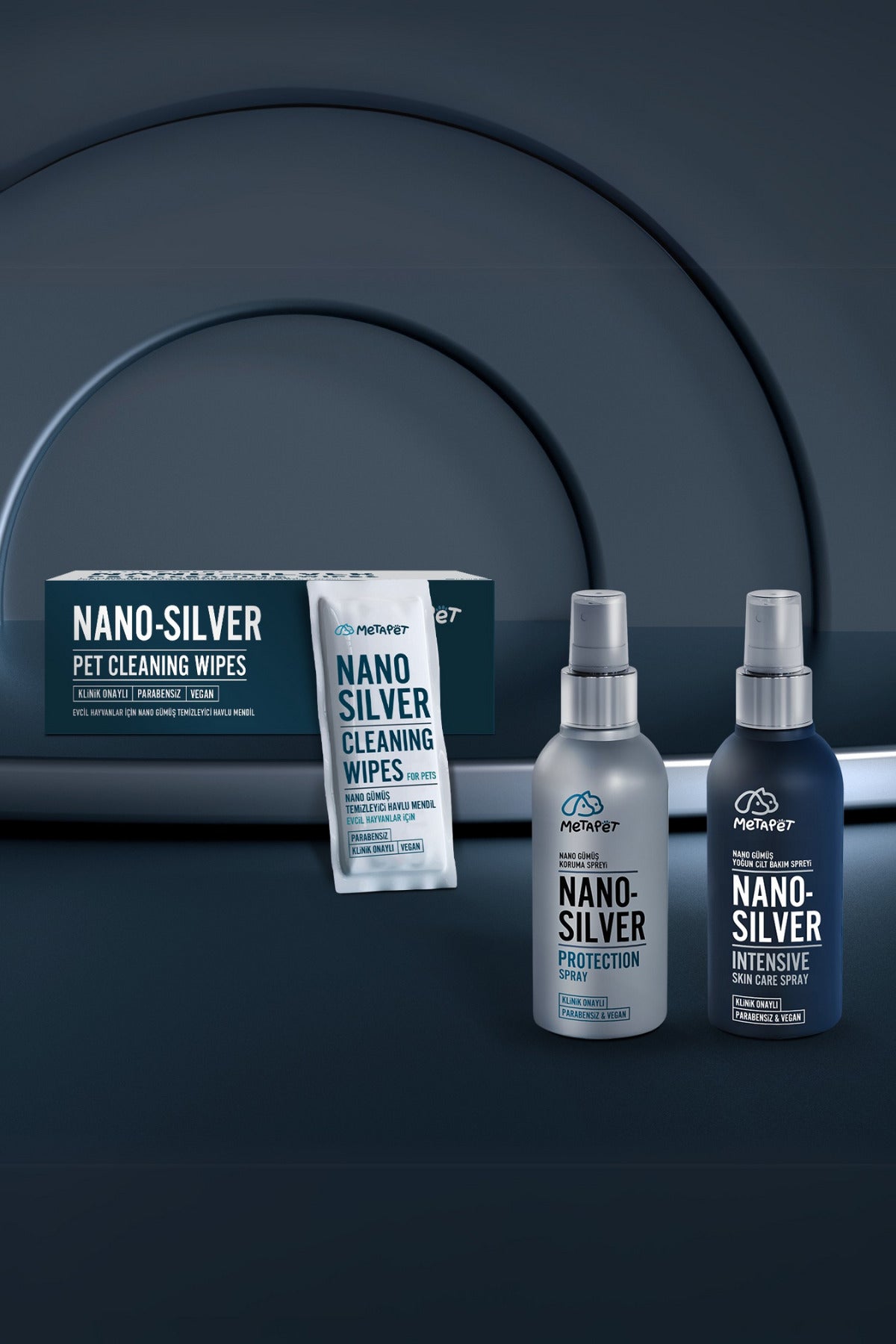
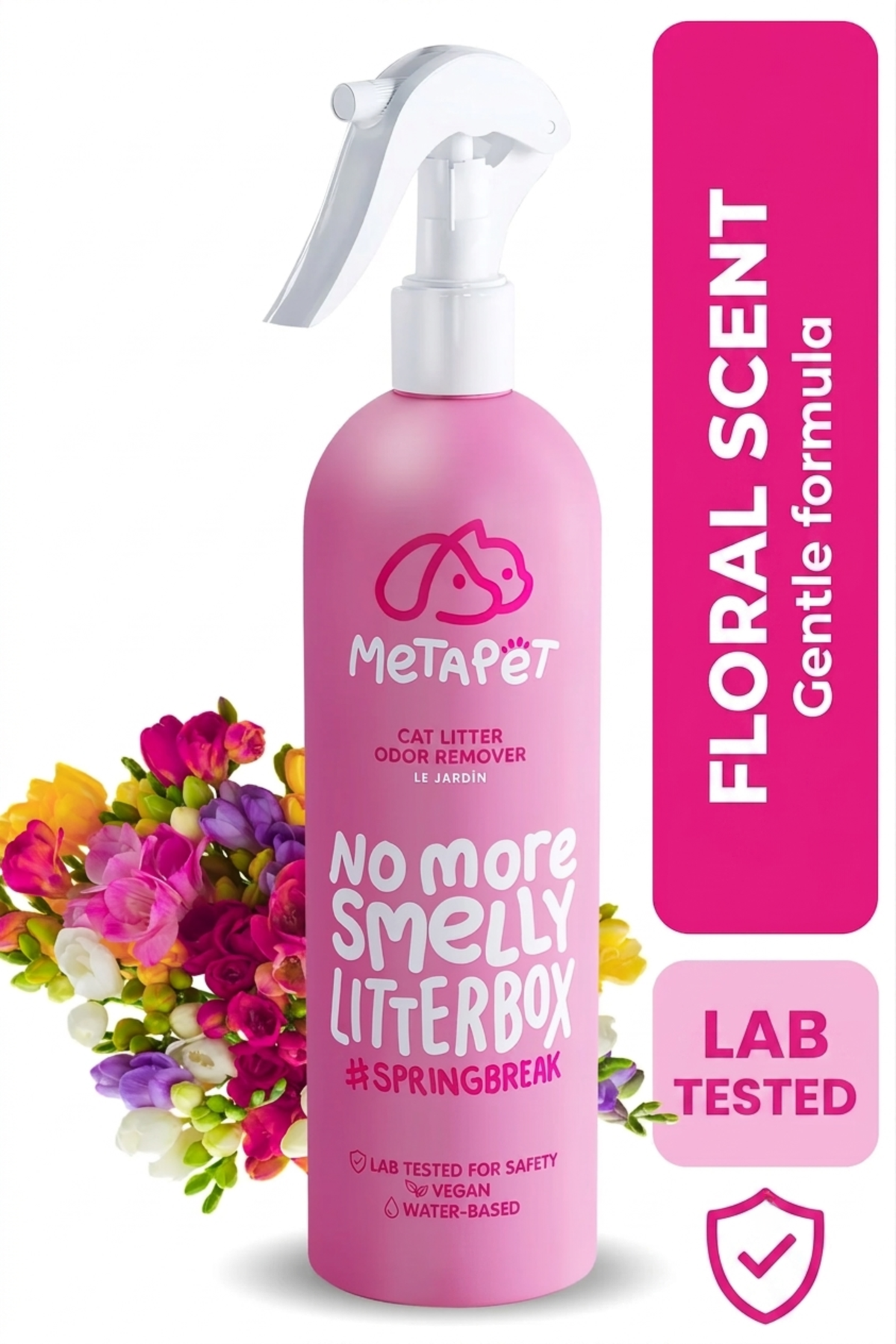
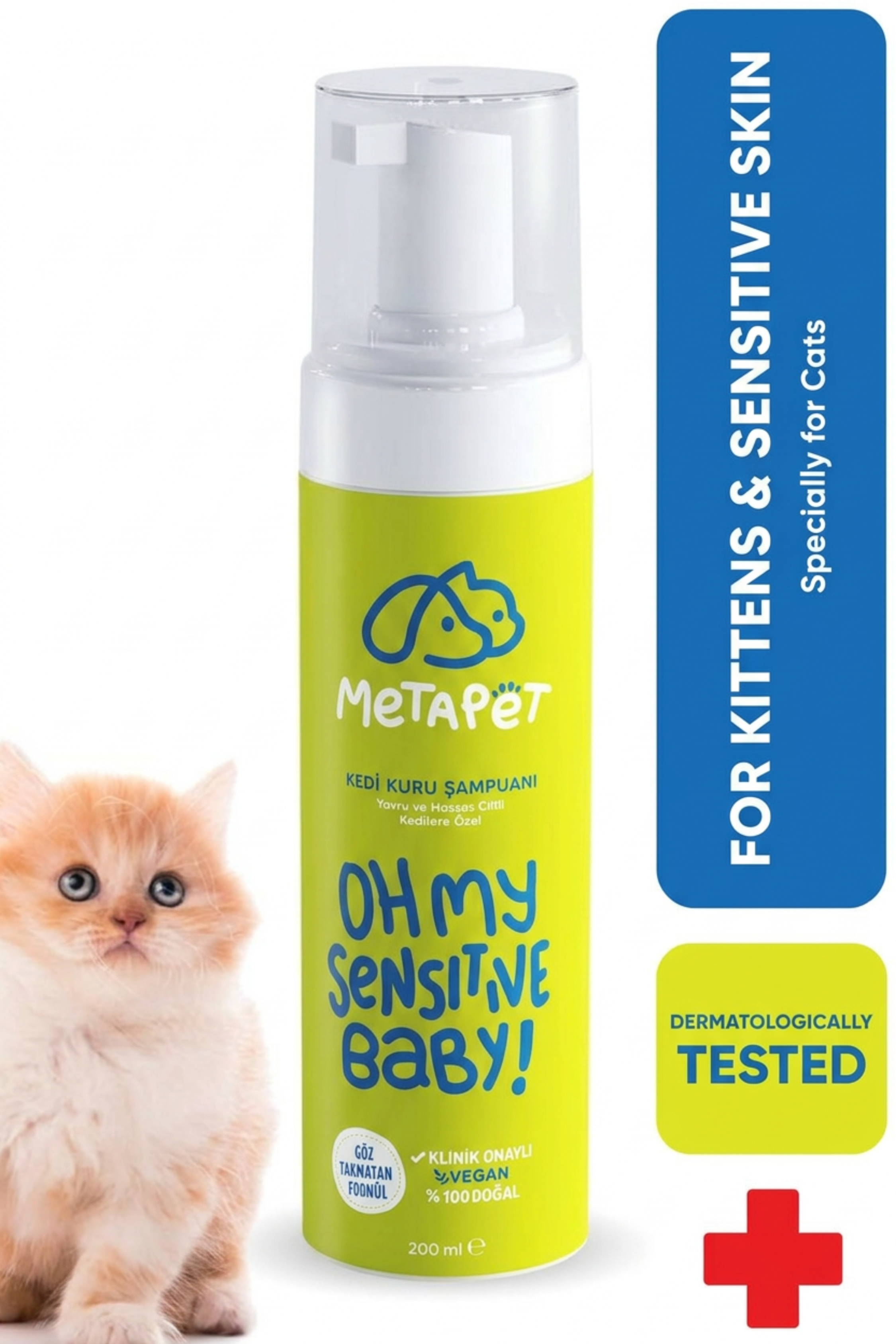
Simple, gentle, pet-appropriate cleaning supplies are usually all that is required. A soft wipe format such as the MetaPet Nano-Series Hygiene & Care Towel Wipes can make the wiping step easier to do consistently, and a light grooming mist such as the MetaPet Nano-Series Skin & Coat Soothing Care Spray is formulated to help support the comfort and condition of the coat and skin surface as part of a regular grooming routine. For full baths, a gentle option such as the MetaPet pH-Balanced Bath Shampoo for Dogs may suit routine washing.
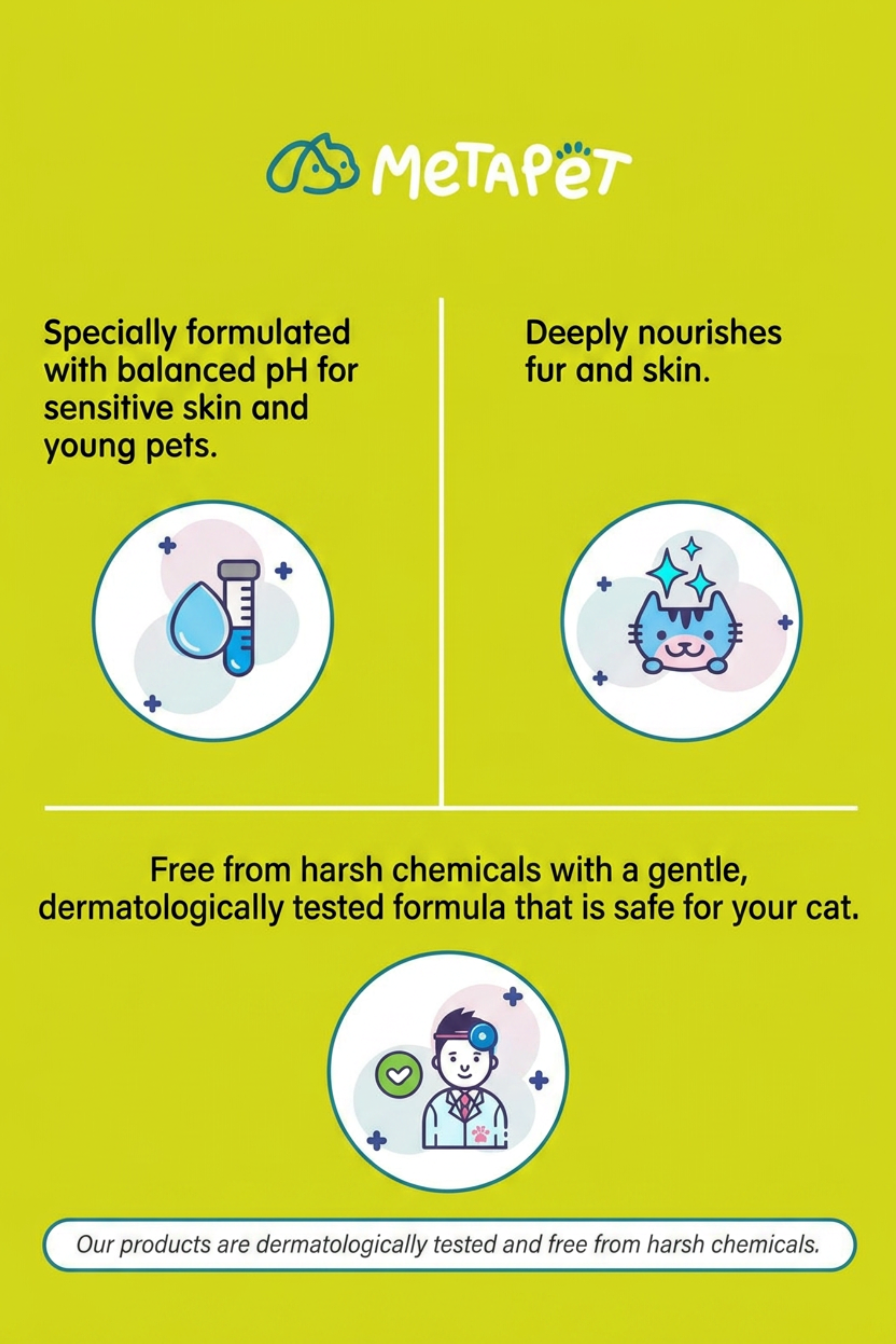
These are cosmetic grooming products intended to help keep skin and coat clean and comfortable. They are a complement to veterinary care, not a treatment for skin disease, and they do not diagnose, treat, cure, or prevent any medical condition. If skin is already inflamed, broken, or infected, stop home products and speak with your veterinarian before applying anything, since the wrong product on damaged skin can make matters worse.
What Not To Do
- Do not use human skincare or medicated products: many contain ingredients unsuitable for pets, and animals lick treated areas.
- Do not use alcohol-based wipes on raw skin: they sting badly and damage healing tissue.
- Do not scrub: friction is part of the original problem; wipe gently rather than rubbing hard.
- Do not leave the fold damp: a wet fold after cleaning is worse than one you left alone.
- Do not apply leftover creams or another pet's medication: the wrong product on the wrong problem prolongs it.
- Do not use powders in a moist fold: they can cake into a paste that traps more moisture.
- Do not ignore recurring problems: a fold that flares every few weeks needs a veterinary plan, not a longer cleaning routine.
When It Is No Longer Just Hygiene
Home care prevents and maintains. Once skin is genuinely inflamed or infected, it needs veterinary assessment, because the treatment depends entirely on what has overgrown — and bacteria and yeast are managed differently.
- Raw, ulcerated, or bleeding skin: inside the fold.
- Thick discharge or pus: rather than a light film.
- A strong odor: that persists despite consistent cleaning.
- Obvious pain: yelping, snapping, or refusing to let the area be touched.
- Swelling or heat: suggesting deeper involvement.
- Rapid worsening: over a day or two.
- Any accompanying illness: lethargy, appetite loss, or fever alongside skin changes.
Your veterinarian may examine samples from the fold to determine what is present, which directs treatment far better than guessing. Recurring or unusually severe fold disease also prompts a look for underlying contributors — allergies, hormonal conditions, or obesity — because treating the fold without addressing the reason it keeps flaring leads to an endless cycle.
Prevention Starts With Body Condition
Weight is a major and underappreciated factor. Excess body fat creates folds where none existed, deepens existing folds, and makes it physically harder for a pet to reach and groom itself. Many owners discover that a fold problem they had been fighting for months resolves largely on its own once their pet reaches a healthy weight.
Your veterinarian can show you how to score your pet's body condition by hand in under a minute, and can set a target weight and a measured daily allowance if your pet needs to lose some. Our guide to checking your pet's weight at home walks through the same assessment step by step.
For dogs and cats with heavy skin folds, staying lean is not a cosmetic goal. It is direct, meaningful skin care.
Fold Care in Cats
Cats are affected less often than dogs simply because fewer cats have pronounced folds, but the flat-faced breeds absolutely can be. Persians, Himalayans, and Exotic Shorthairs frequently have a nasal fold that collects tear overflow, and the same principles apply.
Cats also fold in other ways. Overweight cats develop folds in the groin and armpits and, more importantly, lose the flexibility to groom their own hindquarters and lower back. Skin problems in those regions of a heavy cat are often a grooming-access problem as much as a fold problem.
Because cats generally tolerate handling less patiently, build the routine gradually. Start with a few seconds, pair it with something the cat enjoys, and stop before objection begins. A cat that accepts fold cleaning calmly is worth more than a thorough cleaning that ends in a struggle, and short daily sessions beat long weekly ones.
Living Well With a Wrinkled Pet
If you share your home with a folded breed, this becomes part of routine care in the same way that nail trims and tooth brushing are — ordinary, brief, and unremarkable once established. Pets who learn the routine early usually accept it as a pleasant bit of daily attention.
- Build it into an existing habit: fold checks after the evening meal are easier to remember than a standalone task.
- Keep supplies accessible: a routine fails when the supplies live in another room.
- Dry after every wetting event: swimming, baths, rain, or a messy meal.
- Photograph the folds monthly: comparison photos catch gradual change that daily observation misses.
- Mention folds at every check-up: so your veterinarian can look before problems start.
- Keep a healthy weight: the most effective long-term prevention available.
Frequently Asked Questions
Can skin fold dermatitis be cured permanently?
An active flare can be resolved with appropriate veterinary care. The underlying anatomy, however, does not change, so the tendency remains and ongoing hygiene stays necessary. In selected severe or repeatedly recurring cases, veterinarians sometimes discuss surgical options to reduce a problematic fold; that is an individual decision made with your veterinary team.
Is this contagious to my other pets or to my family?
Skin fold dermatitis itself is not contagious — it arises from the animal's own anatomy and its own resident microorganisms. Some other skin conditions can spread between animals or to people, which is a reason to get an accurate diagnosis rather than assume.
How often should I really be cleaning?
It depends on the depth of the fold and how wet it gets. Deep facial folds in flat-faced pets often need daily attention. Ask your veterinarian to recommend a frequency for your specific pet at your next visit.
My pet hates having its face handled. What can I do?
Go slower and shorter. Touch the area, reward, and stop — repeating over days until handling is unremarkable before attempting actual cleaning. If your pet is genuinely fearful or reactive, ask your veterinary team for guidance rather than forcing the issue.
Should I be trimming the hair around folds?
Carefully trimming hair near a fold can improve airflow and make cleaning easier, but skin inside folds is thin and easily nicked. Ask your veterinarian or a professional groomer to show you what is appropriate for your pet before attempting it yourself.
The Bottom Line
For related reading, see our guides to caring for flat-faced dogs and cats and yeast infections in dogs and cats. Skin fold dermatitis is one of those problems where a small, consistent habit genuinely outperforms any product. A minute a day spent opening, wiping, and thoroughly drying the folds is the single most useful thing an owner can do, and looking inside them weekly means you catch problems while they are still easy to address.
Keep your pet lean, keep folds dry, look at them regularly, and involve your veterinarian early when the skin looks angry rather than after weeks of home experimentation. That combination keeps most wrinkled dogs and cats comfortable in the skin they were born with.