Malassezia Yeast Infections in Dogs and Cats: A Guide

Some skin problems announce themselves visually. Others announce themselves from across the room. Malassezia yeast overgrowth belongs to the second group: owners very often describe the smell before they describe the skin, and once you have learned to recognize that heavy, slightly sweet, musty odor you rarely mistake it for anything else.
Malassezia is a yeast that lives normally on the skin and in the ears of healthy dogs and cats. It is not something your pet catches from outside; it is already there, in small numbers, doing no harm. Problems begin when the conditions on the skin change in a way that lets those small numbers become large numbers. The skin becomes greasy, itchy, discolored, and smelly, and the pet is thoroughly miserable.
That single fact — that yeast overgrowth is nearly always a consequence of something else rather than a disease that arrives on its own — is the most useful thing an owner can understand about it. This guide explains what Malassezia overgrowth looks like in dogs and cats, why it keeps coming back in some pets, how veterinarians confirm it rather than guess at it, what treatment involves, and what a realistic home routine looks like between veterinary visits.
Important: This article shares general educational information for pet owners and is not a substitute for an in-person veterinary examination, diagnosis, or treatment. For any medical concern or emergency, contact your veterinarian promptly.
What Malassezia Actually Is
Malassezia is a genus of yeast — a single-celled fungus — that forms part of the normal microbial community of the skin. In dogs and cats it is found in low numbers on healthy skin, in the ear canals, around the lips and chin, between the toes, and in skin folds. Its presence is entirely normal. Its overgrowth is not.
The yeast thrives on the fats and oils of the skin surface, which explains a great deal about where it prefers to live and which pets suffer most. Warm, moist, poorly ventilated, oily areas are ideal. Dry, well-aerated, cool skin is not. Anything that increases surface oil, traps moisture, or damages the skin's protective barrier shifts the balance in the yeast's favor.
Because the yeast is a normal resident, finding a few organisms on a skin sample means nothing on its own. What matters is the number of yeast present together with the clinical picture — itching, redness, greasiness, odor. A veterinarian is interpreting both at once, which is why diagnosis is not simply a matter of finding yeast under a microscope.
- Normal resident: present on healthy skin in small numbers.
- Not contagious in the usual sense: pets do not typically catch it from each other.
- Opportunistic: it multiplies when skin conditions change.
- Almost always secondary: an underlying trigger is usually present.
- Genuinely itchy: yeast overgrowth causes intense irritation, not just cosmetic change.
What Owners Notice First
The presentation varies with how long the overgrowth has been present, but the following are the signs owners most often describe to their veterinarian.
- A musty odor: heavy and distinctive, often noticeable from the paws, ears, or skin folds.
- Greasy coat: fur that feels oily or waxy and leaves a residue on your hands.
- Intense itching: licking, chewing, scratching, and rubbing along furniture.
- Redness: particularly in the armpits, groin, between the toes, and inside the ear flaps.
- Rust-colored staining: saliva discoloration on pale fur where the pet has been licking.
- Darkened, thickened skin: a leathery, elephant-hide texture in areas affected for a long time.
- Flaking or scaling: greasy scale rather than dry dandruff.
- Ear problems: head shaking, brown waxy discharge, and discomfort when the ears are touched.
- Hair loss: usually from self-trauma rather than the yeast itself.
- Restlessness: disturbed sleep and general irritability from constant itching.
Cats present more subtly than dogs. Feline Malassezia overgrowth is most often seen around the chin, in the ear canals, in the nail folds, and on the underside, and it is more commonly associated with an underlying illness than it is in dogs. A cat with widespread yeast overgrowth deserves a thorough general health investigation, not just a skin-focused one.
One practical observation: yeast-related itching tends to be constant rather than seasonal, and it often continues at a low level even after a course of anti-itch treatment that would normally help an allergic pet. Owners frequently notice that something is different about this itch without being able to say what.
Where It Tends to Settle
Malassezia is predictable about location, and knowing where to look helps owners describe the problem accurately.
- Between the toes: moist, warm, and constantly licked; a very common site.
- Ear canals: the classic site, particularly in dogs with pendulous ears.
- Skin folds: facial folds, lip folds, tail folds, and the folds of the neck and body in wrinkled breeds.
- Armpits and groin: areas with skin-on-skin contact and poor air circulation.
- Under the neck and chest: especially in dogs who lie on their front.
- Around the anus and tail base: where moisture and friction combine.
- Nail folds in cats: a subtle site that is easy to overlook.
- The chin in cats: sometimes alongside feline acne.
If your pet is affected in only one spot, mention that clearly. A single-site problem points in a different direction from a widespread one, and it changes the investigation.
Why It Happens: The Underlying Triggers
This is the part that determines whether the problem is solved or merely paused. Treating yeast overgrowth without addressing what allowed it usually buys a few comfortable weeks followed by a relapse.
- Allergic skin disease: by far the most common driver in dogs; environmental and food-related allergies damage the skin barrier and increase surface oils.
- Skin anatomy: deep facial folds, heavy ear flaps, and dense undercoats trap moisture.
- Endocrine disease: hormonal conditions change skin oil production and immune function, particularly in middle-aged and older dogs.
- Parasites: fleas and mites cause self-trauma that opens the door.
- Excess moisture: swimming, frequent bathing without thorough drying, or humid climates.
- Concurrent bacterial infection: yeast and bacteria commonly overgrow together and each makes the other worse.
- Medication effects: some long-term medications alter skin immunity, which is one reason they are prescribed and monitored carefully.
- Underlying illness in cats: systemic disease is a recognized association with feline yeast overgrowth.
- Breed predisposition: several breeds are recognized as prone, including Basset Hounds, West Highland White Terriers, Cocker Spaniels, Shar Peis, and Bulldogs.
Your veterinarian will work through this list in an order that fits your pet's age, breed, history, and the pattern of the skin disease. A first episode in a young dog with seasonal itching points somewhere very different from a first episode in a nine-year-old dog who has also started drinking more water.
How Veterinarians Confirm It
Yeast overgrowth is one of the conditions where a same-day, low-cost, in-clinic test answers the question directly, which is why guessing at it is unnecessary.
Skin cytology is the central test. A sample is collected from the affected skin — usually with clear tape pressed onto the surface, a cotton swab, or a glass slide impression — then stained and examined under the microscope. Malassezia organisms have a characteristic shape that is easy to recognize, and the veterinarian assesses how many are present relative to what would be normal for that site.
Cytology does more than confirm yeast. It shows whether bacteria are present as well, and whether inflammatory cells are involved. That matters because a mixed yeast-and-bacterial problem needs a different plan from yeast alone, and because a plan built on assumption rather than a sample frequently addresses only half of what is actually there.
Once the overgrowth is confirmed, attention turns to the trigger. Depending on the picture, that can involve parasite treatment trials, blood testing for hormonal disease, a strict elimination diet, allergy investigation, or ear examination with an otoscope. Repeat cytology during and after treatment is used to check whether the yeast numbers are actually falling, which is far more reliable than judging by smell alone.
- Useful to bring: a list of every shampoo, spray, wipe, and supplement used in the last three months.
- Useful to describe: when the itching started, whether it is seasonal, and which body areas came first.
- Useful to mention: any change in thirst, appetite, energy, or coat quality, and whether other pets or people in the home are itchy.
What Treatment Involves
Treatment is prescribed by your veterinarian and generally has three parts running at the same time: reducing the yeast population, calming the inflamed skin, and dealing with whatever allowed the overgrowth in the first place.
Topical therapy is central for most cases. Veterinary medicated shampoos, mousses, wipes, and ear preparations formulated for this purpose are applied on a schedule your veterinarian sets — typically more frequently at the start and then tapering. Contact time matters enormously with medicated shampoos: a product left on the coat for the recommended period does far more than the same product rinsed off immediately, and this is the single most common reason owners feel a bath has not helped.
Systemic antifungal medication is added for widespread, severe, or poorly responsive cases. These are prescription medications with their own monitoring requirements, and they are chosen based on the individual pet rather than the condition alone.
Managing the underlying trigger runs alongside all of this. Allergy management, hormonal disease treatment, parasite control, or fold management may all be part of the plan. Where the trigger is chronic, the realistic goal shifts from cure to long-term control with a maintenance routine that keeps the yeast population low.
Expect this to take longer than you would like. Skin heals slowly, and thickened, discolored skin can take months to return toward normal even after the yeast is well controlled. Judging progress by the itch level and by repeat cytology is more useful than judging it by appearance in the first few weeks.
Bathing Technique That Actually Helps
When your veterinarian prescribes a medicated bathing routine, technique determines the result. These steps apply to any prescribed shampoo protocol.
- Brush thoroughly first — product cannot reach skin under a mat, and matted areas stay wet afterward.
- Wet the coat completely down to the skin; a dense double coat can look wet while the skin underneath is dry.
- Apply the shampoo your veterinarian prescribed and work it right down to skin level, section by section, rather than lathering the surface.
- Pay particular attention to the paws, folds, armpits, groin, and under the tail — the sites where yeast concentrates.
- Leave the product in contact for the full time your veterinarian specifies, timed rather than estimated. This is the step most often shortened.
- Rinse completely. Residue is irritating and can leave the skin uncomfortable.
- Dry thoroughly, especially between the toes and inside skin folds. A damp fold is exactly the environment you are trying to eliminate.
- Keep to the prescribed frequency even when the coat looks better, and stop only when your veterinarian says so.
If bathing at the prescribed frequency is not realistic for your household or your pet, say so at the appointment rather than quietly doing it less often. There are usually alternatives — mousses, sprays, or wipes that do not require a full bath — and a plan you can actually follow beats a better plan you cannot.
Everyday Grooming and Hygiene Between Treatments
Routine grooming does not treat a yeast infection and cannot replace anything your veterinarian has prescribed. What it can do is help keep the coat clean, reduce the trapped moisture and debris that make the skin surface hospitable, and make it easier for you to notice change early.
Regular brushing improves air circulation through the coat and removes the loose hair and scale that hold moisture against the skin. Thorough drying after any wetting — baths, rain, swimming, or a muddy walk — is one of the most useful habits an owner of a yeast-prone dog can build. Keeping the fur trimmed short in problem folds and between the pads, where your veterinarian or groomer advises it, improves ventilation in exactly the places that need it.
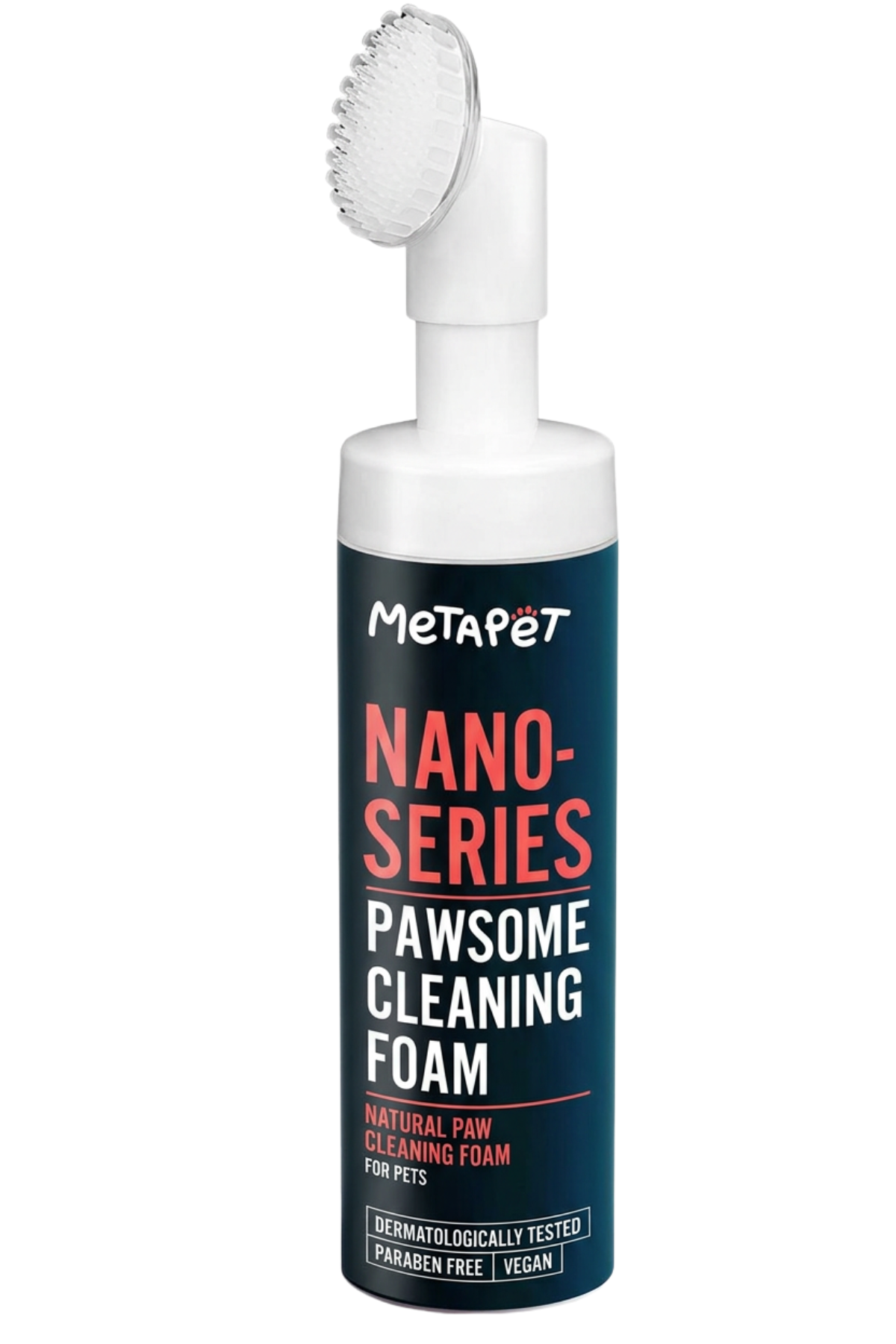
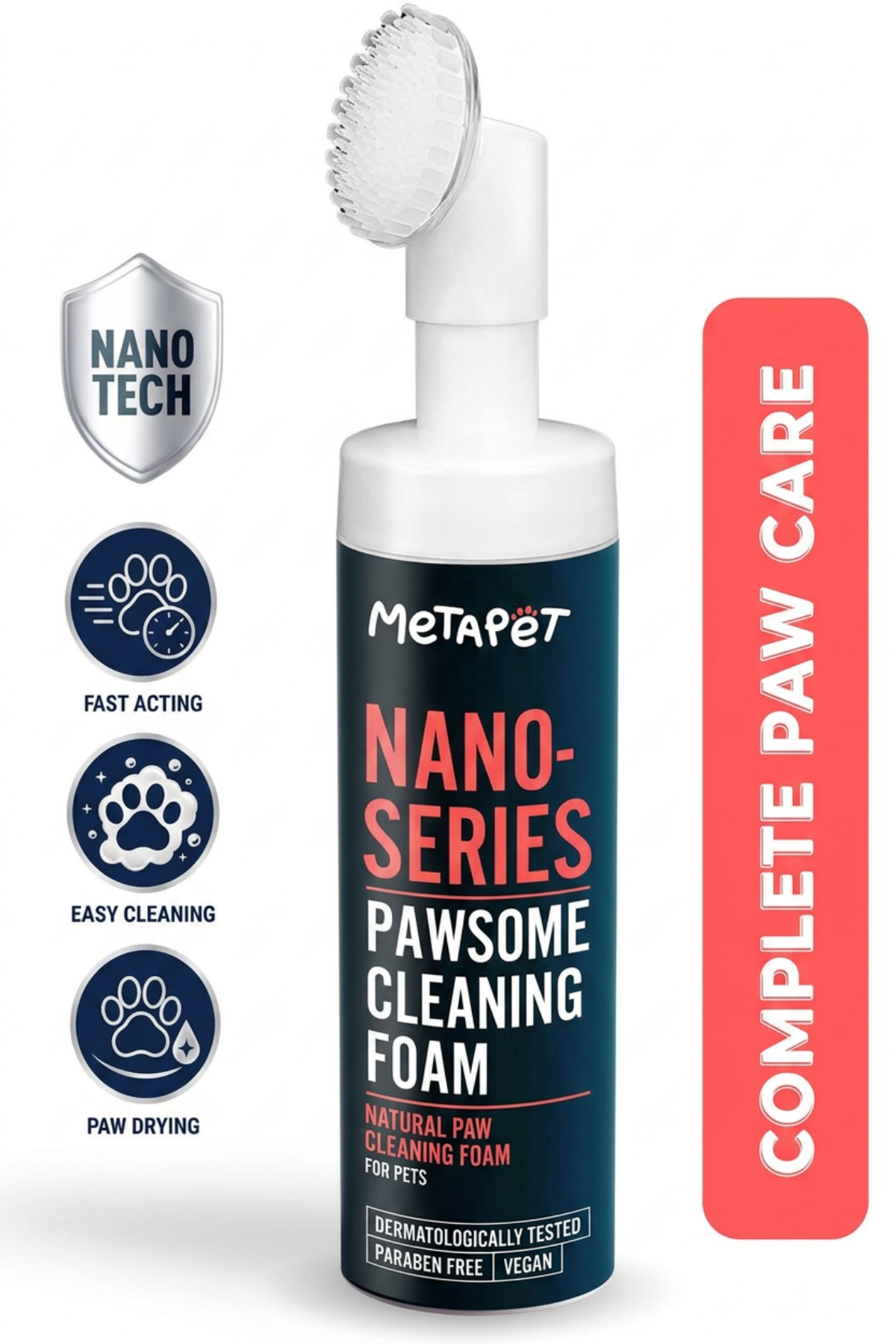
For general cleanliness between prescribed treatments, plain cosmetic grooming products can help keep the coat and skin surface tidy. Items such as the MetaPet Nano-Series Hygiene & Care Towel Wipes or the MetaPet Nano-Series Pawsome Paw Cleaning Foam are cosmetic grooming aids designed to help clean the coat and paws after walks. They are not medicated products, they are not intended to treat, prevent, or manage any skin condition, and they are a complement to veterinary care rather than a substitute for it. Always check with your veterinarian before applying any product to skin that is currently inflamed or under treatment.
Keep a simple log during a flare: which areas are affected, how much licking you see each day, and whether the odor is improving. Owners consistently find that a written record makes recheck appointments far more productive than trying to recall six weeks from memory.
Why It Keeps Coming Back
Recurrence is the defining frustration of this condition, and it almost always has one of a small number of explanations.
The most common is that the underlying trigger was never identified or is inherently ongoing. A dog with lifelong environmental allergies will have recurring yeast overgrowth unless the allergy itself is managed continuously. Treating the yeast alone in that dog is like mopping a floor while the tap is still running.
The second is treatment stopped too early. Skin can look and smell much better while yeast numbers are still well above normal. Stopping at the point of visible improvement rather than at the point your veterinarian specifies is a reliable route to relapse within weeks.
The third is that a concurrent bacterial infection was present and only the yeast was addressed. The two frequently occur together, and cytology is what distinguishes them.
The fourth is anatomy. A deep facial fold or a heavy, closed ear canal does not change, so the environment that favors yeast is permanent. In those pets a lifelong maintenance routine — regular fold cleaning, scheduled preventive bathing, and routine ear care as directed by your veterinarian — is the realistic answer rather than a series of treatment courses.
Myths and Facts
Myths, Corrected
- Myth: yeast infections are caused by diet sugar. There is no good evidence that reducing dietary carbohydrate controls skin yeast in dogs and cats; the driver is skin surface condition.
- Myth: it is contagious to people. Malassezia yeasts are largely species-adapted, and transmission to healthy people is not a typical concern — but anyone whose immune system is suppressed, and households with a newborn baby, should mention the pet’s skin infection to their own doctor as a precaution.
- Myth: a single bath fixes it. Yeast overgrowth requires a course of treatment, not one wash.
- Myth: home remedies applied to the skin are a safe alternative. Several popular household preparations are irritating on inflamed skin and can make matters worse.
- Myth: the smell means the pet is dirty. The odor is produced by yeast metabolism, not by lack of washing.
- Fact: cytology changes the plan. Distinguishing yeast, bacteria, or both is what makes treatment effective.
- Fact: contact time matters. Prescribed shampoos work far better when left on for the specified period.
- Fact: finding the trigger prevents relapse. This is where most of the long-term benefit comes from.
When to Contact Your Veterinarian
Thresholds for Calling
Skin problems are rarely emergencies, but they are also rarely self-resolving, and delay generally means a longer treatment course.
- Book an appointment for: a new musty odor, greasy coat, persistent licking or chewing, or red skin in folds and between the toes.
- Book sooner if: your pet is losing sleep to itching, has raw or bleeding skin, or has stopped eating normally.
- Seek prompt care for: a painful ear with head tilt, loss of balance, or sudden severe swelling of the ear flap.
- Return for a recheck if: the skin stops improving, worsens partway through treatment, or the smell returns after finishing a course.
For any medical emergency — severe pain, collapse, breathing difficulty, or rapidly spreading swelling — contact your veterinarian or your nearest emergency veterinary hospital immediately rather than waiting for regular opening hours.
The Practical Takeaway
What to Remember
Malassezia overgrowth is uncomfortable, smelly, and stubborn, but it is also one of the more satisfying skin conditions to manage well, because the diagnostic test is quick and the response to appropriate treatment is usually clear.
The two things that separate a good outcome from an endless cycle are finishing the treatment your veterinarian prescribed rather than stopping at visible improvement, and pushing to identify what allowed the overgrowth rather than treating the yeast in isolation. Owners who ask the question "what let this happen?" at the first appointment generally end up with far fewer appointments in total.
Between courses, the useful home habits are unglamorous and effective: brush regularly, dry thoroughly after every wetting, keep folds and paws clean, and pay attention to the smell. A nose that has learned to recognize this odor is one of the earliest warning systems an owner has, and catching a relapse in week one rather than week six changes how long the next course needs to be.