Seborrhea in Dogs and Cats: Greasy, Flaky Coat Care Guide

You run a hand down your dog's back and your fingers come away faintly greasy. Or you lift the cushion where your cat sleeps and find a drift of white flakes. Or the smell reaches you first — a warm, musty note that returns a day after every bath.
Important: This article shares general educational information for pet owners and is not a substitute for an in-person veterinary examination, diagnosis, or treatment. For any medical concern or emergency, contact your veterinarian promptly.
These are all descriptions of seborrhea: a disorder of keratinization in which skin renews itself and produces oil abnormally, leaving the coat greasy, flaky, or both.
The central idea here is simple. In most pets, seborrhea is not the disease — it is the visible sign of something underneath. Scrubbing at flakes without answering “why?” is why so many owners feel stuck.
What Sebum and the Skin Barrier Normally Do
Skin is not just a wrapper. Its outer layer is built from flattened, keratin-packed cells held together by a mortar of lipids — a barrier that keeps water in and keeps allergens, bacteria and yeast out.
Sebaceous glands beside each hair follicle release sebum, an oily mixture that coats hair and skin and limits water loss. A healthy coat is the visible result of two invisible processes staying balanced: orderly turnover and steady oil production.
What Goes Wrong
In seborrhea that balance breaks. Cells shed far faster than normal, so turnover becomes visible as scale. Glands may become overactive or produce altered sebum, leaving a greasy film. The weakened barrier then lets surface bacteria and yeast expand, which irritates skin and speeds turnover again.
Dry, Greasy, or Both: The Two Classic Patterns
Veterinarians describe two presentations. They are shorthand for appearance, not diagnoses, and many pets show both at once.
- Seborrhea sicca, the dry form. Dull coat, white or gray flakes, papery skin beneath.
- Seborrhea oleosa, the greasy form. Oily coat, clumped hair, brown debris in folds, often a musty odor after bathing.
- Mixed patterns. Greasy folds and tail base alongside dry scale over the shoulders.
Location is worth reporting. In dogs, scale and grease gather along the back and tail base, in the armpits and groin, and inside the ear flaps. In cats, look along the spine and rump, or on the chin.
Primary Seborrhea: Uncommon and Inherited
A small number of pets have primary seborrhea, an inherited fault in how skin renews itself. Nothing else drives it. Signs usually begin young and persist for life, so the goal is long-term management.
Breeds discussed in connection with inherited keratinization disorders include the Cocker Spaniel, West Highland White Terrier, Basset Hound, English Springer Spaniel, Shar-Pei and Doberman, and among cats the Persian. Belonging to one of these breeds does not mean a pet has it.
Primary seborrhea is a diagnosis of exclusion. Because inherited cases are uncommon, a veterinarian works through the likelier secondary causes first.
Secondary Seborrhea: The Far More Common Story
For most dogs and cats, an abnormal coat is a downstream symptom. Something is inflaming or altering the skin, and disordered scaling is the result. The list a veterinarian works through is long.
- Parasites. Fleas and mites, including those causing mange, drive flaking.
- Bacterial and yeast overgrowth. Malassezia yeast is linked to greasy skin and a musty odor.
- Allergies. Flea, food and environmental allergy inflame skin, and scratching accelerates scaling.
- Endocrine disease. Hypothyroidism in dogs and Cushing's disease change coat quality and shedding.
- Nutritional gaps. Unbalanced diets, or trouble absorbing nutrients, leave the coat dull.
- Obesity or pain that blocks grooming. A pet that cannot reach part of its body stops maintaining it.
- Autoimmune skin disease. Less common, but capable of crusting that needs specific diagnosis.
- Internal disease in older cats. An unkempt senior coat can be an early clue to a systemic problem.
The Cat Who Stopped Grooming
Owners often read this as laziness. It rarely is. An overweight cat cannot twist to reach its lower back, and a cat with arthritic joints or dental pain grooms less because grooming hurts. The result is a normal front half and a greasy strip along the spine.
Why Treating Only the Flakes Fails
Almost every owner arrives having already tried something: a different shampoo, an oil in the food, more bathing, less bathing. The coat improves for a week, then slides back.
Surface care addresses surface debris. If a flea population, an allergy, an untreated hormonal condition or a painful joint is still driving the process, the skin keeps producing scale and oil at the same abnormal rate. Over-bathing or scrubbing inflamed skin can strip lipids and damage the barrier further. Find the cause, address the cause, then let grooming do what it is good at.
What a Veterinary Skin Workup Involves
Dermatology is methodical rather than dramatic. Expect a staged process, and expect your own observations to count as much as any test.
- A detailed history: when it began, whether it is seasonal, what the pet eats, which parasite prevention is used, and what has already been tried.
- A full physical examination — body condition, joints, ears, mouth, signs of systemic illness.
- Skin scrapings and hair plucks examined under the microscope for mites and follicle changes.
- Cytology: surface and ear samples stained and examined for bacteria and yeast.
- Fungal culture where a fungal infection is possible, since some can spread to people.
- Blood and urine testing when a hormonal or internal cause is suspected.
- A strictly controlled diet trial, run for as long as your veterinarian specifies.
- Allergy testing and referral to a veterinary dermatologist for complex cases.
Bring photographs of the coat on a bad day and be honest about everything you have already used.
Medicated Products Are a Veterinary Decision
Medicated shampoos, rinses and prescription topicals exist, and for many pets they are central to the plan. They are not interchangeable: a product that suits one pet's skin can irritate another's.
So a medicated product should only be used when your veterinarian prescribes or specifically recommends it for your individual pet, exactly as directed. Never apply a product made for people, and never reuse one prescribed for a different animal. If skin becomes red or more irritated after any product, stop and contact your clinic.
Everyday Grooming That Supports a Healthy-Looking Coat
Alongside your veterinarian's plan, a consistent home routine does quiet, useful work. None of it replaces diagnosis, but it keeps the pet comfortable.
- Brush regularly and gently. Short, frequent sessions lift loose scale and distribute natural oils.
- Bathe at a frequency your veterinarian agrees with. Coat type and skin condition shape this; more is not better.
- Rinse thoroughly, then rinse again. Residue left in the coat is an avoidable cause of irritation.
- Never use human shampoo. It is not formulated for a dog's or cat's skin.
- Dry carefully. Dry folds, armpits and between the toes, where trapped moisture encourages overgrowth.
- Wash bedding often. Bedding collects scale, oil, hair and flea debris.
- Manage body weight. A lean pet grooms itself better and carries less joint strain.
- Keep parasite prevention consistent. Use the schedule your veterinarian directs, for every pet.
Bathing Without Overdoing It
Use lukewarm water, wet the coat completely first, work with your fingertips rather than your nails, and keep it short. Many cats do better with brief handling than a full bath.
Where Gentle Grooming Products Fit In
Grooming products are a complement to veterinary care, never a substitute for it. They do not treat, cure or prevent seborrhea or any skin disease, and they are not a reason to delay an appointment. A medicated product should only be used if your veterinarian prescribes one.
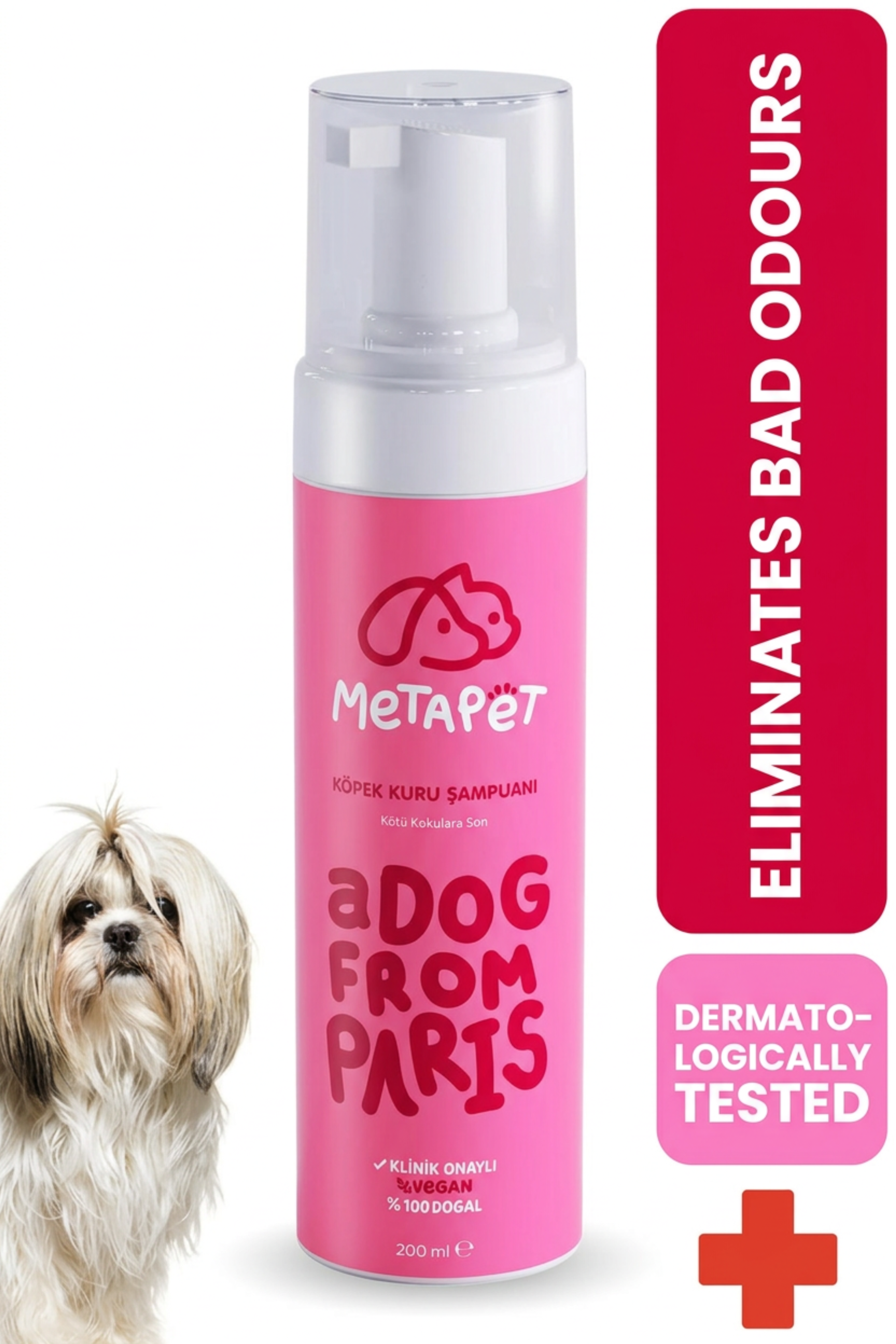
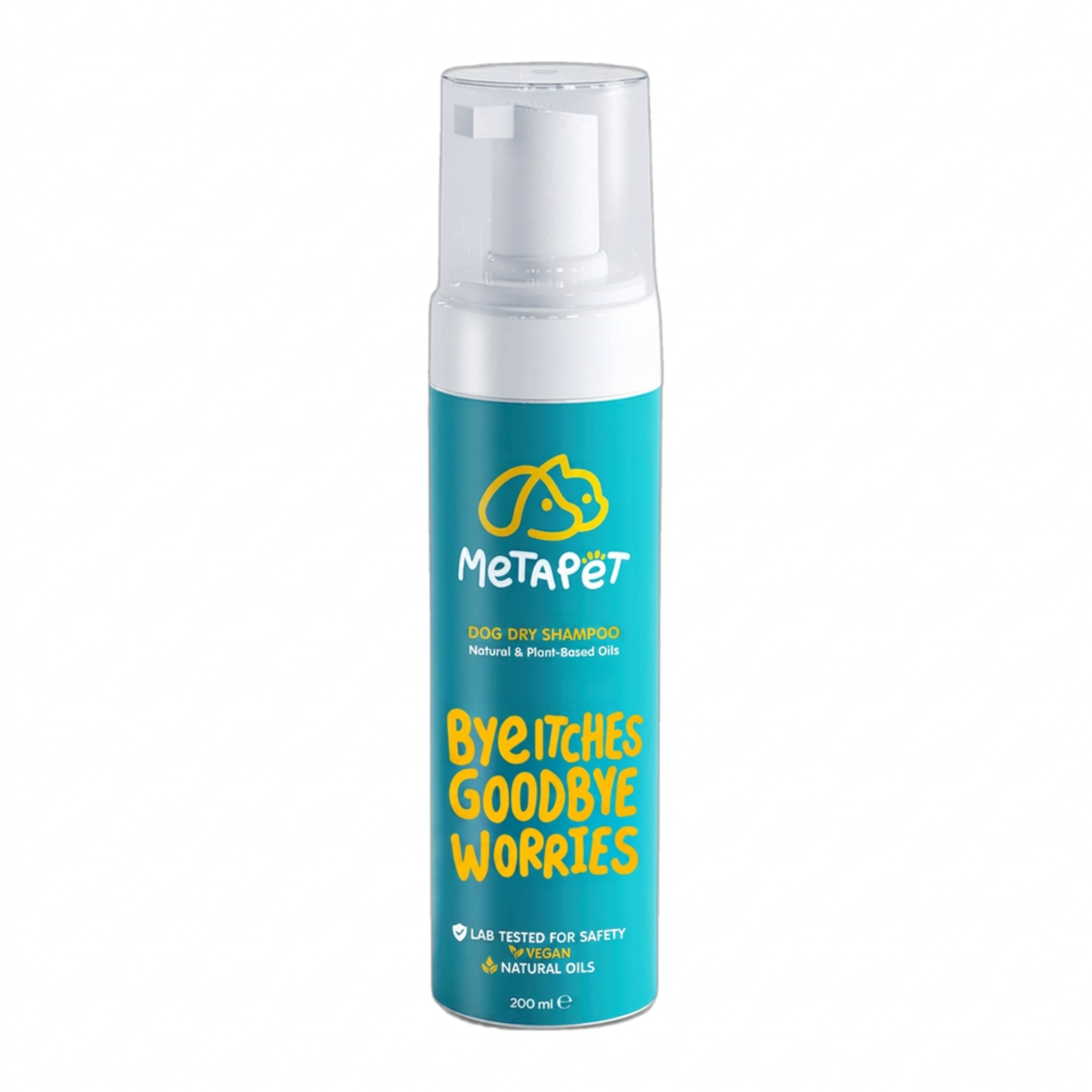
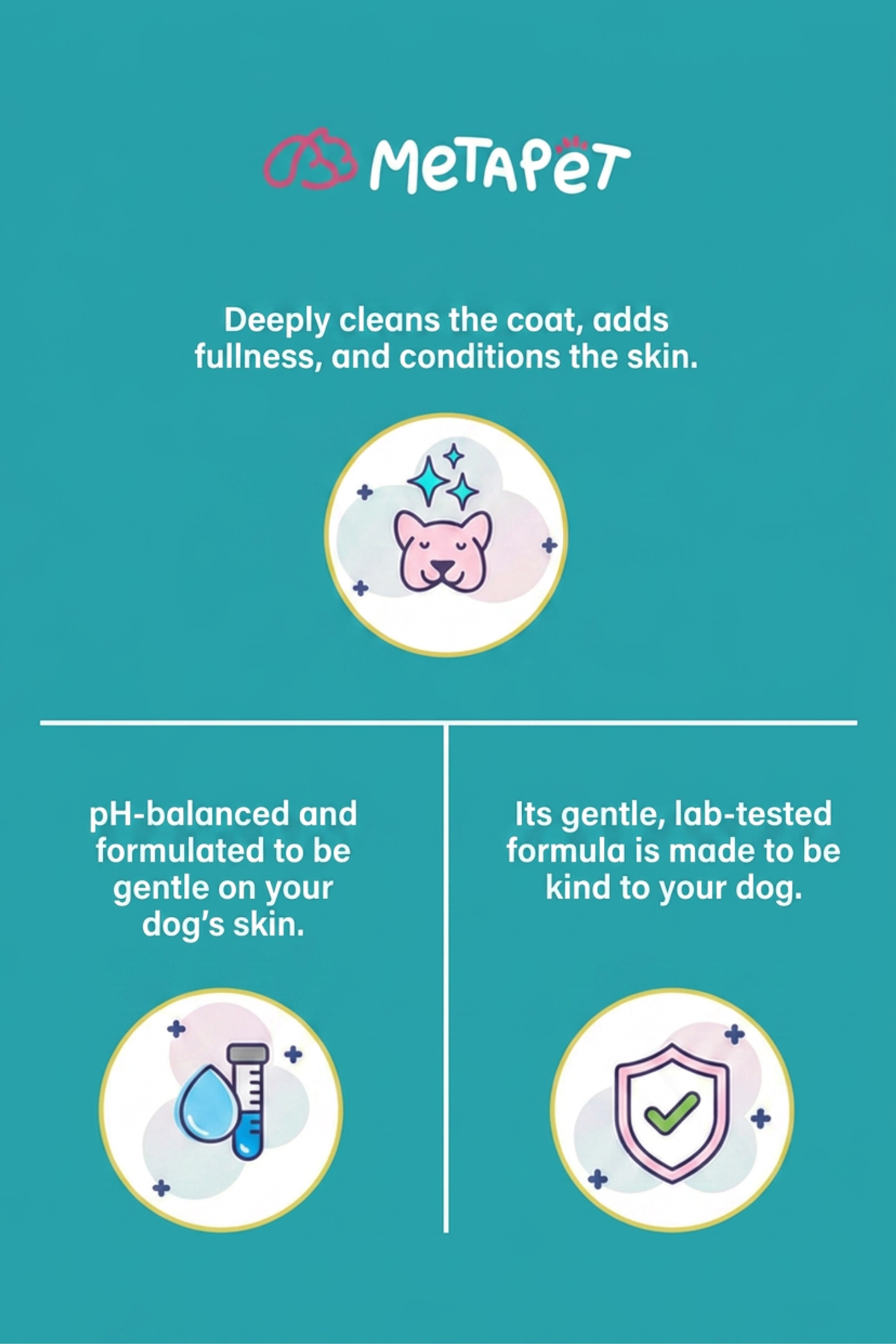
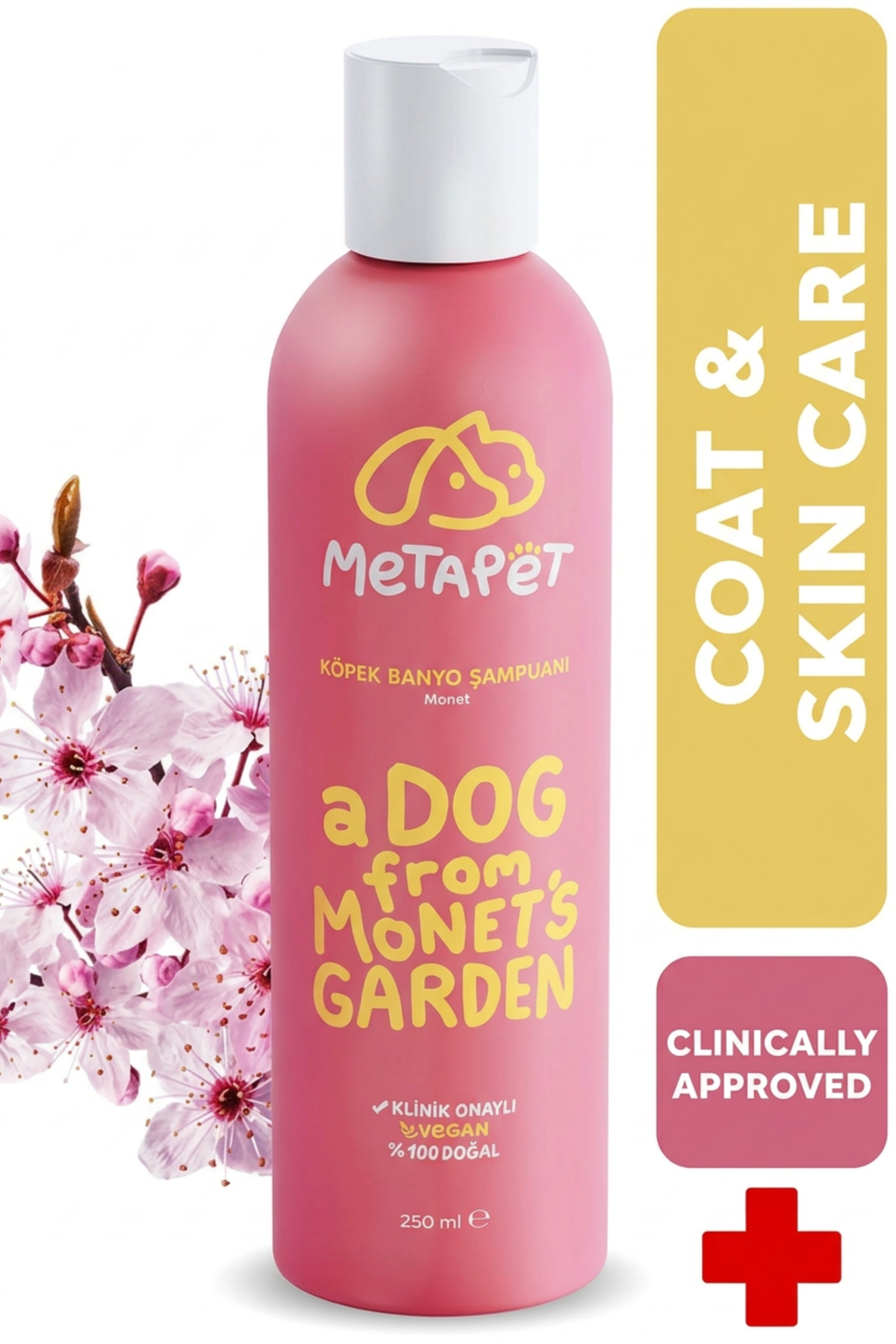
- pH-Balanced Bath Shampoo for Dogs. A rinse-out bath shampoo designed to clean the coat while caring for sensitive skin. pH-balanced for a dog's skin and made without harsh chemicals, sulfates or parabens, it leaves a soft, full coat and a natural scent. A cosmetic grooming product, not a medicine, for external grooming and cleansing only.
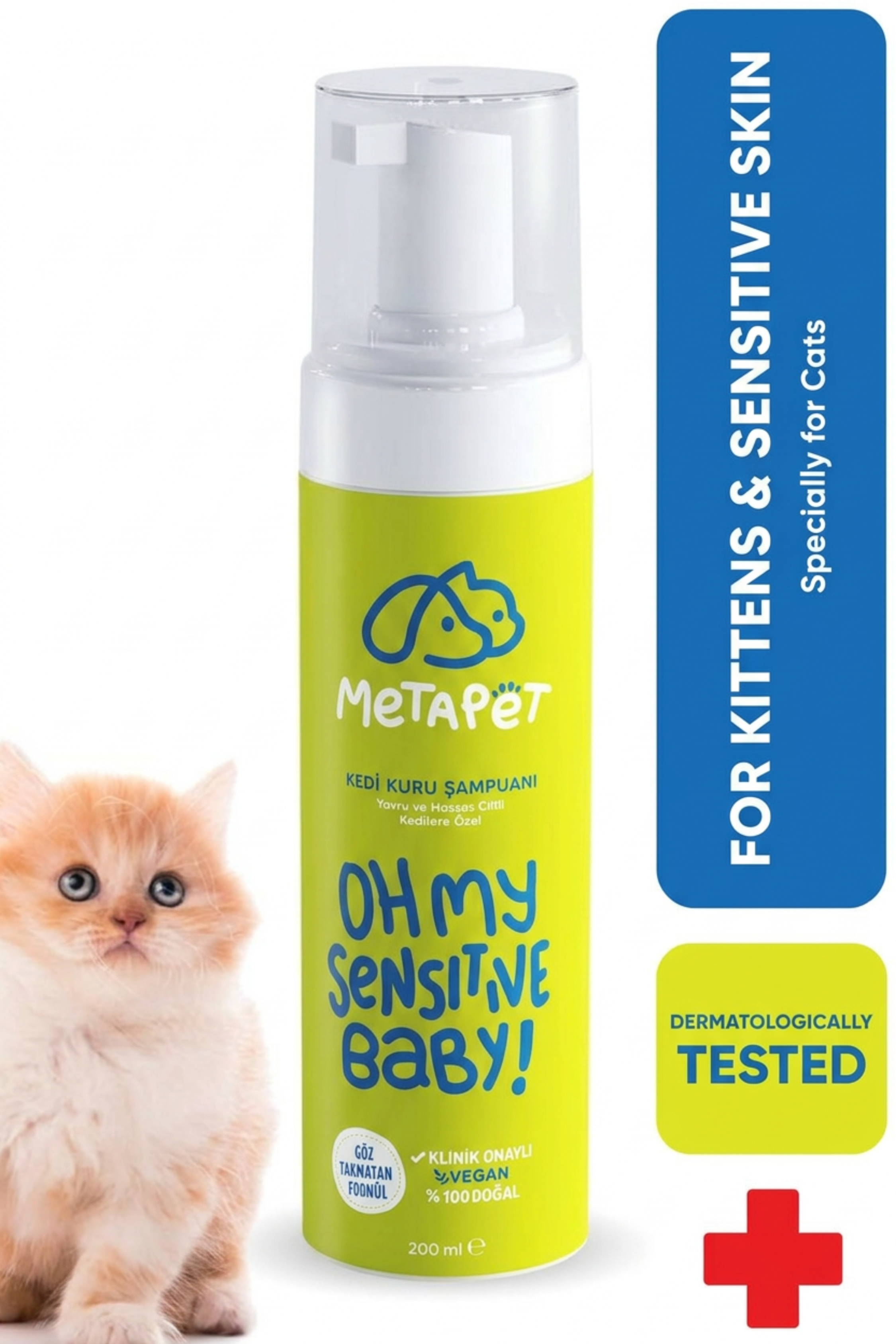
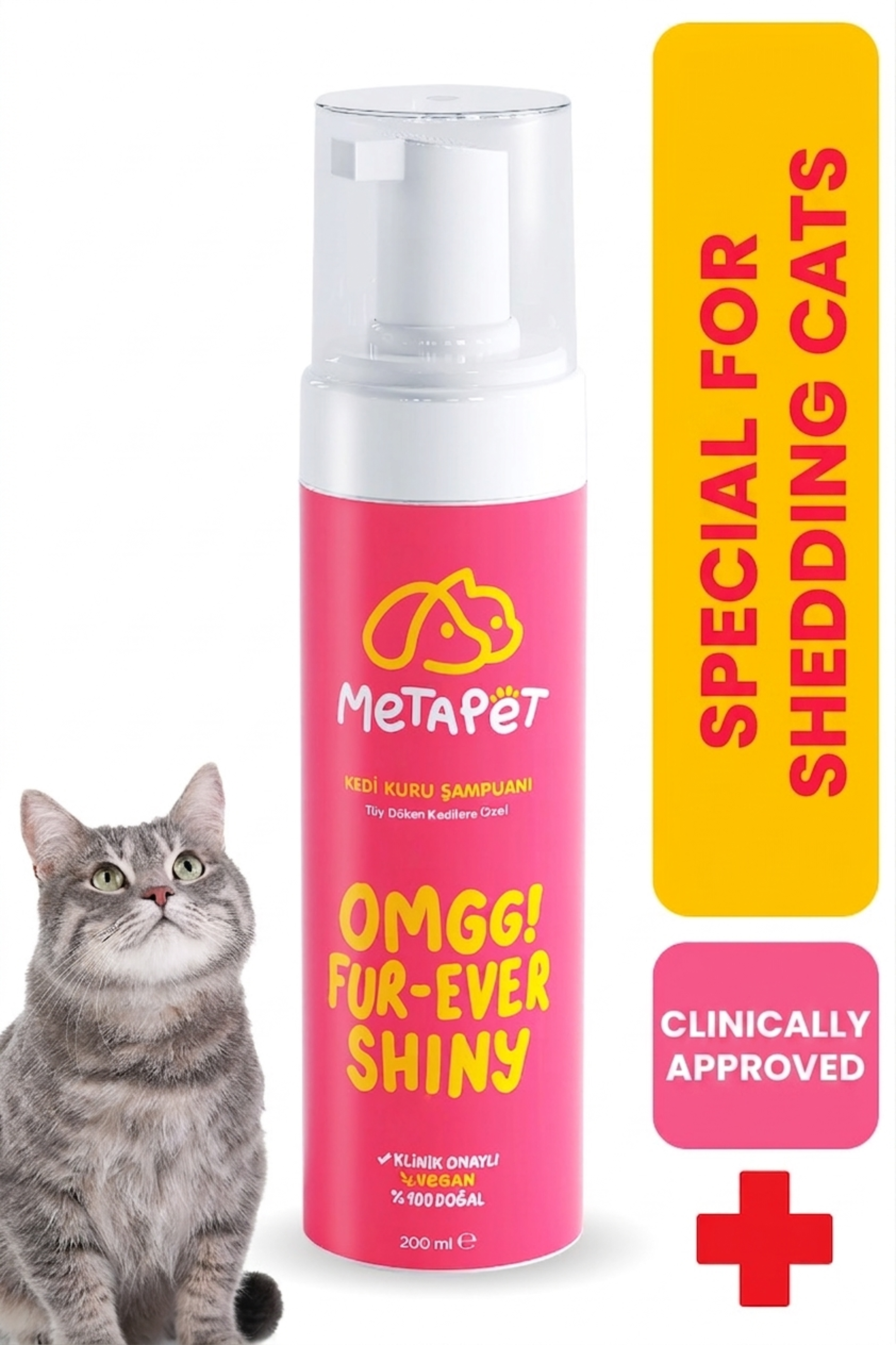
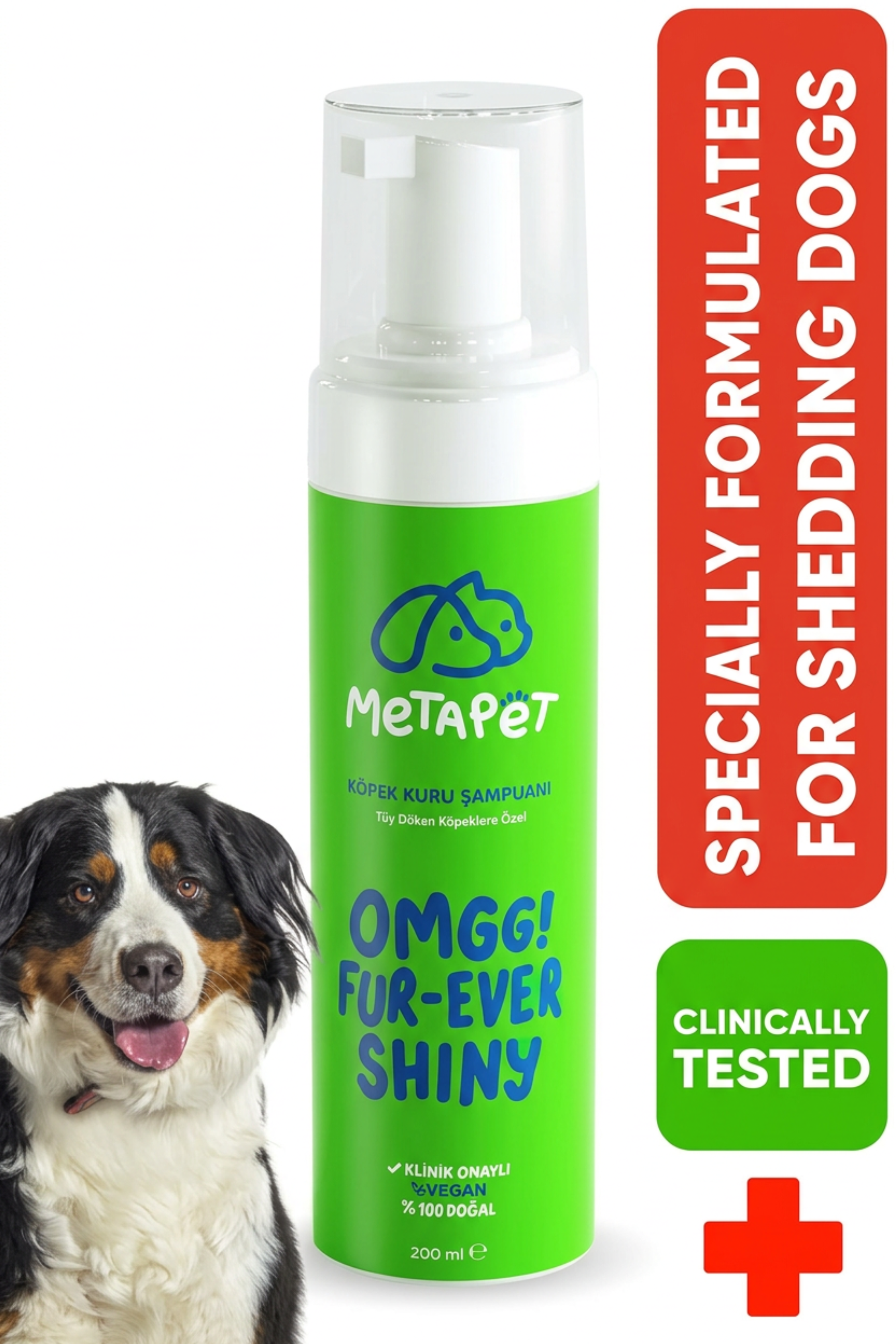
- OMGG! Fur-ever Shiny Waterless Dry Foam Shampoo for Cats. A no-rinse waterless foam with Vitamin E and argan oil that leaves the coat soft, shiny and easier to comb. Naturally derived and vegan, with no parabens or added dyes. A cosmetic grooming product, not a medicine.
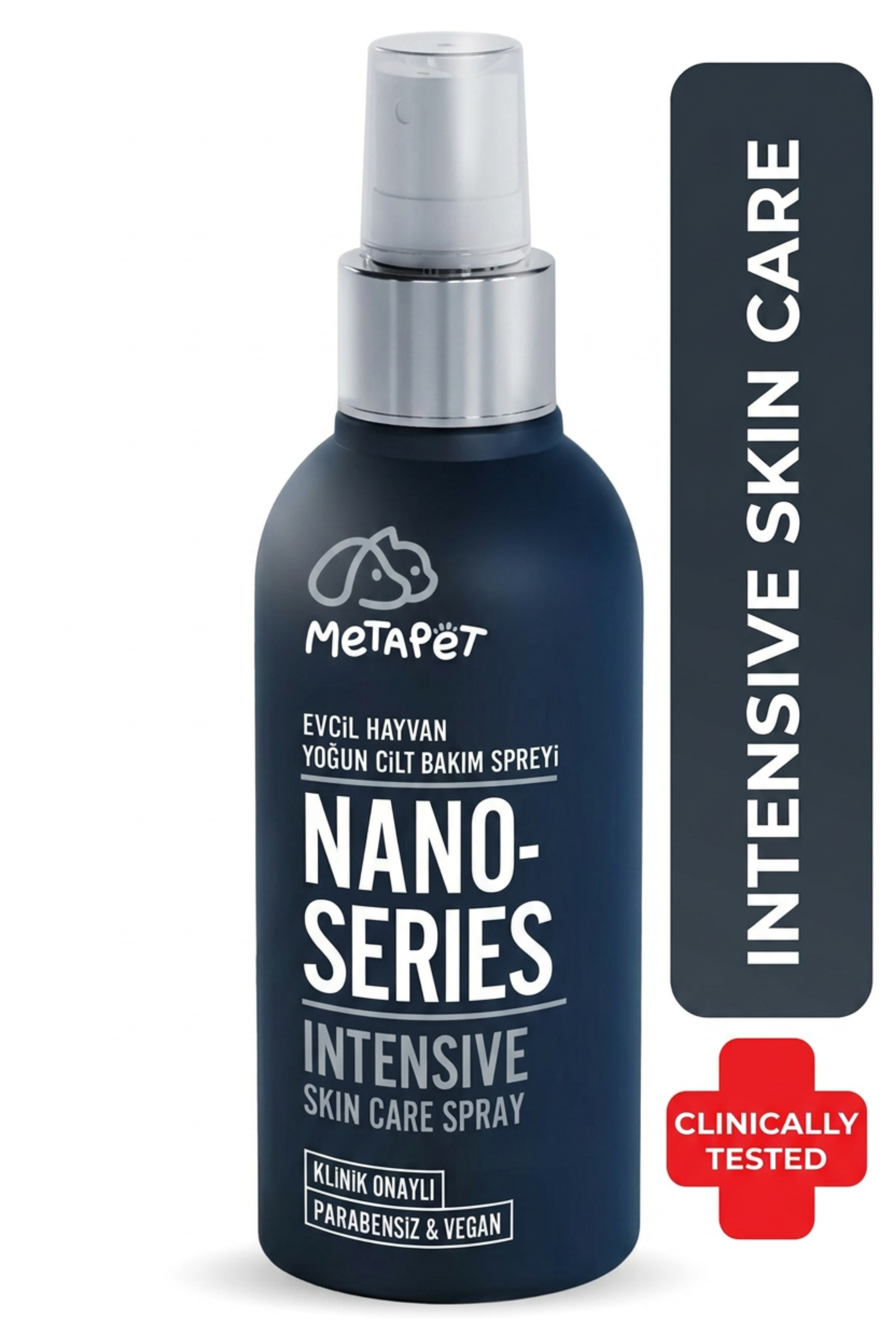
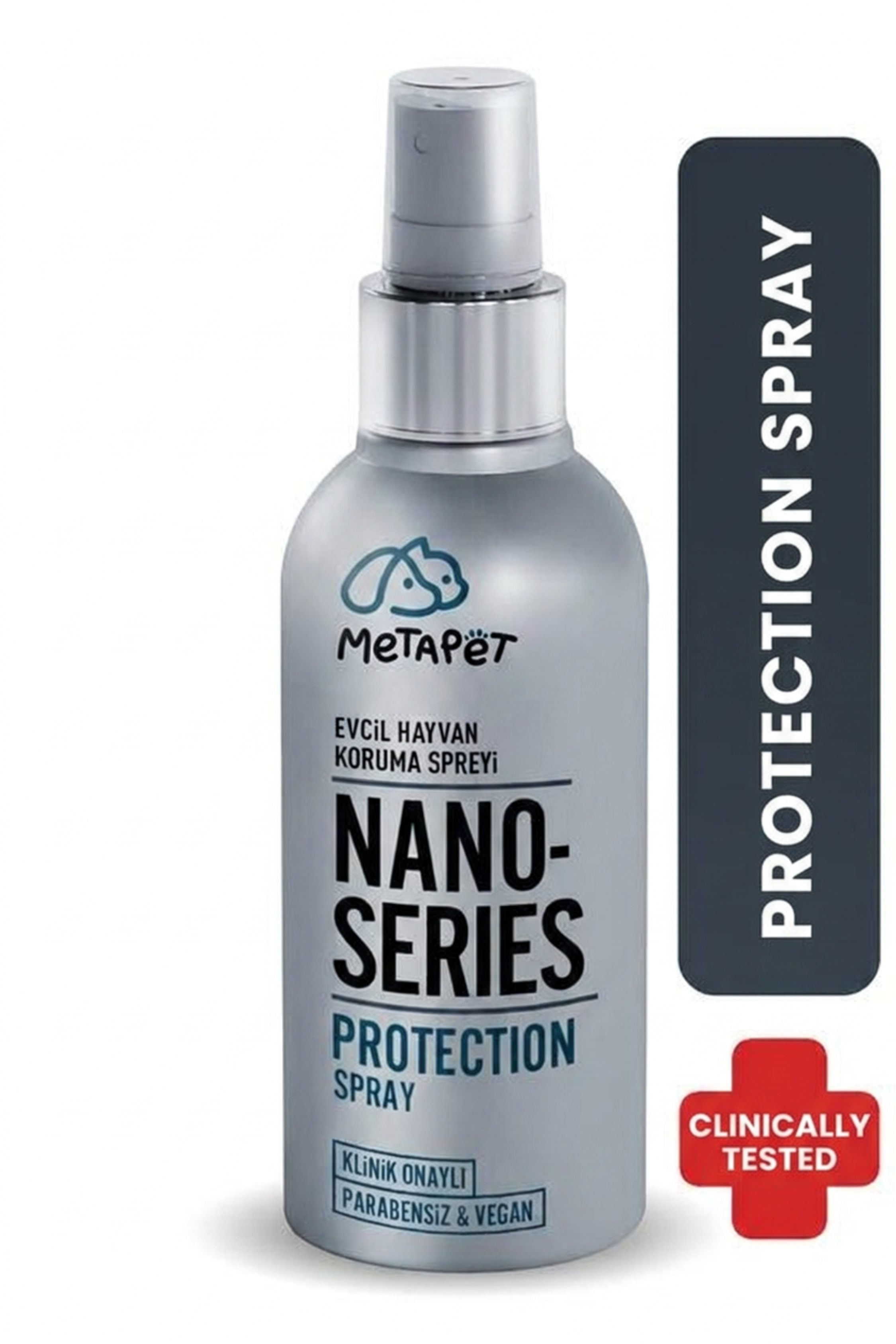
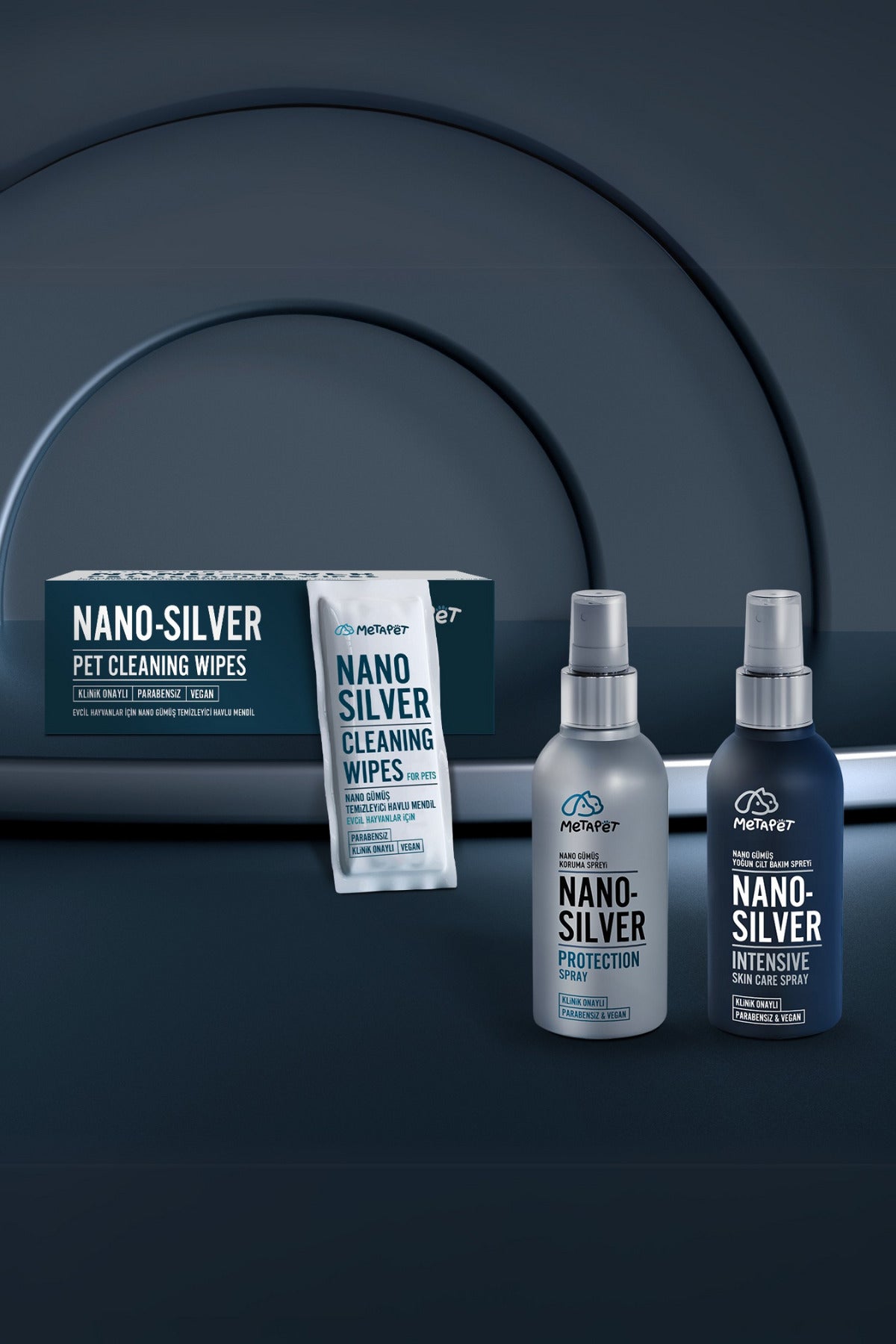
- Nano-Series Skin & Coat Soothing Care Spray. A pH-balanced, gentle, non-stinging product for routine external care of skin and coat that looks dry or rough. It is not a medicine or a wound treatment, and it is not intended to treat, cure or prevent any condition.
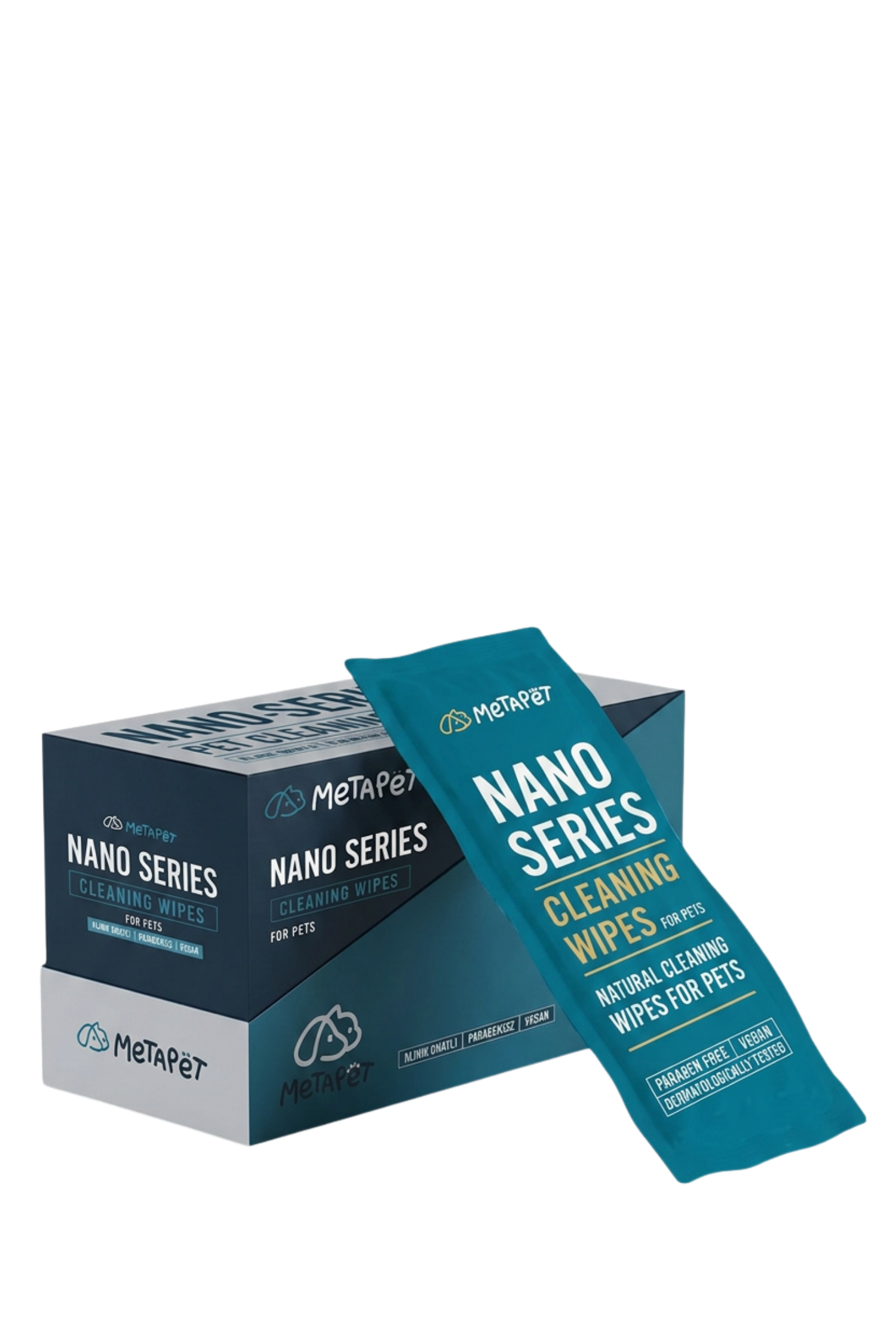
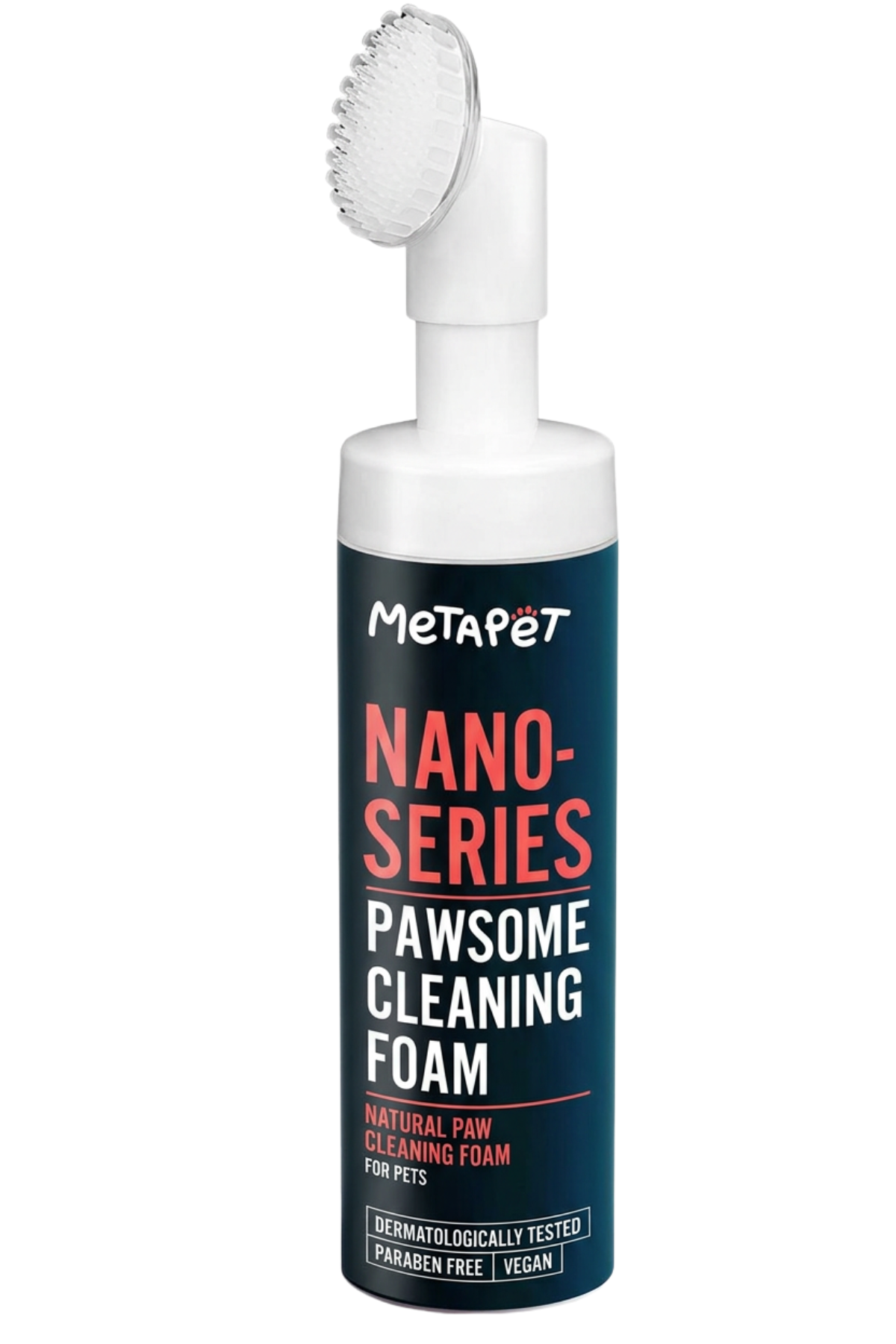
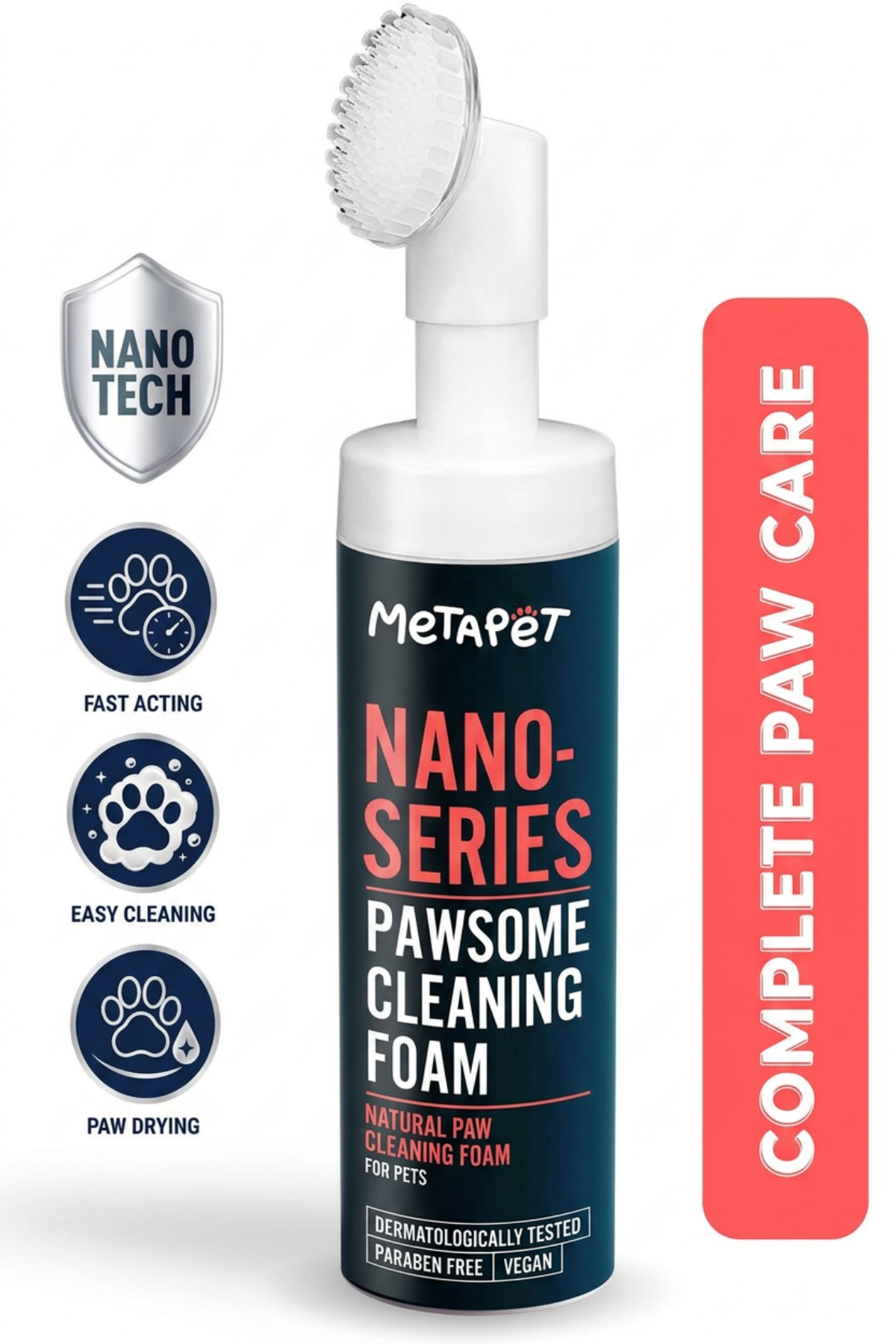
- Nano-Series Hygiene & Care Towel Wipes. For quick, gentle external cleaning of coat and skin between baths, handy for paws and sensitive areas. Not a medicine.
Use these on intact skin only, avoid the eyes, and follow the label. If irritation occurs, stop and ask your veterinarian.
When to Call Your Veterinarian
A dull coat that crept up over months and a raw, spreading skin problem are not the same conversation. Contact your clinic promptly if you see any of the following.
- Open sores, scabs, crusting or bleeding. Broken skin needs professional assessment.
- Rapid worsening over days. Sudden deterioration is more urgent than slow change.
- A strong or unusual odor. Especially a musty smell returning quickly after bathing.
- Hair loss or hair that pulls out easily. Particularly if it is symmetrical.
- Constant scratching, licking or head shaking. Self-trauma damages skin quickly.
- A cat that has stopped grooming, or suddenly overgrooms. Both are meaningful in a species that grooms by default.
- Signs of pain. Flinching when touched, reluctance to jump, or resenting the brush.
- Coat change alongside feeling unwell. Weight change, thirst or appetite change makes this a whole-pet issue.
- Skin irritation in people at home. Mention it, since some conditions affect both pets and people.
For collapse or skin that is rapidly ulcerating, contact your veterinarian or the nearest emergency veterinary hospital right away.
Myths and Common Mistakes
- “It is just dry air.” Environment matters a little, but persistent flaking usually reflects something happening in the skin.
- “A greasy coat means a dirty pet.” Greasiness is about how skin produces oil, not how often the pet was washed.
- “Bathing more often will clear it up.” Over-bathing strips lipids and can worsen barrier damage.
- “It is only cosmetic.” A changed coat is often the first visible sign of allergy, parasites, hormonal disease or pain.
- “Cooking oil in the food will fix it.” Adding fats without guidance can unbalance the diet.
- “My purebred just has bad skin.” Breed predisposition raises the odds; it does not remove the need to find a cause.
- “The flakes are gone, so it is solved.” Scale can clear while the driver continues.
Frequently Asked Questions
Is seborrhea contagious?
The scaling itself is not an infection. Some underlying causes — parasites and certain fungal infections — can spread between animals and sometimes to people.
Can I use a dandruff shampoo from the pharmacy?
No. Human products can irritate a dog's or cat's skin. If a medicated shampoo is appropriate, your veterinarian will choose one.
How long before the coat looks better?
It depends on the cause. Skin regenerates slowly, so improvement is usually measured in weeks to months.
My cat has flakes only along the back. Why there?
That is common when a cat cannot comfortably reach its lower back, usually because of excess weight, joint pain or dental discomfort.
Does diet matter?
Nutrition genuinely influences coat quality, and food allergy is one of the causes veterinarians investigate, so diet is a real part of the picture rather than a side note. What matters most is that any diet change is planned with your veterinarian instead of improvised, because switching food on your own can contaminate an elimination diet trial later and cost you the clearest answer available. If your veterinarian suspects a food component, they will set up a structured trial with a specific diet and a fixed period during which nothing else passes your pet's lips, including flavored medications and treats.