Omega-3 for Dogs and Cats: Benefits, Sources, and Safety

Omega-3 is one of the few supplement categories veterinarians and veterinary nutritionists genuinely talk about, which is why the shelves are full of it and why the marketing has become so loud. Somewhere between the real science and the bottle promising a miracle coat, most owners lose the thread.
Important: This article shares general educational information for pet owners and is not a substitute for an in-person veterinary examination, diagnosis, or treatment. For any medical concern or emergency, contact your veterinarian promptly.
The useful version is simpler than it looks. Omega-3 is a family of fats, a few members are worth understanding, most practical decisions come down to source and freshness, and the amount your pet should receive is a question for your veterinarian — not for a forum or an article on the internet.
This guide covers how omega-3 differs from omega-6, the difference between ALA and the marine forms EPA and DHA, what nutritionists associate these fats with, how to choose and store a quality product, and the safety points worth raising at your next appointment.
Fatty Acids: Omega-3, Omega-6, and the Three That Matter
Dietary fat is not one substance. It is built from fatty acids — chains of carbon atoms with a chemical tail. Some the body builds for itself; others must arrive in the diet, and those are the essential fatty acids. The number says where the first double bond sits.
Omega-6 is not the villain the internet makes of it. It is abundant in the vegetable oils, grains, and poultry fats used in pet food, and contributes to normal skin barrier function. What nutritionists watch is the balance, because the families compete for the same enzymatic machinery and modern diets run generous in omega-6.
ALA — Alpha-Linolenic Acid
The plant-source omega-3, found in flaxseed, chia, hemp, and canola oil. It is the shortest chain, a building block the body is meant to convert into the longer ones.
EPA — Eicosapentaenoic Acid
A long-chain omega-3 from marine sources such as fish oil, salmon oil, and algal oil. It is one of the two forms a label should name.
DHA — Docosahexaenoic Acid
The other long-chain marine omega-3, a structural component of nervous tissue and the retina, and the form discussed around growth in puppies and kittens.
Why Marine Sources Matter Most for Dogs and Cats
Here is the point that changes how you shop. Converting ALA into EPA and then DHA is a multi-step enzymatic process, and it is inefficient in dogs. In cats it is more limited still, because they have restricted activity in a key enzyme.
So feeding a plant oil rich in ALA and expecting a cat to turn it into meaningful EPA and DHA is not reliable. If EPA and DHA are the goal, they need to arrive already formed, from a marine source.
- Marine oils: fish oil, salmon oil, and other cold-water marine oils supply EPA and DHA directly.
- Algal oil: a marine microalgae source, where these fats originate.
- Flaxseed and other plant oils: supply ALA, which counts toward the omega-3 figure on a label but is not a dependable route to EPA and DHA.
A label boasting about “omega-3” without naming EPA and DHA may simply mean ALA from a plant oil.
What EPA and DHA Are Associated With
These are the roles veterinary nutritionists associate with EPA and DHA, described as contributions to normal body function.
Skin and Coat Condition
Fatty acids are components of cell membranes and of the skin's barrier structure, and dietary fat quality influences how a coat looks and feels.
Joint Comfort and Mobility
EPA and DHA are commonly discussed in relation to joint comfort and normal mobility in dogs. If your dog already struggles with stairs, that is a veterinary conversation.
DHA in Growth and Development
DHA is a structural component of the developing nervous system and retina, which is why many diets for puppies, kittens, and pregnant or nursing pets include it.
“Supports” is the accurate verb: a nutrient contributes to normal structure and function. It is not a medication and does not act on a disease.
Your Pet's Complete Diet Already Supplies Fat
Before adding anything, look at what is in the bowl. A diet labeled complete and balanced for your pet's life stage is formulated to supply essential fatty acids.
Plenty go further and are formulated with added marine omega-3. If EPA and DHA are listed on the panel you are already providing them, and stacking a supplement on top without advice is a good way to overshoot.
- Check the ingredient list: look for named marine oils, and for flaxseed, which tells a different story.
- Check the guaranteed analysis: some manufacturers list EPA and DHA explicitly.
- Count everything: food, chews, dental products, and toppers all add up.
A dull coat, flaky skin, or a stiff-moving pet warrant a veterinary examination rather than a purchase.
Choosing a Quality Omega-3 Product
Quality varies enormously, and the reason is chemistry: the features that make these fats interesting also make them fragile. They oxidize on exposure to air, heat, and light.
Freshness and Rancidity
- Smell it: fresh marine oil smells mildly of the ocean. Sharp, acrid, or paint-like means it has turned.
- Choose a dark bottle: opaque or dark glass shields the contents from light.
- Store it cool and dark: a cupboard away from the stove, never a sunny windowsill.
- Refrigerate after opening: standard advice unless the label says otherwise.
Sourcing and Formulation
- Named source and named fats: the label should say which oil it is and list EPA and DHA by name.
- Third-party quality testing: reputable manufacturers test for purity and freshness.
- Skip cod liver oil here: it is a marine oil, but it carries a substantial vitamin A load, and vitamin A accumulates in the body.
- Avoid human products with additives: xylitol is dangerous to dogs and appears in some of them.
- Choose a species-appropriate product: one made for dogs or for cats.
Introducing It Slowly and What to Watch For
Once your veterinarian has agreed on a product and an amount, introduce it gradually rather than at full strength.
- Start well below the agreed amount, mixed into a normal meal.
- Increase in small steps over one to two weeks until you reach the amount your veterinarian specified.
- Keep everything else constant — same food, same routine, no other new supplements.
- Watch stool quality, appetite, energy, and coat feel.
Loose stool is the most common sign a pet is not tolerating an oil, and usually means the amount rose too quickly. A greasy coat is the classic sign of overdoing it.
Safety, Side Effects, and Interactions
Omega-3 is generally well tolerated, but that is not the same as harmless in any amount.
- Calories: oils are pure fat, so they contribute to weight gain unless the rest of the diet is adjusted.
- Digestive upset: loose stool, vomiting, or flatulence, most often when the amount rises too fast.
- Effects on clotting: higher marine omega-3 intakes are associated with effects on platelet function, which matters before surgery or dental work. Tell your veterinary team in advance.
- Pancreatitis history: added dietary fat deserves caution in any pet with a history of pancreatitis or fat intolerance.
- Other medications: list every supplement when your veterinarian asks about medications.
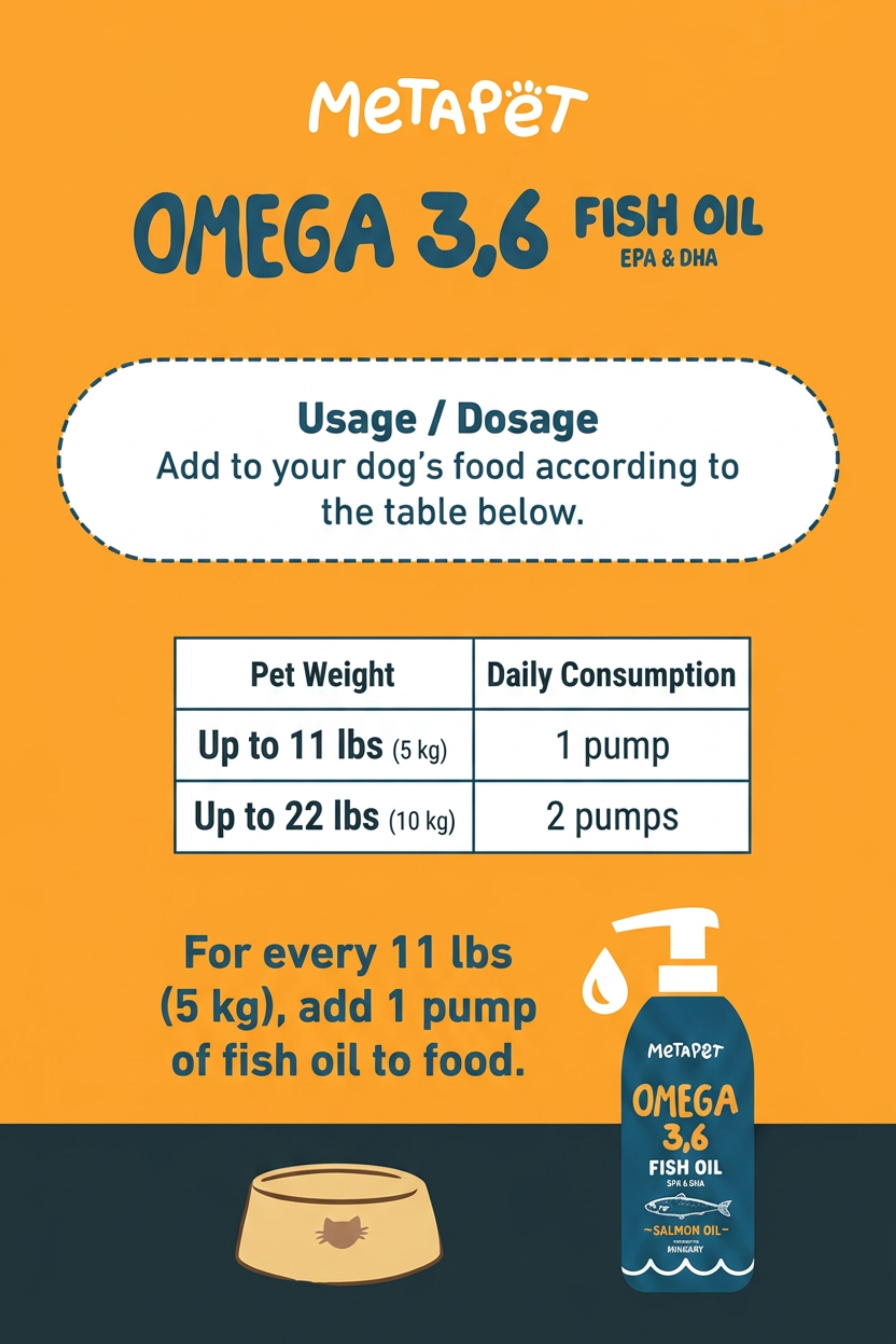
One statement deserves to be blunt: do not take an amount from a website, a social media post, or a chart in a search result. Appropriate intake depends on species, weight, body condition, life stage, diet, and health status, so this article gives no numbers on purpose.
When to Call Your Veterinarian
Most of the time, adding an oil is uneventful. A few things warrant a phone call rather than wait-and-see.
- Persistent digestive upset: diarrhea or vomiting beyond a couple of days.
- Loss of appetite: cats in particular should never be left not eating.
- Lethargy: any noticeable drop in energy.
- Unusual bleeding or bruising: uncommon, but a reason to call promptly.
- Upcoming surgery or dental work: mention every supplement beforehand.
- Accidental overdose: if a pet gets into the bottle, call for advice.
For anything resembling an emergency — repeated vomiting, collapse, severe abdominal pain, or a pet that will not stand — contact your veterinarian or nearest emergency clinic immediately.
How to Talk to Your Veterinarian About Omega-3
This conversation goes better with a little preparation.
- Bring the food bag or a photo of the label. The ingredient panel answers half the question before it is asked.
- List everything your pet already gets. Food, snacks, chews, and every other supplement.
- Say why you are considering it. Coat quality, a mobility concern, or a life stage.
- Ask which fats matter for your pet. EPA, DHA, or both, and whether the diet already supplies them.
- Ask for an amount in writing. Written beats remembered.
- Ask about interactions and procedures. Medications, pancreatitis history, and any surgery on the horizon.
- Ask what to watch for. Agree on a realistic timeframe for judging whether it is worth continuing.
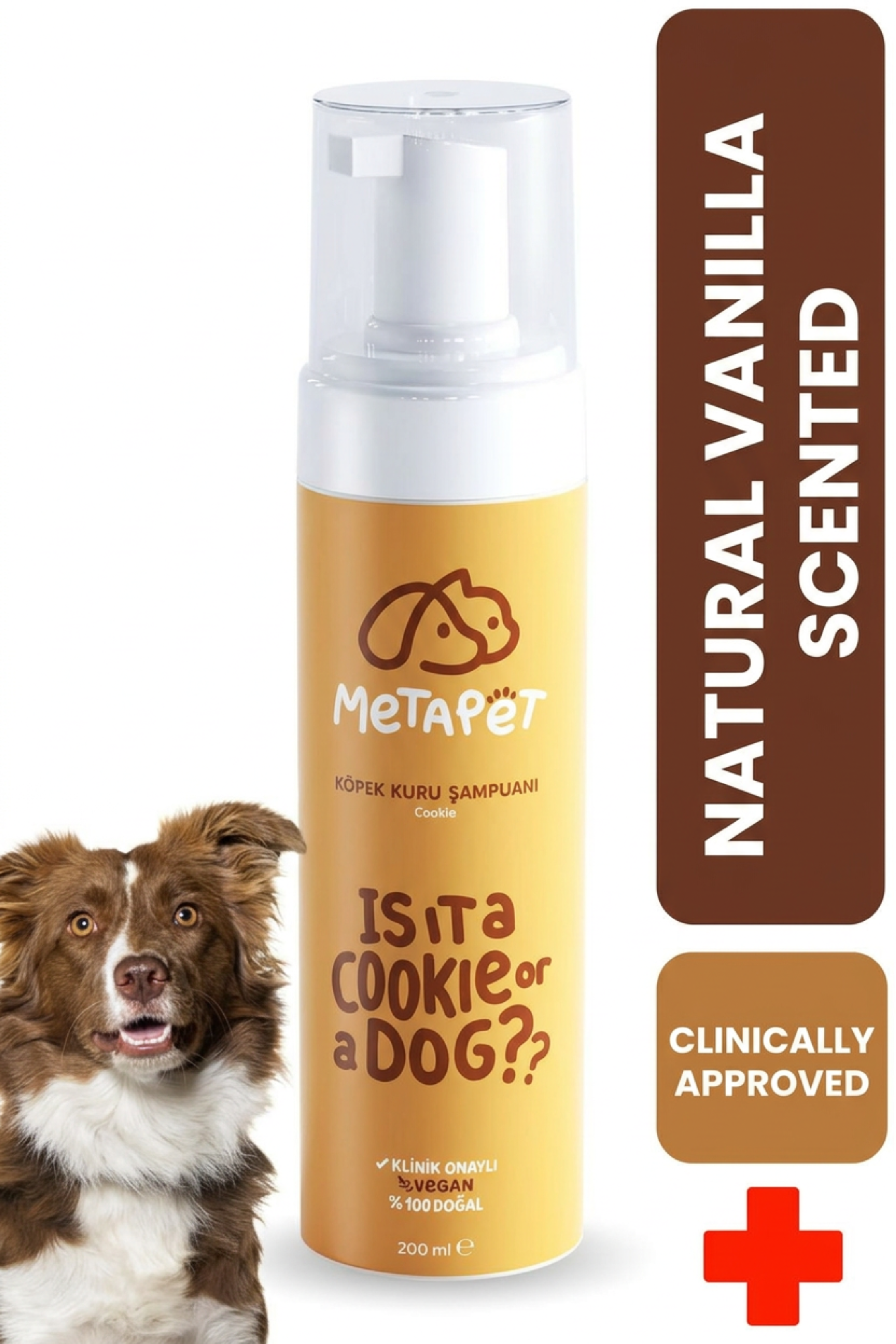
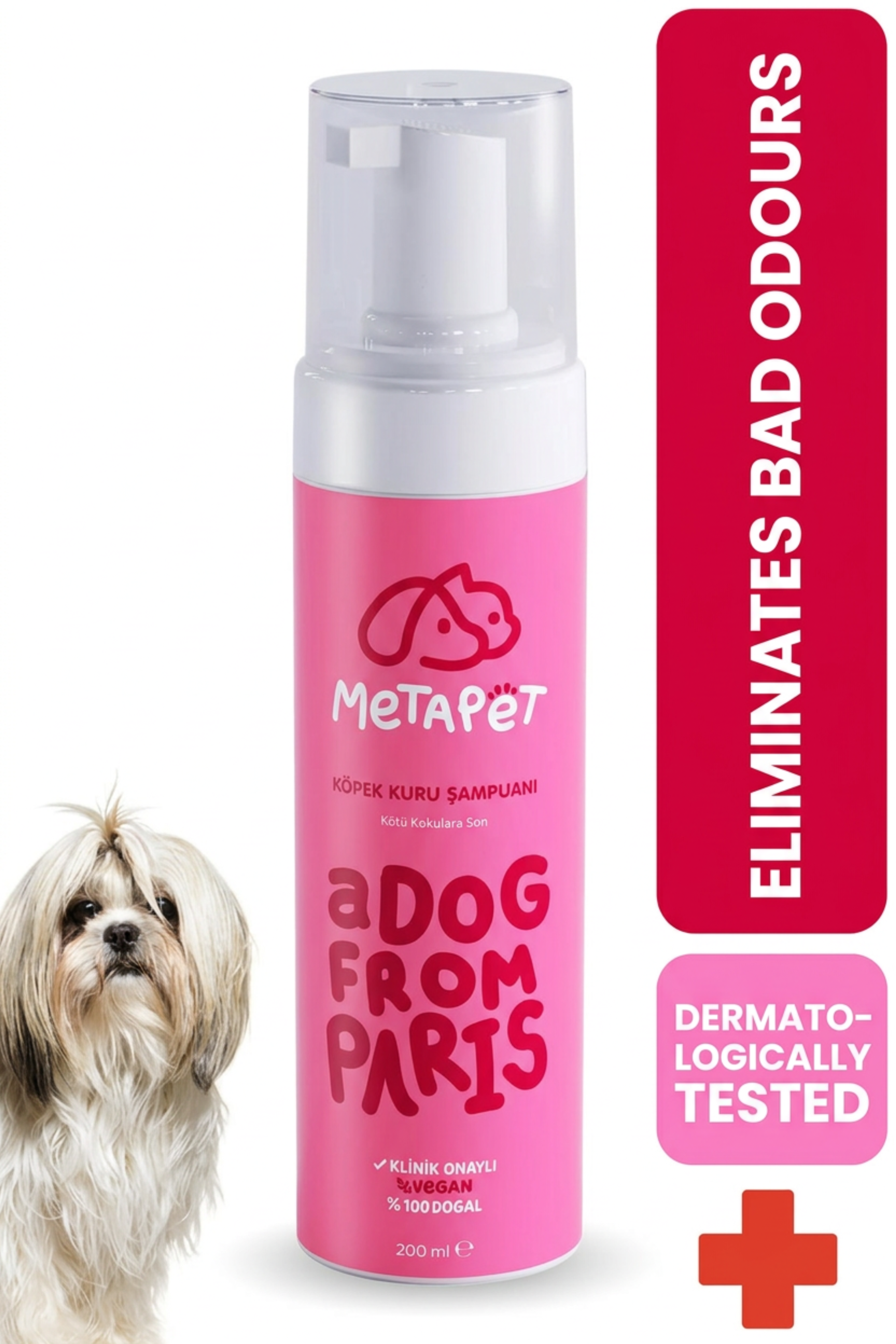
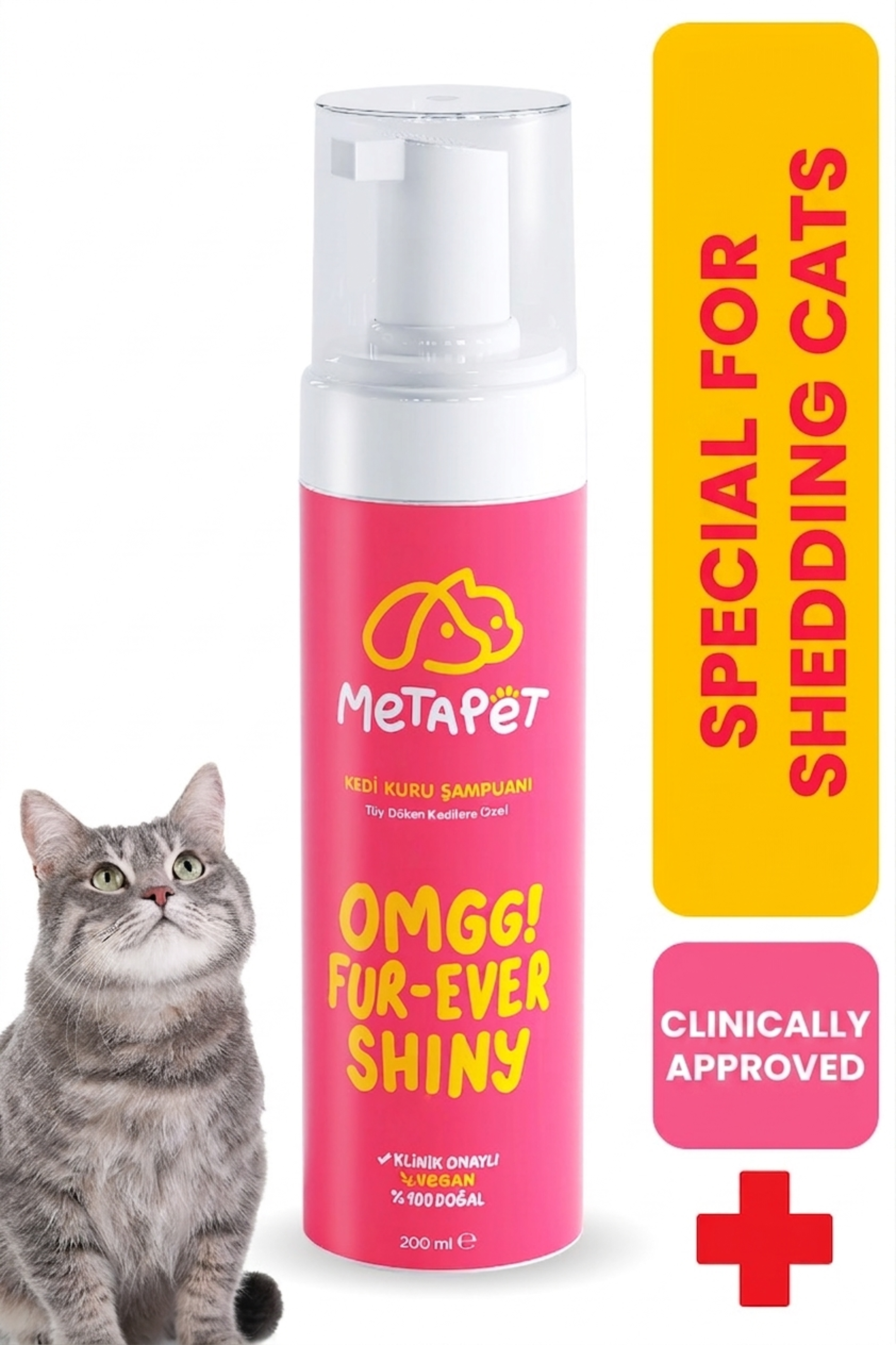
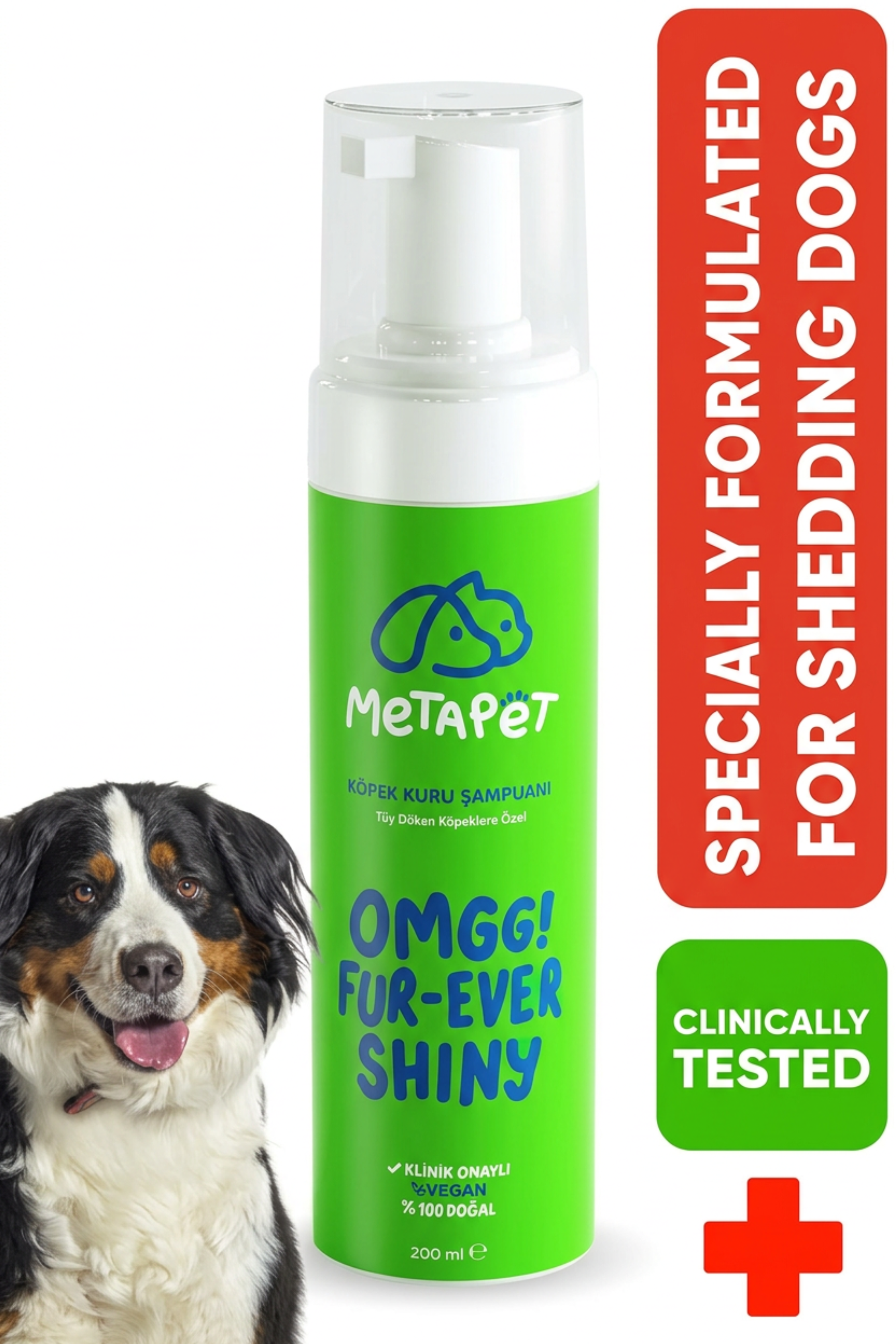
MetaPet Omega Options for Dogs and Cats
If you and your veterinarian have decided a marine oil belongs in the routine, here is what MetaPet offers.
MetaPet Omega Salmon Oil
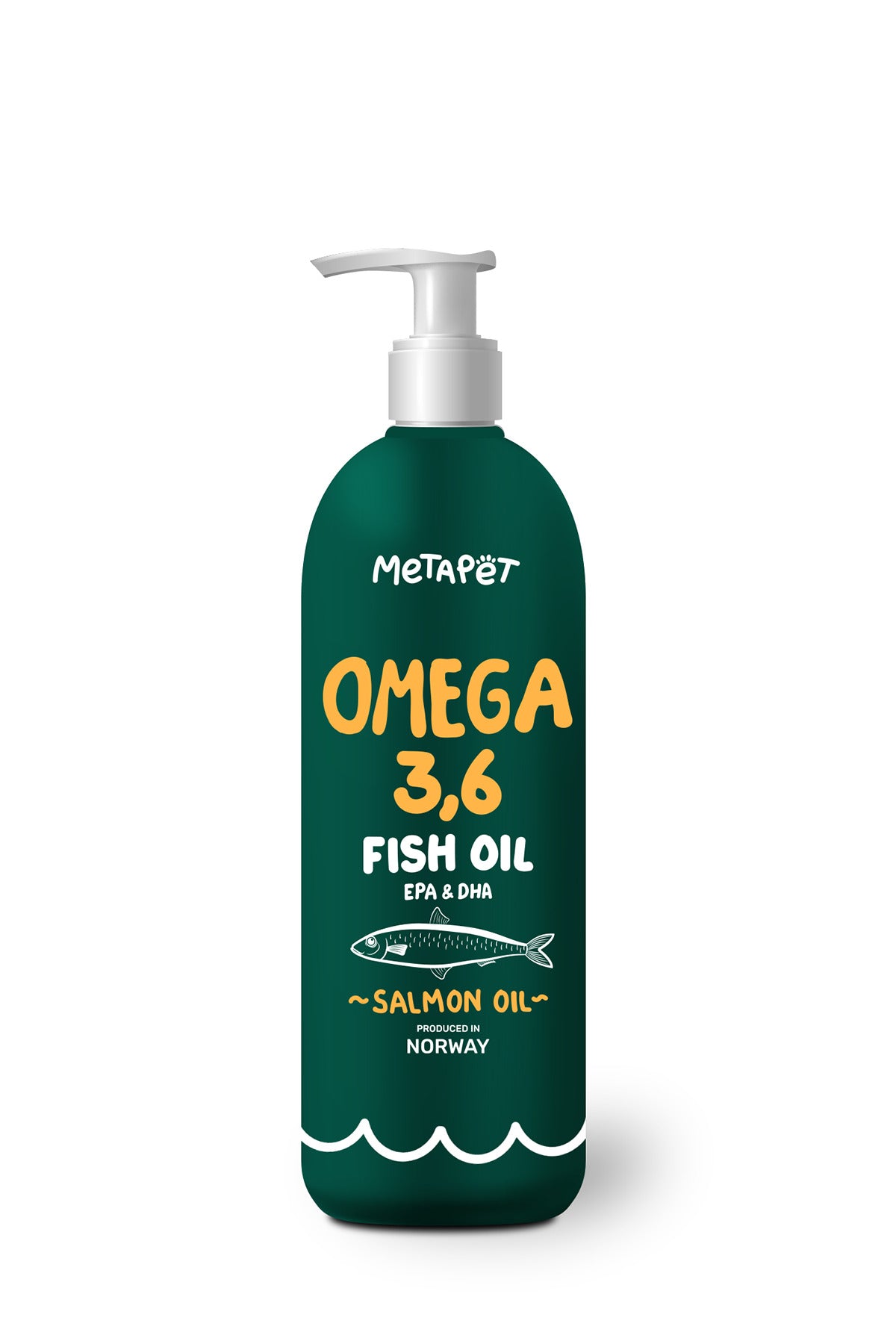
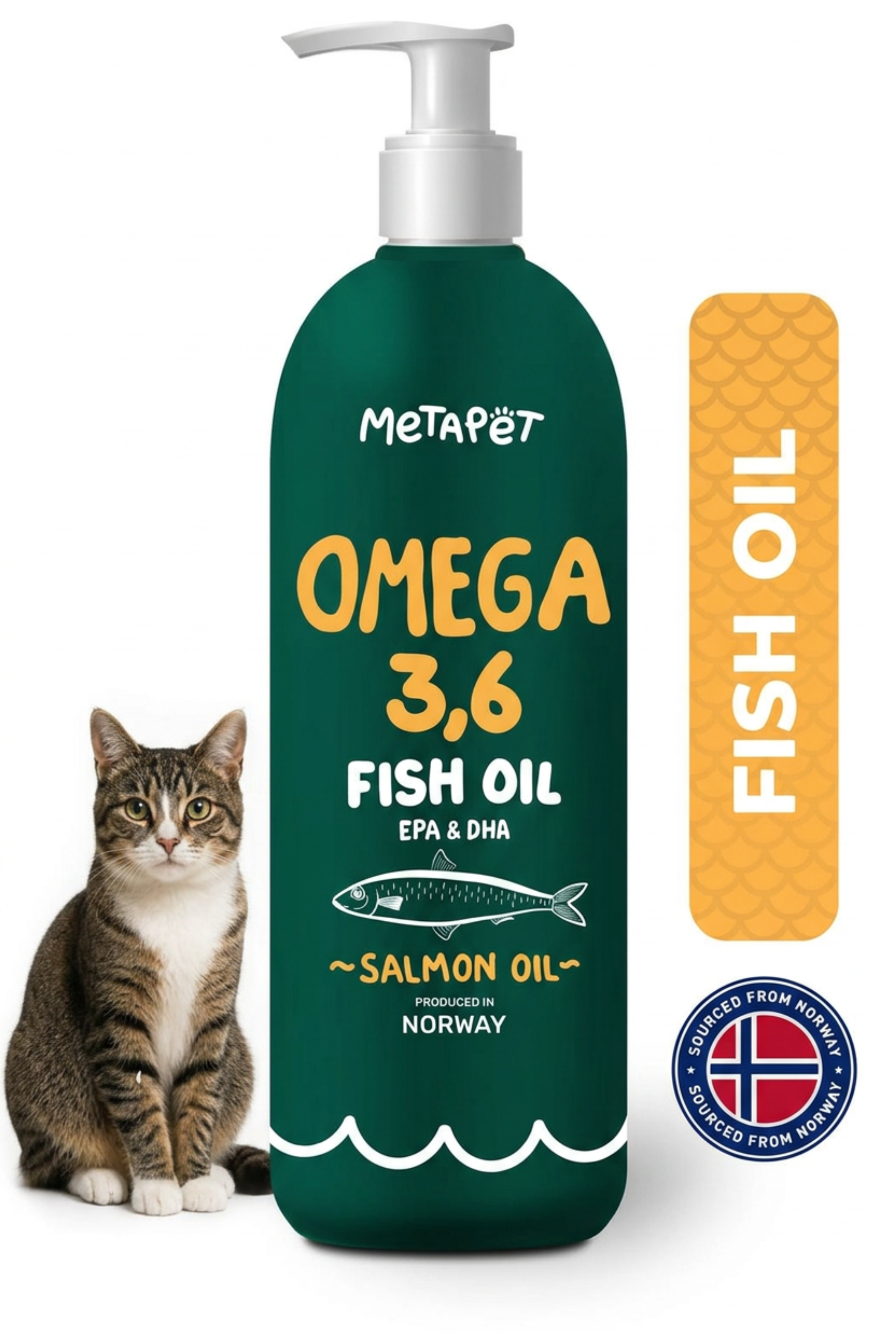
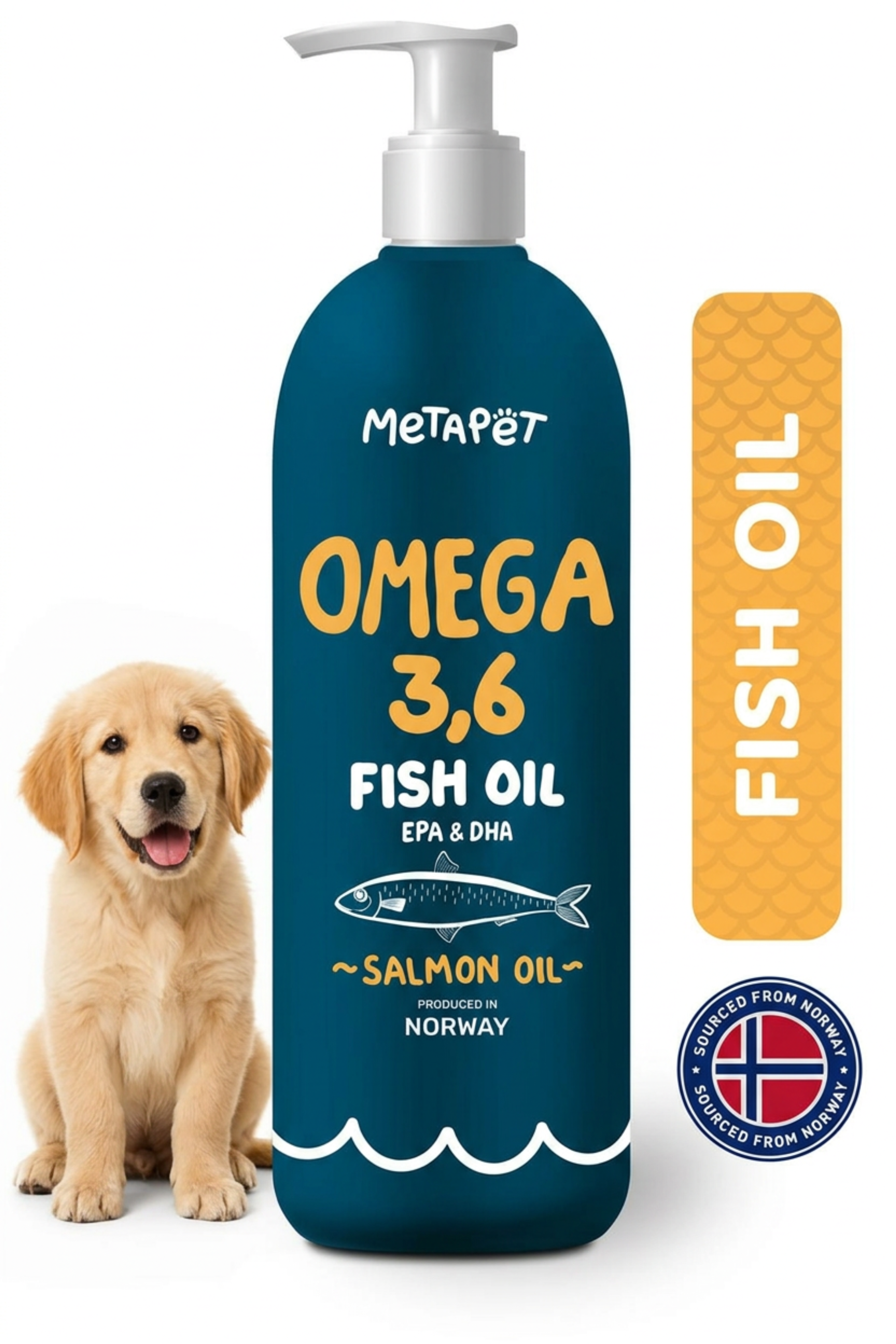
MetaPet Omega Salmon Oil for Dogs and MetaPet Omega Salmon Oil for Cats are made from premium Norwegian salmon oil, naturally rich in Omega 3-6 with EPA and DHA. Each is a tasty daily addition that supports skin and coat condition, joint comfort, and overall wellbeing, and mixes easily into food.
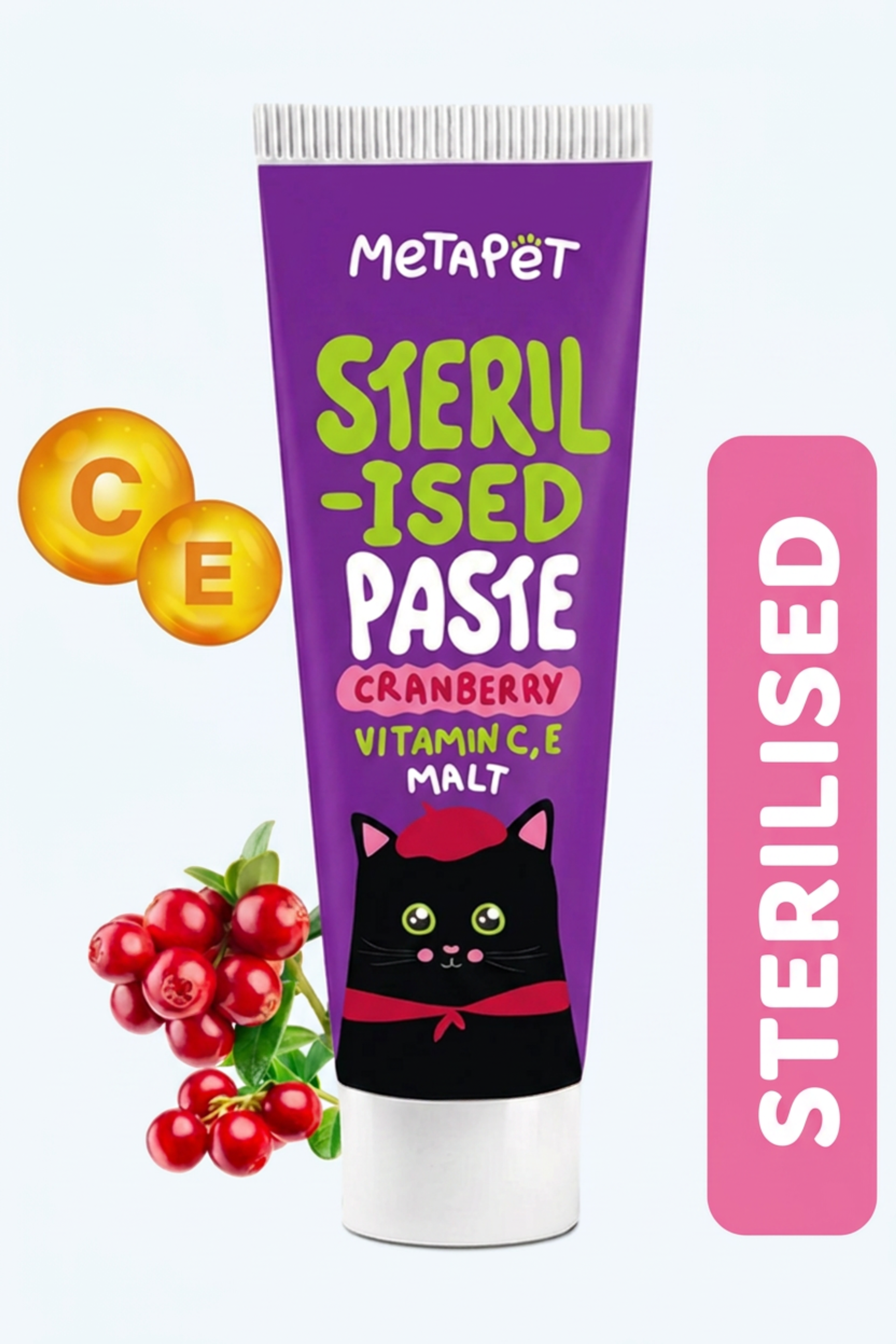
MetaPet Derma Paste Omega for Cats
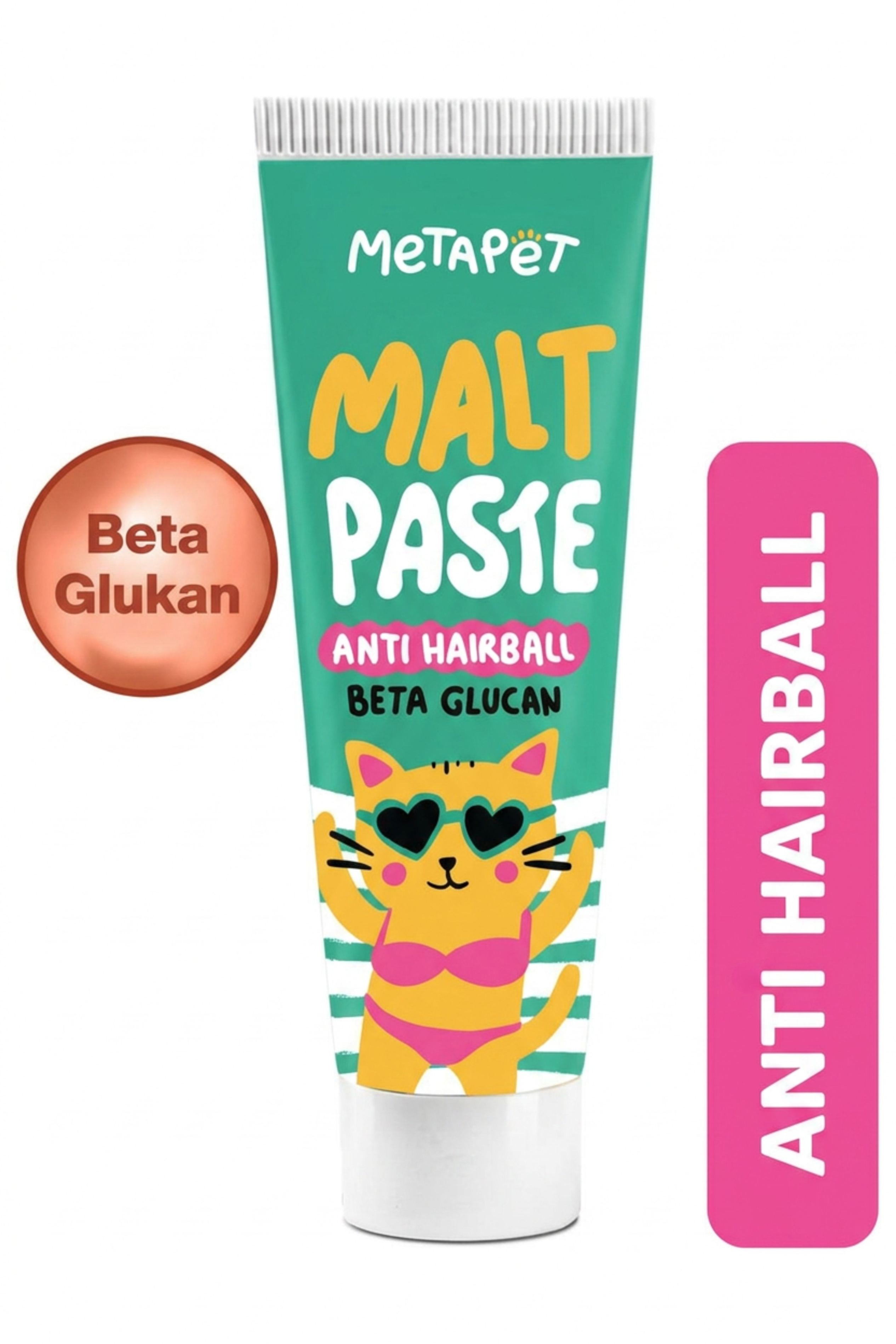
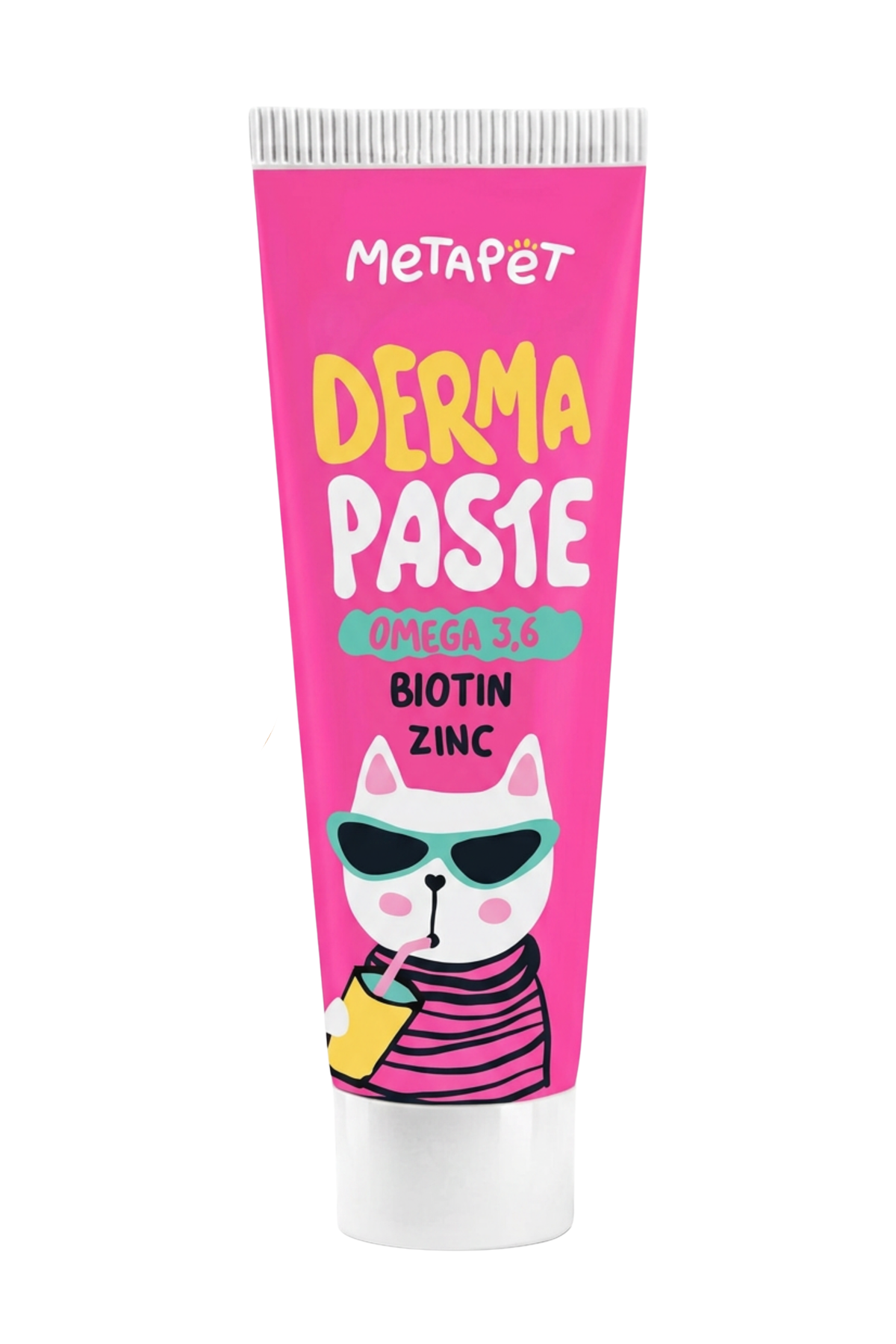
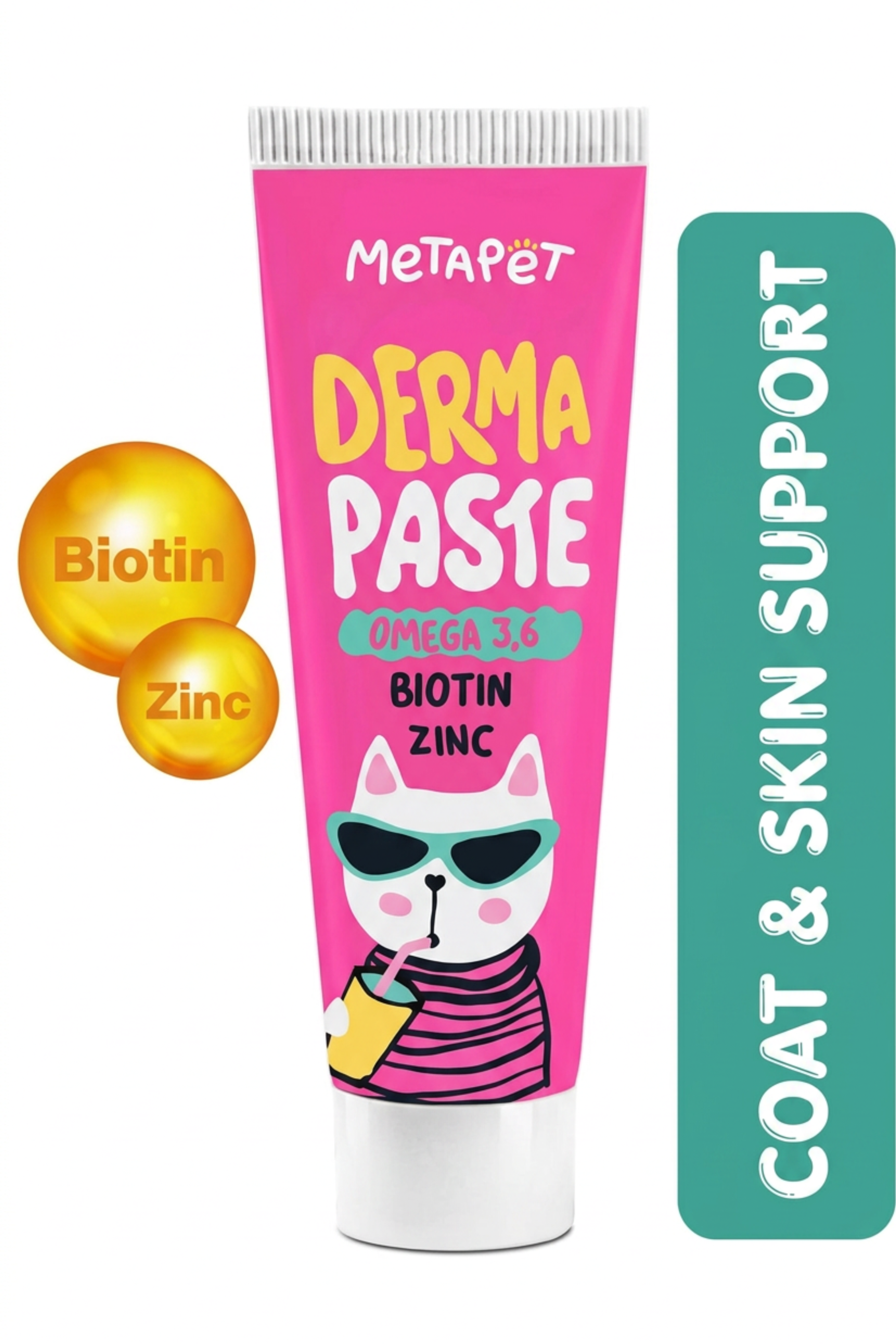
MetaPet Derma Paste Omega is a sugar-free lickable malt paste for cats with Omega 3-6, biotin, and zinc. It is formulated to support healthy-looking skin and a fuller, shinier coat, and it is suitable for kittens and adult cats.
All three are complementary pet supplements. They are not intended to diagnose, treat, cure, or prevent any disease, and they are a complement to — not a substitute for — veterinary care. Speak with your veterinarian before starting any of them, especially if your pet is pregnant, nursing, on medication, has a history of pancreatitis, or has a procedure scheduled. As everywhere else here, we give no amounts: that decision belongs to your veterinarian.
Myths and Common Mistakes
This category attracts more confident misinformation than most of the pet aisle.
- Myth: more is always better. Extra calories, digestive upset, and effects on clotting are all real.
- Myth: olive oil is the same thing. It is predominantly a monounsaturated fat, not a source of EPA or DHA.
- Myth: coconut oil is an omega-3. It is largely saturated fat and contains essentially no omega-3.
- Myth: flaxseed works just as well. Flaxseed supplies ALA, and conversion is inefficient in dogs and more limited in cats.
- Myth: human supplements are fine. Xylitol makes some of them genuinely unsafe for dogs.
- Mistake: expecting results in a week. Coat changes follow the hair growth cycle.
- Mistake: forgetting to mention it. Supplements belong on the medication list at every appointment.
Frequently Asked Questions
Can I give my cat the dog version, or the other way around?
Use the product formulated for your pet's species, and follow your veterinarian's advice.
How long until I see a difference in the coat?
Weeks to months, because coat quality changes as hair grows. Take a photo at the start.
My pet is already on a skin and coat diet. Should I add an oil too?
Ask first. Many such diets already include added marine omega-3.
Is it safe alongside my pet's medications?
That is the question for your veterinarian, and it should be raised well ahead of any surgery or dental procedure.
How do I know if the bottle has gone bad?
Trust your nose over the printed date, because heat and light age an oil faster than time alone does. An oil that has been left on a sunny counter can turn well before its date, while one kept cold and dark often stays sound to the end. If you are unsure, do not feed it: an oxidized oil is not simply less useful, it is an oil you no longer want in your pet's bowl.