Cat Body Language: How to Read What Your Cat Is Saying

Cats have a reputation for being mysterious, but the truth is less romantic: cats are constantly communicating, and most humans were simply never taught the vocabulary. A tail tip flicking, whiskers sweeping forward, pupils widening a fraction — to another cat, these are complete sentences.
Learning this language pays off in very practical ways. You'll recognize the difference between a cat inviting affection and a cat tolerating it, spot the early signs of stress before they become behavior problems, and — perhaps most importantly — notice the subtle changes that often signal illness or pain, which cats instinctively hide.
This guide covers the main channels cats speak through: tail, ears, eyes, whiskers, posture, and voice — and how to read them together in context, because no single signal ever tells the whole story.
Important: This article shares general educational information for pet owners and is not a substitute for an in-person veterinary examination, diagnosis, or treatment. For any medical concern or emergency, contact your veterinarian promptly.
Why Cats Are Easy to Misread
Cats evolved as both predator and prey, and their communication style reflects the prey half: they conceal weakness, avoid open confrontation, and prefer subtle, low-cost signals over dramatic displays. Where a dog might bark and bounce, a cat shifts an ear and leaves the room.
Humans compound this by reading cats through a dog-shaped lens. An exposed belly means trust in dogs, so we reach in and get grabbed. A wagging tail means happy in dogs, so we miss that a lashing feline tail means the opposite. Half of cat literacy is simply unlearning dog assumptions.
The other half is context and baseline. Learn how your individual cat sits, moves, and greets you on an ordinary day; every meaningful signal is a departure from that personal normal.
The Tail: Your Cat's Mood Flag
The tail is the most legible part of a cat, and its position and motion track emotion closely. Reading it is the fastest single upgrade you can make to your cat literacy.
- Tail straight up: the friendly flag — a confident, sociable cat approaching someone they like; a little hook at the tip is a relaxed greeting.
- Question-mark tail: upright with a curve — playful, curious, often an invitation to interact.
- Low or level tail: neutral business mode; the cat is just getting on with life.
- Tail wrapped around the body: self-containment — can be calm rest, but with tense posture it often means the cat is cold, unwell, or wants to be left alone.
- Slow swishing: focus and calculation, common in play or hunting.
- Lashing or thumping: irritation rising — stop what you are doing.
- Puffed tail: fear or extreme arousal; the cat is trying to look bigger. Give space immediately.
- Quivering upright tail: excitement, often during greeting or scent-marking.
Ears: Radar Dishes With Feelings
A cat's ears swivel independently and telegraph attention and emotion moment to moment. Forward-facing, relaxed ears belong to a comfortable, engaged cat; ears rotating like radar track sounds and interest around the room.
Trouble shows at the extremes. Ears twitching in quick flicks signal building irritation — commonly seen during petting a moment before the cat has had enough. Ears swiveled sideways ('airplane ears') mean anxiety or annoyance is climbing. Ears pinned flat against the head mean the cat is frightened or ready to defend themselves; whatever is happening needs to stop.
Because ear signals precede most swats and bites, they are the single best early-warning system during handling, grooming, and lap time.
Eyes: Blinks, Pupils, and Polite Glances
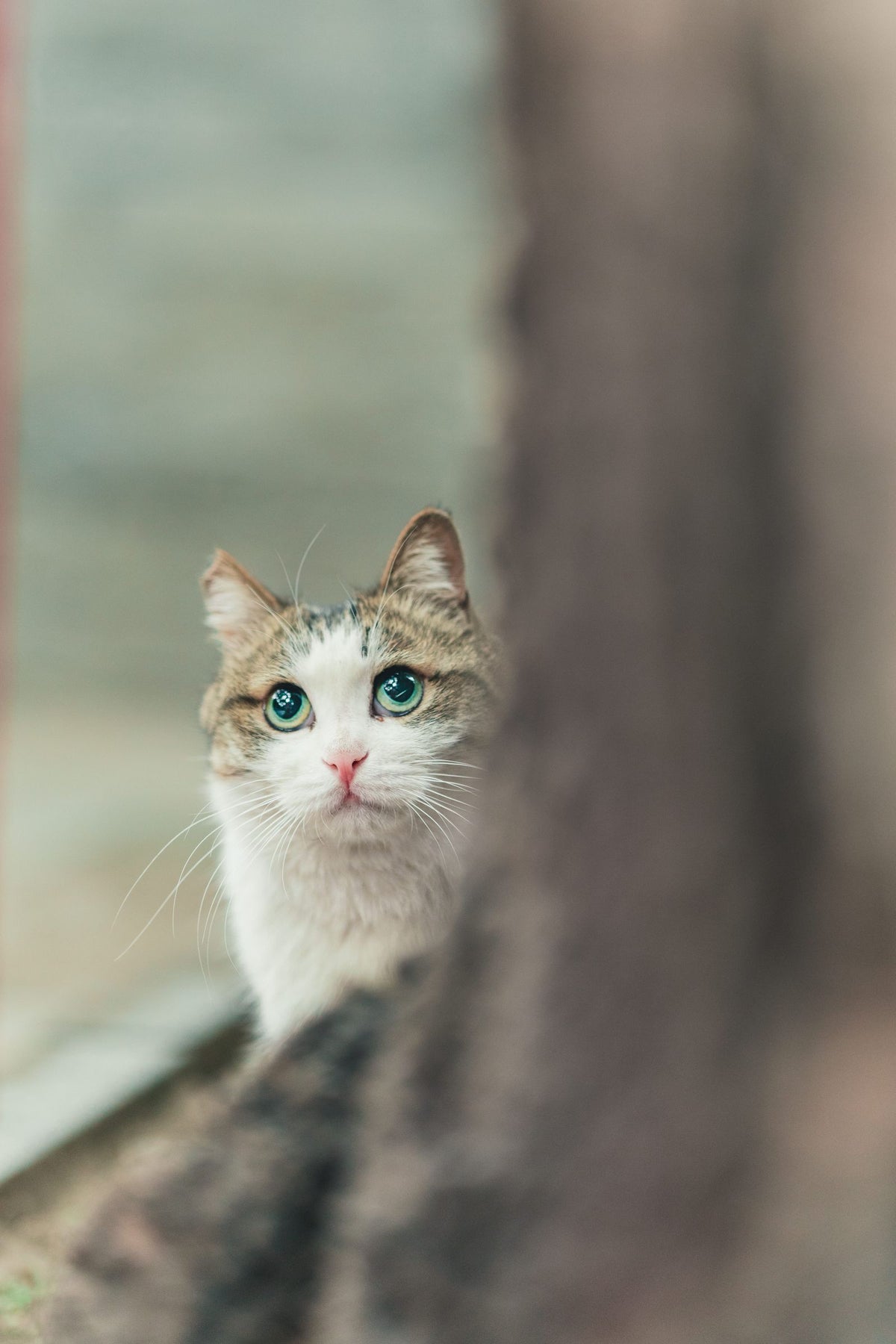
Cat eyes carry two famous signals. The slow blink — soft eyes closing lazily and reopening — is friendly, relaxed communication; you can return it, and many cats will answer back. A hard, unblinking stare, by contrast, is confrontational in cat language, which is why cats so often gravitate toward the one visitor who ignores them: averted eyes read as good manners.
- Soft, almond eyes: content and comfortable.
- Slow blink: affection and trust; try offering one back.
- Dilated pupils: arousal — play, fear, or stress; in bright light, wide-blown pupils mean something significant is happening.
- Constricted pupils with tension: can accompany agitation or aggression.
- Half-closed, squinting eyes with withdrawal: possible pain — persistent squinting or a changed facial expression warrants a veterinary call.
Pupil changes also follow light and medical conditions, so read them alongside the rest of the body and get unexplained persistent changes checked by your veterinarian.
Whiskers and Face: The Fine Print
Whiskers are precision sensory tools, and their position is a subtle mood readout. Relaxed whiskers sit gently out to the sides. Whiskers swept forward, often with a slightly opened mouth, show intense interest — classic in hunting and play. Whiskers pinned back along the cheeks accompany fear or defensiveness, making the face look smaller.
The face as a whole tightens under stress: a tense cat shows a furrowed brow, drawn-back whiskers, and flattened ears, while a comfortable cat's face looks soft and rounded. Veterinary teams use standardized 'grimace' features — ear position, eye squint, muzzle tension — to score pain in cats, which tells you how much reliable information lives in the feline face.
A cat whose facial expression has simply changed lately — tighter, squintier, flatter — deserves a health check rather than a behavioral explanation.
Posture: Confidence, Fear, and the Belly Trap
Posture shows how safe a cat feels. A confident, relaxed cat moves with a level back, loose muscles, and unhurried steps, or sprawls on their side taking up space. The 'loaf' — paws tucked, eyes soft — is a settled, comfortable cat, though a hunched loaf with closed eyes and tension can mask discomfort instead.
A frightened cat shrinks: crouched low, tail wrapped, head pulled in, often retreating under furniture. Pushed further, fear inflates — the arched back, puffed fur, and sideways stance of the Halloween cat, all designed to look bigger. That cat needs space and time, not reassurance handling.
And the famous belly trap: a cat rolling over and showing their stomach is displaying trust and relaxation — but for most cats it is not an invitation to rub. The belly is vulnerable, and many cats reflexively grab a reaching hand. Respond with a slow blink or a gentle head scratch instead, and let the cat set the terms.
Sounds: Meows, Purrs, and Everything Between
Adult cats rarely meow at each other — the meow is largely a language cats developed for humans, and each cat builds a personal repertoire with their owner. Short chirps and trills are friendly greetings; drawn-out meows usually make requests; chattering at birds is arousal and frustration mixed.
Purring usually means contentment, but not always: cats also purr when anxious, unwell, or in pain, likely as self-soothing. A cat purring while hiding, tense, or off their food is not a happy cat. Growls, hisses, and spits are honest distance-keeping warnings — respect them and back off; punishment only teaches the cat to skip the warning next time.
A notable change in vocal habits — a quiet cat becoming loudly demanding, especially at night, or a talkative cat going silent — can reflect stress or medical issues, particularly in older cats, and is worth mentioning to your veterinarian.
Overstimulation: Why the 'Sudden' Bite Isn't Sudden
The classic scenario: the cat asked for attention, purred through several minutes of petting, then abruptly bit and bolted. To the human it came out of nowhere; to the cat, half a dozen polite signals went unanswered first.
The warning chain before a petting bite
- The tail tip starts to twitch, then swish.
- Ears flick back once or twice, then hover sideways.
- The skin along the back ripples.
- The purring stops; the body stiffens.
- The head whips around toward your hand.
- Only then: the bite.
The fix is simple and kind: pet in short sessions, stick to favored zones like the cheeks and chin, watch the tail and ears, and pause while the cat is still enjoying it. Let the cat request more — consent works beautifully with cats.
Stress Signals Owners Commonly Miss
- Hiding more than usual or living on top of the wardrobe — height and cover are feline coping tools.
- Overgrooming, especially the belly and inner thighs, sometimes to thin fur or bald patches.
- Eating or grooming changes: a stressed cat may stop grooming (scruffy coat) or stop eating — appetite loss in cats always deserves prompt veterinary attention.
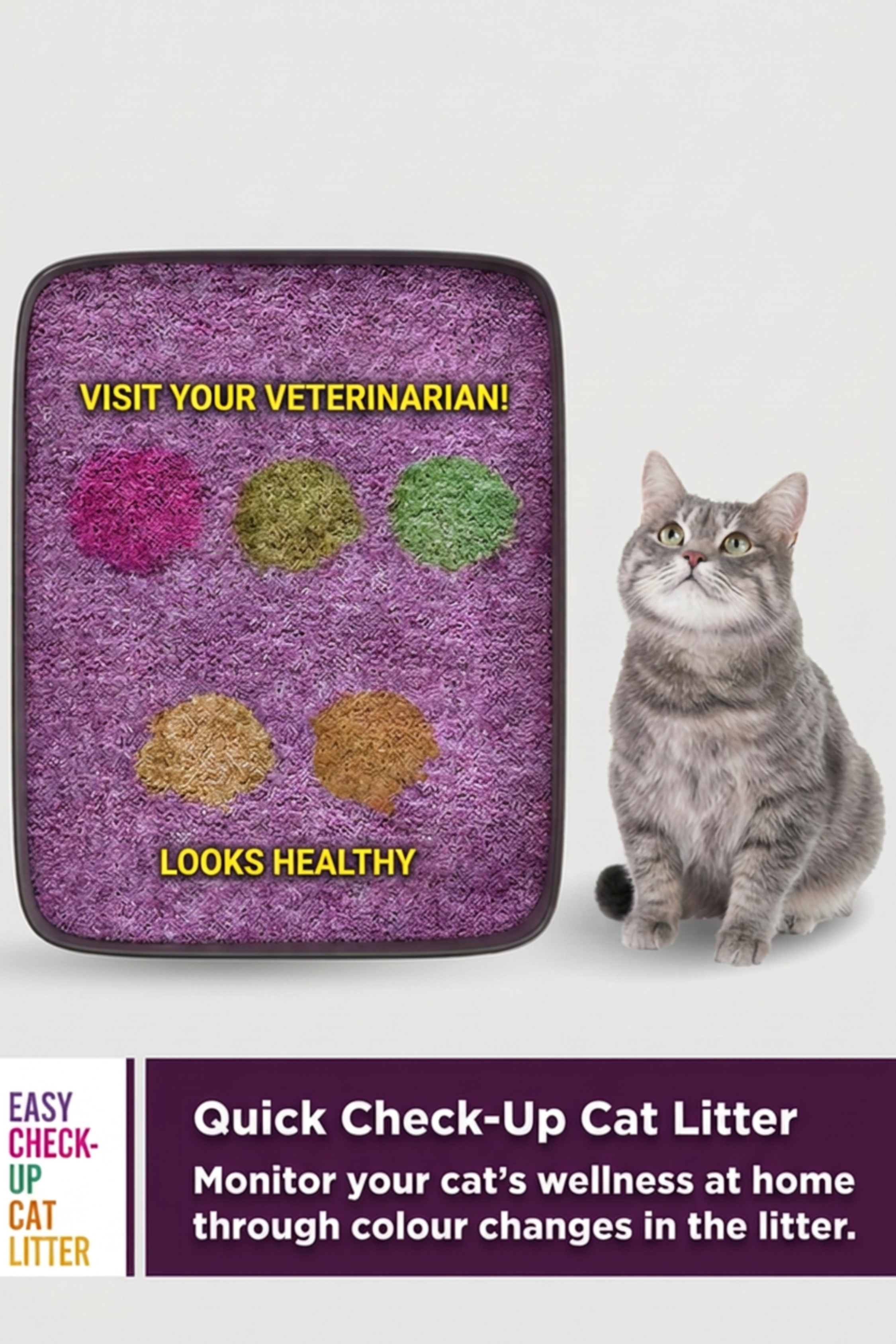
- Litter box changes: going outside the box is commonly stress- or health-related, not spite.
- Displacement behaviors: sudden out-of-context grooming, exaggerated yawning, or ground-sniffing during tension.
- Increased scratching-post marking or urine marking near doors and windows, often triggered by outdoor cats.
Chronic feline stress usually traces to environment: competition for resources in multi-cat homes, boredom, new pets or people, or outdoor cats visible through windows. More vertical territory, more hiding places, and one-litter-box-per-cat-plus-one are the classic first fixes — and persistent changes warrant ruling out medical causes first.
When Body Language Means 'Call the Vet'
Because cats hide illness, body language changes are often the earliest — sometimes the only — sign that something is medically wrong. Treat persistent behavior change as a health question first and a training question second.
- Withdrawal and hiding in a normally social cat, lasting more than a day.
- A hunched, tucked posture, reluctance to jump, or moving stiffly.
- Persistent squinting or facial tension — possible pain signals.
- Purring while tense or immobile, especially with appetite loss.
- Aggression that appears suddenly in a previously gentle cat — pain until proven otherwise.
- Not eating for more than a day — in cats this is always urgent; contact your veterinarian promptly.
For emergencies — straining in the litter box with nothing produced, open-mouth breathing, collapse, or nonstop crying — contact your veterinarian or an emergency clinic immediately.
Fluency in cat takes nothing more than attention. Watch the tail, answer the slow blinks, respect the warnings, and your cat will tell you everything you need to know — quietly, precisely, and constantly.