Litter Box Problems in Cats: Why They Happen and What Helps

When a reliably clean cat starts going outside the litter box, it feels personal — but it never is. House soiling is one of the most common behavior complaints cat owners bring to veterinarians, and behind almost every case is a reason that makes complete sense from the cat's point of view: pain, fear, an objectionable box, or stress in the home.
The stakes are worth taking seriously. Litter box problems are among the leading behavioral reasons cats are surrendered to shelters, yet the majority of cases can be resolved once the actual cause is found. Punishment, on the other hand, reliably makes things worse — it adds anxiety to whatever problem already existed.
This guide walks through the detective work: ruling out medical causes first, auditing your box setup like a picky cat would, addressing stress and territory issues, and cleaning accidents so they don't invite repeats.
Important: This article shares general educational information for pet owners and is not a substitute for an in-person veterinary examination, diagnosis, or treatment. For any medical concern or emergency, contact your veterinarian promptly.
First and Always: Rule Out Medical Causes
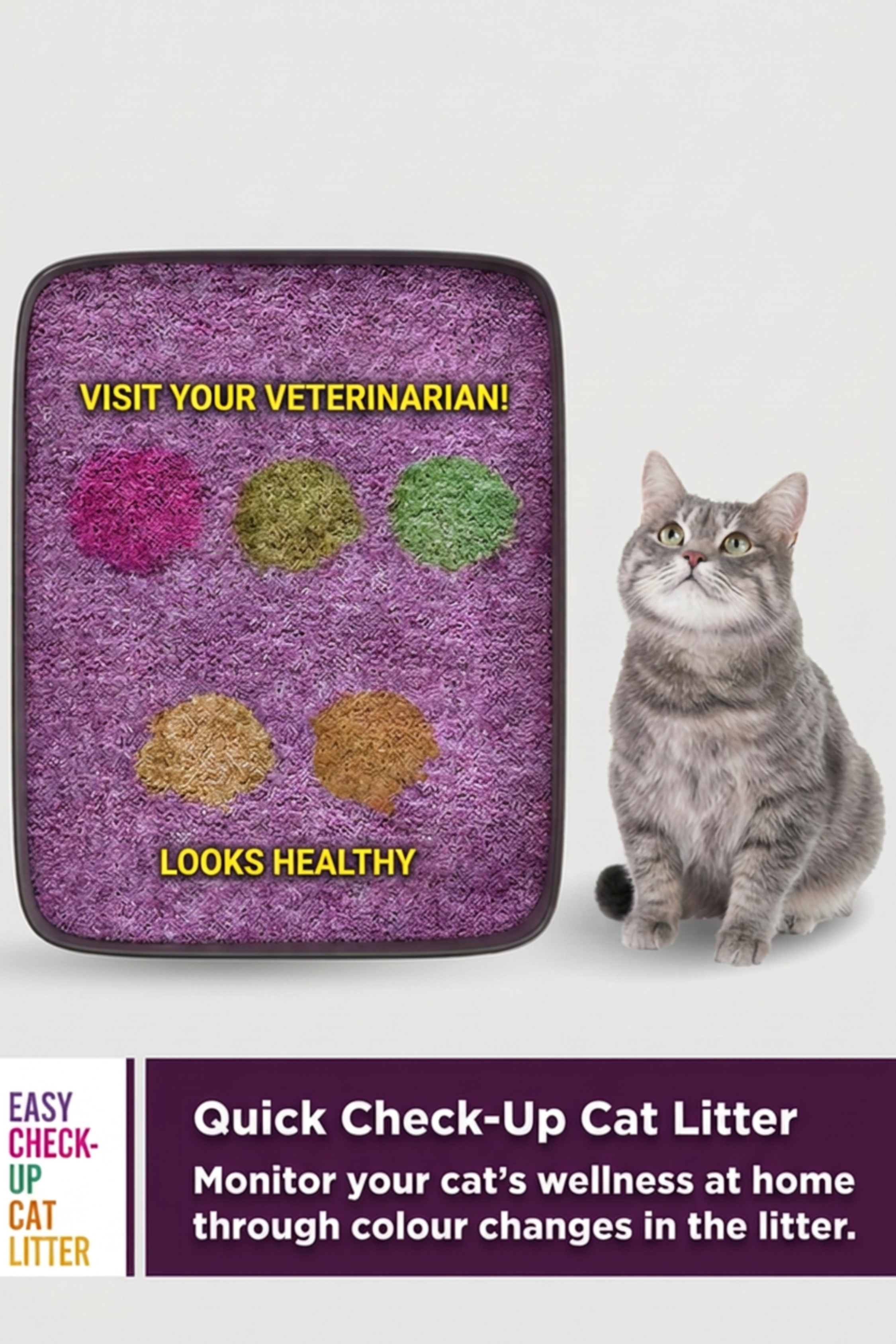
The first stop for any litter box change is your veterinarian, not the pet store. Urinary tract inflammation, infections, crystals or stones, kidney disease, diabetes, arthritis, and digestive problems can all drive a cat away from the box — often because the cat now associates the box with pain, or simply cannot get there or climb in comfortably in time.
Urgency matters most in one scenario: a cat straining in the box and producing little or nothing, crying, or repeatedly squatting. In male cats especially, a urinary blockage is life-threatening within hours — treat it as an emergency and contact a veterinarian immediately.
- See the vet promptly if: accidents appeared suddenly in a previously clean cat, urine volume looks unusual, there is any blood, or the cat vocalizes in the box.
- Emergency now: straining with no urine, especially in a male cat; distress, hiding, and appetite loss alongside.
- Bring details: where accidents happen, urine vs. stool, frequency, and any household changes — the pattern helps the diagnosis.
Urine Marking or Litter Box Avoidance?
These two problems look similar on the carpet but have different fixes. Marking (spraying) is communication: typically small amounts of urine on vertical surfaces — walls, furniture backs, curtains — often near doors and windows, by a cat who may still use the box normally otherwise. Avoidance is elimination: full bladder emptying or stool on horizontal surfaces, because something about the box, its location, or the cat's health is wrong.
Marking usually traces to territorial stress — outdoor cats patrolling the yard, tension between resident cats, new arrivals, or big household changes — and improves when the stressor is addressed. Avoidance traces to the box, the setup, or the body.
Watch where and how the urine appears before deciding which problem you are solving; the rest of this guide focuses mainly on avoidance, with stress reduction helping both.
The Box Itself: Think Like a Picky Cat
Cats have strong, reasonable preferences about bathrooms, and many 'behavior problems' are really facility complaints. The box should be large — at least one-and-a-half times the cat's body length — because cramped boxes force cats to perch awkwardly and step in their own waste.
- Uncovered usually wins: hoods trap odor at cat height and block escape routes; many cats tolerate them, plenty quietly hate them.
- Low entry for seniors: arthritic cats need a low threshold; a high-sided box with one cut-down entrance works well.
- Skip the gadgets at first: liners bother many cats, and self-cleaning boxes startle some; introduce novelty carefully, never as the only option.
- Keep the old box during changes: offer new boxes alongside, and let the cat vote with their paws.
If you have any doubt, run a cafeteria test: two or three box styles side by side for a week. Your cat's usage pattern is the only opinion that counts.
Litter: Texture and Scent Decide Everything
Most cats prefer fine, soft, sand-like textures under their paws — it matches the substrate their instincts expect. Coarse pellets, sharp crystals, and dramatic texture changes are common hidden causes of avoidance, especially for recently declawed or arthritic cats with tender feet.
On scent, the rule is simple: perfumes are for humans. A cat's nose is vastly more sensitive than ours, and heavily fragranced litter can make the whole box repellent. Unscented litter, kept genuinely clean, beats perfume every time. If odor control is the goal, address the source — scooping frequency and ventilation — rather than masking it at nose level.
Change litter brands gradually, mixing increasing proportions of new into old over a week or two, and watch for hesitation, perching on the box edge, or shaking paws — polite feline complaints that the flooring is wrong.
Location and the Plus-One Rule
Real estate matters. Boxes belong in quiet, low-traffic spots with good sightlines and more than one escape route — cats feel vulnerable mid-elimination and hate being ambushed. Avoid placing boxes next to noisy appliances, in dead-end closets, or beside food and water, which cats instinctively keep separate from toilets.
The multi-cat math is the famous plus-one rule: one box per cat, plus one extra, spread across different rooms and floors — not lined up in one basement row, which a single assertive cat can guard as one resource. In multi-story homes, every regularly used floor deserves a box, especially for kittens and seniors.
If accidents cluster in one area, the message may be location: try adding a box exactly there, letting the cat win that argument, and relocating it a foot a day later if needed.
Cleanliness: The Standard Is Higher Than You Think
Imagine a toilet that hasn't been flushed all day; that is a once-a-day-scooped box from the cat's perspective. Many avoidance cases resolve with nothing more than a stricter cleaning routine.
- Scoop at least once daily — twice in multi-cat homes.
- Top up litter to a consistent depth most cats like, roughly a few centimeters.
- Empty and wash the box with mild unscented soap and water regularly; skip ammonia-based and strongly scented cleaners.
- Replace boxes that have absorbed odor into scratched plastic — they have a service life.
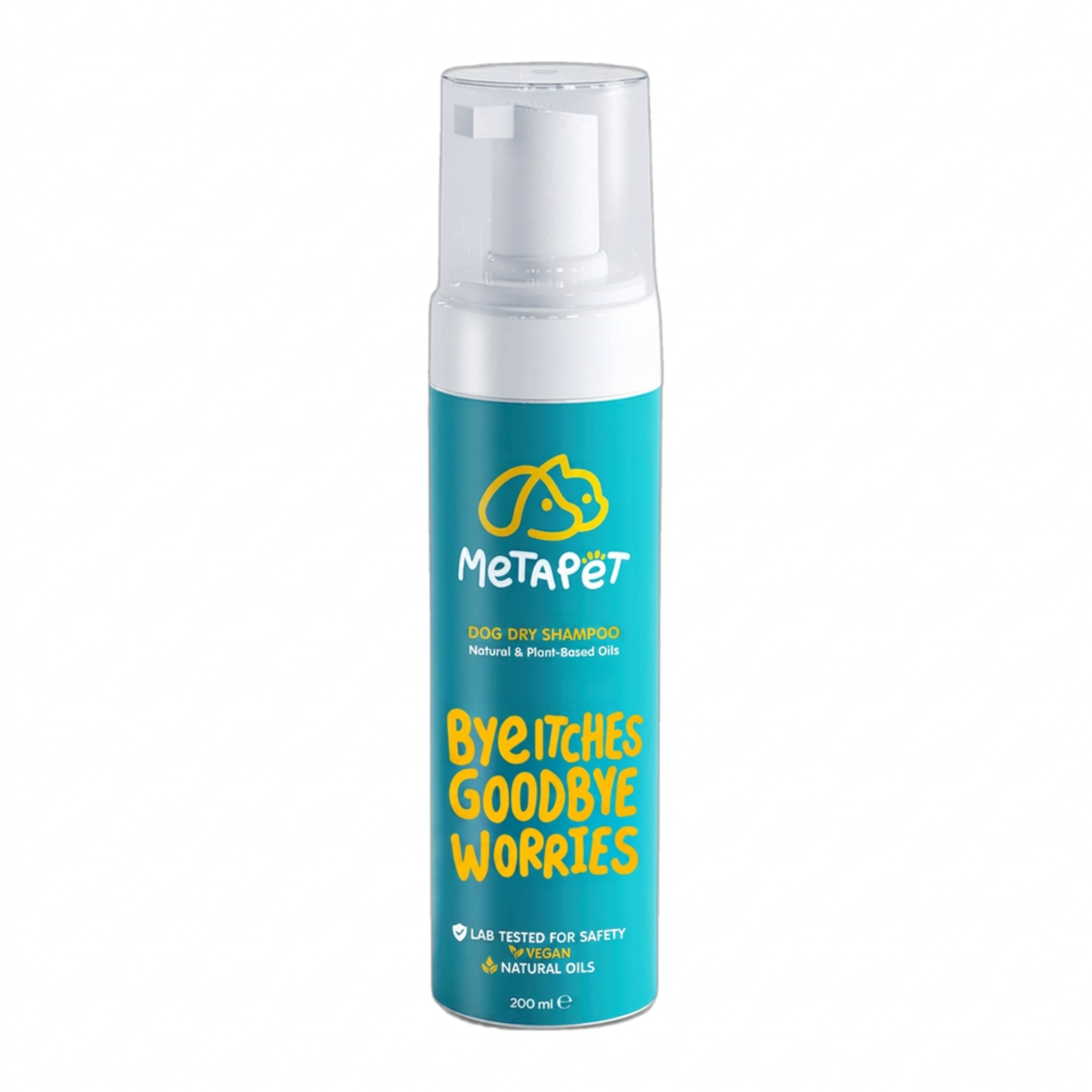
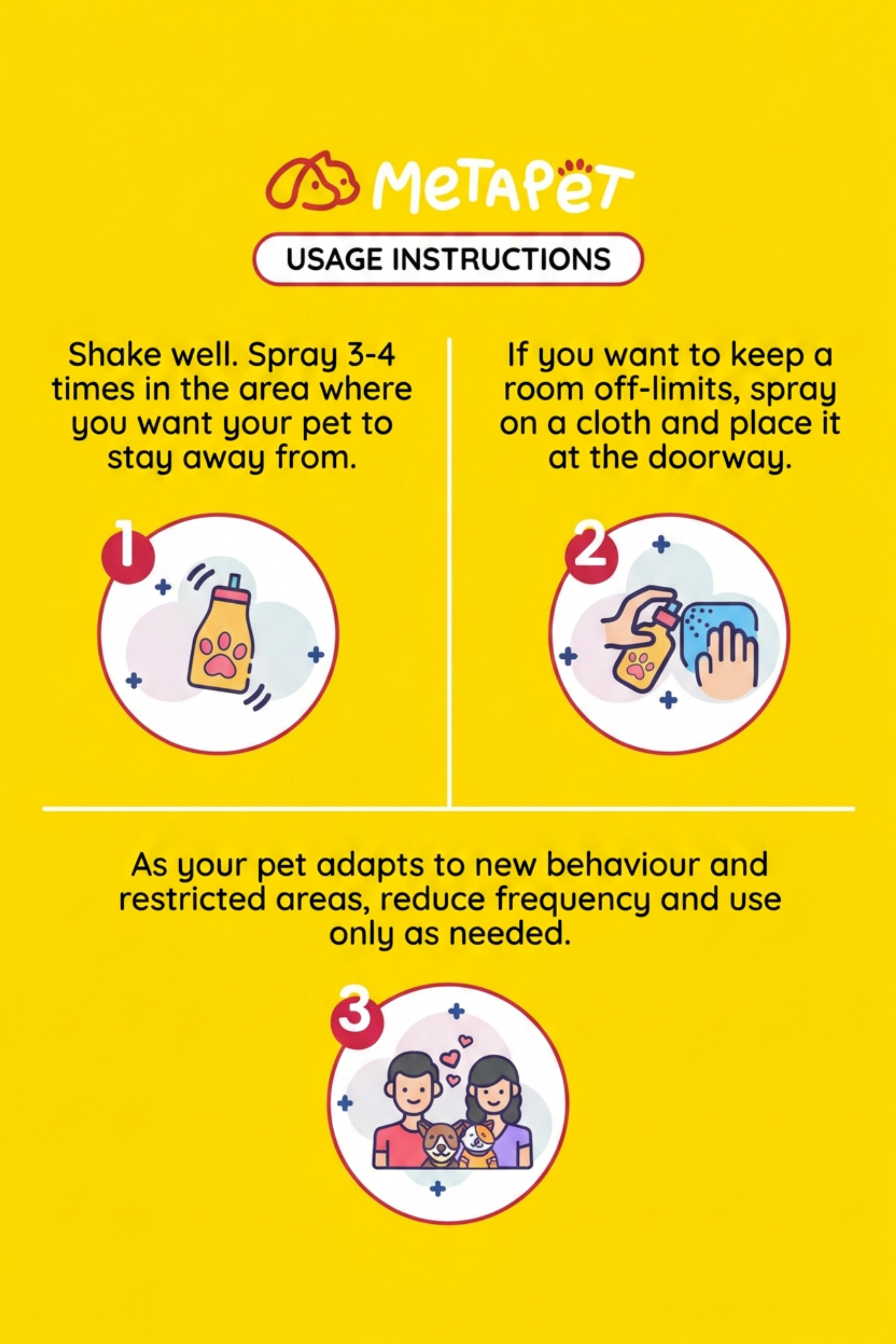
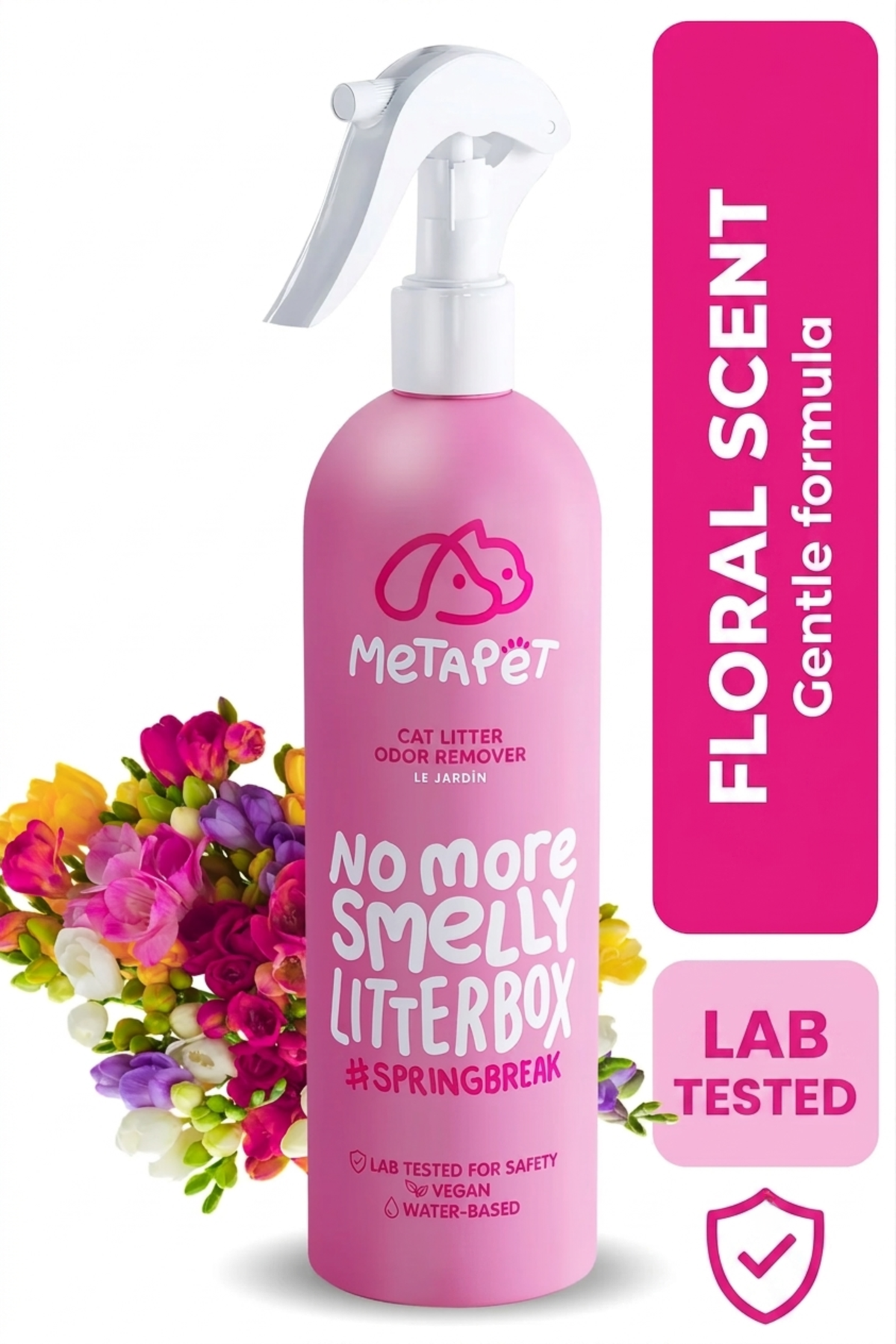
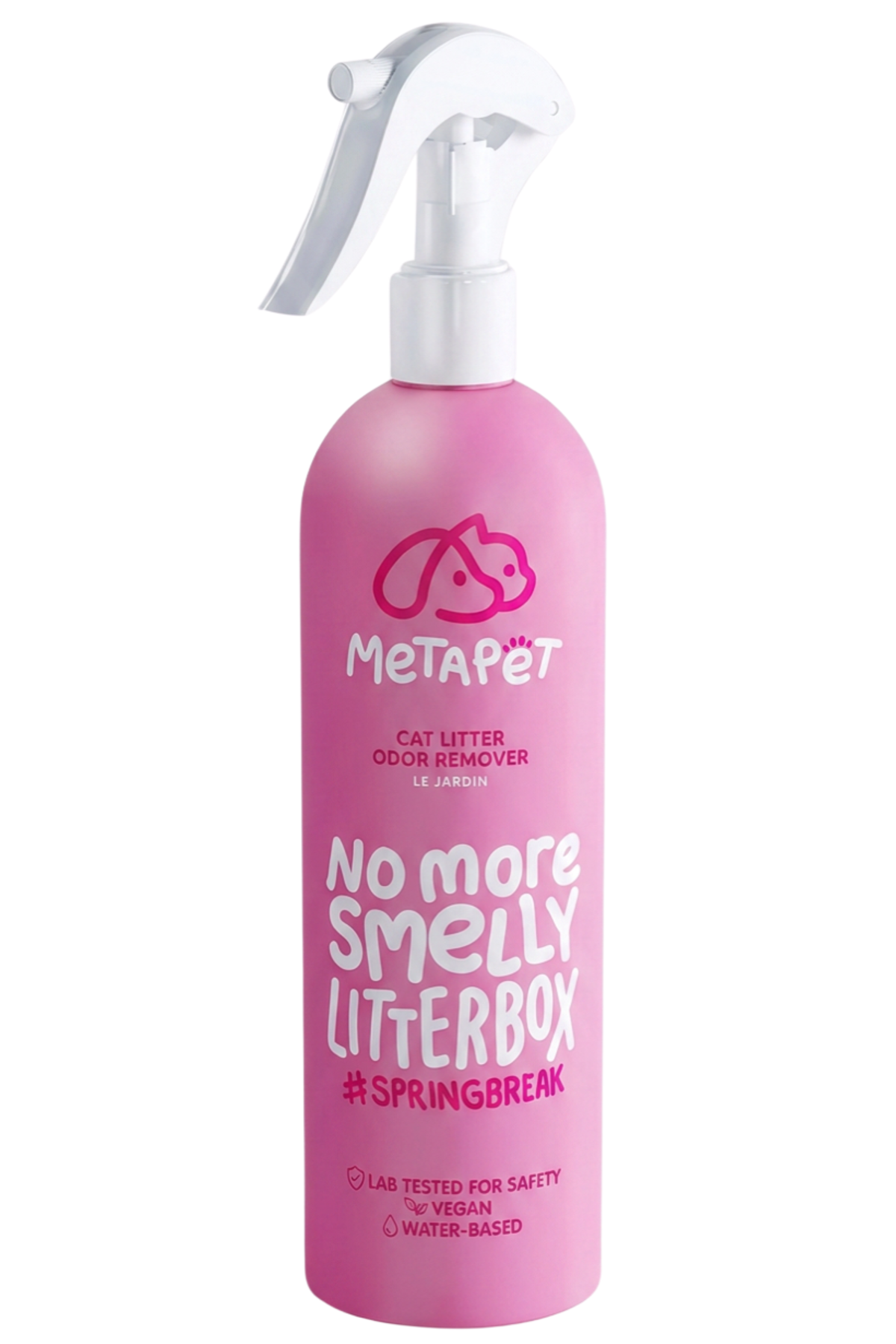
For day-to-day freshness between full changes, some owners add an odor-management layer: MetaPet's No Smell in Litterbox activated carbon litter deodorizer is designed to help reduce litter box odors, and the No More Smelly Litterbox deodorizer spray is formulated to help freshen the box area. Used as directed, these can help keep the toilet zone pleasant for both of you — but they are a complement to scooping and washing, not a substitute for actual cleanliness, and never a fix for a medical or behavioral cause. If a strong urine smell persists no matter what you do, that is a signal to investigate health and setup, not to add more fragrance.
Stress: The Invisible Driver
Once medicine and facilities check out, stress is the usual remaining suspect. Cats are territorial creatures of habit, and their toileting is exquisitely sensitive to social and environmental pressure.
- Multi-cat tension: subtle guarding of boxes, hallways, or stairs by one cat — often invisible to owners — is a classic cause; more boxes in more separate locations breaks the blockade.
- Outdoor cats: a strange cat visible through a window can trigger both marking and avoidance; block sightlines at cat level and remove outdoor attractants.
- Change: moves, renovations, new babies, new partners, schedule shifts, even rearranged furniture register as territorial upheaval.
- Boredom and anxiety: under-stimulated indoor cats carry more baseline stress; play, climbing space, and predictable routines lower the temperature.
Rebuild security with resource abundance — multiple feeding spots, water bowls, scratchers, resting perches, and boxes — so nothing valuable can be monopolized, and keep daily interactions predictable while trust returns. For entrenched anxiety or inter-cat conflict, ask your veterinarian about referral to a behavior professional.
Cleaning Accidents So They Don't Repeat
Anywhere urine has soaked, an invisible scent beacon remains — and to a cat, that beacon reads 'bathroom'. Proper cleanup is genuinely part of the treatment plan, not just housekeeping.
- Use an enzymatic cleaner made for pet urine; enzymes break down the odor compounds cats can still smell long after humans can't. MetaPet's Where Is The Stain I Can't See? stain remover and deodorizer spray is designed to help remove pet stains and neutralize odors on washable surfaces — follow label directions and test fabrics first.
- Avoid ammonia-based cleaners: ammonia smells like urine to cats and can advertise the spot instead of erasing it.
- Saturate, don't wipe: urine spreads deep into padding; clean an area larger than the visible stain.
- Find every spot: a UV flashlight in a dark room reveals old accidents you have missed.
- Change the meaning of the spot: after cleaning, feed, play, or place a bed there for a while — cats avoid soiling core living zones.
Retraining Gently: A Two-Week Reset
For stubborn cases where medicine, setup, and stress are all being addressed, a structured reset helps the cat rebuild the habit. The spirit is confinement as a fresh start, never as punishment.
- Set up a quiet room with an ideal box (big, clean, unscented fine litter), plus food, water, resting spots, and toys — box and food at opposite ends.
- Keep the cat in this room with generous daily company, play, and affection.
- Most cats use the box reliably within days when it is the obvious, pleasant option.
- Reopen the home gradually, one area at a time, keeping the winning box formula and adding boxes in the newly opened zones.
- If regression happens, narrow territory again briefly, and mention it to your veterinarian.
Reward quietly when you see the box used — calm praise or a treat afterward — and never carry a mid-accident cat to the box or push them into it; forced associations backfire.
What Never Works — and When to Get Help
Rubbing a cat's nose in accidents, yelling, squirt bottles, and after-the-fact punishment do not teach box use; they teach the cat that you are unpredictable and that eliminating near you is dangerous — producing cats who hide their accidents better and trust their owners less.
Get professional help promptly if accidents persist beyond a couple of weeks of honest effort, if any medical signs appear (straining, blood, crying, appetite loss — the emergency signs from the first section always override everything), if inter-cat aggression is escalating, or if you are reaching the end of your patience — that last one is a valid clinical reason, and veterinarians and behavior professionals take it seriously.
Litter box problems feel chaotic, but they are usually a logical message in an inconvenient medium. Find what the cat is saying — pain, fear, facilities, or territory — answer it, and the carpet phase almost always ends.