Transitioning Your Pet to a New Food Safely

Changing what is in the bowl seems like it should be the simplest thing in the world. You buy a new bag, you fill the dish, and life carries on. In practice, an abrupt food change is one of the most common reasons a perfectly healthy dog or cat suddenly develops loose stools, gas, vomiting or a stubbornly turned-up nose — and one of the easiest problems to avoid entirely.
The digestive system is not just a tube. It hosts a large, established population of microorganisms that have adapted over months or years to a particular blend of protein, fat, fiber and carbohydrate. When that blend changes overnight, the gut has to reorganize on the fly, and the visible result is often an unhappy few days on the carpet.
There are many good reasons to switch food: a life-stage change, a veterinary recommendation, a product being discontinued, or simply a better fit for your pet. This guide explains how to make the change smoothly, what to watch for along the way, and when a reaction is a reason to stop and call your veterinarian.
Important: This article shares general educational information for pet owners and is not a substitute for an in-person veterinary examination, diagnosis, or treatment. For any medical concern or emergency, contact your veterinarian promptly.
Why a Slow Transition Matters
The gut adapts to the diet it is given. The bacterial populations living there, and the digestive enzymes the body produces, become tuned to the specific nutrient profile arriving each day. A sudden change asks that whole system to pivot instantly, and it usually cannot. The result — loose stool, flatulence, occasional vomiting — is not necessarily an allergy or an intolerance. It is very often nothing more than the gut being surprised.
A gradual transition gives the digestive system time to adjust while the old food is still doing most of the work. It also helps with acceptance: pets, and cats especially, form strong preferences around smell and texture, and a slow blend lets the new food become familiar rather than alien. The additional benefit is diagnostic. If a problem does appear during a slow transition, you notice it early, at a low inclusion rate, and you can pause rather than having to unwind an entirely new diet.
The Standard Transition Schedule
Most healthy adult pets do well with a transition spread over roughly seven to ten days, replacing the old food in steps rather than all at once. Mix the two foods thoroughly in the same bowl — separate piles simply invite your pet to eat around the part they do not recognize.
- Days 1-3: about 25% new food, 75% old food.
- Days 4-6: about 50% new food, 50% old food.
- Days 7-9: about 75% new food, 25% old food.
- Day 10 onward: 100% new food, if everything has gone smoothly.
This schedule is a starting framework, not a rule handed down from on high. Sensitive pets, very young or very old animals, pets recovering from illness, and pets with a history of digestive upset often do better over two weeks or longer, moving in smaller increments. There is no prize for finishing quickly. If your pet's stool softens at any stage, hold at the previous ratio for a few extra days before advancing rather than pushing through.
If you are moving between two foods that differ dramatically — for example a substantial change in protein source, fat level, or fiber content, or a switch between dry and wet formats — plan on the slower end of the range. Your veterinarian can advise on the right pace for your particular pet and the particular change you are making.
How to Read Your Pet's Stool During the Change
Stool is the most honest feedback you will get, and it is worth paying attention to for the duration of the transition. What you are hoping to see is consistency: formed, easy to pick up, holding its shape, and roughly the same each day. A slight change in color or volume when the food changes is normal, because the ingredients and digestibility are different.
- Mildly softer stool for a day or two: common, and usually resolves as the gut adjusts. Hold the current ratio and give it time.
- Persistent loose stool or diarrhea: stop advancing, return to the previous ratio, and contact your veterinarian if it does not settle.
- Straining, mucus or blood: stop and contact your veterinarian — these are not part of a normal transition.
- Repeated vomiting: stop the transition and call your veterinarian rather than waiting it out.
- Marked gas or abdominal discomfort: slow down; the pace is likely too fast for this pet.
Keeping a short daily note — what ratio you fed, what the stool looked like, appetite and energy — sounds fussy but takes ten seconds and makes any later conversation with your veterinarian far more productive than trying to reconstruct a week from memory.
Cats: A Species That Makes Its Own Rules
Cats deserve their own section because they approach food change with a level of skepticism dogs rarely muster. Many cats form strong, lasting preferences for the texture, shape and aroma of what they ate as kittens, and a cat who has eaten one thing for years may treat anything new as a personal insult.
There is also a serious health consideration that makes cats different. A cat who stops eating for a prolonged period can develop a dangerous liver condition, and this can happen much faster than most owners expect — particularly in overweight cats. This means the strategy of 'they will eat when they get hungry enough' is genuinely unsafe for cats. If your cat refuses food for more than a day, or eats markedly less than usual, contact your veterinarian rather than waiting.
- Go slower than you think you need to: some cats need two or three weeks, adding the new food in very small amounts.
- Warm wet food slightly: gentle warming lifts the aroma and can make it more appealing. Never serve it hot.
- Keep the routine identical: same bowl, same place, same times — change one variable at a time.
- Do not free-feed during a transition: offered meals let you actually see how much is being eaten.
- Never starve a cat into compliance: if your cat is refusing food, that is a veterinary conversation.
When Your Veterinarian Prescribes a Change
Some transitions are not optional. A therapeutic diet may be part of the management plan for a specific health condition, and in those cases your veterinarian's instructions take precedence over any general schedule you read online — including this one. Some conditions call for a fast transition; others require a slow, carefully monitored one; and in some cases the timing is deliberately different from what you would do for a healthy pet.
If your pet resists a prescribed diet, do not simply give up and go back to the old food quietly. Tell your veterinary team. They deal with this constantly, and there are usually options — a different texture, a different flavor within the same range, a different feeding approach, or a modified timeline. What they cannot do is solve a problem they do not know about.
Supporting Digestion Through the Change
Beyond pacing, a few ordinary habits make a transition easier. Feed at consistent times, in a calm place, and avoid introducing new treats, chews or table scraps during the transition — you want a clean signal, so that if something does upset your pet's stomach you know what it was. Keep fresh water available at all times, since fluid balance matters whenever the diet is shifting.
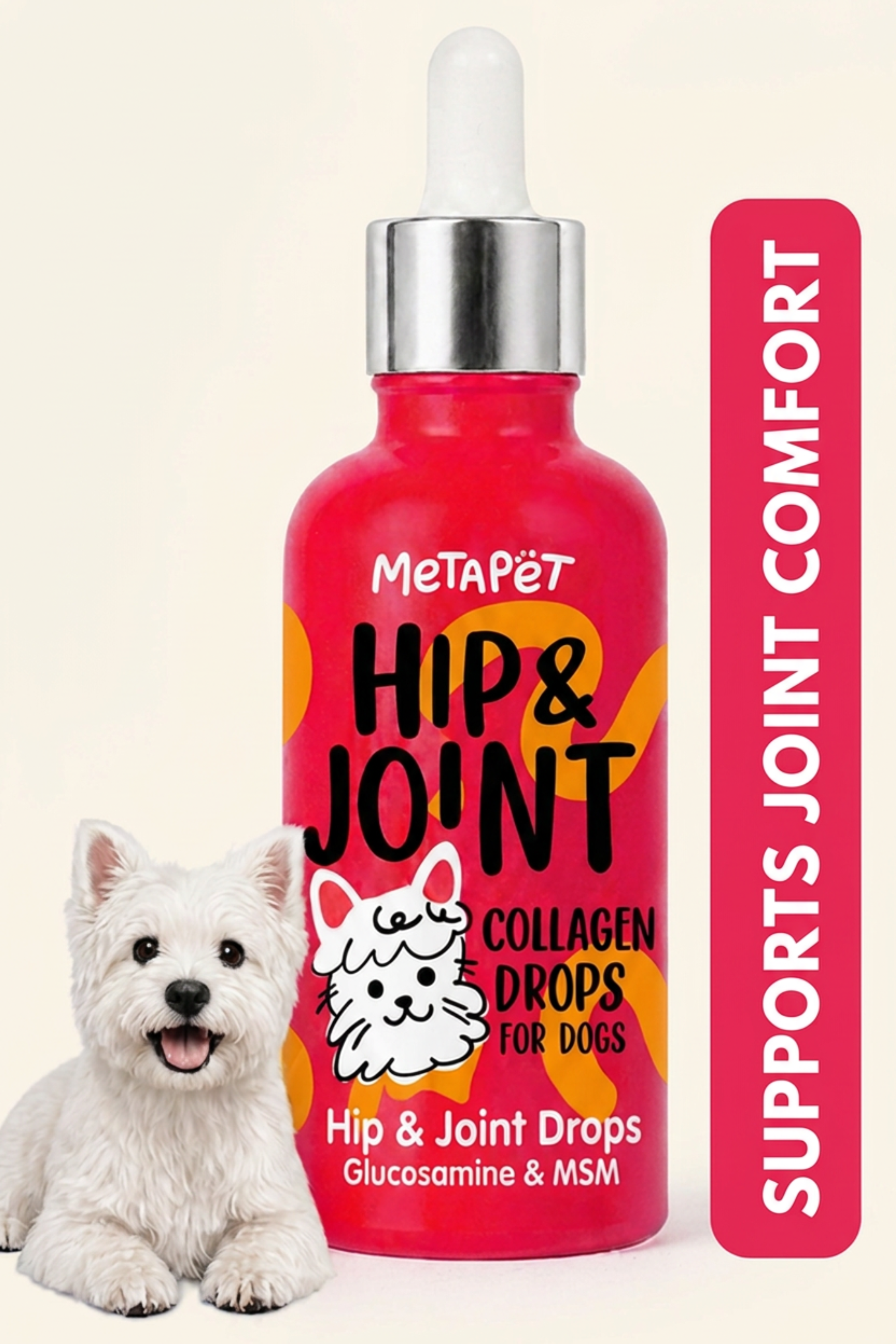
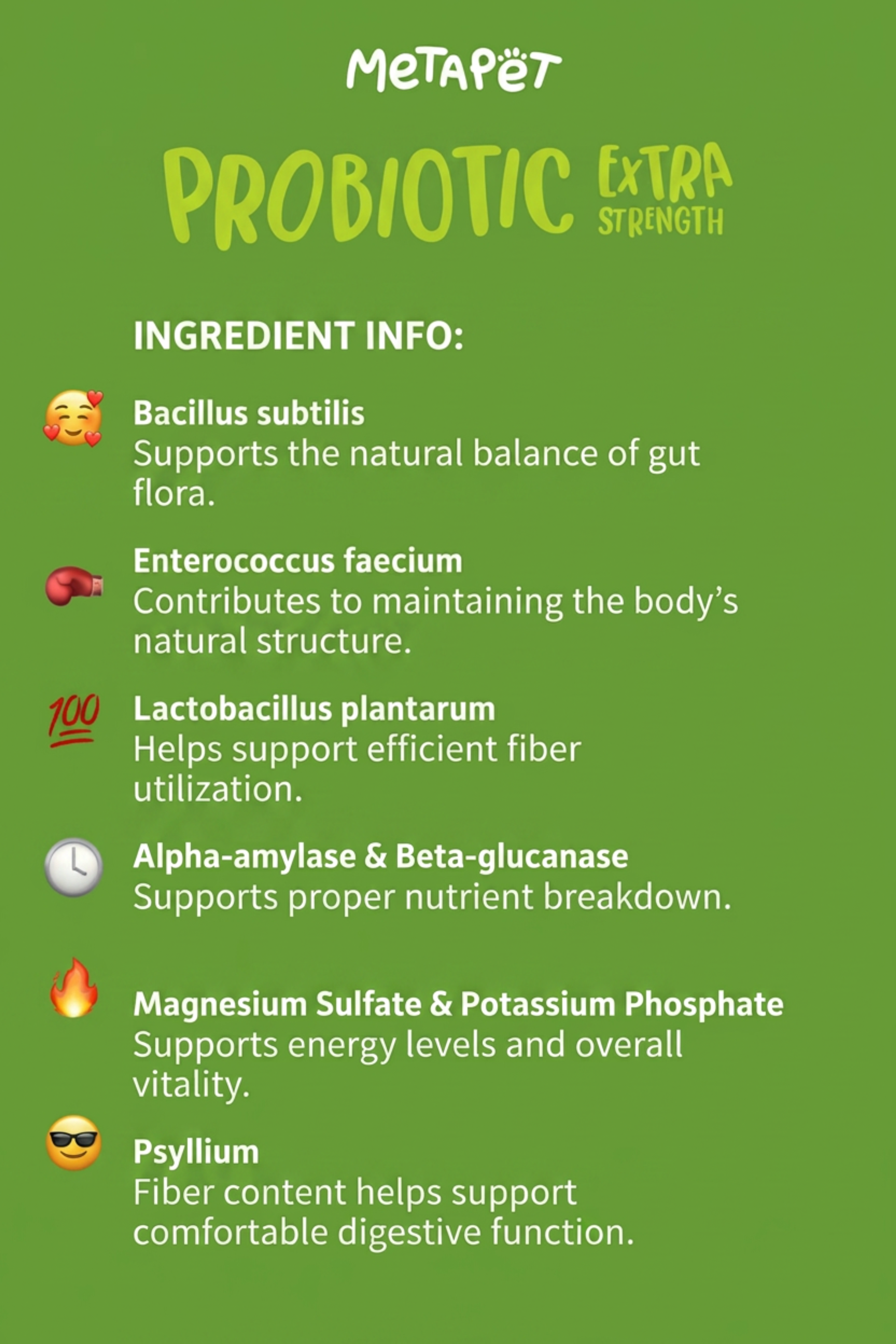
Some owners choose to include a digestive supplement as part of a daily routine during periods of change. If you are interested in that approach, MetaPet's Probiotic Drops for Dogs and Probiotic Drops for Cats are formulated with selected probiotics and natural enzymes to support gut health and comfortable digestion as part of a daily routine. A supplement of this kind is a complement to good feeding practice and proper veterinary care — never a substitute for either, and never a reason to rush a transition or to delay calling your veterinarian if your pet is unwell. Talk to your veterinarian before adding any supplement, particularly if your pet has a health condition or takes medication.
The far more important variables remain the boring ones: go slowly, change one thing at a time, and watch your pet rather than the calendar.
Common Mistakes That Derail a Transition
- Switching cold turkey because the old bag ran out: plan ahead and keep a small reserve of the current food so you are never forced into an abrupt change.
- Changing several things at once: new food, new treats and a new feeding schedule in the same week makes any problem impossible to interpret.
- Advancing on schedule despite soft stool: the schedule serves the pet, not the other way around.
- Mixing the foods in separate piles: pets simply eat around the new food, which defeats the point.
- Adding toppers to encourage acceptance: this introduces yet another variable and can itself cause upset.
- Giving up after two days: acceptance often improves once the food becomes familiar — patience is usually rewarded.
Life-Stage Transitions
Some of the most predictable food changes happen at the boundaries of life stages. Puppies and kittens move from growth formulas to adult food as they mature, and the right timing depends on breed, size and individual development — large-breed dogs in particular have specific growth considerations, so ask your veterinarian rather than assuming a universal age.
At the other end, an older pet's nutritional needs may shift, and their diet often changes in response to health changes rather than age alone. Neither transition should be rushed. In both cases the same principle applies: a gradual blend over a week or more, with a close eye on stool, appetite, weight and energy.
Storing Food So the Transition Actually Works
A surprising number of apparent food problems are storage problems. Fats in pet food can go rancid with exposure to air, warmth and light, and a food that has gone off can cause exactly the same signs as a poorly managed transition — poor appetite, an upset stomach, or a pet who suddenly refuses a food they previously enjoyed.
- Keep food in its original bag: the bag is designed as a barrier, and it carries the lot number and best-before date.
- Place the bag inside the container: rather than tipping kibble loose into a bin.
- Store cool, dry and out of sunlight: not in a hot garage or a sunny porch.
- Seal opened wet food: refrigerate promptly and use within the manufacturer's stated window.
- Wash bowls daily: biofilm on a bowl is unappetizing and unhygienic.
When to Call Your Veterinarian
Contact your veterinarian if diarrhea persists beyond a couple of days, if there is blood or mucus in the stool, if your pet vomits repeatedly, becomes lethargic, or shows abdominal pain. Any cat who refuses food for more than about a day warrants a call, and a young puppy or kitten with ongoing digestive upset should be seen sooner rather than later, because small animals dehydrate quickly.
Also call if your pet develops itchy skin, recurrent ear problems or persistent digestive signs after a food change. These can point to a food intolerance or another underlying issue, and diagnosing that properly requires a veterinarian — not a process of elimination in your kitchen.
Frequently Asked Questions
How long should a food transition take?
Around seven to ten days for a healthy adult pet, and longer for sensitive animals, cats, seniors, or a dramatic change in formula. Slower is almost always safer.
Can I mix wet and dry food?
Many pets eat both, but keep total daily intake appropriate for your pet's needs so they do not gain unwanted weight. Your veterinarian can help you work out sensible portions.
My pet loves the new food and had no problems in two days. Can I just switch?
Enthusiasm is not the same as tolerance. The gut can take several days to show its response, so finish the transition anyway — there is no advantage to hurrying.
What if my pet only eats the old food out of the mixture?
Mix more thoroughly, reduce the new-food proportion, and warm wet food gently to raise its aroma. If refusal continues, especially in a cat, contact your veterinarian.