Torn Nails and Dewclaw Injuries in Dogs and Cats

A torn nail is one of those injuries that looks far worse than most owners expect. There is often a surprising amount of blood for such a small structure, the pet is suddenly and visibly in pain, and the whole thing tends to happen at an inconvenient moment. It is also extremely common, and it is one of the more frequent reasons dogs are brought in on a weekend.
The reason it hurts so much is anatomical. A nail is not simply a hard shell. Running through the center is the quick, a core of soft tissue containing a blood supply and a dense supply of nerves. When a nail splits, cracks or is pulled partly away, that tissue is exposed or torn, which is why the pain is genuine and immediate.
This article covers what to do in the first few minutes, when a torn nail needs veterinary attention rather than home care, why dewclaws are particularly vulnerable, and how a sensible nail care routine prevents most of these injuries in the first place. It is general educational information and not a substitute for an in-person veterinary examination.
Important: This article shares general educational information for pet owners and is not a substitute for an in-person veterinary examination, diagnosis, or treatment. For any medical concern or emergency, contact your veterinarian promptly.
Nail Anatomy in Brief
The visible nail is made of keratin, the same protein as hair and the outer layer of skin. It grows from a nail bed at the base and curves outward. Inside the nail, extending from the base toward the tip, is the quick.
In pale or clear nails, the quick is visible as a pink line, which makes trimming relatively straightforward. In dark or black nails it cannot be seen at all, which is why owners are so often nervous about trimming these and why cutting too far is a common accident.
Crucially, the quick grows forward as the nail grows. When nails are left long, the quick extends with them. This means an overgrown nail cannot simply be cut back to a short length in one go, and it also means that long nails carry more living tissue further toward the tip, where it is easier to injure.
Why Dewclaws Tear So Often
The dewclaw sits higher up on the inside of the leg, above the paw. Because it does not contact the ground during normal walking, it does not wear down the way the other nails do. It therefore tends to grow longer, and it often curves.
That curved, elevated hook is perfectly positioned to catch on carpet, bedding, upholstery, long grass, undergrowth, or the edge of a crate. A dog that jumps off a sofa or bolts through a hedge can catch a dewclaw and tear it before anything else in the leg has time to react.
In extreme cases a neglected dewclaw curves right around and grows into the pad or the skin beside it, which is painful and prone to infection. Some dogs also have rear dewclaws, and in certain breeds these are loosely attached, making them even more vulnerable. Dewclaws need checking and trimming as deliberately as the other nails, and they are the ones most often forgotten.
First Aid for a Torn Nail
Stay calm. The bleeding looks alarming but is rarely dangerous in itself, and your pet will take its emotional cue from you.
- Keep yourself safe. A pet in sudden pain may snap without meaning to. Have someone help hold and comfort your pet, and consider a towel wrap for a cat.
- Apply firm, steady pressure to the nail tip with a clean gauze pad or cloth for several minutes without lifting to peek. Lifting restarts the bleeding.
- If bleeding continues, a styptic powder or pencil from a pet first-aid kit can help. Press it into the nail tip and hold. Cornstarch or plain flour packed into the tip is a common household alternative if nothing else is available.
- Do not pull on a partially detached nail. It is still attached to living tissue, and pulling causes severe pain and worsens the injury.
- Keep the foot clean and prevent licking. A recovery collar helps.
- Contact your veterinarian for advice, particularly if the nail is hanging, the quick is exposed, or bleeding does not stop within about ten minutes of firm pressure.
Never apply a tight bandage or anything resembling a tourniquet to a leg or toe. It is easy to cut off circulation, and the damage from that can be far worse than the original injury. A light protective covering for the trip to the clinic is fine; anything constricting is not.
When It Needs a Veterinarian
- The nail is hanging or partly detached. Loose fragments usually need trimming back under sedation or local anesthesia, because doing it properly is painful.
- Bleeding will not stop. After around ten minutes of continuous firm pressure.
- The quick is clearly exposed. Open living tissue is painful and prone to infection.
- Your pet will not bear weight. Persistent non-weight-bearing lameness suggests more than a simple nail injury.
- Swelling, heat, discharge or odor develops. These indicate infection in the nail bed.
- The toe itself looks bent or unstable. Which raises the possibility of a fracture.
- Multiple nails are affected at once. Especially without obvious trauma, as this occasionally reflects an underlying condition.
- Your pet has a bleeding disorder or takes medication affecting clotting. Contact your veterinarian promptly regardless of appearance.
At the clinic, treatment usually involves pain relief, trimming the damaged nail back to a stable point, cleaning the area, and sometimes bandaging. Antibiotics are prescribed when infection is present or likely. Most pets are much more comfortable very quickly once the loose fragment is removed.
Healing and Home Aftercare
A torn nail generally heals well, though the nail itself takes time to regrow fully, often several weeks to a few months depending on how much was lost.
- Give all prescribed medication as directed. Pain relief matters and should not be skipped because your pet seems fine.
- Keep the foot clean and dry. Wipe paws after walks, and avoid mud, sand and wet grass while healing.
- Prevent licking. Persistent licking introduces bacteria and delays healing. A recovery collar or a soft bootie for outdoor trips helps.
- Follow bandage instructions exactly. Keep any bandage dry, check daily that toes are not swollen, and return for changes as scheduled.
- Limit rough activity. Short lead walks rather than off-lead running until healed.
- Watch for infection. Swelling, discharge, odor, renewed lameness or a foul smell all warrant a call.
- Expect a slightly odd nail. The regrown nail is sometimes a different shape or texture. This is usually cosmetic.
Preventing Nail Injuries
The overwhelming majority of torn nails happen to nails that were too long. Regular trimming is the single most effective prevention.
- Trim on a schedule. Every few weeks for most dogs, though it depends on growth rate and how much walking is done on hard surfaces. Cats generally need front claws trimmed regularly too.
- Do not forget the dewclaws. Check them at every trim, including rear dewclaws where present.
- Listen for clicking. If nails click on hard floors when your dog walks, they are too long.
- Take small amounts frequently. Especially with dark nails. Several tiny trims are far safer than one big one.
- Keep styptic powder to hand. So a minor nick during trimming is easily managed.
- Provide scratching outlets for cats. A sturdy, tall scratching post lets cats shed outer nail sheaths naturally.
- Check paws after outdoor activity. Especially after running in undergrowth, sand, or on rough terrain.
- Keep paw fur trimmed. Long fur between the pads traps debris and hides developing problems.
If your pet strongly resists nail trims, ask your veterinary team or a qualified groomer to demonstrate technique and handling. Cooperative care training, where the pet is gradually and positively conditioned to accept paw handling, works well and is worth the investment of a few weeks.
Bringing Long Nails Back Gradually
If nails have been allowed to grow long, the quick has grown forward with them, and cutting to a normal length immediately would cut through living tissue. The solution is patience.
Trim a small amount frequently, roughly every one to two weeks. Each trim encourages the quick to recede slightly, so over a period of weeks to months the nail can gradually be brought back to a healthy length without pain. Ask your veterinarian or groomer to show you where to stop on the first occasion.
With dark nails, a useful guide is to look at the cut surface. As you approach the quick, a small grey or pink dot appears in the center of the cut end. That is the signal to stop for this session. Where nails are severely overgrown or already curling into the pad, a veterinary visit for a proper trim under sedation is often the kindest starting point.
Everyday Paw Hygiene
Paws take a lot of punishment, and a simple routine keeps small problems from becoming large ones. Check the pads for cracks or cuts, look between the toes for grass seeds and debris, and note any redness or persistent licking.
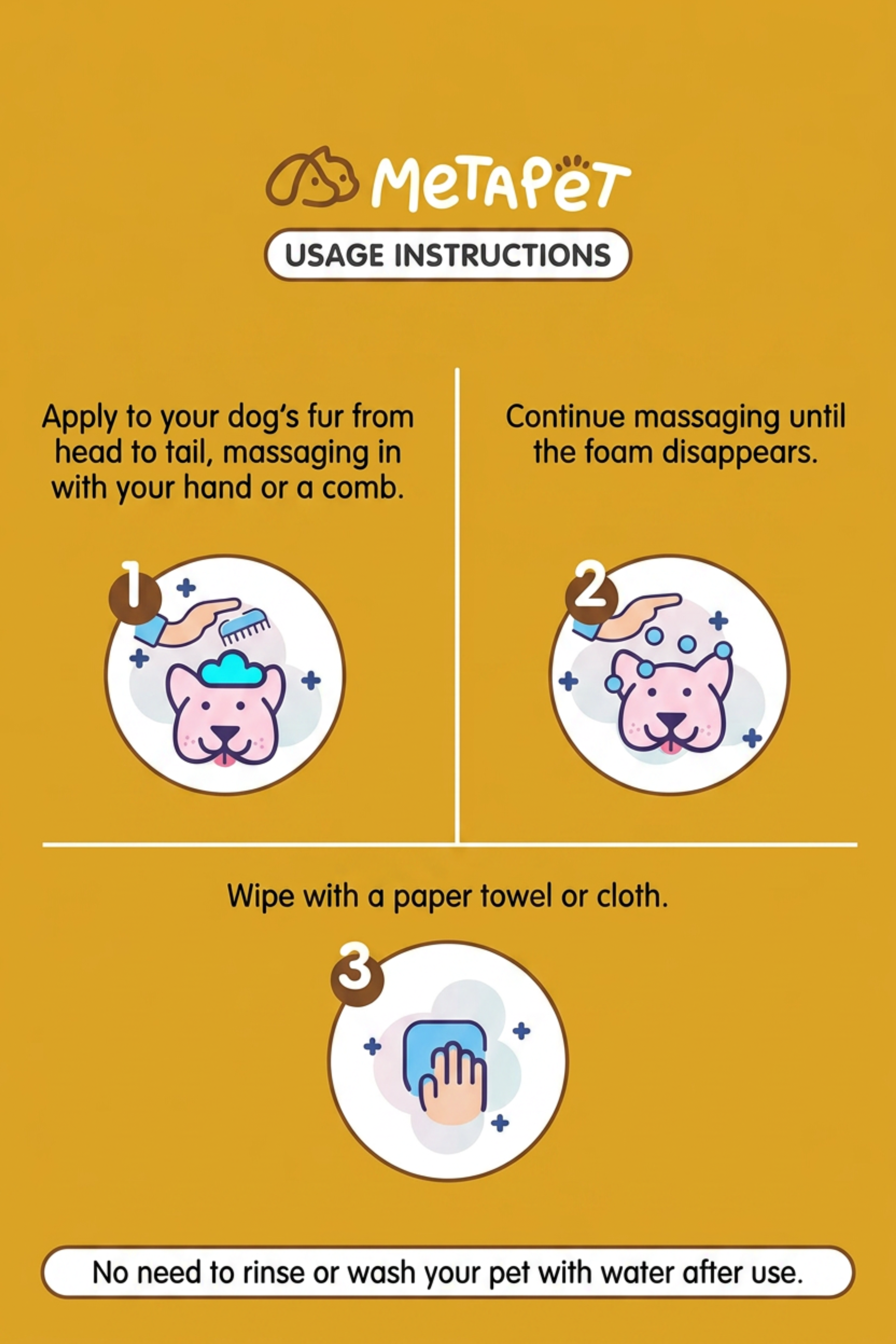
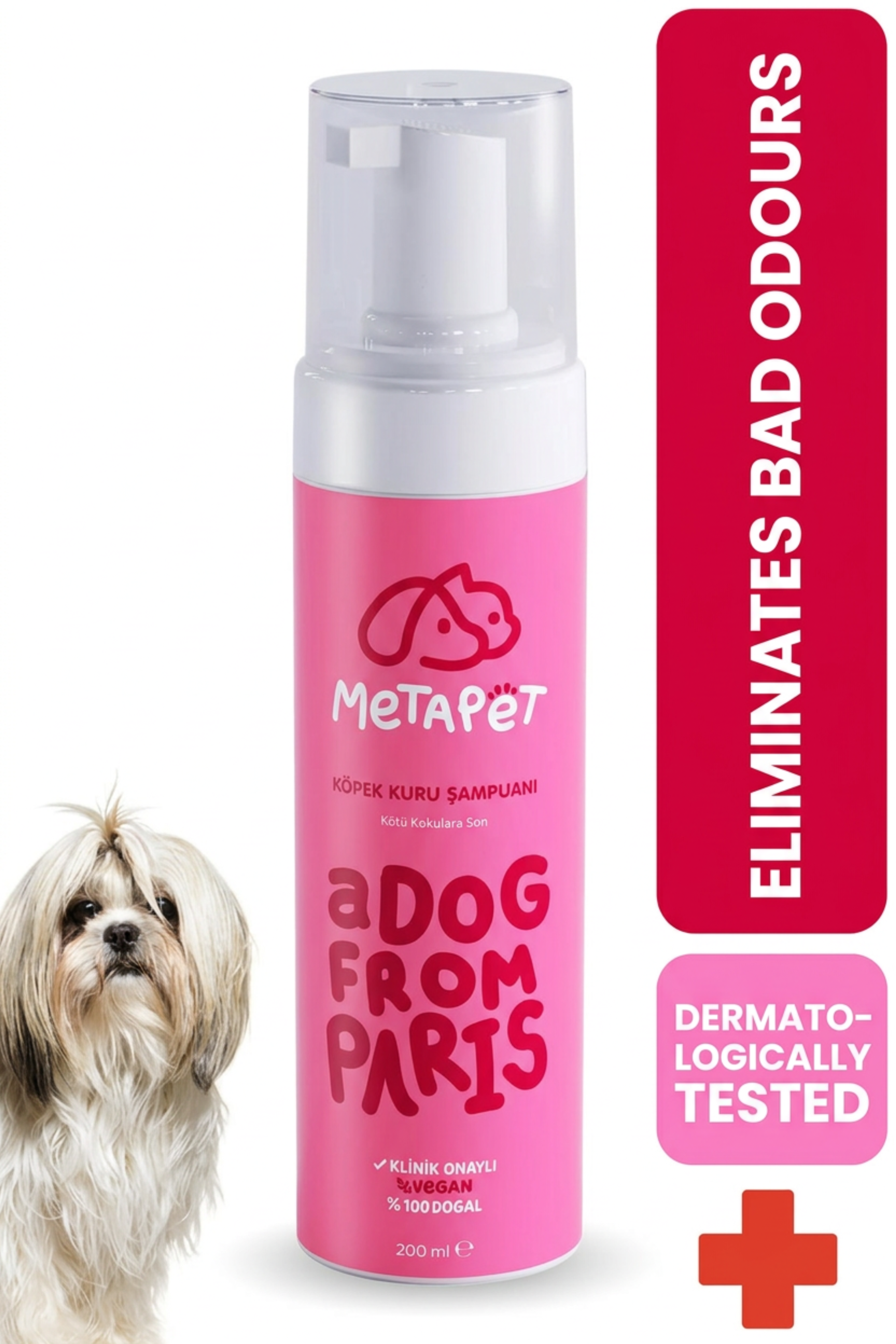
Wiping paws after walks removes salt, grit and allergens picked up outdoors. For dogs that dislike having wet paws handled, a paw cleaning foam such as the MetaPet Nano-Series Pawsome Paw Cleaning Foam with Brush can make the process quicker, and pet-safe wipes such as the Nano-Series Hygiene & Care Towel Wipes are convenient for travel. Products of this kind are cosmetic grooming aids designed to support a regular paw cleaning routine. They are a complement to proper veterinary care, not a treatment for any injury or condition, and nothing should be applied to a torn nail, an open wound or broken skin without veterinary advice.
Making paw handling a routine, pleasant part of daily life has a second benefit: a pet that is comfortable having its feet touched is far easier to examine when something is genuinely wrong.
About Dewclaw Removal
Owners sometimes ask whether removing dewclaws prevents these injuries. This is a genuinely debated topic in veterinary practice and the answer is not one-size-fits-all.
Front dewclaws in dogs are attached by bone and have functional tendon attachments; many veterinarians consider that they serve a purpose in gripping and in stabilizing the wrist during turns. Loosely attached rear dewclaws, where present, are viewed differently by some clinicians because they are more prone to catching.
Practices and regulations differ substantially between countries, and elective removal in adult dogs is a surgical procedure with its own recovery. This is a conversation to have with your own veterinarian, who can assess your individual dog's anatomy, breed, lifestyle and injury history rather than applying a general rule.
Frequently Asked Questions
How much bleeding is too much?
Nail bleeding usually stops within about ten minutes of firm, uninterrupted pressure. If it does not, or if you are removing soaked pads repeatedly, contact your veterinarian.
Can I pull off a nail that is hanging by a thread?
No. It is still attached to living tissue and pulling is very painful. Let your veterinary team remove it with appropriate pain control.
How long does a nail take to regrow?
Usually several weeks to a few months, depending on how much was lost. The regrown nail may look slightly different.
My cat's claw came off in the scratching post. Is that normal?
Cats naturally shed the outer sheath of the claw, leaving a hollow shell behind. This is normal. Bleeding, lameness or a raw nail bed is not.
How often should nails be trimmed?
This varies with growth rate, activity and surfaces walked on. A good rule is to trim before nails touch the floor when standing. Ask your veterinary team for a schedule.
Key Takeaways
- The quick makes nail injuries genuinely painful. It contains nerves and blood vessels.
- Apply firm pressure and do not peek. Styptic powder, cornstarch or flour can help.
- Never pull a partly attached nail. And never apply a tight bandage or tourniquet.
- Hanging nails, exposed quick and non-stop bleeding need a vet. So does any sign of infection.
- Dewclaws tear most often. Because they do not wear down and tend to curve.
- Long nails are the main risk factor. Regular trimming prevents most injuries.
- Overgrown nails come back gradually. Small frequent trims let the quick recede.
If your pet has a torn nail that is hanging, bleeding persistently, or causing lameness, contact your veterinarian. And if it has been a while since the last nail trim, this is a good week to book one.