Tooth Extractions in Pets: Aftercare at Home

Very few owners expect the phone call. The pet went in for a dental cleaning, and now the veterinary team is explaining that several teeth are diseased below the gumline and need to come out. It is one of the more common conversations in small animal practice, and it almost always prompts the same two questions: will my pet be able to eat, and are they going to be in pain?
The short answers are reassuring. Dogs and cats manage remarkably well after extractions, including after extensive ones, and in most cases the animal is more comfortable afterwards than before, because the extracted teeth were the source of chronic pain. Owners frequently report that their pet seems years younger a fortnight later.
That said, the days immediately after surgery need careful management, and there are specific signs that mean calling the clinic rather than waiting. This guide explains why extractions become necessary, what the first day looks like, how feeding and medication should be handled, what normal healing looks like compared with a complication, and how to build a home dental routine that protects the teeth that remain.
Important: This article shares general educational information for pet owners and is not a substitute for an in-person veterinary examination, diagnosis, or treatment. For any medical concern or emergency, contact your veterinarian promptly.
Why Teeth Need to Come Out
The commonest reason is advanced periodontal disease. Bacteria in plaque cause inflammation of the gum, which progresses to destruction of the ligament and bone that hold the tooth in its socket. Once that support is lost beyond a certain point, the tooth cannot be saved and leaving it in place means leaving a source of infection and pain.
In cats, tooth resorption is another major cause. The tooth structure is progressively broken down by the body itself, exposing sensitive tissue. These lesions are genuinely painful, frequently sit below the gumline where they are invisible on a routine look in the mouth, and are usually only identified on dental radiographs under anaesthesia.
Fractured teeth are a third common reason, particularly in dogs who chew hard objects. A fracture that exposes the pulp creates a direct route for bacteria into the tooth root and jaw. Other causes include severe gingivostomatitis in cats, retained baby teeth, and teeth involved in oral masses.
Why You Often Do Not Know Until They Are Asleep
Owners are sometimes frustrated that a treatment plan changes mid-procedure. The reason is that most dental disease is invisible from outside. A tooth can look perfectly acceptable above the gum while the root and surrounding bone are severely diseased.
This is why full-mouth dental radiographs under anaesthesia are the standard of care in good veterinary dentistry, and why an accurate treatment plan can only be made once the pet is asleep, the mouth has been charted tooth by tooth, and the x-rays have been reviewed.
It also explains why practices ask you to consent in advance to extractions that may prove necessary. Waking a pet up, calling you, and re-anaesthetising them later would mean two anaesthetics instead of one, which is worse for the animal in every respect.
The First Twenty-Four Hours
Expect your pet to be groggy on the day of the procedure. Anaesthetic drugs take time to clear fully, and pets are often quiet, unsteady and disinterested that evening. Some are unusually clingy; others want to be left alone. Both are normal.
Keep the environment quiet, warm and low-stimulation. Restrict access to stairs and furniture jumping, since balance may be affected. Keep other pets and children from pestering, and do not plan a walk beyond a brief toilet trip on a lead.
- Offer water: small amounts frequently rather than a full bowl gulped at once.
- Offer food when advised: follow the clinic's specific instruction on when to feed.
- Expect a smaller appetite: a reduced first meal is normal; complete refusal for more than a day is not.
- Expect a little blood-tinged saliva: light pink drool on the first evening is common.
- Keep the pet indoors: supervise toilet trips and keep cats in overnight.
- Give medication exactly as prescribed: especially pain relief, on time rather than as needed.
- Do not give human painkillers: many are toxic to dogs and cats.
That last point deserves emphasis. Human anti-inflammatory and pain medications are a common cause of serious poisoning in pets, and paracetamol in particular is highly toxic to cats. If you think your pet needs more pain relief, call the clinic rather than reaching into your own medicine cabinet.
Feeding After Extractions
Most veterinary teams recommend soft food for a period after extractions, commonly around one to two weeks, though your own clinic's instruction takes precedence. The gum tissue has been sutured and needs time to heal without hard kibble pressing into the site.
Practical options include a wet version of the pet's normal food, or their usual dry food soaked in warm water until it softens completely and can be mashed. Soaking the familiar food is often better tolerated than an abrupt switch to something new, and avoids adding digestive upset to the recovery.
- Soften, do not starve. Pets need to eat; softening the food is the way to make that comfortable.
- Serve slightly warmed. Gently warmed food smells stronger and tempts a reluctant eater.
- Offer small frequent meals. Easier on a sore mouth than one large bowl.
- No hard treats, chews or bones. Nothing crunchy until your veterinarian confirms it is safe.
- No toys that are chewed hard. Swap to soft toys for the recovery period.
- Return to normal food gradually. Once cleared, reintroduce dry food over a few days.
Owners of cats who have had many or all teeth removed often worry that their cat cannot manage dry food again. In practice, a great many toothless cats eat dry kibble perfectly happily once healed, swallowing it whole. Discuss the long-term diet with your veterinarian at the recheck.
Pain Relief and Medication
Dental extractions are painful, and modern veterinary practice manages that actively rather than reactively. Most pets go home with prescribed analgesia, and often a local anaesthetic block has been placed during the procedure that continues working for some hours afterwards.
Give pain medication on the schedule prescribed, not only when your pet appears sore. Pain is much easier to keep under control than to bring back under control, and animals hide discomfort well enough that waiting for obvious signs means waiting too long.
If antibiotics have been prescribed, complete the full course even if the mouth looks better. If your pet vomits after a dose, refuses medication, or seems unusually sedated, call the clinic rather than adjusting the dose yourself.
Normal Healing Versus a Problem
Knowing what is expected removes a great deal of anxiety. In the first day or two, mild blood-tinged saliva, reduced appetite, quietness and slightly increased drooling are all common. Gums look red and swollen at first because they have been operated on.
Over the following week, appetite should improve steadily, drooling should reduce, and your pet should be more comfortable and more like themselves each day. Sutures used in the mouth are typically absorbable and dissolve over a few weeks; you may occasionally see a small piece come away, which is normal.
Signs that warrant a phone call include ongoing or fresh bleeding beyond the first day, a complete refusal to eat for more than about twenty-four hours, worsening rather than improving swelling, a foul smell, visible discharge, persistent pawing at the mouth, difficulty swallowing, lethargy that deepens rather than lifts, or a suture site that has clearly opened.
Life After Extensive Extractions
Owners facing a full-mouth extraction, most often in cats with severe gingivostomatitis, are usually distressed by the prospect. It is worth hearing the other side of it: these cats are frequently in chronic, severe oral pain, and the reported outcomes after surgery are often dramatic improvements in comfort, appetite and behaviour.
Cats and dogs do not chew their food the way humans do. They tear and swallow. Removing diseased teeth removes pain and infection; it does not remove the ability to eat. Many owners describe a pet who begins grooming properly again, plays more, and gains weight after years of decline.
Practical adjustments are usually modest: softened or wet food at first, a check that the pet is maintaining weight, and continued veterinary monitoring of the mouth. Grooming may need a little more help in cats who used their teeth for coat care, and long-coated cats may benefit from more regular brushing.
Protecting the Teeth That Remain
Once healing is complete, attention turns to prevention. Periodontal disease is progressive, and the teeth that were not extracted are subject to exactly the same process that damaged the others. A home routine started now is the single most effective thing an owner can do.
Daily toothbrushing with a toothbrush and toothpaste formulated for pets remains the gold standard. Never use human toothpaste, which contains ingredients not intended to be swallowed and may include xylitol, which is toxic to dogs. Introduce brushing gradually with short, rewarded sessions rather than attempting a full clean on day one.
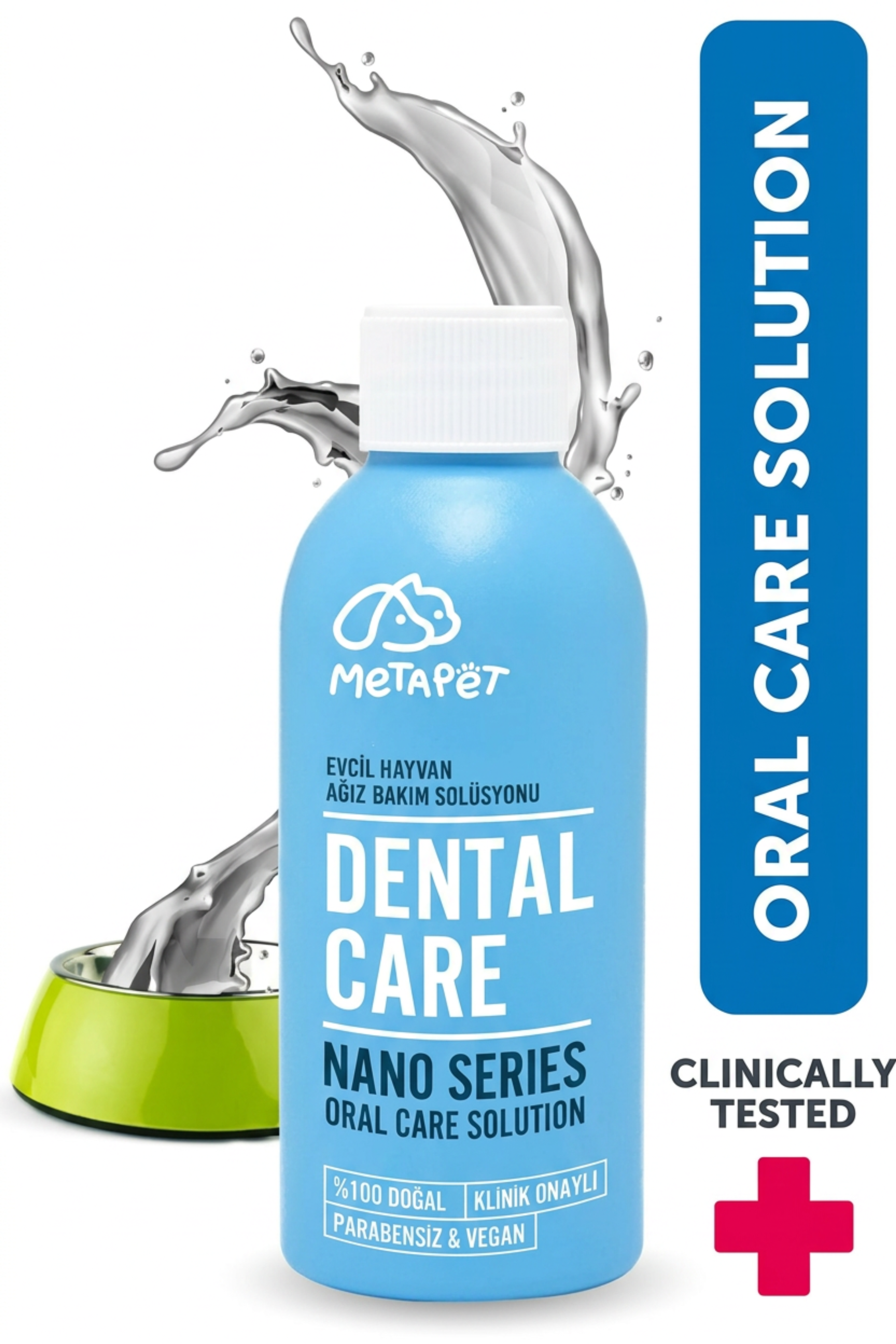
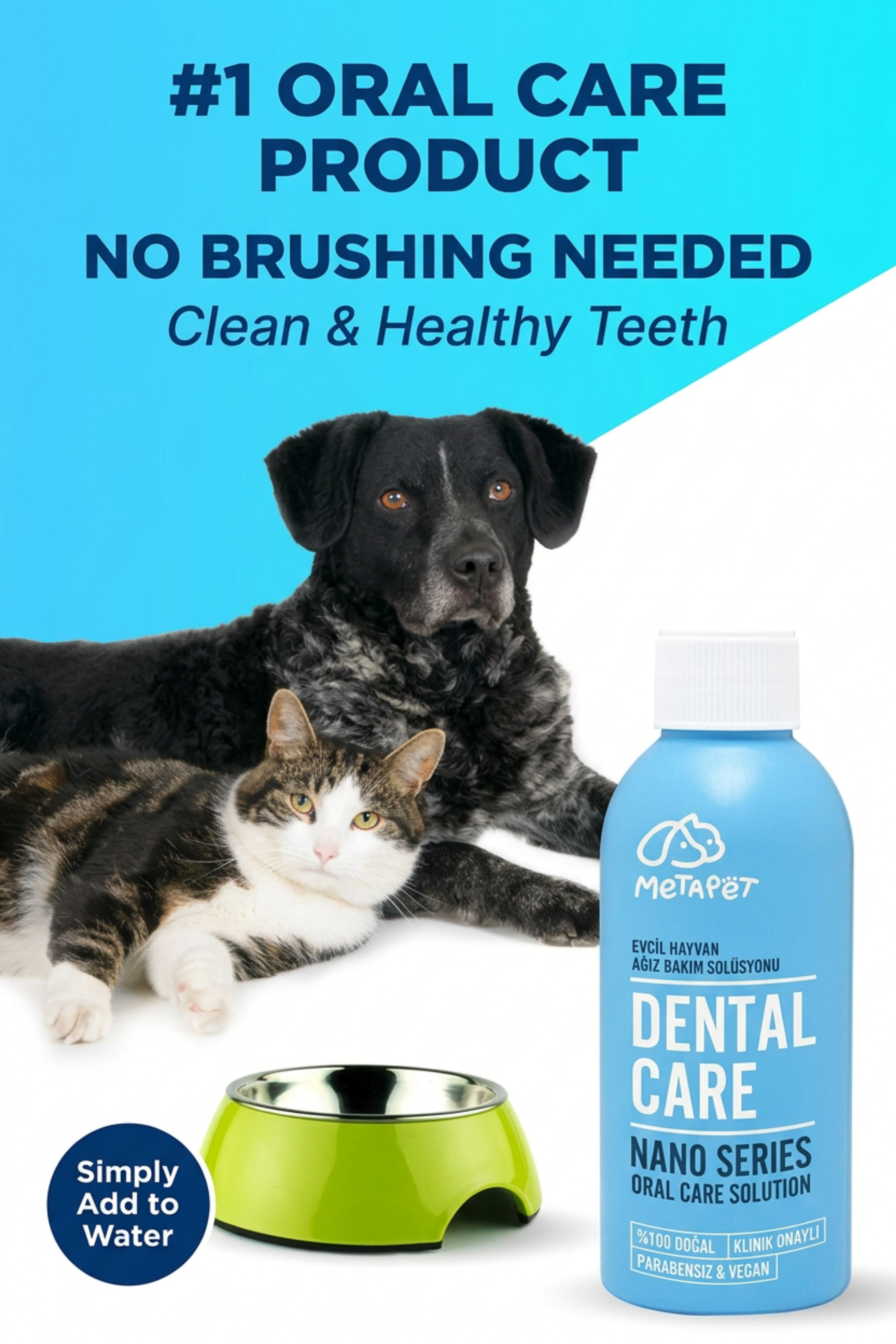
Some owners also include a water additive as a supplementary part of a daily routine. MetaPet's Nano-Series Dental Care Water Additive for Cats & Dogs is a cosmetic oral care product designed to be added to drinking water as part of a routine for freshening the mouth. Products of this kind are grooming and hygiene aids rather than medicines — they are not intended to diagnose, treat, cure or prevent any disease, they do not replace brushing, and they are not a substitute for professional dental assessment and cleaning. Wait until your veterinarian confirms the mouth has healed before introducing anything new, and check with them first if your pet has ongoing oral disease.
Preventing the Next Round of Extractions
Beyond daily brushing, several habits meaningfully reduce the chance of your pet needing further dental surgery. The most important is regular professional assessment, because problems below the gumline are invisible to you at home.
- Attend routine dental checks. Your veterinarian will advise how often based on your pet's mouth.
- Brush daily if possible. Even a few days a week is better than none, but daily is the target.
- Avoid very hard chews. Bones, antlers and hard nylon toys are a common cause of fractured teeth.
- Look for early signs. Bad breath, drooling, dropping food, chewing on one side or reluctance to be touched around the face.
- Check the mouth gently. Lift the lip once a week and look at the gum line for redness or tartar.
- Do not ignore breath odour. Persistently bad breath is a sign of disease, not a normal pet smell.
Bad breath in particular is worth treating as information rather than an inevitability. A healthy mouth does not smell strongly, and persistent halitosis is one of the most common early indicators of periodontal disease that owners have available to them.
When to Contact Your Veterinarian
Contact your veterinary clinic promptly after dental surgery if there is fresh or continuing bleeding after the first day, if your pet refuses food for more than about twenty-four hours, if swelling worsens instead of improving, if there is a foul smell or discharge from the mouth, if your pet paws at their face persistently, or if they seem to be getting worse rather than better.
Seek urgent care for difficulty breathing, an inability to swallow, collapse, or an obvious severe reaction to medication. Also call if your pet vomits repeatedly after starting a new prescribed medicine.
This article shares general educational information for owners and does not replace the specific aftercare instructions given by the veterinary team who performed your pet's procedure. Where anything here differs from what your clinic told you, follow your clinic.