Tapeworms in Dogs and Cats: Signs, Causes and Prevention

Few things unsettle a pet owner quite like spotting something moving in the litter box or clinging to the fur under a dog's tail. Tapeworms are one of the most commonly noticed intestinal parasites in dogs and cats, largely because their segments are visible to the naked eye. That visibility is actually useful: unlike many parasites that hide entirely inside the intestine, tapeworms announce themselves in a way owners can catch early.
Tapeworms are flat, segmented worms that live in the small intestine and absorb nutrients through their body wall. They attach to the intestinal lining with a specialized head and grow by adding segments behind it. Mature segments break off, travel out with the stool, and carry eggs with them. Those shed segments are what owners typically see, often described as looking like grains of white rice, sesame seeds, or small cucumber seeds.
This guide explains how dogs and cats pick tapeworms up, what the signs look like at home, how veterinarians confirm and address the problem, and — most importantly — how the whole cycle connects back to flea control and hunting behavior. Understanding that link is what turns a recurring nuisance into a solved problem.
Important: This article shares general educational information for pet owners and is not a substitute for an in-person veterinary examination, diagnosis, or treatment. For any medical concern or emergency, contact your veterinarian promptly.
What Tapeworms Actually Are
Tapeworms belong to a group of flatworms called cestodes. An adult tapeworm has a head, called a scolex, which anchors to the intestinal wall using hooks, suckers, or both. Behind the head stretches a chain of repeating segments known as proglottids. Each segment is essentially a self-contained reproductive unit, and as it matures it fills with eggs.
When a segment is ready, it detaches and passes out of the body in the stool. Freshly passed segments can move on their own, contracting and stretching in a way that owners often describe as unnerving. Once they dry out, they shrink and harden into small yellowish specks that resemble sesame seeds or uncooked rice grains, and they may be found stuck to bedding, in fur around the tail, or in the litter box.
Several tapeworm species affect companion animals. The two that owners in most regions encounter are the flea tapeworm, Dipylidium caninum, and Taenia species, which are picked up from prey animals. Echinococcus species are far less common in typical pet households but are more significant from a public health standpoint, which is one reason veterinary guidance and regional risk assessment matter.
- Flat and segmented: unlike round, spaghetti-like roundworms, tapeworms are ribbon-shaped and made of repeating units.
- Attached, not free-floating: the adult worm stays anchored, so it is rarely seen whole.
- Visible segments: the part owners see is a shed segment, not the entire parasite.
- Species-specific routes: different tapeworms use different intermediate hosts, which changes the prevention strategy.
How Dogs and Cats Pick Them Up
Tapeworms cannot pass directly from one pet to another the way a respiratory virus might. Every common tapeworm requires an intermediate host — a smaller animal that carries the immature stage. The pet becomes infected by swallowing that intermediate host, not by contacting an infected pet's stool directly.
The flea route
Flea larvae in the environment ingest tapeworm eggs. As the flea matures, the parasite develops inside it. When a dog or cat grooms, chews, or nibbles at an itchy spot and swallows that flea, the immature tapeworm is released in the intestine and grows into an adult. This is why a tapeworm diagnosis is so often, in practice, also a flea diagnosis — even when the owner has not seen a single flea on the pet.
The hunting route
Taenia tapeworms use rodents, rabbits, and other prey species as intermediate hosts. Cats who hunt outdoors and dogs who catch small wildlife or scavenge carcasses can acquire these by eating infected tissue. Raw or undercooked meat and offal from certain sources can also carry risk, which is one of several reasons veterinarians raise safety questions about raw feeding.
Because both routes involve swallowing something, the practical prevention picture becomes clear: control fleas thoroughly, and limit hunting, scavenging, and access to raw prey tissue where you reasonably can.
Signs Owners Notice at Home
Many dogs and cats with tapeworms appear completely healthy. Appetite is normal, energy is normal, and the stool looks unremarkable. The infection is often discovered incidentally — a segment spotted on a blanket, in the litter, or clinging to the fur beneath the tail after a nap.
- Rice-like specks: small white or cream segments in fresh stool, or dried yellowish grains on bedding and in fur.
- Scooting or licking: segments crawling near the anus can cause irritation, prompting a pet to drag its rear or lick the area repeatedly.
- Fur changes at the tail base: matted or damp fur where segments have dried.
- Occasional digestive upset: some pets show intermittent soft stool or mild abdominal discomfort.
- Rarely, a vomited worm: a longer segment chain is sometimes brought up, which is alarming to see and is worth photographing and taking to your veterinarian, since several worm types look similar to the naked eye.
- Poor coat or weight in heavy burdens: uncommon, but possible especially in young or underweight animals.
It is worth noting that scooting has many causes, and anal gland problems are at least as common as parasites. Likewise, a dull coat can reflect diet, skin disease, or an underlying medical condition. Seeing segments is fairly specific for tapeworms; the other signs on this list are not, and they deserve a veterinary look rather than a guess.
Why Standard Fecal Tests Can Miss Them
Routine fecal flotation is excellent at catching many intestinal parasites, because those worms release eggs continuously into the stool where they mix evenly. Tapeworms behave differently. Their eggs stay packaged inside the segments rather than being released freely, and segments are shed intermittently rather than with every bowel movement.
The practical consequence is that a negative fecal test does not rule out tapeworms. If you have actually seen segments, tell your veterinary team exactly what you saw and where. That observation is often more diagnostically useful than the lab result, and it may change what your veterinarian recommends.
If you can, collect a segment. Placing one in a small sealed container — a pinch of water helps keep it from drying out — and bringing it to the appointment allows the veterinary team to identify the type, which in turn shapes the prevention conversation. A clear photo taken immediately, before the segment dries, is a useful second-best.
- Put on disposable gloves, or use a plastic bag turned over your hand.
- Pick up the segment together with a small amount of the stool it came from.
- Place it in a clean sealed container with a few drops of water so it does not dry out.
- Label the container with the date and which pet it came from.
- Refrigerate it if the appointment is not the same day, kept well away from food.
- Take a clear close-up photo as a backup, and bring both to the appointment.
What Your Veterinarian Will Do
Diagnosis is usually straightforward when segments are available or clearly described. Your veterinarian will also take a history: does the pet hunt, is it on year-round flea prevention, are other animals in the household affected, has there been any travel to a different region, and what is the diet.
Treatment is prescribed by your veterinarian and is directed at the specific parasite involved. Products that clear one type of worm do not necessarily clear another, and dosing depends on the animal's weight, age, and health status. This is not an area for guesswork or for using a product intended for a different species — always follow veterinary direction on which medication, what dose, and whether a repeat is needed.
Your veterinarian will also want to address the source. Clearing the adult worm without breaking the transmission cycle simply sets the stage for reinfection, sometimes within weeks. Expect the conversation to include flea control for every pet in the home and for the indoor environment, not just for the animal that showed segments.
- Bring to the appointment: a stool sample, a preserved segment or clear photo, the name of your current flea and parasite prevention products, and dates of last dosing.
- Mention: hunting or scavenging habits, raw food in the diet, other pets in the home, and recent boarding or travel.
- Ask about: whether a follow-up dose or recheck is advised, and how to time future parasite prevention.
Breaking the Flea Cycle at Home
Because the flea tapeworm is by far the most common type in household pets, effective flea control is the single most valuable prevention step. And flea control means the whole life cycle, not just the adult fleas visible on the animal. Adults on the pet represent only a fraction of the population; eggs, larvae, and pupae are distributed through carpet, bedding, upholstery, and floor cracks.
- Treat every pet: dogs and cats in the same household share the same flea population, so untreated animals keep it going.
- Stay consistent: use veterinarian-recommended flea prevention on the schedule advised, including through cooler months in many regions.
- Wash bedding hot: launder pet bedding and washable covers regularly on the warmest setting the fabric allows.
- Vacuum thoroughly: focus on edges, under furniture, and where pets rest; empty or dispose of the contents outside afterward.
- Do not improvise: never apply a dog flea product to a cat, and check with your veterinarian before combining products.
Managing Hunting and Scavenging Risk
For pets that acquire tapeworms from prey, the prevention strategy shifts. You cannot realistically turn a hunting cat into a non-hunting cat overnight, but you can reduce exposure and increase monitoring.
- Consider supervised outdoor time: a secure enclosure, catio, or harness walk allows fresh air with far less hunting.
- Enrich indoors: puzzle feeders, wand toys, and climbing structures satisfy the same predatory sequence that drives hunting.
- Discourage scavenging on walks: a reliable leave-it cue and a well-fitted leash reduce the chance a dog swallows carrion.
- Manage rodents around the property: reducing the rodent population lowers the intermediate host burden, though rodent control products must be chosen carefully so they do not create a poisoning risk for pets.
- Discuss deworming frequency: pets who hunt regularly may need a different parasite prevention schedule than strictly indoor animals — your veterinarian will advise.
Reducing hunting also cuts exposure to other parasites and to injuries, so the effort tends to pay off broadly rather than solving only one problem.
Can People Catch Tapeworms From Pets?
Direct transmission from a pet's shed segment to a person is not the usual route, but human infection is possible in specific circumstances. With the flea tapeworm, a person would have to swallow an infected flea — which is why the rare reported cases tend to involve young children who spend time on the floor with pets.
Some tapeworm species carried by dogs in particular regions do carry more serious public health considerations. Your veterinarian can tell you what is relevant where you live, and whether your pet's lifestyle changes that assessment.
- Wash hands: after handling stool, litter, or bedding, and before eating.
- Keep the litter box clean: daily scooping removes segments before they dry and scatter.
- Supervise young children: discourage hand-to-mouth contact during and after floor play with pets.
- Pick up promptly in the yard: reduces environmental contamination for all household parasites.
- Keep prevention current: a pet on consistent, veterinarian-guided parasite prevention poses less risk to the household.
If a household member has a health concern related to a pet parasite, that question belongs with a physician rather than a veterinarian, and the two can coordinate when needed.
Puppies, Kittens, and Multi-Pet Homes
Young animals are dewormed on a schedule during their early months because several parasites are common at that age and because puppies and kittens have less reserve if a parasite burden becomes heavy. That routine schedule does not necessarily target tapeworms, since the standard early-life protocol is aimed at the parasites young animals most often acquire. If you see segments in a puppy or kitten, mention it specifically.
In multi-pet homes, one animal showing tapeworm segments generally means the household has a flea situation, even if only one pet is symptomatic. The pet who grooms most intensely, or who is most sensitive to flea bites, is often the one who shows signs first. Plan on a whole-household approach rather than treating a single animal in isolation.
Newly adopted animals deserve particular attention. Shelter, rescue, and street-origin pets frequently arrive with parasites, and a full parasite screen at the first veterinary visit is standard, sensible practice.
Myths and Facts
- Myth: a clean house means no tapeworms. Fleas travel indoors on clothing, on other animals, and through shared walls in multi-unit buildings. Cleanliness helps, but it is not a guarantee.
- Myth: indoor cats cannot get them. Fleas find their way indoors, and indoor cats sometimes catch mice that come inside. Indoor status lowers risk; it does not eliminate it.
- Myth: a negative fecal test rules it out. Tapeworm eggs stay inside shed segments, so flotation tests miss them frequently.
- Myth: garlic, brewer's yeast, or diatomaceous earth clears worms. These are not veterinary treatments for tapeworms, and some carry their own safety concerns. Rely on veterinary guidance.
- Fact: reinfection is common without flea control. Clearing the adult worm and skipping the flea part is the most frequent reason the problem returns.
- Fact: most affected pets feel fine. Absence of symptoms is normal and does not mean the finding should be ignored.
When to Contact Your Veterinarian
Seeing segments warrants a call, but it is not typically an emergency. Book a routine appointment, bring a sample, and expect a conversation about prevention alongside treatment.
- Book an appointment for: visible segments, persistent scooting, unexplained soft stool, or a newly adopted pet with unknown parasite history.
- Call promptly for: ongoing diarrhea, vomiting that does not resolve, visible weight loss, or a young puppy or kitten showing any of these.
- Seek urgent care for: a pet who is lethargic, has a distended painful abdomen, is repeatedly vomiting, or shows blood in stool or vomit — these are not typical tapeworm signs and point to something that needs same-day attention.
For any medical emergency, contact your veterinarian or a local emergency veterinary hospital right away rather than waiting to see whether the problem settles.
The Practical Takeaway
Tapeworms are unpleasant to see and generally straightforward to address, but the lasting fix is rarely the medication alone. The parasite reaches your pet through something it swallowed — a flea or a prey animal — so the durable solution lives in flea control, hunting management, and consistent, veterinarian-guided parasite prevention.
Build a habit of hands-on checks. When you brush your dog or cat, run your fingers along the tail base, glance at bedding when you wash it, and look at the litter before you scoop past it. These small routines catch tapeworms early, and they catch a great many other things early too — lumps, skin irritation, matting, and weight changes all show up first to the owner who touches their pet regularly.
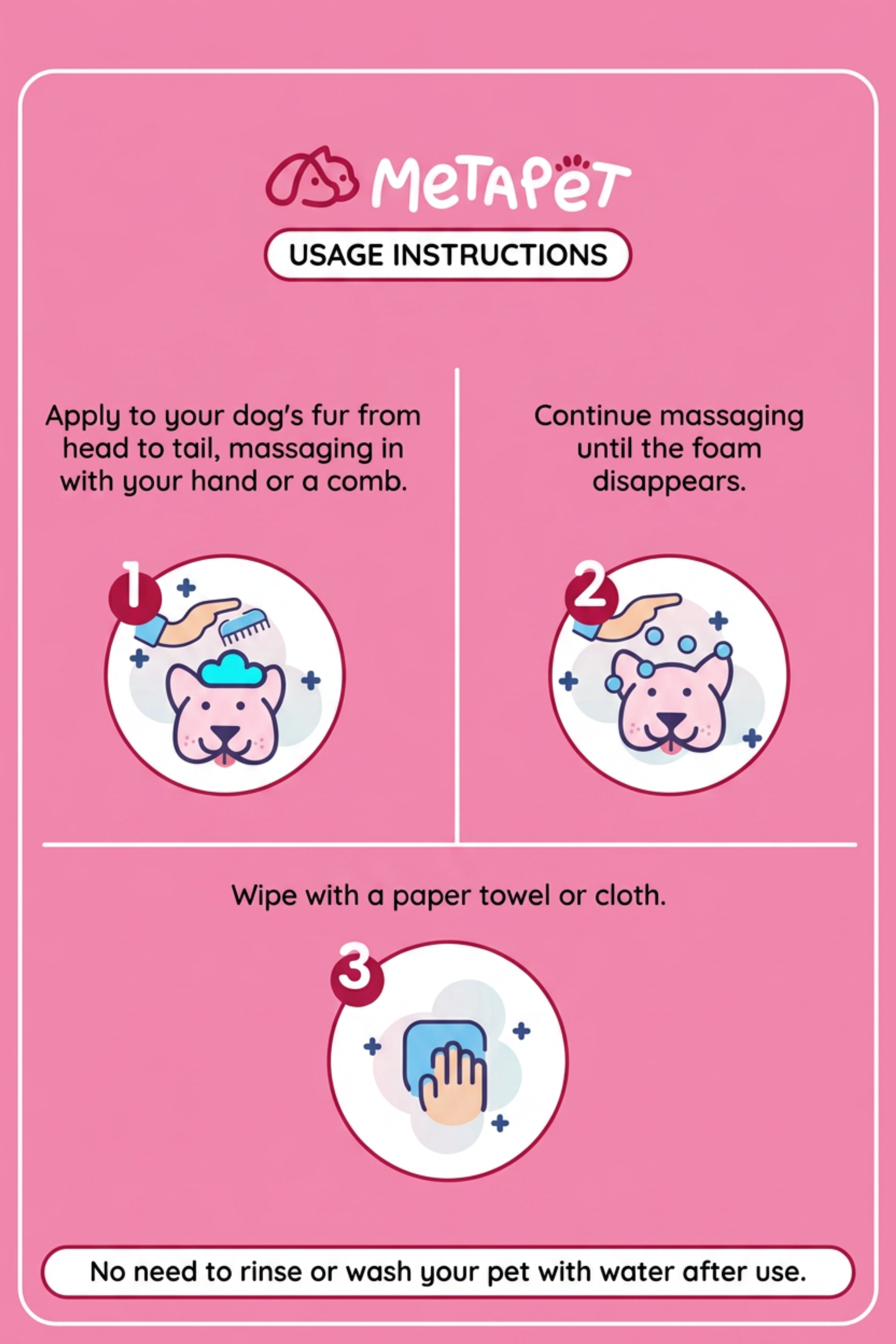
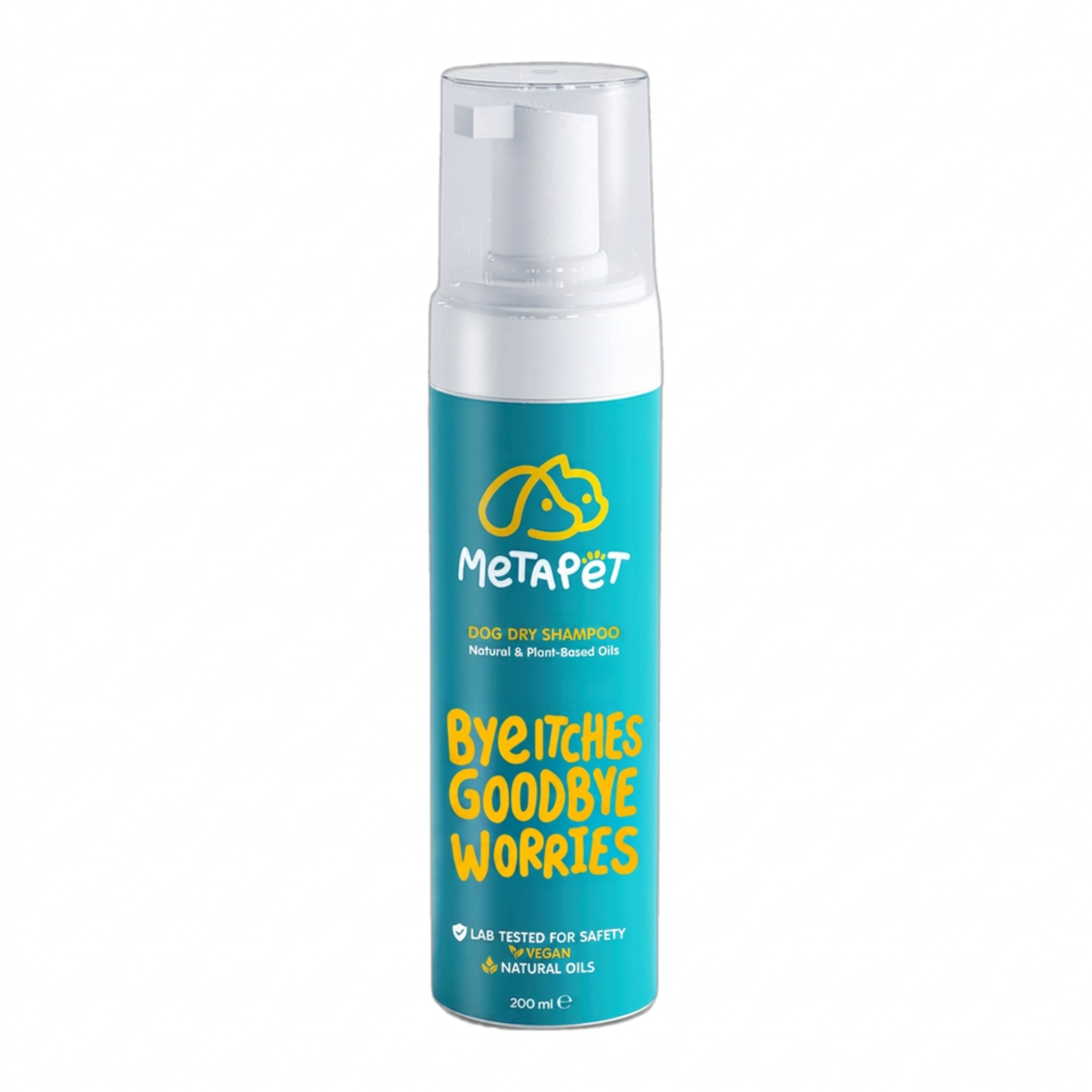
Regular hands-on grooming is how most owners notice changes early. A gentle wipe-down or coat-refresh routine can be part of everyday hygiene between baths — MetaPet's Nano-Series Hygiene & Care Towel Wipes are designed as an everyday grooming and freshening product. They are cosmetic grooming aids that can support a tidy coat and regular hands-on checks; they are a complement to, never a substitute for, veterinarian-directed flea prevention and parasite treatment.
And when you do find something, write down what you saw, keep the evidence if you can, and bring it to your veterinary team. A clear owner observation is one of the most valuable diagnostic tools in veterinary medicine.